W tej strefie zapraszamy do nabycia książek z szeroko pojętej dziedziny jaką jest psychologia. Posiadamy podręczniki i poradniki kierowane do specjalistów psychiatrii i psychologii, a także uczniów i studentów. Poprzez poradniki z zakresu problemów emocjonalnych u dzieci i młodzieży czy okresu dojrzewania. Proponujemy poradniki dla ludzi biznesu, polityków, nauczycieli, dzieci i modzieży. Garść rozmaitych porad i rewolucyjnych technik, które pomogą otworzyć drzwi umysłu. Polecamy dobre książki psychologiczne. W ofercie psychologia społeczna, kliniczna, biznesu, rozwoju, zdrowia, sportu, psychologia umysłu, relacje międzyludzkie i wiele innych poradników.
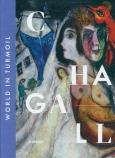
Marc Chagall (1887–1985) is regarded as the poet amongst modernist artists. His works from the 1930s and 1940s are less well known. In them, his bright colour palette became darker. Even in the early 1930s, Chagall addressed the increasingly aggressive anti-Semitism and touched in his artistic works on central themes such as identity, homeland and exile. In over 100 haunting paintings, works on paper and costumes, the volume traces the artist’s search for a pictorial language in the face of displacement and persecution. It presents important works in which Chagall increasingly focuses on his Jewish environment: numerous self-portraits, his devotion to allegorical and Biblical subjects, important designs from his time in exile in the United States and main works like The Falling Angel. The book offers a highly topical perspective on the oeuvre of one of the most important artists of the 20th century.
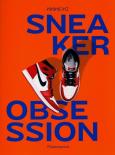
This comprehensive illustrated history of the sneaker covers everything from athletic wear to street style, Run-DMC to Travis Scott, Reebok to Nike Air Force 1, and limited editions to sustainability. The stories behind the brands, designers, and sneakerheads that transformed athletic footwear into a cultural phenomenon unfold in this epic volume. From its early twentieth-century origins as a sporting shoe; to the thrill of seeing Michael Jordan’s red, white, and black high-tops on the court; to the swagger and style of hip-hop footwear, the sneaker has become a status marker and a coveted cult collectible. This history of the sneaker spans Nike’s famous swish logo and global domination, the saga of the dueling brothers who respectively founded Adidas and Puma, and the enduring popularity of Off-White kicks and Vans. With a glossary of key terms and an overview of the technological and stylistic revolutions of the sneaker, this is an essential book for understanding the streetwear universe, vocabulary, and codes; its innovators and their coveted models; as well as the burgeoning global resale economy. Through profiles of the brands; portraits of Virgil Abloh, Chitose Abe, and Travis Scott; and interviews with Kanye West, collector Max Limol, and pop culture guru Sarah Andelman of the legendary Parisian boutique Colette, this book offers deep perspective on the creativity of the industry. Insight into the future of sneakers and how the leading brands are committed to sustainability, customization, and gender equity reveal how the sneaker business continues to reinvent itself at the forefront of culture.
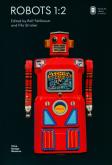
The catalogue of a unique collection, ROBOTS 1:2 presents the space-themed toys in the R. F. Robot Collection held by the Vitra Design Museum. "Small kinetic sculptures of great originality": that is how Rolf Fehlbaum, Chairman Emeritus of Vitra and founder of the Vitra Design Museum, describes the objects in his collection. In many years of careful research, he compiled a rare Wunderkammer of toy robots made mainly in Japan between 1937 and 1973. The term robot was coined in 1921 by Czech writer Karel Capek in his play R. U. R., which foreshadowed some of the impact robots have had on human lives – from relieving us of hard, dangerous, or unpleasant tasks to taking over our jobs, from small everyday dependencies to shifts in social power dynamics. While the large-format predecessor to this book presented the exhibits in their original size, ROBOTS 1:2 shows the space toys on a 1:2 scale. The largest robot determines the size of the book: this conveys a sense of the uncanny ambivalence that clings to even the most playful representatives of their kind. The fantastic pictures on the original packaging often displayed alongside the figurines vividly illustrate an image of the future that by this time is itself part of our past. QR codes give access to short films showing a number of robots in action. The R. F. Robot Collection, housed in the »Wunderkammer« on the Vitra Campus in Weil am Rhein, Germany, can be visited as part of a guided tour.For more information please go to www.design-museum.de.
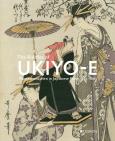
Women and men – strong, proud, tragic or beautiful – from the heyday (1765–1865) of Japanese printmaking are this book’s subject. It seeks to dig below the surface of the prints to describe the often subtle iconography employed in these masterful creations by the most famous artists of their time. It begins with Suzuki Harunobu’s subdued and introverted scenes of women seated on verandas. The book then moves on to the spectacular ‘big face’ (okubi-e) portraits of prostitutes and Kabuki actors by artists like Kitagawa Utamaro, Toshusai Sharaku and Utagawa Kunimasa. Frail ‘streetwalkers’, forced by circumstance into the lowest ranks of prostitution, are transformed into elegant beauties, obscuring their tragic existence. The spectacle of heroes from Japan’s rich mythological and pseudo-historical past crowd the printed sheet. Stern-faced actors drawn by the confident hands of Utagawa Toyokuni and his pupil Kunisada demonstrate the economy of line and powerful expression of the woodblock medium. Each print is explored in the finest detail in order to explain the riddles of Ukiyo-e –the intriguing and captivating mode of visual expression that would have such a profound influence on Western art.
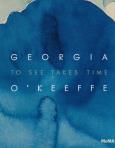
In 1916, Georgia O’Keeffe wrote to Alfred Stieglitz that she had “made [a] drawing several times - never remembering that I had made it before - and not knowing where the idea came from.” These drawings, and the majority of O’Keeffe’s works in charcoal, watercolor, pastel, and graphite, belong to series, in which she develops and transforms motifs that lie between observation and abstraction. In the formative years of 1915 to 1918, she made as many works on paper as she would in the next forty years, producing sequences in watercolor of abstract lines, organic landscapes, and nudes, along with charcoal drawings she would group according to the designation “specials.” While her practice turned increasingly toward canvas in subsequent decades, important series on paper reappeared - including charcoal flowers of the 1930s, portraits of the 1940s, and aerial views of the 1950s. Published in conjunction with an exhibition at The Museum of Modern Art, New York, this richly illustrated volume highlights the drawings of an artist better known as a painter, and reunites individual sheets with their contextual series in order to illuminate O’Keeffe’s persistently sequential practice.
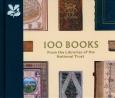
Spanning the 8th to the 21st centuries, 100 Books from the Libraries of the National Trust includes illuminated medieval manuscripts; the Trust's oldest atlas, with maps of the ancient world; a volume from Henry VIII's library; a book inscribed in blood; an Arabic manuscript on horsemanship; a very early book on swimming; the largest volume of botanical drawings ever produced; sonatas by Joseph Haydn; a library of miniature children's books; the first book in English by an Indian author; Dame Ellen Terry's annotated working copy of Shakespeare's Macbeth; the first book ever printed in Antarctica; George Bernard Shaw's Nobel Prize in Literature; Virginia Woolf's handwritten manuscript for her novel Orlando; and John Lennon's treasured childhood copy of Richmal Crompton's William the Gangster.
Chosen by National Trust curators from collections at more than 160 properties, the featured books are arranged chronologically, each accompanied by beautiful photography and an illuminating, easy-to-read caption. The book concludes with a handy glossary of terms and a gazetteer of important National Trust libraries.
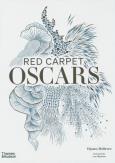
The first and only book to showcase a complete sartorial history of the Oscars' red carpet. The red carpet is so much more than fabulous gowns on famous people. It reflects the styles and values of the time, and has become a platform for often trenchant social statements. Red Carpet: Oscars presents over ninety years of fashion worn at the awards ceremony since its inception in 1929. From ready-to-wear to haute couture, it charts what stars and invitees wore across the decades, as well as the emergence of stylists, the commercialization of the red carpet and how fashion has shaped Hollywood. The book opens with a foreword by Cate Blanchett and an introduction by Giorgio Armani, and then goes on to showcase hundreds of looks across almost a century. Each year is introduced with a short text explaining the era's fashion trends as well as the social and political influences of the day, along with carefully curated images of the most iconic and inspiring outfits.
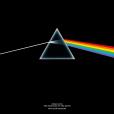
The official book commemorating the 50th anniversary of The Dark Side Of The Moon. March 2023 marks fifty years since the release of Pink Floyd's classic album The Dark Side Of The Moon. Designed by Pentagram to high specifications, this celebratory publication brims with rare and unseen photographs and reveals the visual conception of the original iconic album artwork. It will be a covetable package for the legions of Floyd fans out there – new and old. • Presents rare and unseen backstage and onstage photography of the band during the album tours of 1972 to 1975. • 129 candid photographs by Storm Thorgerson, Jill Furmanovsky, Aubrey Powell and Peter Christopherson document the soundchecks, the shows and the after shows. • A review of the October 1972 Wembley gig, originally published in Melody Maker, provides insight into one of the Floyd’s most celebrated performances. • Reveals the visual conception of the iconic album artwork. • Includes a complete listing of the tour dates.
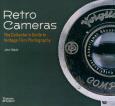
An accessible, design-led guide to the coolest, most collectible vintage film cameras combined with a practical reference to discovering the authentic buzz of shooting with film. Retro Cameras is a stylish, design-led guide to classic and retro cameras aimed at those who want to discover the world of analogue photography. It includes more than 100 camera models, from the easily affordable to the highly collectible, in 13 formats: 35 mm SLRs; 35 mm Rangefinders; 35 mm Viewfinder Cameras; Roll Film SLRs; Sheet and Roll Film Folding Cameras; Twin Lens Reflexes; Instamatics; Stereo Cameras; Panoramic and Wide-angle Cameras; Miniature Cameras and Instant Cameras. Supplementing an already comprehensive resource are quick reference shooting guides for each format, as well as a section on retro camera accessories. With over 400 specially commissioned photographs, practical advice on how to use and get the most out of each camera, buyers’ tips and a dedicated glossary, Retro Cameras is a perfect reference for young photographers who want to get creative with analogue photography, while also offering authoritative guidance for more experienced collectors and enthusiasts.
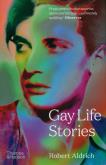
A fascinating portrait of gay men and women throughout time whose lives have influenced society at large, as well as what we recognize as today’s varied gay culture. This book gives a voice to more than eighty people from every major continent and from all walks of life. It includes poets and philosophers, rulers and spies, activists and artists. Alongside such celebrated figures as Michelangelo, Frederick the Great and Harvey Milk are lesser-known but no less surprising individuals: Dong Xian and the Chinese emperor Ai, whose passion flourished in the 1st century BC; the unfortunate Robert De Péronne, first to be burned at the stake for sodomy; Katharine Philips, writing proto-lesbian poetry in seventeenth-century England; and 'Aimee' and 'Jaguar', whose love defied the death camps of wartime Germany. With many striking illustrations, Gay Life Stories will entertain, give pause for thought, and ultimately celebrate the diversity of human history.
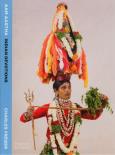
A festival of Indian folk rituals and costumes bursting with colour, captured by renowned photographer Charles Fréger, the creator of a distinctive and powerful new genre of portrait photography. Internationally renowned photographer Charles Fréger continues to explore global traditions and cultures, by celebrating the powerful visual aspects of Indian folk culture and religious ritual. India is the home to a myriad of local traditions, legends and religions, each with their own festivals, rites and rituals. Celebrations burst with vivid colours and often wildly exuberant costumes, some representing gods and goddesses, others legendary heroes from Sanskrit epics such as the Mahabharata and the Ramayana. In Charles Fréger’s photographs, those who honour local cultural traditions are represented in single or group portraits, represented against carefully chosen landscapes and backdrops, from the heart of festivals and celebrations. Fréger’s unmistakable style of portraiture allows us to admire the complexity of their adornments – masks and headdresses, costumes and body paint – and to consider the abundance of imagination that expresses India’s countless stories and characters, both human and divine. This spectacular gathering of warrior figures, deities, musicians, tigers, mahouts, epic characters and their avatars is accompanied by texts setting the huge variety of eclectic costumes in context, and describing the local festivals and rituals. This compelling sequence of new portraits will enthral those with an interest in folk traditions, as well as the followers of this internationally acclaimed photographer.
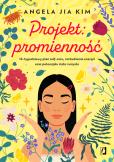
Wykorzystaj koreańskie rytuały piękna! Zadbaj o swoją skórę i wewnętrzny blask za pomocą naturalnych, sprawdzonych metod.Dzięki tej książce możesz stać się kimś, kto promienieje pięknem, energią i pewnością siebie. Dowiedz się, na czym dokładnie polega ten nieodparty magnetyzm i jak możesz go w sobie rozwinąć. Poznaj metody na to, aby zamanifestować całą obfitość, piękno i radość, których nie tylko pragniesz, ale na które zasługujesz. Ten poradnik to magiczny 12-tygodniowy program miłości do siebie, który pokaże ci, jak emanować wewnętrznym i zewnętrznym blaskiem.Dzięki informacjom zawartym w tej książce:poznasz proste metody pielęgnacji skóry i masażu bez drogich kosmetyków i inwazyjnych zabiegów estetycznych;wypróbujesz głęboką praktykę miłości do siebie, wzniesiesz się na wysokie wibracje;zaczniesz traktować swoją skórę "jak najdroższy jedwab na ziemi", a ciało jak świątynię i zasób niezwykłej energii;zastosujesz praktyczne rytuały i ćwiczenia umysłu, takie jak medytacje, afirmacje i prawo przyciągania;nauczysz się ponad pięćdziesięciu prostych, a zarazem potężnych rytuałów promienności, takich jak masaż dla blasku, peeling odnawiający czy oczyszczająca moc śmiechu;poznasz prawdziwe historie z życia wzięte, które zainspirują cię do stania się magnetyczną siłą manifestującą poprzez przywrócenie swojej wartości, rozbudzenie kobiecej energii i połączenie się ze swoim Wyższym Ja.
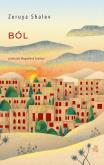
Świetna książka, która kończy się terapeutycznym katharsis.Amos OzPrzypadkowe spotkanie z niewidzianym od lat Ejtanem, wielka młodzieńczą miłością Iris, na nowo otwiera nie do końca zagojone rany. Mimo żalu i gniewu, jątrzących się w kobiecie przez długi czas, uczucie nie wygasło i odradza się na nowo. Z taką mocą i namiętnością, że Iris gotowa jest poświęcić szczęście swojej rodziny i zadać bliskim ból, którego sama doświadczała przez lata. Bezkompromisowa, szczera i poruszająca do głębi proza.
Poradnik „Jak założyć i prowadzić własną firmę" (stan prawny na 31 stycznia 2023 r.) odgrywa rolę doradcy dla osób zainteresowanych uruchomieniem działalności gospodarczej, a następnie jej prowadzeniem. Omówiono w nim krok po kroku wszystkie czynności, jakie należy wykonać, by prawidłowo przygotować dokumenty potrzebne do rejestracji firmy. Każdy etap procedury rejestracyjnej został zaprezentowany zgodnie z obowiązującym ustawodawstwem i obowiązującymi normami. Autorzy publikacji szczególną uwagę poświęcili zmianom w zakre-sie prawa dotyczącego ustawy o swobodzie działalności gospodarczej, Kodeksu cywilnego, Kodeksu spółek handlowych oraz Kodeksu pracy. W poradniku odnaleźć można także wartościowe porady eksperta z dziedziny księgowości, który wyjaśnia najważniejsze kwestie z zakresu rozliczeń zarówno z urzędem skarbowym, jak i Zakładem Ubezpieczeń Społecznych.
W poradniku można odnaleźć odpowiedzi m.in. na następujące pytania:
• Jaki rodzaj działalności wybrać, by nowo tworzona firma w przyszłości przynosiła zyski, a nie straty?
• Jakie czynności należy wykonać, by założyć własną firmę oraz gdzie poszukiwać ważnych informacji?
• Jakie druki i jak należy wypełnić, by dokonać rejestracji firmy?
• Jakie terminy obowiązują przyszłego przedsiębiorcę, który zakłada działalność gospodarczą?
• Do jakich instytucji należy się zwrócić, aby uruchomić własną firmę?
• Jakie normy prawne obowiązują przyszłego przedsiębiorcę?
• Jak i gdzie odnaleźć przepisy prawa, a następnie jak je zastosować?
• Jaką formę opodatkowania najlepiej wybrać, gdy uruchamiamy działalność gospodarczą?
• Czego należy unikać i jak wypełnić dokumenty księgowe, by ustrzec się kar w urzędzie skarbowym?
• Na jakich warunkach zatrudniać pracownika, jakie są jego prawa, a jakie obowiązki pracodawcy?
• Kto, jak i kiedy powinien rozliczać się z ZUS-em?
• Co lepiej wybrać - kredyt czy leasing w ramach finansowania działalności?
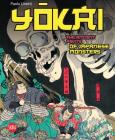
The long Pax Tokugawa was founded on the blood of 40,000 severed enemy heads. Indeed, 1600 marked the end of the period of wars that saw the defeat of the troops opposed to General Ieyasu Tokugawa.
The absence of wars, banishing the memories and horrors of past massacres, favoured the development of epic tales that gave rise to dark and terrifying atmospheres, such as the game of the hundred candles, a test of courage in which a handful of warriors meet on a summer night to tell each other scary stories populated by monsters from the national tradition. So we have the Joro¯ gumo, comely women who reveal their true nature as enormous spiders to their victims; the Tanuki, endearing badgers able to transform themselves; the Bakeneko, monstrous cats; the Kappa, aquatic beings that pester women; the Ningyo, mermaids whose fragrant flesh can give men renewed youth or an excruciating death.
The macabre ritual of the hundred candles is the great idea behind this original project that presents 200 works from the 18th and 19th centuries, including prints, rare antique books, clothes, weapons, swords, a samurai suit of armour, as well as seventy-seven precious netsuke, small ivory sculptures, from the Bertocchi private collection and a ten-metre long scroll that tells the story of Shutendoji, a mythological creature (Oni) at the head of an army of monsters that haunted Mount Oe near Kyoto. Published on the occasion of the exhibition at the Villa Reale in Monza, the book is a real journey of discovery of Japanese imagery, ranging from Hokusai’s famous manga notebooks (alongside his other masterpieces) to the works of Loputyn, the contemporary illustrator well known to hotaku manga enthusiasts.
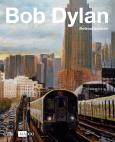
“Seeing many of my works years after I completed them is a fascinating experience. I don’t really associate them with any particular time or place or state of mind, but view them as part of a long arc; a continuing of the way we go forth in the world and the way our perceptions are shaped and altered by life. One can be as profoundly influenced by events in Morretes, Brazil as the y can be by the man who sells them El País in Madrid.” –Bob Dylan, 2021
Spanning six decades, Retrospectrum showcases the development and range of Dylan’s visual practice, in tandem with that of his musical and literary canon. It features a wide selection of Bob Dylan’s artworks in an array of media, with important works loaned from private collections around the world. The artist’s diverse creations include oil, acrylic and watercolor paintings, as well as his ink, pastel and charcoal drawings and distinctive ironwork sculptures.
Among the artworks presented in Retrospectrum are some of the artist’s earliest ink sketches first published in 1973’s Writings and Drawings that illustrated and compiled Dylan's lyrics up until that time. These drawings are shown alongside works from last year's Mondo Scripto series, in which Dylan revisited some of his most renowned lyrics, hand-writing and illustrating them in his unique hand. The book also features the iconic Train Tracks paintings representing The Drawn Blank Series (2008) that first brought Bob Dylan’s visual artworks to critical and popular acclaim.
Retrospectrum also presents paintings from Dylan’s The New Orleans Series and The Asia Series (from 2012 and 2010 respectively), inspired by the artist’s own travels, as well as works from his hugely popular The Beaten Path Series (2015 – present). Among the artist’s most rarely seen pieces are his industrial ironworks, created from repurposed objects that speak to America’s industrial past.
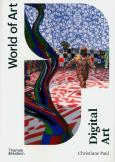
The fourth edition of the essential introduction to digital art, one of contemporary art’s most exciting and dynamic forms of practice. This new edition of Christiane Paul’s acclaimed book investigates key areas of digital art practice that have gained in prominence in recent years, including the emergence and impact of location-based media, interactive public installation, augmentive and mixed reality, social networking and file-sharing and tablet technologies. It explores themes raised by digital artworks, such as viewer interaction, artificial life and intelligence, political and social activism, networks and telepresence, and issues surrounding the collection, presentation and preservation of digital art. It also looks at the impact of digital techniques and media on traditional forms of art such as printing, painting, photography and sculpture, as well as exploring the ways in which entirely new forms such as internet and software art, digital installation and virtual reality have emerged as recognized artistic practices.
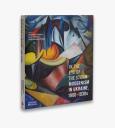
A major study of Ukrainian art from 1900 to the mid-1930s – with loans from major museums in Ukraine, elsewhere in Europe, the United States (including MoMA) and Israel. How does artistic life flourish during revolution and conflict? Ukraine in the early 1900s endured unimaginable political upheaval, yet this became a period of true renaissance in Ukrainian art, literature, theatre and cinema. In the Eye of the Storm: Modernism in Ukraine, 1900–1930s presents the ground-breaking art produced in Ukraine in the early 20th century, focusing on the three key cultural centres of Kyiv, Kharkiv and Odesa. Against a complicated socio-political backdrop of collapsing empires, World War I, the revolutions of 1917 with the ensuing Ukrainian War of Independence, and the eventual creation of Soviet Ukraine, several strands of distinctly Ukrainian art emerged.
While émigrés such as Sonia Delaunay and Alexander Archipenko found fame outside their homeland, the followers of Mykhailo Boichuk focused on Byzantine revivalism, and the artists of the Kultur Lige sought to promote the development of contemporary Yiddish culture. The first avant-garde exhibitions in Ukraine featured the radical art of Davyd Burliuk and Alexandra Exter, and the dynamic canvases of the Kyiv-based Cubo-Futurist Oleksandr Bohomazov. In Kharkiv, Vasyl Yermilov championed the industrial art of Constructivism, while Vadym Meller, Anatol Petrytskyi, Oleksandr Khvostenko-Khvostov and Borys Kosarev revolutionized theatre design. The attempt to build a national identity in Ukraine resulted in a polyphony of styles and artistic developments across a full range of media – from oil paintings, sketches and sculpture to collages, cinema posters and theatre designs.
Twelve internationally renowned scholars, including curators from the National Art. Museum of Ukraine, bring to life this astonishing period of creativity in Ukraine and all the movements it encompassed.
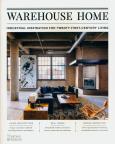
A global overview of the most contemporary and ingenious – and comfortable – former light-industrial spaces transformed into stylish modern residences. The love of warehouse buildings – often in attractive waterside locations – has become a global phenomenon, from London to New York, from Sydney to Florence. Drawing on her own experience of living in a Grade II listed mill, Sophie Bush has amassed a wealth of knowledge, contacts and understanding about which ingredients make a building fit for contemporary habitation. Warehouse Home is the ultimate resource for everything from how best to preserve and complement original architectural features to style ideas for adapting vintage and reclaimed pieces for modern living. The book has a practical structure, broken down into two key sections. 'Architectural Features' looks at how to make the most of a space while retaining its features, such as exposed brickwork, concrete floors and mezzanines. It also draws on examples of former industrial buildings across the world that have been renovated to create distinctive homes and workspaces, each selected for the originality or intelligence of its design. ‘Decorative Details' provides tips on how to recreate the warehouse aesthetic in any home, from repurposing pallets and breeze blocks as furniture to transforming exhaust cones into unique lighting fixtures. A reference section includes ideas on where to source everything from furniture to finishes.
Ten produkt jest zapowiedzią. Realizacja Twojego zamówienia ulegnie przez to wydłużeniu do czasu premiery tej pozycji. Czy chcesz dodać ten produkt do koszyka?