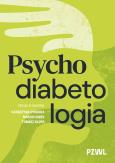
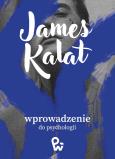
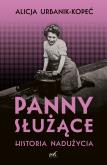
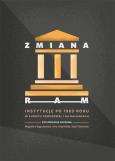
W tej strefie zapraszamy do nabycia książek z szeroko pojętej dziedziny jaką jest psychologia. Posiadamy podręczniki i poradniki kierowane do specjalistów psychiatrii i psychologii, a także uczniów i studentów. Poprzez poradniki z zakresu problemów emocjonalnych u dzieci i młodzieży czy okresu dojrzewania. Proponujemy poradniki dla ludzi biznesu, polityków, nauczycieli, dzieci i modzieży. Garść rozmaitych porad i rewolucyjnych technik, które pomogą otworzyć drzwi umysłu. Polecamy dobre książki psychologiczne. W ofercie psychologia społeczna, kliniczna, biznesu, rozwoju, zdrowia, sportu, psychologia umysłu, relacje międzyludzkie i wiele innych poradników.
Przewodnim tematem książki jest instytucjonalny krajobraz transformacji po 1989 roku w Europie Środkowej i na Bałkanach. Autorzy i autorki tekstów zawartych w tomie pokazują, w jaki sposób namysł nad instytucjami może pomóc w rozpoznaniu źródeł, wzorców i kierunków transformacji w kontekście ich uwarunkowań geopolitycznych, lokalnych oraz ideologicznych.Z tekstów, dotyczących tak zróżnicowanych zjawisk, jak kształtowanie się podstaw społeczeństwa obywatelskiego, stanowienie instytucjonalnych form politycznej oraz kulturowej podmiotowości grup mniejszościowych, reinterpretacje przeszłości czy pamięć społeczna, wyłania siętransformacyjna mapa instytucji. Jako emanacja nowej rzeczywistości i stabilizator praktyk społecznych instytucje te są znakiem przemian w sposobach funkcjonowania i rozumienia sfery publicznej: podmiotowości jej aktorów, strategii działania w jej obrębie i sposobów organizacji.
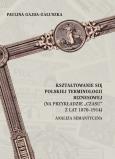
„Rozprawa Pauliny Gajdy-Gałuszki Kształtowanie się polskiej terminologii biznesowej wpisuje się w nurt badań językoznawstwa kognitywnego, zwłaszcza semantyki prototypu oraz koncepcji scen i ram interpretacyjnych […]. Stanowi ona nie tylko cenną refleksję nad specyfiką języków specjalistycznych, lecz także (zwłaszcza) niezwykle istotny przyczynek do badań nad kształtowaniem się polskiego języka biznesu. Na uznanie zasługuje również solidna i rzetelna podstawa materiałowa rozprawy połączona z erudycyjną refleksją językoznawczą, co czyni jej wartość bezsporną”.
Z recenzji dr. hab. Wiesława Tomasza Stefańczyka
Paulina Gajda-Gałuszka – doktor nauk humanistycznych w zakresie językoznawstwa, absolwentka Uniwersytetu Jagiellońskiego. W 2017 r. otrzymała wyróżnienie Rady Wydziału Polonistyki UJ za obronioną rozprawę doktorską. Współpracuje z Wydziałem Polonistyki UJ, gdzie dotychczas prowadziła zajęcia z kultury języka, retoryki wystąpień publicznych oraz gier i rytuałów komunikacyjnych. Jej zainteresowania badawcze obejmują języki specjalistyczne, terminologię i terminografię, a także semantykę i pragmatykę językową. Jest autorką prac naukowych dotyczących polskiego języka biznesu, terminologii biznesowej, leksykografii terminologicznej oraz tekstów prasowych jako źródła słownictwa specjalistycznego.
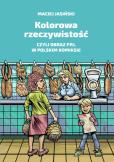
Maciej Jasiński przedstawia codzienny świat PRL-u, jaki wyłania się z komiksów tworzonych w tamtej epoce. To rzeczywistość odrealniona, kolorowa niczym zdjęcia z katalogów reklamowych. Życie codzienne jest niemal pozbawione trosk, sklepy są doskonale zaopatrzone, kolejki prawie nie istnieją i każdy ma szansę na swojego własnego Fiata 126p.W tej zalewie propagandy sukcesu można jednak znaleźć także takie historie, które starają się przedstawiać świat PRL-u takim jaki był bez upiększania.Autor analizuje również współczesne komiksy odnoszące się do tamtych czasów bazujące na własnych wspomnieniach twórców, sentymencie lub też przedstawiające rzeczywistość alternatywną do tej, w jakiej żyli Polacy przed 1990 rokiem.Czy warto kłaniać się ekspedientce z mięsnego?Czym ozdobić telewizor?Jakim samochodem uciekają przestępcy?Czy w czasie wagarów można pomagać milicji?I czy dusza jest na licencji włoskiej?O tym i innych ciekawostkach przeczytasz w tej książce.Książkę zrealizowano dzięki wsparciu finansowemu miasta Bydgoszczy.
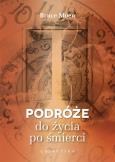
Co się dzieje z nami po drugiej stronie życia? Autor, badając świat życia po śmierci, ponownie przedstawia nam dowody na to, że śmierć fizyczna jest jedynie krótkim zdarzeniem dla naszej wiecznej świadomości.Za pomocą przełomowych technik Moen projektuje siebie samego poza ciało i podróżuje poza śmierć, w nowe dziedziny życia. Jego podróże dają mu wiedzę dostępną jedynie dla tych, którzy zdolni są wychodzić poza ciało. Wraz z Moenem odbędziesz podróż do jądra Ziemi, zrozumiesz, na czym naprawdę polega astrologia, a nawet nawiążesz kontakt z istotami pozaziemskimi. Jeszcze bardziej fascynujący i zdumiewający jest jednak obraz społeczeństwa dusz, jaki przedstawia Moen, a także jego badania światów nie fizycznych oraz coraz większe zrozumienie tego, co doświadczył i zobaczył. Przeczytaj Podróże do życia po śmierci i odkryj wraz z Bruce'em naturę kosmosu oraz naszego miejsca w nim.
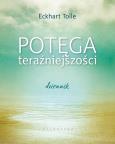
W Dzienniku znajdziemy starannie dobrane cytaty zaczerpnięte z bestsellerowej książki Potęga teraźniejszości, piękne, artystyczne ilustracje oraz miejsce do zapisywania własnych przemyśleń.Korzystając z ponadczasowych nauk Eckharta Tolle, czytelnik będzie mógł pogłębić doświadczenie intensywnej, świadomej obecności w teraźniejszej chwili i dzięki temu zbliżyć się do odpowiedzi na fundamentalne pytania dotyczące prawdziwego JA. Dziennik pomaga czytelnikom w pogłębianiu praktyki uważności poprzez rejestrowanie codziennych doświadczeń i zachodzących zmian.
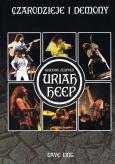
Oto prawdziwa historia legendarnego zespołu rockowego. Saga o „Uriah Heep” to muzyczny rollercoaster, którego częścią składową są sława, sukces i zrządzenia losu. To historia, która trwa do dziś. „Uriah Heep” mógł i powinien zostać sławną grupą w swoim własnym kraju, ale los zdecydował inaczej. Dzięki tej książce stajemy się świadkami triumfu zespołu, ale także dowiadujemy się o towarzyszącej mu złej sławie, osądach, pechu, alkoholizmie, uzależnieniach od narkotyków i śmierci niektórych jego członków.
Dave Ling wykonał mnóstwo pracy, aby zlokalizować i przepytać na poczet książki także osoby, które okazały się kluczowe w historii Heepów. Mamy więc możliwość przeczytać opinie i wywiady z muzykami, managerami, fanami, dziennikarzami oraz członkami ekipy zespołu, którzy brali udział w tej szalonej jeździe od czasów, gdy „Uriah Heep” był jeszcze nieznany do momentu osiągnięcia przez niego statusu gwiazdy.
Na łamach tej książki dowiadujemy się po raz pierwszy o tym, co tak naprawdę wydarzyło się przez te wszystkie lata kariery zespołu rockowego, który upadł z samego szczytu rockowego świata, a potem wspiął się na niego z powrotem, w międzyczasie grając wyprzedane koncerty przed tysiącami fanów. Wchodząc w nowe milenium „Uriah Heep” był już na muzycznym rynku od ponad 30 lat, teraz mija 50 a oni wciąż nagrywają płyty i dają znakomite koncerty.
Ta książka jest zalążkiem wszystkich późniejszych książek Henriego de Lubaca, fundamentem całej jego twórczości. Jeden z najwybitniejszych teologów XX wieku ukazuje w swych medytacjach Kościół, którego sercem jest Eucharystia i który uczy Bożej mądrości.
Jest to Kościół katolicki, czyli powszechny, otwarty, a jednocześnie będący tajemnicą, rzeczywistością nie z tego świata, która nie poddaje się miarom i analizom. Otwartość, o której pisze autor, nie oznacza tu braku zakorzenienia. Wręcz przeciwnie. Niezwykle ważna jest bowiem Tradycja, od której francuski jezuita rozpoczyna swoją książkę. Kościół nie może być zawłaszczony przez żadną ze stron: ani przez tych, którzy są „tradycyjnie wierni Kościołowi”, ani przez tych, którzy w ramach dostosowywania odnowy chcą tę Tradycję odrzucić. Chociaż Medytacje o Kościele powstały ponad 60 lat temu, a od tego czasu dokonała się prawdziwa rewolucja mentalna, wciąż są niezwykle aktualne. Są inspiracją, która pomaga przeżywać tajemnicę Kościoła, sam zaś autor pozostaje prawdziwym prorokiem Bożej mądrości i miłości w nim zdeponowanych.
Nowe wydanie światowego bestsellera literatury popularnonaukowej, część pasjonującej serii: 50 idei, które powinieneś znaćKsiążka zawiera 50 krótkich, świetnie napisanych esejów, które prezentują najważniejsze koncepcje w dziejach fizyki, słynne odkrycia naukowe, prawa fizyczne i zasady ich działania, które wyjaśniają dlaczego wszechświat wygląda i funkcjonuje tak, a nie inaczej. W bardzo przystępny sposób, bez posługiwania się wzorami, opowiada o najważniejszych teoriach i odkryciach w dziedzinie fizyki. Wyjaśnia je na podstawie zjawisk, z którymi spotykamy się codziennie.Autorka opisuje historyczne przełomy naukowe w zrozumieniu fizycznego świata, takie jak prawo o ruchu planet Keplera czy prawo grawitacji Newtona. Przedstawia również złożoność współczesnych teorii - od prawa Plancka do zasady Pauli'ego oraz od paradoksu kota Schrodingera do teorii strun. Obala mit o niedostępności fizyki jako nauki dla przeciętnego człowieka. Tekst uzupełniają rozbudowane dodatki w postaci biogramów najsłynniejszych fizyków, kalendarium odkryć naukowych oraz wykresy i diagramy50 idei, które powinieneś znać to seria książek wprowadzających w fascynujący świat pytań i zagadnień tych trudnych oraz tych zupełnie podstawowych które od dawna towarzyszą ludzkości w misji zrozumienia świata. Seria prezentuje najważniejsze teorie i idee z głównych dziedzin wiedzy, stanowiąc świetny punkt wyjścia do dalszej nauki. Obowiązkowa lektura dla każdego początkującego erudyty!
Alexis de Tocqueville (1805-1859) - francuski myśliciel polityczny, historyk, socjolog, członek Akademii Francuskiej, także polityk, minister spraw zagranicznych II Republiki francuskiej (1849-51), potem ostry krytyk rządów Napoleona III. Jego dwie najważzniejsze książki O demokracji w Ameryce oraz właśnie Dawne rządy a rewolucja uznawane są za kamienie milowe w politologii i socjologii polityki. W Dawnych rządach... stawia autor tezę, iż dawny porządek został podważony już na długo przed samą rewolucją, a ta jest w gruncie rzeczy ostatnim (często krwawym) aktem agonii dawnego systemu. Dodatkowo uwypukla fakt, iż w gruncie rzeczy zmiany, które w wyniku rewolucji zachodzą zaszły już faktycznie znacznie wcześniej, struktura społeczna zmieniała się od wielu lat. Rewolucja zaś wybucha nie w momencie najgorszego kryzysu ancien regime ale w momencie gdy sytuacja zaczyna się poprawiać, tyle że poprawia się wolniej niż oczekuje tego społeczeństwo. Analizuje także dlaczego władza, która zostaje obalona przekształca się we władzę jeszcze bardziej absolutną niż dotychczasowa, obalona wszak w imię większej wolności.
Dzień dobry, prowadzę Wędrowny Zakład Fotograficzny. Jeżdżę od wsi do wsi, robię zdjęcia portretowe i drukuję je na miejscu. Zdjęcia są za darmo albo za coś do jedzenia. Lub za opowieść. Bo pani pewnie stąd? Klisza nie pęknie, proszę się nie martwić zdjęcia są cyfrowe, ale drukowane na papierze. Że stara i ludzi będzie straszyć? Bez obaw, portret będzie tylko dla pani, nie dam go do gazety, a pani będzie miała pamiątkę. Bo kiedy pani ostatni raz zdjęcie u fotografa robiła? Trzydzieści lat temu? A widzi pani. Młodzi mają w komputerach, ale to nie to samo, prawda? Ja? Tak, mieszkam w samochodzie, jeżdżę latem wzdłuż granicy. Pamięta pani, że byli dawniej fotografowie, portrety robili? Naprawdę płacić nie trzeba. Jajka wezmę, chętnie. Nie ma pośpiechu, pani się przyszykuje, ja zrobię zdjęcie i posłucham. Bo proszę powiedzieć jak tu jest?
Carlos Castaneda (1925-98) - amerykański (urodzony w Peru) antropolog, psycholog, autor bestsellerów takich jak Nauki Don Juana, Podróż do Ixtlan, Odrębna rzeczywistość, w sumie wiele milionów sprzedanych egzemplarzy, przełożonych na 17 języków. Minęło 30 lat, odkąd Castaneda opublikował „Nauki don Juana”, pierwszy tom opowieści o jego niezwykłym szkoleniu u indiańskiego czarownika Yaqui. W ośmiu następnych książkach Castaneda nie ujawniał wielu ćwiczeń, których go nauczono. Tutaj w Magicznym treningu energii jednak odsłania tajemne praktyki tradycji, która, jak twierdzi, sięga 27 pokoleń, przedstawiając układy fizycznych ruchów, odkrytych przez szamanów dawnego Meksyku. Celem tych ćwiczeń jest między innymi rozbudzenie i przywrócenie energii w ciele człowieka, uzyskanie wewnętrznej ciszy, podwyższonej świadomości i optymalnego stanu istnienia. Wszystkie te sekwencje ruchów są dokładnie opisane i zilustrowane ponad 450 fotografiami. Oprócz tych praktycznych ćwiczeń w tej wyjątkowej książce zawarte są niedostępne gdzie indziej elementy starożytnej wiedzy dotyczącej naszej „energetycznej anatomii”. Dlatego też jeśli ćwiczenia te mogą wydawać się zbyt wymagające, to warto zapoznać się z samą tą wiedzą.
Dr hab. Zenonas Norkus – profesor na Uniwersytecie Wileńskim, zajmuje się historyczną socjologią porównawczą. Wśród swoich publikacji książkowych ma prace po litewsku, niemiecku (Max Weber und Rational Choice, 2001) i angielsku (On Baltic Slovenia and Adriatic Lithuania: A Qualitative Comparative Analysis of Patterns in Post-Communist Transformation, 2012). Nie tytuł czyni imperium… jest polskim wydaniem monografii opublikowanej już po litewsku, ukraińsku i angielsku. Prof. Norkus był stypendystą Fundacji Fulbrighta, Fundacji Humboldta i Berlin Institute for Advanced Studies (Wissenschaftskolleg zu Berlin). Odbył staże na niemieckich, szwajcarskich, brytyjskich i amerykańskich uniwersytetach. Jest także tłumaczem klasycznych dzieł socjologicznych (m.in. Maxa Webera) na język litewski.
W swoim badaniu historii politycznej Wielkiego Księstwa Litewskiego Norkus stosuje oryginalne ujęcie, przy czym umiejętnie korzysta z nowoczesnych metod badawczych, zaczerpniętych z socjologii i nauk politycznych. Nowatorska perspektywa badawcza nie jest jedyną zaletą książki. Czytelnik znajdzie w niej także interesującą analizę dotyczącą różnych teorii stosunków międzynarodowych. Najwartościowsza u Norkusa jest jednak reinterpretacja historii, która zachęca do dyskusji nad zagadnieniami od dawna uważanymi za rozwiązane. Praca Zenonasa Norkusa definitywnie wnosi powiew świeżości, odczuwalny nawet dla tych, którzy nie ze wszystkimi interpretacjami autora się zgadzają.
Z recenzji prof. Lidii Korczak w kwartalniku „Ab Imperio”
Przyjemność i zazdrość – dwie sprzeczne, nienaukowe emocje łączą się podczas mojej lektury książki Zenonasa Norkusa, której polskie wydanie mam oto okazję otwierać. Dzieło to […] daje niewątpliwie olbrzymią przyjemność poznawczą z odkrywania nowych znaczeń historii, którą – zdawałoby się – znamy od dawna. A ponieważ jest to historia obszaru i czasu tak splecionego, co najmniej od XIV wieku, z dziejami Polski, nuta zazdrości (a może: samokrytyki?) w lekturze tej książki pojawia się wraz z refleksją: dlaczego w całej, tak bogatej i zróżnicowanej przecież historiografii polskiej nikt jeszcze nie zdobył się na podobnie odkrywcze, nie emocjonalne, ale tak metodologicznie dojrzałe spojrzenie na Litwę […]?
Książka Zenonasa Norkusa pozwala na podjęcie rozmowy między „dziedzicami unii” bez gniewów i uprzedzeń, za to z zupełnie nowej perspektywy. I to jeszcze jeden powód, dla którego tak warto skorzystać z okazji do historycznej i politologicznej refleksji, jaką to dzieło tworzy.
Z przedmowy prof. Andrzeja Nowaka
Człowiek przychodzi na świat w rodzinie. Od niej w ogromnej mierze zależy poczucie szczęścia i spełnienia oraz jakość funkcjonowania człowieka w różnych rolach. Prezentowana publikacja to interesujące studium rodziny wieloproblemowej, obrazujące jej psychologiczną i socjopedagogiczną charakterystykę. Autorka w swoich badaniach skoncentrowała się na rodzinach pełnych, które z powodu licznych problemów, jakie w nich występowały, na mocy orzeczenia sądu zostały oddane pod nadzór kuratorów sądowych. Praca dostarcza bardzo wielu interesujących wyników, które mogą być wykorzystane przy opracowywaniu programów służących poprawie funkcjonowania rodzin wieloproblemowych.
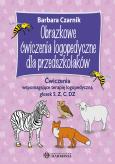
Obrazkowe ćwiczenia logopedyczne dla przedszkolaków. Ćwiczenia wspomagające terapię logopedyczną głosek S, Z, C, DZKsiążka ta powstała z myślą o najmłodszych dzieciach objętych terapią logopedyczną. Ponieważ przedszkolaki nie potrafią jeszcze czytać, ćwiczenia opierają się na ilustracjach. Każdy obrazek to nowe słowo, każde słowo to kolejna realizacja ćwiczonej głoski. Ćwiczenia podzielone są na grupy: najpierw maluch wykonuje ćwiczenia wstępne nazywania potem przechodzi do zadań wymagających twórczego myślenia, kojarzenia, analizy słuchowej, spostrzegawczości i sprawności manualnej. Ćwiczenia logopedyczne zgromadzone w tej publikacji są więc w naturalny sposób połączone z twórczą zabawą i nauką. Wśród ćwiczeń znajdują się domina, kolorowanki, wykreślanki, labirynty i wiele innych łamigłówek. Ogółem książka prezentuje zbiór ponad 200 wyrazów opracowanych w 63 zadaniach.
Zrób prezent sobie i swojemu dziecku. Odzyskaj zdrowie i dobre samopoczucie po ciąży! Czujesz się wyczerpana? Masz wszystkiego dość? Nie czujesz się sobą i jesteś ciągle rozdrażniona? To książka dla Ciebie. Dzięki niej dowiesz się, jak dbać o siebie po ciąży, odzyskać energię i wrócić do zdrowia. Każda z nas po urodzeniu dziecka powinna zadbać o siebie bardziej niż kiedykolwiek wcześniej. Wyczerpanie po ciążowe dotyka wszystkich kobiet i może trwać nawet do siedmiu lat po porodzie. Doktor Serrallach wyjaśnia, jak dieta, ruch czy sposób myślenia wpływają na zdrowie i samopoczucie mam. Dzięki prostym poradom i wprowadzeniu odpowiednich nawyków skutecznie zregenerujesz swoje ciało i odzyskasz energię. Doktor Oscar Serrallach, abolwent studiów medycznych Uniwersytetu w Auckland (Nowa Zelandia). Specjalista w położnictwie i ziołolecznictwie. W 2011 roku założył Integracyjne Centrum Medyczne w Mullumbimby w Australii, gdzie pomaga kobietom w odzyskaniu zdrowia w okresie poporodowym
Pytania płynące z serca to pierwsza z czterech książek z serii ""Prawdziwe życie"", zawierająca przemówienia OSHO z jego pobytu w Stanach Zjednoczonych.Osho, zwykł mówić: ""to prawdziwe szczęście, że człowiek rodzi się z nurtującymi go pytaniami"". Jeden z najbardziej znanych współczesnych mistyków radzi, aby skupiać się na naszych prawdziwych wątpliwościach, płynących z głębi serca. Zaleca, aby zamiast powielania oklepanych frazesów, wykonywać ciężką pracę rzetelnego słuchania siebie. Bo sens mają tylko takie pytania, na które odpowiedzi realnie zmieniają nasze życie.
Tę książkę powinien przeczytać każdy w tym kraju – w końcu taka nasza przyszłość, jaka edukacja naszych dzieci!
Kiedy Polskę sparaliżował strajk nauczycieli, z jednej strony pojawiły się głosy, że nauczyciele nie powinni oczekiwać więcej, bo ich praca nie jest tak wymagająca, mają luksusowe dwa miesiące wakacji, a dzieci i tak uczą się dopiero na korepetycjach. Z drugiej strony zaczęto głośno mówić o tym, że polski program edukacji jest daleko w tyle za innymi krajami europejskimi, że niskie zarobki sprawiają, że do zawodu trafiają osoby z przypadku, a jakakolwiek inicjatywa ze strony nauczycieli z pasją rozbija się o brak pieniędzy i niekończący się proces reform. Co szwankuje w polskiej edukacji, że polskie uczelnie wyższe są tak daleko w światowych rankingach, a szkoła jest uciążliwym koszmarem dla uczniów, nauczycieli i rodziców. Ponoć nauczyciel ma być intelektualnym autorytetem dla swoich uczniów, ale czy rzeczywiście nim jest?
Żyjemy w kraju, gdzie państwem rządzi Kościół, a Kościół od dawna toczy gangrena.Podobno żyjemy w świeckim kraju, w którym panuje rozdział religii i państwa. Joanna Podgórska w swojej książce miażdżąco demaskuje to stwierdzenie i udowadnia, że Polska jest świecka tylko w teorii. W polskich szkołach jest siedem razy więcej lekcji religii niż historii czy chemii. Można sądownie zmusić dziecko do przyjęcia komunii. Z pieniędzy podatników, które miały być przeznaczone np. na walkę ze smogiem, sfinansowano budowę obiektów sakralnych. O aferach pedofilskich i ingerencji w politykę nawet już nie trzeba wspominać. Krzyż, który miał być symbolem miłosierdzia, już dawno spróchniał i nie ma nic wspólnego z istotą chrześcijaństwa. Stał się raczej złym widmem ucisku.
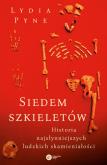
W ciągu ostatniego stulecia poszukiwanie ludzkich przodków obejmowało cztery kontynenty i doprowadziło do odkrycia setek skamieniałości. Podczas gdy większość z tych znalezisk pędzi cichy żywot w muzealnych kolekcjach, kilka z nich stało się znanymi na całym świecie osobistościami – ambasadorami nauki, przemawiającymi do opinii publicznej. W książce Siedem szkieletów, historyk nauki Lydia Pyne poddaje analizie fakt, w jaki sposób siedem takich słynnych skamielin naszych przodków uzyskało społeczny status, jakim cieszą się dzisiaj.
Czerpiąc informacje z archiwów, muzeów i wywiadów, Pyne tworzy kulturową historię każdego słynnego okazu – począwszy od odkrycia życia pozagrobowego wśród eksponatów muzealnych aż po ich wpływ na kulturę masową. Do tej siódemki należy metrowy „hobbit” z wyspy Flores, neandertalczyk z La Chapelle, dziecko z Taung, mityczny człowiek z Piltdown, człowiek pekiński, Australopithecus sediba oraz Lucy.
Każde z tych znalezisk miało wpływ i fascynowało całe pokolenia, a także było jaskrawym przykładem na to, w jaki sposób odkrycia naszych przodków zostały przyjęte, zapamiętane i uwiecznione. Dowcipnie i fachowo Pyne powołuje do życia każdą z tych skamieniałości i prezentuje sposób ich opisywania, prezentowania i udostępniania społecznościom naukowym i szerszej opinii publicznej. Ta fascynująca i niezwykle ciekawa książka przedstawia wpływ paleoantropologii w nowym kontekście, przypominając nam o tym, jak przeszłość naszego gatunku w zadziwiający sposób wpływa na naszą obecną kulturę i wyobraźnię.
„Wybór [Pyne] podkreśla różne sposoby, w jakie skamielina może osiągnąć status gwiazdy. Chwytliwe pseudonimy, uwaga mediów, niezwykłe okoliczności związane z odkryciem, a nawet skandale mogą okazać się w tym pomocne... Książka zawiera wiele ciekawych historii dla każdej skamieniałości... Rzut oka na to, jak ewoluowała sama dziedzina paleoantropologii w ciągu ostatniego stulecia” — Science News
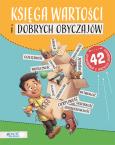
Księga wartości i dobrych obyczajów chce pomóc dzieciom stawać się mądrymi i odpowiedzialnymi ludźmi. Książka składa się z 42 krótkich opowiadań, których bohaterami są dzieci. Każda z historii poświęcona jest konkretnej postawie lub cesze charakteru, którą warto w sobie rozwijać omówione w nich zostały takie pojęcia, jak cierpliwość, uprzejmość, odwaga, punktualność, kreatywność, samokontrola, tolerancja i wiele, wiele innych. Wszystkie historie opatrzone zostały przykuwającymi wzrok, pełnymi humoru ilustracjami, a towarzyszą im krótkie, celne wskazówki, inspirujące cytaty i ciekawe propozycje zabaw dla całej rodziny.W tej książce nie znajdziemy nawet grama moralizatorstwa. Nie ma tutaj zakazów, nakazów, nudnych wykładów o tym, co trzeba, a czego nie wolno zamiast tego przytoczone opowiadania skłaniają do refleksji i pokazują przykłady, z których dzieci mogą samodzielnie wyciągać wnioski; poddają tematy do rozmów i przemyśleń.Polecamy tę książkę dzieciom, rodzicom, wychowawcom i opiekunom. Wszystkim, którzy chcą, by w ich świecie nie zabrakło wartości i dobrych obyczajów!
Ten produkt jest zapowiedzią. Realizacja Twojego zamówienia ulegnie przez to wydłużeniu do czasu premiery tej pozycji. Czy chcesz dodać ten produkt do koszyka?