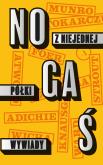
Kieszonkowe wydanie bestsellera Gringo wśród dzikich plemionCzytelnik otrzymuje cztery niewielkiej objętości książki w sam raz na wakacje, na plażę, do samolotu.Wygodniejsze, lżejsze niż wydanie oryginalne w twardej oprawie.
Kieszonkowe wydanie bestsellera Gringo wśród dzikich plemionCzytelnik otrzymuje cztery niewielkiej objętości książki w sam raz na wakacje, na plażę, do samolotu.Wygodniejsze, lżejsze niż wydanie oryginalne w twardej oprawie.
Kieszonkowe wydanie bestsellera Gringo wśród dzikich plemionCzytelnik otrzymuje cztery niewielkiej objętości książki w sam raz na wakacje, na plażę, do samolotu.Wygodniejsze, lżejsze niż wydanie oryginalne w twardej oprawie.
No nineteenth-century American writer can claim to be as modern as Henry David Thoreau. His central preoccupations – the illusory nature of much of what we call ‘progress’, the proper symbiotic relationship between man and the natural environment, the limitations of government, especially where it seeks to intrude on the personal, the moral and political case for non-violence, the dubious pleasures of material comforts, our intoxication with excess, our unrelenting search for the ‘rules’ by which we might live our lives – these, and many other matters are as real to us now as they were to Thoreau in 1845 when he began his experiment in self-sufficiency. Walden is his autobiographical record of his life of relative isolation at Walden Pond, some twenty miles west of the city of Boston, but it is also a work of detailed natural history and the expression of a philosophy of life by a deeply poetic sensibility. His essay (originally a lecture), ‘Civil Disobedience’, has over the 150 or so years since its publication exerted an enormous influence, animating thinkers such as Leo Tolstoy and Mohandas Gandhi as well as political movements such as the British Labour Party, the Civil Rights Movement in the United States, and various forms of oppositional activism across the globe.
Walden and ‘Civil Disobedience’ are reprinted here in a new edition alongside three of Thoreau’s seminal essays, ‘Slavery in Massachusetts’, ‘A Plea for Captain John Brown’, and ‘Life Without Principle’. Henry Claridge’s introduction illuminates the extent to which Thoreau’s writings and his thinking were a response to the dramatic changes wrought by the physical expansion of the United States and the migration of European peoples across the American sub-continent in the first half of the nineteenth-century. The edition also comes with a bibliography and extensive explanatory notes.
The three works in this collection, all dating from Nietzsche's last lucid months, show him at his most stimulating and controversial: the portentous utterances of the prophet (together with the ill-defined figure of the Übermensch) are forsaken, as wit, exuberance and dazzling insights predominate, forcing the reader to face unpalatable insights and to rethink every commonly accepted 'truth'. Thinking with Nietzsche, in Jaspers' words, means holding one's own against him, and we are indeed refreshed and challenged by the vortex of his thoughts, by concepts which test and probe.
In The Twilight of the Idols, The Antichrist, and Ecce Homo Nietzsche writes at breakneck speed of his provenance, his adversaries and his hopes for mankind; the books are largely epigrammatic and aphoristic, allowing this poet-philosopher to bewilder and fascinate us with their strangeness and their daring. He who fights with monsters, Nietzsche once told us, should look to it that he himself does not become one, and when you gaze long into an abyss, the abyss also gazes into you. Reader, beware.
Translated by J.J. Graham, revised by F.N. Maude Abridged and with an Introduction by Louise Willmot.
On War is perhaps the greatest book ever written about war. Carl von Clausewitz, a Prussian soldier, had witnessed at first hand the immense destructive power of the French Revolutionary armies which swept across Europe between 1792 and 1815. His response was to write a comprehensive text covering every aspect of warfare.
On War is both a philosophical and practical work in which Clausewitz defines the essential nature of war, debates the qualities of the great commander, assesses the relative strengths of defensive and offensive warfare, and - in highly controversial passages - considers the relationship between war and politics. His arguments are illustrated with vivid examples drawn from the campaigns of Frederick the Great and Napoleon Bonaparte.
For the student of society as well as the military historian, On War remains a compelling and indispensable source.
Since its first publication in 1651, Thomas Hobbes’s Leviathan has been recognised as one of the most compelling, and most controversial, works of political philosophy written in English. Forged in the crucible of the civil and religious warfare of the mid-seventeenth century, it proposes a political theory that combines an unequivocal commitment to natural human liberty with the conviction that the sovereign power of government must be exercised absolutely. Leviathan begins from some shockingly naturalistic starting-points: an analysis of human nature as being motivated by vain-glory and pride, and a vision of religion as simply the fear of invisible powers made up by the mind. Yet from these deliberately unpromising elements, Hobbes constructs with unparalleled forcefulness an elaborate, systematic, and comprehensive account of how political society ought to be: ordered, law-bound, peaceful. In Leviathan, Hobbes presents us with a portrait of politics which depicts how a state that is made up of the unified body of all its citizens will be powerful, fruitful, protective of each of its members, and − above all − free from internal violence.
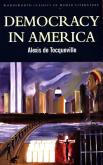
Democracy in America is a classic of political philosophy. Hailed by John Stuart Mill and Horace Greely as the finest book ever written on the nature of democracy, it continues to be an influential text on both sides of the Atlantic, above all in the emerging democracies of Eastern Europe.
De Tocqueville examines the structures, institutions and operation of democracy, and shows how Europe can learn from American success and failures. His central theme is the advancement of the rule of the people, but he also predicts that slavery will bring about the 'most horrible of civil wars', foresees that the USA and Russia will be the Superpowers of the twentieth century, and is 150 years ahead of his time in his views on the position and importance of women.
Publikacja powstała na bazie wywiadów z osobami, które wyemigrowały z państw byłej Jugosławii w czasie konfliktów zbrojnych, które miały miejsce w latach 90. XX wieku, lub po nich. Zgromadzony w ten sposób materiał ukazał w szalenie sugestywny sposób przyczyny, przebieg i konsekwencje toczących się konfliktów .
Antropologiczne spojrzenie na cielesność w kobiecym bieganiu wyczynowym z punktu widzenia autoetnografii, antropologii ciała oraz antropologii sportu. Autorka przyjmuje dwie uzupełniające się perspektywy: wewnętrzną, czyli zapis zmysłowy odczuwania biegu, oraz zewnętrzną, jaką jest próba pokazania, w jaki sposób zawodniczki poddawane są sportowej dyscyplinie i jednocześnie jak konstruuje się kobieca sprawczość w bieganiu wyczynowym.
Tę książkę, pomyślaną jako wywiad-rzeka, powinien znać każdy, kto interesuje się historią Litwy ostatnich kilkudziesięciu lat. Irena Veisaite jest jednym z najświatlejszych ludzi w naszym kraju, jest uosobieniem tolerancji i zdrowego rozsądku. Najwięcej uwagi poświęca kulturze, zwłaszcza teatrowi, i opozycji kulturalnej w okresie sowieckim. Czyni to z wyjątkową roztropnością, unikając skrajności i pustosłowia, a przy tym wnikliwie rozpatruje także złożone kwestie filozoficzne.
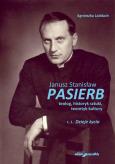
Prezentowana książka świadczy o dużej samodzielności badawczej, erudycji i kompetencjach naukowych autorki, a w warstwie metodologiczno-merytorycznej stanowi poważne osiągnięcie historiograficzne, dokonane w oparciu o najlepsze wzorce pisania prac biograficznych.ks. prof. dr hab. Anastazy Nadolny (fragment recenzji)Ogromna dawka informacji na temat życia, działalności i myśli Janusza Stanisława Pasierba, które udało się Autorce zgromadzić, znacznie wzbogaca naszą wiedzę o tej postaci. (...) Pragnę podkreślić niezwykle obszerny zestaw źródeł historycznych i literatury przedmiotu. Trzeba też bardzo wysoko ocenić kwerendę przeprowadzoną przez Autorkę, zarówno w kraju, jak i za granicą, w archiwach kościelnych, państwowych i uczelni wyższych, zbiorach specjalnych bibliotek czy wreszcie zasobach archiwów medialnych.dr hab. Adam Kucharski (fragment recenzji)
Książka Myśl Johna Henry’ego Newmana autorstwa kardynała Jeana Honoré – wybitnego znawcy dorobku intelektualnego angielskiego konwertyty – w tłumaczeniu Czesława Mazurka przystępnie przybliża istotę myśli Newmana. Autor zaprasza czytelnika do zapoznania się z postacią anglikanina, który został katolickim kardynałem, i jego nauką, ostatecznie prowadzącą do mistycznego zjednoczenia z Bogiem i głoszącą, że największym zagrożeniem dla sumienia jest relatywizm myślowy, według którego wartości poznawcze, etyczne, estetyczne oraz związane z nimi normy i oceny są względne.
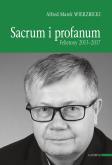
Książka jest zbiorem 48 felietonów pisanych z miesiąca na miesiąc w latach 2013–2017. Wybitny filozof, publicysta i poeta ks. Alfred Marek Wierzbicki zaprasza czytelników do świata swojego odczuwania i własnych przemyśleń. Otwarcie dzieli się swoimi poglądami. Unika moralizowania i nie boi się protestować wobec spraw niepokojących. Pisze z głębi serca, bo jak sam zauważa: „Subiektywność i zaangażowanie są skrzydłami felietonisty”. Wnikliwe i precyzyjne pióro felietonisty dotyka zagadnień związanych z Kościołem, judaizmem, pamięcią o Żydach, uchodźcami. Zachęca do wyjścia z gorsetu schematów ograniczających myślenie. Poszerza perspektywę patrzenia na Lublin jako europejskie miasto kultury. I właśnie ten klimat Lublina, europejskiego miasta kultury, przenika książkę ks. Wierzbickiego. Szerokość horyzontów Autora sprawia, te miniatury publicystyczne nabierają ponadczasowej wartości.
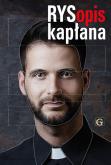
Książka Rysopis kapłana. Wizerunek księdza w kulturze polskiej w XXI wieku to dwanaście tekstów, które są odpowiedzią na ankietę przygotowaną przez redaktorów czasopisma „Akcent”. Pomysłodawcy zaprosili do współpracy księży zajmujących się literaturą, sztuką oraz pracą naukową. Wśród respondentów znaleźli się m.in.: o. Tomasz Dostatni OP, ks. Alfred Wierzbicki, ks. Jerzy Szymik, o. Wacław Oszajca SJ, ks. Andrzej Luter. Pytania postawione księżom – poetom, profesorom, publicystom, duszpasterzom – dotyczyły ważkich spraw i skłoniły do wielu ciekawych przemyśleń.
Teksty wcześniej publikowane przez „Akcent” mają wyjątkową wartość – są zapisem głosu konkretnych osób, osobistymi – czasem wręcz intymnymi – refleksjami na tematy tak trudne, jak kwestia powołania, wierności własnym przekonaniom, stosunku do hierarchii Kościoła czy relacji z Bogiem.
We Wprowadzeniu abp Stanisław Budzik napisał: „Książka ta wydaje się w swym zamyśle czymś w rodzaju rozmowy o kapłaństwie prowadzonej przez samych księży, w nadziei, że dołączą do niej również czytelnicy”. Każdy, kto sięgnie po tę publikację, weźmie udział w ważnej debacie na temat obrazu kapłana w kulturze XXI wieku, podejmie dialog o tak istotnej dla historii Polski obecności kapłana i jego posługi na wielu płaszczyznach życia człowieka. Sam ostatecznie rozważy i zdecyduje, jak ma się do rzeczywistości hasło „Księża na Księżyc” wypisywane na murach i ścianach budynków.
Treścią publikacji są świadectwa kapłanów i sióstr zakonnych dotyczące powołania. Obejmują zasadniczo okres od momentu, gdy zaczęło się ono rodzić, aż do czasu, gdy ukształtowała się decyzja o wstąpieniu do seminarium czy do zgromadzenia zakonnego. Książka zawiera trzydzieści tekstów podzielonych na dwie części. Pierwsza obejmuje świadectwa kapłanów, druga – świadectwa sióstr zakonnych. Wśród osób duchownych są zarówno księża diecezjalni, jak i ojcowie ze zgromadzeń zakonnych. Autorzy i Autorki należą do różnych diecezji i wspólnot życia konsekrowanego. Historie powołań to kategoria najpiękniejszych świadectw działania Boga. Książka wyrasta z pragnienia dzielenia się żywą wiarą i budzenia jej w przekonaniu, że Chrystus stale przechadza się między ludźmi i pociąga ich ku sobie. Szczególnym adresatem tych opowiadań są ci, którzy zastanawiają się nad swoją przyszłością i szukają swego miejsca w świecie. Może już przeczuwają, że Pan ma dla nich specjalną misję.
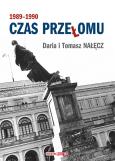
Musimy wygrać! jak narodziła się III RPKsiążka Darii i Tomasza Nałęczów Czas przełomu 1989-1990 opisuje budowę demokratycznego państwa prawa. Możemy prześledzić, jak tworzono od podstaw system parlamentarny i samorząd na poziomie lokalnym, wprowadzano gwarancje praw obywatelskich, apolityczności policji i niezawisłości sędziów.Rewolucyjne wydarzenia, zapoczątkowane rozmowami przy Okrągłym Stole, a zwieńczone pierwszymi powszechnymi wyborami prezydenckimi autorzy przypominają z werwą i anegdotą. Odpowiadają na wiele pytań. Co się stało, że obydwie strony - my i oni - zeszły z barykady? Jak przebiegały pęknięcia w obu, z pozoru monolitycznych, blokach? Czego się bali zwycięzcy czerwcowych wyborów? Pasjonująca książka dla wszystkich, którzy chcą poznać narodziny III RP.
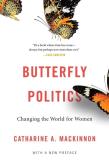
“Sometimes ideas change the world. This astonishing, miraculous, shattering, inspiring book captures the origins and the arc of the movement for sex equality. It’s a book whose time has come—always, but perhaps now more than ever.”—Cass Sunstein, coauthor of Nudge
Under certain conditions, small simple actions can produce large and complex “butterfly effects.” Butterfly Politics shows how Catharine A. MacKinnon turned discrimination law into an effective tool against sexual abuse—grounding and predicting the worldwide #MeToo movement—and proposes concrete steps that could have further butterfly effects on women’s rights. Thirty years after she won the U.S. Supreme Court case establishing sexual harassment as illegal, this timely collection of her previously unpublished interventions on consent, rape, and the politics of gender equality captures in action the creative and transformative activism of an icon.
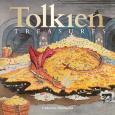
"This volume is an excellent introduction to the world of J. R. R. Tolkien. Recounting in images and words the story of his early years and life as a scholar and family man, the book also illustrates some of the primary items associated with ""The Hobbit"", ""The Lord of the Rings"", and ""The Silmarillion"". These include manuscripts, drawings, watercolours, letters, family photographs, and private papers. It also includes his remarkably detailed and endlessly engaging maps of Middle Earth produced over many years an annotated in his own hand.
The book brings vividly to life the astonishing range of Tolkien's skills, from scholar, to linguist, storyteller, illustrator, herald, and mapmaker. Drawing on the Bodleian Library's vast Tolkien archive, this book gives us a unique and highly personal glimpse into Tolkien's worlds – scholarly, literary, creative, and domestic.
From Tolkien's childhood in the Midlands and his experience of the First World War to his studies at school and university, and from his exquisite illustrations for his novels to his intricate and beautiful maps showing Middle-earth's topography, this stunning book, faithfully reproducing many of the treasures of the Tolkien Archive in Oxford, is the perfect introduction to Tolkien's life and works."
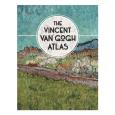
An extraordinary survey of Van Gogh’s travels, this book explores the influential artist’s journeys across the continent from his hometown of Zunderf in the southern Netherlands to Auvers-sur-Oise near Paris, where his life came to an end.
This publication features hundreds of colour images, including maps, contemporary photographs, and related artworks by Van Gogh, which paint a vivid picture of his life and career.
Nienke Denekamp and Rene van Blerk convey a vivid account of Van Gogh’s story in this book. The accessible style allows readers of all ages to familiarise themselves with one of history’s great artists.
Ten produkt jest zapowiedzią. Realizacja Twojego zamówienia ulegnie przez to wydłużeniu do czasu premiery tej pozycji. Czy chcesz dodać ten produkt do koszyka?