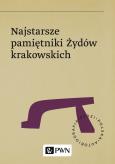
Zwój pana Meira to historia uprowadzenia piętnastoletniego żydowskiego chłopca. Wędrujący z Moraw do Krakowa Meir ben Jechiel został porwany przez polskiego szlachcica. Wspomnienia z okresu niewoli pełne są niedomówień i zagadek, których rozwikłanie wymagało niemal detektywistycznych poszukiwań. Dają przy tym ciekawy wgląd w sferę współżycia ludności żydowskiej z nieżydowską na początku XVII wieku.Autorem Zwoju nienawiści jest Jom Tow Lipmann Heller, jeden z najważniejszych rabinów Europy Środkowo-Wschodniej w czasach wojny trzydziestoletniej i powstania Chmielnickiego. Zwój opowiada, jak wskutek intrygi trafił do więzienia i jakie koleje przeszedł później aż do objęcia rabinatu krakowskiego. W swoim autobiograficznym tekście Heller ukazuje realia epoki z perspektywy członka tradycyjnej elity żydowskiej.Trzeci tom serii Żydzi. Polska. Autobiografia prezentuje najstarsze teksty wspomnieniowe Żydów związanych z Krakowem. Są to zarazem najstarsze zabytki pamiętnikarstwa żydowskiego z okresu I Rzeczypospolitej. Mają one szczególną wartość literacką oraz jako źródło historyczne.W serii ukazały się:Moje wspomnienia, TOM I, Jacheskiel KotikMoje wspomnienia, TOM II, Jacheskiel KotikObrazki z moich lat chłopięcych, Ludwig KalischNajstarsze pamiętniki Żydów krakowskich. Zwój pana Meira. Zwój nienawiści, Meir ben Jechiel Kadosz z Brodu, Jom Tow Lipmann Heller
Książka do pisania poświęcona jednej z najlepiej strzeżonych tajemnic polskiej literatury XX wieku. Ukryta głęboko w Puszczy Piskiej niepozorna leśniczówka na długi czas stała się potrzebną przystanią na krętej drodze życia Konstantego Ildefonsa Gałczyńskiego. Surowa i dzika przyroda, bliska obecność Jeziora Nidzkiego i nieodłączne, stałe poczucie dystansu wobec (nie tylko) literackiego świata sprawiły, że leśniczówka przyciąga kolejne pokolenia pisarzy, ludzi kultury i sztuki.Duchowa wspólnota i wart pielęgnowania ekskluzywizm Prania przebija z cytatów i zdjęć, których wyboru podjęli się Jagienka i Wojciech Kassowie, od ponad 20 lat prowadzący tamtejsze Muzeum Konstantego Ildefonsa Gałczyńskiego.
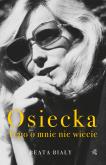
To po raz pierwszy publikowane rozmowy bliskich przyjaciół i znajomych Agnieszki Osieckiej, z których wyłania się niezwykły obraz jej nietuzinkowej osobowości. O jednej z najwybitniejszych polskich artystek opowiadają m.in. Olga Lipińska, Hanna Bakuła, Maryla Rodowicz, Magda Umer, Krystyna Janda, Daniel Passent i Jerzy Satanowski. Każda z tych osób tworzy osobisty portret genialnej przyjaciółki. Z rozmów na temat Osieckiej wyłania się postać pełna sprzeczności: delikatna i okrutna, namiętna i nieczuła, bujająca w obłokach i materialistka, radosna i popadająca w stany depresyjne. Każdy z przyjaciół zapamiętał ją trochę inaczej. Dla każdego miała inną twarz. „Była jak lustro, w którym odbija się świat ze wszystkimi jego barwami i emocjami. Kiedy po jej śmierci to lustro rozpadło się na tysiące kawałeczków, każdy z nas zachował swój kawałek i widzi Agnieszkę w taki sposób, w jaki sam postrzega świat. Każdy z nas opowie inną historię”.
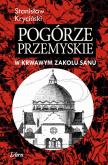
POGÓRZE PRZEMYSKIE rozsiadłe u stóp Bieszczadów, między Sanokiem a Przemyślem nieodkryte, tajemnicze i dotknięte bolesną historią.Ta malownicza, pograniczna i wielokulturowa dolina Sanu ma przebogate dzieje i liczne ich pozostałości, jak choćby szesnastowieczne ruiny obronnego zamku w Dąbrówce Starzeńskiej. Ozdobą tej krainy są wiekowe drewniane cerkwie, a wśród nich te najstarsze w Uluczu i Piątkowej, swoiste perły architektury sakralnej.Pod koniec XIX stulecia rodzące się nacjonalizmy polski i ukraiński uznały San na tym terenie za granicę etniczną. To rozgraniczenie przyniosłotragiczne skutki w latach 19441947. Przywołać tu wystarczy mordy na Ukraińcach w Pawłokomie, Bachowie, Brzusce, Sufczynie, mord na Polakach w Borownicy i Dylągowej, czy słynną trzykrotną obronę Birczy. Te wydarzenia do dziś wywołują kontrowersje, wielu zapomina, że ofiary były po obu stronach, że byli to również cywile, kobiety i dzieci, wciągnięci w machinę przemocy i strachu przez ścierających się trzech silnych przeciwników: partyzantkę poakowską, oddziały UPA oraz tzw. Ludowe Wojsko Polskie, wspierane przez MO i NKWD.
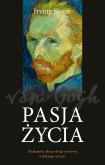
Zbeletryzowana biografia jednego z najbardziej znanych artystów stworzona przez mistrza pióra.Żaden artysta nie zapłacił tak wysokiej ceny za swój niezwykły dar, żadnego też pasja tworzenia nie pozbawiła tak bezlitośnie możliwości zaznania zwykłego ludzkiego szczęścia. Vincent van Gogh. Malarz geniusz, którego krótkie życie było nieustanną walką z ubóstwem, niemocą, szaleństwem i rozpaczą, wkrótce po śmierci został uznany za jednego z największych artystów w historii.Ekscytujący Paryż postimpresjonistów i wnikliwa rekonstrukcja drogi twórczej van Gogha.
Andrzej Wróblewski to jeden z najwybitniejszych polskich malarzy XX wieku, wielka osobowość, postać tragiczna, człowiek dokonujący fundamentalnych wyborów, świadek dwóch totalitaryzmów. Ale Wróblewski to także (a może przede wszystkim) twórca, który przez ostatnie półwiecze inspirował kolejne pokolenia artystów. Autorzy rozmawiają z artystami reprezentującymi różne style i generacje: Wojciechem Fangorem, Jerzym Lewczyńskim, Mirosławem Bałką, Jarosławem Modzelewskim, Markiem Sobczykiem, Ryszardem Woźniakiem, Wilhelmem Sasnalem, Wojciechem Bąkowskim, Piotrem Bosackim, Różą Litwą i Jakubem Julianem Ziółkowskim. Tom zamyka pierwszy opublikowany wywiad z Martą Wróblewską, córką malarza.
Wydanie Utopistyki jest być może, symptomem rozchwiania, utraty stabilności, hegemonii kulturowej, definiowanej przez pojęcia: neoliberalizm, teoria modernizacji, "wolny rynek". Późna twórczość Wallersteina, a do niej należy prezentowana książka, to próba wskazania wagi myślenia teoretycznego. Wallerstein nie popada przy tym w akademickie złudzenia i pychę. Nie jest postacią spod znaku "kanapowych rewolucjonistów" gdzie myślenie akademickie uzurpuje sobie rolę rewolucyjnego podmiotu. Jego propozycje mają charakter reform strukturalnych, podparte są drobiazgową analizą historyczną i stanowią konkretną propozycję zmiany.
Ze Wstępu Andrzeja W. Nowaka
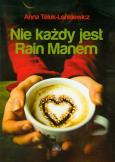
Prawdziwa historia matki, wychowującej autystycznego syna, której los nie szczędzi wyzwań. Niepewna rola rodziny, związki z mężczyznami, dla których codzienność okazuje się zbyt wielkim ciężarem, szkoła, na której wsparcie nie można liczyć i przyjaciele, którzy z czasem zmieniają się w dalekich znajomych.
Bohaterka zmaga się z chorobą syna, samotnością, depresją, problemami finansowymi... Syn pochłania wiele energii, a ją dręczą wyrzuty sumienia, że nie poświęca dość czasu i uwagi pozostałym trojgu dzieciom, których potrzeby i problemy - dopóki nie osiągną punktu krytycznego - zdają się blednąć przy otchłani lęków autystycznego Kamila.
Nie każdy jest Rain Manem to wzruszająca opowieść o potędze matczynej miłości, która trwa wbrew wszystkim i wszystkiemu. To również wnikliwe i pełne zrozumienia spojrzenie na pozornie niezrozumiały świat autyzmu, w którym uwięziona jest bliska osoba.
Książka dzieli się na trzy części: pierwsza zajmuje się życiem Buxtehudego, jego młodością w Danii i życiem w Lubece; druga - prezentuje jego dzieła muzyczne: wokalno-instrumentalne, na instrumenty klawiszowe oraz sonaty na instrumenty smyczkowe. Część trzecia poświęcona jest źródłom, możliwym datom powstania poszczególnych utworów oraz praktyce wykonawczej.
Jak odwiedzić dziesiątki tropikalnych wysepek, zamieszkiwać na ostatnich już bezludnych wyspach, docierać do niemalże każdego miejsca globu, o jakim się zamarzyło, przyzwyczaić się do towarzystwa rekinów podczas kąpieli i wielorybów w czasie popołudniowej herbatki we dwoje, a delfiny traktować jak najlepszych towarzyszy podróży?
Jak znaleźć przyjaciół, którzy nie opuszczą Cię w biedzie, choć pochodzą z różnych kontynentów, odrębnych kultur, a czasem nawet z innych epok historycznych? Jak korzystać z uroków najatrakcyjniejszych miejsc na świecie, na których odwiedzanie stać tylko najbogatszych i spędzić długie wakacje w pięknych, nietkniętych cywilizacją zakątkach, do których nawet im trudno jest dotrzeć? I jak to wszystko osiągnąć, nie będąc milionerem? Ba, jak żyjąc w ten sposób całymi latami, wydawać śmiesznie małe pieniądze, które w normalnych warunkach wystarczają na zaspokojenie wyłącznie najbardziej podstawowych potrzeb? Odpowiedź jest prosta: trzeba żyć na huśtawce!
Tadeusz Kantor miał powiedzieć, że "w Polsce nie było surrealizmu, bo był katolicyzm". W obszernym wprowadzeniu omawiającym postawy surrealistyczne w sztuce polskiej XX wieku pogląd ten kwestionuje Agnieszka Taborska, konstruując tym samym ramę dla rozważań o surrealizmie XXI wieku.
„Ta niewielka objętością książeczka, wydana drukiem w 1892 r. w Poznaniu, przez długi czas była jedynym dostępem polskojęzycznemu czytelnikowi kompendium wiedzy o Kaszubach. (…) Autor, podpisujący się jako „Dr Nadmorski”. to Józef Łęgowski (1852-1930), Pomorzanin z urodzenia i Polak z przekonań. (…) Gdyby nie Łęgowski, któżby dziś pamiętał, że na Kaszubach „w Wielki Piątek przed wschodem słońca zamiatają niewiasty chałupę i zdjąwszy z siebie zupełnie ubranie wynoszą śmieci na miedzę sąsiada”, zaś w Wielką Sobotę mieszkańcy Helu gotują na wielkanocny posiłek miejscowy specjał, upolowane przez dzieci wrony? Kto by wiedział, że kaszubskie czarownice troszczą się o zdrowy chów gospodarskiego drobiu, przepuszczając młode gęsi przez nogawki chłopskich gaci? Tego rodzaju informacje sprawiają, że pochłaniamy tę lekturę kartka za kartką, pewnie nawet nie zauważając, jak wiele – przy okazji – zdobywamy „poważnej” wiedzy o Kaszubach i Kociewiu sprzed wieku”. Fragment wstępu Jacka Borkowicza
One hundred and fifty years ago, on 20 March 1870, a 40-year-old Polish priest set foot on Australian soil in Melbourne, marking the end of the period of his dynamic life devoted to pastoral care in continental Europe and the beginning of a new period in pioneering conditions of the still impenetrable Southern Land, a period filled with hope, unpredictable challenges, and unexpected difficulties. He came to the remotest – from a central European perspective – corner of the globe not because of a mid-life crisis, nor in search of exciting adventures among exotic landscapes and animals, nor even because of the curiosity of a researcher exploring new territories on the edges of the known world. He came to Australia perfectly aware that he would never leave, with a clearly defined purpose: to provide pastoral care to Australian migrants who spoke Polish and prayed in Polish. Fortunately, some of the letters he wrote to his religious superiors and relatives in Poland survived. This correspondence gives us a unique opportunity to glimpse the beginnings of pastoral care offered to Australian migrants through the eyes of its pioneer, initiator and executor.
From Introduction to the book
Fr. Leon Rogalski, S.J. He was born on 8 April 1830 in the district of Ternopil (Poland), became ordained in 1855, and joined the Jesuit Order in 1861. In 1869 he was sent on a mission to South Australia to provide pastoral care to the Poles who settled there. After his arrival, he offered his pastoral services not only to Polish but also German and Irish settlers living in the Clare Valley and the surrounding areas. He passed away on 3 June 1906 and was buried in the crypt at St. Aloysius' Church in Sevenhill.
W czasach komunistycznego sztormu stanął za sterem łodzi polskiego Kościoła. Bohatera tej książki, Prymasa Tysiąclecia, wyróżniały siła moralna, odwaga i upór, co pozwalało mu nawet w więzieniu trwać niezłomnie w decyzjach głęboko przemodlonych i przemyślanych. Żył i posługiwał w czasach dwóch totalitaryzmów – najpierw niemieckiego narodowego socjalizmu, a potem sowieckiego komunizmu, które zaciekle zwalczały Boga i katolicką wiarę. Wobec inwigilacji, prowokacji, przesłuchań i uwięzienia, Prymas Tysiąclecia pozostał nieugięty w służbie Bogu i Ojczyźnie. Wzór ojcostwa otrzymał najpierw ze szczęśliwego rodzicielskiego domu, a potem starał się naśladować ojcostwo samego Stwórcy – wobec braci kapłanów, biskupów, wszystkich rodaków. Wziął też niewątpliwie wzór ze swego poprzednika na prymasowskiej stolicy, o którym z podziwem mówił: „Tak często radowałem się myślą, że w niezwykle trudnej sytuacji Kościoła w Polsce błogosławieństwem jego jest Sternik, pewną dłonią prowadzący poprzez męki. Człowiek czuł się dziwnie spokojny w pobliżu prymasa Hlonda”. Dziś można powiedzieć: „Człowiek czuł się dziwnie spokojny w pobliżu Prymasa Polski Stefana Wyszyńskiego”. Nauczał „tak, tak; nie, nie”, wychowywał nie tylko do miłości Boga i bliźniego, ale także do patriotyzmu. Swoim postępowaniem dawał przykład, troszczył się, prowadził i bronił. Brał na siebie odpowiedzialność, której się nie bał. W tej bardzo bogatej biografii znakomity pisarz (autor przeszło 80 książek!) Czesław Ryszka ukazuje nam fascynującą postać Sternika Kościoła w przeróżnych aspektach, od nauczyciela po męża stanu. Od narodzin do dnia śmierci, ale i po niej, bo opisuje przejawy kultu, który doprowadził tego wielkiego pasterza i Polaka ku chwale ołtarzy. W tle opowieści mamy cały czas współczesną historię i wielkie jej postaci ze św. Janem Pawłem II na czele. Nie brak opisów wydarzeń mało znanych a dramatycznych. Książka „Prymas Wyszyński. Ojciec Ojczyzny” to kompendium wiedzy tak o bohaterze książki, jak i jego epoce, wzbogacone 189 dokumentalnymi zdjęciami; prawdziwy niezbędnik w obliczu beatyfikacji Prymasa Tysiąclecia.
Prawdopodobnie są co najmniej dwa wszechświaty, ten fizyczny i ten związany z człowiekiem.
Autor próbuje określić, znaleźć, opisać ich stany, przypisać cechy charakterystyczne.
Czy mają początek, czy są nieskończone, czy są jedyne?
Jaka jest, jeśli jest, między nimi relacja?
Co jest istotą istnienia tych bytów?
Pisarska próba powiązania wiedzy kosmologicznej, fizyki z metafizyką i transcendencją przez nieskrępowane żadnymi konwenansami myśli.
Podróż swobodna i nieograniczona.
Przed 150 laty, 20 marca 1870 roku polski kapłan i zakonnik Leon Rogalski stanął na australijskiej ziemi w Melbourne, zamykając blisko czterdziestoletni etap swego dotychczasowego, dynamicznego i oddanego posłudze wiernym życia na "starym kontynencie", aby rozpocząć nowy okres, pełen nadziei, nieprzewidywalnych wyzwań, zaskakujących trudności, w pionierskich warunkach wciąż jeszcze nieprzeniknionych antypodów... Udał się w najodleglejszy – z perspektywy środkowej Europy – zakątek globu nie z powodu kryzysu wieku średniego, ani w poszukiwaniu ekscytujących przygód wśród egzotycznych plenerów i zwierząt, ani nawet kierowany ciekawością badacza eksplorującego nowe tereny na granicach poznanego świata. Przypłynął do Australii ze świadomością, że już jej nie opuści, w jasnym, ściśle określonym celu – aby otoczyć duszpasterską opieką przybywających tu migrantów, mówiących i modlących się w języku polskim. Szczęśliwie przetrwały niektóre jego listy pisane do przełożonych zakonnych i bliskich pozostałych w kraju. To dzięki tej korespondencji mamy dziś wyjątkową możliwość spojrzenia na początki etnicznego duszpasterstwa emigracyjnego w Australii oczami jego prekursora – inicjatora i realizatora.
Ze Wstępu do książki
Leon Rogalski SJ – urodzony 8 IV 1830 r. w powiecie tarnopolskim, w 1855 r. przyjął święcenia kapłańskie, a w 1861 r. wstąpił do Towarzystwa Jezusowego. W 1869 r. został wysłany do Australii, gdzie otoczył opieką duszpasterską polskich, niemieckich i irlandzkich osadników w Clare Valley i okolicach. Zmarł 3 VI 1906 r. i pochowany został w krypcie kościoła św. Alojzego w Sevenhill.
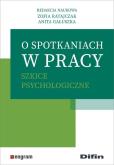
Książka stanowi zbiór interdyscyplinarnych esejów, zachęcających do podjęcia merytorycznej, wieloaspektowej dyskusji i wymiany myśli, koncentrujących się wokół relacji międzyludzkiej definiowanej jako spotkanie osobowe. Skierowana jest do osób zainteresowanych profesjonalnie i pozazawodowo problematyką relacji interpersonalnych, między innymi psychologów, lekarzy, pedagogów, menadżerów, coachów, PR-owców, HR-owców, pracowników służby więziennej, pracowników socjalnych oraz wszystkich, którzy pragną poznać blaski i cienie ludzkich kontaktów. Traktowanie relacji interpersonalnej w kategoriach spotkania akcentuje jej specyficznie ludzką naturę, poszerza horyzonty ideowe, skłania do pogłębionej refleksji nad rozwojem i kreowaniem samego siebie oraz granicami poznania Ja–Ty. W monografii uwzględniono wybrane płaszczyzny relacji człowiek–człowiek, człowiek–środowisko społeczne oraz człowiek–środowisko terytorialno-geograficzne. Osią rozważań jest filozofia spotkania widoczna w wielu obszarach działalności ludzkiej, takich jak spotkanie w twórczości, spotkanie w relacji diagnostycznej (lekarz–pacjent), pomocowej (coaching), sytuacji osamotnienia i izolacji (w więzieniu), w kontekście migracji zarobkowej oraz aktywności turystycznej.
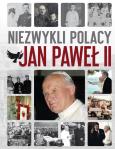
Książka o życiu i pontyfikacie Jana Pawła II. Czytając ją, czytelnik pozna życie Karola Wojtyły, od czasów dziecięcych, poprzez okres dorastania i ciężkie czasy II wojny światowej, następnie prześledzi, jak wyglądała jego droga do kapłaństwa. Sporą część publikacji poświęcono pontyfikatowi Jana Pawła II, temu, jakim był papieżem, jakie wartości wyznawał. Publikacja jest szczególnie polecana w setną rocznicę urodzin papieża.
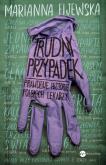
Chirurg, internista, ginekolog. Psychiatra z kilkudziesięcioletnim stażem pracy oraz początkujący stażysta w hospicjum. Pielęgniarka wysłana na misję medyczną do toczonej wojną Libii i dentysta gwiazd show-businessu. Psychodietetyczka oraz lekarka posiadająca własne prosektorium. Opowiadają o pacjentach i przypadkach, których nigdy nie zapomną.O chłopcu, który wierzył, że gdy schudnie, zostanie oddany niewydolnej wychowawczomatce. O dziewczynie, która wolała iść na randkę niż ratować własne zdrowie. O młodym mężczyźnie, który zachorował na nieuleczalną chorobę w wieku zaledwie dwudziestu kilku lat. O kobiecie z Afryki, którą tamtejszy poziom medycyny skazał na śmierć, chociaż jej choroba jest całkowicie wyleczalna w państwach Zachodu. O setkach nieboszczyków, którzy w prosektoriach są traktowani gorzej niż niepotrzebne przedmioty.Opowieści o pracy na styku nauki, wiary i nadziei. Przypadki, które zdarzają się raz na milion. Nadal budzą emocje i prowokują niedające spokoju pytanie: czy dla tego pacjenta zrobiliśmy wszystko, co w naszej mocy?
Ten produkt jest zapowiedzią. Realizacja Twojego zamówienia ulegnie przez to wydłużeniu do czasu premiery tej pozycji. Czy chcesz dodać ten produkt do koszyka?