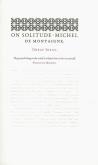
Blending intellectual speculation with anecdote and personal reflection, the Renaissance thinker and writer Montaigne pioneered the modern essay. This selection contains his idiosyncratic and timeless writings on subjects as varied as the virtues of solitude, the power of the imagination, the pleasures of reading, the importance of sleep and why we sometimes laugh and cry at the same things.
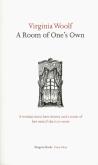
Woolf's blazing polemic on female creativity, the role of the writer, and the silent fate of Shakespeare's imaginary sister remains a powerful reminder of a woman's need for financial independence and intellectual freedom.
Charles Dickens describes in Night Walks his time as an insomniac, when he decided to cure himself by walking through London in the small hours, and discovered homelessness, drunkenness and vice on the streets. This collection of essays shows Dickens as one of the greatest visionaries of the city in all its variety and cruelty.
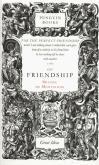
Michel de Montaigne was the originator of the modern essay form; in these diverse pieces he expresses his views on relationships, contemplates the idea that man is no different from any animal, argues that all cultures should be respected, and attempts, by an exploration of himself, to understand the nature of humanity.
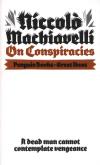
Machiavelli is one of the most famous strategists of all time. In this collection he discusses the dangers of conspiracies, and the component parts of an army, vital for gaining and holding power in his day. He also gives advice on tactics and discipline, and explains why promises made under force ought not to be kept.
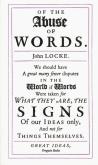
John Locke was one of the greatest figures of the Enlightenment, whose assertion that reason is the key to knowledge changed the face of philosophy. These writings on thought, ideas, perception, truth and language are some of the most influential in the history of Western thought.
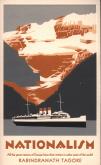
Tagore was a fierce opponent of British rule in India. In this work he discusses the resurgence of the East and the challenge it poses to Western supremacy, calling for a future beyond nationalism, based instead on cooperation and racial tolerance.
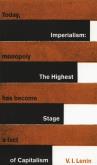
Vladimir Lenin created this hugely significant Marxist text to explain fully the inevitable flaws and destructive power of Capitalism: that it would lead unavoidably to imperialism, monopolies and colonialism. He prophesied that those third world countries used merely as capitalist labour would have no choice but to join the Communist revolution in Russia.
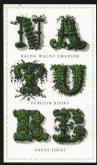
Originally published anonymously, Nature was the first modern essay to recommend the appreciation of the outdoors as an all-encompassing positive force. Emerson's writings were recognized as uniquely American in style and content, and launched the idea of going for a walk as a new way of looking at the world.
The Father of Existentialism, Kierkegaard transformed philosophy with his conviction that we must all create our own nature; in this great work of religious anxiety, he argues that a true understanding of God can only be attained by making a personal 'leap of faith'.
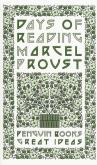
In these inspiring essays about why we read, Proust explores all the pleasures and trials that we take from books, as well as explaining the beauty of Ruskin and his work, and the joys of losing yourself in literature as a child.
With its wry portrayal of a shallow, materialistic 'leisure class' obsessed by clothes, cars, consumer goods and climbing the social ladder, this withering satire on modern capitalism is as pertinent today as when it was written over a century ago.
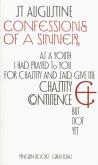
Aprofound influence not only on Christian theology but on the psychology and political philosophy of the West since the Dark Ages. One of the greatest explorations of sin, epiphany and redemption ever written, the Confessions of Saint Augustine continue to shape our ideas with their passionate declaration of the life-changing power of faith.
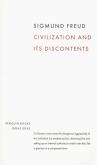
Freud's epoch-making insights revolutionized our perception of the self, and founded the theories of psychoanalysis; here he presents his theory of an innate "death drive" - arguing that civilization distorts natural aggression to impose a terrible burden of guilt upon us.
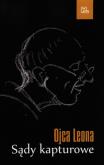
Niezwykle celne felietony Ojca Leona Knabita. Autor wspaniale sprawdza się w krótkiej, często żartobliwej formie, wydając swoje sądy... o wychowaniu i patriotyzmie, o Unii Europejskiej, o strojach i pornografii, o miłosierdziu i pojednaniu, o szkole i rodzinie, o tolerancji...
Na zbiór składają się felietony z cyklu „Sądy kapturowe” publikowane w tygodniku „Gość Niedzielny”. Teksty zostały zilustrowane rysunkami Joanny Kościukiewicz.
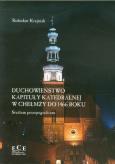
Głównym celem niniejszej publikacji jest odtworzenie możliwie najpełniejszego składu osobowego kapituły katedralnej w Chełmży do 1466 roku.
Jednym z ważniejszych zadań, jakie stanęło przed autorem tej książki, było napisanie biogramów wszystkich uchwytnych w źródłach duchownych, którzy w trakcie swojego życia weszli w skład kapituły. Na podstawie zebranego materiału możliwe stało się przyjrzenie całościowo ich karierom w celu lepszego poznania grupy, jaką niewątpliwie tworzyli.
Ze Wstępu
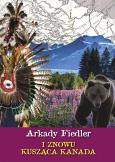
I znowu kusząca Kanada to plon podróży Arkadego Fiedlera do Kraju Klonowego Liścia w 1961 roku. To nie jedyna wyprawa – było ich sześć! Po pierwszej – w 1935 roku – powstała bestsellerowa Kanada pachnąca żywicą, a ostatnią odbył 86-letni wówczas Autor w 1980 roku. Nie ulega wątpliwości – Kanada kusiła Arkadego Fiedlera swym żywicznym aromatem przez 45 lat!
Fascynacja tym północnoamerykańskim krajem odczuwalna jest w książce niemal na każdej karcie, zarówno w opisach przyrody, jak i spotkań z ludźmi. Pretekstem jest wyprawa wędkarska, która pozwala ukazać Czytelnikowi piękno dzikiej natury, w interesujący sposób przedstawić historię i kulturę Indian kanadyjskich oraz ich adaptację do dominującej cywilizacji europejskiej. Są oczywiście Polonusi – jak w każdym zakątku świata – oczarowani północno-zachodnią Kanadą, z wielką serdecznością goszczący przybyszów z ojczyzny.
Niezaprzeczalnym walorem tej reportażowej opowieści jest, jak zawsze u Fiedlera, język: bogaty, plastyczny, skrzący się porównaniami, epitetami, ale i lapidarny, gdy trzeba.
I znowu kusząca Kanada warta więc jest uwagi zarówno ze względu na treść, jak i formę.
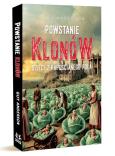
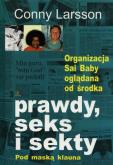
Organizacja Sai Baby oglądana od środka.
Pod maską klauna
Autor w latach 80. i 90. był liderem organizacji Sai Baby w Szwecji. Odkrycie pewnych szokujących faktów na temat praktyk guru, pozwoliło Larssonowi zrewidować swoją postawę. Świadectwo Conny`ego Larssona, którego miałem okazję poznać osobiście, odpowiada na pytanie, dlaczego ludzie tak łatwo wikłają się w sekty. Ale Larsson nie poprzestaje na tym. Wskazuje również na problemy związane z próbami odejścia z sekty.
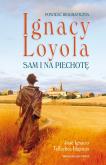
Książka Ignacy Loyola, sam i na piechotę została uznana za jedną z najbardziej wartościowych biografii tego niezwykłego człowieka i założyciela Towarzystwa Jezusowego (jezuitów). Autor opisuje Ignacego jako człowieka z krwi i kości, cierpliwego i wyrozumiałego psychologa oraz przewodnika dusz. Jednocześnie obala mity i stereotypy określające go jako manipulatora i despotę. Nazywa go raczej Don Kichotem ""w boskim stylu"", ponieważ całe swoje życie poświęcił walce o ideały. Ignacy potrafił zamieniać marzenia w czyn. Przykładem życia pociągał za sobą innych. Początkowo jeszcze pielgrzym bezustannie podążający za głosem Bożego wołania i szukający swego miejsca w świecie. Z czasem osiadł w Rzymie, gdzie za pomocą korespondencji próbował objąć opieką rozrastające się Towarzystwo Jezusowe rozproszone w wielu zakątkach świata.
Beginning with a dilemma about whether he spends more money on reading or smoking, George Orwell's entertaining and uncompromising essays go on to explore everything from the perils of second-hand bookshops to the dubious profession of being a critic, from freedom of the press to what patriotism really means.
Ten produkt jest zapowiedzią. Realizacja Twojego zamówienia ulegnie przez to wydłużeniu do czasu premiery tej pozycji. Czy chcesz dodać ten produkt do koszyka?