Szeroki wybór książek, multimediów z zakresu szeroko pojętej kultury: architektura, duchowy wymiar twórczości, szlaki kajakowe, współczesne media, przemoc w mediach, polityka. Odnajdziesz tu również książki i podręczniki idealne dla uczniów oraz studentów. Szeroki wybór beslsellerów i nowości.
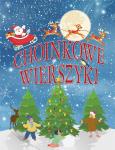
Ten bogato ilustrowany zbiór wierszy umili maluchom czas oczekiwania na święta Bożego Narodzenia. Rymowane opowiastki o śniegowym bałwanku, kolędowaniu czy wieczerzy wigilijnej przybliżą najmłodszym świąteczne zwyczaje oraz zapewnią wiele wzruszeń.
Biblioteka Kórnicka Polskiej Akademii Nauk przechowuje jedną z najstarszych i równocześnie najcenniejszych kolekcji zbiorów rękopiśmiennych i drukowanych stworzonych w Polsce. U źródeł jej powstania leży ogromna pasja jednego na największych bibliofilów swojego pokolenia - Tytusa Działyńskiego (1796-1861). To on jako twórca kolekcji, kierując się bogatymi zainteresowaniami, a nade wszystko przekonaniami, stworzył prywatną bibliotekę ojczystą, swoistą Boblithecam Patriam, która miała ukazywać świetność dawnej, wolnej Polski w czasach zaborów. Po przodkach odziedziczył skromne liczbowo, jednak cenne woluminy, które stanęły u początku jego życiowej pasji, jaką stało się kolekcjonerstwo. Ta z kolei przeżyła Tytusa, gdyż zaszczepiona została w jego potomkach przez nich była kontynuowana w kolejnych dziesięcioleciach. Syn Jan Działyński, córka Jadwiga Zamoyska oraz jej dzieci, Władysław i Maria, dalej realizowali rozpoczęte w XIX wieku dzieło Tytusa, zanosząc je w XX wiek.
Album poświęcony historii polskiego designu zaprezentuje i opowie historię wzornictwa polskiego, poczynając od Wystawy Paryskiej w 1925 roku po czasy współczesne. Prezentować będzie najlepsze projekty mebli, ceramiki użytkowej, elementów wnętrz mieszkalnych, samochodów i motocykli, pociągów i tramwajów, urządzeń gospodarstwa domowego i elektroniki, które powstały w pracowniach naszych artystów-projektantów – przedstawimy także sylwetki tych najważniejszych. Całość wzbogaci ok. 250 czarno-białych i kolorowych ilustracji.
Władysław Alojzy Strzembosz (1875–1917) był jedną z najwyrazistszych postaci Paryża młodopolskiego. Matematyk, działacz społeczny aktywny w niemalże wszystkich stowarzyszeniach ówczesnej kolonii polskiej, dziennikarz, tłumacz, wydawca, bibliofil i kolekcjoner, mimo wieloletnich dotkliwych problemów finansowych, ostrego konfliktu z przełożonym, Władysławem Mickiewiczem a wreszcie przedwczesnej śmierci pozostawił po sobie znaczny dorobek. Zgodnie z wolą wdowy jego kolekcja rycin wzbogaciła Muzeum Narodowe w Warszawie, obszerny księgozbiór bibliologiczny trafił do Biblioteki Narodowej w Warszawie, zaś Biblioteka Polska w Paryżu przechowuje pozostałość aktową jego działalności w dwóch zespołach archiwalnych: w nieopracowanym jeszcze archiwum własnym Biblioteki z okresu od 1893 roku, poświadczającym jego ofiarną pracę w latach 1901-1916 oraz w spuściźnie, objętej niniejszym katalogiem. Na uwagę zasługują tu szczególnie papiery żony, Stanisławy Kraszewskiej, malarki, uczennicy i przyjaciółki Olgi Boznań skiej, dokumenty z czasów studiów matematycznych Strzembosza w Moskwie, materiały działalności Koła Polskiego Artystyczno -Literackiego, Komisji Opieki nad Grobami Polskimi w Paryżu, dokumentacja współpracy z Komitetem Budowy Pomnika Fryderyka Chopina w Warszawie oraz korespondencja, obejmująca listy m. in. Szymona Askenazego, Włodzimierza Bugla, Bolesława Buyki, Samuela Dicksteina, Seweryny Duchiń skiej, Wacława Gąsiorowskiego, Józefa Kallenbacha, Marii Konopnic kiej, Bolesława Kozakiewicza, Stefanii Laudyn-Chrzanowskiej, Jana Lorentowicza, Władysława Mickiewicza, baronowej Heleny Oettingen, Kazimierza Prószyń skiego, Władysława Reymonta, Mieczysława Rulikowskiego, Adama Skałkowskiego, Wacława Sobies kiego, Kazimierza Waliszewskiego, Henryka Weyssenhoffa, Kazimierza Woźnic kiego i braci Kazimierza i Mariana Zdziechowskich czy takich francus kich przyjaciół sprawy polskiej jak Henri Grappin, Marius i Ary Lablondowie, Maurice Muret czy Victor Nicaise. Zasygnalizować należy również anteriora, takie jak zbierane na marginesie nieukończonej pracy doktorskiej wronsciana i pojedyncze inedita z czasów Wielkiej Emigracji, w tym list do Lelewela pochodzący ze zbiorów biblioteki raperswilskiej.
Katalog rękopisów Biblioteki Polskiej w Paryżu
TOM XVII
Rękopisy nr 3932–4061
Kontynuacja sprzedanego w 10 milionach egzemplarzy kultowego dzieła ""Ślady palców bogów""Nowe sensacyjne dowody na poparcie rewolucyjnej hipotezy o początkach naszej cywilizacjiCzy kosmiczny kataklizm zniszczył 12 000 lat temu nieznaną, wysokorozwiniętą cywilizację?Graham Hancock to jeden z najwybitniejszych i najbardziej kontrowersyjnych badaczy dziejów ludzkości. Autor bestsellerów przetłumaczonych na 27 języków. Dwadzieścia pięć lat temu Hancock zaszokował świat nauki kultowym dziełem ""Ślady palców bogów"", w którym przedstawił hipotezę istnienia jednej cywilizacji, pramatki wszystkich kultur. To jedno z przełomowych wydarzeń intelektualnych naszych czasów --pisał ""The Times.W ""Magach bogów"" Graham Hancock kontynuuje naukowe śledztwo. Opowiada o swoich najnowszych odkryciach barwnie i z poczuciem humoru. Dokumentuje je publikowanymi po raz pierwszy zdjęciami i przedstawia nowe dowody, które nie pozostawiają wątpliwości: zaawansowana cywilizacja epoki lodowcowej została zniszczona globalnym kataklizmem pomiędzy 12 800 a 11 600 lat temu. W Amerykę Północną i Europę uderzyły szczątki gigantycznej komety, wywołując potop na skalę światową. Przekaz o nim powtarza się w mitach wszystkich kultur. A Platon wskazuje tę datę jako czas zagłady Atlantydy... Z katastrofy ocaleli nieliczni. W późniejszych starożytnych tekstach są nazywani Magami, Mędrcami, Tajemniczymi Nauczycielami z Nieba. Osiedlali się na terenach dzisiejszej Turcji (Gobekli Tepe), Libanu (Baalbek), Egiptu (Giza), Mezopotamii, Meksyku, Peru, Indonezji, przekazując ludzkości swoją wiedzę i ostrzeżenie na przyszłość. Fragment komety sprzed 12 000 lat wciąż krąży w kosmosie. Astronomiczna wiadomość zaszyfrowana przez ""Magów Bogów"" w Göbekli Tepe, w Sfinksie czy egipskich piramidach zapowiada, że kometa uderzy w Ziemię za naszych czasów...
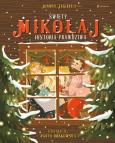
Pewnego grudniowego dnia w mroźnej Laponii do okna warsztatu Mikołaja puka mały sąsiad, Adaś, i prosi o lalkę prezent świąteczny dla chorej siostry. Mikołaj i jego żona Marta chętnie przygotowują podarunki dla dzieci z sąsiedztwa. W kolejnym roku obdarowują już całą wioskę wszystkie ubogie dzieci dostają świąteczne prezenty.Tak zaczyna się prawdziwa historia Świętego Mikołaja, którego znamy dzisiaj.Dowiedzcie się, jak ze zwykłego człowieka, który chciał czynić dobro, Mikołaj stał się magiczną postacią obdarowującą dzieci na całym świecie.Ciepła historia o świętach, miłości, niesieniu pomocy i o tym, że magia istnieje jeśli tylko mocno w nią uwierzysz.
Książka z serii „małych wykładów”, wygłaszanych każdorazowo na gali wręczenia Nagrody im. Barbary Skargi. Dotychczas ukazały się wykłady prof. prof. Krzysztofa Pomiana, Marcina Poręby i Krzysztofa Okopienia. Prezentowany pochodzi z 2020 roku, z gali V edycji konkursu. Jest krótką próbą charakterystyki współczesnej kondycji przez pryzmat sytuacji, w jakiej znajduje się dziś myślenie, nie tylko filozoficzne.
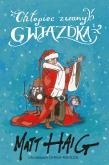
Uwierz w niemożliwe!
Oto prawdziwa historia Świętego Mikołaja
Jeśli jesteś jedną z tych osób, które sądzą, że rzeczy niemożliwe nie istnieją, natychmiast odłóż tę książkę. Są w niej bowiem wyłącznie rzeczy magiczne i niemożliwe.
Jesteś wciąż z nami? To dobrze. (Elfy byłyby z ciebie dumne). W takim razie zaczynajmy…
Skąd się wziął Święty Mikołaj? Jak doszło do tego, że człowiekowi udało się zaprzyjaźnić i zamieszkać z elfami? No i kto wymyślił, by wszystkie dzieci z całego świata w święta Bożego Narodzenia dostawały prezenty? Jeśli jesteś ciekawy (wiem, że jesteś – wszyscy jesteśmy!), wyrusz z nami w tę fascynującą, świąteczną podróż.
Matt Haig to wielokrotnie nagradzany autor książek dla dzieci i dla dorosłych. Bestsellerowy Chłopiec zwany Gwiazdką był jego pierwszą świąteczną powieścią. Dalsze części tego cyklu to Dziewczynka, która uratowała Gwiazdkę oraz Ojciec Gwiazdka i ja.
„Zabawna i wzruszająca opowieść o Świętym Mikołaju. Ho, ho, ho! Moje dzieci też były zachwycone”.
Yann Martel, autor Życia Pi
„Wiadomo od lat, jak stary jest świat, że w wyobraźni małego człowieka nie ma rzeczy niemożliwych. Utwierdza nas w tym Mikołaj – mały bohater tej jakże odległej od nas kulturowo opowieści z krainy białej jak mleko, tak od nas położonej daleko. Gdzie żyją sobie wygodnie elfy. Dzieci kochają te małe stworki, które nie zawsze są jak aniołki. Często są to potworki zdolne do najstraszniejszych posunięć. Jak w każdej bajce trochę się śmiejemy, trochę płaczemy i boimy. Ale warto przez to przejść, aby się dowiedzieć, jak i skąd wziął się na świecie pierwszy Święty Mikołaj. Ten sam, na którego odwiedziny czekają dzieci na całym świecie. Czy tylko dzieci?”
Ewa Chotomska
Wybór wykładów z lat 2008-2012 dokonany przez samego Autora, prof. dr hab. Miroslava Hrocha, czeskiego historyka i wielki autorytet w środowisku badaczy problematyki narodowościowej.
Autor znany ze swojej wielkiej erudycji sam podkreśla w przedmowie, że „wybrał tematy z jednej strony ogólne, stanowiące niejako wspólny mianownik wykładów z drugiej wątki syntetyzujące”, które w moim przekonaniu wniosły coś nowego czy stymulującego. Jego zdaniem, z czym w pełni się zgadzam, „Europa Środkowa nie może być właściwie zrozumiana, jeśli ograniczymy się tylko do jej terytorium i do narodów, które ją zamieszkują”. Bardzo słuszna jest jego konstatacja, iż „głębsze zrozumienie procesów formowania się narodu jest jednym z ważnych argumentów przeciwko nihilistycznej postawie intelektualistów zachodnioeuropejskich w stosunku do myśli narodowej i świadomości narodowej”.
(Prof. dr hab. Andrzej Żbikowski; Studium Europy Wschodniej, Uniwersytet Warszawski)
Jeszcze 30 lat temu sądzono, że tylko Europa Wschodnia żywi demony przeszłości – uczucia i emocje narodowe. Złudzenie miało ogromną siłę, pozwalało na swoisty paternalizm wobec społeczności definiujących się „narodowo”, lokowanych daleko, „w Europie drugiej prędkości”. W ten sposób praca Miroslava Hrocha, która przedstawia wyniki wieloletnich badań, wskazuje na wagę zjawisk narodowych interpretowanych poza paradygmatem zapóźnienia. Objęcie obserwacją badawczą połowy Europy, zwrócenie uwagi na wspólnoty narodowe, które zwykle umykają obserwacji dziennikarskiej, bo są małe, bo złożone, etc. – stanowi wartość tej książki.
(Dr hab. Hubert Łaszkiewicz; Studium Europy Wschodniej, Uniwersytet Warszawski, Dziekan Wydziału Historycznego KUL 2012-2016)
Wyjątkowo trudno jest pisać recenzję publikacji autora, który za życia stał się uznanym w świecie autorytetem w swojej dyscyplinie. Można by rzec, że stał się klasykiem w środowisku badaczy złożonych problemów narodowościowych. Prezentowana praca składa z wykładów jakie wygłosił Miroslav Hroch w różnych terminach w Studium Europy Wschodniej UW. Największą zaletą książki i wykładów Profesora Hrocha jest najbliższe współczesności autorskie przedstawienie poglądów. Jego przemyślenia są nadal aktualne i przekonywające. Można się z nimi zgadzać, można też z nimi polemizować. Jedno jest pewne – warto je czytać.
(Prof. dr hab. Leszek Zasztowt; Studium Europy Wschodniej, Uniwersytet Warszawski / PAN)
Prof. dr hab. Miroslav Hroch (ur. 1932 w Pradze) – czeski historyk, emerytowany profesor Uniwersytetu Karola w Pradze, doktor honoris causa uniwersytetów w Uppsali (1997), Halle (2003) i Kownie (2007). Wykładał historię powszechną nowożytności na Uniwersytecie Karola do 2014 roku. Jako profesor wizytujący wykładał na wielu uniwersytetach. Światową renomę zdobył głównie dzięki swojej pracy skupionej na problematyce ruchów narodowych w Europie Środkowej i Wschodniej i ogólnie na temacie formowania się nowoczesnych narodów.
Autor wielu publikacji z tej tematyki: "Die Vorkämpfer der nationalen Bewegung bei den kleinen Völkern Europas" (1968); "Na prahu národní existence" (1999); "Social Preconditions of National Revival in Europe" (1985); "Male narody Europy" (2003); "European Nations. Explaining Their Formation" (2015); "Studying nationalism under changing conditions and regimes" (2018) i wielu innych.
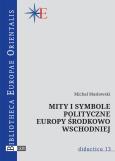
Profesor Michał Masłowski przybliża Czytelnikom tematykę mitów i symboli, wykazując ich podobieństwa i różnice, i tym samym poszerzając ogólną wiedzę o Europie Środkowo-Wschodniej.
Do zrozumienia Europy Środkowo-Wschodniej niezbędna jest wyprawa do labiryntu mitów i symboli narodowych naszego subkontynentu. Niełatwo byłoby do tej drogi znaleźć lepszego przewodnika od Michała Masłowskiego. Pewną ręką prowadzi on czytelnika przez zakręty tego swoistego świata, gdzie szybko można zbłądzić, ponieważ każdy, (z reguły) zna tylko swoje mity i symbole. Sczytywanie tych mitów i symboli naszych narodów umożliwia nam pojąć nie tylko podobieństwa i różnice tych narracji, ale także ich względność. I to jest prawdopodobnie najważniejszą nauką tej książki – zrozumieć nas samych w zwierciadle innych…
Symboliczne i mityczne wyobrażenia narodów stają się podstawą do badań nad dziejami, a zwłaszcza kulturową wspólnotą regionu. Autor dokonuje rozrachunku z narodowymi symbolami, przy czym mity i symbole traktuje jako korzenie cywilizacji, podstawę współczesnego wyobrażenia o świecie i źródłem narracji historycznej.
Dr Irena Bilińska; Studium Europy Wschodniej, Uniwersytet Warszawski
Wbrew temu, co długo sądzono, ów kontynent mitów i symboli nie jest archaiczny, czy przestarzały, ale żywy sokami bytu.
Prof. Chantal Delsol; Université Marne-la-Vallée, Paryż
Praca poświęcona została mitom obecnym niegdyś i dzisiaj w świadomości społecznej wybranych wspólnot narodowych, środkowoeuropejskich i z pogranicza oraz kwestiom procesu narodowotwórczego i samoidentyfikacji zbiorowości ludzkich (koncepcje ojczyzny, rola języka narodowego, funkcje literatury, znaczenie stereotypów). Rozważania Autora nie idą w kierunku opracowania całościowego i wyczerpującego tematykę, są natomiast próbą zasygnalizowania wątków najważniejszych dla badanego imaginarium środkowoeuropejskiego.
Dr hab., prof. UJ Kazimierz Jurczak; Uniwersytet Jagielloński / Studium Europy Wschodniej, Uniwersytet Warszawski
Do zrozumienia Europy Środkowo-Wschodniej niezbędna jest wyprawa do labiryntu mitów i symboli narodowych naszego subkontynentu. Niełatwo byłoby do tej drogi znaleźć lepszego przewodnika od Michała Masłowskiego. Pewną ręką prowadzi on czytelnika przez zakręty tego swoistego świata, gdzie szybko można zbłądzić, ponieważ każdy, (z reguły) zna tylko swoje mity i symbole. Sczytywanie tych mitów i symboli naszych narodów umożliwia nam pojąć nie tylko podobieństwa i różnice tych narracji, ale także ich względność. I to jest prawdopodobnie najważniejszą nauką tej książki – zrozumieć nas samych w zwierciadle innych…
Prof. Csaba G. Kiss; ELTE – Eötvös Loránd Tudományegyetem, Budapeszt
Praca stanowi świetne wprowadzenie do wiedzy o Europie Środkowo-Wschodniej, dopełnione przez autora wytłumaczeniem podziału na cywilizacje zachodnią i bizantyjską. Z korzeni tych wyrastają nadal aktualne różnice mentalności i ideologii narodowych. Autor ukazuje decydujące znaczenie kultur w tworzeniu nowoczesnej tożsamości narodów Europy Środkowo-Wschodniej, które musi uwzględniać Unia Europejska w obecnej polityce.
Prof. Jan Sokol; Karlova Univerzita, Praga
Michał Masłowski – prof. emereryt literatury polskiej na Sorbonie. Autor prac o romantyzmie i teatrze romantycznym, antropologii kulturowej Europy Środkowej i tematach metafizycznym w literaturze współczesnej. Publikuje po polsku i po francusku, m.in. "Gest symbol i rytuały polskiego teatru romantycznego" (1968), "Zwierciadła Kordiana. Rola i maska bohatera w dramatach Słowackiego" (2001), "Problemy tożsamości. Szkice mickiewiczowskie i (post)romantyczne" (2006), "Etyka i metafizyka. Perspektywa transcendencji poziomej we współczesnej kulturze polskiej" (2011). Autor 10 książek i ok. 150 artykułów. Tłumacz na francuski, z Jacquesem Donguy (Mickiewicz, Słowacki, Norwid, Różewicz, Miłosz, Herbert i in.). Członek PAU, kawaler Polonia Restituta, komandor Palm Akademickich.
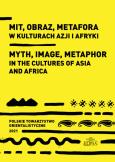
Przedstawione w tomie badania obejmują kilka dziedzin badań orientalistycznych: arabistykę, turkologię, ałtaistykę, indologię (z jej wewnętrznym zróżnicowaniem: sanskrytologię, tamilistykę i kulturę hindi), koreanistykę, sinologię i japonistykę.
Książka podzielona została na dwie części, w których w kolejnych rozdziałach: Mit, obraz, metafora w literaturze oraz Mit, obraz, metafora w kulturze i religii uwzględniono 17 tekstów. W sposób raczej niezamierzony tytuły obu części, odzwierciedlając ich zawartość merytoryczną, pokrywają się z dwiema spośród trzech wiodących wśród orientalistów dyscyplinami. Niniejszy tom odzwierciedla bardziej „tradycyjne” pojmowanie orientalistyki, skoncentrowanej na kwestiach przede wszystkim literackich i kulturowych, choć mamy tu także do czynienia z tekstami o charakterze inter- czy też transdyscyplinarnym, uwzględniającym kwestie sztuki, religii i filmu.
Autorzy poszczególnych opracowań zatrzymują się na kwestiach szczegółowych, które obecnie są przedmiotem ich badań. Zaprezentowane analizy jasno wskazują, że nie istnieje jedno zrozumienie ani mitu, ani obrazu, ani metafory zarówno od strony metodologicznej, jak i w kontekście poszczególnych dziedzin badań orientalistycznych. Po raz kolejny zatem potwierdza się znana wśród orientalistów opinia, że jeden Orient nie istnieje. Podobnie z mitem – może być po prostu elementem jakiegoś tradycyjnego systemu mitologicznego, może być czynnikiem umacniającym tożsamość czy też wprost tę tożsamość tworzącym. Obraz z kolei może być zrozumiały wprost, ale może także posiadać moc mitu czy też symbolu i przez to być zamknięty na odbiorców, którzy nie są gotowi na jego pojęcie.
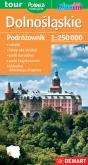
PODRÓŻOWNIK to seria map łączących aktualne informacje drogowe w skali 1 : 250 000 z informacjami o ciekawych miejscach, w tym obiektach zaliczanych do najcenniejszych dóbr kultury i natury. Mapa jest więc przeznaczona nie tylko dla kierowców, ale i dla turystów, którzy lubią odkrywać nowe miejsca. Jest idealnym narzędziem do planowania swoich eskapad na terenie dolnośląskiego. Przedstawiamy w nim tereny o niezwykle bogatej historii tworzonej m.in. przez Piastów Śląskich, Czechów, Austriaków, Prusaków, a po II wojnie światowej – Polaków.
W Książu Hochbergowie wznieśli zamek, który wielkością w Polsce ustępuje tylko Malborkowi i Wawelowi. We Wrocławiu z kolei, urodziło się aż czterech przyszłych noblistów. Pamiątki po III Rzeszy, czyli tajemnicze podziemia i obiekty kompleksu „Riese” ściągają coraz liczniejsze rzesze turystów.
W naszym PODRÓŻOWNIKU przedstawiamy również wiele innych cennych zabytków architektury: uniklaną nie tylko architektonicznie ale i widokowo Bystrzycę Kłodzką, barkowy pałac w Bożkowie, opactwo cystersów w Henrykowie, renesansowy dwór w Nawojowie Łużyckim, pałac w Oleśnicy Małej, gotycki most i zespół klasztorny franciszkanów w Kłodzku i wiele innych.
Nie zapominamy też o przyrodzie: na terenie województwa znajdują się 2 parki narodowe – Karkonoski i Gór Stołowych oraz aż 11 parków krajobrazowych, których opisy wraz z jeszcze wieloma innymi atrakcjiami turystycznymi są na odwrocie tej mapy.
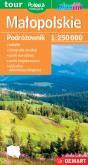
PODRÓŻOWNIK to seria map łączących aktualne informacje drogowe w skali 1 : 250 000 z informacjami o ciekawych miejscach, w tym obiektach zaliczanych do najcenniejszych dóbr kultury i natury. Mapa jest więc przeznaczona nie tylko dla kierowców, ale i dla turystów, którzy lubią odkrywać nowe miejsca. Jest idealnym narzędziem do planowania swoich eskapad na terenie małopolskiego. Prawdziwe bogactwo Małopolski to góry. Niektóre miejsca są odwiedzane tłumnie np. przez miłośników białego szaleństwa, amatorów wspinaczki, jazdy konnej, kajakarstwa, a nawet szybownictwa i lotów balonowych. W innych można odpocząć od miejskiego zgiełku. Tu powstał pierwszy narodowy styl w architekturze, a w wielu wsiach przetrwał żywy folklor, który jak magnes działa na turystów. Natomiast bogata spuścizna wielu pokoleń konkuruje z pyszniącą się naturą szczególnie w stolicy regionu. Kraków jako miasto królewskie wyznaczył kierunek w polskiej polityce, gospodarce i kulturze. Na terenie funkcjonuje aż 6 parków narodowych: Babiogórski, Gorczański, Magurski, Ojcowski, Pieniński oraz, zaliczany do największych w Polsce, chroniący jedyny w kraju fragment gór o krajobrazie alpejskim, Tatrzański Park Narodowy. Opisy tych wszystkich miejsc są na odwrocie tej bogatej mapy.
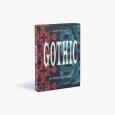
Crumbling ruins, undead fiends, dark alleys and forests teeming with horrors seen and unseen: the tendrils of the Gothic have crept out of the architecture of churches, mosques and grand houses and into suburban malls, overcrowded cities, the deserted corners of the world and beyond, taking the shape of monsters from Beowulf to Gojira, Cthulhu or the wendigo to our own terrifying, warped reflections. Across time, form and media, this book traces the weaving path of the Gothic from the shadows of history to the very heart of popular culture today.
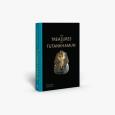
This beautifully illustrated book brings to life the greatest treasures from the tomb of Tutankhamun. Fifty of the most important objects on display today are each accompanied by a short, accessible text giving the reader just enough information to understand their relevance and importance while retaining a sense of wonder at these ancient artefacts.
Each carefully selected object is presented with a full-page colour image and a facing text explaining what the object is, where it was found and why it was buried with the young Pharaoh. There are quotes throughout the text from Howard Carter on his discovery of the tomb in 1922. An introduction by the esteemed Egyptologist Garry Shaw gives a brief overview of the history of ancient Egypt and sets out what we know about the life and times of the young king. He offers a graphic depiction of the dramatic story of the discovery and opening of the tomb by Howard Carter in 1922, and touches on the latest theories and scientific work that has taken place, as well as explaining what is still left to be discovered and the controversial nature of some of the latest interpretations.
This is the perfect pocket-sized companion for anyone visiting the international travelling Tutankhamun exhibition, the New Egyptian Museum in Giza or any of the renowned collections of Egyptology in museums across the world.
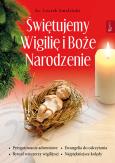
Wigilia Bożego Narodzenia to jedyny i niepowtarzalny dzień w całym roku. Podniosła atmosfera w oczekiwaniu na narodzenie Dzieciątka Jezus tworzy w rodzinie klimat duchowej jedności i pokoju.Przedstawiamy poradnik, który krok po kroku prowadzi czytelnika przez okres Bożego Narodzenia i tłumaczy, jak po katolicku przeżyć najbardziej rodzinne święta. Z tą książką Wigilia stanie się pięknym i prawdziwie religijnym przeżyciem, a przy tym zachowa uświęcony tradycją charakter.W przewodniku czytelnik znajdzie:przygotowania adwentowe z omówieniem tradycji i posług religijnych;szczegółowy opis przebiegu wieczerzy wigilijnej;teksty modlitw i fragment Ewangelii do odczytania przy wigilijnym stole;teksty najpiękniejszych tradycyjnych polskich kolęd;omówienie zwyczajów bożonarodzeniowych;omówienie wizyty duszpasterskiej
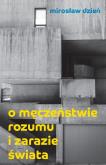
Publikacja Mirosława Dzienia pt. „O męczeństwie rozumu i zarazie świata” zawiera dziesięć esejów kulturowych, chciałoby się powiedzieć – cywilizacyjnych, diagnozujących myślenie w czasach zarazy – jakie jest, jak się zmienia, od czego odchodzi, do czego dąży. Teksty Mirosława Dzienia napisane są przystępnym językiem, nie pozbawionym elementów własnego świadectwa, bowiem autor nie stawia się na pozycji obiektywnego badacza, ale współuczestnika i „ofiary” kulturowych przemian. Dzień – który w jednym z esejów ogłasza koniec postmodernizmu – wydaje się być nieprzejednanym krytykiem agresywnego liberalizmu.
Zbiór wyjątkowych esejów Mirosława Dzienia jest czymś więcej niż intelektualną reakcją na czas pandemii oraz «widzialne symptomy niewidocznej infekcji». Stanowi bowiem odpowiedzialnie i znakomicie napisane literackie świadectwo myślenia wobec globalnej katastrofy. Autor «czyta z n a k, jakim jest obecna pandemia» w perspektywie chrześcijańskiej, przebijając się przez dosłowny, powierzchowny i statystyczny wymiar zdarzeń wywołanych przez koronawirusa SARS-CoV-2 i chorobę COVID-19. Z jednej strony stawia pytania o ich sens, a z drugiej odpowiada na nie. Rozwój pandemii skłania go do prób zdiagnozowania i sprecyzowania skutków nieznanego na wcześniejszą skalę odwrotu ludzkości od Transcendencji jako fundamentu człowieczeństwa.
Z rzadko spotykaną przenikliwością Mirosław Dzień omawia negatywne moralne rezultaty dehumanizacji kultury. «Nowoczesny» liberalizm, znieprawiając rozumienie prawdy, propaguje «wolność», która staje się formą nowego niewolnictwa, forpocztą epoki totalnej monokultury. Zaproponowane konteksty w postaci reminiscencji biblijnych, teologicznych, mistrzów duchowości, a także odnoszących się do literatury czy filmu, przede wszystkim uwiarygodniają solidność, autentyzm i siłę przekazu Mirosława Dzienia.
– fragment recenzji prof. dr hab. Zbigniewa Chojnowskiego
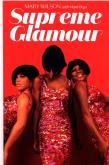
With the assistance of her close friend Mark Bego, founding member Mary Wilson tells the complete story of The Supremes, both on- and off-stage, from their beginnings as The Primettes in June 1959 to their 1964 breakthrough Motown hit, ‘Where Did Our Love Go’, and from the departure of Diana Ross to the group’s comeback in the mid-1970s. Packed with personal ancedotes and reflections from Mary herself, the text is accompanied by rare archive photography and ephemera, much taken from Mary’s personal collection.
The Supremes have always been synonymous with glamorous, elegant co-ordinated costumes. Supreme Glamour complements and extends their inspiring story by interleaving text sections with the cream of Mary Wilson’s unparalleled collection of Supremes outfits, showcasing thirty-five of the most eye-catching ensembles, painstakingly re-assembled and photographed on the Grammy museum stage. Detailed captions accompany each photograph, providing all the key information about the design, the fabric, the embellishments, and the occasion on which each was first worn. Contemporary photos of The Supremes wearing the outfits bring the costumes to life.
This sumptuous volume builds a complete picture of the charm and sophistication of The Supremes. Supreme Glamour is sure to appeal to fashionistas, Supremes enthusiasts, Mary’s numerous fans and visitors to her frequent exhibitions of the Mary Wilson/Supremes Gown Collection.
In this landmark work, four of the world's leading scholar-activists set out a vital, urgent manifesto for a truly intersectional, internationalist, abolitionist feminism.
As a politics and as a practice, abolitionism has increasingly shaped our political moment, amplified through the worldwide protests following the 2020 murder of George Floyd by a uniformed police officer. It is at the heart of the Black Lives Matter movement, in its demands for police defunding and demilitarisation, and a halt to prison construction. And it is there in the outrage which greeted the brutal treatment of women by police at the 2021 Clapham Common vigil for Sarah Everard.
As this book shows, abolitionism and feminism stand shoulder-to-shoulder in fighting a common cause: the end of the carceral state, with its key role in perpetuating violence, both public and private, in prisons, in police forces, and in people's homes. Abolitionist theories and practices are at their most compelling when they are feminist; and a feminism that is also abolitionist is the most inclusive and persuasive version of feminism for these times.
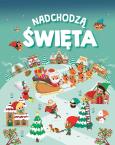
Magiczna opowieść w oczekiwaniu na święta! Poznaj wioskę Świętego Mikołaja, jego warsztat, domek elfów, no i oczywiście zajrzyj na świąteczny jarmark. Nie zapomnij o udekorowaniu choinki!
Ten produkt jest zapowiedzią. Realizacja Twojego zamówienia ulegnie przez to wydłużeniu do czasu premiery tej pozycji. Czy chcesz dodać ten produkt do koszyka?