Szeroki wybór książek, multimediów z zakresu szeroko pojętej kultury: architektura, duchowy wymiar twórczości, szlaki kajakowe, współczesne media, przemoc w mediach, polityka. Odnajdziesz tu również książki i podręczniki idealne dla uczniów oraz studentów. Szeroki wybór beslsellerów i nowości.
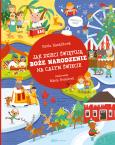
Basia i Bartek to rodzeństwo, które w okresie bożonarodzeniowym poznaje nowego sąsiada - pana Wierszysława. Dzieci są zainteresowane lokatorem, ponieważ ma bardzo ciekawy nawyk - na wszystkie pytania odpowiada wierszem.Wspólnie spędzą czas adwentu, dzięki czemu dzieci poznają różne świąteczne tradycje, których zrozumienie ułatwi pan Wierszysław.Książka zawiera 24 świąteczne opowieści oraz krótkie zadania dla małych czytelników, które będą mogli wykonywać w oczekiwaniu na święta.
Boże Narodzenie to wyjątkowe i magiczne Święta!Poznaj świąteczne tradycje w Polsce i na świecie. Dowiedz się, dlaczego ubieramy choinkę i co oznaczają jej ozdoby. Przeczytaj o pierwszym Bożym Narodzeniu, opowieść o Trzech Królach i Świętym Mikołaju oraz historię elfa Bazylego. Wypróbuj proste przepisy wigilijne i zrób swoją świąteczną kartkę. Zaśpiewaj najpiękniejsze polskie kolędy.
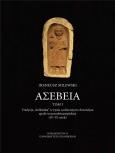
Książka zawiera rozprawy poświęcone zwierzętom w kulturze staropolskiej – mówi o relacjach człowieka z przyrodą, o szacunku, jakim ją darzył, oraz jego empatii wobec wszystkich stworzeń, a także o definiowaniu humanizmu właśnie za sprawą kontaktów ze światem natury. Tom jest owocem pracy interdyscyplinarnego zespołu badawczego skupionego wokół Pracowni „Humanizm. Hermeneutyka wartości” na Wydziale „Artes Liberales” UW.
Reading the Book of Animals. Curiosity, Imagination, Knowledge, Faith
The book contains dissertations on animals in the Old Polish culture: it talks about human–nature relations, the respect man had for nature, his empathy for all creatures and also about defining humanism through contacts with the world of nature. The volume is the result of work of an interdisciplinary research team centered around the studio Humanism. The Hermeneutics of Values at the Faculty of “Artes Liberales” of the University of Warsaw.
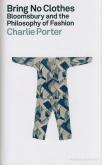
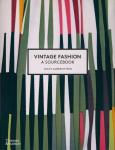
Why do we wear what we wear? To answer this question, we must go back and unlock the wardrobes of the early twentieth century, when fashion as we know it was born.
In Bring No Clothes, acclaimed fashion writer Charlie Porter brings us face to face with six members of the Bloomsbury Group-the collective of creatives and thinkers who were in the vanguard of a social and sartorial revolution. Each of them offers fresh insight into the constraints and possibilities of fashion today: from the stifling repression of E. M. Forster's top buttons to the creativity of Vanessa Bell's wayward hems; from the sheer pleasure of Ottoline Morrell's lavish dresses to the clashing self-consciousness of Virginia Woolf's orange stockings; from Duncan Grant's liberated play with nudity to John Maynard Keynes's power play in the traditional suit. As Porter carefully unpicks what they wore and how they wore it, we see how clothing can be a means of artistic, intellectual and sexual liberation, or, conversely, a tool for patriarchal control.
As he travels through libraries, archives, attics and studios, Porter uncovers new evidence about his subjects, revealing them in a thrillingly intimate, vivid new light. And, as he begins making his own clothing, his own perspective on fashion-and on life-starts to change. In the end, he shows, we should all 'bring no clothes', embracing not just a new way with fashion but a new philosophy of living-one which activates the connections between the way we dress and the way we think, act and love.
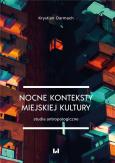
Książka jest kolejną już, podejmowaną przez Autora, ambitną i wielowątkową próbą opisu nocnego kosmosu. Wypada zgodzić się z nim, że nocna odsłona miasta to obszar wciąż nieopisany, a z całą pewnością słabo opisany w polskich studiach kulturoznawczych. Nie będzie więc wielkim ryzykiem powiedzenie, że ta pozycja jest jedną z pierwszych w szeroko pojętej polskiej literaturze humanistycznej, które odkrywają terra incognita nocnych przestrzeni. Dotychczasowe badania miejskie (podejmowane z najróżniejszych punktów widzenia od urbanistycznego po socjologiczne i ekologiczne), o ile wiem, uprawomocniały jako oczywistość obraz dzienny miasta, nie dostrzegając zmiany jakościowej, nieomal ontologicznej, jaka zachodzi w mieście ogarniętym ciemnościami, funkcjonującym w sztucznym świetle lamp. To naprawdę nie jest ten sam świat, który widzimy w świetle dziennym. Zasługą Autora jest to, że tę różnicę zauważył i przedłożył nam przed oczy. Z recenzji prof. Dariusza Czai Osiągnięcia Autora wyróżniają się oryginalnością i antropologicznym rozmachem. Co ważne, nie jest to oryginalność powielana: styl, czyli poetyka narracji, w jego kolejnych książkach co prawda nie ulega zmianie co do istoty, lecz wzbogaca się, ukazuje lepiej, bo głębiej, analizowane tematyczne wątki. Dopiero przy lekturze tej publikacji widoczne stało się dla mnie powiązanie przez Autora trybów badania i opisywania miasta-nocy, w tym pojawiających się na tym tle problemów epistemologicznych, z refleksją ontologiczną: o kulturowej materii nieokiełznanej, niepodległej, rozmytej, płynnej oraz wyrywającej się ze sztywnego gorsetu formalnych matryc pojęciowych i teoretycznych. Fenomen miasta-nocy, ze swej natury nieokiełznany, umyka badaniu i broni się przed zamknięciem w opowieści, woli przybrać postać uwrażliwiającego, migotliwego cienia. Z recenzji prof. Andrzeja Pawła Wejlanda
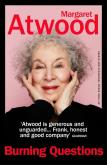
From cultural icon Margaret Atwood comes a brilliant collection of essays -- funny, erudite, endlessly curious, uncannily prescient -- which seek answers to Burning Questions such as:
Why do people everywhere, in all cultures, tell stories?
How can we live on our planet?
What do zombies have to do with authoritarianism?
In Burning Questions Atwood aims her prodigious intellect and impish humour at our world, and reports back to us on what she finds. The roller-coaster period covered in the collection brought an end to the end of history, a financial crash, the rise of Trump and a pandemic. From debt to tech, the climate crisis to freedom; from when to dispense advice to the young (answer: only when asked) to how to define granola, we have no better questioner of the many and varied mysteries of our human universe.
INCLUDES NEW ESSAYS FOR PAPERBACK
'Brilliant and funny' Joan Didion
'She's taken our times and made us wise to them' Ali Smith
'Lights a fire from the fears of our age . . . Miraculously balances humor, outrage, and beauty' New York Times Book Review
'All over the reading world, the history books are being opened to the next blank page and Atwood's name is written at the top of it' Anne Enright, Guardian
'The outstanding novelist of our age' Sunday Times
Książka wspomnieniowa jednego z najwybitniejszych polskich badaczy kultury, poświęcona osobom, które go ukształtowały. Jest to zbiór osobistych relacji ze spotkań Andrzeja Mencwela z życiem i dziełem twórców współczesnej kultury polskiej, większość opisywanych biografii i wydarzeń łączy się z Uniwersytetem Warszawskim.
******
Teachers and Friends
A book of recollections by one of the most prominent Polish cultural studies scholar, devoted to the persons who have shaped him. It offers a series of personal accounts of Andrzej Mencwel’s encounters with the lives and works of creators of modern Polish culture, most of the biographies and events described are associated with the University of Warsaw.
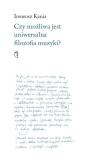
Muzyka w świecie chińskim, zdominowanym, jak wiemy, przez światopogląd taoizmu przenikniętego jak to również wiemy duchem panteizmu, a nawet animizmu, funkcjonuje odmiennie i zajmuje stanowisko odmienne niż w cywilizacji Zachodu (choć ceniona jest tam równie wysoko). Jej funkcje estetyczne są drugoplanowe, przede wszystkim bowiem jest ona potężnym narzędziem oddziaływania magicznego, rozciągającego się na sferę zarówno psychologii jednostkowej, jak i stosunków społecznych i wreszcie kosmicznego porządku. Jest tak, ponieważ między tymi sferami zachodzą istotowa tożsamość i funkcjonalna ekwiwalencja. Dlatego muzyka nie pełni tu roli pośredniczącej nie musi tego czynić, skoro sfery naturalna, ludzka i boska są dla Chińczyka zbieżne, nie zaś, jak dla człowieka Zachodu, rozdzielone czy nawet rozbieżne.
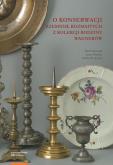
Piotr Niemcewicz
Ocalić od zapomnienia… / 11
Arkadiusz Wagner
Kolekcjonerstwo a rodzina. Rzecz o unikaniu konfliktu / 15
MOSIĘŻNICTWO
Paula Śwituszak
Powiedz mi, ile masz w sobie cynku, a powiem ci, czym jesteś / 29
Świecznik, XVI – początek XVII w.
Prace konserwatorskie: Paula Śwituszak, Alina Tomaszewska-Szewczyk / 32
Świecznik, 2. połowa XVII w.
Prace konserwatorskie: Paula Śwituszak, Alina Tomaszewska-Szewczyk / 34
Misa norymberska, koniec XVI – początek XVII w.
Prace konserwatorskie: Alina Tomaszewska-Szewczyk / 36
KONWISARSTWO
Paula Śwituszak
Stara cyna i człowiek / 41
Świecznik ołtarzowy, około 1700 r.
Prace konserwatorskie i restauratorskie: Paula Śwituszak, Alina Tomaszewska-Szewczyk / 44
Świecznik ołtarzowy, 1. ćwierć XVIII w.
Prace konserwatorskie i restauratorskie: Paula Śwituszak, Alina Tomaszewska-Szewczyk / 46
Wazonik ołtarzowy, 1. połowa XVIII w.
Prace konserwatorskie i restauratorskie: Paula Śwituszak, Alina Tomaszewska-Szewczyk / 48
Dzban samowarowy (Dröppelminna), 1. połowa XIX w.
Prace konserwatorskie i restauratorskie: Agata Ogińska / 50
GALWANOSTEGIA
Agata Ogińska
Od stosu Volty do fabryki Minterów / 55
Świecznik ołtarzowy – neobarokowy, XIX w.
Prace konserwatorskie: Agata Ogińska / 58
Patera secesyjna na podstawie figuralnej, około 1900 r.
Prace konserwatorskie i restauratorskie: Agata Ogińska / 60
ZŁOTNICTWO
Aleksandra Gralińska-Grubecka
Nie wszystko złoto, co się świeci / 65
Okładzina relikwiarza ołtarzowego lub retabulum, około połowy XVIII w.
Prace konserwatorskie i restauratorskie: Aleksandra Gralińska-Grubecka / 67
Świecznik domowy, około połowy XVIII w.
Prace konserwatorskie: Agata Ogińska / 70
KOWALSTWO I ŚLUSARSTWO
Andrzej Podgórski
W żarze i z precyzją / 75
Nadświetle bramy, około 1700 r.
Prace konserwatorskie: Karolina Witkowska / 78
Świecznik ścienny, 2. połowa XVII w.
Prace konserwatorskie: Andrzej Podgórski, Alina Tomaszewska-Szewczyk / 80
Świecznik domowy, tzw. stoczek, XVIII w.
Prace konserwatorskie i restauratorskie: Andrzej Podgórski, Alina Tomaszewska-Szewczyk / 84
Zamek do szafy, koniec XVII – początek XVIII w.
Prace konserwatorskie: Andrzej Podgórski, Alina Tomaszewska-Szewczyk / 86
POZŁOTNICTWO
Adam Kaźmierczak
Szlachetne przyodzienie / 91
Krucyfiks ołtarzowy, około połowy XVIII w.
Prace konserwatorskie i restauratorskie: Adam Kaźmierczak / 94
SNYCERSTWO
Adam Kaźmierczak
Dialog formy i drewna / 101
Aniołek polichromowany, 1. połowa XVIII w.
Prace konserwatorskie: Aleksandra Gralińska-Grubecka / 104
SZTUKATORSTWO
Aleksandra Gralińska-Grubecka
Pomiędzy rzemiosłem a twórczością artystyczną / 109
Konsola – fragment późnobarokowej dekoracji sztukatorskiej, 2–3. ćwierć XVIII w.
Prace konserwatorskie i restauratorskie: Aleksandra Gralińska-Grubecka / 112
CERAMIKA
Anna Zaręba
W ogniu malowane / 119
Kafel piecowy malowany kobaltem, 1. połowa XVIII w.
Prace konserwatorskie i restauratorskie: Anna Zaręba / 122
Talerz fajansowy (schotel), 2. połowa XVIII – początek XIX w.
Prace konserwatorskie i restauratorskie: Anna Zaręba / 124
Talerz porcelanowy, lata 60. XVIII w.
Prace konserwatorskie i restauratorskie: Anna Zaręba / 126
KALIGRAFIA
Agata Ogińska
Sztuka pięknego pisania / 131
Płyta epitafijna Marianny Heleny von Bünau, 1732 r.
Prace konserwatorskie i restauratorskie: Hanna Rubnikowicz-Góźdź i Karolina Witkowska / 134
BIBLIOGRAFIA TEMATYCZNA / 139
SPIS POZOSTAŁYCH FOTOGRAFII / 144
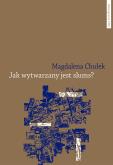
Książka Jak wytwarzany jest slums? Studium przypadku mieszkańców Kibery i Korogocho w Nairobi powstała na podstawie pogłębionych badań terenowych w Kenii. To propozycja antropologicznego ujęcia tzw. slumsów łącząca teorię z etnograficzną praktyką. Autorka kwestionuje dominujące potoczne oraz naukowe dyskursy o slumsach. Z jednej strony wskazuje, że slumsy stanowią egzemplifikację szerszych globalnych zjawisk wytwarzających określone warunki ich powstania i funkcjonowania, z drugiej przez określone studia przypadków daje wgląd w postawy i sposoby działania konkretnych mieszkańców. Takie zestawienie perspektywy odgórnych dyskursów i struktury z oddolnymi praktykami i indywidualnymi doświadczeniami mieszkańców slumsów oddaje podział książki na dwie części – Genealogie: jak slums stał się slumsem? oraz Morfologie: praktykowanie struktur slumsu. Genealogie opowiadają o procesach wytwarzania slumsów jako przestrzeni i swego rodzaju „marki” oraz ich usankcjonowania przez praktyki językowe. Morfologie prezentują z kolei rozmaite strategie przyjmowane przez uczestników życia w slumsach w ich codzienności, od metod zarobkowania po lincze na złodziejach. W rezultacie książka ukazuje kompleksowość świata, w który mieszkańcy slumsów są uwikłani i który na różnych poziomach współtworzą.
Jedyne w swoim rodzaju wprowadzenie do kultury japońskiej.Autor miał dwanaście lat, gdy w 1964 roku zamieszkał z rodzicami w Japonii i spędził tam niemal całe swoje życie. Jak się okazało, rok ten był punktem zwrotnym w historii kraju organizującego właśnie letnie igrzyska olimpijskie. Rozpoczął się wtedy okres boomu ekonomicznego i gwałtownej modernizacji. Kerr, zafascynowany tradycyjną kulturą japońską, próbuje w książce pokazać to, co na jego oczach ulegało głębokim przeobrażeniom. Z zaangażowaniem opowiada o dawnej architekturze i wnętrzach, obyczajach, religii, teatrze kabuki, kolekcjonerstwie i kaligrafii. Książkę pisał po japońsku, dla Japończyków i jako pierwszy obcokrajowiec otrzymał za nią nagrodę literacką Shincho Gakugei.
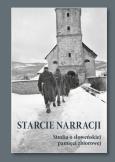
Książka stanowi reprezentatywne, choć mozaikowe, odzwierciedlenie narracji kształtujących tożsamość współczesnych Słoweńców, uchwycone z perspektywy słoweńskich, ale i polskich badaczy. Ich studia przypadków ukazują dwa uzupełniające się i zarazem przeciwstawne mechanizmy kształtujące pamięć zbiorową. Pierwszy z nich związany jest z kanonizacją i popularyzowaniem opowieści o przeszłości, a drugi – z jej kontestacją, z konfliktem pamięci. Całość stanowi przekrojowe ujęcie, od aktualizacji mitów i przywoływania źródeł tożsamości po najnowsze inicjatywy służące rehabilitacji zapomnianych a zasłużonych.
******
A Clash of Narratives: Studies on Slovene Collective Memory
The book offers a representative, though diverse, picture of the narratives shaping the identity of present-day Slovenes, captured from the perspectives of both Slovene and Polish scholars. Their case studies illustrate two complementing but at the same time contradictory mechanisms that form collective memory. The first mechanism has to do with canonizing and popularizing images of the past, the second – with contesting the past, with a conflict of memories. Taken as a whole, the volume constitutes a comprehensive overview, ranging from the actualization of myths and recalling the sources of identity to the newest initiatives aimed at vindicating the meritorious yet forgotten ones.
Uwagę czytelnika poznającego wczesnobizantyńską literaturę patrystyczną przykuwa pojawiająca się w niej krytyka helleńskiej tradycji utrzymującej się w życiu codziennym chrześcijan. Nawiązania do tej kwestii odnajdujemy przede wszystkim w kazaniach i homiliach. Ich autorzy, różnoraką perswazją próbując wykorzenić pewne praktyki z życia prywatnego swych wiernych, dyskredytują je, wskazując na ich pogańskie pochodzenie, kłamliwość, a przede wszystkim na fakt, że tkwienie w helleńskiej tradycji stoi w sprzeczności z kanonami religii, której stało się wyznawcami.
A gdyby tak na wigilijnym stole zamiast karpia pojawiło się ciasto truskawkowe? Święty Mikołaj przywoziłby prezenty saniami zaprzężonymi w kangury, a zamiast choinek ozdabialibyście łodzie?Święta obchodzimy na całym świecie, ale w różnych zakątkach świata wyglądają one zupełnie inaczej!Odszukaj psotne gobliny, które wchodzą do greckich domów przez kominek i płatają figle. Poznaj Befanę, dobrą włoską wiedźmę, która potrafi nieźle zaskoczyć najdziwniejszymi prezentami. A może spodoba ci się pomysł, żeby na pasterkę pojechać na wrotkach, jak dzieci z Wenezueli?Odkryj nieznane tradycje świąteczne i sprawdź, jak dzieci na całym świecie obchodzą święta Bożego Narodzenia.
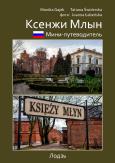
Pięknie drukowany przewodnik kieszonkowy dla turystów (jak również i mieszkańców), którzy chcą po zabytkowym osiedlu Księży Młyn w Łodzi i poznać kilka sekretów, tak jakby opowiadał im to przewodnik miejski. Publikacja w języku rosyjskim.
Ten produkt jest zapowiedzią. Realizacja Twojego zamówienia ulegnie przez to wydłużeniu do czasu premiery tej pozycji. Czy chcesz dodać ten produkt do koszyka?