W tym dziale znajdziecie fascynująca literaturę, która przekona was jak fascynująca i ciekawa jest historia i jak wiele możemy się nauczyć. Może zainteresujecie się wojną na Pacyfiku, o której ciekawie pisze Morison Samuel Eliot, albo może zaciekawią was powieści Adama Borowieckiego, które przedstawiają przygody w galaktykach kosmosu Junga i Ing. Zapraszamy równiez po powieści biograficzne, polityczne.
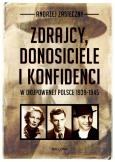
Niemcy od pierwszych dni okupacji dążyli nie tylko do stworzenia skutecznej administracji na zajętych ziemiach polskich i wdrożenia mechanizmu ich ekonomicznej eksploatacji, ale chcieli w pełni podporządkować sobie Polaków i złamać ich ducha oporu. W tym celu nie tylko natychmiast wprowadzili politykę krwawego terroru, mordując już od września 1939 r., na podstawie wcześniej przygotowanych list proskrypcyjnych, działaczy niepodległościowych, powstańców śląskich i wielkopolskich, przedstawicieli inteligencji (kontynuacją tych działań była tzw. Akcja A-B), ale też rozbudowywali aparat bezpieczeństwa, w tym różne struktury policyjne na czele z Gestapo (tajna policja polityczna). Okupanci świetnie zdawali sobie sprawę, że charakter narodowy Polaków będzie ich popychał do stawiania w wieloraki sposób oporu biernego i czynnego oraz tworzenia organizacji konspiracyjnych. Dlatego jedną z najważniejszych metod zdobywania informacji i zwalczania dążeń niepodległościowych Polaków miało być stworzenie rozbudowanej siatki donosicieli i konfidentów oraz nakłonienie wybranych osób do zdrady.
Starannie opracowany opis akcji uwolnienia więźniów "Gęsiówki" w pierwszych dniach Powstania Warszawskiego. Dużo zdjęć i ilustracji, często unikatowych, wcześniej nie publikowanych.
The definitive technical guide to the incredible Lockheed SR-71 Blackbird and its intelligence-gathering systems.
The SR-71 represents the very pinnacle of Cold War aircraft design and it has become an aviation icon. Together with its predecessor, the A-12, the Blackbird was a giant leap into the technical unknown and the design employed many forms of new technology made necessary by the excesses of speed, altitude and temperature to which the aircraft was subjected.
Paul F. Crickmore charts its 34-year Air Force career, in which the SR-71 proved itself to be the world's fastest and highest flying operational manned aircraft. It set a number of world records for altitude and speed, including an absolute altitude record of 85,069ft on 28 July 1974, and an absolute speed record of 2,193.2mph the same day.
This truly was a unique and ground-breaking aircraft, whose fascinating design history is explored here in full and illuminated with photographs and detailed technical illustrations.
Originally designed as a carrier-born, long-range interceptor armed with radar-guided missiles and tasked with defense against missile-launching bombers, the Phantom II went on to establish itself as one of the most important multirole fighter, attack and reconnaissance aircraft of the twentieth century. Going on to play an important role in the war in Vietnam as a workhorse, in addition to the MiG interceptor, the Phantom was a mainstay of Atlantic Fleet operations, intercepting Soviet bomber and reconnaissance aircraft and turning them away from the carrier groups at the height of the Cold War.
This book reveals the design and development history of the Phantom, its variants and the exported designs adopted by other NATO countries. Packed with illustrations, photographs, and firsthand accounts, it provides the technical history of one of the most famous aircraft ever built.
From the Mediterranean to the Black Sea, from the Balkans to Mesopotamia, gunboats played an influential part in the story of World War I. This detailed technical guide to the gunboats of all the major navies of the war means that, for the first time, the story can be told.
Naval action in World War I conjures up images of enormous dreadnoughts slugging it out in vast oceans. Yet the truth is that more sailors were killed serving on gunboats and monitors operating far from the naval epicentre of the war than were ever killed at Jutland. Gunboat engagements during this war were bloody and hard fought, if small in scale. Austrian gunboats on the Danube fired the first shots of the war, whilst German, British and Belgian gunboats fought one of the strangest, most intriguing naval campaigns in history in far-flung Lake Tanganyika.
With Hitler's army rampaging across Europe, Winston Churchill ordered the creation of a special fighting force-- the Commandos. These valiant men were volunteers drawn from the ranks of the British Army, formed into a Special Service Brigade, and put through a rigorous but highly effective training program. Over the course of World War II they would see action in every major theater of operation, and are credited with numerous feats of gallantry during the D-Day landings. Although many units were disbanded after the war, the Royal Marine Commandos have maintained the standards of this elite fighting formation to the present day.
Angus Konstam explores the history of the Commandos during their formative years, providing detailed descriptions of their training, weapons, and equipment. Battle reports are accompanied by specially commissioned Osprey artwork and historical photographs, offering readers an in-depth analysis of some of the most famous fighting units in the British Army's history.
From the creation of the first volunteer paratroop unit shortly after the birth of Israel and of the Israeli Defense Force, this arm of service has been recognized as elite. They have also been the first choice for daring special missions, and it is mainly from their ranks that Israel's Special Forces units have been recruited. A unique aspect of the Israeli military is the cross-posting of officers from the airborne, armoured and other units, to ensure that all unit commanders share their aggressive qualities and thorough understanding of the capabilities of all arms. In this way the influence of the paratroop arm has been out of proportion to its size.
This fully illustrated study is a complete history of Israeli paratroopers from its creation to the present day, including relevant developments in their role and organization, as well as their achievements and setbacks in conflicts such as the Six Days War and Yom Kippur War.
Chariots, the first mobile fighting vehicle, seem to have originated in Mesopotamia in the third millennium BC. The highly mobile two-wheeled war chariot, carrying a driver and an archer armed with a short composite bow, revolutionized military tactics after 1700 BC. This expensive weapon spread throughout the Middle East and is thought to have reached Egypt with the conquering Hyksos. It spread into Asia Minor, Greece, and was known in Northern Europe by 1500 BC. This book covers the evolution of the war chariot throughout the Bronze Age, detailing its design, development and combat history - in particular its fundamental involvement at the battle of Qadesh.
The Imperial Japanese Navy's Special Landing Force units enjoyed a reputation out of proportion to their small size.
Often wrongly termed “Imperial Marines”, they were in fact sailors led by Naval officers, and traced their origins directly to landing parties from warships. This book charts their history, from their true combat debut was at Shanghai in 1932; thereafter the SNLF expanded and fought in the assaults that followed Pearl Harbor in 1941, and were dispersed as island garrisons during the Pacific campaigns.
With an unprecedented, detailed look at uniforms and equipment, Gary Nila and Robert A Rolfe's text is accompanied by color photos of original items from private collections.
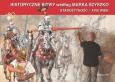
To nie są zwykłe rysunki okładkowe, ale całe, umiejętnie skomponowane sceny batalistyczne, godne Jana Matejki, Józefa Brandta czy malarskiej dynastii Kossaków. I tak jak dzieła wymienionych artystów mają wpływ na wyobraźnię historyczną czytelników. Autor dba o szczegóły ubioru, uzbrojenia, pogody czy pejzażu, w jakim rozegrała się konkretna bitwa. Pięknie rysuje konie, a na twarzach walczących często widać towarzyszące im emocje.Ten album obejmuje rysunki do Historycznych Bitew od starożytności (najstarsza z prezentowanych batalii - pod Kadesz - została stoczona w XIII wieku przed Chrystusem!) aż do końca XVIII wieku (ilustracje poświęcone starciom z kolejnych stuleci znajdą się w drugim albumie). Jest to z jednej strony hołd wydawnictwa Bellona złożony Wybitnemu Artyście, a z drugiej gratka dla miłośników historii militarnej i fanów serii HB. Dzięki ukazaniu rysunków w większym formacie oraz bez podziału na front, grzbiet i tył okładki tym bardziej można docenić klasę Pana Marka, a także piękno i siłę oddziaływania jego prac.Proszę Państwa, czapki z głów!Marek Szyszko (ur. w 1951 roku) to grafik, rysownik, absolwent Warszawskiej Akademii Sztuk Pięknych, ilustrator książek i czasopism. Specjalizuje się w ilustracji historycznej i wojskowej. Jego wizytówką artystyczną są okładki książek do popularnej Bellonowskiej serii Historyczne Bitwy. Zebrało się ich już ponad 120!
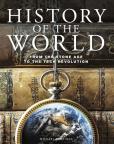
Beginning in the sixth millennium BCE, in the Indus Valley, Mesopotamia and along the Nile River, human civilization expanded to develop writing systems, farming methods, social organization and modes of government. Today, humans inhabit every part of the planet, connected by digital technology and modern infrastructure.
Arranged chronologically, History of the World offers a broad overview of the most important events in human history, including the building of great funerary tombs in Ancient Egypt, the Trojan War, the development of democratic forms of government in Ancient Athens under Pericles, the birth of Christ, the expansion of Islam from Arabia, the Viking raids across northwest Europe, the capture of Jerusalem during the Crusades, Martin Luther nailing his 95 Theses to the church door in Wittenberg, Copernicus proposing a new model of the Universe, the rule of the Tokugawa shoguns in Japan, the Boston Tea Party and the American Revolution, Napoleon’s domination of Europe following the French victory at Austerlitz, Stephenson’s development of the steam locomotive, the break up of great empires following the end of World War I, the use of nuclear weapons at Hiroshima and Nagasaki, and the advent of the modern computer, beginning with Alan Turing’s code-breaking Bombe machine at Bletchley Park during World War II.
History of the World provides a sumptuous, pictorial guide to the most significant events in human history, from the Bronze Age to the 21st Century.
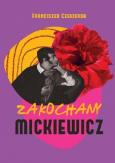
Zakochany Mickiewicz to opowieść oparta na faktach. Jedynymi elementami fabularnymi są dialogi bohaterów oraz ich krótkie refleksje. Dzięki nim – dialogom i refleksjom – możemy poczuć smak epoki; przeżycia wieszcza i bliskich mu kobiet nie są pomnikowe. Książka może być „zakazaną” lekturą dla uczniów szkół średnich i ciekawym pendant dla studentów i starszych miłośników poety.
Adam Mickiewicz kochał ród niewieści, co było dla niego źródłem wielu radości, ale i gorzkich przeżyć. „Kobiety czarował uczuciowością [...]. Zawsze wydawał się być zakochanym w każdej młodej osobie, do której mówił, tak że babcia drżała o spokój córek, bo wszystkie kobiety bałamucił w czasie kilkudniowego pobytu” – zanotowała Konstancja, wnuczka Józefa i Pauli Morawskich, u których przebywał w wielkopolskiej Luboni w 1831 roku.
Oto współbohaterki opowieści, panny i damy, przy których ożywiał się niepomiernie, ubóstwiał, kochał, cierpiał i opiewał:
Johasia – z której „tyle [...] wionęło świeżości i życia”;
Aniela z Żytomierza – co „umiała pięknymi kolorami malować przyszłe szczęście nasze!”;
Eleonora Nieławicka – której „czarne oczko przypadło [mu] do smaku”;
Antoninka – panna o kruczych włosach, z ustkami jak malinki;
Karolina Kowalska – żona powiatowego doktora, najpiękniejsza kobieta w Kownie; Franciszek Malewski oślepiony jej fizjonomią, bał się na nią dłużej patrzeć;
Maryla Puttkamerowa z d. Wereszczaka – największa miłość wieszcza; „więcej urocza, niż piękna”, panna o jasnych włosach, kształtnej kibici i pogodnej twarzy;
Joanna Zaleska – hrabina z Odessy, żona Bonawentury, podobająca się „więcej z charakteru i rozumu, bo wcale niepiękna”;
Karolina Sobańska – hrabina z Odessy, żona Hieronima, kochanka generała Witta, zachwycająca i urokliwa; z myślą o niej poeta napisał kilka najpiękniejszych wierszy miłosnych;
Zenaida Wołkońska – księżniczka rosyjska, emanująca niewysłowionym powabem chwytającym za serce;
Pani Krassowska, o nieznanym imieniu, w książce występuje jako Eufrazja, żona Ksenofonta Polewoja, moskiewskiego dziennikarza i pisarza;
Karolina Jaenisch – dziewiętnastoletnia malarka z Moskwy, ładna, inteligentna;
Maria Szymanowska – wybitna pianistka i kompozytorka, przyjaciółka Adama;
Henrietta Ewa Ankwiczówna – dziewiętnastoletnia hrabianka, ładna i mądra;
Konstancja Łubieńska – hrabina z Wielkopolski, żona Józefa, postawna, o uderzającej urodzie;
Celina Mickiewiczowa – córka pianistki, Marii Szymanowskiej, „ładna dziwaczka”, żona wieszcza;
Ksawera Deybel – panna o palącym wzroku, wywierająca swym wdziękiem urok niebezpieczny, nie piękna, ale i nie brzydka, „podła towianica”.
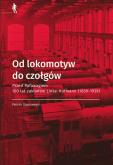
Książka Patricka Starczewskiego nie jest jedynie przyczynkiem do dziejów Wrocławia. Przedstawia bowiem — zapoczątkowane niedługo przed 1850 rokiem — zmiany w krajobrazie całego miasta. Nietypowo, bo przez pryzmat rozwijającego się lokalnego przemysłu. Osią rozważań jest utworzona w 1839 r., bodaj najdłużej nieprzerwanie funkcjonująca na terenie stolicy Dolnego Śląska — firma Gottfrieda Linkego (Wagenbauanstalt Gottfried Linke). Lektura dostarcza szczegółowych informacji o jej rozwoju na przestrzeni stu lat, kiedy działała w różnych okolicznościach organizacyjnych, zawsze jednak z nazwiskiem założyciela w nazwie.
Z czasem przedsiębiorstwo stało się ikoną wrocławskiego nowoczesnego przemysłu, funkcjonując do maja 1945 roku w niemieckiej rzeczywistości gospodarczej. Taką też rolę — już w polskich realiach – przejęła utworzona na bazie zachowanych urządzeń Linke-Hofmann Werke — Państwowa Fabryka Wagonów (popularny Pafawag). Autor prowadzi nas przez wrocławskie (i nie tylko) dzieje zakładów Linkego, ale także przez skomplikowane uwarunkowania kształtującego się od połowy XIX wieku nowoczesnego przemysłu. I — co należy podkreślić — poświęca wiele miejsca kwestiom socjalnym, jakich definiowanie zapoczątkowano w ostatnich dekadach tegoż stulecia.
Autorskie rozważania zostały oparte w największej mierze na źródłach pochodzących z niemieckich i polskich archiwów. Warto jednak zaznaczyć: źródeł nie tylko o charakterze historycznym, ale licznie reprezentowanych — gospodarczym. Analiza tych ostatnich, na co pozwala ekonomiczne przygotowanie autora, niewątpliwie ułatwia zrozumienie niekiedy trudnych decyzji zarządzających wrocławskimi zakładami, którym początek dał Gottfried Linke.
Z recenzji dr. Marka Buraka, Politechnika Wrocławska:
Koncern Linke-Hofmann Werke AG (LHW), na bazie którego powstał po wojnie polski Pafawag, to legenda na historycznej mapie przemysłowego Wrocławia. Podwaliny pod jego rozwój położyło połączenie sił dwóch konkurujących do tej pory firm: Fabryki Budowy Wagonów Gottfried Linke i Fabryki Wagonów Braci Hofmann.
Fabryka Linkego wystartowała w 1834 r. i produkowała m.in. powozy konne, żeby wkrótce wytwarzać platformy kolejowe i lokomotywy dla powstających właśnie Kolei Górnośląskich. Spółka Hofmannów zaczęła od pomp strażackich, które dość szybko zamieniła na wagony kolejowe i tramwajowe. Po fuzji powstał jeden z największych wówczas w Europie zakładów przemysłowych (200 hektarów powierzchni, z czego blisko 80 pod dachem), zatrudniający cztery tysiące ludzi.
Spółka akcyjna Linke-Hofmann-Werke w czasie obu wojen światowych przestawiała swoją produkcję na potrzeby wojska. W fabryce powstawały wówczas samoloty, pociągi pancerne, ciągniki półgąsienicowe i elementy do tajnej broni Hitlera — rakiet V2, między innymi z wykorzystaniem robotników przymusowych z Polski.
Po 1945 roku Państwowa Fabryka Wagonów we Wrocławiu (Pafawag) zaczęła produkować pojazdy szynowe. Historię koncernu do 1939 roku opisuje Patrick Starczewski, historyk i przedsiębiorca. Dzięki temu książka oprócz walorów czysto historycznych pozwala także na wgląd w biznesowy aspekt drogi, którą przeszła mała wrocławska spółka, by stać się europejskim gigantem.
Książka zawiera ponad 200 ilustracji i zdjęć, w tym wiele niepublikowanych, oraz prezentuje plany założenia architektonicznego oraz urbanistycznego fabryki.
Kino i teatr pod okupacją. Wojenne losy polskich artystów filmowych i scenicznych (1939-1945), Bartosz JanuszewskiNiniejsza publikacja stanowi znacznie rozszerzoną wersję książki, która ukazała się w roku 2021 i cieszyła się dużym powodzeniem. Przedstawia ona sytuację, w jakiej znalazły się polska kinematografia i scena teatralna w okresie II wojny światowej, zarówno na ziemiach okupowanych, jak i na uchodźstwie. Ukazuje strategie polityki okupacyjnej Rzeszy Niemieckiej i Związku Sowieckiego wobec polskich artystów filmowych i scenicznych. Wskutek terroru, będącego immanentnym składnikiem obu systemów totalitarnych, zostało zamordowanych, zaginęło lub zmarło w niewyjaśnionych okolicznościach co najmniej siedmiuset przedstawicieli tego środowiska zawodowego. Autor charakteryzuje niejednoznaczne postawy i skomplikowane wybory, przed którymi stanęli artyści filmowi i sceniczni, oraz kreśli tragiczne losy, jakie stały się udziałem znacznej części z nich. Na podstawie gruntownych badań wylicza zniszczenia infrastruktury kinematograficznej i teatralnej. Cenny dodatek stanowi imienna lista ofiar. To pierwszy tak dokładny w naszej historiografii wykaz strat osobowych i materialnych, jakie poniósł świat kina i teatru w latach 1939-1945. W 85. rocznicę wybuchu II wojny światowej skłania nas to do ponownej refleksji nad uszczerbkiem, jakiego doznała w czasie II wojny światowej cała polska kultura.
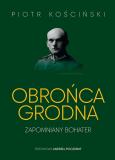
Dwukrotna zwycięska obrona Wilna przez polską załogę jest dzisiaj nieznana w polskiej literaturze historycznej i kulturze popularnej. Starcia te były ledwie wzmiankowane w Krzyżakach Sienkiewicza, a obecne prace naukowe i popularnonaukowe także nie zgłębiają tego tematu.Jest to dziwne z dwóch powodów. Po pierwsze, przebieg obu oblężeń, a zwłaszcza rola polskich łuczników, są dobrze opisane w źródłach. Przynajmniej dwa z nich, czyli Kronika Wiganda z Marburga i Roczniki Jana Długosza, są dostępne w języku polskim. Po drugie, wynik walk, ich doniosłe znaczenie oraz fakt, że polscy łucznicy pokonali angielskich, nakazują przyjrzeć się starciu bliżej.W pierwszym oblężeniu brał udział Henryk Lancaster, późniejszy król Anglii. Wówczas polscy łucznicy zwyciężyli Anglików, zabijając lub biorąc do niewoli niektórych znacznych rycerzy, w tym chorążego.Mimo ogromnej przewagi wroga i zdrady ze strony części Litwinów oraz Rusinów, Polacy obronili miasto.W 1394 roku wraz z Krzyżakami na Wilno ruszyły inne angielskie oddziały oraz łucznicy burgundzcy, walczący tak samo jak angielscy. Na samym początku oblężenia Polacy powalili strzałami francuską jazdę na opancerzonych koniach. Podczas dalszych walk odpierali ataki angielskich łuczników, a także pokonali ich w walce nocnej...
Featuring full-color artwork, this book describes and illustrates the Chinese and North Korean troops who fought US and UN forces in Korea during 1950–53.
In June 1950, North Korean forces armed and equipped by the Soviet Union invaded South Korea, forcing back the US and South Korean troops facing them and threatening them with complete defeat. After the US and UN forces mounted a series of counter-offensives, the Chinese People's Volunteer Army crossed into the Korean Peninsula and entered the fray; the conflict would continue for three years until the armistice of July 1953, and tensions remain high today.
The exploits of the North Korean and Chinese forces in the Korean War are renowned, but many misconceptions have grown up about these armies. In this study, carefully chosen photographs and specially commissioned artwork combine with authoritative text to reveal the evolving organization, tactics, uniforms, insignia and equipment of these formidable Communist troops during three years of warfare in the Korean Peninsula. Benjamin Lai and Zhao Guoxing reveal the real story of the North Korean and Chinese troops engaged in the Korean War, setting the record straight and deepening our understanding of the conflict.
This illustrated study lifts the veil on the gladiators of ancient Rome, who provided a bloody spectacle for the people of the Eternal City and its vast empire.
By the start of the Principate in 27 BC, the gladiator games were a long-standing part of the social and political life of Rome and its sprawling empire. In the wake of reforms enacted by Augustus, the games continued to be at the heart of Roman culture and politics during the 1st and 2nd centuries AD.
While prominent citizens harnessed the opportunities offered by the gladiator games to enhance their own reputations and reward their clients, the emperors soon assumed a near-monopoly on the provision of games; several even entered the arena themselves, most notoriously Commodus. In the quest for novelty, prisoners, criminals and women came to participate in this grisly 'sport'. Only after the adoption of Christianity as the state religion in AD 380 did armed combat between gladiators enter a decline, and even then beast hunts persisted into the 6th century.
Although much evidence remains, both literary and archaeological, the gladiators and their world continue to be misunderstood. Featuring full-colour reconstructions of these legendary arena fighters, this book draws upon the latest research and the author's own findings to cast new light on these formidable arena fighters and their legacy.
Książka jest poprawioną i rozszerzoną wersją pracy poświęconej udziałowi kobiet w odzyskaniu przez Polskę niepodległości w 1918 r. Jej pierwsze wydanie ukazało się w 2001 r. Przedstawia różne formy zaangażowania Polek w działalność zorganizowanego i kierowanego przez Józefa Piłsudskiego ruchu paramilitarnego i wojskowego, m.in. funkcjonującej w okresie rewolucji 1905 r. Organizacji Bojowej PPS, żeńskich jednostek strzeleckich tworzonych w Krakowie i Lwowie przed wybuchem I wojny światowej, a po jej rozpoczęciu – służby sanitarnej, intendenckiej i kuriersko-wywiadowczej Legionów oraz Oddziałów Żeńskich Polskiej Organizacji Wojskowej. Omawia także losy legionistek służących na froncie pod męskimi pseudonimami, ich relacje z kolegami z oddziału i oficerami, dyskusje na temat kobiecej służby wojskowej, w tym niejednoznaczne w tej kwestii stanowisko Piłsudskiego. Jego negatywne wypowiedzi dotyczące obecności kobiet „na linii” kontrastowały z praktyką, ponieważ to on właśnie był autorem koncepcji prowadzenia przez kobiety wywiadu wojskowego, a spotkanym w okopach żołnierkom dawał pozwolenie na kontynuowanie służby frontowej. Książka podejmuje ponadto próbę rekonstrukcji dziejów Ligi Kobiet Pogotowia Wojennego oraz Ligi Kobiet Galicji i Śląska, dwóch największych polskich stowarzyszeń kobiecych związanych z obozem piłsudczykowskim, ich działalności propagandowej i udziału w mobilizowaniu niepodległościowej opinii publicznej na ziemiach polskich, a także aspiracji politycznych liderek, które próbowały wywierać wpływ na ówczesne wydarzenia polityczne, w tym na ujawniony w sierpniu 1915 r. konflikt Piłsudskiego z szefem Departamentu Wojskowego Naczelnego Komitetu Narodowego Władysławem Sikorskim.
Spór o to, kim są Łemkowie, mieszkańcy osad położonych na terenie Beskidu Sądeckiego i Beskidu Niskiego, rozpoczął się w drugiej połowie dziewiętnastego wieku i trwa do dziś. Czy są oni tylko grupą etniczną, czy może narodem już od rewolucji francuskiej, jak pisał Frederico Chabod nowym bóstwem współczesnego świata?A jeśli są narodem, to jakie wynikają z tego dla Łemków prawa? Nie przerwało tych sporów nawet fizyczne unicestwienie łemkowskiej Arkadii i brutalne wysiedlenia w latach 1944-1947 do Związku Sowieckiego i na tak zwane Ziemie Odzyskane powstałej po II wojnie światowej ludowej Polski. Szczególnie ważnym argumentem w sporach o tożsamość i prawa Łemków stała się ich przeszłość. Sprawy będące dotąd tematem legend i baśni zaczęła zastępować Historia, próbująca wymusić jednomyślność o przeszłości. Łemkowie stali się jej ofiarą, a pamięć o ich dziejach elementem politycznych gier. Dziś, w zależności od tego kto i w jakim celu mówi o Łemkach, jedne elementy ich historii nagłaśnia, inne przemilcza. Książka Łemkowskie rozdroże ukazuje ten problem skupiając się na wydarzeniach lat 19441947 i opisując późniejsze próby ich mitologizacji na użytek określonych ideologii.
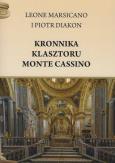
16. W ostatnim roku rządów tego przeora, cesarz Ludwik, zwany Almus albo Święty syn Karola, w czwartym roku panowania, zwołał zebranie w swoim pałacu w Akwizgranie. Przybyło bardzo dużo przeorów i zakonników, zebranie przegłosowało siedemdziesiąt dwa glówne rozdziały, przypominające regułę świętego Benedykta, przestrzeganą niemal we wszystkich klasztorach. Ludwik, naśladując swoich ojców, Pepina i Karola, uczcił świętego Piotra i jego wikariusza paktem konstytucji i zatwierdzenia, własnoręcznie go opieczętowal, dodał do tego trzech synów i dat do podpisu dziesięciu biskupom, ośmiu przeorom, piętnastu hrabiom, bibliotekarzowi, mansjonarzowi i ostiariuszowi za pośrednictwem legata Świętego Kościoła rzymskiego, Teodora, nomenklatora, wysłał papieżowi Paschalisowi.
W tym czasie zbudowano zgodnie z regułami sztuki, kościół Świętego Wincentego, zwany większym, we wspomnianym miejscu, blisko Volturno. Uczynił to przeor Jozue.
(fragment)
Ten produkt jest zapowiedzią. Realizacja Twojego zamówienia ulegnie przez to wydłużeniu do czasu premiery tej pozycji. Czy chcesz dodać ten produkt do koszyka?