W tym dziale znajdziecie fascynująca literaturę, która przekona was jak fascynująca i ciekawa jest historia i jak wiele możemy się nauczyć. Może zainteresujecie się wojną na Pacyfiku, o której ciekawie pisze Morison Samuel Eliot, albo może zaciekawią was powieści Adama Borowieckiego, które przedstawiają przygody w galaktykach kosmosu Junga i Ing. Zapraszamy równiez po powieści biograficzne, polityczne.
Spis treści:WstępI. Z Richmondu nad ChickamaugęII. Generał Braxton Bragg i Armia TennesseeIII. Generał William S. Rosecrans i Armia CumberlanduIV. Przygotowania do bitwy nad ChickamaugąV. 18 września 1863 r., pierwszy dzień bitwy nad ChickamaugąVI. 19 września 1863 r., drugi dzień bitwy nad ChickamaugąVII. 20 września 1863 r., trzeci dzień bitwy nad ChickamaugąZakończenieAneksySpis mapBibliografia O książce:Stoczona w dniach od 18 do 20 września 1863 roku bitwa stała się ostatnią wielką batalią wygraną w otwartym polu przez wojska secesjonistów. Jej uczestnik, konfederacki generał porucznik Daniel H. Hill, z perspektywy czasu zanotował: Wydaje mi się, że po tym starciu nie widzieliśmy już nigdy prawdziwego męstwa żołnierza Południa, jego junacka śmiałość przeminęła na zawsze. Oczywiście walczył on dzielnie aż do samego końca zmagań, ale po Chickamaudze już z uczuciem rozpaczy, pozbawiony choćby iskry nadziei. Sam tylko zachodni obszar operacyjny konfliktu secesyjnego, obejmujący całość stanów Tennessee, Missisipi i Alabamy oraz fragmenty Luizjany i Georgii, liczył 175 000 mil kwadratowych, czyli ekwiwalent terytoriów Niemiec, Belgii i Szwajcarii razem zsumowanych. Rozległość teatru wojennego oraz nader ograniczone skutki wygranych przez Konfederację wielkich bitew wymusiły zmianę południowej strategii. Jak dotąd nie udało się bowiem rozbić całkowicie którejkolwiek z dużych armii unijnych, a nawet zwycięskie kontrofensywy wojsk konfederackich z drugiej połowy roku 1862, gdy Południowcy jednocześnie wkroczyli do kontrolowanych przez Jankesów stanów Kentucky i Maryland, nie spowodowały wyczekiwanego przez Richmond uznania Stanów Skonfederowanych przez brytyjską i francuską stolicę O autorze:Marcin Suchacki (1979), historyk i pisarz, wychowanek II LO im. Jana Śniadeckiego w Kielcach, absolwent Uniwersytetu Jagiellońskiego w Krakowie. Od 2013 r. publikuje w naszym Wydawnictwie, koncentrując się na wielkich wojnach II połowy XIX w. Niniejsza książka stanowi trzynastą w jego dorobku.
Od autorki
"W Twoje ręce trafia właśnie książka, dzięki której Mokotów stanie Ci się bliższy. Znajdziesz w niej krótkie opowieści o postaciach, które przez kolejne dekady budowały charakter dzielnicy: oraz momentach ważnych dla mieszkańców Mokotowa. Zabiorę Cię do czasów, gdy południowe przedmieścia Warszawy rozbrzmiewały beztroskim gwarem letników i pod i pod okna znanych osobistości, które tutaj znalazły swój dom. Mam nadzieję, że lektura "Pozdrowień z Mokotowa" da Ci impuls do spacerów po dzielnicy i odkrywania jej fascynującego oblicza."
Hanna Dzielińska
Ever present in the Pacific from Pearl Harbor to VJ-Day during World War II (1939-1945), the B-24 Liberator proved to be the staple heavy bomber of the campaign. From its ignominious beginnings in the Allied rout in the Philippines and the Dutch East Indies, the bomber weathered the Japanese storm with a handful of bomb groups, which played a crucial role in checking the enemy's progress firstly in New Guinea, and then actively participating in the 'island hopping' campaign through the south-west Pacific.
General Wladyslaw Sikorski was the Head of the wartime Polish Government and Polish Commander-in-Chief, 1939-1943. Sikorski rose to prominence in Poland between 1910 and 1918 as part of the movement towards Polish independence, achieved in 1918. In 1920 Sikorski was largely responsible for the defeat of the Red Army. In 1926 he fell from favour following a military coup. During this fallow period, 1926-1939, Sikorski travelled, mainly in France. He also wrote influential military-science treatises.
In September 1939 Germany and the Soviet Union invaded and annexed Poland. Sikorski, his military offices refused by the Polish Government, fled to Romania. There he was intercepted by the French ambassador to Poland and taken to Paris where he established a Polish Government-in-Exile and rebuilt the Polish Army. In May 1940 France was overrun by Germany. Sikorski removed himself and his government to London. There he began to re-build the Polish army largely lost in France.
Following the German invasion of the Soviet Union, Sikorski was forced by the British Government to accept the Soviets as allies. This led to a larger Polish army being formed in the Soviet Union and sent to the Middle East, commanded by General Anders who was to become a thorn in Sikorski’s side. By 1943, the two men were clearly enemies. Sikorski died in an air crash off Gibraltar. The cause has never been satisfactory established.
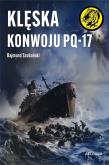
PQ-17 konwój arktyczny z okresu II wojny światowej przewoził materiały wojenne w ramach pomocy wojskowej Lend-Lease z Wielkiej Brytanii, Kanady i USA do Związku Radzieckiego. Okręty wypłynęły pod koniec czerwca 1942 roku w stronę północnej Rosji. W wyniku ataków niemieckiego lotnictwa i okrętów podwodnych PQ-17 poniósł najcięższe straty ze wszystkich konwojów. Alianci stracili nie tylko statki, ale też duże ilości sprzętu i materiałów wojskowych, na które czekali żołnierze Armii Czerwonej walczący na froncie wschodnim. Ten kolejny tomik z reaktywowanego legendarnego cyklu wydawniczego wydawnictwa Bellona przybliża czytelnikowi dramatyczne wydarzenia największych zmagań wojennych w historii; przełomowe, nieznane momenty walk; czujnie strzeżone tajemnice pól bitewnych, dyplomatycznych gabinetów, głównych sztabów i central wywiadu.
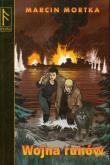
Jest wiosna roku 1940 i hitlerowska machina wojenna rozkręca się coraz szybciej. W fiordach Norwegii pojawiają się okręty Kriegsmarine, a żołnierze w mundurach koloru feldgrau bez trudu zajmują coraz większe połacie kraju. Iskierka nadziei tli jeszcze na dalekiej, pogrążonej w mrokach zimy Północy...
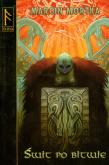
Po śmierci Eryka Białego Jastrzębia smagana zimnymi wiatrami Północ ani na moment nie przestaje być areną zaciekłych zmagań między zwolennikami dawnych porządków a nowym władcą Nordveghr, sędziwym konungiem Trygve. Jednym z najdzielniejszych wojów konunga jest młody Viglund...
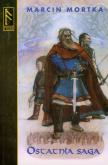
Młody król, Eryk Halvdanson, podbija Nidaros, północne królestwo, z którego niegdyś wypędzono jego ojca, i usiłuje nawracać swych poddanych na chrześcijaństwo. Przybycie kapłanów Chrystusa i twarde rządy króla wnet prowadzą do starcia z wyznawcami starych bogów i nawykłymi do swobody jarlami. Tymczasem Vidar, słynny islandzki skald, ma napisać sagę, która zaćmi wszystkie poprzednie — sagę o wspaniałych i pobożnych czynach Eryka. Królewski drużynnik Harald popada w kłopoty, po tym jak, pijany, nieopatrznie lżył nowe porządki, a karzeł Arnul zgodnie z naukami kapłanów zostaje uznany za istotę przeklętą i wypędzony z ludzkich siedzib. Żaden z nich nie wie, jaką rolę im naznaczono w nadchodzącej ostatniej bitwie i zmierzchu bogów. Bogata, wielowątkowa powieść o starciu dwóch zupełnie różnych rodzajów magii w surowym, okrutnym świecie Dalekiej Północy, inspirowana nordyckimi sagami, mitologią i historią ludów Skandynawii.
Kosowo. Kraj, w którym aż roi się od emocji. Skrawek ziemi, gdzie nienawidzący się wzajemnie Serbowie i Albańczycy muszą żyć w cieniu Rosji. Świat chce o nich zapomnieć i mieć spokój. Na zwaśnionej ziemi pojawia się nadzieja na lepsze jutro - unijny kontyngent policyjny EULEX, złożony z najlepszych komandosów sił specjalnych. Są między nimi także Polacy. Jeden z nich, oficer elitarnej jednostki Straży Granicznej uwikła się w śmiertelnie niebezpieczną grę wywiadów, której stawką jest życie ludzkie i wojenna burza nadchodząca nad Ukrainę! Książka oparta na prawdziwych wydarzeniach
Arcydzieło rosyjskiego mistrza Imponujące dzieło Tołstoja to książka, do której ciągle się wraca. Ta wielowątkowa rosyjska epopeja narodowa opowiada losy obywateli Cesarstwa Rosyjskiego w czasach wojen napoleońskich. Wierne tło historyczne oraz wciągająca fabuła obejmująca bohaterów z różnych klas społecznych sprawiają, że czytelnicy z zapartym tchem śledzą wojenne zawieruchy, wystawne przyjęcia i polityczne decyzje. Wojna i pokój to powieść, którą trzeba znać – jest nie tylko historycznym arcydziełem, ale też inspiracją dla wielu współczesnych pisarzy. Wychwalali ją Fiodor Dostojewski i Gustave Flaubert, a Ernest Hemingway od Tołstoja uczył się pisać o wojnie. Jako nieprzemijający klasyk doczekała się też wielu, również oscarowych, ekranizacji, a najnowszą jest widowiskowy miniserial BBC z 2016 roku. „Znam w życiu tylko dwa prawdziwe nieszczęścia: wyrzuty sumienia i chorobę. Szczęście to tylko nieobecność dwóch nieszczęść”. (z tomu II)
[...] W nurt tych badań wpisuje się publikowany niżej katalog, proponując nieco inną perspektywę. Zawiera on bowiem zabytki sfragistyczne związane z dynastią Jagiellonów rozumianą jako wielka rodzina obejmująca zstępnych po Władysławie Jagielle zarówno tych, którzy nosili koronę polską, węgierską lub czeską, jak i takich, którzy nie zasiedli na żadnym tronie. Uwzględnia również pieczęcie monarszych małżonek, córek i bastardów, a także inne sigilla, które przez swą formę i funkcję postrzegane były (lub mogą być) jako elementy królewskiego systemu sfragistycznego. Zbiór uzupełniają rzekome oryginały pieczęci monarszych.
Zarysowana wyżej perspektywa rzutuje na układ treści publikacji i znajduje odzwierciedlenie w strukturze katalogu, któremu nadano układ genealogiczny. Stąd też, wbrew chronologii objęcia tronu, pieczęcie królowej Jadwigi umieszczone zostały po pieczęciach Władysława Jagiełły, protoplasty dynastii, którego Jadwiga była małżonką, mimo iż formalnie była też równorzędnym władcą Królestwa Polskiego. Stąd też po pieczęciach Kazimierza Jagiellończyka i Elżbiety Rakuszanki następuje omówienie pieczęci najstarszego ich syna - Władysława Jagiellończyka, chociaż był on królem Czech i Węgier. By nie stracić jednak z pola widzenia perspektywy politycznej, jej właśnie podporządkowano układ dalszych części Wstępu, w którym osobno zostały omówione pieczęcie Jagiellonów polsko-litewskich i czesko-węgierskich oraz ich małżonek i potomstwa, w tym naturalnego. W założeniu wydawców rozwiązanie takie ma ułatwić Czytelnikom śledzenie losów sfragistyki jagiellońskiej z dwóch punktów widzenia: politycznego oraz genealogicznego.
(fragment Wstępu)
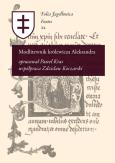
Modlitewnik królewicza Aleksandra w opracowaniu Pawła Krasa we współpracy ze Zdzisławem Koczarskim ukazał się jako 24. tom serii „Folia Jagellonica. Fontes”, przygotowywanej przez grono uznanych historyków pod auspicjami Polskiego Towarzystwa Historycznego. Publikacja zawiera opracowanie historyczne, edycję źródła oraz faksymile manuskryptu obecnie przechowywanego w zbiorach British Library pod sygn. Add. 38603.
Modlitewniki królewskie od kilku lat są przedmiotem intensywnych badań przede wszystkim filologicznych. Niniejsza pozycja została opracowana z perspektywy przede wszystkim historyka. Wstęp do edycji pokazuje krąg twórców / czytelników modlitewnika, ale także kreśli model pobożności właściciela – Aleksandra Jagiellończyka, ukazując jednocześnie szerokie tło specyfiki pobożności rodziny królewskiej. Autor przedstawia stan badań, pisze o właścicielu modlitewnika, pisarzu manuskryptu, prezentuje szczegółowo zawartość, zestawia i omawia zebrane tu modlitwy, podejmuje się opisu zewnętrznego manuskryptu, w tym zdobień dekorujących rękopis. Wydanie zawiera komentarz filologiczny i uwagi edycyjne oraz kompletną bibliografię. Prezentowana edycja stanowi wzorcowy przykład opracowywania naukowego rękopisów średniowiecznych, zwłaszcza tak trudnych w interpretacji, jak zindywidualizowane modlitewniki przeznaczone do użytku prywatnego osób z kręgu monarszego.
Książka stanowi ważny wkład w badania nad kulturą religijną Jagiellonów i przynosi nowe ustalenia. Zamieszczone w Opusculum teksty modlitw i pieśni są znakomitym przykładem devotio moderna, tak charakterystycznej dla schyłku średniowiecza i początków renesansu w Pierwszej Rzeczypospolitej.
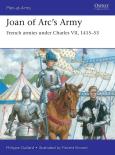
A fully illustrated study of the French armies that were inspired by Saint Jeanne d’Arc, reformed under King Charles VII and eventually victorious over England in the Hundred Years’ War.
Saint Jeanne d’Arc remains a central figure in France’s national legend, having ushered the country’s flagging military forces into a period of extraordinary reform and revival that culminated – some 22 years after her death – in the French emerging triumphant from the Hundred Years’ War. France’s 1429 victory at Orléans, which was headed by Saint Jeanne, marked the first major setback to a long series of English successes and led directly to the coronation of King Charles VII, who would transform France’s fortunes by making peace with Burgundy, gathering foreign allies and creating permanent armed forces under royal control.
In this engaging new study, French military historian Philippe Gaillard examines the events and individuals that brought about such a pivotal shift in the trajectory of medieval France. Combining detailed research with period illustrations, artefact photography and newly commissioned artwork plates, the author brings to life the story of Saint Jeanne d’Arc, the army she revitalized and the structural and tactical changes that carried King Charles VII and France to victory at Formigny and Castillon in the 1450s.
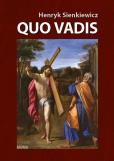
Quo vadis - powieść z czasów Nerona - powieść historyczna Henryka Sienkiewicza. Publikowana najpierw w odcinkach w warszawskiej "Gazecie Polskiej" (lata 1895-1896) i - z minimalnym opóźnieniem w stosunku do "Gazety" - także w krakowskim dzienniku "Czas" i "Dzienniku Poznańskim". Wkrótce powieść została wydana w formie druku zwartego, jej premiera odbyła się w Krakowie, w 1896 roku. Powieść odniosła światowy sukces i została przetłumaczona na ponad pięćdziesiąt języków. Pełny tekst powieści Quo vadis znajduje się w rękopisie Biblioteki Narodowej, a we wrocławskim Ossolineum znajduje się 39 luźnych kart pierwszego szkicu powieści[1]. Rękopis BN został zakupiony od spadkobierców Leopolda Kronenberga. Karty znajdujące się w zbiorach Ossolineum pochodzą ze zbiorów rodziny pisarza z Oblęgorka. Henryk Sienkiewicz dostał Literacką Nagrodę Nobla za całokształt twórczości. Quo vadis jest jednym z najbardziej znanych dzieł autora, dlatego częstym błędem jest uznawanie, że nagrodą Nobla została przyznana właśnie za to dzieło. W istocie w 1905 roku Sienkiewicz otrzymał ją za wybitne osiągnięcia pisarskie w literaturze epickiej[2]. Tytuł książki to łaciński zwrot, oznaczający: Dokąd idziesz?. Odwołuje się on do słów Quo vadis, Domine? (Dokąd idziesz, Panie?), wypowiedzianych według legendy, przywołanej również w powieści, przez apostoła Piotra do Chrystusa. Ilustracje do powieści wykonali m. in. znani malarze Piotr Stachiewicz i Jan Styka. W 1894 roku powstały pierwsze rozdziały Quo vadis, które ukazały się drukiem od marca 1895 roku w warszawskiej "Gazecie Polskiej", krakowskim "Czasie" oraz "Dzienniku Poznańskim" (do lutego 1896 roku). Wydanie książkowe pojawiło się niedługo później i zrobiło zawrotną karierę w całej Europie. Książka do dziś cieszy się wyjątkową popularnością, została przetłumaczona na 57 języków, w tym na arabski czy japoński, a także esperanto i opublikowana w ponad 70 krajach[6]. Quo vadis wielokrotnie adaptowano i wystawiano na deskach teatrów, ukazała się opera oparta na motywach powieści, a w 1913 roku dzieło zostało po raz pierwszy sfilmowane, a później było ekranizowane jeszcze kilkakrotnie. W 2016 Sienkiewiczowską powieść odczytywano publicznie podczas akcji społecznej propagującej znajomość literatury narodowej - Narodowe Czytanie Quo vadis. Z tej okazji 3 września rękopis powieści opuścił na jeden dzień skarbiec Biblioteki Narodowej i można go było oglądać w warszawskim Pałacu Rzeczypospolitej. Żródło informacji: Wikipedia.
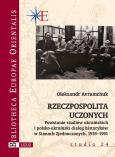
Niniejsza publikacja stanowi pogłębioną eksplorację dialogu akademickiego pomiędzy polskimi i ukraińskimi intelektualistami na emigracji, prowadzonego w Stanach Zjednoczonych w latach 1939–1991. W tym okresie, ukształtowanym przez napięcia zimnowojenne i dominujące wpływy Związku Radzieckiego, Zachód – zwłaszcza Stany Zjednoczone – postrzegały Ukrainę wyłącznie jako część imperium rosyjskiego. Taka percepcja marginalizowała historię i tożsamość narodową Ukrainy. Autorka podkreśla wysiłek polskich i ukraińskich uczonych na emigracji, mający na celu podważenie tego uproszczonego, rusocentrycznego punktu widzenia i opowiedzenie się za uznaniem Ukrainy jako odrębnego podmiotu w badaniach nad Europą Środkowo-Wschodnią.
Centralnym wątkiem książki jest tytułowa „Rzeczpospolita uczonych” – wspólnota intelektualna, która pomimo różnic narodowościowych i politycznych jednoczyła Polaków i Ukraińców w dążeniu do dialogu i współpracy akademickiej. To nawiązanie do dawnej Rzeczypospolitej symbolizowało ideę solidarności i wspólnego dziedzictwa, które intelektualiści pragnęli wykorzystać do budowy nowej, bardziej otwartej na współpracę rzeczywistości akademickiej, przezwyciężając podziały polityczne i konflikty historyczne. Publikacja rzuca także światło na współczesne próby „dekolonizacji” myślenia o dziejach Europy Środkowo-Wschodniej, co stało się szczególnie widoczne po rosyjskiej agresji na Ukrainę w 2022 roku. Książka stanowi krytyczny głos w toczącej się debacie na temat zmiany zachodniego postrzegania Ukrainy, podkreślając potrzebę oderwania się od wieloletniej marginalizacji kraju w badaniach naukowych.
*********
This publication offers an in-depth exploration of the academic dialogue between Polish and Ukrainian intellectuals in exile, conducted in the United States between 1939 and 1991. During this period, shaped by Cold War tensions and the Soviet Union’s dominant influence, the West – particularly the U.S. – viewed Ukraine solely as part of the Russian Empire. This perception marginalized Ukraine’s history and national identity. The author highlights the efforts of Polish and Ukrainian scholars in exile to challenge this simplistic, Russia-centric viewpoint and advocate for Ukraine’s recognition as a distinct subject in studies of East-Central Europe.
At the heart of the book is the concept of the “Republic of Scholars” – an intellectual community that, despite national and political differences, united Poles and Ukrainians in their pursuit of dialogue and academic collaboration. This reference to the old Polish-Lithuanian Commonwealth symbolizes the shared heritage and solidarity that these scholars sought to harness in order to overcome political divisions and historical conflicts. The publication also sheds light on early attempts to “decolonize” the historical narrative of the region – an effort that has gained increasing relevance following Russia’s war against Ukraine in 2022. It offers a critical voice in the ongoing debate over shifting the Western perception of Ukraine, emphasizing the need to break away from the country’s long-standing marginalization in scholarly research.
Czytelnik tej książki nie tylko będzie mógł się przyjrzeć skomplikowanym początkom studiów ukraińskich i polskich w Stanach Zjednoczonych, które z trudem wybijały się na niepodległość w świecie zdominowanym przez rusocentryczną sowietologię, ujrzy też szeroką panoramę życia intelektualnego polskiej i ukraińskiej emigracji. Przede wszystkim jednak czytelnik będzie miał okazję przyjrzeć się dokładniej meandrom polsko-ukraińskiego dialogu historyków przed 1991 rokiem.
Prof. dr hab. Aleksandra Hnatiuk, prof. em. Studium Europy Wschodniej, Uniwersytet Warszawski
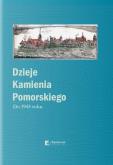
Poznanie przeszłości własnej „małej ojczyzny” to nie tylko hasło, to realna potrzeba ludzi myślących, odczuwających więzi z tym, co minione, miejscem i ludźmi, kultywowaniem pamięci o nich. (…) Monografia dziejów Kamienia Pomorskiego jest niezwykle interesującym dziełem, wypełnia odczuwalną lukę w polskiej historiografii. (…) Tom został przygotowany przez grono wybitnych znawców dziejów Pomorza.
(z recenzji dra hab. Dariusza Główki, prof. IAE PAN)
Oddajemy w Państwa ręce pierwszy tom Dziejów Kamienia Pomorskiego kończący się na 1945 roku. Autorzy w przekazywanej Państwu monografii nie zajmowali się wyłącznie samym miastem, ale całym kamieńskim ośrodkiem osadniczym obejmującym miasto, osiedle katedralne oraz trzy wiki: miejski, katedralny i tzw. urzędowy. (…) Monografia zawiera bogaty, najczęściej niepublikowany materiał ilustracyjny i została napisana na podstawie wielu źródeł archiwalnych, zebranych przez autorów podczas kwerend w archiwach polskich i niemieckich. Źródła archiwalne uzupełnia bogata literatura przedmiotu zebrana w zamykającej pracę bibliografii. (…)
W imieniu zespołu autorskiego życzę Państwu przyjemnej i pouczającej lektury oraz chwili skupienia i zadumy nad dziejami Państwa małej ojczyzny.
(ze Wstępu prof. dra hab. Radosława Gazińskiego)
Ten produkt jest zapowiedzią. Realizacja Twojego zamówienia ulegnie przez to wydłużeniu do czasu premiery tej pozycji. Czy chcesz dodać ten produkt do koszyka?