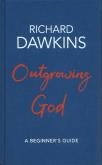
Should we believe in God? In this new book, written for a new generation, the brilliant science writer and author of The God Delusion, explains why we shouldn’t.
Should we believe in God? Do we need God in order to explain the existence of the universe? Do we need God in order to be good? In twelve chapters that address some of the most profound questions human beings confront, Dawkins marshals science, philosophy and comparative religion to interrogate the hypocrisies of all the religious systems and explain to readers of all ages how life emerged without a Creator, how evolution works and how our world came into being.
For anyone hoping to grapple with the meaning of life and what to believe, Outgrowing God is a challenging, thrilling and revelatory read.
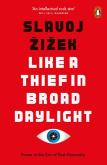
In recent years, techno-scientific progress has started to utterly transform our world - changing it almost beyond recognition. In this extraordinary new book, renowned philosopher Slavoj Zizek turns to look at the brave new world of Big Tech, revealing how, with each new wave of innovation, we find ourselves moving closer and closer to a bizarrely literal realisation of Marx's prediction that 'all that is solid melts into air.' With the automation of work, the virtualisation of money, the dissipation of class communities and the rise of immaterial, intellectual labour, the global capitalist edifice is beginning to crumble, more quickly than ever before-and it is now on the verge of vanishing entirely.
But what will come next? Against a backdrop of constant socio-technological upheaval, how could any kind of authentic change take place? In such a context, Zizek argues, there can be no great social triumph - because lasting revolution has already come into the scene, like a thief in broad daylight, stealing into sight right before our very eyes. What we must do now is wake up and see it.
Urgent as ever, Like a Thief in Broad Daylight illuminates the new dangers as well as the radical possibilities thrown up by today's technological and scientific advances, and their electrifying implications for us all.
Filozofia człowieka i jego rola dla społeczności, wspólnotowości a także dla całego rodu ludzkiego stanowi żywotny gwarant dla filozofii prawa i organizowania się systemu państwa. Spoiwem, tworzywem łączącym te dwie materie przedmiotu poznania jest sfera racjonalizmu i sfera kondycji emocjonalno-wolitywnej jednostki. Ukierunkowanie na myślenie optymistyczne, odważne i kreatywne ogarniające także głęboką wiarę w zasady i potencjały rozwojowe osoby ,uznającej rozwój swojego środowiska wewnętrznego i zewnętrznego za wyraz sięgania do ideałów i realizowania wartości. Ażeby zrozumieć stan harmonii człowieka z otoczeniem poprzez domaganie się urzeczywistnienia potrzeb wyższego rzędu jako duchowych uwzględniających akceptację wartości indywidualnych oraz grupowych należy przyjąć paradygmat wielopoziomowości i wielopłaszczyznowości do ukazania tejże relacyjności. Takie podejście metodologiczne pozwoli zobrazować dynamizm zmiany obrazu samoświadomości, samopotwierdzania i samowychowania jednostki w stronę integralnego rozwoju osobowościowego będącego stanem dojrzałości intelektualnej, emocjonalnej i uczuciowo-wolitywnej na rzecz dobra wspólnego.
Katarzyna Szewczyk-Haake w swych interpretacjach eksponuje fundamenty postawy etycznej, jaką ewokują dzieła Józefa Wittlina. Badaczka opisuje z wyczuciem i znawstwem składniki duchowej autobiografii człowieka poddanego niełatwym, lecz wyrazistym wyborom moralnym. Niewątpliwą zasługą prezentowanego w książce podejścia jest ukazanie siły dykcji artystycznej oraz przejrzystości aksjologicznego wymiaru utworów pisarza, a jednocześnie oświetlenie ich uniwersalizmu. Dzięki temu dowiadujemy się, w jaki sposób ważne dla Wittlina idee żyją w zmieniającym się czasie historycznym.
Autor w książce skupia się na wieloznaczności terminu „egzystencjalizm” oraz bada niespokojne granice literatury i filozofii, ich wzajemne przenikanie się i oddziaływanie. Wykazuje, że egzystencjalizm nie był tylko zjawiskiem zachodnioeuropejskim, ale zaistniał w literaturze na polskim gruncie Pokolenia ’56. Wątki egzystencjalne analizuje w debiutanckich tekstach prozatorskich takich pisarzy, jak Stanisław Czycz, Ireneusz Iredyński, Stanisław Stanuch i Eugeniusz Kabatc.
Najnowsza książka brytyjskiego filozofa Tima Crane’a to kamień milowy w dyskusji o wierze i ateizmie. Autor stawia sobie za cel zrozumienie fenomenu religii z punktu widzenia ateisty, czyni to jednak w zupełnie innym duchu niż wyznawcy „nowego ateizmu” – jak Richard Dawkins czy Daniel Dennet – którzy sprowadzają wiarę do ułudy ludzkiej wyobraźni. Wierzący nie rozpoznają siebie w stworzonym przez nich karykaturalnym obrazie. Tymczasem Crane jest świadom, że ani religia, ani ateizm nie przestaną być obecne w życiu ludzi, dlatego dialog jest konieczny. I to dialog na poziomie intelektualnym, poznawczym. Jego książka wskazuje filozoficzne obszary, gdzie ateista może spotkać się z wierzącym. Sens wiary jest pierwszą książką Tima Crane’a przełożoną na język polski.
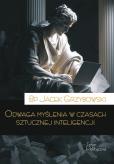
W gorączce współczesnych debat i dyskusji coraz więcej osób stawia sobie pytanie: czy transhumanizm jest tylko chwilową, ale opłacalną, naukową modą, czy też istotnym nurtem medyczno-filozoficznym głoszącym odważną tezę – ewolucja biologiczna wygenerowała niedoskonałą formę homo sapiens, którą teraz możemy poprawić.
Dzisiejsza biotechnologia stwarza już szansę ulepszenia biologiczno-umysłowej kondycji człowieka, bo medycyna i genetyka pozwalają na coraz poważniejsze ingerencje w ludzki organizm. Jest w tym pragnieniu ufność na otwarcie drogi do powstania nowej populacji – ludzi ulepszonych, bo wyzwolonych z biologicznych, genetycznych i psychicznych niedoskonałości. Czy jednak jest to nowa nadzieja ludzkości, czy też początek przerażającej ideologii proklamującej pojawienie się postczłowieka? Takich pytań nie można bagatelizować.
Cieszy więc, że z inicjatywy Piotra Duchlińskiego i ks. Grzegorza Hołuba powstała książka Ulepszanie moralne człowieka. Perspektywa filozoficzna, w której podjęto jeden z ważnych obecnie problemów etycznych – możliwości ulepszenia człowieka na poziomie moralnym. Autorzy zebranych w książce tekstów starają się ocenić transhumanistyczne idee przede wszystkim z punktu widzenia filozoficznego, odważnie szukając odpowiedzi na trudne pytanie: czy transhumanizm – popularny dziś, zarówno w naukach empirycznych, jak i humanistycznych, nurt refleksji nad przyszłością ludzkiej populacji – jest godziwą i słuszną próbą wypracowania nowych form biologicznej i świadomościowej kondycji człowieka? Ludzie nauki, a szczególnie filozofowie, nie mogą przejść obojętnie zarówno wobec mocnych tez transhumanizmu, jak i biomedycznych eksperymentów podejmowanych obecnie w wielu laboratoriach na całym świecie. Idea „człowieka ulepszonego” domaga się poważnej debaty nad zasadnością i etyczną godziwością możliwych, ale jednocześnie kontrowersyjnych skutków prac technologicznych.
ks. dr hab. Jacek Grzybowski, prof. UKSW
Zasadnicze pytanie, jakie stawiają sobie autorzy książki, brzmi następująco: czy możliwe jest ulepszenie moralne człowieka oraz czy proponowane działania są słuszne, czy może powodują one dokładnie odwrotne efekty? Drugim, może mniej wyraźnie sformułowanym, jest pytanie: na ile mogą być przydatne/szkodliwe rozważania i propozycje tak zwanego posthumanizmu.
Rekomenduję wydanie książki, bo jej autorzy podają wiele cennych informacji i sposobów argumentowania, a tematyka w niej poruszona będzie z pewnością często podejmowana w bliższej i dalszej przyszłości. Materiał zgromadzony w książce może się okazać rodzajem wprowadzenia w zagadnienia, które dla wielu są zupełnie nieznane.
ks. prof. dr hab. Ryszard Moń
Na czym opiera się współczesna wspólnota? Czy tym, co konstytuuje nasze poczucie przynależności, jest historia, tradycja, wiara w mit? Na czym opieramy swoją tożsamość? W jakim stopniu wynika ona z bycia członkinią lub członkiem jakiejś grupy? Jaką rolę odgrywa w tym spektakl medialny rozgrywający się przed nami i angażujący naszą uwagę właściwie bez większych przerw? Czy spektakl – dzięki globalizacji i nowym elektronicznym mediom – wytwarza szczególny rodzaj powszechnego zaangażowania? A może właśnie zastępuje i przesłania faktyczne uczestnictwo i poczucie bliskości? W kontekście tych pytań istotne staje się zagadnienie doświadczenia estetycznego: na ile zachowuje ono swój transformujący potencjał? Natłok bodźców o charakterze estetycznym może przecież prowadzić do uodpornienia się na ich działanie. Książka Doświadczenie estetyczne i wspólnota spektaklu to próba zmierzenia się między innymi z tymi kwestiami i zarazem omówienie ich w szerokim kontekście teorii filozoficznych odnoszących się do kategorii pozoru, edukacji estetycznej i „słabego myślenia”.
Katarzyna Kasia – filozofka, absolwentka Wydziału Filozofii i Socjologii Uniwersytetu Warszawskiego, stypendystka Ministerstwa Spraw Zagranicznych Republiki Włoskiej i Fundacji Kościuszkowskiej, visiting professor w Princeton University. Wykłada w warszawskiej Akademii Sztuk Pięknych i w Akademii Teatralnej im. Aleksandra Zelwerowicza. Autorka książki Rzemiosło formowania (2008), tłumaczka prac współczesnych włoskich filozofów: Estetyka. Teoria formatywności Luigiego Pareysona oraz Poza interpretacją. Znaczenie hermeneutyki dla filozofii współczesnej i Nie być Bogiem Gianniego Vattimo.
Jak powstał człowiek? Czy jego istnienie we wszechświecie jest przypadkowe, czy zamierzone? Jak przebiegała ewolucja Homo sapiens? Czy scenariusz ewolucyjny pozwala mówić o złożeniu człowieka z duszy i ciała? W jaki sposób teologia poszerza rozumienie tajemnicy istnienia nas samych?Aby wyrobić sobie pogłębioną wizję powstania człowieka trzeba odwołać się do osiągnięć wielu nauk. Niniejsza pozycja jest próbą komplementarnego spojrzenia na problem powstania istot ludzkich z punktu widzenia nauk przyrodniczych, filozofii i teologii.Autorzy artykułów: Tomasz Maziarka, Michał Heller, Tadeusz Pabjan, Wioletta Nowaczewska, Jan Kozłowski, Ewa Bartnik, Grzegorz Strzelczyk, Janusz Lemański, Damian Wąsek, Wojciech P. Grygiel, Janusz Królikowski
"Nie unikając trudnych pytań i roztrząsania problemów, które mogą okazać się bolesne, twórcy tego tomu zabierają czytelnika w metaekonomiczną podróż, która umożliwia spojrzenie „z góry” i ma w sobie coś z rachunku sumienia. Mimo że nie zawsze przyjemny, taki rachunek sumienia jest konieczny dla utrzymania minimum higieny intelektualnej ekonomistów – zarówno tych dojrzałych zawodowo, jak i tych, którzy dopiero stawiają pierwsze kroki – wpisujących się w główny nurt dyscypliny (mainstream). Co my tak naprawdę robimy i jakie jest znaczenie tego, co robimy?" (prof. Paul H. Dembinski z przedmowy)
"Makroekonomista akademicki, będąc poddany presji ze strony konieczności publikowania w uznanych międzynarodowych czasopismach oraz pracujący nieraz równolegle dla instytucji rynku finansowego, w sposób nieuświadomiony podąża za aktualnymi trendami, często nie znając podstaw metodologicznych wielu twierdzeń i założeń, które stanowią fundament dyscypliny. Dlatego też wysiłek podjęty przez redaktorów na polu wyjaśniania tych na co dzień niewidocznych założeń uważam za szczególnie cenny." (dr hab. Łukasz Goczek, prof. UW, z recenzji wydawniczej)
"Niniejsza lektura jeszcze bardziej utwierdza mnie w przekonaniu, że ekonomia nie dostarcza wiedzy pewnej i precyzyjnej, ale raczej wiedzy o charakterze przypuszczeń i to silnie zależnych od kontekstu." (dr hab. Łukasz Hardt, prof. UW, ze słowa końcowego)
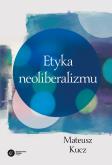
Czy możliwa jest ekonomia jako nauka wolna od założeń moralnych? Czym jest finansjalizacja? Jak zdefiniować neoliberalizm?
Książka rekonstruuje etyczne założenia neoliberalizmu bazując na myśli jego głównego przedstawiciela jakim był Milton Friedman. Sam Friedman najchętniej postrzegałaby swoje gospodarcze koncepcje (a był wszak ekonomistą, a nie filozofem) jako etycznie neutralne, naukowe. Autor wskazuje, że takie podejście Friedmana i wielu ekonomistów jest swoistym "złudzeniem aksjologicznym" i podkreśla, że trwanie w tym złudzeniu ma istotne konsekwencje dla życia społecznego.
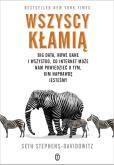
Oto człowiek! Wszystko, czego wolelibyście nie wiedzieć o sobie i innych
Serum prawdy – niepotrzebne, konfesjonały – do lamusa, wykrywacze kłamstw – na śmietnik historii! Jest jedno miejsce, gdzie ludzie są – przynajmniej na ogół – absolutnie szczerzy: okno wyszukiwarki.
Seth Stephens-Davidowitz, filozof i doktor ekonomii, były pracownik Google’a, przeanalizował dane z wyszukiwań internetowych dotyczących między innymi rasizmu, depresji, wykorzystywania nieletnich, poczucia humoru czy preferencji seksualnych. Owocem tych badań jest książka Wszyscy kłamią – bestseller „New York Timesa” i „Wall Street Journal”, Książka Roku według „The Economist” i „Business Insider”.
Jak często ludzie NAPRAWDĘ uprawiają seks?
Co należy mówić na pierwszej randce, żeby nie stracić szans na drugą?
Ilu naprawdę jest rasistów w Ameryce?
Czy Freud ściemniał?
Czy rodzice inaczej traktują synów, a inaczej córki?
Jaki procent mężczyzn to geje?
Znaczna część z tego, co dotychczas myśleliśmy o ludziach, to fałsz, twierdzi Stephens-Davidowitz. Powód? Ludzie kłamią – w kwestionariuszach i rozmowach. Okłamują przyjaciół, kochanków, lekarzy i samych siebie.
Dziś nie musimy już jednak opierać się wyłącznie na deklaracjach ankietowanych. Dane z Internetu – ślady informacji, które miliardy ludzi zostawiają w Google, mediach społecznościowych, serwisach randkowych, a nawet na stronach pornograficznych – wreszcie pokazują nagą prawdę. Możemy teraz dowiedzieć się, co ludzie naprawdę myślą i czego pragną.
Wnioski? Mogą rozśmieszyć, zszokować albo głęboko zaniepokoić. Z całą pewnością jednak skłonią do refleksji nad tym, kim jest człowiek początku XXI wieku.
Publikacja omawia zagadnienie ludobójstwa dokonanego przez nacjonalistów ukraińskich na ludności polskiej w trzech ujęciach: teoretyczno-filozoficznym, opisu faktów historycznych oraz odniesienia do współczesności. Autorami poszczególnych artykułów są cenieni specjaliści badający to zagadnienie.
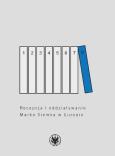
Tom zawiera teksty osiemnastu przedstawicieli filozofującej kontynentalnej Europy, wymownie świadczące, że koncepcje, które rozsławiły Profesora Siemka na świecie – zwłaszcza różnica epistemiczno-epistemologiczna i późnonowoczesne uspołecznienie – są obecnie bardziej aktualne niż kiedykolwiek. Bez odwołania się do nich nie sposób odpowiedzieć, jakie formy działania przyjmuje współcześnie rozum - czy to w rzeczywistości, czy w filozofii.
• Jaka jest dzisiaj kondycja klasycznej filozofii niemieckiej od Kanta, przez Fichtego, Hegla, Schopenhauera, aż do Marksa – w czasach, gdy detranscendentalizacja myślenia tępi ostrze rozumu krytycznego, wypieranego przez rozum analityczny?
• Czy instytucjonalne ramy i tożsamość Zjednoczonej Europy są adekwatnym „urzeczywistnieniem” rozumu politycznego?
• Czy w poszukiwaniu pozaekonomicznych form uspołecznienia, intersubiektywności i deliberacji należy cofnąć się do Grecji?
• Co oznacza dzisiaj dystynkcja Wschód/Zachód?
******
[Works, vol. 8] The Reception and Influence of Marek Siemek in Europe
This volume contains articles written by 18 representatives of the philosophical continental Europe, that bear witness to the fact that the concepts that made Professor Siemek famous worldwide – especially the epistemico-epistemological difference and late-modern socialization – are now more relevant than ever. Without referring to these concepts it is impossible to determine, where to find reason presently and what it should be concerned with.
Stanisław Brzozowski i Leszek Kołakowski w poszukiwaniu chrześcijańskiej mądrości. „Mam nadzieję, że zestawienie obu postaci polskich filozofów nie będzie zanadto dziwiło moich czytelników. Więcej jest cech, które ich łączą, niż tych, które oddzielają. Pierwszy był za życia otoczony kręgiem podejrzliwości i oskarżeń, umierał młodo, samotny; drugi szybko zdobył uznanie, przywiązanie przyjaciół i uczniów; jego kolejne książki stawały się sensacją. (…) Obaj rozpoczynali od lewicowego zaangażowania i w pewnej mierze gubili je po drodze – chociaż niezupełnie... Obaj wreszcie stanęli wobec zjawiska religii: przede wszystkim w kulturze, następnie w życiu osobistym. Katolicyzm jako całość był dla nich bardziej pociągający, bogatszy myślowo niż inne chrześcijańskie wyznania, stał się w ostatnich latach życia jednego i drugiego najważniejszym punktem odniesienia – był współrozciągły z historią Zachodu, był tą historią”. (fragment przedmowy) Ewa Bieńkowska umieściła w centrum swojej książki chrześcijaństwo, ukazując, w jaki sposób myśl religijna ewoluowała w życiu dwóch wybitnych polskich filozofów. Powyższy opis pochodzi od wydawcy.
Jürgen Habermas (rocznik 1920), jeden z najwybitniejszych filozofów
przełomu stuleci i przedstawicieli teorii krytycznej, nigdy nie uchylał się od roli intelektualisty zabierającego głos w kluczowych kwestiach współczesności. Zamieszczone w tomie teksty często są owocem bieżących sporów dotyczących jakości publicznej debaty, fasadowości demokracji, patologii wolnego rynku. Ale niemiecki myśliciel powraca również do idei wielkich filozofów XX wieku, Martina Bubera, Hanny Arendt, Martina Heideggera, by na nowo przemyśleć ich dziedzictwo i pokazać aktualność ich myśli.
„Zamiast politycznych roszczeń sięgających w rejony fantazji mamy dziś do czynienia z polityką zgiętą wpół. Uginamy się wobec wymagań rynków finansowych i siedząc cicho, potwierdzamy rzekomą bezsilność
polityki, która każe płacić koszty kryzysu masie podatników, nie zaś spekulującym inwestorom”.
(fragment książki)
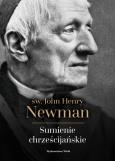
Nowe wydanie jednego z najważniejszych tekstów o sumieniu O sumieniu najwięcej wiedzą ci, którzy go słuchają. Dlatego warto czytać Newmana i po stu latach.
ks. Grzegorz Strzelczyk
„Nie widzieć prawdy jest winą. Człowiek nie widzi prawdy, gdy jej nie chce i ponieważ jej nie chce” - mówi Ratzinger na kanwie Sumienia chrześcijańskiego. Ostre i trafne, bo książka jest najgłębiej o tym: o centralności prawdy oraz jej absolutnej konieczności dla człowieka i jego świata.
ks. Jerzy Szymik
"Sumienie chrześcijańskie" pozwala nam wszystkim lepiej zrozumieć dwie rzeczywistości: moralne nauczanie Kościoła i głos własnego sumienia, które przy właściwej formacji nigdy nie powinny stać w opozycji do siebie.
Fragment wstępu Księdza Prymasa Wojciecha Polaka
A deeply comforting and enlightening book on how Stoicism can inspire us to lead more enjoyable lives
What aspects of your life do you really control? What do you do when you cannot guarantee that things will turn out in your favour? And what can Stoicism teach us about how to live together?
In the past few years, Stoicism has been making a comeback. But what exactly did the Stoics believe? In Lessons in Stoicism, philosopher John Sellars weaves together the key ideas of the three great Roman Stoics -- Seneca, Epictetus and Marcus Aurelius -- with snapshots of their fascinating lives, to show us how their ideas can help us today.
In vivid prose, Sellars shows how the works of these three Stoics have inspired readers ever since, speaking as they do to some of the perennial issues that face anyone trying to navigate their way through life. Their works, fundamentally, are about how to live -- how to understand one's place in the world, how to cope when things don't go well, how to manage one's emotions and how to behave towards others.
Consoling and inspiring, Lessons in Stoicism is a deeply thoughtful guide to the philosophy of a good life.
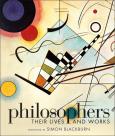
From Confucius and Plato to Karl Marx and Noam Chomsky, this book brings together more than 100 illustrated biographies of the world's great philosophers.
Introduced with a stunning portrait of each featured philosopher, the biographies trace the ideas, friendships, loves, and rivalries that inspired the great thinkers and influenced their work, providing revealing insights into what drove them to question the meaning of life, and come up with new ways of understanding the world and the history of ideas.
Lavishly illustrated with photographs and paintings of philosophers, their homes, friends, studies, and their personal belongings, together with pages from original manuscripts, first editions, and correspondence, this book introduces the key ideas, themes, and working methods of each featured individual, setting their ideas within a wider historical and cultural context. Charting the development of ideas across the centuries in both the East and West, from ancient Chinese philosophy to the work of contemporary thinkers, Philosophers provides a compelling glimpse into the personal lives, loves, and influences of the great philosophers as they probed into life's "big ideas".
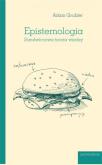
Książka Adama Groblera, znakomitego polskiego filozofa analitycznego, w udany sposób łączy systematyczny przegląd problemów i stanowisk epistemologicznych z oryginalnym i inspirującym wkładem autorskim do tej kluczowej dyscypliny filozoficznej. Jest połączeniem bardzo dobrego podręcznika uniwersyteckiego z monografią naukową wysokiej próby. W trakcie lektury czytelnik zapoznaje się, kolejno, z historycznym rodowodem filozoficznych zagadnień dotyczących poznania i sceptycyzmu, koncepcjami percepcji i pamięci, społeczną naturą procedur poznawczych, kwestią uprawomocnienia indukcji, rolą czystego rozumu i czynników apriorycznych w kształtowaniu wiedzy, teoriami prawdy oraz kontrowersjami dotyczącymi pojęcia wiedzy i jego składników. To właśnie w tej ostatniej sprawie Grobler formułuje najwięcej oryginalnych rozwiązań, które zmierzają do pokazania, że klasyczne i jednolite pojęcie wiedzy, według którego prawdziwość jest jej warunkiem koniecznym, powinno zostać zastąpione elastyczną i wielowarstwową „sandwiczową” koncepcją wiedzy, odpowiadającą realiom nabywania wiedzy, jej przypisywania i wykorzystywania. Autor prowadzi swoje wywody w sposób zwięzły i precyzyjny, lecz jednocześnie zrozumiały nie tylko dla zawodowych filozofów, lecz także dla osób bez specjalistycznego wykształcenia filozoficznego. Dokłada też wszelkich starań, aby najnowsze dyskusje i stanowiska epistemologiczne opisywać za pomocą troskliwie dobranej terminologii, zaczerpniętej z rdzennych zasobów języka polskiego.
prof. dr hab. Tadeusz Szubka, Uniwersytet Szczeciński
Ten produkt jest zapowiedzią. Realizacja Twojego zamówienia ulegnie przez to wydłużeniu do czasu premiery tej pozycji. Czy chcesz dodać ten produkt do koszyka?