W tej strefie proponujemy bardzo szeroką ofertę z dziedziny psychologii oraz dziedzin powiązanych: astronomii i astrofizyki, ekologii, filozofii, kultury, podróżnictwa, religii, socjologii, sztuki. Szczególnie polecamy z tej kategorii bestseller pt. Księga Urantii. Księga Urantii podaje jasną i zwięzłą integracją nauki, filozofii i religii. Ci, którzy ją czytali i zgłębiali, wierzą, że Księga Urantii może wnieść bardzo wiele wartości do religijnej i filozoficznej myśli ludzi tego świata.
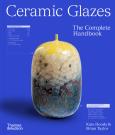
An essential resource for all ceramicists, this book features a beautiful collection of remarkable ceramic pieces selected for their unique use of glaze and colour. One hundred leading ceramicists describe their methodology, specify their recipes and recount their creative intentions, including when the outcomes were completely unexpected.
• Written and compiled by two professionals in the field, Brian Taylor and Kate Doody, this carefully chosen collection features the best artists working in the ceramic medium today.
• Comprises a useful practical section, with advice for mixing, texting and applying glazes, a comprehensive materials directory and a detailed glossary.
• Chapters on colour theory and the history of colour in ceramics complement the impressive directory.
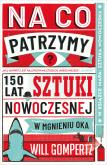
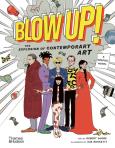
How did a urinal become art? And a can of tomato soup, a tent, a pickled shark... How do you get at one of the world’s most powerful governments by smashing an old vase? How did what seemed like a prank at the New York Armory Show of 1917 explode to become today's global multi-billion dollar art world? This graphic novel answers these questions by following the lives of seminal contemporary artists and the stories behind their groundbreaking works.
Against a backdrop of armed conflict and rapid societal change, this book tells the story of contemporary art from Marcel Duchamp’s repurposed urinal to Maurizio Cattelan’s taped banana. Literal bombs explode and conventions go up in flames as a series of art objects shock and electrify society: canned excrement, a pickled shark, a stuffed hare, human blood.
The story moves from Paris to New York and London, and then captures the geographical spread of a rapidly globalizing cultural scene by jumping to events in Tokyo, Belgrade, Rio de Janeiro, Lagos and Beijing, and culminating in Miami – and in the ether, everywhere and nowhere, on the internet.
Chapters follow a series of chain reactions as artists meet or inspire each other across the generations and decades. Over a period of 100 years everything changes – and yet the cry of ‘It’s not art!’ never goes away. No matter how long people have had to get used to it, contemporary art continues to upset expectations and disrupt conventions – and inspire anew.
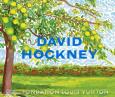
Published in association with the Fondation Louis Vuitton, Paris, to coincide with their major 2025 David Hockney exhibition, this vivid book charts the life and work of one of Britain’s most popular and significant artists. Expertly written by preeminent curatorial experts, art historians, and critics including Sir Norman Rosenthal, Sir Simon Schama, and Fiona Maddocks, this definitive survey combines a curated selection of archival photographs and eye-catching artworks presented in a lavish, large-format book to offer a visually engaging and detailed journey through Hockney’s remarkable life and career.
Following an introduction that offers an overview of Hockney’s life and work, a series of chapters explore in detail the important moments and signature styles and preoccupations of the artist’s varied career, from his early life in Bradford and London through his years in California to his later life in Bridlington, Yorkshire, and Normandy. Several of the chapters are arranged thematically according to artistic subject matter and medium, ranging from still lifes and portraits to his much-loved landscapes and stunning designs for opera. A final chapter explores Hockney’s engagement with new technology, particularly the iPad, demonstrating the endless inventiveness, curiosity, and creativity that have characterized Hockney’s work over the decades.
Compiled with the full involvement of David Hockney and his studio, and with a large-scale landscape format with a selection of gatefolds that enables the reader to revel in the art, this is the most important book on Hockney’s entire career to have been published, and will appeal to the many fans of the artist’s work across the globe.
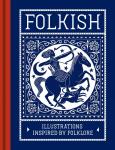
Despite what society says, humans were born to create and have been doing so since ancient times. Starting with cave paintings, people have documented their heritage and culture regardless of geography, as seen in intricate Indian miniature paintings, awe-inspiring African mural masterpieces, delicate Nordic stone and wood carvings, and dreamy Chinese ink wash landscapes.
Just like its design and branding-focused sister title New Folk Art, Folkish collates a resurgence of old folk tales and traditions through the contemporary brushstrokes of artists who seamlessly blend the old with the new, weaving a new visual tapestry that not only preserves our roots, but also reshapes the vibrant mosaic that is our collective artistic heritage for the future.
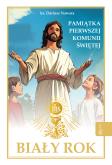
Biały Rok to wyjątkowa pamiątka dla dzieci pierwszokomunijnych. Wskazuje ona na najważniejsze momenty roku liturgicznego, a także zwraca uwagę na główne aspekty związane z sakramentem Eucharystii i pokuty. Istotnym walorem książeczki jest Mały Katechizm, który będzie nieustannie przypominał dziecku o najważniejszych prawdach wiary każdego chrześcijanina.Drogie dzieci, ta książeczka ma przypominać wam i waszym rodzicom uroczystość Pierwszej Komunii Świętej. Takie chwile warto bowiem nosić w pamięci i wracać do nich, ponieważ składają się na nasze życie z Panem Bogiem. Na każdej stronie tej książeczki znajdziecie informacje, wskazówki, a także zadania, które okażą się bardzo pomocne w codziennym przygotowaniu do pełnego uczestnictwa we Mszy Świętej.ciekawe zadania religijne i duchowe na każdy miesiąc roku liturgicznegowprowadzenie i przypomnienie zasad sakramentu pojednaniaMały Katechizmkontrolki pierwszych dziewięciu piątków miesiąca
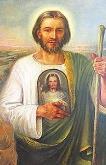
Obrazek z modlitwą z tyłu Modlitwa do św. Judy Tadeusza Św. Judo Tadeuszu, spokrewniony z Jezusem Chrystusem i Matką Najświętszą, wybrany do godności apostolskiej, proszę Cię przez te przywileje i przez chwałę Twoją, jaką otrzymałeś za trudy apostolskie i męczeństwa, uproś mi u Boga łaskę, której tak gorąco pragnę. Tobie Bóg oddaje w opiekę wszystkich zostających w beznadziejnym położeniu, abyś im przez swe orędownictwo przychodził z pomocą. Wejrzyj przeto i na mnie, uproś mi zmiłowanie Boże, bym wielbił zawsze miłosierdzie Pańskie nade mną, bym w swej nadziei nie był zawstydzony. Amen.wymiary: 5,5 x 8,5 cm,
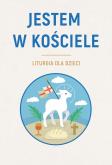
Prosto, językiem dedykowanym najmłodszym uczestnikom liturgii, autor omawia i wyjaśnia symbolikę wielu przedmiotów charakterystycznych dla kościoła jako budynku, znaczeń związanych z wiarą i religią, opisuje również symboliczne znaczenie poszczególnych elementów liturgii, tym samym czyniąc Mszę Świętą bardziej zrozumiałą i bliższą dziecięcych serc. Całość okraszono ciekawostkami i osobistymi opowieściami autora. Publikacja została podzielona na 26 krótkich rozdziałów. Wartością dodaną tej publikacji są fragmenty pięknych wierszy, cytaty oraz dodatek specjalny, czyli oparta na faktach historia Kota Mrota. Publikacja stanowi idealną pomoc duszpasterską dla księży w parafiach, którzy mogą ją podarować dzieciom przy takich okazjach jak na przykład roraty. Jest również świetnym materiałem dydaktycznym wspierającym pracę katechetów. Dlaczego warto kupić tę książkę? Świetne narzędzie dla katechety do pracy z dziecmi na lekcjach religii pomaga wyjaśnić znaczenie symboliki liturgii i jej poszczegolnych elementów. Pomoc duszpasterska dla księdza, do wykorzystania np. w czasie rorat, bądź w czasie kolędowania. W prosty sposób wprowadza nas w zawiłości Mszy świętej, zasad panujacych w kościele i Kościele. O autorze Ks. Sławomir Krzeszewski proboszcz malowniczo położonej parafii w Dolsku. Od autora W czasie przygotowania dzieci do Pierwszej Komunii Świętej zauważyłem, że wiele z nich ma problem z nazwaniem i zrozumieniem znaczenia elementów przestrzeni liturgicznej. Wyciągnąłem takie wnioski z niedzielnych katechez dla dzieci (kilka minut po Mszy Świętej próbuję je oswoić z wnętrzem kościoła oraz pokazać im znaczenie oraz sens obecnych tam znaków). Biorąc pod uwagę hasło roku duszpasterskiego 2023: Wierzę w Kościół Chrystusowy, uważam, że takie wprowadzenie w Kościół i kościół może być bardzo pomocne, na przykład podczas rorat. Publikację oddaję w ręce młodszych i starszych dzieci, a także ich rodziców, którzy mają realny wpływ na uczestnictwo swoich pociech we Mszy Świętej i nabożeństwach. Niech ta pomoc przybliży i wyjaśni wam wszystkie trudne pojęcia, z którymi się stykacie, przebywając w kościele i Kościele.
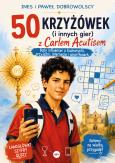
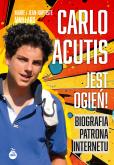
Z każdego rozczarowania rodzi się nowe marzenie!Carlo AcutisJeśli pragniesz życia pełnego pasji, nadziei i radości, historia Carla Acutisa jest właśnie dla ciebie! To opowieść o zwykłym chłopaku, który jak każdy nastolatek kochał gry komputerowe, piłkę nożną i nutellę, a jednocześnie znalazł niezwykły sposób, by zmieniać rzeczywistość.Carlo udowadnia, że świętość to nie historia sprzed stuleci, lecz coś, co jest możliwe tu i teraz. Pokazuje, jak można we współczesnym, skomplikowanym i nieprzyjaznym dla młodych ludzi świecie, także tym wirtualnym, odnajdywać sens życia i czerpać z niego pełnymi garściami.Ta książka to nie tylko znakomita opowieść - to przepis na szczęśliwe życie. Znalazły się w niej obszerne fragmenty rozważań Carla, pierwszy raz przełożone na język polski, a także liczne świadectwa cudów, których młodzi ludzie doświadczają dzięki jego wstawiennictwu. Podczas procesu beatyfikacyjnego żartowano nawet, że Carlo sprawia Kościołowi nie lada problem - nie wiadomo, który cud wybrać!Historia młodego człowieka ukazująca, że można żyć inaczej. Bardzo polecam!Rafał Główczyński SDS, Ksiądz z osiedlaMarie i Jean-Baptiste Maillard - od prawie dziesięciu lat promują postać Carla Acutisa we Francji. Twórcy inicjatywy, w ramach której uczą młodych właściwego korzystania z internetu i ewangelizują w świecie wirtualnym. Rodzice trojga dzieci, prowadzący edukację domową i promujący ją w ramach wielu francuskich stowarzyszeń rodzicielskich. Aktywnie działają na rzecz ochrony młodych przed pornografią.
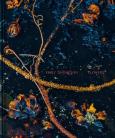
An extraordinary first book celebrating contemporary floral designer Emily Thompson, known for her unique and dramatic artistry
For the first time, innovative floral designer Emily Thompson showcases her 15-year body of work, which reveres the raw and wondrous beauty of flowers, plants, and trees. With an inspirational and transportive journey, this new book demonstrates Thompson’s signature style of infusing a sense of the exotic and mysterious into her stunning compositions by using wild, unruly materials from the forest, field, and beyond.
Featuring nearly 200 vivid images of her spectacular floral design work, the book includes projects ranging from indoor studio and outdoor in situ photography, to high-profile public and private commissions for restaurants including The Grill and The Modern in New York, fashion designers Jason Wu and Ulla Johnson, cultural institutions like the MAD Museum, New York, and Sotheby’s, and editorial work for T Magazine and AD China.
Organized by theme, the book features chapters evocatively named and inspired by the life forces and organisms that influence and make up her work. In her own words, she walks the reader through her creative process, explaining the visceral and intellectual approach for generating and germinating the seeds of her ideas for her lush and kaleidoscopic floral arrangements. In addition to her own text, the book includes a foreword by esteemed floral designer and florist to the British Royal Family, Shane Connolly, and an introduction by lauded design writer Nancy Hass.
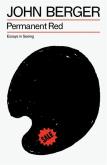
Why should an artist’s way of looking at the world have any meaning for us? Any artwork reflects the artist’s intentions, but also its times: therefore all art is political
In Permanent Red, John Berger argues that the contemporary artist should strive for a realism that aims for hope, to transform the world. Surveying the work of historical artists as well as that of near contemporaries such as Picasso, Léger and Matisse, he explores the role of the artist, dividing these figures into those that struggle, those that fail, and the true masters. He explains why we should study the work of the past: in order to understand the present and to rethink the future.
First published in 1960, Permanent Red established John Berger as a firebrand critic willing to broadcast controversial opinions on some of the most important British artists of the day, including Henry Moore and Barbara Hepworth.
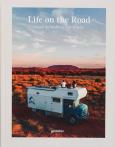
An inspirational, visual account of an epic journey by converted truck to a bucket list of destinations. Life on the Road chronicles an expanded, multi-year road trip that maps a circuitous journey to mind-blowing landscapes around the world, taking in territories in Europe, the Middle East, Central Asia, Indonesia, Australia, North America and beyond.
W książce zaprezentowano blisko 1000 arcydzieł malarstwa światowego. Oprócz wyjątkowych reprodukcji w albumie znalazły się interesujące opisy odkrywające przed Czytelnikiem podstawowe informacje oraz największe zagadki związane z powstaniem dzieł.
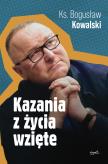
Ks. Boguś Kowalski – kapłan zarażający radością! Ksiądz Boguś mówi o wierze prosto, mądrze i z humorem. Jego kazania nie są teologicznymi wykładami, lecz życiowymi refleksjami, które podnoszą na duchu i pomagają lepiej wierzyć. Jak jego przyjaciel ks. Piotr Pawlukiewicz, potrafi w prostych słowach wyjaśniać najtrudniejsze sprawy i robi to z uśmiechem na twarzy. „Kazania z życia wzięte” to zbiór, który uczy, jak ufać, kochać i cieszyć się wiarą na co dzień. Jeśli szukasz prostoty, autentyczności i duchowej siły – sięgnij po te kazania!
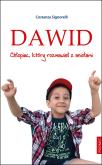
Costanza Signorelli - pochodząca z Mediolanu dziennikarka i publicystka. Jest autorką licznych reportaży i artykułów w gazetach i czasopismach na temat współczesnej świętości osób młodych, a także kilku książek. Współpracuje z włoskim Radiem Maria jako współprowadząca program I Santi: esempi di vita da seguire. Historia opowiedziana przez ośmioletniego chłopca Dawida, którego niebo obdarzyło darem widzenia, co będzie po śmierci, to nie tylko słowa - to całe życie, które wyszło z mroków nieuleczalnej choroby do pełnej radości i nadziei jasności. Do Dawida przyszli aniołowie, potem Matka Boża (dwukrotnie w sanktuarium w Cassano delle Murge), a następnie Jezus i wzięli go za rękę. Świadkami tego byli jego rodzice, Elisa i Salvatore, którzy dzięki synowi weszli na drogę wiary, oraz młodszy brat Antonio: "Dzięki słowom naszego syna i jego przepełnionym blaskiem oczom zrozumieliśmy, że raj istnieje. Dawid bardzo chciał już tam pójść, a teraz czeka tam na nas". "Historia Dawida uczy, że tylko wtedy, gdy ktoś oddaje się w ręce Boga, odkrywa, że jego życie nie jest absurdalnym ciągiem negatywnych zdarzeń, ale kompletnym projektem - Siostra Daniela Del Gaudio pisze we Słowie wstępnym. - A prawdziwe życie polega na spotkaniu z Bogiem, na komunii z Nim. To właśnie jest raj, życie wieczne. Dawid go doświadcza i dzieli się nim ze swoimi rodzicami, uwalniając ich od udręki przedwczesnej straty, ponieważ pokazuje im, jak wspaniale jest żyć z Jezusem i jak piękne jest miejsce, do którego się wybiera". W ubiegłym wieku urodziłam bardzo chorego synka. Lekarze byli bezsilni. Jako osoba nieuduchowiona i mało religijna szukałam leku, który nie istniał. Kiedy zrozumiałam, że mój maleńki synek może umrzeć, zdesperowana, spróbowałam porozmawiać z Siłą Najwyższą, poprosić o pomoc i ratunek. I? Dziś mój syn Gajusz ma prawie 30 lat i jest zdrowy. A ja prowadzę fundację, która oczywiście nazywa się Gajusz. Dlatego - nawet jeśli nie wierzycie w niemożliwe, niewytłumaczalne - przeczytajcie tę książkę o tajemnicy, nadziei, życiu i cierpieniu, które odnajduje swój sens. A jeśli wierzycie, to tym bardziej. Poznajcie Dawida oraz jego historię, która przynosi równowagę i nadzieję. Ta pięknie napisana książka poruszy każde serce. Tisa Żawrocka-Kwiatkowska - mama, która każdego dnia dziękuje za życie dziecka. Prowadzi Fundację Gajusz opiekującą się skrzywdzonymi i okrutnie doświadczonymi przez los dziećmi.
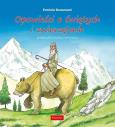
Urocze rymowane anegdotki opowiadające o przyjaźni świętych i zwierząt. Niektóre zwierzęta - na przykład wrona świętego Benedykta czy pies świętego Rocha - w różnych sytuacjach broniły swoich świętych przyjaciół przed niedobrymi ludźmi. Inne - dzikie i niebezpieczne - przy świętych stawały się łagodne jak mruczące kotki lub obłaskawione wierzchowce, na których można jeździć po świecie. Przeczytaj, jakie zwierzątka towarzyszyły świętym. W książce znalazły się też ciekawe, różnorodne zagadki i krzyżówka!
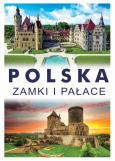
Spośród wielu zamków i pałaców znajdujących się w Polsce wybraliśmy sześćdziesiąt, wartych zobaczenia, rozrzuconych po całym kraju obiektów. Każda budowla została krótko opisana i opatrzona barwnymi fotografiami. Być może któraś z nich stanie się celem najbliższej rodzinnej wycieczki?
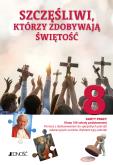
Publikacja została przygotowana na podstawie zeszytu ćwiczeń „Szczęśliwi, którzy zdobywają świętość” będącego pomocą dydaktyczną do podręcznika do klasy VIII szkoły podstawowej o tym samym tytule, który realizuje wymagania programu ogólnopolskiego nauczania religii „Przez prawdę, piękno i dobro zdobywamy świętość” (nr AZ-2-02/20). Przeznaczona jest dla uczniów o specjalnych potrzebach edukacyjnych, a zwłaszcza z niepełnosprawnością w stopniu lekkim, dysleksją, dysgrafią oraz zaburzeniami ze spektrum autyzmu. Zawarty w niej materiał dydaktyczny jest dostosowany do specyfiki ich funkcjonowania, ze szczególnym uwzględnieniem trudności percepcyjnych. Karty pracy przygotowane są w formacie A4. Zastosowano odpowiedni rozmiar i kształt czcionki, by pomóc uczniom łatwiej poznać tekst i treści w nim zawarte. Zadania i ćwiczenia, dostosowane do możliwości uczniów, oraz grafika pozwalają im przyswoić i utrwalić wiedzę zdobytą w czasie lekcji. Atutem proponowanych kart pracy jest to, że pozwalają uczniom o SPE, uczącym się w klasach ogólnodostępnych i integracyjnych, realizować program i materiał równolegle ze swoimi kolegami i koleżankami z klasy. Odbiorcy książki: Karty pracy z dostosowaniem do specjalnych potrzeb edukacyjnych uczniów przeznaczone są dla dzieci ze szkół ogólnodostępnych, integracyjnych i specjalnych oraz ich katechetów
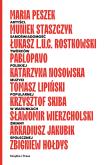
Tych dziesięć zarejestrowanych i opublikowanych rozmów to jednocześnie dziesięć szczególnych sytuacji komunikacyjnych pozwalających na zrekonstruowanie losu artysty muzycznego we współczesnej Polsce.Różne bywają przyjmowane przez rozmówców perspektywy. W przypadku Marii Peszek byłaby to perspektywa feministyczna, potraktowana jednak bardzo osobiście i „autorsko” przez samą artystkę; w przypadku Katarzyny Nosowskiej mówić można o intymnym charakterze rozmowy; Zbigniew Hołdys w swojej rozmowie, a właściwie długim monologu stara się obiektywizować narrację, może dlatego, że ważne są w tym przypadku polityczne konteksty funkcjonowania artysty i jego dzieła; Sławek Wierzcholski przyjmuje styl rozmowy charakterystyczny dla „przyjaznego instruktora”, albo po prostu nauczyciela muzyki; Arkadiusz Jakubik wykorzystuje swój podwójny status aktora/reżysera i wokalisty; Muniek Staszczyk, podobnie jak Tomasz Lipiński, przeplata opowieść o rocku elementami własnej biografii.
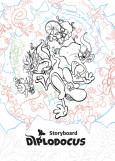
Storyboard Diplodocus to limitowana (500 egz.) i unikatowa publikacja zawierająca finalną wersję pełnego storyboardu filmu „Smok Diplodok”. Ilustracje stworzone zostały przez zespół rysowników: Wojtek Wawszczyk, Tomasz Lew Leśniak, Michał Śledziu Śledziński, Kuba Tarkowski, Marek Oleksicki, Janusz Ordon, Kamil Kurt Kochański – pod kierownictwem reżysera – Wojtka Wawszczyka. Ta licząca 640 stron książka stanowi cenny materiał dla artystów z branży filmowej, studentów uczelni filmowych, ale też dla wszystkich miłośników filmu animowanego i komiksu. To mnóstwo fantastycznej grafiki, wiedzy i rzemiosła, wzbogaconej wstępem reżysera po polsku i angielsku.
Ten produkt jest zapowiedzią. Realizacja Twojego zamówienia ulegnie przez to wydłużeniu do czasu premiery tej pozycji. Czy chcesz dodać ten produkt do koszyka?