W tej strefie proponujemy bardzo szeroką ofertę z dziedziny psychologii oraz dziedzin powiązanych: astronomii i astrofizyki, ekologii, filozofii, kultury, podróżnictwa, religii, socjologii, sztuki. Szczególnie polecamy z tej kategorii bestseller pt. Księga Urantii. Księga Urantii podaje jasną i zwięzłą integracją nauki, filozofii i religii. Ci, którzy ją czytali i zgłębiali, wierzą, że Księga Urantii może wnieść bardzo wiele wartości do religijnej i filozoficznej myśli ludzi tego świata.
Prawdziwa Bitwa To ta, Której nie widać!
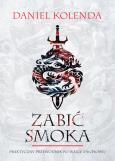
Świat duchowy jest realny i bezpośrednio wpływa na nasze życie. Często za codziennymi zmaganiami kryją się duchowe bitwy. Dzięki Słowu Bożemu i mocy Ducha Świętego mamy wszystko, czego nam potrzeba, abyśmy stali się więcej niż zwycięzcami w Chrystusie!
Daniel Kolenda wnikliwie analizuje biblijne spojrzenie na pochodzenie oraz działanie aniołów i demonów. Wyjaśnia, czym jest tzw. duch czasów- inspirowane duchowo trendy społeczne i kulturowe kształtujące mentalność całych pokoleń. Autor nie szuka sensacji. Śmiało obala wiele popularnych w kościołach mitów na temat walki duchowej.Podkreśla znaczenie codziennej dyscypliny duchowej, uświęconego stylu życia oraz autorytetu w modlitwie. Daje praktyczne wskqazówki, jak wygrywać walkę w umyśle i jak przezwyciężać nałogi. Ta książka nauczy cię rozpoznawać i wygrywać duchowe bitwy.
Daniel Kolenda jest ewangelistą misyjnym, którego posługa cechuje się znakami, cudami i masowymi nawróceniami. Podczas wielkich kampanii ewangelizacyjnych, organizowanych w miejscasch zaliczanych do najniebezpieczniejszych, najoporniejszych wobec Ewangelii i najbardziej niedostępnych, przyprowadził do chrystusa 22 miliony ludzi. Kolenda jest następcą znanego ewangelisty Reinharda Bonnkego. Pełni funkcję prezwsa i dyrektora zarządzającego organizacji Christ for All Nations ( CfaN). Dotychczasowe publikacje CfaN wydano w 104 językach w łącznym nakładzie 190 milionów egz. Organizacja ma swoje przedstawicielstwa w dwunastu krajach.
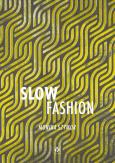
„Slow fashion” to rzetelny poradnik ekspercki, który omawia problemy branżowe i buduje świadomość konsumencką.
Książka dla wszystkich bez względu na preferowany styl czy wyznawaną filozofię. Wspólnym mianownikiem są troska o środowisko naturalne i zainteresowanie zrównoważoną modą. Autorka przeprowadza czytelnika przez cykl produkcji, pozwala zrozumieć zależności między projektantem, producentem odzieży, kupcem, sprzedawcą a klientem.
Kompendium dostarcza cennej wiedzy zarówno klientom marek modowych, jak i osobom związanym z przemysłem odzieżowym, projektantom, studentom kierunków artystycznych, którzy wiążą swoją przyszłość z branżą modową.
Komentarz eksperta:
„To merytoryczne, treściwe i profesjonalne wydawnictwo o modzie. Ujawnia problemy, które stoją przed ludzkością w związku z nadmiernym konsumpcjonizmem oraz brakiem świadomości w tym temacie. Ukazuje, jak wygląda prawdziwy świat projektowania i łańcucha dostaw oraz jakie niesie konsekwencje dla otoczenia.
Książka przedstawia nie tylko jasne strony mody, ale porusza również tematy trudne, często niewygodne. Autorka jest praktykiem w swojej profesji. Dzięki jej otwartości możemy zrozumieć wiele aspektów związanych z warunkami pracy, poziomem płac czy szacunkiem wobec drugiego człowieka. Monika Szymor w przejrzysty sposób przedstawia zagadnienia jakości oraz polityki nieczystych zagrywek niektórych firm. Przeprowadzona analiza skutków szybkiej mody obrazuje, w jaki sposób możemy mieć realny wpływ na środowisko oraz przyszłość kolejnych pokoleń.
»Slow fashion« stanowi cenne źródło wiedzy dla konsumentów, projektantów, studentów kierunków artystycznych oraz dla osób, które swoje życie zawodowe chcą związać z modą.”
– Katarzyna Dominiak, wykładowca akademicki w WSBiNoZ w Łodzi, założycielka Bez Alibi Kreowanie Wizerunku
Monika Szymor
Łodzianka, absolwentka Akademii Sztuk Pięknych i Uniwersytetu Łódzkiego. Projektantka mody, założycielka marki odzieżowej SheMore. Od lat promuje ideę slow fashion. Publikuje na temat zrównoważonego rozwoju oraz odpowiedzialnych wyborów konsumenckich. Wspiera kobiety w kształtowaniu własnego wizerunku i stylu. Od dziecka zakochana w książkach.
Opis książki:
Powstało mnóstwo książek o filmowych adaptacjach, ale niewiele dotyczących wykorzystania w literaturze filmowych praktyk i technologii. Tymczasem poeci, pisarze i dramaturdzy wnikliwie przedstawiają rolę filmu – filmów fabularnych, dokumentalnych, audycji telewizyjnych, spotów reklamowych, wizualizacji w grach. Obrazowo, wręcz multimedialnie ilustrują i diagnozują zachowania ludzi, zjawiska społeczne oraz fundamentalne trendy kultury. Radość z rozpoznania motywów i konwencji popularnego kina wyzwala zaś czytelniczą satysfakcję.
„Książka Pani Profesor Anny Ślósarz pt. Film w literaturze XXI wieku to propozycja wydawnicza o wysokiej wartości poznawczej i intelektualnej, ciekawa, wciągająca przy lekturze. […]. Badaczka prezentuje autorską wizję korespondencji sztuk, opartą na metodologii antropologiczno-filozoficznej z elementami statystyki, a swoje rozważania odnosi do przemian współczesnej kultury i obyczajowości.”
dr hab. Dorota Kulczycka, prof. UZ
„Co ciekawe, o ile wpływ literatury na film (i odwrotnie), w szczególności zjawiska adaptacji filmowej i przyliterackości filmu były przedmiotem bardzo wielu analiz, o tyle wskazane przez Annę Ślósarz ujęcie zagadnienia okazuje się – mimo pozornej oczywistości – oryginalne. Z tego względu przywołany przez Autorkę stan badań jest dość skromny. Dobrze świadczy to o wyborze tematu, bowiem omówiona w książce problematyka jest raczej nieobecna w piśmiennictwie polskim i zagranicznym.”
dr hab. Piotr Sitarski, prof. UŁ
Tom 4 zbioru zadań zawiera 434 strony zadań przyporządkowanych do odpowiednich działów wraz z pełnymi odpowiedziami.Tom kompleksowo przedstawia zagadnienia z zakresu genetyki i biotechnologii, ekologii i ochrony środowiska, ewolucjonizmu. Autorskie zadania zawarte w zbiorze powstały na bazie literatury akademickiej, są zgodne z podstawą programową i wymagają przerobienia przez każdego maturzystę chcącego dostać się na kierunki medyczne.Zbiór został wzbogacony o repetytorium przed każdym działem. Repetytorium stworzone zostało na bazie najlepszych książek akademickich oraz wiedzy biologów i lekarzy, a informacje w nim zawarte przedstawiono w sposób prosty i łatwy do zapamiętania. W zbiorze znajdują się także zadania z arkuszy maturalnych CKE z lat 2005-2021 przyporządkowane do odpowiednich działów wraz z pełnymi odpowiedziami.Zbiory zawierają zadania, które zmuszają maturzystę do myślenia, wymagają nie tylko wiedzy na poziomie rozszerzonym, ale także umiejętności kojarzenia faktów oraz całościowego wykorzystania wcześniej zdobytej wiedzy, przez co idealnie wpasowują się w nowe trendy wyznaczane przez CKE. Autorami zadań są nauczyciele i lekarze biorący aktywny udział w kształceniu przyszłych studentów kierunków medycznych. Priorytetem naszych książek jest wysoki poziom merytoryczny, będący podstawą dobrego przygotowania ucznia do matury.Jeśli kierunek medyczny jest Twoim marzeniem, musisz wiedzieć, że czeka Cię ciężka praca i sporo wyrzeczeń, ale gdy dotrwasz do końca, osiągniesz sukces, który wynagrodzi Ci wszelkie niedogodności, a nasze książki pomogą Ci w jego osiągnięciu.
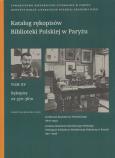
Kazimierz Woźnicki (1878–1949) jest postacią niemal zapomnianą. Z rzadka przemyka przez karty naukowych rozpraw, częściej zresztą przyczynkarskich niż większych monografii. Sporadycznie wyłania się z cienia przeszłości dzięki wysiłkowi heurystycznemu takiego czy innego badacza. Woźnicki jest postacią drugiego planu, niespecjalnie rzucającą się w oczy, wykonującą jednak przez całe dziesięciolecia mozolną i żmudną pracę, dla której określenie „zbieractwo” to zbyt mało. […] Ta drugoplanowa postać uczestniczyła bowiem w wydarzeniach absolutnie pierwszoplanowych, wręcz kluczowych dla końcówki dziejów „długiego” XIX wieku i pierwszej połowy „krótkiego” XX wieku. Zaryzykowałbym twierdzenie, że archiwum Kazimierza Woźnickiego zdeponowane w zbiorach Biblioteki Polskiej w Paryżu jest współcześnie bardziej znane niż sam Kazimierz Woźnicki. Przesądza o tym owe „około dwudziestu tysięcy listów, kart pocztowych i wizytówek”, które stanowią zrąb spuścizny Woźnickiego , jaka przetrwała do naszych dni. Woźnicki był człowiekiem-instytucją. Przez niemal całe swoje życie gromadził dokumenty, wycinki prasowe, dzieła sztuki, książki, broszury itd. To właśnie ta mrówcza praca była […] istotą życia Woźnickiego. Jego postać intelektualisty, poligloty, bibliotekarza, działacza politycznego, dziennikarza, publicysty, tłumacza itd. dobrze i niemal kompletnie oddaje pióro Arkadiusza Roszkowskiego, który zna Woźnickiego najlepiej, czego świadectwem pozostanie biogram pomieszczony we Wstępie. […] Plejada nazwisk pojawiających się w katalogu/inwentarzu Archiwum Kazimierza Woźnickiego, zwłaszcza w korespondencji […] to nie tylko dowód jego szerokich kontaktów w świecie polskim i francuskim czy wśród innych nacji. To także najlepszy dowód na wielką wartość tej spuścizny dla badań nad historią Polski, Francji, stosunków polsko-francuskich i wielu, bardzo wielu zagadnień szczegółowych, mniej lub bardziej istotnych z punktu widzenia tego, co nieco szumnie nazywa się procesem dziejowym.
fragment recenzji prof. Mariusza Wołosa
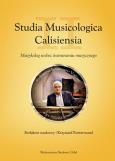
Drugi tom Studia Musicologica Calisiensia dedykowany jest emerytowanemu profesorowi uczelni polskich i zagranicznych Beniaminowi Voglowi z okazji 75. rocznicy urodzin. Pierwsza część Studiów została w całości poświęcona ich protagoniście. Mamy tu Tabula Gratulatoria, biografię Jubilata nakreśloną w oryginalny sposób przez niego samego, szczegółową bibliografię, wykaz licznych konferencji naukowych, w których brał czynny udział, a także recenzji dysertacji doktorskich i habilitacyjnych. Nie jest to jednak typowa Księga pamiątkowa, lecz forma zeszytu naukowego poszerzonego o ten specyficzny, okolicznościowy aspekt. I stąd zamieszczone w tomie również prace samego Profesora.
W drugiej części tomu przedstawione zostały natomiast artykuły Akademików zaproszonych do współudziału w tworzeniu tej pamiątkowej publikacji, wśród nich byłych studentów profesora Vogla. Zaprezentowali oni wyniki swoich badań prowadzonych w obrębie muzykologii historycznej i systematycznej w różnorodnych jej aspektach, oraz historii budownictwa instrumentów muzycznych. Jest to więc tematyczny tom Studiów, któremu nadano podtytuł Muzykolog wobec instrumentu muzycznego. Uzupełnieniem problematyki instrumentologicznej są artykuły korespondujące z tą tematyką bądź z sylwetką Jubilata.
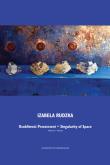
Książka Osobliwość przestrzeni prezentuje filozoficzne i humanistyczne spojrzenie artysty na swoje miejsce w procesie twórczym na podstawie analiz transformacji własnych projektów artystycznych i ich zmian oraz rozwoju pod wpływem zdobywanego doświadczenia, retrospekcji, emocji, wrażliwości i intuicji twórczej. Pojawienie się w zainteresowaniach autorki synergii sztuki i nauki staje się impulsem do bardziej syntetycznej percepcji poza granice aksjomatycznej stereotypowości i znajduje wyraz w jej malarstwie, nadając mu nowy ton oraz kierunek myślenia. Pisząc i tworząc na temat przestrzeni, podkreśla, że dla niej przestrzeń ma także atrybut energetyczny. Temat bogato ilustrują prace malarskie autorki z ostatniej dekady oraz jej realizacje kostiumologiczne i rzeźby szklane realizowane w hutach na Murano. W pracy zaprezentowano kluczowe wystawy i projekty artystyczne autorki związanej z kaliskim Wydziałem Pedagogiczno-Artystycznym UAM, a także jej działalność dydaktyczna i edukacyjna w ramach Pracowni Malarstwa WPA UAM i przedmiotu Projekty twórcze.
Fashion enthusiasts need look no further for style inspiration and knowledge than this definitive guide to all things chic. Through more than 1,000 stunning photos of the most fashionable women's garments from the past 100 years, whether from the 1950s printed housedresses or from the 1980s sequined shoulder pads, this comprehensive tome explores the elegant shapes, signature pieces, classic looks, and perennial themes that defined twentieth-century style. Fashionistas, fashion designers and design students, and vintage clothing collectors and enthusiasts will be delighted and inspired by authoritative text and gorgeous I-want-to-wear-that looks—all presented in a volume of magnificent proportions. Fashion history has never looked so good.
A great many willful painters can be assigned to Post-Impressionism who forged their own artistic paths. Paul Gauguin (1848–1903), like Vincent van Gogh, is a particularly uncompromising exponent of this current. His quest for an independent artistic stance and an authentic lifestyle took the former stockbroker from Paris to Brittany before deciding to travel to Polynesia. Simplified forms, expressive colors, and marked two-dimensionality characterize his seminal paintings, which are currently among the most coveted in the world.
The representative publication traces Gauguin’s artistic development based on great masterpieces from the areas of painting and sculpture—from the multifaceted self-portraits and sacred paintings from Gauguin’s period in Brittany, and the idyllic, wistful paintings and archaic, mystical sculptures from Tahiti, to the late works from his last station on the Marquesas Islands. The volume examines Gauguin’s multilayered body of work as well as his influence on modern and contemporary artists.
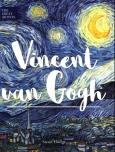
Van Gogh's distinctive style of expressive brushstrokes and bold colors is now world famous, but during his lifetime the artist was met with cold disinterest from his contemporaries. This book explores the fascinating life story of this tortured soul, who came late to art and suffered throughout his life from anxiety and depression. It unravels the influences behind his artworks, from the luminous landscapes of the south of France to the Japanese woodblock prints he so admired, and explores how he developed his own unique style. This detailed monograph features Van Gogh's major works and examines the light they shed on this enigmatic character, serving as a wonderful introduction to one of the best artists of all time. ABOUT THE SERIES: The Great Artists series by Arcturus Publishing introduces some of the most significant artists of the past 150 years, looking at their lives, inspirations and techniques, as well as presenting a selection of their best work.
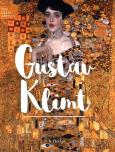
Gustav Klimt's exotic, sensuous paintings recall the art of ancient civilizations - their patterns and ornamentation reminiscent of Byzantine mosaics and Egyptian murals. But from what context did these masterworks spring? This beautifully illustrated book is a guide to the life and work of Gustav Klimt. Klimt is one of the most influential artists of the Art Nouveau movement, first achieving fame as a decorative painter before turning to portraiture and erotic art. The decorative style persisted in his work, leading to abstract compositions with flattened, glowing surfaces embellished with gold and silver leaf. This technique is perhaps best identified in Klimt's two portraits of Adele Bloch Bauer The book serves as a perfect introduction to Klimt's work, showcasing a selection of his paintings as well as providing fascinating biographical detail. ABOUT THE SERIES: The Great Artists series by Arcturus Publishing introduces some of the most significant artists of the past 150 years, looking at their lives, techniques and inspirations, as well as presenting a selection of their best work.
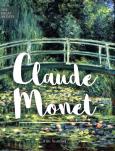
Claude Monet's tranquil water-lily paintings and rural landscape scenes are among some of the most treasured artworks of the 19th and 20th centuries. Hailed as the 'Prince of Impressionism' for his pioneering role in the French artistic movement, Monet is widely recognized for his free brushstroke and experimentation with color and natural light. In this beautifully illustrated book, Ann Sumner explores the life of this prodigious painter and the subjects that obsessed him: the cliffs of the Normandy coastline, the palazzos of Venice, the railway stations of Paris, the great edifice of Rouen Cathedral, and his beloved garden at Giverny. Showcasing a selection of his best-loved and lesser-known paintings alongside fascinating biographic detail, this guide serves as a perfect introduction to Monet and the evolution of his iconic style. ABOUT THE SERIES: The Great Artists series by Arcturus Publishing introduces some of the most significant artists of the past 150 years, looking at their lives, techniques and inspirations, as well as presenting a selection of their best work.
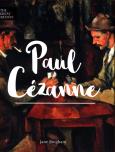
In the words of Matisse and Picasso, Paul Cézanne was the 'father of us all', his approach to color and perspective paving the way for later modernist art movements such as Cubism and Expressionism, as he moved beyond the figurative tradition and towards abstraction. This book charts Cézanne's journey as an artist, his involvement with the Impressionist movement and his importance as a leading Post-Impressionist. It explores the places where he lived and worked, his personal life and friendships, and the artistic influences that helped to shape his remarkable vision of the world. This biographical detail is set alongside a selection of his brilliant paintings, allowing you to trace the evolution of his artwork. ABOUT THE SERIES: The Great Artists series by Arcturus Publishing introduces some of the most significant artists of the past 150 years, looking at their lives, techniques and inspirations, as well as presenting a selection of their best work.
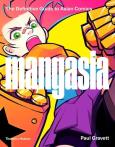
This beautiful and engaging volume charts the evolution of manga from its roots in late 19th-century Japan through the many and varied forms of comics, cartoons and animation created throughout Asia for more than 100 years. World authority on comic art Paul Gravett details the evolving meanings of the myths and legends told and retold by manga artists of every decade and reveals the development and cross pollination of cultural and aesthetic ideas between manga artists throughout Asia. He explores the explosion of creativity in manga after the Second World War with the emergence of such artists as Osamu Tezuka, whose pioneering Astro Boy spawned a new and much imitated visual dynamic.
He highlights how creators have responded to political events since 1950 in the form of propaganda, criticism and commentary in manga magazines, comics and books. There have been many remarkably powerful and sophisticated graphic novels, although some sexually explicit and emotionally dark adult manga has also attracted criticism, raising questions about taste and acceptability. Gravett discusses the influence of censorship on manga and concludes with a survey of current multi- platform offerings of manga in Asia and the transition from cut-price rental libraries to the booming specialist emporia and comic conventions that champion the kaleidoscope of creativity apparent in the digital age.
An impassioned defence of global immigration from the acclaimed author of Maximum City.
Drawing on his family’s own experience emigrating from India to Britain and America, and years of reporting around the world, Suketu Mehta subjects the worldwide anti-immigrant backlash to withering scrutiny. The West, he argues, is being destroyed not by immigrants but by the fear of immigrants. He juxtaposes the phony narratives of populist ideologues with the ordinary heroism of labourers, nannies and others, from Dubai to New York, and explains why more people are on the move today than ever before. As civil strife and climate change reshape large parts of the planet, it is little surprise that borders have become so porous.
This Land is Our Land also stresses the destructive legacies of colonialism and global inequality on large swathes of the world. When today’s immigrants are asked, ‘Why are you here?’, they can justly respond, ‘We are here because you were there.’ And now that they are here, as Mehta demonstrates, immigrants bring great benefits, enabling countries and communities to flourish.
Impassioned, rigorous, and richly stocked with memorable stories and characters, This Land Is Our Land is a timely and necessary intervention, and literary polemic of the highest order.
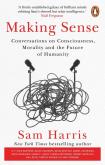
"Civilization rests on a series of successful conversations." Sam Harris
Neuroscientist, philosopher, podcaster and bestselling author Sam Harris, has been exploring some of the greatest questions concerning the human mind, society, and the events that shape our world.
Harris's search for deeper understanding of how we think has led him to engage and exchange with some of our most brilliant and controversial contemporary minds - Daniel Kahneman, Robert Sapolsky, Anil Seth and Max Tegmark - in order to unpack and clarify ideas of consciousness, free will, extremism, and ethical living.
For Harris, honest conversation, no matter how difficult or contentious, represents the only path to moral and intellectual progress.
Featuring eleven conversations from the hit podcast, these electric exchanges fuse wisdom with rigorous interrogation to shine a light on what it means to make sense of our world today.
'I don't have many can't miss podcasts, but Making Sense is right at the top of that short list.' - Stephen Fry
'Sam Harris is the most intellectually courageous man I know.' - Richard Dawkins
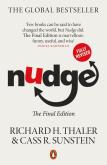
Nudge has transformed the way individuals, companies and governments look at the world - and in the process has become one of the most important books of the twenty-first century. This completely updated edition offers a wealth of new insights for fans and newcomers alike - about COVID-19, diet, personal finance, retirement savings, medical care, organ donation, and climate change.
Every day we make decisions: about the things we buy or the meals we eat; about the investments we make and the time we spend; about our health and that of the planet. Unfortunately, we often choose badly.
We are all susceptible to biases that can lead us to make bad decisions that make us poorer, less healthy and less happy. And, as Richard Thaler and Cass Sunstein show, no choice is ever presented to us in a neutral way. But by knowing how people think, we can make it easier for them to choose what is best for themselves, for their families and for society. With brilliant insight and wonderful levity, Thaler and Sunstein demonstrate how best to nudge us in the right directions, without ever restricting our freedom of choice.
Optimism demands action. Optimism is an active choice. Optimism is not naïve and it is not impossible.
We are living in an age of turmoil, destruction and uncertainty. Global warming has reached terrifying heights of severity, human expansion has caused the extinction of countless species, and Neoliberalism has led to a destructive divide in wealth and a polarisation of mainstream politics. But, there is a constructive way to meet this challenge, there is a reason to keep on fighting and there are plenty of reasons for optimism.
Lily Cole has met with some of the millions of people around the world who are working on solutions to our biggest challenges and committed to creating a more sustainable and peaceful future for humanity. Exploring issues from fast fashion to fast food and renewable energy to gender equality, and featuring interviews with Stella McCartney and Elon Musk, to activists Extinction Rebellion co-founder Dr Gail Bradbrook and Farhana Yamin, to offer a beacon of possibility in challenging times.
This book is a rousing call to action that will leave you feeling hopeful that we can make a difference. We are the ancestors of our future: a generation who will either be celebrated for its activism or blamed for its apathy. It is for us to choose optimism, to make a change and to show what is possible.
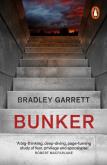
Today, the bunker has become the extreme expression of our greatest fears: from pandemics to climate change and nuclear war. And once you look, it doesn't take long to start seeing bunkers everywhere.
In Bunker, acclaimed urban explorer and cultural geographer Bradley Garrett explores the global and rapidly growing movement of 'prepping' for social and environmental collapse, or 'Doomsday'. From the 'dread merchants' hustling safe spaces in the American mid-West to eco-fortresses in Thailand, from geoscrapers to armoured mobile bunkers, Bunker is a brilliant, original and never less than deeply disturbing story from the frontlines of the way we live now.
The bunker, Garrett shows, is all around us: in malls, airports, gated communities, the vehicles we drive. Most of all, he shows, it's in our minds.
Ten produkt jest zapowiedzią. Realizacja Twojego zamówienia ulegnie przez to wydłużeniu do czasu premiery tej pozycji. Czy chcesz dodać ten produkt do koszyka?