W tej strefie proponujemy bardzo szeroką ofertę z dziedziny psychologii oraz dziedzin powiązanych: astronomii i astrofizyki, ekologii, filozofii, kultury, podróżnictwa, religii, socjologii, sztuki. Szczególnie polecamy z tej kategorii bestseller pt. Księga Urantii. Księga Urantii podaje jasną i zwięzłą integracją nauki, filozofii i religii. Ci, którzy ją czytali i zgłębiali, wierzą, że Księga Urantii może wnieść bardzo wiele wartości do religijnej i filozoficznej myśli ludzi tego świata.
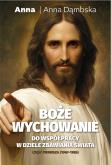
Czy jesteś uważny na Słowo Boga, czy też rozpraszasz się wśród dóbr tego świata? To mądra i prawdziwa książka, oparta na Biblii i dokumentach Kościoła, inspirująca w budowaniu swojej tożsamości w Kościele.Duch troski o Słowo i życie według Niego jest czymś, co przenika tę książkę i nadaje jej szczególny rys radykalizmu i aktualności.Żyjemy w czasach rozproszenia, dlatego tym bardziej trzeba być szczególnie uważnym na to, by żadnego Słowa pochodzącego z ust Bożych, nie pominąć. Przyjąć każde Słowo, Jego natchnienia, niczego nie lekceważąc, bo stoi na straży twojej tożsamości, jako człowieka żyjącego w Kościele. (fragment książki)
Historia Jozjasza została zapisana w kilku zwięzłych rozdziałach Pisma. Cała biografia streszczona na zaledwie kilku kartkach - to dużo czy mało jak na króla Izraela?Życiorys króla Judy stawia nas wobec pytania o istotę powołania i przeznaczenia: dlaczego żyjemy w takiej a nie innej epoce? Dlaczego musimy doświadczać milczenia świątyń, w których zanika mowa Boga? Dlaczego w wielkim - nierzadko pełnym napięcia - skupieniu, coraz trudniej jest odnaleźć ślady Jego Obecności, jak błąkającej się SZECHINY? Dlaczego chwałę należną Bogu i Synu Człowieczemu zastąpiła dziś chwała człowieka?Czy Jozjasz mógł zadawać sobie podobne pytania? On miał jeszcze proroków, a nawet modlącą się w ukryciu jedną prorokinię, arcykapłana Chilkiasza i wierne sługi wśród których wyróżniał się sofer Szafan.Tymczasem, generacja współczesnej epoki, pozornie ma wszystko, a tak naprawdę nie ma już niczego - i nie jest to bynajmniej oznaką skromności i uniżenia, ale duchowego bankructwa. Oto raport o tym bankructwie, a równocześnie o stanie niewiary, dla którego tłem stały się dzieje Jozjasza, króla Judy.Bojaźń ma w sercu ten, kto boi się utracić Tego, kogo kocha. Czy istnieją dziś jeszcze przywódcy, kapłani, ludzie, którzy gotowi są ponieść każdą stratę, oby tylko nie utracić Boga? Ilu znam takich ludzi i czy wśród nich jestem i ja sama? Kto pamięta o słowach wyrytych w Księdze Koheleta:Żyj w bojaźni Boga i przestrzegaj przykazań Jego, to bowiem powinien uczynić każdy człowiek (Koh 12, 13; BPK).fragment książki
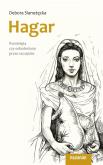
Hagar - pominięta, czy odnaleziona przez szczęście.Ta książka jest o kobiecie, którą dręczyło pytanie: ""Czy jestem bardziej dostrzegana niż ta inna?"" Pytanie, które niszczy dziś wiele kobiet. Nie jest to jednakże książka tylko dla kobiet, bo pragnienie zauważenia, poczucia godności, ważności własnej osoby jest w środku każdego z nas, każdej kobiety i każdego mężczyzny. Hagar uczy nas, że Bóg jest naszym Ojcem, dla którego jesteśmy ukochanym dzieckiem, niezależnie od tego, co myślą o nas inni. On nadaje sens naszemu życiu, szczególnie wtedy, gdy jest trudno. Warto sięgnąć do jej historii, bo jest spora szansa, że znajdziemy w niej siebie... mnie się to przytrafiło.Agnieszka Hudaszek(...) w każdym z nas, jest zarówno księżniczka, jak i niewolnica. (...) biblijne małżeństwo Sary i Abrahama stało się w książce kanwą do krótkiego rozważania o świętości sakramentu i zarysowania niebezpieczeństwa wpuszczania osób trzecich do związku.Sara Kapera
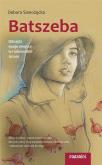
Batszeba. Odnajdź swoje miejsce w rodowodzie JezusaKsiążka dla tych, którzy zostali zranieni w ciele,dla tych, którzy chcą odzyskać poczucie własnego ciałai odbudować szacunek do niego.Fragment recenzji - Alicja Torbicz:Porusza serce w sposób dogłębny i bolesny. TO NIE JEST KSIĄŻKA TYLKO DLA KOBIET, wręcz przeciwnie.Batszeba zmusza czytelnika do refleksji nad swoimi dotychczasowymi wyborami, do spojrzenia w głąb siebie, do odkrycia swoich gorzkich tajemnic i rozprawienia się ze swoją przeszłością.Z pewnością trzeba mieć odwagę, żeby zmierzyć się z prezentowaną treścią. Debora w sposób jednoznaczny uzmysławia nam ile ułudy jest wokół nas i jak łatwo zaczynamy w nią wierzyć...wreszcie, czym kończy się życie, w którym Bóg zostaje wygnany, znieważony...Jeśli masz poczucie, że nie masz już siły, że nie ma nadziei... przeczytaj Batszebę.
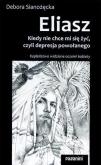
Eliasz. Kiedy nie chce mi się żyć, czyli depresja powołanego.Kapłaństwo widziane oczami kobiety.Książka dedykowana wszystkim kapłanomi tym, którzy pełnią posługę przewodnictwa Ludowi Bożemu.ELIASZ charyzmatyczny prorok, cudotwórca, a zarazem kruchy psychicznie człowiek, walczący z pokusą wielkości, dramatycznie przeżywający swoje powołanie. Jego służba Bogu stała się wzorcowa dla wszystkich, którzy mają powołanie kapłańskie. Wbrew temu, co powszechnie sądzi się o ludzkich słabościach jako przeszkodach w realizacji celów powołania, okazuje się, że są one ułatwieniem dla objawienia się Bożej mocy. Na pewno książka ta będzie pomocą dla osób powołanych, czy posługujących we wspólnotach ale też i wielką ulgą dla tych, którzy przygotowując się do kapłaństwa, lękają się czy poradzą sobie z wyzwaniami jakie niesie misja prezbitera. Zapewne też tym, którzy nie są kapłanami pozwoli z większą wyrozumiałością spojrzeć na usługujących w konfesjonałach i przy ołtarzach i otoczyć ich troskliwą modlitwą.
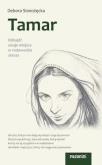
Tamar. Odnajdź swoje miejsce w rodowodzie JezusaTo książka dla tych,którym nie udają się związki i czują się samotni,których opuścił mąż, żona lub osoba, którą kochali,którzy nie są szczęśliwi w małżeństwie,dla kobiet i mężczyzn, którzy nie mogą mieć potomstwa.""Tamar"" to druga książka Debory. Tym razem odsłonięte zostają kulisy trudnej historii Tamar. Jej życie utkane z utrat, pustki i niespełnienia, ocierające się o gorszący skandal, na pierwszy rzut oka życie-porażka, jest dla Debory warte zatrzymania i staje się kanwą rozważań.W miarę rozczytywania tej opowieści, to co wydawało się porażką objawia się jako skarb. Puzzle życia Tamar układają się w zupełnie nowy obraz. Role się zmieniają, wydarzenia mają inne znaczenie niż się wydaje, bo łatwo w tej historii pomylić lewą stronę z prawą i patrzeć na niezrozumiałą plątaninę nitek. Debora powolutku przewraca tkaninę na właściwą stronę. Ostatecznie to, co było zgorszeniem staje się powodem chwały.
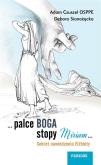
Niewiele jest osób, które tak gorliwie i autentycznie jak o. Adam i Debora, w Duchu Świętym głoszą Jezusa Chrystusa, zaczynając jak On, od Maryi.To książka dla wszystkich, którzy żyjąc w Kościele, chcą, razem z Maryją zbliżać się do Światła, aby wobec trudnych pytań o wiarę nie milczeć jak Zachariasz. Dla tych, którzy chcą żyć w obecności Bożego Słowa, by wyrwać się z pustyni duchowej bezpłodności.***Maryja, niesiona Duchem Świętym, wychodzi do świata, także takiego jak dziś, pełnego zniszczenia, zepsucia, zatarcia granic, pomieszania tego, co święte, i tego, co jest grzechem, przychodzi tam, gdzie może nie ma już nadziei na to, że coś może się zmienićTa, która nosi w sobie Boga, jest dla człowieka znakiem, aby w żadną z ludzkich dróg nie wyruszał samotnie, ale by był wypełniony Obecnością, jaka jest w nim możliwa poprzez dar życia sakramentalnego.Oto Miriam przynosi nam Światło, przemierzając razem z nami nasze ciemności. Ona idzie, niosąc troskliwe spojrzenie Boga do winnicy życia Elżbiety, ale także do życia ludzi w każdym pokoleniu i języku.(fragment książki)
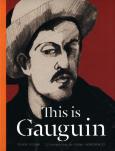
Paul Gauguin created some of the most advanced art in a brilliant generation of artists - all of whom struggled against the stifling conformity of the late 19th century's artistic mainstream. He created paintings whose radically simplified lines and colours echoed the unschooled art of the rustic and native cultures he loved. After his famously disastrous stay with Vincent van Gogh in southern France, Gauguin escaped European civilization for the Polynesian islands.
Immersing himself in the culture, he produced a series of radiant canvases and powerful sculptures - his last great works. From his childhood in Peru to his experiences in Tahiti, the story of Gauguin's life is recounted in authoritative text by an expert on the Post-Impressionists and compelling imagery by an award-winning illustrator.
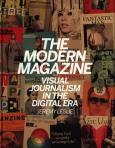
The last ten years of magazine publishing have been a period of rapid innovation, providing a vital record of the era's diverse visual trends. The Modern Magazine features the best editorial design, looking in particular at how magazines have adapted to respond to digital media.
Encompassing mainstream and independent publishing, and graphic and editorial design, The Modern Magazine explores the issues now facing the industry, examining changes to the basic discipline of combining text and image for the global, Internetsavvy consumer.
The book looks at key developments in the field, interviewing a broad range of specialists to discover their understandings of the current state of the industry and how different areas of publishing influence each other.
Incorporating great visuals and genuine insight into the process of their creation, The Modern Magazine chronicles these exciting changes, providing a resource for designers, with interviews with major figures, summaries of new developments and trends, links to blogs, and more.
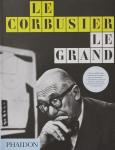
A spectacular visual biography of one of the greatest architects of the 20th century.
"The man who designed the 20th century - [Le Corbusier] arguably had more of an influence on the form of the modern world than any other architect... You couldn't make a book like this about just any architect. Beyond the architecture, reveals a great deal about the man himself. It all points to a life lived enviably fully."—The Guardian Online
"Formidable and wide-ranging... Le Corbusier Le Grand is a feast... Every page is dense with ideas... A source book for the modern world."—Jonathan Meades, News Statesman
"The impact of all the illustrations is undoubtedly fascinating - a real joy [ - ] to browse through - conveys the experience of a day at a really well organised archive."—Building Design
Rzeczywistość zanimowana. Kreskówki w kulturze, nauce i społeczeństwie to projekt studentek i studentów filmoznawstwa z Uniwersytetu im. Adama Mickiewicza w Poznaniu. Monografia stanowi zbiór referatów uczestniczek oraz uczestników planowanej, ogólnopolskiej, studencko-doktoranckiej konferencji naukowej. Zgłębia rzadko poruszany w obrębie polskiej humanistyki temat animacji seryjnej, a także otwiera furtkę do dalszych rozważań na temat współczesnej kultury masowej.
The nude figure was critical to the art of Edgar Degas throughout his life, and yet frequently his expansive body of work on this subject has been overshadowed by his celebrated portraits and dancers.
"Degas and the Nude" is the first book in a generation to explore the artist's treatment of the nude from his early years in the 1850s and 1860s, through his triumphs in the 1880s and 1890s, all the way to his last decades when the theme dominated his artistic production in all media.
With essays by leading American and French critics, it provides a new interpretation of Degas' evolving conception of the nude, situating it in the subject's broader context among his peers in nineteenth-century France.
It explores how Degas exploited all of the body's expressive possibilities, how his vision of the nude informed his notion of modernity, and how he abandoned the classical or historical form in favor of a figure seen in her own time and setting--whether engaged in overtly carnal acts or just stepping out of an ordinary bath.
More than 200 lushly rendered full-color images present a re-seeing of Degas' subject in paintings, pastels, drawings, prints and sculpture. Among them are the most important of Degas' early paintings of nudes, Scene of War in the Middle Ages, which exerted a lifelong influence on the artist's treatment of the female nude and includes poses repeated throughout his career; monotypes of the late 1870s, almost caricature-like in their imagery, illustrating Degas' most explicitly sexual depictions of women in Parisian brothels; and a number of pictures portraying the daily life of women wherever they may reside. Together these iterations range over more than a half-century of genius achievement and present a groundbreaking look at the evolution of this master artist.
Over the course of his fifty-year career, American photographer Edward Weston (1886-1958) blazed a path into Photo-Modernism rendering portraits, landscapes, still-lifes and nudes. In 1902, a sixteen-year-old Weston took up photography in Highland Park, Illinois, where he worked as an amateur for five years. In 1907, at the age of twenty-one, Weston moved to Tropico, California, now the city of Glendale in Los Angeles County, where he constructed his first studio and set about with great purpose to become a photographic artist. Examining Weston's earliest sharp- and soft-focus photographs reveals that the young artist had already formed a perfect sense of composition that was to be the hallmark of his later work.
Presenting Weston's earliest work from a recently discovered family album, Edward Weston: Portrait of the Young Man as an Artist compares the artist's naive first artistic efforts with his latest masterworks to show the persistence and evolution of his singular vision to find essential form in the vernacular with an ever-increasing intensity.
As a young man deeply intuitive and original in his creative expression, Edward Weston demonstrates that his teenage work, beginning with his amateur snapshots, embrace the same significant form as the later work for which he is now considered a master.
Social media has changed our aspirations and the way we see ourselves. It has created a new layer of perfectionist pressure in every aspect of our lives, but equally enabled us to share resources, opinions, help and information more quickly than ever before. We love it; we hate it; we can't get off it.
We have mixed feelings. Naomi Shimada and Sarah Raphael have spent the last decade building successful careers on the internet. Sarah's work as a writer and editor brings her into contact with the outer reaches and inner workings of online content, graph upon graph revealing to her what women most want to read today.
Naomi is a model, host and writer and talks to people all over the world through her sunny, colourful Instagram account which has helped girls struggling with body image and confidence issues. Having experienced extreme online highs and lows, both personally and professionally, in Mixed Feelings, Naomi and Sarah explore what social media is doing to our minds, bodies and hearts through wide-ranging essays and discussions featuring diverse perspectives and voices. A heartfelt resource for those who struggle to fit into a box, Mixed Feelings is a celebration of difference and a challenge to the status quo.
It is a bulwark against the onslaught of perfectionist and aspirational images that we are bombarded with on a daily basis.
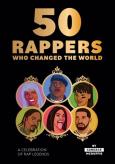
Arguably one of the most mainstream music styles today, rap was in fact born centuries ago in West Africa with historians or 'griots' who used to tell stories of the past over the beat of a drum. But it wasn't until the 1970s in New York that rapping as we know it was born and began to flourish. 50 Rappers Who Changed the World profiles some of the genre's biggest influencers, from the 1970s until the present day.
From groundbreaking groups like Grandmaster Flash and The Furious Five and The Sugarhill Gang in the 70s, to Run-DMC and Public Enemy in the 80s, Biggie, Tupac and Snoop in the 90s, and Eminem and Jay-Z in the 00s, this is a history of music for anyone who loves rap. Featuring MCs like West Coast legends including N.W.A. and Ice-T, and countless women who changed the game, like Salt-n-Pepa, MC Lyte and Missy Elliott.
And today, we have a new breed of artists who are dominating the charts, from Kendrick Lamar to Drake and Cardi B. Filled with a stylish illustrations and short biography of each artist, this book is a celebration of the musicians who shaped the genre and changed the world.
Wassily Kandinsky, 1866 in Moskau geboren und 1944 in Paris gestorben, ist einer der großen Erneuerer der Kunst des 20. Jahrhunderts und gilt als Begründer der abstrakten Malerei. Die weltweit größten Sammlungen an Werken Wassily Kandinskys findet man in der Städtischen Galerie im Lenbachhaus München, im Centre Georges Pompidou Paris und im Guggenheim Museum New York – gemeinsam zeigen nun diese drei Museen eine große Retrospektive über den herausragenden Vertreter der modernen Kunst, Wassily Kandinsky.
Es werden ausschließlich Hauptwerke seiner Malerei präsentiert, die für Kandinskys künstlerische Entwicklung entscheidend waren. Die Bilderschau im Kunstbau wird ergänzt durch die Ausstellung des kompletten druckgrafischen Werks Kandinskys im Lenbachhaus.
Dieser Katalog zur Ausstellung bietet hochwertige Abbildungen der Gemälde sowie Fotografien aus dem Leben des Künstlers und außerdem Werke, die nicht in der Ausstellung zu sehe sind.
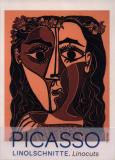
Picasso befasste sich ab den 50er Jahren intensiv mit dem Linolschnitt und verhalf ihm damit zu einer Renaissance, nachdem er lange Jahre als vernachlässigte künstlerische Technik galt.
Der vorliegende Katalogband zu der vom Kunstmuseum Pablo Picasso Münster konzipierten Ausstellung beschreibt Picassos unkonventionellen Umgang mit dem Druckverfahren und erzählt die Geschichte des Linolschnitts ebenso wie die biografischen Rahmenbedingungen, unter denen der Künstler die Werke schuf.
Mit rund 100 Abbildungen führt der Band durch einen Bildkosmos aus Stierkampfszenen, mythologischen Darstellungen und Porträts. Zahlreiche Probe- und Zustandsdrucke belegen den experimentellen Umgang Picassos mit dem Medium des Linolschnitts. Die zwischen 1954 und 1968 entstandenen Werke dokumentieren vor allem das reife Schaffen des Spaniers und gleichzeitig atmen die Bilder die fast jugendliche Beschwingtheit eines Künstlers, der mit über 70 Jahren noch einmal „Lehrling“ in einer von ihm unerprobten Technik wurde.
Camille Pissarro (1830–1903) galt unter seinen Künstlerfreunden als der erste Impressionist. Seine Graphik setzt die Ideen dieser Maler an der Schwelle zur Moderne in sensible und variationsreich ausgeführte Bilderfindungen um.
Der Katalog des Picasso-Museums in Münster erschließt damit einen vergessenen Aspekt auf die Innovationen des Impressionismus. Zwar war Pissarro der Älteste unter den Pariser Impressionisten, doch liefen bei ihm die Impulse ihrer künstlerischen Neuausrichtung zusammen.
Auf der Suche nach einer malerisch befreiten Bildform stieß er gemeinsam mit Cézanne, Guillaumin und Gachet auf die Möglichkeiten der Graphik. Das skizzenhafte Arbeiten mit Radierung und Lithographie erlaubte ihnen die Fixierung des Moments. Der Zustand der Druckplatten war nie definitiv, sondern ließ prozessual Motivveränderungen zu. Der einzelne Abzug wurde so zum kostbaren Dokument des Unwiederbringlichen.
Das mit vielen illustrativen Details ausgestattete Katalogbuch zeigt die Bandbreite des graphischen Schaffens von Pissarro und öffnet den Blick für eine ganz besondere Variante des Impressionismus.
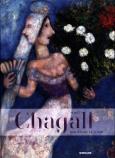
Marc Chagall (1887-1985) ist als malender Träumer in die Kunstgeschichte eingegangen. In seinen farbenprächtigen Werken scheinen die Gesetze der Schwerkraft und der Logik aufgehoben zu sein. Wie kaum einem anderen Künstler gelingt es ihm, die Wirklichkeit in eine romantische Traumwelt zu verwandeln, in den Menschen und phantastische Wesen gemeinsam durch Bildräume schweben.
In Chagalls Werken herrscht keine Trennung zwischen dem Religiösen und dem Weltlichen. Der Künstler wuchs in der Tradition des Chassidismus auf, einer jüdischen Erweckungsbewegung. Nach der Lehre des Chassidismus gibt es nichts, worin Gott nicht ist. Die Bildwelten des Künstlers zeigen, wie selbstverständlich und virtuos Chagall die Menschlichkeit biblischer Geschichten und das Wundersame des Alltags miteinander verwob.
Der Ausstellungskatalog mit seinen Texten zu Zeichnungen und Grafiken, taucht tief in die phantastische Traumwelt des Künstlers ein und spürt zugleich seinen Inspirationsquellen in der realen Welt nach.
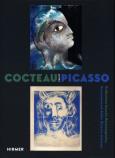
Die Freundschaft zwischen Jean Cocteau und Pablo Picasso gehört zu den Gründungsmythen der Kunst des 20. Jahrhunderts. 100 Jahre nach ihren Anfängen widmet sich das Picasso Museum in Münster dieser kaum einen Bereich der Kunst unberührt lassenden Welt des kreativen Miteinanders in den Ateliers, Cafés und auf den Bühnen des Montparnasse.
Vielbegabt und einander herausfordernd: Mit Picasso und Cocteau trafen sich zwei durch und durch komplementäre Künstlernaturen, der eine von unbändiger bildnerischer Energie, poetisch reflektierend der andere. Es sind diese beiden Künstler, die mit ihrem Sinn für das Magische im Realen den Gegenpol zu den Surrealisten bildeten. In Dichtung, Tanz, Bühne, Bild, Zeichnung, Grafik, Keramik, Plastik, Film, Buchgestaltung und oft in gemeinsamen Projekten lebten sie ihr gestaltendes Weltverständnis aus.
Der Katalog nimmt anschaulich und repräsentativ diese Themenvielfalt auf und öffnet dafür die Schätze einer exquisiten Privatsammlung.
Ten produkt jest zapowiedzią. Realizacja Twojego zamówienia ulegnie przez to wydłużeniu do czasu premiery tej pozycji. Czy chcesz dodać ten produkt do koszyka?