W tej strefie proponujemy bardzo szeroką ofertę z dziedziny psychologii oraz dziedzin powiązanych: astronomii i astrofizyki, ekologii, filozofii, kultury, podróżnictwa, religii, socjologii, sztuki. Szczególnie polecamy z tej kategorii bestseller pt. Księga Urantii. Księga Urantii podaje jasną i zwięzłą integracją nauki, filozofii i religii. Ci, którzy ją czytali i zgłębiali, wierzą, że Księga Urantii może wnieść bardzo wiele wartości do religijnej i filozoficznej myśli ludzi tego świata.
Reprint z wydania 1974 r Biorąc pod uwagę zainteresowania i potrzeby polskiego odbiorcy w niniejszym komentarzu zwrócono uwagę nie tyle na kontrowersje i uczone dyskusje o problemach wprawdzie podstawowych, ale poza specjalistami mało kogo interesujących, ile raczej na treść wypowiedzi zawartych w natchnionym tekście, tak jak katoliccy egzegeci rozumieją. Położono przy tym szczególny nacisk na teologiczne aspekty tej Ewangelii. One bowiem stanowiły bodziec do jej głoszenia, dla nich zredagowano ją na piśmie, dla nich też się teraz nią interesujemy.
Przeczarowując świat - Re-enchanting the WorldKatalog towarzyszący wystawie Przeczarowując świat Małgorzaty Mirgi-Tas w Pawilonie Polskim na Biennale Sztuki 2022. W publikacji pod redakcją Wojciecha Szymańskiego i Joanny Warszy, obok tekstów kuratorów znalazły się eseje zaproszonych pisarzy Ali Smith i Damiana Le Basa, uczonej Ethel Brooks, a także wiersze Teresy Mirgi i Jana Mirgi.
Moja babcia gotowała dla Gierka. Kulinarna podróż na Śląsk w czasach PRL-u - Aleksander Szojer, przepisy Anna Szojer z rodziną
Zabierając czytelnika w sentymentalną podróż do dzieciństwa przeżytego w latach 80. w Rybniku, książka zapoznaje z charakterystycznymi daniami kuchni śląskiej i kuchni czasów PRL-u. Zawiera 95 domowych przepisów wykorzystywanych od pokoleń, w tym unikatowych receptur na kultowe ciasta i desery z prywatnego archiwum kucharki weselnej.
„Śląska kuchnia bez tajemnic, czyli niepowtarzalne połączenie tradycji, kultury, śląskiej mowy i historii wokół talerza, który jednoczy rodzinę. Fenomenalne przepisy i barwne fotografie pobudzają apetyt, smak i zapach. Moja babcia gotowała dla Gierka to Śląsk widziany oczami chłopca, który zakochał się w gotowaniu. Dziś jest mistrzem opisu śląskiego stylu”.
Agata Pilarska-Jakubczak, dziennikarka i poetka
Aleksander Szojer – rybniczanin i podróżnik. Odkrywa regionalne potrawy i ludzi, którzy je przyrządzają. Relacje ze swoich wojaży, przepisy oraz kulinarne podpowiedzi publikuje w „Kukbuku” oraz na posmakujswiata.pl. Wraz z Anną Jassem wydali w 2020 Japoński rok od kuchni – przewodnik po domowej kuchni i zwyczajach Japończyków. Zawodowo pomaga wyjść z kryzysu jako terapeuta i trener.
Anna Szojer – emerytowana krawcowa i handlowiec, która niestrudzenie gotuje i piecze dla całej rodziny.
Nikczemny plan zniszczenia Kościoła trwa, noc bluźnierstw i sztorm herezji przybierają na sile, ale Jezus zapewnił nas: „Nie bójcie się, Ja zwyciężyłem świat” (por. J , ) – to słowa, które są wciąż aktualne, może w naszych czasach szczególnie. Fragment książki KSIĄDZ PIOTR GLAS, były egzorcysta, rekolekcjonista, autor wielu książek o tematyce duchowej, w długo oczekiwanej i szczerej rozmowie z KRZYSZTOFEM GĘDŁKIEM odpowiada na najtrudniejsze i najbardziej gorące kwestie, z którymi mierzą się dziś świat, Kościół i chyba każdy wierzący. Wyjaśnia, jak rozpoznać nowe „herezje” i bluźnierstwa wiernych i duchownych: odejście od głoszenia Ewangelii, otwarcie na świeckie prądy i idee oraz podejmowane za wszelką cenę próby pojednania chrześcijaństwa ze światem. Stawia pytania o drogę synodalną i inne reformy o charakterze dogmatyczno-duszpasterskim, jak również o granice prawdziwego posłuszeństwa w Kościele. Opisuje też duchowe przyczyny i konsekwencje wojny na Ukrainie i pandemii COVID-19. Czy żyjemy już w czasie oczyszczenia? Czy przed nami okres prześladowań, nowych katakumb i władzy Antychrysta? W książce nie zabrakło słów o chrześcijańskiej nadziei. Ksiądz Glas łączy miłość do Boga i Kościoła z odważnym mówieniem o tym, co w Kościele złe i fałszywe. KS. PIOTR GLAS– ceniony polski rekolekcjonista, były egzorcysta i autor wielu książek, m.in.: Dzisiaj trzeba wybrać, Ocalenie w Maryi czy Ostateczna bitwa o rodzinę. Na co dzień pełni posługę duszpasterską w Wielkiej Brytanii. KRZYSZTOF GĘDŁEK– redaktor, dziennikarz portalu PCh24. To jest czas największej próby, zagrożenia i decyzji dla każdego z nas. Szatan jest bezsilny wobec tych, którzy nie dają mu przyzwolenia na działanie, którzy odrzucają wszystko, na czym choćby spoczął cień zła i niezgodności z Ewangelią. Nie ma kompromisu z szatanem. W tych demonicznych ciemnościach, jakie za zgodą ludzi coraz bardziej spowijają świat, jedyną ostoją jest heroiczna wiara. Pewność wiary i powierzenie się opiece Matki Najświętszej to kluczowe sprawy. Fragment książki
Rozmowy z Jezusem na każdą niedzielę roku Ewangelia dla dzieci to kompletny zbiór komentarzy do niedzielnych Ewangelii na wszystkie trzy lata w cyklu liturgicznym: A, B i C. Komentarze spisane są w atrakcyjnej formie dialogu dziecka z Jezusem. Wojtek, Wiktoria, Kuba, Staś, Marta, Michałek, Dominik i inne dzieci pytają Jezusa na przykład o Jego narodziny w Betlejem; o Jego Rodzinę; o dary, jakie przynosi On swoim uczniom; o zmartwychwstanie; o to, kto przyniesie dobre owoce lub o to, jak wejść do królestwa niebieskiego itp. Książka przybliża dzieciom Jezusa jako żywą i bliską Osobę. Przykłady wzięte z życia są doskonałym przełożeniem bogatego, wielopoziomowego tekstu Ewangelii na konkretne sytuacje życiowe, pomagają odróżnić dobro od zła i wybierać dobro. Autorce udało się spisać owe dialogi językiem prostym, zrozumiałym dla dziecka, z elementami humoru właściwego dzieciom, jednak unikając pułapki infantylizmu. Książka jest cenną pomocą edukacyjną dla rodziców, katechetów w przedszkolach i w młodszych klasach szkół podstawowych jako przygotowanie przed Pierwszą Komunią Świętą oraz dla księży prowadzących formację ministrantów. Pięknie ilustrowaną książkę wydaną w bogatej szacie graficznej i uszlachetnionej oprawie polecamy także jako znakomity pomysł na wartościowy prezent świąteczny dla dzieci.
Każdego Czytelnika pragnącego odnowić i rozwijać swoje życie duchowe zapraszamy do podjęcia wyzwania codziennego spotkania z Chrystusem obecnym w Słowie Bożym. Od Adwentu i Okresu Narodzenia Pańskiego przez Wielki Post, Okres Wielkanocny i zwykły po uroczystości, święta i wspomnienia liturgiczne - mamy okazję do rozważania, co może ono znaczyć w każdej konkretnej sytuacji, w której się znajdujemy... S. Bożena Maria Hanusiak, autorka wielu bestsellerowych książek z zakresu duchowości, obecnie realizująca powołanie pustelnicze, zaprasza Czytelnika do właśnie takiego zgłębienia przesłania zawartego w Ewangelii i to w wyjątkowy sposób. Tradycyjny komentarz do codziennych fragmentów Słowa Bożego został potraktowany jako ciąg dalszy nauki Chrystusa - skierowany przez Pana do każdego z nas osobiście, czy to do osoby duchownej, konsekrowanej czy świeckiej. Są to słowa życia - inspirujące, świeże, przenikające do głębi duszy, przemieniające i niosące nadzieję. Warto je sobie wziąć do serca!
Czy można oglądać programy telewizyjne, nie mając telewizji i nie korzystając z platform streamingowych? Jak zmienia się interaktywność telewizji pod wpływem mediów społecznościowych? Jak odbiorcy definiują telewizję w dobie nowych mediów? Książka Aleksandry Powierskiej przynosi odpowiedzi na powyższe pytania, prezentując świeże podejście do badań nad przemianami współczesnej telewizji. W efekcie przeprowadzonych analiz powstaje koncepcja sieciowości telewizji, która w duchu teorii ANT wskazuje na coraz większą liczbę aktorów ludzkich i nie-ludzkich kształtujących praktyki odbiorcze oraz doświadczenia widzów-użytkowników. W publikacji nie brakuje również wątków dotyczących języka mediów społecznościowych, komunikacyjnej roli obrazów oraz znaczenia algorytmów."Książka doskonale wpisuje się w prowadzone w Polsce i na świecie badania środowisk medialnych, a także opisuje przemiany, które zachodzą w środowiskach nowych mediów. Wskazana przez Autorkę kategoria sieciowości telewizji, ukazująca telewizję jako połączenie sieci technicznej i potencjału społecznego, rzuca ciekawe światło na badania związane z telewidzeniem".Z recenzji dr hab. prof. UP Agnieszki Waleckiej-RynduchAleksandra Powierska - kulturoznawczyni i medioznawczyni, pracuje w Instytucie Sztuk Audiowizualnych Uniwersytetu Jagiellońskiego. Badawczo interesuje się nowymi mediami, a w szczególności serwisami społecznościowymi i komunikacyjną rolą obrazów publikowanych w internecie.
Since 1940 Slim Aarons has been hard at work, first as a war photographer, then with unprecedented access as a photographer to the rich and famous. In this gorgeous sequel to Slim Aarons-Once Upon a Time, he develops the environmental portrait to the level of art, always showing his subjects in their natural setting, in a circumstance synonymous with their station in life. He documented a particular world that is vanished. A Place in the Sun is that special glimpse of privilege under a bright and beaming sky, whether on sandy shore, snowy slope, or elegant home where cares are few. Through 250 stunning color pictures, Aarons provides a veritable who's who of high society: Aristotle Onassis with his first wife, Tina, and their children, Christina and Alexander; C.Z. Guest at her villa in Palm Beach; the Aga Khan at his Sardinian resort; and Truman Capote in Palm Springs. From Mustique to Monaco, from Aspen to Gstaad, only Slim Aarons can take us on a journey to the most exclusive playgrounds of the rich, inspiring even the most jaded armchair traveler. Also available from Slim Aarons: Slim Aarons: Women, Slim Aarons: Once Upon a Time, Poolside with Slim Aarons, and Slim Aarons: La Dolce Vita.
Glamorous fashions, personalities, and places captured by iconic photographer Slim Aarons
Slim Aarons, at least according to the man himself, did not photograph fashion: "I didn't do fashion. I did the people in their clothes that became the fashion." But despite what he claimed, Aarons's work is indelibly tied to fashion. Aarons's incredibly influential photographs of high society and socialites being unambiguously themselves are still a source of inspiration for modern day style icons.
Slim Aarons: Style showcases the photographs that both recorded and influenced the luminaries of the fashion world. This volume features early black-and-white fashion photography, as well as portraits of the fashionable elite-like Jacqueline de Ribes, C.Z. Guest, Nan Kempner, and Marisa Berenson-and those that designed the clothes, such as Oscar de la Renta, Emilio Pucci, Mary McFadden, and Lilly Pulitzer. Featuring some never-before-seen images and detailed captions written by fashion historians, Slim Aarons: Style is a collection of the photographer's most stylish work.
When it comes to building a brand, logo design is often one of the first few important steps in the creative journey. In addition to encapsulating what the business stands for and making an impactful first impression upon launch, it has to be instantly recognisable and stand out amid other similar offerings in an often saturated market. With so much more competition to contend with today, how can designers help start-ups and evolving brands put their best foot forward visually?
A key branding element used by many of the biggest companies around the world, a logotype revolves around a company's name or initials and features typography as the main design approach. Often the starting point before it is further refined into a purely symbolic image or icon, it combines two distinct design disciplines to differentiate brands from one another - a process that takes acumen, skill and empathy. FROM TYPE TO LOGO details some of these processes in a compelling book of case studies that make an inspiring reference point for budding and working branding professionals alike.
This fully-illustrated history of the world’s best comic strip art, including Hy Eisman’s The Katzenjammer Kids, which debuted in 1897, Charles Schultz’s Peanuts (1950), Peyo’s Smurfs (1958), Steve Ditko’s Spiderman (1962), Jack Kirby’s Black Panther (1966) or Bill Watterson’s Calvin and Hobbes (1985), or Chris Ware and his ACME Novelty Library (1993). The comics presented here have imagined fantastical worlds that have attracted generation after generation of devoted fans. A critical reference, this book is also a nostalgic celebration of the characters that have accompanied readers from their first forays into reading, through adolescence and throughout adulthood—from Mickey Mouse and Donald Duck to Tintin and Little Nemo, from the superhero franchises to postmodern works such as Art Speigelman’s Maus or the underground comics of Robert Crumb. Featuring 125 American and European artists, this is a gorgeous retrospective on one of the most richly creative forms of reading pleasure.
A compilation of food & drink logos, trademarks and symbols from around the world formed of elements such as fish, water, boats, lighthouses, seabirds, anchors and mermaids.
Punk 45! is introduced (and co-edited) by Jon Savage, author of the acclaimed definitive history of punk, England's Dreaming.
Contributors include Peter Saville, Richard Hell, Richard H Kirk, Seymour Stein, Geoff Travis, Martin Moscrop, Glenn Branca, Jamie Reid, Dave Robinson, Roger Armstrong, Martin Mills, Gee Vaucher, Savage Pencil, Dennis Morris and more.
This book is a revelatory guide to hundreds and hundreds of original 7" record cover sleeve designs - visual artefacts found at the heart of the most radical and anarchistic musical movement of the 20th century.
As well as the encyclopaedic visual imagery featured inside, the book also includes interviews with a number of significant figures in punk music: artists and groups including Richard Hell, Martin Moscrop (A Certain Ratio), Richard H Kirk (Cabaret Voltaire), Glenn Branca and David Thomas (Pere Ubu); record label owners including Seymour Stein (Sire Records), Geoff Travis (Rough Trade), Roger Armstrong (Chiswick), Martin Mills (Beggars Banquet), Dave Robinson (Stiff Records), David Brown (Dangerhouse); and the celebrated designers involved in creating punk's original iconic imagery - Peter Saville (Factory Records), Gee Vaucher (Crass Records), Jamie Reid (Sex Pistols), Gee Vaucher (Crass Records) and Dennis Morris (Public Image Limited).
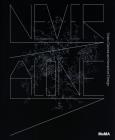
Our lives are increasingly lived on screens, and every one of our electronic interactions is mediated by a designed interface, which can be buggy and incomprehensible or inviting and accessible. Like other ubiquitous everyday tools, these interfaces are seldom recognized as objects of design—and even less as objects of interaction design. In video games, however, in which “play” is an essential feature, users are acutely aware of their relationship with the interface, making video games compelling examples of interaction design.Published in conjunction with an exhibition at The Museum of Modern Art, Never Alone: Video Games as Interactive Design explores the impact of interactive design by examining 35 video games created between 1972 and 2018—from Space Invaders (1978) and Pac-Man (1980) to The Sims (2000) and Minecraft (2011). An overarching essay by the curator Paola Antonelli presents the pioneering criteria by which MoMA has chosen these video games for its collection, as well as the protocols for their acquisition, display, and conservation. The richly illustrated plate section is divided into three sections that analyze input devices (keyboards, joysticks, buttons), game designers, and players, and each game is accompanied by a short text illuminating its significance in the history of the medium.
Featuring nineteen home-building and design strategies that are direct, original and often surprisingly simple, this inspirational sourcebook presents a mix of new technology and time-tested vernacular methods that will change the way we think about ‘home’. With strategies and houses that span the globe, including developing regions in Asia, Africa and South America, the book shines a spotlight on everything from wholly new techniques to creative reuse of existing buildings and materials.
Nothing short of a design revolution is underway as we confront climate change, polluting plastics, global migration, rapidly expanding cities and an ageing population. Part handbook, part manifesto, Houses that Can Save the World shows how architects, designers, engineers, self-builders, artists and others are embracing the new challenges the human race is facing.
Whether you are planning a self-build or are simply looking for ways to make your home more environmentally friendly and efficient, this book is packed with innovative ideas that can help us to make our homes and the world a better place to be.
Since his emergence in the early seventies, Martin Scorsese has become one of the most respected names in cinema. Classics such as Taxi Driver, Raging Bull and Goodfellas are regularly cited as being among the finest films ever made.
This lavish retrospective is a fitting tribute to a remarkable director, now into his sixth decade in cinema and showing no signs of slowing up. Leading film writer Tom Shone draws on his in-depth knowledge and distinctive viewpoint to present refreshing commentaries on all twenty-three main features, from the rarely shown Who’s That Knocking at My Door (1967) to the latest release, The Irishman (2019), as well as covering Scorsese’s parallel career as a documentary maker.
Becoming a successful fashion designer involves understanding a wide variety of core principles. This foundation course is an ideal introduction for students, dressmakers and anyone interested in the creative side of fashion. Step-by-step tutorials, practical exercises and inspirational interviews with industry professionals teach you how to create your own unique fashion design collections.
Design schools around the world are now emphasising design thinking and conceptualisation more than just mere skill building. Packed with scores of new images, this new and fully updated edition provides students with more diverse methods of creating fashion, including digital design iteration and final projects, fabric design development, 3D 'sketching' on the dress form, paper collage design techniques and much more.
This book concludes with practical advice for anyone considering a career in fashion, offering ideas on building a portfolio, preparing for interviews and continuing on a path to a professional career.
Having grown up in London’s East End, Alexander McQueen left school at fifteen to become a tailor’s apprentice on Mayfair’s Savile Row. At twenty-two, he joined the prestigious MA course at Central Saint Martins and, after presenting his 1992 graduate collection (bought on the spot by influential fashion stylist Isabella Blow), went on to change the course of fashion.
McQueen was defiant in his opinions on creativity (‘Give me time and I’ll give you a revolution’), women (‘I design clothes because I don’t want women to look all innocent and naïve … I want people to be afraid of the women I dress’) and craft (‘You’ve got to know the rules to break them. That’s what I’m here for, to demolish the rules but to keep the tradition’). He drew much of his inspiration from the natural world (‘I have always loved the mechanics of nature and to a greater or lesser extent my work is always informed by that’) and consistently challenged perceptions of beauty (‘People find my things sometimes aggressive. But I don’t see it as aggressive. I see it as romantic, dealing with a dark side of personality’).
This attractive book in an accessible format is the perfect gift for fans of fashion and Alexander McQueen, capturing the wit and spirit of a true visionary.
Liam Wong’s world starts after dark and ends at first light. When the night draws in and the lights go down, his urban explorations and cinematic narratives truly begin.
In his previous career as a game designer, Wong learned that ‘real life is just as potent, bizarre and interesting as things we can imagine.’ In his début monograph, TO:KY:OO, he captured the beauty of the city at night. In this new publication, Wong widens his lens from the city that became his photographic muse to Osaka, Kyoto, London, Seoul, Paris and more.
The eerie emptiness of London’s Piccadilly Circus at 4:00 am, silhouettes in Seoul captured during monsoon season, a salaryman waiting on an empty subway platform in Tokyo’s Akihabara district in front of the world’s largest electronics store – mysterious ghosts representing lives lived in shadow, portrayed as intricate cinematic visions, all before the sun rises. In this evocative study of cities after midnight, Wong documents how people and places are altered when darkness falls. He weaves slivers of life, delicate and covert threads, into an insomniac’s journey through the solitude and uncertainty of the night.
Ten produkt jest zapowiedzią. Realizacja Twojego zamówienia ulegnie przez to wydłużeniu do czasu premiery tej pozycji. Czy chcesz dodać ten produkt do koszyka?