Valleby zostało zasypane fałszywymi banknotami. Wiele wskazuje na to, że pieniądze produkowane są w szkole Lassego i Mai! Żeby złapać winnego, konieczne jest nocne śledztwo i dużo sprytu w pozyskiwaniu odcisków palców. Lasse i Maja przekonają się, że ich szkoła kryje niejedną tajemnicę...Kolejne tytuły serii Biuro Detektywistyczne Lassego i Mai od kilku lat wybierane są książką roku przez szwedzkie Jury Dziecięce, czyli niemal 50 000 głosujących dzieci, a tym samym nie schodzą w Szwecji z list bestsellerów.Akcja książek rozgrywa się w małym szwedzkim miasteczku Valleby i jego okolicach. Główni bohaterowie, Lasse i Maja, chodzą do tej samej klasy i wspólnie prowadzą małe biuro detektywistyczne.Tajemnicaszkołyto dziewiąta część serii - dotąd w Szwecji ukazało się 18 tytułów! Książki można czytać w dowolnej kolejności.
Zdaje się, że przestępca dokładnie wie, kiedy uderzyć! Już po raz trzeci w ciągu krótkiego czasu okradł kawiarnię w miasteczku Valleby. Za każdym razem kasa była pełna. Czyżby ktoś z pracowników Café Marcepan był w zmowie ze złodziejem? Lasse i Maja mają swoje podejrzenia
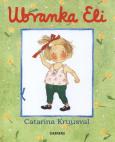
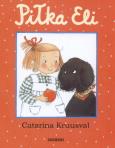
Ela zdejmuje po kolei wszystkie części swojej garderoby i ubiera w nie swoje zabawki. Sama zakłada kapelusz dziadka. To jej się podoba! Ciepła i zabawna historia obrazkowa dla najmłodszych, ucząca przy okazji nazw ubrań, niektórych kolorów i wzorów oraz nazw zwierząt.
Chcesz tropić przestępców razem z Lassem i Mają?Srebrna księga, podobnie jak Brązowa księga, pełna jest detektywistycznych zagadek, szyfrów, rebusów, labiryntów i innych łamigłówek!A wszystko w świetnej oprawie ilustratorskiej Heleny Willis - w scenerii miasteczka Valleby i z udziałem jego mieszkańców.Po rozwiązaniu każdego zadania przyklej u dołu strony srebrny medal ze środka książki. Znajdziesz tam również naklejki z bohaterami serii Biuro Detektywistyczne Lassego i Mai.
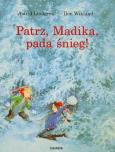
Nareszcie spadł śnieg na Czerwcowym Wzgórzu! Madika i Lisabet jak oszalałe bawią się w śniegu. Nawet tata daje się wciągnąć do bitwy na śnieżki. Następnego dnia Madika jest chora i musi zostać w domu, kiedy Lisabet z jedzie ze służącą Alvą do miasta po prezenty pod choinkę. Przed sklepem stoją sanie. Lisabet staje ukradkiem na płozach. Sanie ruszają i pędzą prosto do ciemnego, zimnego lasu. Jak uda jej się wrócić do domu?
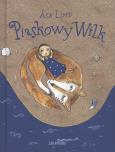
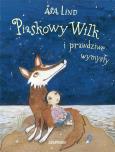
Piaskowy Wilk ma błyszczące futerko w kolorze piasku i był na świecie od zawsze. Opowiada rzeczy zapierające dech w piersiach i tłumaczy Karusi zagadki otaczającego ją świata. Na przykład, że wszechświat nie ma końca, albo że siniaki to medale, które dostaje się za odwagę. Albo że tata dlatego nie może przyjść się wykąpać z Karusią w morzu, bo gazeta, którą czyta, zahipnotyzowała mu oczy. Piaskowy Wilk potrafi przekonać Karusię, że nie musi bać się ciemności ani potworów.
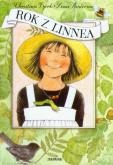
Linnea mieszka w mieście. Mogłoby się wydawać, że w mieście nie da się obserwować przyrody. A jednak Linnea znajduje tu mnóstwo roślin i zwierząt. Przez cały rok, miesiąc po miesiącu, opowiada o swoich odkryciach i ciekawych zajęciach w domu i poza domem. W styczniu na przykład otworzyła ptasią restaurację. W czerwcu znalazła dziurkę od klucza. W październiku utkała koronę z liści. A co robiła w grudniu? Pewnie jakieś pomysłowe prezenty... Plecenie wianków, zrobienie zielnika, ugotowanie zupy z pokrzyw czy odszukanie na niebie Wielkiego Wozu nie będzie problemem dla nikogo, kto przeczyta tę książkę!
W Pamiętniku detektywa możesz zbierać rysopisy, odciski palców i inne ciekawe informacje o swoich kolegach i koleżankach.Ale najpierw koniecznie przeczytaj o tym, jak Lasse i Maja się poznali oraz jak przeprowadzili swoje pierwsze śledztwo, próbując rozwikłać tajemnicę zniknięcia bułeczek cynamonowych.Znajdziesz tu również dwadzieścia dwa trudne pytania na temat Valleby i jego mieszkańców. Sprawdź, ile pamiętasz z przeczytanych książek!
Ela dostaje piękną czerwoną piłkę i zaczyna się nią bawić. Pies Hektor łapie piłkę i gdzieś ją chowa. Ela szuka i szuka. Gdzie jest piłka? Ciepła i zabawna historia obrazkowa dla najmłodszych. Przy okazji, towarzysząc Eli w poszukiwaniach piłki, maluchy poznają podstawowe pojęcia przestrzenne - na, pod, za itp.
Na arenie cyrku Splendido, który właśnie zawitał do Valleby, klaun Bobo i magik Trocadero zabawiają publiczność swoimi sztuczkami, a potężny Ali Pasza popisuje się swoją siłą. Zapatrzeni w nich widzowie okradani są przez nieuchwytnego kieszonkowca. Czy w przestępstwo zamieszani są pracownicy cyrku? Tę zagadkę wyjaśnią bez większego trudu Lasse i Maja.
Czy można zatrzymać lub cofnąć czas? Czy najsilniejszy musi być największy? Ile razy można zmienić zdanie? I co się dzieje nocą z kolorami? Karusia i Piaskowy Wilk uwielbiają zastanawiać się nad całym mnóstwem różnych rzeczy!Świat na pograniczu rzeczywistości i dziecięcej fantazji. A przede wszystkim - spojrzenie na świat oczami dziecka. Asa Lind bardzo świadoma jest języka, smakuje go i bawi się nim, podobnie jak robią to dzieci. Pojawiające się co kilka stron rysunki Kristiny Digman w znakomity sposób współtworzą klimat opowieści.
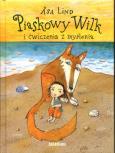
Piaskowy Wilk uwielbia trudne pytania. To dlatego tak dobrze się czuje w towarzystwie Karusi. Karusia zastanawia się bowiem nad całym mnóstwem rzeczy - nad komarami i miłością, nad pustymi kieszeniami i długością krótkich chwil. No i jak to jest, że malutkie, tyci ognisko może przemienić się we wściekłego smoka? ,,Piaskowy Wilk i ćwiczenia z myślenia"" to druga książka o Piaskowym Wilku i Karusi. Czytelnicza przygoda dla małych i dużych, piętnaście opowiadań, do których z chęcią się powraca. Świetnie nadają się do głośnego czytania, na przykład jako bajka na dobranoc. A komu będzie mało - niech sięgnie po książkę ,,Piaskowy Wilk"".
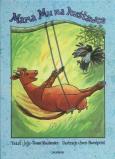
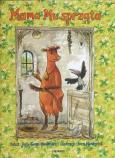
Czy krowy mogą huśtać się na huśtawce? Ależ oczywiście, Mama Mu zrobi wszystko, by bawić się tak wesoło jak dzieci! Jak zwykle musi stawić czoła krytycznemu Panu Wronie, który każdy pomysł Mamy Mu kwituje wyniosłym oburzeniem. Mama Mu zna jednak sposoby, aby swego przyjaciela Pana Wronę nakłonić do współdziałania i Pan Wrona w końcu przywiązuje huśtawkę na gałęzi. Ale gdy Mama Mu rozsiadła się już wygodnie na huśtawce, okazuje się, że huśtanie wcale nie jest takie proste... Bo czym tu machać i w którą stronę, aby się rozbujać? Pan Wrona nie przyłoży przecież do tego skrzydła, wystarczająco skompromitował się już wieszaniem krowie huśtawki. Bogate w szczegóły genialne ilustracje Svena Nordqvista, znanego polskim dzieciom z książek o Pettsonie i Findusie, pełne są niespodzianek dla spostrzegawczych i wspaniale oddają charaktery obu bohaterów
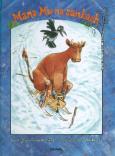
Czy krowy mogą jeździć na sankach? Ależ oczywiście, Mama Mu zrobi wszystko, by bawić się tak wesoło jak dzieci! Jak zwykle musi stawić czoła krytycznemu Panu Wronie, który każdy pomysł Mamy Mu kwituje wyniosłym oburzeniem. Wystarczy jednak zasugerować Panu Wronie, że czegoś nie potrafi, a od razu zmienia ton. On, nie potrafi? Nie potrafi pokierować sankami? Brawurowy popis jego umiejętności kończy się oczywiście w zaspie. W śniegu ląduje też Mama Mu - i to właśnie, z całego jeżdzenia na sankach, najbardziej jej się podoba! Bogate w szczegóły świetne ilustracje Svena Nordqvista, pełne niespodzianek dla spostrzegawczych, wspaniale uwydatniają charaketry obu bohaterów.
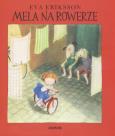
Mela jest już duża i mądra. Potrafi nawet jeździć na rowerze! Czasami jednak zdarza jej się wjechać w to, co powinna ominąć. Na szczęście któregoś dnia wjeżdża w samego instruktora szkoły jazdy, który wyjaśnia jej, jak unikać zderzania się ze wszystkim i wszystkimi. Zabawna, pięknie ilustrowana książka obrazkowa dla młodszych przedszkolaków autorstwa Evy Eriksson - jednej z najpopularniejszych szwedzkich ilustratorek, znanej z serii o Maksie oraz książek ,,Jak tata pokazał mi wszechświat"" i ,,Przygody Astrid - zanim została Astrid Lindgren
Linnea pojechała do Paryża! I do Giverny, gdzie do dziś zachował się ogród malarza, Claude'a Moneta, tego, który tak pięknie malował nenufary! Linnea stanęła na japońskim mostku znanym z tylu obrazów, a w Paryżu zobaczyła obrazy malarza na własne oczy. Teraz już dobrze wie, dlaczego Moneta nazwano impresjonistą. Wiele się też dowiedziała o życiu Moneta w różowym domu pełnym dzieci. Książka, pełna niezwykłych ilustracji Leny Anderson, reprodukcji obrazów Moneta oraz zdjęć z jego rodzinnego albumu, pokazuje, że za każdym dziełem sztuki kryje się człowiek, a jego życie oraz miejsca, w których przebywał, mogą stać się inspiracją do fascynującej podróży..
Mama Mu znowu planowała jakąś nową wesołą zabawę, ale wszystko potoczyło się inaczej. Właśnie gdy miała przeskoczyć przez ogrodzenie, by wymknąć się z pastwiska, poślizgnęła się na kamieniu i nabiła sobie wielkiego guza! Czy Pan Wrona spisze się jako pielęgniarka i jaką rolę odegra w tym szpinak? Smakowite dialogi, szybkie zwroty akcji, niebanalny humor, świetna konstrukcja postacii bogate w szczegóły ilustracje pełne niespodzianek dla spostrzegawczych. Przy książkach o Mamie Mu i Panu Wronie dobrze bawi się cała rodzina.
Smakowite dialogi, szybkie zwroty akcji, niebanalny humor i świetna konstrukcja postaci - tak piszą Jujja i Tomas Wieslanderowie. Bogate w szczegóły, genialne ilustracje Svena Nordqvista, znanego również z książek o Pettsonie i Findusie, pełne są niespodzianek dla spostrzegawczych i wspaniale oddają charaktery obu bohaterów. Przy tych książkach dobrze bawią się nie tylko dzieci.
Czy krowy potrafią sprzątać? Jeśli za sprzątanie uznać można przetarcie okna ogonem i postawienie na parapecie bukietu zawilców - to jak najbardziej. Pan Wrona ma jednak inne zdanie. Coś takiego nazywać sprzątaniem? Już on pokaże Mamie Mu, jak się sprząta oborę! Jak nietrudno się domyślić, im bardziej Pan Wrona się przechwala, tym bardziej należy obawiać się efektów jego poczynań. W rezultacie bowiem całe podwórko zasłane jest sianem, a wszystkie krowy białe. Nie, bynajmniej nie dlatego, że są czyste.
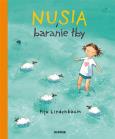
Czy wszystkie dzieci lubią się kąpać? Tak twierdzi tata. Ale Nusia wcale nie chce się kąpać. Najchętniej pobawiłaby się w piasku, ale przy hotelowym basenie nie ma ani ziarnka. Nusia wyrusza na poszukiwanie piasku, znajduje wyspę, a na niej kilka strasznie spoconych, wygłodniałych owieczek. Kto jak kto, ale Nusia potrafi się nimi zaopiekować! A nawet - nauczyć je pływać... Kto chce się dowiedzieć, co zrobiła Nusia, kiedy zgubiła się w lesie, niech sięgnie po książkę ,,Nusia i wilki"".
Ten produkt jest zapowiedzią. Realizacja Twojego zamówienia ulegnie przez to wydłużeniu do czasu premiery tej pozycji. Czy chcesz dodać ten produkt do koszyka?







![Okładka książki Bebechy, czyli ciało człowieka pod lupą [2025]](https://dobreksiazki.pl/Photos/7/SMALL/000080/bebechy-czyli-cialo-czlowieka-pod-lupa-2025.jpg "Bebechy, czyli ciało człowieka pod lupą [2025]. Autor: Adam Mirek. Dobreksiazki.pl")


