W tej strefie zapraszamy czytelników tak zwane artystyczne dusze po książki z kategorii Sztuka. Polecamy szereg publikacji o sztuce i jej historii,ciekawostki i portfolia artystów, eseje, albumy, książki o malarstwie, rzeźbiarstwie, architekturze oraz histoii fotografii. Biografie ciekawych artystów, książki i powieści przedstawiające fascynujące losy malarzy i osób uwiecznianych na obrazach. W tym dziale tylko ksiązki ze sztuka w tle.
„Przez lata wmawiano nam, że musimy wybrać: albo zieleń i spokój albo mieszkanie w mieście. Ta alternatywa jest fałszywa, bo tylko połączenie tych pozornych sprzeczności tworzy jakość, o którą nam chodzi – dobrze funkcjonujące przyjazne miasto. Więc tym, czego powinniśmy żądać są: zieleń, cisza, spokój i bezpieczeństwo, a to wszystko w mieście, blisko usług potrzebnych na co dzień” napisała w przedmowie do polskiego czytelnika Joanna Erbel.
Wysoka jakość życia i gęsta zabudowa w Polsce brzmi jak para przeciwieństw. Większość nowych inwestycji, które wyrastają w ostatnich latach, to nieprzyjazne do życia blokowiska pozbawione sąsiedzkiej bliskości, dostępu do zieleni, pełnowymiarowych przestrzeni rekreacyjnych i niezbędnych usług. Jednocześnie wiemy, że przestrzeń w mieście jest niezwykle cenna, a rozlewanie się miast jest negatywnym zjawiskiem. Wydaje się zatem, że jesteśmy rozdarci pomiędzy potrzebą dobrego życia, a pochłanianiem kolejnych obszarów pod zabudowę. Może być jednak inaczej. David Sim – szkocki architekt, od lat związany z biurem architektonicznym Gehl Architects, daje nam gotową instrukcję jak budować przyjazne miasta o dużej gęstości. Autor prowadzi nas przez europejskie miasta, które mogą być dla nas wzorem do naśladowania. To nie abstrakcyjne, akademickie dywagacje, ale działające rozwiązania, które autor przekazuje nam w postaci prostych dziewięciu zasad. Ta książka sprawia, że z nadzieją patrzymy na przyszłość naszych miast.
W społeczeństwach nowoczesnych sztuka zajmuje miejsce osobliwe. Z jednej strony wydaje się czymś marginalnym. Miłym dodatkiem do życia. Rodzajem zabawy albo rozrywki, której formy układają się w porządek hierarchiczny, zarysowując kształt wertykalny (mówi się o sztuce wysokiej, przeznaczonej dla elit, i sztuce popularnej, skierowanej do szerokiej publiczności), lecz jeśli przyjrzeć się bliżej, przyjmują postać horyzontalną umieszczając twórców i odbiorców sztuki na obrzeżach ludzkiej wspólnoty. Współcześni malarze i kompozytorzy tworzą dla nielicznych i przez nielicznych tylko mogą być zrozumiani. Są ezoteryczni. Jest to oczywistość, ale z gatunku tych zagadkowych, których sens jest niejasny, a źródła ciemne.
Poradnik o ogrodowym designie i inspirujący duchowy przewodnik Wizja jutra, w którym odzyskamy utraconą jedność z przyrodą Dawniej ludzie i natura żyli razem niczym jedna rodzina. W harmonii, szczęściu i zdrowiu. Wydawać by się mogło, że to epoka, która bezpowrotnie minęła. Spójrzcie jednak na ogrody Mary Reynolds, zaczynając od inspirowanego wierszem W.B. Yeatsa zjawiskowego projektu do Królewskich Ogrodów Botanicznych w Kew, a zobaczycie przesycone magią, pulsujące dobroczynną energią miejsca przebudzenia oraz głębokiej przemiany. Potraktowana z szacunkiem ziemia odzyskuje pierwotną witalność i odwdzięcza się hojnie swoim opiekunom, obdarzając ich poczuciem bezpieczeństwa i pełni. Mary odnalazła inspirację w leśnych zakątkach rodzimej Irlandii. Fachową wiedzę ogrodniczą połączyła z intuicją, dawne rytuały i mądrość przodków z ekologicznymi rozwiązaniami, wsłuchując się przy tym uważnie w potrzeby samej ziemi. Ogrodowe przebudzenie daje nam nadzieję na lepszą przyszłość, w której zjednoczeni z przyrodą odkryjemy, kim naprawdę jesteśmy, i osiągniemy upragniony dobrostan. Bo przecież „natura trzyma za nas kciuki”. Książka zawiera wspaniałe ilustracje Ruth Evans.
Across small cottages and lavish villas, beach houses and forest refuges, discover the world’s finest crop of new homes. This cutting-edge global digest features such talents as Shigeru Ban, MVRDV, and Marcio Kogan alongside up-and-coming names like Aires Mateus, Xu Fu-Min, Vo Trong Nghia, Desai Chia, and Shunri Nishizawa.
Here, there are homes in Australia and New Zealand, from China and Vietnam, in the United States and Mexico, and on to less expected places like Ecuador and Costa Rica. The result is a sweeping survey of the contemporary house and a revelation that homes across the globe may have more in common than expected.
Among guava trees and abandoned forts in Western India is a sanctuary designed for and by Kamal Malik of Malik Architecture. The House of Three Streams is a sprawling spectacle with high ceilings, verandas, and pavilions, perched atop a ridge overlooking two ravines. A medley of steel, glass, wood, and stone, the house weaves along the contour of the landscape, almost as an extension of the forest.
Encina House by Aranguren & Gallegos, an elegant, sloping structure reminiscent of a gazebo, similarly inhabits its surrounding vista. Ensconced in a pine forest north of Madrid, the lower level is embedded in rock and connected to the upper by a natural stone wall.
Shinichi Ogawa’s Seaside House is an immaculate two-story minimalist marvel in Kanagawa that overlooks the Pacific. Its living area spills onto a cantilevered terrace and infinity pool, almost dissolving into the ocean as one seamless entity.
In Vietnam, Shunri Nishizawa’s House in Chau Doc exudes tropical sophistication with exposed timber beams, woven bamboo, plants, concrete panels, and inner balconies and terraces. Its corrugated iron panels act as moveable walls and shutters, ushering in views of surrounding rice fields.
These homes—along with more than 50 others—are each remarkably distinct in design. They all, however, toe the line between inside and outside, each one symbiotic with its surroundings.
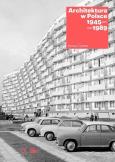
„Architektura w Polsce 1945-1989” to prawdopodobnie pierwsza książka, która w sposób systematyczny porządkuje wiedzę o architektonicznym dziedzictwie tej epoki, opisując najważniejsze realizacje i architektów oraz kontekst polityczny, społeczny i ekonomiczny, w którym powstawała architektura. Opracowanie zostało przygotowane w porządku chronologicznym, jednak dzieli się na siedem tematycznych rozdziałów, od „Odbudowy”, przez „Socrealizm” po „Architekturę sakralną”.
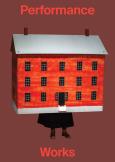
Wyobraźcie sobie krowę pozostawioną na cały dzień na plaży Ipanema w Rio de Janeiro, gdzie od przynajmniej stu lat nie widziano żadnego zwierzęcia. Wyobraźcie sobie przyglądanie się z bliska bakteriom piszącym wiersz albo grupie przyjaciół zebranych w barze i popijających sfermentowane napoje. Wszystkie te działania można ująć jednym słowem, które wywołuje silne emocje i prowokuje krytyczne komentarze, a jednak nie poddaje się prostym klasyfikacjom: performans. Antologia Performance Works opiera się na założeniu, że żywą sztukę definiować można wyłącznie poprzez praktykę, co autorzy tekstów wcielili w życie, towarzysząc artystom podczas prób i na scenie, spędzając razem czas i dokonując wspólnej refleksji nad istotą performansu. Publikacja jest zbiorem esejów, zarówno nowych, jak i takich, które już wcześniej ukazały się drukiem, wywiadów oraz tekstów literackich oferujących nowe spojrzenie na performans. Składa się z czterech głównych części, w ramach których fenomenologie performansu badane są w kontekście i z perspektywy instytucji artystycznych, praktyk kuratorskich, formatu wystawy w kontekście zwrotu technologicznego oraz performatywnej fikcji. Definicja performansu uległa w ostatnich dziesięcioleciach zmianie. Celem publikacji Performance Works jest przyjrzenie się przemianom zachodzącym w tradycyjnym formacie wystawy, który traci na znaczeniu, w miarę jak na pierwszy plan wysuwają się formy hybrydyczne, łączące sztuki wizualne ze sztukami performatywnymi, literaturą i muzyką. Autorzy tekstów zamieszczonych w książce analizują zmieniającą się rolę widza, który coraz częściej staje się performerem i aktywnym uczestnikiem zdarzenia. Poddają również refleksji rolę ciała performera oraz pracy wykonywanej w ramach rozciągniętych w czasie wystaw performatywnych. Publikacja prezentuje wyniki badań związanych z zainicjowanym w Centrum Sztuki Współczesnej Zamek Ujazdowski w Warszawie w 2016 roku programem dotyczącym zwrotu performatywnego w sztukach wizualnych oraz konsekwencji tego zjawiska dla instytucji sztuki, praktyk artystycznych oraz kuratorskich. Autorzy tekstów: Oreet Ashery, Pierre Bal-Blanc, Claire Bishop, Marie de Brugerolle, Yann Chateign, Korina Giaxoglou, Michał Grzegorzek, Shannon Jackson, Eliel Jones, Chris Kraus, Laura Lima, David Maroto, Ingo Niermann, Kathy Noble, Johannes Paul Raether, Mark von Schlegell, Agnieszka Sosnowska, Ana Teixeira Pinto, Transformella, Joanna Zielińska.
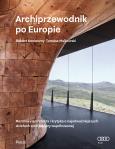
Wędrówka przez najbardziej odważne budynki europejskie ostatnich kilku dekad.Hala targowa w Rotterdamie, nad którą okrakiem stanął blok mieszkalny. Duńskie Muzeum Morskie zbudowane pod ziemią niczym scenografia z filmu science fiction. Drewniana kapliczka w Alpach będąca duchową esencją architektury. Uczelnia w Katowicach, która jest hołdem dla śląskich familoków.To tylko kilka europejskich obiektów, które architekt Robert Konieczny i krytyk architektury Tomasz Malkowski uznali za warte zobaczenia. Każdemu obiektowi towarzyszy żywa dyskusja autorów. Dwie, czasami skrajnie odmienne opinie pozostawiają czytelnikowi miejsce na wyrobienie własnego zdania.Robert Konieczny uznany architekt, założyciel pracowni KWK Promes w Katowicach. Autor wielu wybitnych budynków zdobywających najważniejsze nagrody na świecie, w tym domu Arki w Brennej (tytuł najlepszego domu na świecie w konkursie Wallpaper Design Awards w 2017 r.), Centrum Dialogu Przełomy w Szczecinie (najlepszy budynek na świecie na World Architecture Festival 2016, ex aequo I nagroda w konkursie European Prize for Urban Public Space w 2016 r.). Członek prestiżowej Francuskiej Akademii Architektury.Tomasz Malkowski krytyk architektury i publicysta, pracował dla Gazety Wyborczej, Architektury-murator, współtworzył magazyn ARCH. Autor wielu artykułów i scenariuszy związanych z architekturą i historią architektury.
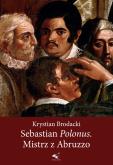
Sebastian „Polonus”. Mistrz z Abruzzo” to opowieść o pochodzącym z Wyszogrodu polskim artyście Sebastianie Majewskim, który osiadł we włoskim regionie Abruzzo i tam zasłynął jako najlepszy malarz wielu dzieł sakralnych. Kariera „Polonusa” (tak się podpisywał) to przypadek bez precedensu! A rzecz działa się w wieku XVII…
Krystian Brodacki odwiedził z aparatem fotograficznym różne miejscowości Abruzzo związane z Majewskim, starając się dowiedzieć jak najwięcej o losach naszego rodaka, w jego pierwszej Ojczyźnie Polsce niemal zupełnie nieznanego. Co gorsza, jego dzieła są dziś w fatalnym stanie, a niektóre przepadły bezpowrotnie.
The monumental monograph devoted to the artistic duo - KwieKulik (Zofia Kulik and Przemysław Kwiek) includes an outline of the artists' activities from the 1960s to 1988 (the period of their joint practice) as well as documentation of the Studio of Activities, Documentation and Propagation (PDDiU) run by the artists. To provide a better understanding of the context of the epoch, it also comprises - KwieKulik's source materials and dictionaries: of concepts used by the artists and language characteristic of the described epoch. On their part, the authors were invited to contribute essays in an attempt to outline new interpretative perspectives for Zofia Kulik's and Przemysław Kwiek's oeuvre.
The monograph not only delivers unique source materials but provides extensive coverage of the artists' activities and a thorough understanding of the context. In this regard, the book highlights an essential methodological issue: the interpretation of the artists' activities against the backdrop of the epoch. This pertains especially to engaged art, reacting to the challenges of its times, which - KwieKulik's practice undoubtedly was. From a broader perspective -- it pertains to a vast part of the artistic events in former Eastern Europe, expressing resistance, discord and protest, but also to those of a subversive or ironic nature, whose meanings were embedded in the social-political realm of the times. The understanding of political conditions of the Communist era is ever more so the domain of historians, while a broader reception blurs the meanings and diminishes the grasp of subtle allusions and references. Hence the effort of the authors of this book to further cast light on the backdrop of the artists' work by means of source materials and dictionaries.
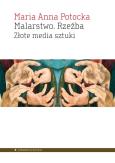
Maria Anna Potocka – filozof sztuki, dyrektor Muzeum Sztuki Współczesnej w Krakowie MOCAK, była założycielką czterech galerii autorskich (1972–2010). Ponadto jako kurator wielu wystaw dysponuje w tej dziedzinie ogromnym doświadczeniem, które zaowocowało książkami: Malarstwo (1995), Rzeźba (2002), Estetyka kontra sztuka (2007), To tylko sztuka (2008), Fotografia (2010), Nowa estetyka (2016), Zofia Posmysz. Szrajberka 7566 (2018), 150 lat malarstwa polskiego (2019). Jest też prozatorką i eseistką: Wypadek polityczny (2010), Skuteczność prawicy (2020).
Niniejszy tom obejmuje poddane znacznym rewizjom i modyfikacjom teksty Malarstwo i Rzeźba. Doświadczenia artystyczne autorki mają źródło w konceptualizmie, analizie mediów i postmodernizmie. Dzieło oglądane z tych perspektyw jest „mądrzejsze” niż dzieło interpretowane według tradycyjnych zasad historii sztuki. Nowe spojrzenie nie rozkoszuje się pięknem kształtu czy smakiem gier kolorystycznych. Podejście postkonceptualne traktuje dzieło jako trop poznawczy. Szuka w nim sensu tamtego czasu i obrazu człowieka, który je stworzył. Ten model interpretacyjny pozwala zrozumieć, jak ważnym narzędziem cywilizacyjnym jest sztuka. Obie książki do pewnego stopnia kierują się chronologią, Malarstwo ma jednak narrację absolutnie swobodną, Rzeźba bardziej ulegle podąża za faktami. Bohaterami są przebieg zdarzeń i narastanie refleksji, nie indywidualni artyści. W obu książkach głównemu tekstowi towarzyszy równoległy wątek komentarzy o charakterze filozoficznym, psychologicznym i kulturoznawczym.
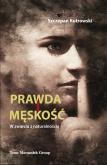
Do jakich wyższych celów w poznaniu aspiruje dziś ten, kto uważa się za budowniczego dobrych relacji na planie współbycia? Czy chodzi mu głównie o rozpraszanie ciemnych chmur na horyzontach ludzkiego świata? A jeśli tak, to czy scalanie tego, czym samo życie pobrzmiewa, z wynikami poznania jest osiągalne? W cywilizacji nie może być inaczej niż właśnie tworzyć wyobrażenia spójności tam, gdzie ona się rozlatuje. Rzecz tylko w tym, że wszelkie wyobrażenia jedności są tylko czymś, co stale dopiero się staje. Ale nie dla władców tego świata. Oni każdy ka-wałek świata tego uznają za wynik czegoś już niepodważalnego, gotowego. Dla nich prawda jest tam, gdzie własnych korzyści kram. Sporów o te korzyści w tym świecie nie brakuje. Ktoś zwycięża w sporze, a ktoś przegrywa. Obstawanie za zwycięzcami tylko grozi upadkiem cywilizacji (Spengler). Boją się tego ludzie do tego stopnia, że ku wiecznym powrotom w dążeniu do prawdy się zwracają (Nietzsche). Dawać wyrazy swej czujności wobec człowieczego ducha to rozpoznawać męskie charaktery. To pośród nich kryją się zdolności odchodzenia od przemocy i sięgania po umiar (Spinoza). Rzecz tylko w tym, że nigdy nie wygasają ludzkie skłonności kierowania się tam, gdzie zwycięża zło (Machiavelli). Dawać, czy nie dawać złu szańce to podstawowy dylemat w świecie sztuki. Ona chce być obecna tam, gdzie pojawia się człowiek, gdziekolwiek by on wędrował. Sztuka to wielkie imaginarium ludzkich dążeń. Ona nie tylko je rejestruje, ale i je napędza. Ona pobrzmiewa wielorakością tonów, umuzycznia się w każdej swej postaci. Przybliżeniu tego posłannictwa sztuki niniejsza wypowiedź dr Szczepana Kutrowskiego daje wyraz, krocząc po zakrętach, które w sztuce się zdarzają, m.in. w twórczości Aleksandra Wata, Jerzego Zawieyskiego, Jerzego Wittlina. Nie brakuje też plastycznych akcentów w tej wypowiedzi.
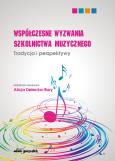
Przedstawiona Czytelnikowi kolejna monografia z cyklu Współczesne wyzwania szkolnictwa muzycznego, tym razem o podtytule Tradycja i perspektywy, zrodziła się z potrzeby znalezienia wspólnego mianownika dla wiedzy naukowej i praktyki szkolnej. Zaprezentowane tu teksty są rezultatem corocznych spotkań naukowców i czynnych nauczycieli przedmiotów teoretycznych szkół muzycznych, które odbywają się w ramach Konferencji Naukowo-Metodycznej „Teoria muzyki w praktyce” organizowanej przez Akademię Sztuki i Zespół Państwowych Szkół Muzycznych im. Feliksa Nowowiejskiego w Szczecinie. Wykłady, warsztaty i panele dyskusyjne sprzyjają głębokiemu namysłowi nad własnym doświadczeniem zarówno nauczycieli, jak i naukowców. Ten niezwykle skuteczny sposób budowania praktyki zawodowej, a zarazem doskonalenie refleksji nad nią to niezbędne drogi poznania własnego warsztatu pracy, z której świadomie korzysta coraz więcej nauczycieli, wspierając tym samym swój rozwój. Autorzy tekstów prezentowanych w tej monografii jako znawcy rzeczywistości szkolnej i specyfiki specjalistycznej edukacji muzycznej umiejętnie łączą teorię naukową z praktyką edukacyjną, opisując w nich aktualne problemy, zarówno te tradycyjne, jak i perspektywy zastosowania ich w przyszłości.
W związku z tym monografia została podzielona na dwie części. Pierwsza z nich dotyczy treści z dziedziny nauk społecznych, dyscyplin psychologii i pedagogiki jako nauk służebnych edukacji muzycznej. Druga jest częścią metodyczną, dotykającą problematyki ich praktycznego wykorzystania dla poszczególnych obowiązkowych przedmiotów kształcenia w szkolnictwie muzycznym.
dr Alicja Delecka-Bury
Akademia Sztuki w Szczecinie
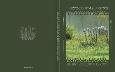
Album pod nazwą “Roztocze w malarstwie Dariusza Króla”, to przedsięwzięcie autora prac i Centrum Kultury w Zwierzyńcu.
Album jest formatu A4 i liczy 104 strony, ma twarde okładki i zawiera tekst w języku polskim i angielskim. Zaprojektował go szczebrzeski artysta Dariusz Król.
-To pierwszy taki album Roztocza w malarstwie – mówi Dariusz Król, twórca albumu i autor prac malarskich, które można obejrzeć w publikacji.
Stworzenie tego albumu kosztowało dużo czasu.
-Sporo czasu zajęło mi zrobienie zdjęć z obrazów oraz zaprojektowanie albumu strona po stronie – mówi autor.
Tak o artyście pisała Anna Katarzyna Maleszko – kustosz kolekcji japońskiej Muzeum Narodowego w Warszawie:
“Dariusz Król, artysta, urodzony i mieszkający w Szczebrzeszynie, pozostał wierny rodzinnej ziemi i tradycji polskiego malarstwa krajobrazowego. Od dziesięcioleci jego niezwykłe miniatury malarskie i większe formatowo kompozycje wyrażają przywiązanie i miłość do cichych łąk i spokojnych rozlewisk dolin Roztocza.
Widoki łąk z kwitnącymi trawami i polnymi kwiatami to niezwykła synteza obrazu przyrody, filozoficzna kontemplacja i uważna, czuła obserwacja. Źdźbła traw, delikatne płatki rumiankowych kwiatków, zwiewne dmuchawce malowane są z jubilerską precyzją, która jest zadziwieniem nad urodą i tajemnicą Natury. Rośliny są głównym bohaterem opowieści, pokazane z bliska, kreślone delikatnymi liniami przygaszonych tonów, w których dominują błękity, zielenie, brązy i szarości a na ich tle dominują jasną plamą biele, róże czy błękity polnych kwiatów”.
Dariusz Król jest autorem 70 indywidualnych wystaw malarskich. Organizator międzynarodowych plenerów malarskich w Nagyatad 1989 (Węgry), a także w Nieliszu 2011, 2012, 2013, 2014, 2015, 2016. Jego prace znajdują się w muzeach państwowych oraz w kolekcjach prywatnych w USA, Japonii, Niemczech, Finlandii, Szwecji, Korei Południowej, Polsce, Szwecji, Rosji, Kanadzie, Australii, Holandii, Austrii i na Węgrzech. Otrzymał nagrody w USA: Floryda – 1990, New Jersey – 1998.
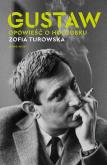
Pierwsza po wielu latach biografia Gustawa Holoubka. Dlaczego teraz? Bo ciągle żyje w naszej pamięci. Bo był i nadal jest kimś więcej niż wspaniałym aktorem. Bo teraz – bardziej niż kiedykolwiek – ważna jest jego niezłomna postawa etyczna. Zofia Turowska, biografka m.in. Agnieszki Osieckiej, Janusza Majewskiego i Zofii Nasierowskiej, odkrywa nieznane fakty z życia Gustawa Holoubka, analizuje postawy i losy środowiska, a także określone działania Holoubka w kontekście osobistym i politycznym. Zyskała dostęp do rodzinnych dokumentów i archiwum, które nie są dla nikogo dostępne. Porusza wiele ważnych i nieznanych historii i faktów – dotychczas nieomawianych. Gustaw. Opowieść o Holoubku to znaczące sceny z jego życia, to Gustaw na tle historii, we wspomnieniach rodziny, przyjaciół i kolegów, bardziej codzienny niż pomnikowy: mąż, ojciec, dziadek, mądry, uroczy człowiek, zwyczajnie nadzwyczajny przyjaciel, niezwyczajny kibic, kompan do brydża, pokera, niezwykły opowiadacz dykteryjek. Dżentelmen o magnetycznym głosie i uwodzicielskim spojrzeniu. Człowiek mądrego słowa, riposty, dowcipu. Inteligent. Kreował życie, jakiego pragnie. Patrzył do przodu, nie za siebie. To, o czym myślał, pisał, mówił, jest w tej książce najważniejsze i ciągle aktualne. Ma się wrażenie, że Holoubek wcale nie odszedł... Zofia Turowska – absolwentka wydziału dziennikarstwa Uniwersytetu Warszawskiego. Autorka sagi rodziny Onyszkiewiczów „Gniazdo”; współautorka kultowego reportażu – dokumentu o wydarzeniach w Stoczni Gdańskiej w 1980 roku, o łódzkiej Szkole Filmowej Filmówka oraz o Zespole Filmowym TOR, biograficznej opowieści Beaty Tyszkiewicz Nie wszystko na sprzedaż, a także biografii Osiecka. Nikomu nie żal pięknych kobiet. Dla Marginesów napisała opowieść o Zofii Nasierowskiej Fotobiografia, biografię Janusza Majewskiego Film – kobieta jego życia, a także otoczyła literacką opieką książkę Magdaleny Zawadzkiej Gustaw i ja.
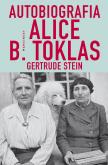
Wydana po raz pierwszy w 1933 roku Autobiografia Alice B. Toklas przyniosła Gertrude Stein natychmiastowy rozgłos i uczyniła z niej postać kultową. Autorka głosem swojej wieloletniej partnerki opowiada nie tylko o ich wspólnym życiu, ale też o zaprzyjaźnionych artystach, wśród których znajdowali się między innymi Pablo Picasso, Paul Cézanne, Guillaume Apollinaire i Francis Scott Fitzgerald. Książka - oprócz sławy - przysporzyła autorce również wielu wrogów. Nie wszyscy dawni znajomi przewijający się latami przez salon przy rue de Fleurus byli zadowoleni ze sposobu, w jaki ich przedstawiła. Niektórzy, jak choćby Henri Matisse czy Georges Braque, podpisali list otwarty - Świadectwo przeciw Gertrudzie Stein - wyrażając swoje oburzenie, a Ernest Hemingway, jeszcze do niedawna przynoszący mentorce wszystkie swoje teksty do oceny, stał się z dnia na dzień jej najzacieklejszym wrogiem i pozostał nim już do końca życia.
Jednak bez względu na liczne kontrowersje - a może dzięki nim - Autobiografia odniosła ogromny sukces. Przepełniona zaskakującymi anegdotami opowieść to przede wszystkim wgląd w fascynujące życie paryskiej bohemy na początku XX wieku i bogata galeria literackich portretów artystów tamtego okresu, przedstawiająca ich jako ludzi z krwi i kości, a nie odległe i niedostępne pomniki.
Ta fascynująca książka została uznana przez Modern Library za jedną z 20 najważniejszych powieści XX wieku.
Gertrude Stein - amerykańska pisarka żydowskiego pochodzenia, poetka, mecenaska i krytyczka sztuki. Miała wpływ na rozwój modernistycznej sztuki i literatury. Zyskała opinię najwybitniejszej emigrantki amerykańskiej w Paryżu i paryskiej legendy. W Polsce poza Autobiografią Alice B. Toklas ukazała się jej Autobiografia każdego z nas oraz Picasso. Większość życia spędziła we Francji. Zmarła w 1946 roku w Prowansji.
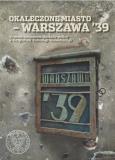
Prezentowany album przedstawia fotografie autorstwa Antoniego Snawadzkiego dotyczące zniszczeń Warszawy w 1939 roku. Unikalne zdjęcia pochodzą z zasobu archiwum Instytutu Pamięci Narodowej. Przedstawiają zniszczone lub uszkodzone szpitale, kościoły, szkoły, dworce kolejowe, obiekty administracyjne, ale także hotele i budynki mieszkalne. Ukazują okaleczone miasto Warszawę z jesieni 1939 roku. Ponad 130 fotografii zostało wykonanych w okresie pomiędzy sierpniem a grudniem 1939 roku. W publikacji zamieszczono także fotografie z archiwum rodziny Snawadzkiego oraz wzbogacono ją o plany wybranych części Warszawy, a także o fotografie współczesne.Autor zdjęć były legionista, żołnierz dywersji POW, podkomendny gen. S. Bułaka-Bałachowicza podjął się niebezpiecznego zadania udokumentowania zniszczeń stolicy. W styczniu 1940 r. został aresztowany przez niemiecką policję bezpieczeństwa. Jego dalszy los pozostaje nieznany.
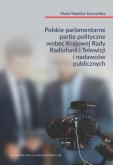
Przejście od reżimu niedemokratycznego do demokratycznego jest przełomowym momentem w historii każdego państwa i niesie ze sobą liczne konsekwencje, jakie zachodzą w obrębie każdej sfery życia: politycznej, gospodarczej, społecznej i kulturalnej. Transformacja systemowa, zapoczątkowana na przełomie lat 80. i 90. XX wieku, konsekwentnie przekształcała Polską Rzeczpospolitą Ludową w III Rzeczpospolitą Polską. Przeobrażenia zachodzące w obrębie demokratyzującego się państwa wymusiły zmianę systemu politycznego i systemu medialnego. Na obu polach miały one charakter prawny, instytucjonalny, organizacyjny i obligowały do przedefiniowania już nieaktualnych, wzajemnych relacji. Dało to asumpt do zmiany znaczenia komunikowania politycznego, w którym udział zaczęło akcentować trzech uczestników, mianowicie: organizacje polityczne, spośród których za najistotniejsze uchodzą partie polityczne, media masowe i obywatele.
Opis stanowi fragment Wstępu.
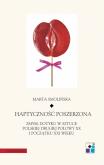
Książka Marty Smolińskiej Haptyczność poszerzona… należy do rzadkiego gatunku prac, w których wysoka świadomość metodologiczna i oryginalność koncepcji idzie w parze ze świetnym rozeznaniem w obszarze nowoczesnej i współczesnej sztuki. Tytułowa „haptyczność poszerzona” określać ma zdolność postrzegania i przeżywania przynależną czującej i myślącej podmiotowości, angażującą tyleż zmysły, co emocje i umysł. Pisząc o realizacjach angażujących i tematyzujących różne wymiary zmysłowości i empatycznego odczuwania, autorka interpretuje je od strony antropologiczno-filozoficznej, łącząc badania nad sztuką z kulturową historią zmysłów. Działania artystów młodszego pokolenia ukazane są w kontekście i na tle prac klasyków polskiej sztuki powojennej, takich jak Kantor, Maziarska i Szapocznikow, czy nestorów awangardy, jak Robakowski czy Natalia LL. W tych niezwykle „gęstych”, wieloaspektowych interpretacjach, Smolińska zachowuje zarazem lekkość, dystans i humor, dając czytelnikowi znać, że przez ową splątaną sieć tematów, faktów artystycznych i teorii prowadzi nas ktoś, kto czerpie z własnego, przemyślanego doświadczenia. Haptyczność poszerzona… to ważna książka w badaniach nad współczesną sztuką polską. Jej narracja nie trzyma się chronologicznych, historycznych podziałów, ale to odejście od wielkiej historii i polityczno-społecznych ram ma w sobie rys emancypacyjny.
Z recenzji dr hab. Agnieszki Rejniak-Majewskiej
Ten produkt jest zapowiedzią. Realizacja Twojego zamówienia ulegnie przez to wydłużeniu do czasu premiery tej pozycji. Czy chcesz dodać ten produkt do koszyka?