W tej strefie zapraszamy czytelników tak zwane artystyczne dusze po książki z kategorii Sztuka. Polecamy szereg publikacji o sztuce i jej historii,ciekawostki i portfolia artystów, eseje, albumy, książki o malarstwie, rzeźbiarstwie, architekturze oraz histoii fotografii. Biografie ciekawych artystów, książki i powieści przedstawiające fascynujące losy malarzy i osób uwiecznianych na obrazach. W tym dziale tylko ksiązki ze sztuka w tle.
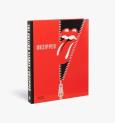
For almost 60 years the Rolling Stones have helped shape popular culture around the globe. Unzipped captures the compelling character and dynamic spectacle of the band through distinctive photography and interviews with the Stones themselves, tracing their impact and influence on rock music, art, design, fashion, photography and filmmaking.
Evocative archive photos, artworks, outtakes and memorabilia, together with dazzling images of the band’s instruments and outfits, plunge you into the ever-changing world of the Stones. Many of the instruments and outfits are paired with pertinent archive photos, so you can examine the detail and see the objects in use. Peppered throughout with engrossing and insightful new commentary by Mick Jagger, Keith Richards, Charlie Watts and Ronnie Wood, the book also features a compelling introduction by Anthony DeCurtis, which chronicles their career, and perceptive articles by some of their most important creative collaborators, including Buddy Guy, Don Was, Anna Sui, John Varvatos, Martin Scorsese, Shepherd Fairey, Patrick Woodroffe and Willie Williams.
Bold, glamorous and captivating – and beautifully bound and finished – Unzipped is the perfect showcase for ‘the greatest rock ’n’ roll band in the world’.
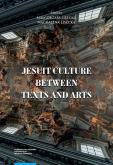
It is an essential and specific feature of so-called Jesuit art that it served evangelisation in a broad sense, both in Europe and outside Europe – basically within the entire world at that time. This unique, so to speak, global reach of Jesuit art is a striking characteristic in the context of the history of modern art and culture in the European tradition subordinated mainly to the category of national and local taste. This global reach is probably the reason why the Jesuits achieved such spectacular momentum in their artistic and cultural activities. The Order boldly adapted European cultural patterns to foreign traditions. Jesuits were not afraid of combining and crossing many styles, sometimes really distant in an aesthetical sense. Moreover, they did not feel disgusted before popular art, perceived maybe even as low art in those times, seeing in it an excellent communication tool with the recipient.
from the Word of Introduction
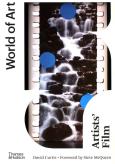
Artists' Film is the first alternative history of the moving image, chronicling artists’ ever-evolving fascination with filmmaking from the early twentieth century to now.
From early pioneers to key artists of the present, leading authority and film expert David Curtis offers a vivid account of the numerous individuals who have been inspired by the cinematic medium and felt compelled to interpret and respond to it in their own way. In doing so, he discusses artists’ widely differing achievements, aspirations, theories and approaches.
Featuring over 400 international moving-image makers and drawing on examples from across the arts, including experimental film, video, installation and multimedia, this generously illustrated account offers an incomparable introduction to this increasingly popular and continually evolving art-form.
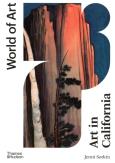
A concise yet wide-reaching survey, this book presents visual art in California from the early twentieth century to the present day as a microcosm of the global contemporary, shaped by a compelling network of geopolitical influences, indigenous histories and complex migrations. Art historian Jenni Sorkin celebrates California as a centre of artistic activity whose influence extends far beyond its physical boundaries. Introducing an array of artists and practices, from photography to feminist art, the studio craft movement, Chicanx muralism and Black social activism, Sorkin focuses on art in California as radical, steeped in multiculturalism, ethnic identity, and community involvement.
Organized both thematically and chronologically, and illustrated in full-colour throughout, Art in California includes chapters on photography and painting examined through the lens of gender and racial identity; the influence of Mexican muralism; post-war abstraction and the expansion of art education; 1960s cultural and political activism and the rise of ethnic studies; art schools and the alternative space movement, and California-centred biennial exhibitions. As the first introductory text on the subject, this engaging study offers an important reassessment of California’s contribution to modern and contemporary art in the United States and beyond.
„Pamiątka z Międzygórza” to kolejna książeczka z serii „Dawnych pocztówek piękno i czar”, w której znajdziecie najpiękniejsze przedwojenne widokówki z wybranej miejscowości. Pod każdym ze zdjęć umieszczony jest jego krótki sentymentalno-informacyjny opis, a całość poprzedza równie sentymentalny wstęp z epoki. Ekskluzywnie przygotowana książeczka posiada twardą oprawę z tłoczeniami.
Kolędy śpiewamy w radosnym okresie Narodzenia Pańskiego. Ich słowa, jak piękna katecheza, prowadzą nas ku poznaniu tajemnicy Emmanuela, Boga z nami.Wraz z pasterzami pochylamy się w nich nad żłóbkiem małego Jezusa, towarzyszymy Maryi i Józefowi w ich troskach i biedzie, stajemy się świadkami pokłonu Mędrców ze Wschodu.Książka zawiera najpopularniejsze kolędy, które każde dziecko chętnie pozna i będzie śpiewało w czasie Świąt Bożego Narodzenia.
Paweł Hertz (1918–2001) – pisarz, poeta, tłumacz i wydawca, przez wiele lat związany z Państwowym Instytutem Wydawniczym – jedna z najważniejszych postaci polskiej kultury i humanistyki XX wieku. Autor przeszło dziesięciu tomów poetyckich i ponad 15 eseistycznych. Tłumaczył m.in. twórczość Lwa Tołstoja, Iwana Turgieniewa, Anatola France’a, Marcela Prousta, Jacoba Burckhardta, Hugo von Hofmannsthala; redakcyjnie opracowywał dzieła wybrane m.in. Aleksandra Puszkina, Fiodora Dostojewskiego, Zygmunta Kraińskiego, czy Juliusza Słowackiego.
W czwartym tomie serii poświęconej twórczości Pawła Hertza przybliżamy dwie sztuki – Adrianne Lecouvreur Ernesta Legouve’a i Eugene Scribe’a oraz Miesiąc na wsi Iwana Turgieniewa – w doskonałym przekładzie Hertza. Tom ten uzupełnia wnikliwe posłowie Wojciecha Majcherka o złożonych, czy wręcz „burzliwych” relacjach Hertza z teatrem.
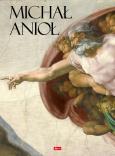
Barwna biografia genialnego włoskiego rzeźbiarza, malarza, architekta i poety, jednego z najznakomitszych artystów włoskiego późnego renesansu i manieryzmu, prekursora baroku, ucznia Domenica Ghirlandaia, później Bertolda di Giovanniego, kustosza zbiorów Medyceuszy. Ta wyjątkowa publikacja prezentuje jego bogatą twórczość oraz niezwykłe dzieła, jakie pozostawił po sobie potomnym.
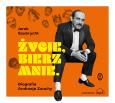
Pierwsza kompletna biografia legendarnego artystyMiał zostać kajakarzem lub zecerem, ale wybrał muzykę, a raczej muzyka wybrała jego. Andrzej Zaucha to jeden z największych talentów i najwspanialszych głosów w historii polskiej muzyki, wokalista obdarzony niezwykłą barwą i skalą, a także saksofonista i perkusista. Do tego kochający mąż i ojciec, świetny przyjaciel, facet tryskający humorem, brat łata bez krzty gwiazdorstwa. Jarek Szubrycht, ceniony dziennikarz muzyczny, proponuje kompletną biografię Andrzeja Zauchy od historii rodzinnej poprzez młodość, początki muzykowania, ogólnopolską karierę i występy zagraniczne, aż po tragiczną śmierć, na którą autor próbuje rzucić nowe światło.Nie szukałem sensacji, ale prawdy. Nie piszę o tragicznej, głośnej śmierci Zauchy, lecz o jego barwnym życiu, na przekór peerelowskiej szarzyźnie. O tym, skąd wziął się ten muzyczny diament, jakie wydarzenia go szlifowały i dlaczego nigdy nie zaświecił pełnym blaskiem mówi Jarek Szubrycht.Opowieść o zwykłymniezwykłym życiu Zauchy (jak w piosence C'est la vie Paryż z pocztówki i kultowym teledysku) jest spójna, lecz wielogłosowa. Autor rozmawiał z ponad sześćdziesięcioma osobami z otoczenia artysty od cioci, która go wychowywała, i ukochanej córki przez kolegów ze szkolnej ławy, przyjaciół i znajomych, muzyków i realizatorów, z którymi nagrywał i koncertował, autorów piosenek, które śpiewał, aż po gwiazdy estrady, z którymi dzielił scenę, współpracował i konkurował. Biografia Andrzeja Zauchy jest jednocześnie opowieścią o wyjątkowej scenie muzycznej Krakowa, balansującej pomiędzy rozrywką a jazzem, o równie barwnym, co siermiężnym PRL-u, wreszcie o życiu w trasie i o tym, co dotąd pozostawało za kulisami.AUDIOBOOK CZYTA MACIEK KOWALIK
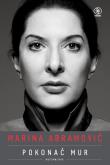
Wybitna artystka, ikona performance'u, której udało się dotrzeć z często kontrowersyjnymi dziełami do szerokiego grona odbiorców, także spoza kręgów koneserów sztuki współczesnej.Doświadczyłam wolności absolutnej czułam, że moje ciało nie zna ograniczeń, że ból nie ma żadnego znaczenia, że nic się nie liczy i to mnie upoiło.W 2010 roku zdarzyło się coś niezwykłego ponad 750 tysięcy ludzi ustawiło się w kolejce do nowojorskiego Muzeum Sztuki Nowoczesnej, by wziąć udział w trwającym w sumie ponad 700 godzin performansie Mariny Abramović usiąść naprzeciw niej i nawiązać z nią milczące porozumienie.Córka partyzantów, bohaterów drugiej wojny światowej, dorastała w Jugosławii rządzonej przez Titę. Mimo że zdążyła zdobyć międzynarodowy rozgłos i wyjść za mąż, wciąż mieszkała z matką, która kontrolowała ją i stawiała surowe ograniczenia. Nic nie zdołało jednak poskromić jej nienasyconej ciekawości świata, pragnienia kontaktu z ludźmi ani specyficznego, bałkańskiego poczucia humoru, którymi przesycone są jej życie i sztuka.Opowieść Mariny, poruszająca, pełna przygód i po prostu zabawna, to historia jej wyjątkowej kariery artystycznej związanej z poddawaniem ciała ekstremalnym próbom strachu, bólu, wyczerpania czy zagrożenia w dążeniu do emocjonalnej i duchowej przemiany, to także historia zgoła operowego romansu i dwunastoletniej współpracy artystki z performerem Ulayem - związku, który dobiegł dramatycznego końca na Wielkim Murze. O Marinie AbramovićPokonać mur to historia nieustępliwej, odważnej i niezależnej artystki, która dąży do nawiązania relacji totalnej z jednym człowiekiem, by ostatecznie dotrzeć do tysięcy odbiorców. Źródłem magii Mariny jest jej zyskująca coraz większą sławę metoda polegająca na badaniu własnej siły, wytrzymałości i woli przetrwania, kojarząca się bardziej z treningiem komandosów niż ze światem sztuki nowoczesnej. Nie mogłem się oderwać od tej książki, tak samo jak nie byłem w stanie przejść obojętnie obok jej performansów. -TOM REISS, zdobywca Nagrody Pulitzera oraz nagrody literackiej PEN, autor Czarnego hrabiego i Orientalisty.Marina Abramović zdobyła sławę jako artystka, która poprzez swoją sztukę całkowicie i bezwzględnie poddaje siebie, swoje ciało i duszę licznym transformacjom. Czytając te jakże intymne wspomnienia, słyszę jej głos. Marina się spowiada, zwierza, żali, naucza i snuje refleksje na temat swojego trudnego, lecz magicznego życia, oraz pracy, która daje jej wolność, a wszystko to z wielką dozą inteligencji i humoru. -WILLEM DAFOEAbramović jest najsłynniejszą na świecie artystką performansu i sztuki konceptualnej. I prawdopodobnie jedyną z poczuciem humoru. -BRYAN APPLEYARD, Sunday TimesPokonać mur to piękna, poruszająca i głęboka książka. Szczerze podziwiam sposób, w jaki Marina stawia czoło wszystkim dziwnym sprzecznościom i mitom towarzyszącym naszemu życiu codziennemu. Dzieli się osobistymi przeżyciami, jest samokrytyczna, ale jednocześnie maluje swój bogaty autoportret, który jest pełen dumy i poczucia własnej wartości. Cóż za życie! -LAURIE ANDERSONMarina uważa, że jej rolą jako artystki z całą artystyczną arogancją, która wygląda dość naiwnie i niewinnie, oraz pokorą, która tłumi w zarodku najlżejszy nawet impuls, by poczuć się urażonym jest zabieranie widzów w pełną niepokojów podróż do miejsca, gdzie będą się mogli uwolnić od wszystkiego, co ich ogranicza. -JUDITH THURMAN, The New YorkerDla Mariny Abramović różnica między sztuką a życiem nie istnieje; życie jest marzeniem, dopóki trwa, obecnością absolutną w pustce. -ALEJANDRO JODORKOWSKY
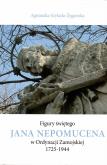
Książka jest próbą analizy dziejów kultu św. Jana Nepomucena ba terenie Ordynacji Zamojskiej, w przedziale czasowym obejmującym lata 1725 - 1944, czyli od czasu odnotowania pierwszej figury, do zlikwidowania Ordynacji przez władze komunistyczne.
Znaną w literaturze informację o sprowadzeniu kultu św. Jana Nepomucena na obszar dominium Zamoyskich przez przebywającego w Pradze młodego Tomasza Antoniego Zamoyskiego, potwierdziła analiza czasu powstania rzeźb. Rzadko zdarza się, by figury męczennika wznoszono przed okresem wyniesienia go na ołtarze - co miało miejsce w Zamościu. - Pierwsza rzeźba św. Jana Nepomucena stanęła w stolicy Ordynacji przed 1725 rokiem, czyli cztery lata przed uznaniem go za świętego.
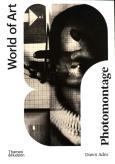
Manipulation of the photograph is as old as photography itself. It has embodied and enlivened political propaganda, satire, and commercial art and helped visualize the “brave new world” of the future through surreal and fantastic images. Photomontage has been embraced by artists from the late nineteenth century to today, including the Dadaists, John Heartfield, El Lissitzky, Hannah Höch, and Alexander Rodchenko. In this updated classic, art historian Dawn Ades addresses the aesthetic, social, and historical implications of the varied manifestations and uses of manipulated photographs.
Revered by artists, critics, and readers alike, this new edition is brought up-to-date to reflect technological developments and changes in visual culture, discussing the work of contemporary artists Kathy Bruce, Linder, Cold War Steve, and others. Photomontage also includes refreshed image reproductions as well as new full-color illustrations.
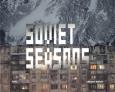
The follow up to Soviet Cities by acclaimed Russian photographer and Instagram sensation Arseniy Kotov. A photography book featuring four areas of the post-Soviet republics seen over four different seasons
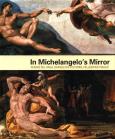
In the first decades of the sixteenth century, the pictorial arts arrived at an unprecedented level of perfection. That, at least, was a widespread perception among artists and their audiences in central Italy. Imitation, according to the artistic literature of the period, was a productive means of continuing the perfections of a predecessor. In Michelangelo’s Mirror reconsiders the question of Italian mannerism, focusing on the idea of imitation in the works of such artists as Perino del Vaga, Daniele da Volterra, and Pellegrino Tibaldi.
Michelangelo was praised as an unsurpassable ideal, and more than any other artist he received the flattering epithet divino. As the cult around him grew, however, a different discourse arose. With the unveiling of the Sistine Last Judgment in 1541, Michelangelo stood accused of having set artifice above the sacred truth he was meant to serve, effectively making an idol of his art. Hansen examines the work of three of the master’s most talented followers in the light of this critical backlash. He argues that their choice to imitate Michelangelo was highly self-conscious and related to the desire to construct their own artistic identities, either by associating their work directly with the ideal paradigm (Daniele), through irony and displacement (Perino), or by incorporating both approaches (Tibaldi).
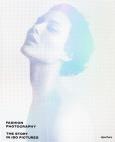
Fashion photography captures our desires and fantasies about how we present ourselves to the world, while reflecting the changing values of our culture and society. Fashion Photography: The Story in 180 Pictures explores the profound influence that fashion photography has had on us over the past eight decades, presenting its evolution as a language, and a genre, while showcasing some of its most glamorous moments. Featuring work by every important fashion photographer of the past, alongside those shaping contemporary taste today—including Richard Avedon, Horst P. Horst, William Klein, Helmut Newton, Guy Bourdin, Steven Meisel, Corinne Day, and Juergen Teller, to name a few—fashion chronicler Eugénie Shinkle reveals illuminating moments in the story of fashion and photography, while sketching the bigger picture. She charts how fashion photography flourished with the rise of illustrated magazines, how influential art directors collaborated with photographers to shape epochs of style, and how generations of fashion photographers have built upon each other’s ideas to expand this genre. An object of exquisite beauty in its own right, this book serves as an accessible primer to the story of fashion photography, for everyone engaged by this compelling subject.
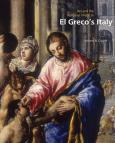
“Andrew R. Casper’s Art and the Religious Image in El Greco’s Italy makes an important contribution to the growing body of scholarship on El Greco, one of the most original and, often, least understood artists of the late Renaissance. In a probing and illuminating fashion, Casper reveals the ways in which El Greco’s encounter with both Counter-Reformation theological ideas and Venetian and Roman art and art theory enabled him to transform himself from a provincial painter of icons in the Byzantine manner to a truly modern painter of devotional images. The El Greco we encounter here is a highly self-conscious, ambitious, and learned painter who, by virtue of his ‘Byzantine way of thinking,’ reconciled aesthetic concerns with contemporary attitudes toward sacred images in the form of what Casper brilliantly terms ‘artful icons.’”
—Steven F. Ostrow, University of Minnesota
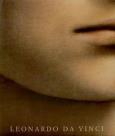
The most comprehensive book on the paintings of Leonardo da Vinci, with hundreds of illustrations
This classic volume on Leonardo’s paintings captures the magical qualities that make him one of the most beloved painters in the history of art. Pietro Marani’s definitive text is accompanied by hundreds of reference images that immerse the reader in Leonardo’s world and studio. Every known painting is discussed in depth, and enlarged details reveal aspects invisible to the naked eye, down to the artist’s fingerprints. This new edition includes three newly attributed works, including the Salvator Mundi, whose discovery and sale in 2016 made international news, while color plates have been refreshed throughout, especially of paintings that have been restored or cleaned since the first edition of the book was published in 2000.
Pietro C. Mariani is one of the world's foremost scholars on Leonardo da Vinci. A professor of art history at the Politecnico of Milan, he has published many articles and volumes on Italian Renaissance art, edited more than 20 scholarly books on Leonardo, and was codirector of the project to restore Leonardo's Last Supper, which was completed in 1999. He lives in Milan.
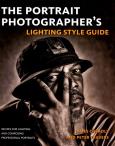
Whether you’re a pro looking to update and diversify your portfolio, or an amateur ready to experiment with exacting new styles, you’ll find inspiration and clear how-to in »The Portrait Photographer's Lighting Style Guide«. Today’s most popular portrait styles are broken down with lighting diagrams and exposure information, as well as the story behind the shot, to create an indispensable reference for anyone interested in creating more up-to-date, professional-style portraits.
Inside you’ll find:
– Diagrams for lighting 60 portraits in a wide variety of styles
– Gear, lens, and exposure information for each shot
– Photoshop tutorials for everything from RAW processing to HDR, digital makeovers, and more
– Inspiring photographs—including celebrity shots of Angelina Jolie, Samuel L. Jackson, and more—from 11 international photographers
Ten produkt jest zapowiedzią. Realizacja Twojego zamówienia ulegnie przez to wydłużeniu do czasu premiery tej pozycji. Czy chcesz dodać ten produkt do koszyka?