W tej strefie zapraszamy czytelników tak zwane artystyczne dusze po książki z kategorii Sztuka. Polecamy szereg publikacji o sztuce i jej historii,ciekawostki i portfolia artystów, eseje, albumy, książki o malarstwie, rzeźbiarstwie, architekturze oraz histoii fotografii. Biografie ciekawych artystów, książki i powieści przedstawiające fascynujące losy malarzy i osób uwiecznianych na obrazach. W tym dziale tylko ksiązki ze sztuka w tle.
Wielcy kompozytorzy to książka dla wszystkich miłośników muzyki. Można tu znaleźć informacje m.in. o Georgu Friedrichu Händlu – niemieckim kompozytorze późnego baroku, geniuszu kompozycji polifonicznych, Karolu Szymanowskim – najsłynniejszym polskim kompozytorze I połowy XX w., czerpiącym inspirację z kultury ludowej, o Piotrze Czajkowskim – słynnym rosyjskim kompozytorze i pianiście, który potrafił w muzyce łączyć klasyczną formę z romantycznymi założeniami programowymi, Stanisławie Moniuszce – najwybitniejszym polskim kompozytorze, dyrygencie i pedagogu, Witoldzie Lutosławskim – wybitnym polskim kompozytorze XX w., który wyniósł polską muzykę do rangi światowej i był współorganizatorem Międzynarodowego Festiwalu Muzyki Współczesnej „Warszawska Jesień” oraz o wielu innych wybitnych twórcach, którzy zapisali się w historii dzięki swoim niepowtarzalnym dziełom. Piękna szata graficzna, kolorowe zdjęcia i reprodukcje obrazów oraz ciekawe teksty.
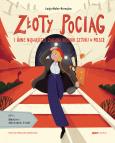
Bezbłędnie namierza ukryte skarby. Łamie najtrudniejsze szyfry. Raz-dwa tropi największych fałszerzy i złodziei bezcennych dzieł. Jest naprawdę niezła w te klocki! Gdy wsiada na swój zdezelowany rower i zarzuca na ramię wielką torbę specjalistycznego sprzętu (dziurawe sito w sam raz jej się przyda!), nie ma na nią mocnych! Poznajcie Fishkę, najsłynniejszą detektywkę tajemnic sztuki w Polsce, a kto wie… może i na świecie? Co się stało z wypełnionym złotem pociągiem, który wjechał do tunelu i zniknął bez śladu? Jakie tropy doprowadziły naukowców do odkrycia na dnie Wisły szczątków zatopionego wieki temu pałacu króla Polski? Jak to się stało, że niemiecki gubernator Hans Frank zawiesił wart fortunę obraz Dama z gronostajem w swoim pokoju tuż nad kaloryferem? Skąd w Środzie Śląskiej tyle skarbów, że kopiąc w ziemi, ludzie co rusz wykopują garnki ze złotem? Czy masz w sobie żyłkę tropiciela i łowcy skarbów? Wyrusz z Fishką i odkryj tajemnice polskich dzieł sztuki! Łucja Malec-Kornajew – założycielka pierwszego w Polsce Dziecięcego Biura Detektywistycznego, historyczka sztuki i przewodniczka. Laureatka Nagrody Krakowa Miasta Literatury UNESCO. Lubi koty i zardzewiałe śrubki. Brawurowe śledztwa detektywki Fishki tropiła i zilustrowała Aleksandra Gołębiewska - ilustratorka i graficzka, finalistka konkursu China Shanghai International Children’s Book Fair 2018 za ilustracje do książki „Kot na medal”. Za książkę „Yeti, w którego nikt nie wierzył” została nominowana w plebiscycie Złota Dwudziestka z okazji 20-lecia kampanii „Cała Polska czyta dzieciom” oraz w konkursie PTWK Najpiękniejsze książki Roku 2018. Śledztwa detektywki Fishki: 1. Bursztynowa Komnata, czyli jak zgubić… duży pokój 2. Lista Grundmanna, czyli strategia wiewiórki 3. Złoty pociąg 4. Kradzież obrazu Lorenza Lotta 5. Co mówi Cecylia? 6. Skandaliczna kradzież ołtarza (w dodatku mariackiego!) 7. Delfinek w Wiśle 8. Kradzież Rafaela. Gdzie jest As? 9. Złoty sen, czyli o skarbach w Środzie Śląskiej 10. Figliki, czyli o grzebaniu w jaskiniach 11. Kazania świętokrzyskie, czyli o zasadach kreatywnego recyklingu 12. Nikifory-fałszywki „To będzie szokujące pytanie, ale zaryzykuję. Co mogą mieć wspólnego przebiegły niemiecki urzędnik z czasów II wojny światowej i niewinna wiewióreczka? Okazuje się, że całkiem sporo. Jeśli można coś pewnego powiedzieć o wiewiórkach, to dwie rzeczy. Na pewno to, że są słodkie. Oraz że biedaczki cierpią na galopującą sklerozę, zupełnie tak jak ja. Wiecie oczywiście, że wiewiórki przed zimą chowają w różnych miejscach smakołyki, a potem zdarza im się zapomnieć, gdzie ulokowały skrytki. Dzięki sklerozie wiewiórek cały park bywa więc naszpikowany orzeszkami, nasionami i żołędziami, poupychanymi skrzętnie w sekretnych dziurach i dziuplach. Gdy wiewiórka zapomni o swym skarbie (a jest duża szansa, że tak będzie), z nasionek i żołędzi wyrosną po jakimś czasie młode rośliny lub… inna, sprytniejsza wiewiórka może je odnaleźć i schrupać ze smakiem. Podobnie było ze skarbami z Wrocławia i okolic, które ukrył pewien niemiecki urzędnik. Trudno go podejrzewać o brak pamięci, raczej o przebiegłość. Ale podobieństwa do sprytnej wiewiórki nie da się mu odmówić. Zresztą posłuchajcie sami!” /fragment książki „Ja myślę, że oni mu nastąpili na odcisk. Jakby mnie ktoś sprzed nosa sprzątnął to, co kocham najbardziej na świecie, to też bym nie odpuściła. I nie chodzi o miętowe landrynki, bo te jednak, umówmy się, mogę kupić w co drugim sklepie. Ale gdyby ktoś zabrał mi coś tak pięknego jak jemu… Ooo, wtedy to ja tak samo bym się wkurzyła… A że Karol Estreicher, bo to o nim mowa, charakterek miał nielekki, to zrobiła się z tego rozróba lepsza niż w filmie. Ach, jak mi się to podoba! Karol był historykiem sztuki i pochodził z dobrej krakowskiej rodziny (co nie przeszkodziło mu też być niezłym rozrabiaką). Założę się, że już jako dziecko oglądał ołtarz mariacki jak wielki komiks. ” /fragment książki
Przejmująca biografia znakomitej aktorki i szlachetnego Człowieka.Fascynujący portret jednej z najwybitniejszych polskich aktorek teatralnych i filmowych, znanej z wielu znaczących ról, a zarazem osoby wyjątkowo oddanej innym, szczególnie chorym i niepełnosprawnym, dla których założyła Fundację Mimo Wszystko i działa w niej jako Pierwsza Wolontariuszka. Była żoną nieżyjącego już Wiesława Dymnego, legendarnego współtwórcy Piwnicy pod Baranami. Życie nie szczędziło jej ani wspaniałych chwil i wielkich wzruszeń, ani tragicznych doświadczeń. Jej zmaganie zahartowały ją i nauczyły nie tylko cenić życie, ale i służyć innym, słabszym, bezbronnym.Książka Elżbiety Baniewicz pozwala poznać życie prywatne i karierę aktorki, ale też przyjrzeć się, jak kształtowała się jej szlachetna postawa wobec innych, co zaowocowało stworzeniem Fundacji Mimo Wszystko i cyklem telewizyjnych przejmujących programów telewizyjnych Spotkajmy się.Niezwykła droga kariery, wielkie postaci teatru i filmu, które ją kształtowały; dramatyczne życie i umiejętne dążenie do odnalezienia harmonii i sensu w służeniu innym to ANNA DYMNA.Książka bardzo bogato ilustrowana daje też doskonały obraz epoki: najlepszych lat polskiego teatru i jego wybitnego ośrodka, jakim od lat jest Stary Teatr w Krakowie (z którym przez całe zawodowe życie jest związana) oraz Teatru Telewizji, dzięki któremu do dziś możemy oglądać wybitne role Anny Dymnej.Elżbieta Baniewicz, absolwentka UW i PWST w Warszawie, jest autorką . monografii o Kazimierzu Kutzu i Januszu Gajosie (wydana przez Marginesy w tej samej serii co Dymna biografia pt. Gajos otrzymała w 2013 roku Pióro Fredry). Pracuje w miesięczniku Twórczość.
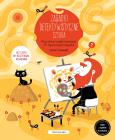
Chcesz się zagłębić w tajemnice sztuki?W tej książce czeka na Ciebie 25 zagadek, które pozwolą Ci miło spędzić czas i potrenować mózg, a przy okazji poznać niesamowite historie, ciekawostki o artystach i ich dziełach. Wyrusz w podróż w czasie i od odwiedź między innymi prehistoryczne jaskinie, których ściany pokrywają malowidła, a także zakątki nowoczesnych miast, ozdobione wyjątkowymi graffiti.Żeby dać Ci możliwość pozostawienia swojego śladu w historii sztuki, na końcu książki zostawiamy miejsce na Twój autoportret oraz proponujemy Ci kilkanaście artystycznych zadań.Kolejny tom bestsellerowej serii.Tym razem w rozwiązaniu zagadek pomoże lusterko dołączone do książki.
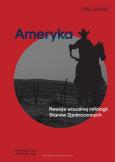
Książka stanowi krytyczną analizę formacji i późniejszych rewizji tego, co autor określa mianem amerykańskich wizualnych mitów. Mity te osadzone są w szeroko pojętej wizualności, modelach spojrzenia, obrazach, sztuce i innych przejawach kultury wizualnej, takich jak film. Ameryka została napisana przede wszystkim z perspektywy historyka sztuki, ale również amerykanisty, ma zatem charakter interdyscyplinarny, łączący refleksję z dziedziny historii sztuki, studiów nad kulturą wizualną i studiów amerykanistycznych. Każdy z rozdziałów, które poprzedzone zostały obszernym, teoretycznym wprowadzeniem, stanowi osobne a zarazem skorelowane z całością książki studium przypadku kształtowania się, zwłaszcza w XIX wieku, obrazów-mitów, w rozmaitych ich przejawach formalnych i medialnych, a przede wszystkim tego, jak – w wyniku zmieniającej się sytuacji społeczno-kulturowej – były one rewidowane w sztuce i kulturze wizualnej wieku XX i XXI. Autor dokonuje znamiennego rozróżnienia na Stany Zjednoczone i Amerykę rozumianą jako wyobrażeniowo-symboliczne pole lub ekran konstytuowania się amerykańskiej mitologii, zmierzającej do zneutralizowania różnicy i unifikacji heterogenicznego narodu. Zaprezentowane, obszerne analizy dzieł sztuki, popularnych obrazów i filmów, demonstrują sposób, w jaki – zwłaszcza od połowy XX wieku – w wyniku budzącej się politycznej świadomości zmarginalizowanych grup, na fali walki o prawa obywatelskie i zachodzących zmian w szeroko pojętym społeczno-kulturowym pejzażu Stanów Zjednoczonych, mitologia ta ulegała stopniowej dekonstrukcji. Jednocześnie jednak, mimo owych wewnętrznych interwencji i osłabienia ekonomicznej i kulturowej hegemonii USA na arenie światowej w ostatnich dekadach, autor stawia tezę, odnosząc się do konkretnych przypadków i problemów amerykańskiej wizualności, że ramowe współrzędne mitu ciągle stanowią trwały punkt odniesienia.
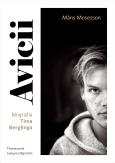
Intymna biografia kultowego DJ-a, który odszedł zbyt wcześnie.Avicii był wizjonerem. Poprzez swoje muzyczne wyczucie i unikatowy styl zdefiniował epokę, w której szwedzka i europejska muzyka house zawładnęła światem.Ale Tim Bergling był również introwertycznym młodym człowiekiem zmuszonym do dorastania w nieludzko szybkim tempie. Po serii nagłych wypadków i pobytów w szpitalu latem 2016 roku przestał koncertować. Zaledwie dwa lata później świat obiegła szokująca informacja jeden z najsławniejszych na świecie DJ-ów popełnił samobójstwo w hotelowym pokoju w Omanie. Pozostawił po sobie największe hity klubowej sceny, takie jak Wake Me Up, Waiting for Love czy Levels, i gigantyczną fortunę. Jego utwory mają miliardy odtworzeń w serwisach streamingowych.Avicii. Biografia Tima Berglinga została napisana przez wielokrotnie nagradzanego dziennikarza Mnsa Mosessona, który dzięki wywiadom z rodziną Tima, jego przyjaciółmi i kolegami z branży muzycznej dogłębnie poznał producenta-gwiazdę. Książka przedstawia szczery obraz Tima i jego życiowych poszukiwań. Autor nie stronił od ukazywania demonów, z którymi walczył chłopak, i propozycji odpowiedzi na najtrudniejsze pytania dotyczące losów jednej z najjaśniej świecących gwiazd muzycznych ostatniej dekady.
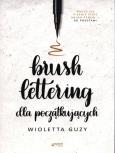
Naucz się pięknie pisać brush penem - od podstaw! Sztuka pięknego pisania Brush lettering w dosłownym tłumaczeniu oznacza kaligrafię pędzlem. Czasem używa się też specjalnych pisaków do brush letteringu. Wbrew pozorom sztuka ta ma wymiar nie tylko rozrywkowy czy relaksacyjny - wiele osób potwierdza, że ćwiczenie kaligrafii bardzo je relaksuje - ale także wybitnie praktyczny. Zdolność pięknego pisania pozwala tworzyć zachwycające kartki świąteczne, piękne zaproszenia na rozmaite uroczystości, oryginalne plakaty z ulubionymi cytatami i inne ręcznie wykonywane dzieła, które cieszą oko, zdobią otoczenie i uprzyjemniają życie. Satysfakcja gwarantowana, a zabawa przednia! Opanowanie sztuki kaligrafowania pędzlem nie jest wcale trudne. Wystarczy zaopatrzyć się w niezbędne narzędzia i materiały, wiedzieć, co się chce napisać, dodać do tego odrobinę cierpliwości i skorzystać z kilku rad od doświadczonej nauczycielki brush letteringu. Wioletta Guzy z pasji uczyniła sposób na życie - pięknego pisania uczy uczestników warsztatów online i na żywo, wiedzą i umiejętnościami dzieli się też chętnie za pośrednictwem konta na Instagramie, a także... tej książki. Stanowi ona swego rodzaju kompendium wiedzy i inspiracji w dziedzinie brush letteringu. Uwaga! Autorka jest osobą leworęczną, poradnik zatem zawiera dodatkowo specjalne podpowiedzi dla osób piszących lewą ręką.
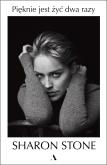
Otworzyłam oczy i zobaczyłam, że pochyla się nade mną mężczyzna. Był tuż przy mojej twarzy. Jego spojrzenie było tak łagodne, że pomyślałam: zaraz umrę. Nieznajomy gładził mnie po głowie, po włosach, o Boże, był taki przystojny. Wolałabym, żeby to był mój kochanek, a nie ktoś, kto właśnie powiedział: Doszło u pani do krwawienia w mózgu. - Sharon Stone, Pięknie jest żyć dwa razyOpowiadając swoją historię Sharon Stone mówi o drodze do uzdrowienia, miłości i celu.Stone, jedna z najbardziej znanych aktorek na świecie, doznała rozległego wylewu, który kosztował ją nie tylko zdrowie, ale także karierę, rodzinę, majątek i globalną sławę. W Pięknie jest żyć dwa razy aktorka pisze o wysiłkach by odbudować swoje życie i powolnej drodze do odzyskania pełni siebie i pełni zdrowia. W branży, która nie akceptuje porażek, w świecie, w którym zbyt wiele głosów jest uciszanych, Stone znalazła siłę by powrócić, odwagę, by zabierać głos i wolę by zmieniać życia mężczyzn, kobiet i dzieci na całym świecie.W tej intymnej książce, tak szczerej, jak osobista rozmowa, Stone opowiada o przełomowych rolach, przyjaźniach zmieniających życie, najgorszych rozczarowaniach i największych osiągnięciach. Zdradza, jak od przemocowego dzieciństwa doszła do kariery w branży, która pod wieloma względami, pod przykrywką pieniędzy i przepychu, stosuje takie same metody. Opisuje siłę i sens, które odnalazła w swoich dzieciach i działalności humanitarnej. A w końcu dzieli się tym, jak walczyła by odnaleźć nie tylko swoją prawdę, ale też pojednanie i miłość rodziny.Stone trafiała na pierwsze strony gazet nie tylko z powodu urody i talentu, ale także przez swoją szczerość i niezgodę by udawać miłą. I właśnie te cechy sprawiają, że jej wspomnienia mają taką siłę. Pięknie jest żyć dwa razy jest książką dla zranionych i dla ocalałych; jest celebracją kobiecej siły i odporności, rachunkiem i wezwaniem do działania. Jest dowodem na to, że nigdy nie jest za późno, by zabrać głos.SHARON STONE - aktorka, działaczka na rzecz praw człowieka, artystka, matka, córka, siostra i pisarka. Jest laureatką Nagrody Pokoju (Nobel Peace Summit Award), Harvard Foundation Humanitarian Award, Human Rights Campaign Humanitarian Award i Einstein Spirit of Achievement Award, a także wielu innych wyróżnień. Wraz z rodziną mieszka w Los Angeles.Twitter i Instagram: @sharonstone
Zapis rozmowy Lisy Wolford z Thomasem Richardsem, dyrektorem Workcenter of Jerzy Grotowski and Thomas Richards (Pontedera, Włochy), przeprowadzonej w 1995 roku. Rozmowa ta daje wgląd w istotę twórczych poszukiwań Grotowskiego w domenie określanej przez niego mianem sztuka jako wehikuł, wyznaczającej końcowy etap jego poszukiwań. Richards opowiada tu m.in. o transformacji energii, która może nastąpić w pracy nad pieśniami z tradycji afrokaraibskiej. To dzięki tej pracy oraz dzięki oparciu się na strukturach działań wykorzystujących niebanalne wspomnienia performerów możliwa staje się wertykalna podróż ku temu, co subtelne. (Od wydawcy polskiego)
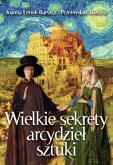
Twórcy umieszczają w swych dziełach sekretne znaki.Zabieramy cię w porywającą podróż tropami błysków geniuszu.Kto i w jakim celu stworzył doskonałą anatomicznie kryształową Czaszkę Zagłady?Czemu służyły gigantyczne naskalne malowidła odnalezione w australijskich jaskiniach?Jaka klątwa wiąże się z terakotową armią cesarza Qin Shi Huangdi? Dlaczego chińskie władze zaprzestały wykopalisk i nie pozwalają na dalszą eksplorację znaleziska?Gdzie się podziewa zaginiony złoty tron Karola Wielkiego, który został podarowany Bolesławowi Chrobremu przez Ottona III?Surrealizm w mrokach średniowiecza. Co wywołało tajemnicze wizje Hieronima Boscha?Jaką enigmę ukrył Pieter Breughel w swojej najsłynniejszej Wieży Babel?Dlaczego słynny secesyjny twórca Alfons Mucha wymalował własną wersję Bitwy pod Grunwaldem?Czego bał się Edward Munch a czego obawia się postać wymalowana na jego najsłynniejszym obrazie Krzyk?Horror zombie z krakowskiego witraża. Dlaczego Wyspiański zaprojektował dla wawelskiej katedry żywego trupa Kazimierza Wielkiego?Dziwny ogród. Skąd gigantyczna ważka na obrazie Józefa Mehoffera?Co cesarz surrealistów, Salvador Dali, zakodował w obrazie Zagadka Hitlera?Niewyjaśnione zagadki ósmego cudu świata i jego świętego twórcy. Antonio Gaudi i bazylika Sagrada Familia.NIE CZEKAJ. DOŁĄCZ DO WYPRAWY POSZUKIWACZY NIEWYJAŚNIONYCH TAJEMNIC ARCYDZIEŁ SZTUKI.
Większość publikowanych w książce tekstów pochodzi z konferencji naukowej Zła pamięć. Przeciw-historia w polskim teatrze i dramacie zorganizowanej przez Wydział Polonistyki Uniwersytetu Jagiellońskiego, Instytut im. Jerzego Grotowskiego i redakcję Didaskaliów w dniach 1213 maja 2011.
Wielcy i znani aktorzy może mają ciekawsze życie, ale zwyczajni, jak ja?Też chyba zwyczajne, choć tylko do pewnego momentu i nie byłoby o czym pisać, gdyby nie napoleonka, zaoferowana w teatrze Szajny pewnej przystojnej Japonce.Bo właśnie od tej chwili zaczęło się moje niezwyczajne i wyjątkowe życie. I w Polsce, i w Japonii, i Australii. ...jest pewne, że żaden z polskich aktorów nie miał takiego życia...i egzystencja autora, wśród zwyczajnych aktorów, jest jednak wyjątkową przygodą.Książka jest ciekawie ilustrowana.
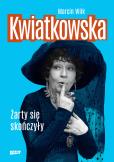
Intymny portret kobiety pracującejW wieku siedemnastu lat zdecydowała, że nigdy nie będzie mieć dzieci. Nie chciała sławy, ale sława ją pociągała. Nawet kiedy opiekowała się chorym mężem, w pokoju obok odbywały się próby. Przyrzekła sobie, że jeśli nie zostanie artystką, to pójdzie do klasztoru.Prywatnie pełna sprzeczności. Manewrowała między domem a pracą, luksusem a skromnością, skupieniem a przygnębieniem. W wywiadach oszczędna, tajemnicza, skłonna do konfabulacji.Jaka naprawdę była Irena Kwiatkowska?Marcin Wilk jako pierwszy dotarł do nie publikowanych dotąd pamiętników artystki, dokumentów, listów oraz fotografii. Rozmawiał z osobami, które Irenę znały najlepiej z bratanicą Krystyną czy z wieloletnią gosposią Zofią. To pierwsza pełna biografia artystki.Bo z Ireną Kwiatkowską żartów nie ma.Irena Kwiatkowska żarty zostawia na scenie.Marcin Wilk dziennikarz, autor literackiego bloga Wyliczanka, kurator związanych z literaturą wydarzeń. Autor książek Tyle słońca. Anna Jantar. Biografia (2015), W biegu... Książka podróżna. Rozmowy z pisarzami (i nie tylko), 2011. Czterdziestolatek.Śmiało można stwierdzić, że Fryderyk Szopen wyjechał na Majorkę i skomponował Preludium e-moll głównie po to, żeby 130 lat później posłużyło ono Irenie Kwiatkowskiej do wyrecytowania Listu autorstwa Jeremiego Przybory. Proszę tylko posłuchać, jak ono (preludium) brzmi, kiedy ona mówi:Deszcz pada. W sennym płaczu rynienOdchodzę. Tyś wszystkiemu winien...Śmiało można stwierdzić, że Irena Kwiatkowska była Fryderykiem Szopenem polskiego kabaretu. Albo że to Szopen był Ireną Kwiatkowską polskiej muzyki. I śmiało można pisać wiersze:Stoi w Łazienkach pomnik Szopena,A stać powinna Kwiatkowska Irena.Można się zachwycać tym, co nam po sobie zostawiła. Na szczęście są nagrania. No i można przeczytać jej biografię. Śmiało.Artur Andrus
Pierwsza biografia barda warszawskiej ulicy. Mówił, że nie jest pisarzem, a napisał trzy książki, które przeczytało kilka milionów Polaków. Mówił, że nie jest muzykiem, a nagrał dziesiątki piosenek, w których ocalił od zapomnienia przedwojenną Warszawę. Stanisław Grzesiuk był legendarnym bardem stolicy, jego charakterystyczny głos, którym wyśpiewywał szemrane ballady warszawskich przedmieść, zna kilka pokoleń Polaków. W swojej najsłynniejszej książce Boso, ale w ostrogach ocalił od zapomnienia świat przedwojennej Warszawy i jej charakternych dzieci. Za życia był kochającym swoje miasto dzieckiem Warszawy, po śmierci został jej symbolem. To książka o człowieku, który nigdy nie pił na smutno. Pił z radości życia. Tak samo żył, niezależnie od tego jak mocno los akurat go poniewierał. Na biednym przedwojennym Czerniakowie, w piekielnych obozach koncentracyjnych, w sanatoriach i szpitalach dla gruźlików – wszędzie był królem życia. Autor dotarł do bliskich Stanisława Grzesiuka, odnalazł niepublikowane nigdzie do tej pory opowiadania i teksty barda Warszawy. Po latach, wbrew utartym już faktom i opowieściom, poznajemy prawdziwą opowieść o człowieku, który tak kochał życie, że nikomu nie chciał go oddać. „–Jaki jest wasz stosunek do tematu: kobiety, wino i śpiew? – zapytał. – Po warszawsku to się mówi: dziwki, wódka i gramofon. – odpowiedziałem. – A mój stosunek do nich jest szaleńczy, namiętny i bardzo otwarty”. fragment książki Bartosz Janiszewski – dziennikarz i scenarzysta, ukończył socjologię na Uniwersytecie Warszawskim. Przez wiele lat był dziennikarzem tygodników „Newsweek” i „Wprost”. Nominowany m.in. do nagród Grand Press i MediaTory. Laureat konkursu dla scenarzystów Script Fiesta. Jako scenarzysta współpracuje m.in. z HBO i TVN.
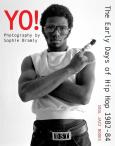
Sophie Bramly lived in New York in the early 1980s and became firmly embedded in the emergent scene. The book features many stunning, intimate images of a star-studded roll call of legendary hip hop figures, all of whom were only just getting known or in their ascendency. These include Kool Herc, Afrika Bambaataa, Grandmixer DST, Jazzy Jay, Red Alert, Grandmaster Melle Mel, Kurtis Blow, Lisa Lee, the Fat Boys, Run-DMC, Beastie Boys and many more.
Bramly knew that hip hop was becoming a cultural force rather than just a musical fashion, and spent many hours photographing the four essential elements of this new world: the emcees, the deejays, the graffiti artists and the break dancers.
Aside from the musical stars of hip-hop you will also see legendary graffiti artists captured at work and play, such as Keith Haring, Dondi, Futura, Phase One, Zephyr and Lady Pink, and break dancers including members of Magnificent Force, Dynamic Breakers and the Rock Steady Crew.
The body remains a battleground. Politicized, conceptualized and increasingly shared, our often-paradoxical relationship with the human form is nothing new, but finds itself heightened in the digitised, virtualised era of the ‘post-industrial’ body. No longer a tool but a work-in-progress, our bodily expectations bound from fantasy to reality, beauty to tyranny, art to commerce and curiosity to obsession, leaving us dreaming of other bodies and alternate lives.
Surveying a range of over 360 photographic re-presentations from the worlds of art, fashion, scientific and vernacular photography - including the work of Nobuyoshi Araki, Bettina Rheims, Lauren Greenfield, Viviane Sassen, Cindy Sherman, Wolfgang Tillmans, Daido Moriyama, Sally Mann, Pieter Hugo and Juergen Teller, Sølve Sundsbø and Daniel Sannwald - Body: The Photobook explores what our imaging of the human form, and the ways in which those images have been used and shared, might reflect of our relationship to the body. Supporting the broad range of photography is an essay by the psychologist Professor David Sander, who discusses the neurological representation of our own bodies.
The Baltic States – Lithuania, Latvia and Estonia – retain strong cultural identities that have survived despite centuries of colonization by powerful neighbouring lands. Following the First World War, a particularly rich period of openness and international artistic exchange unfolded. Modernism in all its forms flourished, not only in painting but in sculpture, printmaking, photomontage and the decorative arts, ranging from the elegant abstraction of Arnold Akberg to the provocative figuration of Karlis Padegs and the experimental photography of Domicele Tarabildiene.
Serge Fauchereau covers all the leading art movements of this period as well as retracing the political background of the Baltic nations, from their time under the Tsars and the German crown to the domination of the Soviet Union. With each country showcased in its own lavishly illustrated section, this is a wonderful guide to a vibrant field in European art history that is often overlooked but deserves rediscovery and a place on the global stage.
Muzeum Stanisława Wyspiańskiego to nowy oddział Muzeum Narodowego w Krakowie, poświęcony wybitnemu polskiemu artyście malarzowi, grafikowi, architektowi, projektantowi mebli, dramaturgowi i poecie. W jego zbiorach znajdują się dzieła malarskie, szkice, projekty, pamiątki osobiste, księgozbiór prywatny oraz rękopisy i fotografie, w większości podarowane lub zakupione wkrótce po śmierci Wyspiańskiego w roku 1907.Otwarciu Muzeum towarzyszy publikacja będąca wznowieniem katalogu wystawy Wyspiański, prezentowanej w MNK w latach 20172019. Książkę otwiera kalendarium życia i twórczości artysty, a kolejne rozdziały (ilustrowane plastycznymi dziełami Wyspiańskiego i przerywane wyborem cytatów z jego dramatów i listów) opowiadają między innymi o życiu domowym jego rodziny, pracach w krakowskim kościele Franciszkanów (dekoracja malarska, witraże), zainteresowaniu historią i zabytkami, witrażach do katedr lwowskiej i krakowskiej, osiągnięciach na polu typografii i plastyki teatralnej, pobycie w Paryżu, działalności w Towarzystwie Artystów Polskich Sztuka oraz o projektowaniu wnętrz i mebli. Publikację zamyka tekst prezentujący wyniki badań nad kartonami witrażowymi.
Stała wystawa Przedmioty. Galeria Designu Polskiego XX i XXI wieku w Kamienicy Szołayskich im. Feliksa Jasieńskiego to pierwsza w historii Muzeum Narodowego w Krakowie prezentacja najciekawszych osiągnięć polskiego designu od projektów graficznych, przez modę i meble, po gry komputerowe podkreślająca jego znaczenie oraz odrębność wobec sztuk pięknych i rzemiosła artystycznego. Wśród eksponatów można zobaczyć przedmioty codziennego użytku, które dziś uznawane są za kultowe, a także wybitne dzieła polskich projektantów.Towarzysząca wystawie bogato ilustrowana publikacja przybliża zagadnienia związane z polskim designem. Omówiono w niej wzornictwo Młodej Polski, modernizmu i awangardy w II RP, czasów PRL i po roku 1989, a także trendy obecne w sztuce plakatu i w modzie. We wstępie natomiast zostały zaprezentowane założenia przyszłej działalności nowego oddziału Muzeum Narodowego w Krakowie w dawnym hotelu Cracovia, której galeria Przedmioty jest zapowiedzią.
Ten produkt jest zapowiedzią. Realizacja Twojego zamówienia ulegnie przez to wydłużeniu do czasu premiery tej pozycji. Czy chcesz dodać ten produkt do koszyka?