W tej strefie zapraszamy czytelników tak zwane artystyczne dusze po książki z kategorii Sztuka. Polecamy szereg publikacji o sztuce i jej historii,ciekawostki i portfolia artystów, eseje, albumy, książki o malarstwie, rzeźbiarstwie, architekturze oraz histoii fotografii. Biografie ciekawych artystów, książki i powieści przedstawiające fascynujące losy malarzy i osób uwiecznianych na obrazach. W tym dziale tylko ksiązki ze sztuka w tle.
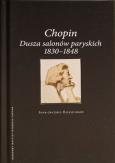
Kolejna książka wybitnego szwajcarskiego chopinologa, Jeana-Jacques’a Eigeldingera, wpisuje się w nurt prowadzonych przez niego od wielu lat studiów nad społeczno-kulturowym kontekstem działalności Chopina. Po gruntownym przebadaniu jego aktywności jako nauczyciela gry fortepianowej i specyficznego kręgu jego adeptów zaprezentowanych w pionierskiej monografii pt. Chopin w oczach swoich uczniów Jean-Jacques Eigeldinger podjął frapujący temat związków Chopina z paryskim życiem salonowym. Związki te ukazał w podwójnym wymiarze: z jednej strony – jako wkład Chopina do aktywności tych salonów Paryża, w których przyszło mu działać, z drugiej zaś – jako recepcję jego występów w owym kręgu połączoną z wartościowaniem jego stylu gry, z ocenami przybierającymi niekiedy finezyjny kształt literacki.
prof. dr hab. Zbigniew Skowron
Książka zaprasza do wędrówki ośmioma trasami poprowadzonymi topograficznie przez dzielnice miasta, w obrębie których autorki i autorzy zebrali najważniejsze informacje na temat stu wybranych budynków i kilkunastu realizacji urbanistycznych XX wieku w Krakowie. Notkom towarzyszą archiwalne fotografie budynków i oryginalne rysunki architektoniczne, a trasy rozpoczynają czytelne mapy ukazujące proponowane kierunki zwiedzania.
Unikalna edycja antologii krytyki muzycznej o Chopinie i jego dziele od czasów życia kompozytora do I wojny światowej jest świadectwem recepcji zarówno osobowości jak i fenomenu twórczości Chopina w 5 krajach europejskich – Polsce, Rosji, Francji, Wielkiej Brytanii i Niemczech.
Antologia krytyki muzycznej poświęconej Chopinowi w XIX w. jest potrzebna ze względów poznawczych, porównawczych, dydaktycznych i badawczych dla szerokiego środowiska naukowego – humanistycznego, muzycznego i wielkiej rzeszy melomanów, krytyków, publicystów. Idea ta spotkała się z entuzjastycznym przyjęciem w międzynarodowym środowisku muzycznym i muzykologicznym.
Publikacja przeznaczona jest dla odbiorców zagranicznych, toteż teksty pozostają w językach oryginalnych, tzn. we francuskim, niemieckim i angielskim. Części Antologii poświęcone Rosji i Polsce w całości zostały opublikowane w języku angielskim.
Współwydawca: Instytut Teatralny im. Zbigniewa Raszewskiego
„Druga Reforma Teatru. Ludzie – Zdarzenia – Idee” jest dokonanym przez prof. Kazimierza Brauna scaleniem trzech jego książek o wielkim teatralnym przełomie lat 60. i 70. ubiegłego wieku w kulturze amerykańskiej i zachodnioeuropejskiej. Intencją edycji jest oddanie czytelnikom w jednym tomie jedynego jak do tej pory na polskim rynku opisu tamtych zjawisk, konstytutywnych dla historii teatru współczesnego.
Pierwsza, zwana Wielką, Reforma Teatru wydała tworzone przez wielkich, wspaniałych twórców, jak André Antoine, Otto Brahm, Aurélien Lugné-Poe, Wsiewołod Meyerhold, Stanisław Wyspiański, Anton Czechow, Gordon Craig, wielu, wielu innych, arcydzieła sztuki teatru.
Druga wojna światowa w całej Europie zatrzymała Pierwszą Reformę. Do rangi symbolu urosły: osadzenie w obozie koncentracyjnym Leona Schillera, Stefana Jaracza czy czołowego reformatora – Emila Buriana, zesłanie do sowieckich łagrów ludzi takich jak reżyser Wacław Radulski czy aktorka Jadwiga Domańska.
Minęło sporo czasu, zanim po wojnie zabrała głos nowa awangarda. Najpierw przybrała formę dramatu i teatru absurdu – intelektualnego sprzeciwu wobec tego, co się stało. Dopiero potem różnorodne poszukiwania zaczęły owocować pierwszymi nieśmiałymi i nieporadnymi syntezami. Druga Reforma Teatru poczęła się wyłaniać jako wąska awangarda i pozostała ruchem niszowym, choć nie bez wpływu na całokształt życia teatralnego w swoich krajach. Na Zachodzie była wyzwaniem i alternatywą dla teatru komercyjnego, popularnego, tradycyjnego. Na Wschodzie była czymś znacznie więcej – wyzwaniem dla reżimów totalitarnych; podważała totalitarną cenzurę; kruszyła komunistyczną żelazną kurtynę; jej przedstawienia były manifestacjami wolności, wolność przybliżały. Nawiązując do Wielkiej Reformy, która wydźwignęła teatr z poziomu bulwarowej rozrywki i nadała mu status sztuki, Druga Reforma pragnęła traktować teatr jako sztukę wielką i tajemniczą. Stworzyła wiele porywających, wspaniałych widowisk i ujawniła nowe energie w teatrze.
O niej jest ta książka.
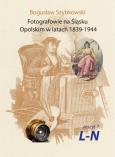
Ten swoisty leksykon fotografów pokazuje przede wszystkim ich dorobek zdjęcia. Nie biogramy są tu najważniejsze, tylko to, co po sobie zostawili fotografie. Jedne są przeciętne, słabe, tak pod względem techniki jak i walorów estetycznych, inne cechuje wielki kunszt, wyczucie światła i modela. Część zdjęć ma walory dokumentacyjne pokazują czynności i modę w określonym przedziale lat. Znajdujemy też zdjęcia, które stały się małymi dziełami sztuki i które chętnie umieścilibyśmy na ścianach mieszkań. Dla tych fotografii warto było przedstawić ich autorów często zupełnie już zapomnianych. Ciekawostką jest, że znakomitych fotografów znajdujemy nieraz w małych wioskach, jak choćby Florka w Czarnowąsach, Gbela w Gielczycach lub Meistera w Bąkowie k/Kluczborka.
Ten swoisty leksykon fotografów pokazuje przede wszystkim ich dorobek zdjęcia. Nie biogramy są tu najważniejsze, tylko to, co po sobie zostawili fotografie. Jedne są przeciętne, słabe, tak pod względem techniki jak i walorów estetycznych, inne cechuje wielki kunszt, wyczucie światła i modela. Część zdjęć ma walory dokumentacyjne pokazują czynności i modę w określonym przedziale lat. Znajdujemy też zdjęcia, które stały się małymi dziełami sztuki i które chętnie umieścilibyśmy na ścianach mieszkań. Dla tych fotografii warto było przedstawić ich autorów często zupełnie już zapomnianych. Ciekawostką jest, że znakomitych fotografów znajdujemy nieraz w małych wioskach, jak choćby Florka w Czarnowąsach, Gbela w Gielczycach lub Meistera w Bąkowie k/Kluczborka.
Gdy Jim Hutton po raz pierwszy zobaczył Freddiego, nie rozpoznał wielkiej gwiazdy rocka. Także w kolejnych latach nie traktował go jak idola. Zostali przyjaciółmi, nierozłącznymi kompanami i kochankami. Ekscentryczny i kontrowersyjny na scenie, w życiu prywatnym Freddie Mercury był wrażliwym i serdecznym mężczyzną. Uwielbiał wystawne imprezy, ale też pragnął bliskości i uczucia. Hutton pisze szczerze, ale z klasą. Jego historia jest jak przepustka do nieznanego świata muzycznej legendy, daleka od sensacji rodem z brukowej prasy. Jest opowieścią pełną osobistych wspomnień oraz intymnych szczegółów. Hołdem dla Freddiego - człowieka, którego świat nigdy naprawdę nie poznał. Freddie Mercury był szczerym człowiekiem i zasługuje na szczerą opowieść. Jim Hutton
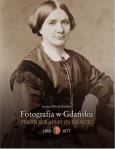
Trzymacie Państwo w swoich rękach trzecią część historii gdańskich zakładów fotograficznych, w której opisano życie i twórczość drugiego pokolenia pionierów fotografii pracujących w Gdańsku w latach 1868-1877. Zgromadzone informacje są owocem szczegółowych badań naukowych prowadzonych przez Autora od ponad 10 lat i dotychczas nie były publikowane. Podobnie jak w poprzednich częściach, zostały przedstawione w sposób chronologiczny, rok po roku i miesiąc po miesiącu, a całość została osadzona na tle historii polskiej i światowej fotografii, dzięki czemu mogą Państwo poznać najważniejsze wydarzenia z narodzin epoki suchego kolodionu.
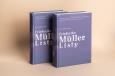
Friederike Müller – jedna z ulubionych i najbardziej utalentowanych uczennic Chopina – w 231 listach pisanych do mieszkających w Wiedniu ciotek relacjonuje szczegółowo swój pobyt w Paryżu. Opowiada (niekiedy w sposób bardzo krytyczny) o artystach, koncertach, fortepianach i nowościach muzycznych, szkicując w ten sposób przepojony młodzieńczym dowcipem i temperamentem, niezwykle żywy obraz paryskiego życia muzycznego i towarzyskiego we wczesnych latach 40. XIX wieku. Przede wszystkim jednak ze szczegółami i obrazowo opisuje niemal każdą z około 170 swych lekcji z Chopinem i przytacza dosłownie wiele odbytych z nim rozmów. Na tym właśnie polega niezwykłość tego materiału: nie jest to bowiem, jak zazwyczaj w przypadku świadectw innych uczniów, relacja powstała po upływie długiego czasu, często na podstawie przedstawionych w lepszym świetle wspomnień, lecz oddająca bezpośrednie, świeże i nieupiększone przeżycia.
Publikacja Bach and Chopin. Baroque Traditions in the Music of the Romantics [Bach i Chopin. Tradycje barokowe w muzyce romantyków] to zbiór tekstów naukowych pod redakcją Szymona Paczkowskiego. Książka zawiera wybrane i rozszerzone artykuły, które powstały po międzynarodowej konferencji naukowej Tradycje barokowe w muzyce romantyków w I połowie XIX wieku, zorganizowanej w 2017 roku przez Narodowy Instytut Fryderyka Chopina we współpracy z Instytutem Muzykologii Uniwersytetu Warszawskiego.
Książka Jan Ekier – artysta stulecia – w darze Chopinowi wydana z okazji 100-lecia Profesora Ekiera to zbiór listów gratulacyjnych (15), tekstów wspomnieniowych uczniów i przyjaciół Profesora (21) oraz tekstów naukowych (19). W księdze zamieszczono m.in. kalendarium życia i działalności Jana Ekiera, wykaz artykułów i prac naukowych Jubilata oraz plan edycji Wydania Narodowego. Wśród autorów tekstów są wybitni artyści, pianiści i chopinolodzy, tacy jak: Paul Badura-Skoda, Fou Ts’ong, Andrzej Jasiński, Piotr Paleczny, Krzysztof Jakowicz, Jean-Jacques Eigeldinger, John Rink, Mieczysław Tomaszewski, Zofia Chechlińska i wielu innych. Redaktorem księgi jest Irena Poniatowska.
Książka rozpoczyna nową serię wydawniczą Narodowego Instytutu Fryderyka Chopina zatytułowaną POEZJA / MUZYKA, w której będą publikowane teksty pieśni w językach oryginalnych wraz z tłumaczeniami.
Poetyckich przekładów tekstów trzech arcydzieł pieśniowych Franciszka Schuberta ? Pięknej młynarki, Podróży zimowej i Łabędziego śpiewu do niniejszego wydawnictwa dokonał prof. Andrzej Lam. Mogą one służyć jako przewodnik zarówno przy słuchaniu nagrań, jak i na sali koncertowej. Nieprzypadkowo serię rozpoczynają cykle Schuberta ? to prawdziwa korona nie tylko jego własnej twórczości pieśniowej, lecz i całej historii pieśni w kulturze Zachodu.
Najnowsza seria zapoczątkowana niniejszym wydaniem ma wypełnić lukę, jaką jest brak w języku polskim dobrych, wartościowych pod względem literackim przekładów tekstów pieśni, które zarazem przekazywałyby jak najwierniej treść oryginału i nie odbierały czytelnikowi-słuchaczowi satysfakcji obcowania z utworem poetyckim wysokiej próby. Zamiar może wydawać się próbą pogodzenia ognia z wodą, nieunikniony jest zatem kompromis, taki jednak, by spełnić wyżej postawione kryteria. Wymaga to dokonania nowych przekładów, adresowanych do współczesnego odbiorcy.
Najnowsza publikacja poświęcona Żelazowej Woli autorstwa Marioli Wojtkiewicz wydana w języku angielskim.
Historia Żelazowej Woli związana jest nierozerwalnie z Fryderykiem Chopinem. To miejsce, gdzie polski kompozytor przyszedł na świat prawie 200 lat temu. I choć Chopinowie przenieśli się na stałe z Żelazowej Woli do Warszawy, gdy Fryderyk był jeszcze niemowlęciem, cała rodzina regularnie tam powracała przy okazji wakacji a nawet świąt.
Na temat Żelazowej Woli powstało wiele różnych opracowań. Jednak większość z nich nie było oparta na gruntownych badaniach źródłowych lub traktowała temat selektywnie. Stąd w literaturze rozprzestrzeniły się fałszywe informacje, nieświadomie powtarzane przez kolejnych autorów.
Książka Marioli Wojtkiewicz pt. „Żelazowa Wola. Dzieje Domu Chopina” po raz pierwszy porządkuje historię tego miejsca od momentu zakupienia majątku przez Ludwikę Skarbek aż do czasów współczesnych. Autorka w oparciu o zachowane dokumenty starała się zweryfikować i wyjaśnić niektóre błędne przekazy i wnioski egzystujące w ludzkiej świadomości do dzisiaj, wzbogacając treść o szereg nowych szczegółów i ustaleń. Pozycja napisana przystępnym językiem i wzbogacona licznymi ilustracjami, przeznaczona jest dla szerokiego grona odbiorców.
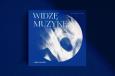
Katalog wystawy czasowej zrealizowanej w Muzeum Fryderyka Chopina w 2021 roku.
Wystawa Widzę muzykę jest muzealną próbą „sportretowania” twórczości Chopina, podjętą na przykładzie dzieł wyłącznie ze zbiorów Muzeum Chopina. Przedstawia liczne wyobrażenia i inspiracje oraz pokazuje różne podejścia twórców do zagadnienia korespondencji sztuk – w tym artystycznego opracowania odczuwanej przez nich synestezji.
Scenariusz wystawy ułożył się w podzieloną na tematy, wizualną narrację. Uchwytuje ona przeciwieństwa: słuchania zbiorowego i indywidualnego, wyobrażeń konkretnych i abstrakcyjnych, artystycznych postaw – oryginalnych i konwencjonalnych, wreszcie: słuchania poprzez patrzenie i słyszenia poprzez widzenie. Obiekty prezentowane na wystawie przedstawiają szeroką gamę technik: od malarstwa, poprzez rzeźbę, grafikę po rysunek.
Oprócz katalogu prezentowanych obiektów publikacja zawiera eseje popularnonaukowe:
Aneta I. Oborny, Chopin – w wizualności nastroju. Wokół inspiracji polskiego modernizmu.
Łukasz Kaczmarowski, Słyszę obrazy, czyli kilka słów o programowości w muzyce.
Sylwia Makomaska, Widzę muzykę… Od psychoakustyki do koncepcji krosmodalności.
Katalog wystawy czasowej towarzyszącej XVIII Międzynarodowemu Konkursowi Pianistycznemu im. Fryderyka Chopina, zrealizowanej w Muzeum Fryderyka Chopina w 2021 roku.
Wystawa Chopin. Potęga znaku prowadzi nas od Chopina kompozytora do poddającego się różnorodnym zastosowaniom i interpretacjom Chopina znaku kulturowego. Poprzez dzieła sztuki i przedmioty codziennego użytku wskazujemy fenomeny wzbogacające ikonosferę chopinowską, ewoluującą na przestrzeni wieków recepcję jego wizerunku w malarstwie, rzeźbie i rzemiośle artystycznym, a także procesy typowe dla popkultury, w tym zjawisko remiksu, opierające się na zabiegach „kopiuj–przetwórz–zestaw”.
Jaka jest zatem konstrukcja znaku Chopin? Kiedy mamy do czynienia z marką, symbolem, a kiedy z upamiętnieniem? Które wizerunki wpłynęły na ukształtowanie się konkretnych typów przedstawieniowych Chopina, a które są najczęściej remiksowane? Zachęcamy do poszukiwania odpowiedzi na pytanie, które postawił artysta Jarosław Kapuściński: „Gdzie jest Chopin?”.
Oprócz katalogu prezentowanych obiektów publikacja zawiera eseje popularnonaukowe:
Marcin Napiórkowski, Jak grać w Chopina?
Agata Szydłowska, Marka Chopin.
Marta Tabakiernik, Chopin+. O remiksach „Preludiów” Chopina.
Prezentujemy Państwu kolejną książkę w serii „Chopin. Konteksty”. Dokładnie po stu latach od pierwszego wydania Narodowy Instytut Fryderyka Chopina przygotował uzupełnioną o liczne przypisy, słownik biograficzny, indeksy oraz obszerny wstęp redaktorki książkę Ferdynanda Hoesicka Warszawa. Luźne kartki z przeszłości Syreniego Grodu. Autor spisuje i dokumentuje historie prawdziwe, ale ze swobodą powieściopisarza czerpiącego z rzeczywistości i kreującego ją zarazem. Miał na pewno znakomite ucho do ciekawych historii. Wychodzi z niego niekiedy uroczy plotkarz – któremu, przyznajmy, zawdzięczamy ogromny ładunek wiedzy na temat życia Fryderyka Chopina. Umiał Hoesick dotrzeć do odpowiednich rozmówców, umiał w zgrabnej pogawędce wyciągać z nich wspomnienia, umiał je wreszcie spisać elegancką, ale i codzienną, powszechną polszczyzną. Chopin należy do ważniejszych postaci publikacji. Choć główną bohaterką pozostaje tu Warszawa – ta XIX-wieczna i z przełomu wieków XIX i XX, nieistniejąca, ale pod piórem Hoesicka – żywa na nowo.
Przewodnik po Warszawie czasów Fryderyka Chopina autorstwa wybitnego znawcy biografii i genealogii kompozytora. Zlokalizował na mapie dzisiejszej Warszawy i opisał udokumentowane miejsca związane z historią rodziny Chopinów, począwszy od kawalerskich lat Mikołaja Chopina (od 1787 roku), ojca Fryderyka, aż do śmierci siostry, Izabelli (do 1881). Centralną część stanowią młodzieńcze lata kompozytora, które spędził w Warszawie. Żaden z dotychczasowych spacerowników nie dostarcza tak bogatej i rzetelnej wiedzy historycznej o Chopinowskich adresach.
Na szczególną uwagę zasługuje zamieszczony w przewodniku plan miasta stołecznego Warszawy z lat 1818–1822 – dzieło polskich kartografów wojskowych Kwatermistrzostwa Generalnego. Posłużył on za podstawę dla rysunków wybranych fragmentów współczesnego planu miasta.
„Zima roku 1825/1826 była szczególnie ostra, ale dla młodzieży szkolnej, w tym dla Fryderyka, stanowiła okazję do ślizgawek. […] Eugeniusz Skrodzki (Wielisław) opisuje przygodę, jaka zdarzyła się Fryckowi: «W kilka dni później, Chopin ślizgał się na łyżwach po zamarzłej strudze, tu, gdzie przed 40-tu laty wymurowano łożysko dla źródła, spadającego z wyżyny przed św. Krzyżem na Oboźną. Właśnie i ja, pacholę, wówczas siedmio–ośmioletnie, wymknąwszy się spod nadzoru domowego, sił swoich na lodzie próbowałem. Tak tedy ślizgamy się obaj. Nagle źle umocowana łyżwa, czy kamień, sprawia, że Chopin pada na lód, a z głowy jego krew iść zaczyna. Patrzę ze strachem, on blednie, traci siły»”.
fragment książki
Monika Utnik-Strugała zaprasza na podróż do Żelazowej Woli, małej mazowieckiej wsi, w której urodził się Fryderyk Chopin. Poznaj historię tego miejsca, wyobraź sobie, jak młody Frycek grał na wynoszonym na dwór fortepianie, odkryj w co się bawił i jak mogło wyglądać jego pierwsze mieszkanie.
Czy drzewa w parku pamiętają kompozytora? Czy dom, w którym się urodził jeszcze stoi? Co robi architekt krajobrazu? Czy można namalować mazurka? Na te i jeszcze wiele innych pytań znajdziecie odpowiedzi w książce bogato zilustrowanej przez Annę Ładecką. Dodatkową wartością są ciekawe zadania, które z pewnością zainspirują czytelników do samodzielnego poznawania Żelazowej Woli.
Ten produkt jest zapowiedzią. Realizacja Twojego zamówienia ulegnie przez to wydłużeniu do czasu premiery tej pozycji. Czy chcesz dodać ten produkt do koszyka?