W tej strefie zapraszamy czytelników tak zwane artystyczne dusze po książki z kategorii Sztuka. Polecamy szereg publikacji o sztuce i jej historii,ciekawostki i portfolia artystów, eseje, albumy, książki o malarstwie, rzeźbiarstwie, architekturze oraz histoii fotografii. Biografie ciekawych artystów, książki i powieści przedstawiające fascynujące losy malarzy i osób uwiecznianych na obrazach. W tym dziale tylko ksiązki ze sztuka w tle.
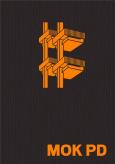
Kolejny ilustrowany atlas warszawskiej architektury wydany nakładem Centrum Architektury obejmuje obszar rozciągający się od ulicy Racławickiej do Dolinki Służewieckiej na południu, aż po brzeg Wisły na wschodzie i obrzeża Okęcia na zachodzie. MOK PD stanowi drugi tom już wydanego opracowania architektury Mokotowa obejmującego teren na północ od ulicy Racławickiej. Tradycyjnie Mokotów dzielimy na Górny i Dolny ze względu na przebieg Skarpy Warszawskiej. Zastosowany w serii wydawniczej podział na Mokotów północny i południowy wprowadza autorskie rozróżnienie, spójne z etapami powstawania zabudowy dzielnicy. Atlas MOK PD przedstawia 60 bardzo zróżnicowanych obiektów są wśród nich budynki i założenia urbanistyczne, pomniki i detale architektoniczne. Socrealistyczne osiedla, wielkie bloki z lat 70., kościoły, budynki przemysłowe i nowoczesne biurowce. Każdemu obiektowi towarzyszy syntetyczna ilustracja i krótki opis w języku polskim i angielskim. Prezentacje architektury poprzedzone są dwujęzycznym wstępem z zarysem historii dzielnicy. Atlas zawiera także indeks osób i pracowni architektonicznych oraz bibliografię.
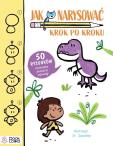
"Jak narysować" to nie tylko książka, to prawdziwa przygoda artystyczna, która pobudza wyobraźnię i rozwija umiejętności rysunkowe dzieci. To doskonały prezent dla małych twórców i inspiracja do odkrywania magii sztuki.
W książce znajduje się ponad 50 radosnych rysunków, które można wykonać ucząc się krok po kroku. Każdy rysunek zaczynamy od prostego kształtu i w kilku krokach, dodając poszczególne elementy dochodzimy do wesołej postaci, zwierzęcia, pojazdu, śmiesznego owocu, jednorożca lub potworka.
Rysunki mają konwencję prostych postaci komiksowych przypominających stylem rysunki ze Snoopym.
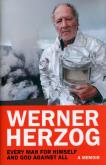
The long-awaited memoir by the legendary filmmaker and celebrated author. Told in Werner Herzog's inimitable voice, this is the story of his epic artistic career, as inventive and daring as anything he has done before.
Hauling a steamship over a mountain in the jungle; walking from Munich to Paris in the dead of winter; descending into an active volcano; living in the wilderness among grizzly bears - Werner Herzog has always been intrigued by extremes of human experience. Here, he illuminates the influences and ideas that have driven his creativity and shaped his unique worldview.
Herzog's life matches the drama of his famous films: the boy growing up in poverty in a small village in the Alps after the Second World War; the teenager travelling the world in search of adventure that almost cost him his life; the director trying to calm his leading actor Klaus Kinski in the Amazonian jungle. And along the way, Herzog tells of ordinary people with extraordinary stories: rural labourers, circus acrobats, child soldiers.
Every Man for Himself and God Against All is at once a personal record of one of the great self-invented lives of our time, and a masterpiece that will enthral fans old and new. In a hypnotic swirl of memory, Herzog untangles and relives his most important experiences and inspirations, telling his story for the first and only time.
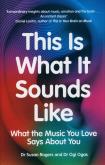
This Is What It Sounds Like is a journey into the science and soul of music. It's also the story of a musical trailblazer who began as a humble audio tech in L.A. to become Prince's chief engineer for Purple Rain and one of the most successful female record producers of all time.
Now an award-winning professor of cognitive neuroscience, Dr Susan Rogers takes readers behind the scenes of record-making and leads us to musical self-awareness. She explains that everyone possesses a unique 'listener profile', shows how being musical can mean actively listening, and encourages us to think about the records that define us. Lively and illuminating, this book will refresh your playlists, deepen your connection to artists, and change the way you listen to music.
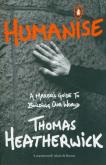
Our world is losing its humanity.
Too many developers care more about their shareholders than society. Too many politicians care more about power than the people who vote for them. And too many cities feel soulless and depressing, with buildings designed for business, not for us.
So where do we find hope?
Thomas Heatherwick has an alternative. By changing the world around us, we can improve our health, restore our happiness, and save our planet. The time has come to put human emotion back at the heart of the design process. Drawing on thirty years of making bold, beautiful buildings, neuroscience and cognitive psychology, Heatherwick brings together vivid stories and hundreds of beautiful images into a visual masterpiece. Humanise will inspire us to do nothing less than remake our world.
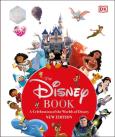
Celebrate more than 100 years of magical Disney storytelling.
The ideal gift for Disney, animation, and movie fans! From Snow White and the Seven Dwarfs to Wish, Mary Poppins to The Little Mermaid, Disneyland to Tokyo DisneySea, and fireworks to fan clubs, explore the captivating worlds and creations of Disney and Pixar.
Now including more than 50 new pages and updated with ten more years of magic for Disney's special 100th anniversary, The Disney Book: New Edition features groundbreaking and record-breaking creations—including Encanto, Moana, and Turning Red—and explores theme parks, experiences, memorabilia, and more.
Marvel at beautiful art and artefacts from The Walt Disney Company's vast historical collections, and discover live-action and animated movie-making, enchanting parks, and fascinating collectibles. Follow Disney's history using the timeline, and delve into the incredible archives.
Perfect for fans who want to know all about the magical worlds of Disney.
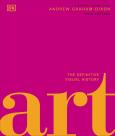
The ultimate introduction to global art, presenting 30,000 years of creativity in one lavishly illustrated book.
Discover all you need to know about art history in this definite guide. Art: The Definitive Visual Guide brings a gallery of more than 2,500 of the world's finest paintings and sculptures into your home.
Spanning 30,000 years, from cave paintings to contemporary art, this stunning chronological exploration of every major artistic movement introduces the major milestones of each period, from the tomb paintings of Ancient Egypt, Qing Dynasty Chinese art, through to 20th century Cubism and African art today.
Dedicated spreads explain how art works, for example introducing how artists use colour and composition. A visual timeline of key works gives an overview of the scope of each major movement, and each era and art movement is introduced with key information, placing art in the context of its time.
Explore the pages of this awe-inspiring art history book to discover:
- Over 2500 of the world's most influential paintings and sculptures.
- Stunning artwork from more than 700 artists.
- 'Closer Look' sections offer detailed analysis of key paintings.
- Picture-packed gallery spreads explore how different artists have approached a range of themes.
- Stunning DPS images presenting important works of art.
- Genre/theme spreads broaden the coverage of art across the world.
The 6 core chapters are structured chronologically, starting with prehistoric art and ancient civilizations, right the way up until modern day artwork, so there's something for everyone to explore, learn and love. From Romanticism in the 19th Century, to Realisim in the 20th Century, whether it's Pop Art or Expressionism, Minimalism and so much more - the beautiful full-color illustrations and striking imagery, make this art book the perfect gift for the art and history lover in your life, as well as an ideal coffee table book.
Doubling up as a riveting reference book for anyone with an interest in art history who wants to gain a broader knowledge of the subject, as well as the perfect classroom companion in schools, libraries and more, Art: The Definitive Visual Guide is a must-have for your bookshelf. Created in collaboration with Bridgeman, the biggest art library in the world, Art: The Definitive Visual Guide is a must-have for your bookshelf.
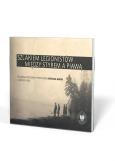
Unikatowy zbiór ikonografiki z lat 1915-1920, zgromadzony przez prof. Stefana Mackę, wybitnego botanika, wieloletniego wykładowcę Uniwersytetu Wrocławskiego, pomysłodawcę utworzenia Karkonoskiego Parku Narodowego. Album ma jednak bohatera zbiorowego, którym są żołnierze i oficerowie I Brygady Legionów Polskich. Powstanie prezentowanej kolekcji zdjęć było możliwe dzięki znacznemu upowszechnieniu w pierwszych latach XX stulecia technik zapisywania obrazów w kadrze. W publikacji znalazło się niemal 180 fotografii, przedstawiających głównie wojenną epopeję legionistów. Dzięki tak bogatemu materiałowi możliwe jest śledzenie zarówno realiów codziennego życia żołnierzy, jak i zdarzeń wyjątkowych i podniosłych, wśród których szczególne miejsce zajmują uroczystości pogrzebowe poległych w boju o Niepodległą. Warto też zwrócić uwagę na nielicznie zachowane, a przez to zupełnie wyjątkowe, fotografie dokumentujące pobyt legionistów w garnizonach w Zambrowie i Twierdzy Modlin. Swoisty epilog wojennego szlaku stanowią ujęcia na kartach pocztowych z obozu rekrutacyjnego Armii Polskiej w La Mandria di Chivasso we Włoszech.
Edycja limitowana
Wyjątkowe wydanie z barwionymi krawędziami stron i uzupełnione o dodatkowy rozdział.
Zawiera wkładkę ze zdjęciami, zarówno z planu filmowego, jak i prywatnego archiwum aktora.
#1 na liście bestsellerów „New York Timesa” natychmiast po premierze!
Bestseller „Sunday Timesa”!
Fenomen Tik Toka!
Najlepsza książka wspomnieniowa 2022 roku według amerykańskiej sieci księgarń Barnes & Noble.
Lektura obowiązkowa dla każdego Potteromaniaka.
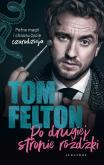
Ulubiony czarny bohater. Naczelny przeciwnik Harry’ego Pottera. Wychowanek Slytherinu. Chłopiec, który nie miał wyboru. Tom Felton, lepiej znany jako Draco Malfoy, wkracza na scenę.
Poznajcie życie czarodzieja pełne magii i chaosu!
Dzieciństwo Toma Feltona nie mogło należeć do zwyczajnych, w końcu nie każdy może się pochwalić tym, że w jego życie wkroczyła filmowa magia. A w świat Toma wkroczyła i to z przytupem! Jego list z Hogwartu przybył wraz z przyjęciem roli Draco Malfoya, blondwłosego chłopca z filmów o Harrym Potterze, adwersarza głównego bohatera kinowej serii opartej na bestsellerowych powieściach J.K. Rowling, i kompletnie zmienił życie Toma. Na dziesięć kolejnych lat grana przez niego postać stała się nieodłącznym elementem jednego z największych fenomenów w historii popkultury.
Tom w swojej książce dzieli się doświadczeniami z dorastania w dwóch równoległych światach – czarodziejów i mugoli.
Z wielką szczerością i charakterystycznym dla siebie humorem opisuje swoje początki w show-biznesie, opowiada anegdoty i ciekawostki zza kulis kręcenia jednego z najpopularniejszych filmów wszech czasów. Wspomina pierwszy występ aktorski, kiedy pomylono go z innym blondynem, Macaulayem Culkinem, i przesłuchanie do roli w Harrym Potterze, kiedy upierał się, że doskonale zna książki J.K. Rowling, choć nigdy ich nie czytał (bardzo w stylu Draco Malfoya!). Znajdziecie tu rozdział poświęcony Danielowi Radcliffe’owi, czyli samemu Harry’emu Potterowi. A także wstęp napisany przez Emmę Watson, którą Tom poznał jako nieznośną dziewięciolatkę i nie szczędził jej złośliwości, ale z czasem filmowa Hermiona stała się jego najdroższą przyjaciółką.
Felton nie ucieka od tematów trudnych – przeczytacie nie tylko o wzlotach, ale też o upadkach oraz nie zawsze udanych próbach odnalezienia się w dorosłym życiu po występie w ekranizacji najsłynniejszego cyklu powieściowego dla młodzieży, którego fandom nie ma sobie równych w historii (do dziś na całym świecie sprzedano ponad 500 milionów egzemplarzy książki!).
Czy wierzycie w magię, czy nie – wkroczcie w świat Toma Feltona i prowadzeni głosem odtwórcy roli Draco Malfoya udajcie się w fascynującą podróż po jego nieprawdopodobnych doświadczeniach.
To, co wyjątkowe w książce Feltona, to absolutnie unikalna perspektywa człowieka, który ma za sobą doświadczenie, jakie trafia się może jednej osobie na miliard. Jednak „Po drugiej stronie różdżki” jest znacznie bardziej wnikliwe, ponieważ autor czyni z własnej opowieści coś uniwersalnego.
„The Washington Post”
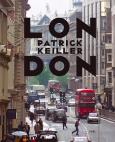
London is Patrick Keiller’s highly imaginative psychogeographic journey through (and history of) London, as undertaken by an unnamed narrator and his companion, Robinson. The unseen pair complete a series of excursions around the city in an attempt to investigate what Robinson calls ‘the problem of London’, during which a palimpsest of the city is revealed.
London is a unique take on the essay-film format, with scathing reflections on the recent past, enlivened by offbeat humour and wide-ranging literary anecdotes. A variety of unexpected scenes recover the familiar London of the near past: Concorde almost touches suburban houses as it lands; Union Jacks fly from Wembley Stadium’s Twin Towers and pigeons flock around tourists in Trafalgar Square. Such images, in combination with the script, allow us to see beyond the London typically presented.
It is both a fascinating reflection on the diverse histories of Britain’s capital and an illuminating record of 1992, the year of John Major’s re-election, IRA bombs and the first crack in the House of Windsor.
With an afterword and location notes from the director, the book’s publication is the first time the film has been fully reproduced in print.
Shaken, Not Stirred
The most complete account of the making of the James Bond series
“Bond, James Bond.” Since Sean Connery uttered those immortal words in 1962, the most dashing secret agent in the history of cinema has been charming and thrilling audiences worldwide. This impeccably British character created by author Ian Fleming has starred in 25 EON-produced films, played by six different actors over five decades.
EON Productions opened their archives of photos, designs, storyboards, and production materials to editor Paul Duncan, who spent two years researching over one million images and 100 filing cabinets of documentation. The result is the most complete account of the making of the series, covering every James Bond film ever made, beginning with Dr. No (1962) and ending with No Time To Die (2021), including the spoof Casino Royale (1967) and Never Say Never Again (1983).
The wealth of previously unpublished photography, set designs, storyboards, and production memos is supplemented by an oral history recounted by over 150 cast and crew. From producers to stuntmen, directors to production designers, these personal narratives relate the true inside story from the Bond sets, offering outstanding insight into the personalities and processes behind the most successful and longest-running film franchise in cinema history. This book is a comprehensive tribute to the legend of James Bond.
The updated edition includes exclusive photography and new interviews with Daniel Craig, director Cary Fukunaga, producers Michael G. Wilson and Barbara Broccoli, and many others, revealing the full story behind the making of the emotionally charged No Time To Die.
Made with unrestricted access to the Bond archives, this book recounts the history of James Bond in words and pictures
Among the 1,100 images are many previously unseen stills, on-set photos, memos, documents, storyboards, posters, and designs, plus unused concepts, and alternative designs
Behind-the-scenes stories from the people who were there: producers, directors, actors, screenwriters, production designers, special effects technicians, stuntmen, and other crew members
Includes every Bond film from Dr. No (1962) to No Time To Die (2021)
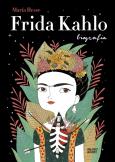
Ilustrowana biografia jednej z największych artystek w dziejach świata.Frida Kahlo to nie tylko ból i niepokój. Artystka chciała być w zgodzie ze swoją bezkompromisową osobowością i żyć pełnią życia. Jej malarstwo to krew i cierpienie, ale także zabawa i kolor. Była wojowniczką, która bez wahania stawiała czoło światu, namiętną kobietą, która nie godziła się na życie w cieniu swojej wielkiej miłości, Diego Rivery, i walczyła o spełnienie swoich marzeń. Frida chciała przeżywać intensywnie zarówno nieszczęścia, jak i radości, które przynosił jej los. I właśnie w tym uporze tkwiła jej prawdziwa siła.Ta książka to inspirowany przeżyciami ikonicznej meksykańskiej malarki przepiękny i barwny spacer przez jej życie i dzieło.
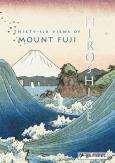
This magnificent boxed set includes a silkbound volume of stunning, accordion-fold, color reproductions of Hiroshige’s complete series, accompanied by a separate booklet with background and descriptions of each print.
Roughly twenty-five years after Hokusai released his series of ukiyo-e prints depicting Japan’s most recognizable symbol, Hiroshige took on the subject as well—a common practice among the era’s printmakers. This volume features reproductions of the horizontal version of Hiroshige’s woodblock series, first published in 1852, and which reveal a mature artist working at the height of his powers. In the background of each of the views Mount Fuji is featured under varying vantage points and changing lights, towering over sites of sublime beauty, often animated by a few characters living in harmony with nature. These exquisite fold-out plates are perfect for appreciating Hiroshige’s eye for composition, his nontraditional use of line, and the subtle gradations of colorand mood. Viewers can also learn much about daily life and culture in 19th-century Japan through carefully applied detail and symbolism. In his introductory booklet, Jocelyn Bouquillard provides captions for each print, as well as an appreciation of the remarkable and painstaking process of woodblock printing. Packaged in an elegant slipcase, these volumes reflect the beautiful artistry and traditions that are embodied in the prints themselves.
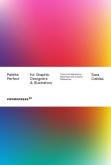
The second book in the best-selling Palette Perfect series focuses on the inventive use of colour in graphic design and illustration, and is both a practical and inspirational volume filled with colour combinations and stories about the meaning of colour in different cultures. The volume is illustratred with projects by renowned international graphic designers, and organized by the time of day associated with moods. Intended for professionals, students, fashion and interior decoration lovers, and all those interested in exciting and unexpected colour combinations that work.
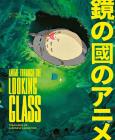
The magic and mastery of anime springs to life in this gorgeous celebration of the genre that features more than one hundred and fifty full-color frames. A uniquely powerful form of artistic expression, anime has embraced complex and provocative ideas since its inception in the mid twentieth century. This dynamic and wide-ranging book explores eighty key themes of the genre, from wars to natural disasters, nature to ecology, childhood to magic, dystopias to fables. It looks at more than one hundred masterpieces of Japanese animation, including Akira, Ghost in the Shell, One Piece, Princess Mononoke, Grave of the Fireflies and Howl's Moving Castle, to show how practitioners consistently balance tradition with modernity and how anime's distinct style has influenced other forms of media such as video games, comic books and live-action films. Covering an enormous range of talent-from Isao Takahata, Katsuhiro O tomo, and Makoto Shinkai to Studio Ghibli and Mamoru Oshii-it demonstrates how anime makes room for limitless creativity. Unfettered by the physical constraints of nature's laws, these artists realize our deepest emotions and our wildest dreams.
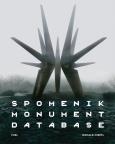
Spomenik – the Serbo-Croat/Slovenian word for monument – refers to the pioneering abstract memorials built in Josip Tito’s Yugoslavia between the 1960s and the 1990s, marking the horror of occupation by Axis forces and the triumph of their defeat during World War II. Through these imaginative creations, a forward–looking socialist society, free of ethnic tensions, was envisaged.
This publication brings together more than 80 examples of these stunning brutalist monuments. Each has been extensively photographed and researched by the author to make this book the most comprehensive survey available of this obscure and fascinating architectural phenomenon. A fold-out map on the reverse of the dust jacket shows the exact location of each spomenik using GPS coordinates.
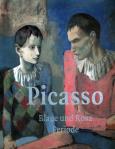
The comprehensive catalogue accompanying the exhibition at the Fondation Beyeler
In its most prestigious exhibition to date, the Fondation Beyeler has devoted itself to the early paintings and sculptures of Pablo Picasso (1881-1973) that date from his so-called Blue and Pink periods to early Cubism. The paintings from this stage of his career, all produced between 1901 and 1907, are milestones on the road Picasso took to becoming the most famous artist of the twentieth century. They can be counted among modernism’s most beautiful and most emotional works, and are also some of the most precious works of art ever to exist. This comprehensive exhibition and its companion catalogue feature around eighty masterpieces, most of which are only rarely loaned out by famous museums and private collections around the world.
Ten produkt jest zapowiedzią. Realizacja Twojego zamówienia ulegnie przez to wydłużeniu do czasu premiery tej pozycji. Czy chcesz dodać ten produkt do koszyka?