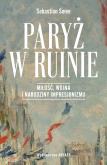
Impresjonizm to jeden z ważniejszych kierunków sztuki, który zupełnie zmienił jej oblicze, kwestionując dziedzictwo romantyzmu oraz sztywne zasady akademizmu. Głównym celem nowego prądu stało się uchwycenie nieustannie zmieniającej się rzeczywistość i oddanie subiektywnych odczuć towarzyszących jej percepcji. To nowatorskie podejście do malarstwa zapewniło impresjonistom poczesne miejsce w historii sztuki i sprawiło, że tacy malarze jak douard Manet, Edgar Degas, Pierre-Auguste Renoir, Claude Monet, Camille Pissarro czy Berthe Morisot są do dziś niezwykle cenieni na całym świecie. Jednak nie wszyscy wielbiciele impresjonizmu wiedzą, na jakim tle historycznym rozwinął się ten kierunek.W książce Paryż w ruinie. Miłość, wojna i narodziny impresjonizmu ceniony krytyk sztuki Sebastian Smee ukazuje burzliwe wydarzenia dające początek impresjonizmowi, który powstał jako reakcja na przemoc, wojnę domową i polityczne intrygi. Przenikliwa i wciągająca książka ukazuje, jak oblężenie Paryża i chaos Komuny Paryskiej miały głęboki wpływ na sztukę nowoczesną i jak artystyczny geniusz był w stanie wyłonić się z mroku i katastrofy.
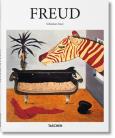
Lucian Freud (1922 2011) was interested in the telling of truth. Always operating outside the main currents of 20th-century art, the esteemed portrait painter observed his subjects with the regimen and precision of a laboratory scientist. He recorded not only the blotches, bruises, and swellings of the living body, but also, beneath the flaws and folds of flesh, the microscopic details of what lies within: the sensation, the emotion, the intelligence, the bloom, and the inevitable, unstoppable decay.
Despite rejecting parallels between him and his renowned grandfather, the correlation between Lucian Freud's sitting process for portraiture and Sigmund Freud's psychotherapy sessions is a fascinating element to this figurative oeuvre. Despite the thickness of the impasto surfaces, Freud's portraits of subjects as varied as the Queen, Kate Moss, and an obese job center supervisor, penetrate the physicality of the body with a direct and often disarming insight. The result is as much a psychological interrogation as it is an uneasy examination of the relationship between artist and model.
This book brings together some of Freud's most outstanding and unapologetic portraits, to introduce an artist widely considered one of the finest masters of the human form.
Ten produkt jest zapowiedzią. Realizacja Twojego zamówienia ulegnie przez to wydłużeniu do czasu premiery tej pozycji. Czy chcesz dodać ten produkt do koszyka?