Lotna nowoczesnośćto nie tylko kolejna filozoficzna opowieść o nowoczesności; to propozycja myślenia o współczesnym świecie z wykorzystaniem narzędzi dostarczanych przez historyków, socjologów, ekonomistów, teoretyków mediów czy kulturoznawców; to opowieść o ludzkim sprawstwie i jego filozoficznych artykulacjach.
„Rozprawa mieści się w szeroko rozumianym nurcie krytycznego uprawiania filozofii, wyrastającego z tradycji heglowsko-marksowskiej. Dzięki takiemu podejściu praca nie narzuca jednostronnych rozstrzygnięć. Sam sposób prezentacji argumentów zawarty w pracy jest obecnie również rzadko spotykany. Jest to bowiem żywy ruch myśli, przypominający miejscami dziennik intelektualny, zapis „intymnej” refleksji nad źródłami współczesnej kondycji społecznej i konsekwencjami, jakie z tego wynikają.
Należy przy tym podkreślić, że sama rozprawa napisana jest właśnie w stylu wielowątkowej opowieści i w zasadzie swoją strukturą i charakterem odpowiada tematowi, który autor stara się przedstawić – przemianom materialnym w historii, sprawstwu człowieka i symptomom, jakie temu towarzyszą. W ten sposób rodzi się niespieszna, pełna detali filozoficzna saga o przyspieszającej, a wręcz uciekającej już nam teraźniejszości. Dzięki temu zabiegowi czytelnik ma czas nie tylko na delektowanie się prezentowaną mu opowieścią, ale też na podążanie za myślą autora, dokonując refleksji nad światem, który on opisuje i wchodząc w dialog z tezami, które prezentuje.”
(z recenzji wydawniczej dr. hab. Rafała Wonickiego)
„Odwołując się do rozległej palety autorów i rekonstruując ich doniesienia i/lub przekonania, autor szerokim gestem, z wielkim rozmachem prowadzi opowieść o wewnętrznej dynamice nowoczesności, wychwytując zarówno przemiany nowożytnej filozofii traktowanej po heglowsku jako myśl swojego czasu (tu śledzi wyłanianie się takich kwestii, jak nowoczesna forma podmiotowości, sprawstwo człowieka w dziejach, kształt umowy społecznej i problem nierówności), jak i przemiany społeczne i polityczne, szczególną uwagą obdarzając konflikty wpisane w dynamikę gospodarki kapitalistycznej (z uwzględnieniem kapitalistycznego imperializmu oraz procesów kolonizacji, dekolonizacji i neokolonizacji).”
(z recenzji wydawniczej dr. hab. Adama Lipszyca prof. PAN)
Why is the incidence of mental illness in the UK twice that in Germany? Why are Americans three times more likely than the Dutch to develop gambling problems? Why is child well-being so much worse in New Zealand than Japan? As this groundbreaking study demonstrates, the answer to all these hinges on inequality.
In The Spirit Level Richard Wilkinson and Kate Pickett put inequality at the centre of public debate
by showing conclusively that less-equal societies fare worse than more equal ones across everything
from education to life expectancy. The Inner Level now explains how inequality affects us individually,
how it alters how we think, feel and behave. It sets out the overwhelming evidence that material
inequalities have powerful psychological effects: when the gap between rich and poor increases, so does the tendency to defi ne and value ourselves and others in terms of superiority and inferiority. A deep well of data and analysis is drawn upon to empirically show, for example, that low social status is associated with elevated levels of stress, and how rates of anxiety and depression are intimately related to the inequality which makes that status paramount.
Wilkinson and Pickett describe how these responses to hierarchies evolved, and why the impacts of
inequality on us are so severe. In doing so, they challenge the conception that humans are innately
competitive and self-interested. They undermine, too, the idea that inequality is the product of 'natural' differences in individual ability. This book sheds new light on many of the most urgent problems facing societies today, but it is not just an index of our ills. It demonstrates that societies based on fundamental equalities, sharing and reciprocity generate much higher levels of well-being, and lays out the path towards them.
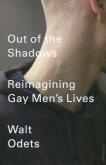
Even in our modern progressive world, it's not easy to be a gay man. While young men often come out more readily, even those from the most liberal of backgrounds still struggle to accept themselves and experience stigma, shame and difficulties with intimate relationships. They also suffer from ongoing trauma wrought by the AIDS epidemic, something that is all too often relegated to history.
Drawing on a lifetime's work as a clinical psychologist, Walt Odets uses the stories of his patients as well as those of his own deep relationships with other gay men to illuminate how these difficulties may be overcome. From a 74-year-old who only felt able to come out after his wife had died, to the boy raised in a strict religious family who worked his way to San Francisco, to the middle-aged defence lawyer who left everything behind to embrace a new life, the experiences here explore everything from grief to survival, childhood pain to the definition of gay itself. Out of the Shadows shows us how a new way forward is possible through learning to accept ourselves and others as they are, and independently inventing our own lives.
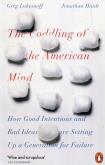
Have good intentions, over-parenting and the decline in unsupervised play led to the emergence of modern identity politics and hypersensitivity?
In this book, free speech campaigner Greg Lukianoff and social psychologist Jonathan Haidt investigate a new cultural phenomenon of "safetyism", beginning on American college campuses in 2014 and spreading throughout academic institutions in the English-speaking world.
Looking at the consequences of paranoid parenting, the increase in anxiety and depression amongst students and the rise of new ideas about justice, Lukianoff and Haidt argue that well-intended but misguided attempts to protect young people are damaging their development and mental health, the functioning of educational systems and even democracy itself.
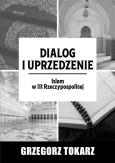
„Dialog i uprzedzenie…” podejmuje bardzo nośną ostatnimi czasy problematykę obecności islamu w Polsce. Popularność tego tematu nie znajduje jednak odzwierciedlenia w jakości publikacji. Dominują pozycje, które w celu przyciągnięcia uwagi czytelników eksponują przykłady ekstremalne. W konsekwencji kreowane są i utrwalane stereotypy dotyczące wyznawców tej religii. Niestety powielane są one także przez przedstawicieli środowisk akademickich, którzy w imię popularności i koniunkturalnych korzyści uwiarygadniają swoimi tytułami naukowymi ksenofobiczne treści.
Książka pióra Grzegorza Tokarza na pewno do nich nie należy. To logicznie spójny i uporządkowany przekaz na temat wybranych aspektów funkcjonowania ludności muzułmańskiej w krajowej przestrzeni społecznej. Książka mogąca pretendować do miana podręcznego vademecum dla osób pragnących zgłębiać tę kwestię. Lektura obowiązkowa nie tylko dla studentów i adeptów nauki, lecz i wielu doświadczonych badaczy……
Z recenzji wydawniczej dra hab. Piotra Kwiatkiewicza, prof. UZ
Większość rodziców robi wszystko, by okazać swoim dzieciom miłość, troskę i zrozumienie. Oczywiście nie ma idealnych ojców ani idealnych matek – wszyscy popełniają błędy, powielają schematy ze swojego dzieciństwa i mimo dobrych chęci czasem postępują niewłaściwie. Dzieci nie potrzebują jednak rodziców perfekcyjnych – potrzebują rodziców, którzy je szanują, słuchają ich oraz próbują je zrozumieć. Jak zadbać o prawidłowy rozwój emocjonalny dziecka? Tego uczą autorzy książki „Mały człowiek, wielkie potrzeby”. Karen i John Louisowie napisali ten poradnik po tym, jak prowadzone przez nich warsztaty Good Enough Parenting odniosły ogromny sukces. Swoją filozofię mądrego wychowania opierają na przekonaniu, że najważniejsze jest zaspokajanie podstawowych potrzeb emocjonalnych, do których należą: przywiązanie i akceptacja, zdrowa autonomia i kompetencje, realistyczne granice, realistyczne oczekiwania oraz wartości duchowe i wspólnota. Autorzy przekonują, że zaspokojenie tych potrzeb jest kluczowe dla prawidłowego, zdrowego rozwoju dziecka. Tłumaczą, że źródło większości zaburzeń, problemów z samooceną czy trudności w relacjach stanowią właśnie niezaspokojone potrzeby emocjonalne z okresu dzieciństwa. Toksyczne czy bolesne doświadczenia prowadzą do negatywnych wzorców myślenia, odczuwania, zachowania, które potem dzieci wnoszą w dorosłe życie, w relacje z partnerem czy w końcu we własne rodzicielstwo. To książka dla Ciebie, jeśli chcesz: ? poznać podstawowe potrzeby emocjonalne swojego dziecka; ? nauczyć się, jak zaspokajać te potrzeby w zrównoważony sposób; ? zbudować bliską więź z dzieckiem; ? konstruktywnie radzić sobie z codziennymi trudnościami; ? uniknąć zaszczepiania dziecku dysfunkcyjnych postaw i zachowań; ? wychować samodzielne i emocjonalnie zdrowe dziecko.
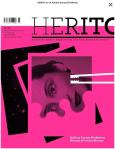
Dostrzeganie roli kobiet w historii jest sprawą stosunkowo nową. Na początku lat 70. XX wieku powstaje termin herstory dla określenia historii opowiadanej z kobiecego punktu widzenia. Choć na łamach Herito staramy się oddawać możliwie dużo miejsca autorkom i ich tematom, zdecydowaliśmy się cały najnowszy numer poświęcić kobietom ważnym dla środkowoeuropejskiej historii, kultury, polityki i sztuki często zapominanym, niedocenianym bądź celowo wymazywanym.Do wspólnego opowiadania historii Europy Środkowej z kobiecej perspektywy i wywoływania nieoczywistych opowieści zaprosiliśmy znakomite autorki i autorów. Efektem jest ponad dwustustronicowy numer poświęcony odpominaniu przejmujących kobiecych narracji, bohaterek i postaw.W numerze Olga Drenda przygląda się obchodom Dnia Kobiet w krajach demokracji ludowych. Małgorzata Rejmer kreśli poruszający obraz kobiety na przestrzeni epok w kulturze albańskiej. Ostap Sływynski tropi lwowskie ślady Zuzanny Ginczanki i innych pisarek żydowskiego pochodzenia, a Małgorzata Radkiewicz przypomina awangardowe artystki żyjące i tworzące w tym mieście. Marta Madejska opowiada losy Marii Przedborskiej niedocenionej łódzkiej poetki-inspektorki. Teresa Worowska przybliża biografię Alaine Polcz węgierskiej psycholożki i prozaiczki, autorki poruszających wspomnień z końca II wojny światowej pt. Kobiety na froncie, których fragment przetłumaczyła dla nas Karolina Wilamowska.Ponadto w numerze znalazł się tekst Ewy Furgał poświęcony losom polskich działaczek niepodległościowych, esej Grzegorza Piątka o nieznanej szerzej pierwszej polskiej uczennicy Le Corbusiera, a także inspirowana kilkoma niepozornymi fotografiami opowieść Jacka Dehnela o udziale kobiet w polskich powstaniach niepodległościowych w XIX wieku czy tekst Macieja Jakubowiaka o przełamywaniu patriarchatu w polskiej literaturze najnowszej.Na uwagę zasługuje też atlas środkowoeuropejskich dam dizajnu stworzony przez Czesłąwę Freilich i Irmę Kozinę, wywiad Kamy Buchalskiej z czeską wydawczynią Barborą Baronovą o kobiecej historii mówionej, rozprawa Krisztina Nyryego poświęcona pionierce węgierskiego ruchu feministycznego, tekst Aleksandry Wojtaszek o chorwackim Andersenie w spódnicy czy wspomnienie Beaty Nykiel o arcypolskiej Europejce Karolinie Lanckorońskiej.
Jak wygląda świat widziany oczami schizofrenika?Kogo kocha? Czego pragnie? Co daje mu siłę?Schizofreniczny obraz świata to swoista podróż do wnętrza osoby dotkniętej tą chorobą.Główny bohater, a zarazem autor książki, wyglądem nie różni się niczym od swoich rówieśników. Mimo to, jego świat wygląda inaczej, czuje się inny i wyobcowany. Choroba, z którą żyje, powoduje, że widzi świat i ludzi z innej perspektywy. Ta dwoistość duszy, którą czuje siły, które nią targają i mają bezpośredni wpływ na to, kim jest i jak się zachowuje, sprawia, że społeczeństwo go wyklucza. Nie potrafi, nie próbuje lub nie chce spojrzeć na świat jego oczyma.Opisując swoją codzienność, prowadzi nas ścieżkami, które biegną tuż obok naszych, a jednak rzadko się z nimi przecinają. Rzeczywistość jest dla niego światem za mgłą, a ludzie, których spotyka tak blisko, choć bardzo daleko.Autor udowadnia światu, że pomimo choroby, z którą żyje, udało mu się osiągnąć więcej, niż niejednemu zdrowemu człowiekowi. Czy to wystarczy? Czego brakuje w tym schizofrenicznym świecie?
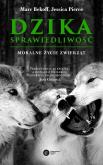
Czy zwierzęta są zdolne do empatii, traktują się fair, współpracują i pomagają sobie nawzajem w kłopotach? Krótko mówiąc, czy zwierzęta przejawiają inteligencję moralną?
Najnowsze badania naukowe rozbijają ustalone granice między ludźmi i zwierzętami, zmuszając nas do poszerzenia horyzontów i rewizji przestarzałych stereotypów dotyczących tego, co zwierzęta mogą, a czego nie mogą myśleć, robić i czuć.
Marc Bekoff i Jessica Pierce łącząc wieloletnie doświadczenie i badania z zakresu poznania dowodzą, że zwierzęta posiadają szeroki repertuar zachowań moralnych. Nie tylko wykazują się poczuciem sprawiedliwości i wzajemności, ale też są zdolne do ufności, wybaczania i empatii.
Dzika sprawiedliwość przedstawia nie tylko aktualny stan wiedzy, lecz także prowokuje do przemyślenia naszych relacji ze zwierzętami i naszych wobec nich obowiązków.
Dzika Sprawiedliwość to bardzo inspisująca lektura. Książka wpisuje się w nurt myślenia oddającego zwierzętom coraz więcej odczuć, zdolności i pojęć, zarezerwowanych dotychczas jedynie dla człowieka. Autorzy książki bardzo sugestywnie pokazują, iż moralność może pochodzić „z natury”. Przy czym nie odziera to nas, ludzi, z wyjątkowości, lecz zbliża do innych istot zamieszkujących z nami Ziemię. Szczerze polecam!
– Stefan Jakimiuk, WWF Polska
Pomysły Marca Bekoffa i Jessiki Pierce dotyczące moralnego życia zwierząt podkreślają znaczenie rzetelności, kooperacji, empatii i sprawiedliwości, aspektów zachowania rozpaczliwie potrzebnych w dzisiejszym świecie. – Jane Goodall
Ta książka przekonuje, że należy zachować otwarty umysł w stosunku do zwierząt innych niż ludzie. – New Scientist
Badania przedstawione w książce przekonują, że nadszedł czas, by przemyśleć na nowo jeszcze jedną cechę, którą uważaliśmy za wyjątkową dla nas. – Discover Magazine
Marc Bekoff - emerytowany profesor ekologii i biologii ewolucyjnej na University of Colorado w Boulder. Laureat Exemplar Award przyznanej przez Animal Behavior Society za istotny wkład w badania nad zachowaniami zwierząt.
Jessica Pierce – amerykańska bioetyk, filozof i pisarka. Jej prace skupiają się na relacjach ludzi i zwierząt. Autorka licznych książek, m.in. Morality Play: Case Studies in Ethics.
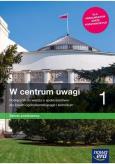
Zawiera zinterowane treści z zakresu podstawowego, dzięki czemu umożliwia pracę z podręcznikiem już od klasy 1.
Prezentuje treści przedmiotowe w przejrzysty, łatwy do przyswojenia sposób dzięki uporządkowanej i atrakcyjnej szacie graficznej.
Wzbudza zainteresowanie przedmiotem przez zastosowanie interesujących przykładów nawiązujących do życia oraz atrakcyjnych rozwiązań graficznych.
Kształci umiejętności przedmiotowe – takie jak praca z tekstem źródłowym i danymi statystycznymi – dzięki różnorodnym ćwiczeniom zamieszczonym po każdym temacie.
Ułatwia samodzielne powtórki z wykorzystaniem czytelnych Podsumowań.
Umożliwia opanowanie umiejętności rozwiazywania zadań typu maturalnego dzięki różnorodnym zadaniom i wskazówkom zamieszczonym w bloku Wiesz, umiesz, zdasz.
Skutecznie przygotowuje do matury już od klasy 1.
Podręcznik „W centrum uwagi 1” dla liceum ogólnokształcącego i technikum do zakresu podstawowego w nowoczesny sposób przedstawia zagadnienia dotyczące życia społecznego oraz ustroju Polski.
Ułatwia nauczanie wiedzy o społeczeństwie i realizację podstawy programowej dzięki uporządkowanemu układowi treści oraz licznym schematom i tabelom.
Wzbudza zainteresowanie przedmiotem przez zastosowanie interesujących przykładów nawiązujących do życia oraz atrakcyjnych rozwiązań graficznych.
Pozwala na samodzielne powtórki z wykorzystaniem czytelnych Podsumowań.
Umożliwia rozwijanie przydatnych w życiu umiejętności przedmiotowych – takich jak analiza danych statystycznych, tekstów naukowych i publicystycznych oraz przekazów medialnych, a także udziałem w dyskusji – dzięki różnorodnym ćwiczeniom zamieszczonym po każdym temacie.
Zawiera pełny tekst Konstytucji RP, dzięki czemu możliwe jest korzystanie z tekstu ustawy zasadniczej niemal na każdej lekcji.
'It is going to change the way in which we understand many modern debates about economics, politics, and society' Ha Joon Chang, author of 23 Things They Don't Tell You About Capitalism
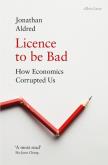
Over the past fifty years, the way we value what is 'good' and 'right' has changed dramatically. Behaviour that to our grandparents' generation might have seemed stupid, harmful or simply wicked now seems rational, natural, woven into the very logic of things. And, asserts Jonathan Aldred in this revelatory new book, it's economics that's to blame.
Licence to be Bad tells the story of how a group of economics theorists changed our world, and how a handful of key ideas, from free-riding to Nudge, seeped into our decision-making and, indeed, almost all aspects of our lives. Aldred reveals the extraordinary hold of economics on our morals and values. Economics has corrupted us. But if this hidden transformation is so recent, it can be reversed. Licence to be Bad shows us where to begin.
'Funny, angry, urgent. Ghodsee is going to start a revolution' Daisy Buchanan, author of The Sisterhood
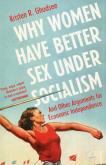
A witty, fiercely intelligent exploration of why capitalism is rigged against women and what we can do about it.
Unregulated capitalism is bad for women. Socialism, if done properly, leads to economic independence, better labour conditions, better work/family balance and, yes, even better sex.
If you like the idea of such outcomes, then come along for an exploration of how we can change women’s lives for the better.
Książka przedstawia problem alkoholizmu i narkomanii, ich konsekwencje nie tylko dla samego uzależnionego, lecz także dla dzieci alkoholików, a szczególnie rodzeństwa osoby uzależnionej od alkoholu i narkotyków. Funkcjonowanie tych drugich nie jest opisane w literaturze przedmiotu.
Celem niniejszej pracy jest naświetlenie grupy, jaką jest rodzeństwo osób uzależnionych. Jak na nie wpływa atmosfera rodzinna związana z uzależnieniem brata lub siostry? Czy ma to swoje konsekwencje w ich funkcjonowaniu w czasie teraźniejszym i w wizji przyszłości? Jeśli skutki są negatywne, to nie tylko dzieci alkoholików, ale także rodzeństwo potrzebuje uwagi i ewentualnej pomocy profesjonalnych terapeutów. Jeśli ktoś, czytając obraz stworzony w rozdziale badawczym, zobaczy siebie lub osobę sobie bliską, zrozumie zachowanie, którego może nie jest w stanie zaakceptować, a które jest przyczyną kolejnych negatywnych skutków w życiu zawodowym i osobistym.
W pierwszym rozdziale podjęto próby zdefiniowania takich pojęć, jak „uzależnienie”, „współuzależnienie”, „alkoholizm”. Zamieszczono w nim także informacje dotyczące przyczyn i faz tych zjawisk. Nie zabrakło także zestawień ilości spożywania alkoholu przypadających na jednego mieszkańca wielu krajów świata oraz charakterystyki wybranych narkotyków.
W rozdziale drugim poruszono zagadnienie pełnego rozwoju młodego człowieka, do którego potrzebne są sprzyjające warunki, jakie powinna tworzyć rodzina. W wyniku braku realizacji tego zadania pojawiają się komplikacje mogące zaważyć na życiu dorosłym osoby wychowującej się w niezdrowej atmosferze. W tej części scharakteryzowano grupę, którą tworzą Dorosłe Dzieci Alkoholików. Wbrew pozorom jest to bardzo liczebna grupa. Można nie zdawać sobie sprawy z ich istnienia, gdyż osoby te nie chcą mówić o traumach dzieciństwa związanych z alkoholizmem jednego lub obojga rodziców.
Rozdział trzeci przedstawia metodologiczne podstawy przeprowadzonych badań na temat cech, przeżyć i funkcjonowania dorosłego już rodzeństwa osób uzależnionych od alkoholu i narkotyków, a mianowicie przedmiot badań, ich cel, problemy, wybraną metodę, techniki i narzędzia badawcze. Na końcu zaprezentowano próbę oraz procedurę badawczą.
Ostatni rozdział to próba analizy badań. Opis wyników podzielono na sfery życia badanych, które były wzięte pod uwagę, w celu uzyskania odpowiedzi na postawione pytania badawcze. W dwóch przypadkach udało się porozmawiać zarówno z uzależnionym bratem, jak i jego siostrą. Rodzeństwo, każde osobno, otrzymało propozycję napisania listu do siebie nawzajem. Dwa listy zamieszczono na końcu tego rozdziału.
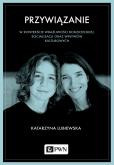
Przywiązywanie się jest zjawiskiem uniwersalnym kulturowo oraz typowym nie tylko dla gatunku homo sapiens. To dzięki niemu potomstwo poszukuje opieki rodziców, zaś rodzice tę opiekę zapewniają. To również w dużej mierze dzięki niemu możliwe jest poznawanie świata, uczenie się i stawanie się samodzielnie funkcjonującą jednostką.
Katarzyna Lubiewska opisuje przywiązanie i rodzicielstwo oraz ich kontekstualne, w tym kulturowe, uwarunkowania. Prezentuje rozwój przywiązania i występujące w jego zakresie różnice indywidualne, przybliża metody pomiaru przywiązania.
Ostatnia część książki zawiera raport z przeprowadzonych przez autorkę badań nad domenami socjalizacji oraz międzypokoleniową transmisją przywiązania.
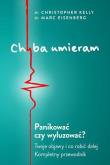
Przekrojowa, utrzymana w lekkim i humorystycznym tonie biblia hipochondryka, którym po trosze jest każdy z nas, autorstwa dwóch lekarzy nowojorskiego Uniwersytetu Columbia. Omawiają oni dziesiątki objawów i doradzają, kiedy wyluzować, kiedy umówić się na wizytę lekarską, a kiedy czym prędzej jechać na SOR.
Dr Christopher Kelly i dr Marc Eisenberg – autorzy niniejszej książki – to znakomici kardiolodzy z licznymi osiągnięciami. Leczą chorych w każdym wieku i z różnymi przypadłościami. Przekonali się, że najczęstsza obawa, z którą przychodzą do nich pacjenci, brzmi: CHYBA UMIERAM!
I choć większość objawów to zwykle nic poważnego, czasem zdarzają się takie – jak choćby przewlekły ból głowy – które słusznie budzą nasz niepokój.
Często zaglądamy wówczas do internetu. Owszem, możemy tam znaleźć mnóstwo informacji, ale kto nam zaręczy, że są prawdziwe lub że je właściwie interpretujemy? Samodzielna internetowa diagnoza może być wręcz niebezpieczna!
W takich przypadkach lepiej zaufać specjalistom: autorom i zespołowi konsultantów tej książki. Chyba umieram to kompletny przewodnik po rozmaitych symptomach. Przejrzysty układ, duża doza humoru i wiele praktycznych porad czynią z niego nieocenioną pomoc dla każdego.
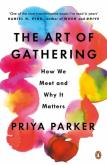
We spend our lives gathering - first in classrooms and then in meetings, weddings, conferences and away days. Yet so many of us spend this time in underwhelming moments that fail to engage us, inspire us, or connect us. We've all sat in meetings where people talk past each other or go through the motions and others which galvanize a team and remind everyone why they first took the job. We've been to weddings that were deeply moving and others that were run-of-the-mill and simply faded away.
Why do some moments take off and others fizzle? What's the difference between the gatherings that inspire you and the ones that don't?
In The Art of Gathering, Priya Parker gets to the heart of these questions and reveals how to design a transformative gathering. An expert on organizing successful gatherings whether in conference centres or her living room, Parker shows us how to create moving, magical, mind-changing experiences - even in spaces where we've come to expect little.
'Reminds us that the mind is the greatest mystery in the universe' Yuval Noah Harari, Guardian, Books of the Year
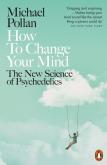
Could psychedelic drugs change our worldview? Join Michael Pollan on a journey to the frontiers of the human mind.
Diving deep into an extraordinary world - from shamans and magic mushroom hunts to the pioneering labs mapping our brains - and putting himself forward as a guinea-pig, Michael Pollan has written a remarkable history of psychedelics and a compelling portrait of the new generation of scientists fascinated by the implications of these drugs. How to Change Your Mind is a report from what could very well be the future of consciousness.
'A sweeping and often thrilling chronicle of the history of psychedelics, all interwoven with Pollan's adventures as a psychedelic novice. This is a serious work of history and science, but also one in which the author, under the influence of toad venom, becomes convinced he's giving birth to himself' Oliver Burkeman, Guardian
'A mind-altering book ... full of transformations' Richard Godwin, Evening Standard
'An irresistible blend of history, research and personal experience. In terms of the psychedelic wave, the book is the big kahuna, the Big Bang moment for a movement that is gathering force' John McKenna, Irish Times
'Entertaining and engrossing' Paul Laity, Financial Times
'Deeply absorbing, wise and beautifully written' Mick Brown, Literary Review
'An astounding book' Andrew Sullivan, New York Magazine
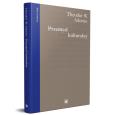
Theodor W. Adorno (1903-1969) – niemiecki filozof, socjolog, myśliciel polityczny, muzykolog i kompozytor. Jeden z czołowych przedstawicieli szkoły frankfurckiej, reprezentant teorii krytycznej.
Prezentowane eseje poruszają problem powszechnej komercjalizacji oraz standaryzacji procesu produkcji dóbr kultury, które stają się podobne do innych towarów. Autor wskazuje na banalność i szkodliwość kultury masowej, na jej globalny negatywny skutek, jakim jest zanik indywidualności. Na tom składa się dziesięć esejów poświęconych m.in. muzyce, telewizji, filmowi, fetyszyzmowi, pojęciu czasu wolnego czy mechanizmom faszystowskiej propagandy.
Dla Adorna przemysł kulturalny przede wszystkim stanowi zagrożenie dla naszego doświadczenia sztuki: po pierwsze, degraduje dzieło sztuki poprzez sprowadzenie go do obiektu w dobie reprodukcji technicznej […] oraz po drugie, niweluje on samo przeżycie estetyczne jako coś wyjątkowego i niepowtarzalnego. Z jednej strony mamy zatem powtarzalność „dzieła”, reprodukowanego wedle zestandaryzowanych wzorców, z drugiej zaś – standardowe reakcje na obiekty oferowane przez przemysł kulturalny.
dr hab. Tomasz Maślanka, dr hab. Rafał Wiśniewski, prof. UKSW (fragment Wstępu)
Książka towarzysząca wystawie „Polska” na eksport w syntetyczny sposób przedstawia dzieje miesięcznika „Polska” w kluczowym dla jego rozwoju okresie 1954–1968. Zadaniem przeznaczonego na eksport pisma, wydawanego w kilkunastu wersjach językowych, było budowanie wizerunku PRL poprzez jego największe osiągnięcia w kulturze, nauce, przemyśle, ale też odbudowie i modernizacji kraju. Propagandowa rola publikowanych tam materiałów nie ulega wątpliwości, jednak za sprawą pracujących dla miesięcznika znakomitych fotografów, jak m.in. Marek Holzman, Irena Jarosińska, Tadeusz Rolke, Tadeusz Sumiński , Jan Morek i wielu innych, „Polska” stanowi dziś nieocenione źródło dla historii powojennej fotografii prasowej. W książce zestawiono materiały opublikowane na łamach rozmaitych edycji miesięcznika z wyborem oryginalnych materiałów odnalezionych w archiwach fotografów. Przedstawione w układzie tematycznym, pozwalają zobaczyć, jakim zabiegom poddawano autorskie fotografie, by osiągnąć zamierzone cele propagandowe, ale i artystyczne. Towarzyszą im eseje poświęcone historii miesięcznika i ukazujące jego funkcjonowanie w kontekście ówczesnej sytuacji politycznej i społecznej, a dopełnieniem są przedstawienia sylwetek najważniejszych współpracujących z nim fotografów — postaci kluczowych dla historii polskiej fotografii tego okresu.
Ten produkt jest zapowiedzią. Realizacja Twojego zamówienia ulegnie przez to wydłużeniu do czasu premiery tej pozycji. Czy chcesz dodać ten produkt do koszyka?