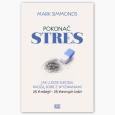
Co zrobić, gdy nasze dziecko na odmowę kupna zabawki reaguje wybuchem niepohamowanej złości? Lub gdy jest gotowe zrobić dosłownie wszytko, aby uniknąć odrabiania lekcji i sprzątania po sobie, a na nasze prośby i nalegania za każdym razem odpowiada: „Zaraz”? Jak postąpić ma nauczyciel, gdy uczniowie spóźniają się na lekcje, a kiedy już się na nich pojawią – rozmawiają, wysyłają SMS-y lub używają wulgarnego języka? Odpowiedzi na te oraz wiele innych pytań znajdziemy właśnie w tej książce. Autorzy, korzystając ze swego wieloletniego doświadczenia w pracy z dziećmi, przedstawiają Czytelnikowi proste, a zarazem skuteczne, metody poradzenia sobie z trudnymi zachowaniami.
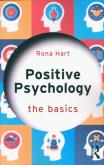
This book provides an accessible and balanced introduction to positive psychology scholarship and its applications, incorporating an overview of the development of positive psychology. Positive Psychology: The Basics delineates positive psychology’s journey as a discipline, takes stock of its achievements and provides an updated overview of its core topics, exploring the theory, research and interventions in each.
Launched as a rebellious discipline just over two decades ago, positive psychology challenged the emphasis of applied psychology on disease and dysfunction and offered a new, more balanced perspective on human life. From its foundations in the late 20th century to recent "second-wave" theories around the importance of recognizing negative emotions, this compact overview covers the key ideas and principles, from research around emotional wellbeing, optimism and change, to posttraumatic growth and positive relationships. The first jargon-free introduction to the subject, Hart introduces the reader to a range of issues, including self-regulation and flow, character strengths and virtues and positive relationships, concluding with a chapter on how interventions can affect happiness and wellbeing.
Positive Psychology: The Basics is an essential resource for students, practitioners, academics and anyone who is interested in understanding the essence of a life well lived.
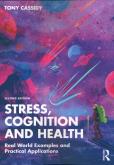
The new edition of this bestselling textbook provides a comprehensive overview of the latest research on stress and health, moving beyond the former deficit model to a resource growth model. It examines all aspects of the topic, from how the external world and the impact of technology makes demands upon individuals, through biological and psychological processes, to outcomes in terms of health and well-being. The process is set within a dynamic, multilevel systems and developmental lifespan perspective.
The book includes a history of the evolution of stress research and the biological systems and immune responses that translate external pressures into health outcomes. It considers the role of personality and cognition in terms of appraisal and coping strategies set within a social ecology of power and support. The role of positive psychology in terms of resilience, psychological capital, and self-compassion brings the area up to date in considering the benefits as well as the threats of stress on health and well-being. An integration of issues of importance in stress research is provided with some suggested guidelines for both research and practice. Issues around prevention and intervention are discussed to reduce stress and increase resilience in families, schools, workplaces and communities, and suggestions for the future development of the field are presented.
With an engaging style, the book is equally accessible to the layperson and the scientist, the practitioner and the academic. Providing a basis for further exploration of the vast area of stress and health, it is valuable reading for undergraduate and postgraduate students and those working in organisations with an interest in understanding and preventing or alleviating stress.
Simply Psychology, fifth edition, is an engaging and reader-friendly introduction to the key principles of psychology. Organised around the major approaches to the subject, it covers biological, developmental, social, and cognitive psychology, as well as individual differences.
Supported by a wealth of colour illustrations, this textbook provides students new to the subject with straightforward and clear explanations of all the key topics within contemporary psychology. The features spread throughout the book are designed to help readers to engage with the material and include:
highlighted key terms and comprehensive glossary
chapter introductions and summaries
further reading and evaluation boxes
structured essay and self-assessment questions
case studies and examples illustrating the application of key theories
a practical chapter that offers students tips and advice to help them improve their study skills and get the most out of the book and their studies.
Additional features new to the fifth edition include:
new quizzes
updated further reading advice
an extra chapter on clinical psychology
an expanded section on quantitative research methods
additional coverage of popular topics, like sleep.
This is an ideal text for students new to psychology and those in related fields such as nursing, social work, and the social sciences.
Social entrepreneurship and impact investing contribute to a more inclusive capitalism and bring innovative solutions to global challenges, such as fighting poverty and protecting planet earth. This book offers practical advice on how to best integrate entrepreneurship and capital for impact and innovation by using elea’s philanthropic investing approach to fight absolute poverty with entrepreneurial means as an example.
Written by two leading experts, the book summarizes insights from elea’s 15-year pioneering journey, from creating an investment organization, choosing purposeful themes, and sourcing opportunities, to partnering with entrepreneurs for impact creation. This includes suggestions on how to lead impact enterprises in such areas as developing strategies, plans, and models; building effective teams and organizations; managing resources; and handling crises. Using real-life examples, this is valuable reading for entrepreneurs, investors, executives, philanthropists, policymakers, and anyone curious about entrepreneurship and inclusive capitalism.
Learn how to create compelling game storylines.
Four experienced narrative designers from different genres of game development have banded together to create this all-inclusive guide on what it's like to work as a writer and narrative designer in the video game industry. From concept to final testing, The Game Narrative Toolbox walks readers through what role a narrative designer plays on a development team and what the requirements are at every stage of development. Drawing on real experiences, authors Tobias Heussner, Toiya Kristen Finley, PhD, Ann Lemay, and Jennifer Brandes Hepler provide invaluable advice for writing compelling player-centered stories and effective dialogue trees to help readers make the switch from writing prose or screenplay to interactive.
Thoroughly revised, the Second Edition includes updated content reflecting the industry’s latest developments. In addition to revised and updated chapters, this new edition features two additional chapters covering more advanced topics that are applicable to the lessons learned from the original chapters.
Accompanying every chapter are exercises that allow the reader to develop their own documentation, outlines, and game-dialogue samples for use in applying for industry jobs or developing independent projects.
This groundbreaking book provides a refreshing introduction to the field of leadership and is jam-packed with theoretical and practical insights derived from a wealth of applied scientific research conducted by the authors and their colleagues around the world over the last three decades.
It starts from the premise that leadership is never just about leaders. Instead it is about leaders and followers who are joined together as members of a social group that provides them with a sense of shared social identity – a sense of "us-ness". In these terms, leadership is understood as the process through which leaders work with followers to create, represent, advance, and embed this sense of shared social identity. The new edition of this award-winning book presents a wealth of evidence from historical, organizational, political and sporting contexts to provide an expanded exploration of these processes of identity leadership in action. In particular, it builds upon the success of the first edition by examining the operation of identity leadership in contemporary society and fleshing out practical answers to key organizational and institutional challenges.
Drawing on real-world examples and rich data sources, this book will appeal to academics, researchers, and students of psychology, business, and management, as well as to practitioners, policy makers, and anyone interested in the workings of leadership, influence, and power.
An Introduction to Applied Cognitive Psychology offers an accessible review of recent research in the application of cognitive methods, theories, and models. Using real-world scenarios and engaging everyday examples this book offers clear explanations of how the findings of cognitive psychologists have been put to use. The book explores all of the major areas of cognitive psychology, including attention, perception, memory, thinking and decision making, as well as some of the factors that affect cognitive processes, such as drugs and biological cycles.
Now in full colour, this new edition has been thoroughly updated to include cutting-edge research and theories. There are also new chapters on perceptual errors and accidents, the influence of emotion, and the role of cognitive factors in music and sport.
Written by well-respected experts in the field, this textbook will appeal to all undergraduate students of cognitive psychology, as well as professionals working in the areas covered in the book, such as education, police work, sport, and music.
This book is a study of the psychology, neuroscience, and philosophy of creativity, originality, and inspiration viewed from the lens of a seasoned game developer. It introduces the concept of creative sobriety—a practice that advocates better understanding our own sources of inspiration so that we can intellectually drive our creative voice closer to originality.
The creative process is an improvised dance between the conscious and the subconscious mind, where knowledge, experience, intuition, observation, imagination, and projection meet in ways that are completely unique to each person. Presenting practical and theoretical approaches to originality and game concept generation, this book explores the notion of creative sobriety before moving to chapters that blend theory and practice, covering topics such as innovation, the creative process, auteurship, collaboration, and creative vision.
This book will be of great interest to students of game design and creative professionals working within the industry as well as those looking to learn more about the creative process.
Monografia Doroty Kubackiej-Jasieckiej nawiązuje do jej dotychczasowego dorobku naukowego dotyczącego problematyki kryzysu emocjonalnego i interwencji kryzysowej prowadzonych od lat 90. XX wieku. Autorka (...) wykracza poza obszary pomocy psychologicznej i wsparcia psychologicznego ku działaniu na rzecz dobra, nie tylko jednostki, lecz także środowiska (...), inicjowania zarówno zmian indywidualnych, osobistych, jak i przemian społeczno-politycznych. (...) Zdaniem autorki działalność interwencyjna powinna brać pod uwagę (...) również oczekiwania społeczne. (…) Wy-mienia specyficzne cele interwencji kryzysowej, a mianowicie: ponoszenie odpowiedzialności (również za innych) oraz podejmowanie działań na rzecz życia i zdrowia społeczności. Interwencja kryzysowa (...) kieruje się szczytnymi hasłami i wartościami: sprawiedliwością, tolerancją społeczną, poszanowaniem dla praw człowieka i demokracji. Powiązana jest z edukowaniem społeczeństwa i zmierza do wzrostu zaangażowania obywatelskiego młodego pokolenia.
Fragment recenzji dr hab. Barbary Pileckiej, prof. em. UJ
Książka, która zmieni twoje postrzeganie ludzkiej psychiki Co to znaczy być chorym psychicznie? Czy diagnoza mówi całą prawdę o człowieku? Nathan Filer, doświadczony pielęgniarz psychiatryczny i nagradzany pisarz, zabiera czytelników w podróż do serca psychiatrii, obalając mity i kwestionując utarte przekonania. W swojej książce przedstawia poruszające historie osób zmagających się z różnymi zaburzeniami, ukazując je z empatią i zrozumieniem. Pokazuje, że za każdą diagnozą kryje się unikalna ludzka opowieść, a medyczne etykiety nie oddają pełni doświadczeń pacjentów. Zmień swoje spojrzenie na zdrowie psychiczne to lektura obowiązkowa dla każdego, kto pragnie lepiej zrozumieć ludzką psychikę i wyzwania związane z jej leczeniem. To książka, która nie tylko zmienia myślenie, ale także budzi empatię i zachęca do głębszej refleksji. Otwórz umysł i zmień swoje spojrzenie na zdrowie psychiczne.
Nadzieja dla cyników to książka, która zmienia sposób myślenia o nadziei i zaufaniu w świecie pełnym wątpliwości. Zaki, ceniony psycholog i badacz, oferuje głęboki wgląd w mechanizmy ludzkiego zachowania, pokazując, że nawet najbardziej cyniczne osoby mogą znaleźć drogę do otwartości, empatii i optymizmu. W książce autor opiera się na solidnych badaniach naukowych, opowiadając historie z życia codziennego, które udowadniają, że nadzieja to coś więcej niż tylko naiwność. To narzędzie, które pozwala budować silniejsze relacje, bardziej zrównoważone społeczeństwa i głębsze poczucie sensu w naszym życiu. Zaki zachęca do porzucenia przekonania, że cynizm jest sposobem na przetrwanie w trudnych czasach, i udowadnia, że otwartość na nadzieję może prowadzić do prawdziwej przemiany. Zainwestuj w swoją przyszłość emocjonalną i intelektualną przekonaj się, jak nauka może pomóc Ci odnaleźć nadzieję w najciemniejszych chwilach!
Pracujesz w zespole lub masz kontakt z klientami czy partnerami biznesowymi? Jesteś w związku albo szukasz partnera? Masz dzieci? Każdego dnia w różnych sytuacjach spotykasz się z ludźmi - ich słowa mówią wiele, ale mowa ciała dostarczy ci jeszcze więcej informacji. Dzięki tej książce nic się przed tobą nie ukryje - nawet to, czego twoi rozmówcy woleliby nie zdradzać. Dowiedz się: - jak uzyskać podstawowe informacje przy krótkim kontakcie,- na co zwracać uwagę,- jak płeć, kontekst i kultura wpływają na zrozumienie komunikatów,- jak wyciągać prawidłowe wnioski,- jak panować nad własnym ciałem, by nie powiedzieć więcej, niż rzeczywiście chcesz ujawnić. Poznaj techniki wykorzystywane przez najlepszych śledczych i detektywów!
Where did we come from?
What is our connection with other life forms?
What are the mechanisms of mind that define what it means to be a human being?
In the seventh edition of this revolutionary textbook, David M. Buss examines human behavior from an evolutionary perspective, providing students with the conceptual tools needed to study evolutionary psychology and apply them to empirical research on the human mind. Content is organised by topic, beginning with the challenges of survival, mating, parenting, and kinship; progressing to challenges of group living, including cooperation, aggression, sexual conflict and status, prestige, and social hierarchies.
Key features of this edition include:
Updated and enhanced material based on an explosion of new theories and research, including dozens of new references
Expanded coverage of topics including socioecology, behavior, emotions, and gender
Exploration of evolutionary mismatches in several domains such as survival, kinship, and mating, including a discussion of internet dating
With a wealth of student-friendly pedagogy including critical thinking questions and case study boxes supporting the application of evolutionary psychology to real-world situations, this is an invaluable resource for undergraduates studying psychology, biology, and anthropology. The textbook is also supported by a range of instructor resources, including PowerPoint slides, a test bank, and an instructor’s manual, to help students achieve their higher learning goals.
Gustaw Bychowski i Alberta Szalita to polsko-żydowscy lekarze i psychoanalitycy z Warszawy. We wrześniu 1939 roku obojgu udało się wydostać z bombardowanej stolicy. Ucieczka Bychowskiego przez Wilno, Szwecję i Japonię do Nowego Jorku trwała dwa lata. Do Polski już nie wrócił. Inaczej Szalita, która w czasie wojny znalazła się w Związku Sowieckim i w 1945 roku powróciła do kraju. Rok później wyemigrowała do USA skłonił ją do tego panujący w Polsce antysemityzm. Oboje jako psychoanalitycy działali przez kilkadziesiąt lat w Nowym Jorku, ale w konkurujących i zwalczających się Instytutach Psychoanalitycznych. W odróżnieniu od dominującej w powojennej Ameryce ortodoksyjnej psychoanalizy zaczęli pracować z chorymi na psychozę i z Ocalałymi z Zagłady. Mimo swoich nowatorskich pomysłów klinicznych i koncepcji teoretycznych nie zaistnieli w świecie psychoanalitycznym i zostali zapomniani. Autorka książki bada przyczyny tego "zapomnienia", kreśląc ich portrety na tle dziejów psychoanalizy w kontekście społecznym i kulturowym. Ta książka jest dziełem niezwykłym na polskim rynku. Już sam pomysł Autorki, by stworzyć derridiańskie "potencjalne archiwum obecności i nieobecności psychoanalizy w Polsce" obiecuje oniryczną podróż w czasie i przestrzeni ścieżkami kształtowanymi życiem i działalnością psychoanalityków żydowskiego pochodzenia z Polski, postaci wybitnych, a niemal nieznanych. Książka napisana przez Ewę Kobylińską-Dehe, filozofkę i psychoanalityczkę o zacięciu historycznym, przywraca pamięć o nich, a poprzez stosowaną przez Autorkę metodę mikronarracji staje się świadectwem czasów odrzucenia i zaprzeczenia. Z recenzji prof. Małgorzaty Sachy Ta książka to fascynująca opowieść o powikłanych losach Bychowskiego i Szality, psychoanalityka i psychoanalityczki żydowskiego pochodzenia, urodzonych na ziemiach polskich, którzy znaleźli się po wojnie na emigracji w Stanach Zjednoczonych. Zarazem jest to opowieść o tym, jak ich losy splotły się z tragiczną historią naszego kraju, w której największą katastrofą była w XX wieku Zagłada. Ukazując te przepołowione przez wojnę biografie, autorka stawia pod koniec książki pytanie: jak to się stało, że psychoanaliza nie stała się częścią polskiej tradycji kulturowej. Dlaczego ten nurt odegrał u nas rolę marginalną, a dorobek jego pionierów został zapomniany? Próbuje na nie odpowiedzieć, wskazując na trudności polskiego społeczeństwa z żałobą, czyli przepracowaniem traumatycznych doświadczeń bycia nie tylko ofiarą, ale i sprawcą. Wypierając tę świadomość, pozostajemy w błędnym kole zniewolenia przez przeszłość. prof. Paweł Dybel Ewa Kobylińska-Dehe - dr hab., profesorka Instytutu Filozofii i Socjologii PAN, psychoanalityczka, filozofka i kulturoznawczyni, profesorka wizytująca w International Psychoanalytic University w Berlinie, superwizorka i wykładowczyni we Frankfurckim Instytucie Psychoanalitycznym, analityczka szkoleniowa w Instytucie im. Anny Freud we Frankfurcie. Główne obszary jej zainteresowań naukowych to psychoanaliza w kontekście kulturowej nowoczesności, filozoficzny wymiar psychoanalizy, cielesność w psychoanalizie, rozumienie sceniczne, granice reprezentacji. Najnowsze publikacje: Corporeality and Dream-Talk (2024), Ist die Welt aus den Fugen geraten? Psychoanalyse fr eine berfrderte Gesellschaft (2024), Thinking Cure: Jewish Psychoanalyst Alberta Szalita, from Warsaw to New York (2024), Mensch ohne Welt. Vor der Stummheit zur Grundmelodie der Seele (2025), Psychoanaliza bez seksu. Seks bez fantazji (2025), Psychoanaliza i prawda (2025).
Pokolenie Z stało się pierwszym pokoleniem w historii, które dorastało z urządzeniem w kieszeni odwracającym uwagę od otoczenia, a wciągającym do alternatywnego wszechświata, który był ekscytujący, uzależniający, niestabilny i – jak się okazało – niewłaściwy dla dzieci i młodzieży. Dlaczego tak chętnie dzielimy się na przeświadczone o własnej prawości wrogie grupy?Dlaczego jedni ludzie mają lewicowe poglądy, inni – konserwatywne, a jeszcze inni zostają libertarianami?Dlaczego niektórzy tak ochoczo podchwytują skandaliczne kłamstwa i teorie spiskowe? Celna diagnoza problemów, z którymi mierzy się współczesne społeczeństwo, a także próba znalezienia drogi wyjścia z tego kryzysu. W ostatnich czasach coś złego dzieje się na uniwersytetach. Wykładom na uczelniach towarzyszą buczenie i gwizdy. Studenci i profesorowie mówią, że czują się, jakby stąpali po cienkim lodzie i boją się wypowiadać szczerze. Wzrasta liczba samobójstw i ludzi cierpiących na lęki i depresję.
Stań się swoim własnym uzdrowicielem. To twoja szansa na zmianę.Bestsellerowa autorka "New York Timesa", Gabrielle Bernstein, wyznacza drogę do uzdrowienia, oferując metodę, która może realnie odmienić życie. Jej podejście, oparte na opracowanej przez dr. Richarda C. Schwartza terapii IFS (Model Wewnętrznych Systemów Rodzinnych), łączy prostotę z niezwykłą skutecznością.Poznaj wyjątkowy poradnik samopomocy opisujący rewolucyjną praktykę, która pozwala radykalnie zmienić kluczowe przekonania i połączyć się z niezawodnym wewnętrznym przewodnikiem - energią swojego prawdziwego Ja. Autorka odczarowuje terapię IFS, przenosząc jej nauki z gabinetu terapeuty do codziennego życia.Odkryj, jak skrajne wzorce zachowań, takie jak uzależnienie, gniew, zadowalanie innych lub ciągła samoocena, często stanowią mechanizmy obronne przed głęboko zakorzenionymi uczuciami nieadekwatności, wstydu czy lęku. Świadome rozpoznanie i troskliwe zaopiekowanie się tymi schematami pozwala na szybkie i skuteczne uzdrowienie.Dzieląc się wiedzą, spokojem oraz osobistym doświadczeniem, autorka prowadzi czytelnika klarowną ścieżką pozwalającą na rozwijanie współczucia wobec siebie, rozwiązywanie wewnętrznych konfliktów i zmianę sposobu swojego postrzegania. Dzięki takiemu podejściu odbiorca uczy się traktować własne myśli, zachowania i przekonania z większą ciekawością, miłością i akceptacją, co toruje drogę do głębokiej, transformacyjnej zmiany.
Borderline, czyli jedną nogą nad przepaścią Poradnik i ćwiczenia dla osób z osobowością borderline oraz ich bliskich i opiekunów Przewodnik po życiu na krawędzi Borderline, czyli w pełnym brzmieniu borderline personality disorder. Po polsku: osobowość chwiejna emocjonalnie podtypu granicznego. Brzmi poważnie? Słusznie, bo sprawa jest poważna. Życie z borderline można porównać do wiecznego balansowania nad przepaścią, w ciągłym lęku, że kolejny krok może oznaczać upadek. Góra - dół. Góra - dół. Radość - smutek - wściekłość - depresja - obojętność. Tak opisuje to autorka. Przez cały czas, w każdej sekundzie - bo o ile chorzy zmagający się z chorobą dwubiegunową doświadczają przynoszących krótkotrwałą ulgę stanów pomiędzy skrajnymi wahaniami nastroju, o tyle osoby z borderline są pozbawione nawet tej odrobiny komfortu. Borderline nie jest chorobą, a typem osobowości. Co oznacza, że - inaczej niż w przypadku depresji czy zaburzeń lękowych - nie da się go wyleczyć w tradycyjnym rozumieniu tego słowa. Z borderline trzeba nauczyć się żyć, a pomóc w tym może odpowiednia terapia. Monika Kotlarek, oprócz podpartych rzetelną wiedzą naukową obserwacji na temat borderline, zawarła w książce także historie osób, u których zdiagnozowano ten podtyp osobowości. Stworzyła w ten sposób swoisty przewodnik po życiu z borderline, przydatny dla samych chorych, ale także dla ich bliskich czy terapeutów. Przewodnik, który pomoże zrozumieć i wesprzeć - bez szufladkowania ani stygmatyzowania.
Cisza, która uzdrawia duszęUważność jest praktyką, która wycisza panujący w nas zgiełk. Gdy nam jej brakuje, wiele rzeczy może nas odciągać od nas samych.Thich Nhat HanhCisza. Siła spokoju w świecie pełnym zgiełku to ostatnia książka Thich Nhat Hanha. To pochwała uważności, skupienia na chwili obecnej, bez której łatwo stracić poczucie sensu w rzeczywistości pełnej chaosu.Autor zaprasza nas do uwolnienia się od zgiełku zewnętrznego świata. Proponuje, by odnaleźć spokój w samym sobie i dostrzec, co oferuje niepowtarzalna, bieżąca chwila. Przekonuje, że drogą do wewnętrznej wolności jest uważność w życiu codziennym.Wewnętrzna cisza pozwala usłyszeć głos własnego serca, by móc odważnie podążyć za swoimi najgłębszymi pragnieniami. Książka przypomina nam, że każda chwila jest cenna i warto przeżywać ją świadomie.
"Konstelacje życia" to książka, która zaprasza do odkrywania głębszych prawd o naszym życiu i relacjach międzyludzkich. W tej niezwykłej pracy autor łączy psychologię, filozofię i duchowość, by pomóc czytelnikom zrozumieć, jak nasze przeszłe doświadczenia, zwłaszcza te rodzinne, kształtują nasze obecne życie. Garriga, znany terapeuta i autor, wprowadza czytelnika w świat konstelacji rodzinnych metody terapeutycznej, która pozwala ujrzeć ukryte mechanizmy, jakie kierują naszymi działaniami, emocjami i decyzjami. Książka to nie tylko przewodnik po tej metodzie, ale również inspirująca podróż w głąb siebie, która pomaga zrozumieć, jak można uwolnić się od ograniczających wzorców i zacząć żyć w pełni. To lektura dla każdego, kto pragnie wprowadzić harmonię do swojego życia, poprawić relacje z bliskimi i zrozumieć, jak nasze działania są często wynikiem nieświadomych wpływów z przeszłości. Książka daje narzędzia, by odzyskać kontrolę, uwolnić się od negatywnych emocji i stworzyć bardziej autentyczne życie, w którym w pełni korzystamy z potencjału własnej historii. Zachwycający, mądry i pełen empatii przewodnik po ścieżkach naszego życia ta książka to prawdziwa skarbnica wiedzy dla każdego, kto pragnie głębiej zrozumieć siebie i swoje miejsce w świecie.
Ten produkt jest zapowiedzią. Realizacja Twojego zamówienia ulegnie przez to wydłużeniu do czasu premiery tej pozycji. Czy chcesz dodać ten produkt do koszyka?