W tej strefie zapraszamy do nabycia książek z szeroko pojętej dziedziny jaką jest psychologia. Posiadamy podręczniki i poradniki kierowane do specjalistów psychiatrii i psychologii, a także uczniów i studentów. Poprzez poradniki z zakresu problemów emocjonalnych u dzieci i młodzieży czy okresu dojrzewania. Proponujemy poradniki dla ludzi biznesu, polityków, nauczycieli, dzieci i modzieży. Garść rozmaitych porad i rewolucyjnych technik, które pomogą otworzyć drzwi umysłu. Polecamy dobre książki psychologiczne. W ofercie psychologia społeczna, kliniczna, biznesu, rozwoju, zdrowia, sportu, psychologia umysłu, relacje międzyludzkie i wiele innych poradników.
W książce tej poszukujemy genealogii współczesnych laboratoriów humanistycznych. Interesuje nas zwłaszcza to, co świadczy o ich specyfice i odróżnia je od przyrodniczych krewnych. Czy o laboratoriach humanistycznych i przyrodniczych można myśleć w kategoriach pokrewieństwa? A może relacje między nimi widzieć trzeba transwersalnie – poza opozycją między humanistyką a naukami przyrodniczymi i ścisłymi? Jeśli wraz z rozwojem nowoczesnej nauki laboratorium zostało zawłaszczone przez przyrodoznawstwo, to czy da się odzyskać je dla humanistyki w sposób respektujący jej autonomię? Czy laboratorium może stanowić remedium na jej problemy w sytuacji, gdy musi ona walczyć o swoje miejsce w neoliberalnej akademii i zabiegać o społeczną atencję? Z naszego punktu widzenia laboratorium humanistyczne nie powinno naśladować przyrodniczego, lecz raczej działać na zasadzie mimikry, podważając autorytet, na którym się opiera. Tylko tak humanistyka może realizować swą (auto)krytyczną funkcję – kwestionować własne reguły, afirmować niepewność i prawo do błądzenia, zdewaluowane w kapitalistycznym, nastawionym na sukces porządku wiedzy.
Aleksandra Kil-Matlak, Jacek Małczyński, Dorota Wolska
Tom rozwija refleksję nad propozycją laboratoryzacji humanistyki, odsłaniając z niej coraz więcej, nie tylko quasi-utopijne założenia, realia „kolektywu myślowego”, ukrytą na co dzień przed nami samymi infrastrukturę „humanistyki analogowej” i „humanistyki cyfrowej”, ale także – coraz mocniej, z tekstu na tekst, archeologię i ontologię „naszego teraz” w wymiarze faktycznych ram poznawania.
Z recenzji dr hab. Tomasza Majewskiego, prof. UJ
Archiwalna wrażliwość sprawia, że wyjściowy błąd – omyłkowa atrybucja zapisów codziennych – przynosi twórcze inspiracje i otwiera spuściznę w nowym wymiarze. Marlena Wilczak dokonuje wzorcowej, wieloaspektowej analizy archiwum Boznańskiej, uruchamiając pokłady cierpliwości, afirmacji i podejrzliwości.
Z laudacji dr hab. Lucyny Marzec
Moją historię zaczynam w miejscu, gdzie inni biografowie zwykli kończyć swoją opowieść. Książka dotyczy fragmentu spuścizny pozostawionej przez Olgę Boznańską, który po jej śmierci trafił do Biblioteki Polskiej w Paryżu. Nie piszę jednak kolejnej biografii, lecz raczej szkic losów i statusu wybranych przedmiotów z przestrzeni tworzenia malarki.
Dzieje archiwum Boznańskiej warto opracować z trzech powodów. Po pierwsze, dzięki nim możemy zobaczyć, jak rzeczy codziennego użytku wpłynęły na powstanie legendy biograficznej. Po drugie, dzieje te dają wgląd w metody nadawania znaczenia przedmiotom materialnym oraz tekstom we współczesnych instytucjach pamięci (praktyki segregowania, katalogowania i inwentaryzowania, a także wyboru przedmiotów na ekspozycje). Po trzecie wreszcie, pokazują, jak kształtuje się pamięć kulturowa.
Na archiwum malarki chciałabym spojrzeć pod kątem materialności pamięci i historii przedmiotów znajdujących się w przestrzeni tworzenia oraz – w przypadku zapisów codziennych – zwrócić uwagę na ich warstwę nie tylko tekstową, lecz także materialną. Historię kulturową archiwum Boznańskiej zaczynam od próby nakreślenia, czym była pracownia malarki, gdy istniała jako przestrzeń tworzenia i pierwotny kontekst funkcjonowania rzeczy znajdujących się w niej. Następnie opisuję historię pracowni po śmierci Boznańskiej w 1940 roku. Ostatni etap to analiza rekonstrukcji pracowni zrealizowanej z okazji ekspozycji dzieł Boznańskiej w Muzeum Narodowym w Warszawie w 2015 roku. Nawiązuję do pojęcia społecznej biografii rzeczy, opisuję strategie wykorzystania spuścizny Boznańskiej w muzeum. Konstruuję biografię jej spuścizny, analizując przeplatanie się trzech aspektów kulturowego funkcjonowania rzeczy: ich formy, funkcji i znaczenia. Proponuję przyjrzeć się praktykom pisma Boznańskiej, dla której tworzywem wyrazu artystycznego nie było słowo, ale której archiwum zawiera wiele piśmiennych nośników znaczenia. Chodzi tu o pracę z materiałem historycznym, wybrakowanym, nieożywionym przez codzienne użycie pisma w działaniu. Korzystam ze sposobów badania twórczości artystycznej wypracowanych w obrębie dwóch dyscyplin: genetyki sztuki, która w prostej linii wywodzi się z krytyki genetycznej tekstów, oraz z antropologii, zwłaszcza w tym jej dziale, który bada użycia pisma, jego sprawczość i praktyki językowe.
Ze Wstępu
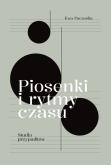
Książka "Piosenki i rytmy' czasu została skomponowana tak, by – mimo oczywistych ograniczeń – dać poczucie możliwie pełnego oglądu prezentowanego zjawiska, stąd dwie wyraźnie wyznaczone części. Pierwsza ukazuje narodziny i rozwój piosenki jako nowoczesnego zjawiska w obrębie rodzącej się kultury popularnej w Europie i w Polsce. Druga koncentruje się natomiast na poszczególnych przypadkach i składa się ze studiów na temat najbardziej wyrazistych i znaczących postaci polskiej piosenki autorskiej. Podział ten uwzględnia także historyczność zjawisk – pierwsza część koncentruje się na wydarzeniach z wieku XIX i prowadzi nas ku XX stuleciu, druga analizuje przypadki z drugiej połowy ubiegłego wieku i dociera niemalże do współczesności. W ten sposób, poznając piosenki, pieśni, autorów i ich postawy na tle społecznych problemów i historycznych wydarzeń, uświadamiamy sobie znaczenie twórczości, która jakże często jest lekceważona i pomijana w humanistycznym dyskursie. (…) Książka ta łączy naukowy i eseistyczny temperament Autorki, co czyni lekturę bardziej atrakcyjną. Ewa Paczoska z godną podkreślenia pasją badawczą oprowadza nas po meandrach piosenek i twórczości artystów, którzy nieczęsto czytani są z taką żarliwością i pieczołowitością w polskim środowisku badawczym. To przyjemność podążać w lekturze odnalezionymi przez Autorkę tropami, które odkrywa, tłumacząc poszczególne poziomy intertekstualnych zależności.
Z recenzji wydawniczej prof. Krzysztofa Gajdy
Kiedy kończyłam pisać i składać tę książkę, wydawało mi się, że większość jej rozdziałów traktuje o zjawiskach już niewystępujących albo słabo obecnych w dzisiejszej kulturze. Tymczasem w marcu 2025 roku przeczytałam następującą wiadomość: jeden z warszawskich teatrów, Pijana Sypialnia, wystawia spektakl "Wodewil warszawski" oparty na "Podróży po Warszawie" Feliksa Szobera. Kolejni młodzi wykonawcy występują z piosenkami Kaczmarskiego (m.in. zespół Habakuk, Mateusz Nagórski), Cohena (Kuba Blokesz), a nawet, co trudne ze względu na obecną sytuację polityczną, bardów rosyjskich (zespól Piramidy). Filip Łobodziński z kolei odbywa trasę koncertową z utworami Boba Dylana we własnych interesujących tłumaczeniach. Opisywane przeze mnie historie piosenek toczą się dalej…
Ewa Paczoska
Ewa Paczoska – profesor Wydziału Polonistyki Uniwersytetu Warszawskiego, historyczka literatury polskiej drugiej połowy XIX w., badaczka kultury modernizmu. Opublikowała 5 książek autorskich (m.in. "Lalka, czyli rozpad świata", 1996, II wyd. 2008; "Prawdziwy koniec XIX wieku. Śladami nowoczesności", 2010;" Lekcje uważności. Moderniści i realizm", 2018) i wiele studiów szczegółowych. Redagowała i współredagowała kilkanaście tomów prac zbiorowych, m.in. "Przerabianie XIX wieku" (2011), "Wiktorianie nad Tamizą i nad Wisłą" (2016), "Problemy literatury i kultury modernizmu w Europie Środkowo-Wschodniej" (1867–1918) (2017). Jest też autorką podręczników licealnych (literatura pozytywizmu i Młodej Polski). Świadectwem jej badawczych zainteresowań piosenką są m.in. współredagowane przez nią tomy studiów: "Bardowie" (2001) oraz "Piosenki prawdziwe w kulturze PRL-u" (2013). Pod nazwiskiem Ewa Gaworska publikuje wiersze i śpiewa.
Glasgow Style
The life and work of Glasgow School pioneer Charles Rennie Mackintosh
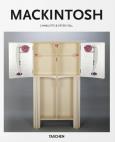
Scottish architect, designer, and painter Charles Rennie Mackintosh (1868–1928) was one of the earliest pioneers of modern architecture and design. While he did not receive much recognition in his hometown of Glasgow during his lifetime, his bold new blend of simplicity and poetic detail inspired modernists across Europe.
Mackintosh’s avant-garde approach embraced a variety of media as well as fresh stylistic devices. His multi-faceted oeuvre incorporated architecture, furniture, graphic design, landscapes, and flower studies. He embraced strong lines, elegant proportions, and natural motifs, combining an adventurous dose of japonisme with a modernist sensibility for function. He preferred bold black typography, restrained shapes, and tall, generous windows suffusing rooms with light.
Much of his work was collaborative practice with his wife, fellow artist Margaret Macdonald. The couple made up half of the loose Glasgow collective known as “The Four”; the other two were Margaret’s sister, Frances, and her husband, Herbert MacNair. On the continent, the “Glasgow Style” was met with delight. In Italy, Germany, and, in particular, Austria, artists of the Viennese Secession and Art Nouveau drew much from its rectilinear yet lyrical forms.
In this introductory book, we take in Mackintosh’s practice across art, architecture, and design to explore his particular combination of the statuesque and sensual and its vital influence on modernist expression across Europe. Featured projects include his complete scheme for the Willow Tea Rooms and the Mackintosh Building at the Glasgow School of Art, widely considered Mackintosh’s masterwork.
The bold lives and revolutionary art of England’s early 20th-century Vorticists.
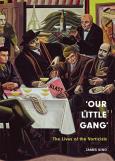
The Vorticists, a rebellious cohort of young artists in early twentieth-century England, defied the conventions of the art world with their distinctive abstract creations. Despite the brevity of their existence, from 1911 to 1914, their startling innovations left an indelible mark on English art history. In this book James King explores the personalities and lives of these colourful individuals, capturing the tumultuous environment in which they thrived. The narrative presents biographies of the group’s members – ‘our little gang’, as Ezra Pound called them – highlighting personal conflicts and providing a concise, highly readable history of the movement. This book is ideal for art enthusiasts, historians and anyone intrigued by avant-garde movements of the early twentieth century.
What do you want when no one is watching?
What do you want, when the lights are off?
What do you want, when you are anonymous?
When we talk about sex, we talk about womanhood and motherhood, infidelity and exploitation, consent and respect, fairness and egalitarianism, love and hate, pleasure and pain. And yet so many of us don't talk about it at all.
In this groundbreaking book, Gillian Anderson collects and introduces the anonymous sexual fantasies of women from around the world (along with her own anonymous submission). They are all extraordinary: full of desire, fear, intimacy, shame, satisfaction and, ultimately, liberation. From dreaming about someone off-limits to conjuring a scene with multiple partners, from sex that is gentle and tender to passionate and playful, from women who have never had sex to women who have had more sex than they can remember, these fantasies provide a window into the most secret part of our minds.
Want reveals how women feel about sex when they have the freedom to be totally themselves.
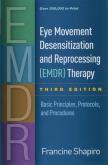
The authoritative presentation of Eye Movement Desensitization and Reprocessing (EMDR) therapy, this groundbreaking book--now revised and expanded--has been translated into 10 languages. Originally developed for treatment of posttraumatic stress disorder (PTSD), this evidence-based approach is now also used to treat adults and children with complex trauma, anxiety disorders, depression, addictive behavior problems, and other clinical problems. EMDR originator Francine Shapiro reviews the therapy's theoretical and empirical underpinnings, details the eight phases of treatment, and provides training materials and resources. Vivid vignettes, transcripts, and reproducible forms are included. Purchasers get access to a webpage where they can download and print the reproducible materials in a convenient 8 1/2" x 11" size.
New to This Edition
Over 15 years of important advances in therapy and research, including findings from clinical and neurophysiological studies.
New and revised protocols and procedures.
Discusses additional applications, including the treatment of complex trauma, addictions, pain, depression, and moral injury, as well as post-disaster response.
Appendices with session transcripts, clinical aids, and tools for assessing treatment fidelity and outcomes.
EMDR therapy is recognized as a best practice for the treatment of PTSD by the U.S. Departments of Veterans Affairs and Defense, the International Society for Traumatic Stress Studies, the World Health Organization, the U.K. National Institute for Health and Care Excellence (NICE), the Australian National Health and Medical Research Council, the Association of the Scientific Medical Societies in Germany, and other health care associations/institutes around the world.
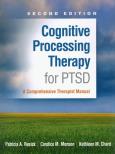
The authoritative presentation of cognitive processing therapy (CPT) for posttraumatic stress disorder (PTSD) is now in a revised and updated second edition, with an easier-to-use format and a new chapter on conceptualizing treatment. From CPT's developers, the manual includes session-by-session implementation guidelines and extensive sample dialogues. Shaded index tabs in the margins help clinicians quickly navigate to each session. The authors explain the theoretical and empirical underpinnings of CPT and discuss ways to work effectively with specific populations, such as combat veterans, sexual assault survivors, and culturally diverse and LGBTQIA+ clients. Forty-eight reproducible handouts can be photocopied from the large-size book or downloaded from the companion webpage.
New to This Edition
Each session now has its own chapter, printed with shaded tabs for easy reference.
Reflects a wealth of new treatment research, conceptual refinements, and feedback from trainings of thousands of clinicians.
Chapter on cognitive case conceptualization.
Discusses additional treatment variations (telehealth, intensive CPT) and client populations (first responders).
CPT is endorsed as a best practice for the treatment of PTSD by the U.S. Departments of Veterans Affairs and Defense, the International Society for Traumatic Stress Studies, and the U.K. National Institute for Health and Care Excellence (NICE).
See also Getting Unstuck from PTSD, by Patricia A. Resick, Shannon Wiltsey Stirman, and Stefanie T. LoSavio, which presents CPT in a guided self-help format for trauma survivors.
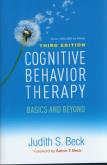
Hundreds of thousands of clinicians and graduate students have relied on this text--now significantly revised with more than 50% new material--to learn the fundamentals of cognitive behavior therapy (CBT). Leading expert Judith S. Beck demonstrates how to engage patients, develop a sound case conceptualization, plan individualized treatment, structure sessions, and implement core cognitive, behavioral, and experiential techniques. Throughout the book, extended cases of one client with severe depression and another with depression, anxiety, and borderline personality traits illustrate how a skilled therapist delivers CBT and troubleshoots common difficulties. Adding to the third edition's utility, the companion website features downloadable worksheets and videos of therapy sessions.
New to This Edition
Chapter on the therapeutic relationship.
Chapter on integrating mindfulness into treatment.
Presents recovery-oriented cognitive therapy (CT-R)--which emphasizes clients’ aspirations, values, and positive adaptation--alongside traditional CBT.
Pedagogical features: clinical tips, reflection questions, practice exercises, and videos at the companion website.
New case examples featuring clients with more complex problems.
Demonstrates how to integrate strategies from other modalities, such as acceptance and commitment therapy, dialectical behavior therapy, and mindfulness-based cognitive therapy.
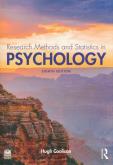
Research Methods and Statistics in Psychology provides students with the most readable and comprehensive survey of research methods, statistical concepts and procedures in psychology today. Assuming no prior knowledge, this bestselling text takes you through every stage of your research project, giving advice on planning and conducting studies, analysing data and writing up reports, both quantitative and qualitative. It incorporates diversity and includes a large section on cross-cultural psychology methods and issues.
The book continues its long tradition of integrating qualitative issues into methods chapters as well as providing two chapters dedicated to qualitative methods. It provides clear coverage of experimental, interviewing and observational methods; psychological testing; and statistical procedures which include nominal-level tests, ordinal and interval two-condition tests, simple and multi-factorial ANOVA designs, correlation, multiple regression, log linear analysis, factor analysis and, new with this edition, logistic regression. It features detailed and illustrated SPSS instructions for all these and other procedures, eliminating the need for an extra SPSS textbook.
New edition features include:
Logistic regression
Greater detail of online research methods
Expanded coverage of report writing guidelines
Concepts illustrated with up-to-date published research examples
Instructor and Student Resource website signposted throughout the book to improve student usability
Each chapter contains a glossary, key terms and newly integrated exercises, ensuring that key concepts are understood.
This book is extended and enhanced by a fully updated and refreshed Instructor and Student Resource website, which includes:
A collection of interactive multiple-choice questions with detailed feedback, providing the opportunity to test understanding at different levels
Practical exercises that give students the opportunity to put their learning into practice
Links to further reading and sources to expand knowledge
Test banks for each chapter to save instructors time
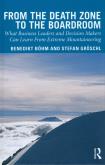
This book explores experiences and reflections of an extreme sports athlete within the context of business, the latest scholarly works and research on topics that are relevant and timely for today’s managers and business leaders, and the daily challenges they face.
Conviction, discipline, managing fear in high stakes situations, leading, working with teams and making decisions in extreme conditions - what will help you in extreme sports can also get you to your goals in business. In From the Death Zone to the Boardroom, speed ski mountaineer Benedikt Boehm tells gripping and inspirational stories about his fears, pain, suffering and facing death during his expeditions to some of the world's highest mountains. Throughout, his co-author and professor of leadership and management, Stefan Gröschl integrates scholarly ideas and works beyond traditional business boundaries providing you with unusual insights and thought-provoking alternatives for managing your business.
The combination of extreme athlete, company leader, and business school scholar is unique, and ensures the relevance and timeliness of the selected themes, and the pellucidity of the conceptual context to a readership beyond academic boundaries. The result is advice that is both highly personal and empirically tested; a combination that makes for an absorbing read and unparalleled advice for you and your career.
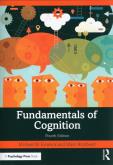
Is it possible to learn something without being aware of it? How does emotion influence the way we think? How can we improve our memory?
Fundamentals of Cognition, Fourth Edition, provides a basic, reader-friendly introduction to the key cognitive processes we use to interact successfully with the world around us. Our abilities in attention, perception, learning, memory, language, problem solving, thinking, and reasoning are all vitally important in enabling us to cope with everyday life. Understanding these processes through the study of cognitive psychology is essential for understanding human behaviour.
This edition has been thoroughly updated and revised with an emphasis on making it even more accessible to introductory-level students. This new edition includes:
updated references for readers who are looking for more detailed information;
checks to make sure that statements made in the previous version are still valid, given recent findings on replication issues;
extended research activities and "In the Real World" case studies to make it easy for students to engage with the material;
real-world topics such as discussions of attention-deficit/hyperactivity disorder, the reading problems of individuals with dyslexia, why magic tricks work, and why we cannot remember the Apple logo accurately;
an extensive set of "Key term" definitions;
supporting Instructor and Student Resources containing multiple choice questions, flashcards, simulations of key experiments, and instructor resources.
The book provides a perfect balance between traditional approaches to cognition and cutting-edge cognitive neuroscience and cognitive neuropsychology. Covering all the key topics within cognition, this comprehensive overview is essential reading for all students interested in psychology.
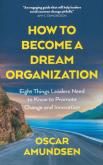
It is entirely possible to develop organizations that excel at change and innovation, while also being attractive workplaces. What is typical of such an organization? The Dream Organization is characterized by eight features, each presented in its own chapter. The purpose of the book is to show how and why these features improve the ability to change and innovate.
The insights presented in the book are rock-solid, while being free of unnecessary technical terms or complicated language. Numerous concrete examples are provided to illustrate and explain the subject matter. These case-examples make it easy for the reader to remember and use key insights in their everyday work.
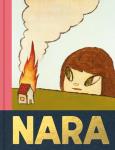
More than a mere survey of Nara's signature children and animals, this clothbound publication features the artist's newest works, personal photographs and pictures of his studio
Spanning four decades of work, this book offers readers the opportunity to immerse themselves in the personal and creative world of the Japanese artist Yoshitomo Nara, best known for his bold images of children with large heads and wide eyes that challenge viewers with their direct gaze and defiant stance. These captivating yet ominous characters are part of a wider visual vocabulary established by Nara to explore and communicate themes of home, isolation, resilience, belonging, regeneration, hope and freedom. Organized thematically, the book provides a comprehensive overview of the evolution and breadth of Nara's artistic expression. Yeewan Koon explores how Nara's singular aesthetic is drawn from his formative experiences in Japan, as well as his ongoing environmental and societal concerns, which are deeply rooted in nature and the communities of Japan's northern Tohoku region, where he grew up. Barry Schwabsky's essay, illustrated with details of the artworks, focuses in depth on Nara as a painter. Josh Kun discusses the inspiration Nara takes from popular music--folk songs by American singer-songwriters featuring anti-war messages, melancholic blues and, later, glam rock, punk and new wave. The book also features an in-depth chronology illustrated with childhood photographs and pictures of Nara's studio, offering a deep dive into Nara's life and art. The corresponding exhibition is co-organized by Guggenheim Bilbao, Museum Frieder Burda, Baden-Baden, and the Hayward Gallery.
Yoshitomo Nara was born in 1959 in Aomori, Japan, and graduated with a master's degree from Aichi Prefectural University of Fine Arts and Music and later studied at Kunstakademie Düsseldorf. His drawings and paintings are informed by a range of influences, from manga and anime to punk rock. He has also worked in sculpture, ceramic and large-scale installation.
In Book Two of The Law of One, the nature of each of the densities or dimensions of this octave of creation is explored in detail with special emphasis given to how evolution for our third density to the fourth density is accomplished. The relationship between the densities of creation and the energy centers of the body is investigated so that each experience can be used as catalyst for growth to balance and crystallize the energy centers of chakras of the student of evolution. Wanderers, sexual energy transfers, the physics of Dewey B. Larson, Polarization in consciousness, ritual magic, and the nature and function of the Higher Self are all explored as they are related to the Law of One. Book Two contains Sessions #27 through #50.
This true story and retrospective documents the life and times of members of The Destiny Children (TDC) graffiti crew from 1985 to 2000. From Long Island, New York, The Destiny Children/Unlimited Styled Artists commemorate the 25-year history of the crew and their impact on the New York City subway graffiti era. This large collector's book is loaded with 500 color images of original art ranging from burners on hand ball courts to pieces on tractor trailers to works throughout the New York City subway system. Works by many established NYC graffiti artists are featured, including founding members DC3 and SHO. Other original members featured are ZOO, SHOROZ, BEAVER, LAE, LAC2, ROE, DOOJ, SHIM, and ONE2. Works by affiliated writers, ZEUS TDC, CEOS, ROZ One, SHARE 37, POKE IBM, EPIC, RECK, SKETCH, KARL TCM, DEON, BOM 5 MW, SACE RIP, MIRAGE RIP, and others are documented. Alongside the visual accounts of these artistic exploits are dozens of true stories and recollections that uncover the reality of painting in yards, lay ups, racking spray paint, fights, graffiti beefs, and police raids. See what made TDC take extraordinary risks so their street art could be seen by the public in their never-ending quest for fame. An ideal history for artists, art historians, street art enthusiasts, anthropologists, and urban dwellers.
A visual compilation of NYC subway graffiti art from 1983-1989New York City native and graffiti writer Paul Cavalieri ("CAVS") was drawn to the colorful tags on the New York City subway trains in the early 1980's. He started learning train schedules so he could snap works by many artists of the time.From the Platform is his compilation of subway graffiti from 1983, at a time the Metropolitan Transit Authority (MTA) has tried hard to forget, through to 1989, when the MTA announced that its fleet was entirely graffiti-free. More than 325 color photos capture everything from motion-bombed train interiors riddled with pilot marker tags to epic works covering whole exteriors, top to bottom. Artists tell their tales of adventure throughout and reminisce about working on live third rails, navigating the complex subway system to find their works, and witnessing graffiti's gradual disappearance from the trains. This book presents a nostalgic look at 1980s New York City and the subway street artists that helped give it soul.
Discover the blacksmithing techniques used to make 10 traditional Japanese objects with insights from the artisans and rare glimpses inside their workshops.The art of blacksmithing and steel processing didn't reach Japan until more than 1,000 years after it was developed in the Western world. It is therefore all the more astonishing to see the high culture of forging that developed in the Land of the Rising Sun within a short period of time. This comprehensive reference book explains the traditional methods used by Japanese tool-, knife-, and swordsmiths and gives the reader a rare and unique look inside their workshops. In these pages, readers will find• forging methods and techniques for 10 special products—hammer, chisel, axe, hatchet, gardener's machete, sickle, fish knife, folding knife, straight razor, and Japanese sword;• more than 150 color photographs that illustrate and explain the techniques used to create classic Japanese forged pieces;• chapters on Japan's oldest coppersmithing facility and traditional tatara steel smelting; and• helpful tables that detail the materials, chemistry, elements, and temperatures needed to harden, form, and manipulate the metal being forged.This is a must-have book, not only for amateur and professional smiths, but also for all admirers of Japanese craft culture.
An accessible step-by-step guide to creating beautiful pottery cups, bowls, vases, and more on the wheel.Beginning potters will learn to make plates, bowls, vases, and other fine, useful items on the wheel with this accessible guide. This book is an informative and practical handbook for anyone who wants to try their hand at clay and experience the joy of creating fine, useful things by hand. Here's what you'll learn about making pottery on the wheel:• mastering the fundamentals of shaping and designing with clay• the necessary tools and types of clay• how to throw, knead, and turn your pottery• and all about a variety of finishing processes—drying, glazing, and firing. As you master the basics, you’ll apply them to creating a series of progressively more difficult items—cups, bowls, plates, pitchers, vases, and platters. Using more-advanced ceramic techniques, you’ll learn to add features like spouts and handles. And you’ll explore modifying shapes, designs, and colors to design your own pottery and make each piece your own. Learning pottery techniques takes time, practice, and patience. But truly, there is nothing better than creating your own pottery and then drinking coffee from a cup that you have turned yourself. With this book, you can easily master the techniques—and enjoy the meditative experience of working with clay.
A collection of hand-painted tattoo flash by prolific artist “John Wesley Harden,” a one-time member of the notorious Outlaws Motorcycle Club. Harden’s hand-painted flash embodies tattoo imagery of the 1970s, '80s, and '90s that was popular among biker subculture and military personnel primarily in the southeastern region of the United States. Harden bounced between Florida and Alabama, which is where he drew his inspiration for most of his unique designs. Although this book is not his complete collection of painted works, the imagery here captures the essence of a time in history when tattooing was mysterious, magical, and dangerous.
Ten produkt jest zapowiedzią. Realizacja Twojego zamówienia ulegnie przez to wydłużeniu do czasu premiery tej pozycji. Czy chcesz dodać ten produkt do koszyka?