Jeśli interesujesz się polityką, albo studiujesz politologię znajdziesz w tym dziale informacje o współczesnym świecie. Obszerna literatura naukowa, różne publikacje i elementy wiedzy politologicznej, najważniejsze zagadnienia i pojęcia z politologii, kontrowersyjne książki polityczne, powieści polityczne, nauki polityczne. Najlepsze książki społeczno-polityczne, bestsellery polityczne, książki o polityce, które warto przeczytać - zapraszamy po lekturę na Dobreksiazki.pl
Zasadniczym celem niniejszego opracowania jest przedstawienie miejsca Episkopatu w stosunkach państwa i Kościoła w latach 1970–1989 i jego spojrzenia na rzeczywistość polityczną w okresie schyłku ideologii komunistycznej, który rozpoczął się wraz z objęciem władzy przez Edwarda Gierka4. Cezurą początkową jest 1970 r. – z dwóch bardzo istotnych powodów. W grudniu tego roku ster rządów w PRL przejęła nowa ekipa, z I sekretarzem KC PZPR na czele, bardziej pragmatycznym, skłonnym do rezygnacji z części dotychczasowych kanonów, co było nie do pomyślenia w czasach jego poprzednika. Ponadto w styczniu 1970 r. Episkopat zaczął funkcjonować na podstawie nowego statutu, przyjętego rok wcześniej (odnowiono wtedy wszystkie wewnętrzne struktury). Datą końcową analizy są częściowo wolne wybory do parlamentu z czerwca 1989 r., które były niewątpliwie punktem zwrotnym dla polskiej transformacji ustrojowej i oznaczały początek końca systemu komunistycznego w Polsce.
Jest to pierwsza w Polsce książka poświęcona Nadii Léger (1904–1982; w rodzimej historiografii znanej głównie jako Wanda Chodasiewicz-Grabowska). Można w niej znaleźć nie tylko analizę dorobku malarskiego artystki, lecz również kolejnych etapów edukacji artystycznej (z uwzględnieniem sytuacji kobiet w poszczególnych ośrodkach) – u Władysława Strzemińskiego w Smoleńsku, w warszawskiej Szkole Sztuk Pięknych, w paryskiej Académie Moderne u Amédée Ozenfanta i późniejszego męża Fernanda Légera. Poruszona została również problematyka działalności animatorskiej i kuratorskiej po obu stronach żelaznej kurtyny, a także strategii tożsamościowych artystki (wielokrotnie zmieniane imię i nazwisko, kwestia przynależności narodowej). Szczególny nacisk położono na związki Léger z Polską – przede wszystkim pomoc w zbiórce obrazów do Międzynarodowej Kolekcji Sztuki Nowoczesnej grupy a.r. oraz redagowanie czasopisma „L’Art Contemporain – Sztuka Współczesna”.
Karolina Zychowicz – w 2013 roku obroniła rozprawę doktorską Léger w Polsce. Recepcja twórczości artysty w XX wieku (Instytut Historii Sztuki KUL). Autorka książki Paryska lewica w stalinowskiej Warszawie: Wystawa współczesnej plastyki francuskiej w CBWA w 1952 roku (Warszawa 2014). Stypendystka Ministra Kultury i Dziedzictwa Narodowego (Młoda Polska 2017). Kuratorka wystawy Czerwona materia. Nadia Léger (25.05–9.09.2018, Muzeum Sztuki w Łodzi).
We współczesnym świecie niewolnictwo jest procederem nielegalnym. Mimo to kilkadziesiąt milionów ludzi nadal wegetuje pod jarzmem tej prastarej formy opresji, a ich liczba nieustannie rośnie. Kevin Bales opisuje różne postacie nowego niewolnictwa; wyjaśnia, z czego się ono bierze, jak funkcjonuje i dlaczego tak dobrze radzi sobie w realiach zglobalizowanej gospodarki. W tej poruszającej i gruntownie udokumentowanej historii Bales prowadzi nas od pakistańskich cegielni i tajskich domów publicznych do nowoczesnych biur międzynarodowych korporacji i jeszcze dalej. Proponuje, abyśmy poszukali wokół siebie śladów, jakie niewolnictwo odciska bezpośrednio na życiu każdego z nas.
Jest to historia niezwykle skomplikowanych losów polsko-niemieckiej rodziny, mieszkającej przed II wojną światową w wielokulturowej Łodzi. Po wybuchu wojny część tej rodziny zadeklarowała przynależność do Wielkiej Rzeszy Niemieckiej, druga część zaś, w tym również osoby będące w połowie pochodzenia niemieckiego, nie wyrzekła się polskości. Jest to też widziana oczyma narratorki i czterech innych kobiet opowieść o trudnym dojrzewaniu pozbawionym rodzinnego ciepła, o zaburzonych relacjach międzyludzkich, samotności oraz o usilnych próbach znalezienia i zdefiniowania własnej tożsamości.
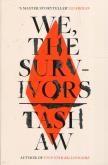
A murderer’s confession – devastating, unblinking, poignant, unforgettable – which reveals a story of class, education and the inescapable workings of destiny.
Ah Hock is an ordinary, uneducated man born in a Malaysian fishing village and now trying to make his way in a country that promises riches and security to everyone, but delivers them only to a chosen few. With Asian society changing around him, like many he remains trapped in a world of poorly paid jobs that just about allow him to keep his head above water but ultimately lead him to murder a migrant worker from Bangladesh.
In the tradition of Camus and Houellebecq, Ah Hock’s vivid and compelling description of the years building up to this appalling act of violence – told over several days to a local journalist whose life has taken a different course – is a portrait of an outsider like no other, an anti-nostalgic view of human life and the ravages of hope. It is the work of a writer at the peak of his powers.
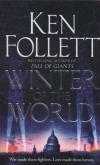
Winter of the World is the second novel in Ken Follett's uniquely ambitious and deeply satisfying Century trilogy. On its own or read in sequence with Fall of Giants and Edge of Eternity, this is a magnificent, spellbinding epic of global conflict and personal drama.
A BATTLE OF IDEALS
1933, and at Cambridge, Lloyd Williams is drawn to irresistible socialite Daisy Peshkov, who represents everything that his left-wing family despise, but Daisy is more interested in aristocratic Boy Fitzherbert, a leading light of the British Union of Fascists.
AN EVIL UPRISING
Berlin is in turmoil. Eleven-year-old Carla von Ulrich struggles to understand the tensions disrupting her family as Hitler strengthens his grip on Germany. Many are resolved to oppose Hitler’s brutal regime – but are they willing to betray their country?
A GLOBAL CONFLICT ON A SCALE NEVER SEEN BEFORE
Shaken by the tyranny and the prospect of war, five interconnected families’ lives become ever more enmeshed. An international clash of military power and personal beliefs is sweeping the world, but what will this new war mean for those who must live through it?
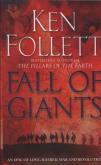
The first in Ken Follett's bestselling Century Trilogy, Fall of Giants is a captivating novel that follows five families through the world-shaking dramas of the First World War, the Russian Revolution, and the struggle for votes for women.
A world in chaos.
1911, a thirteen-year-old boy, Billy Williams, begins working down the mines as George V is crowned king. The escalating arms race between the empire nations will put not only the king but this young boy in grave danger.
A terrible war.
Billy’s family is inextricably linked with the Fitzherberts, the aristocratic owners of the coal mine where he works. And when Maud Fitzherbert falls in love with Walter von Ulrich, a spy at the German embassy in London, their destiny also becomes entangled with that of Gus Dewar, an ambitious young aide to Woodrow Wilson, and two orphaned Russian brothers, the Peshkovs, whose plan to emigrate to America falls foul of conscription, revolution and imminent war.
A revolution that will change everything.
When Russia convulses in bloody revolution and the Great War unfolds, the five families’ futures are entwined forever, love bringing them closer even as conflict takes them further apart. What seeds will be sown for further tragedy in the twentieth century and what role will each play in what is to come?
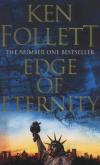
Edge of Eternity is the epic, final novel in Ken Follett's captivating and hugely ambitious Century trilogy. On its own or read in sequence with Fall of Giants and Winter of the World, this is an irresistible and spellbinding epic about the fight for personal freedom set during the Cold War.
A FIGHT AGAINST INJUSTICE
1961, and in the United States George Jakes, a bright young lawyer in the Kennedy administration and fierce supporter of the civil rights movement, boards a Greyhound bus in Washington with Verena, an employee of Martin Luther King whom he is in love with, to protest against segregation.
A RISING TIDE OF DANGER
In East Germany, teacher Rebecca Hoffmann finds her entire life has been a lie as she is targeted by the secret police, even as her younger brother, Walli, dreams of escape across the Berlin Wall to Britain. In Russia, activist Tania Dvorkin narrowly evades capture for producing an illegal news-sheet, her actions all the more perilous because her brother, Dimka, is an emerging star of the Communist Party.
A COLD WAR THAT COULD ELIMINATE THE WORLD FOREVER
In a sweeping tale that began in 1911, the descendants of five families will now find their true destiny as they fight for their individual freedom in a world facing the mightiest clash of superpowers it has ever seen.
WINNER OF THE BAILEYS PRIZE BEST OF THE BEST
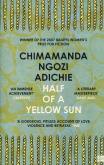
Winner of the Orange Broadband Prize for Fiction 2007, this is a heartbreaking, exquisitely written literary masterpiece
Ugwu, a boy from a poor village, works as a houseboy for a university professor. Olanna, a young woman, has abandoned her life of privilege in Lagos to live with her charismatic new lover, the professor. And Richard, a shy English writer, is in thrall to Olanna’s enigmatic twin sister. As the horrific Biafran War engulfs them, they are thrown together and pulled apart in ways they had never imagined.
Chimamanda Ngozi Adichie’s masterpiece, winner of the Orange Prize for Fiction, is a novel about Africa in a wider sense: about the end of colonialism, ethnic allegiances, class and race – and about the ways in which love can complicate all of these things.
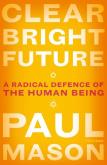
A passionate defence of humanity and a work of radical optimism from the international bestselling author of Postcapitalism
How do we preserve what makes us human in an age of uncertainty? Are we now just consumers shaped by market forces? A sequence of DNA? A collection of base instincts? Or will we soon be supplanted by algorithms and A.I. anyway?
In Clear Bright Future, Paul Mason calls for a radical, impassioned defence of the human being, our universal rights and freedoms and our power to change the world around us. Ranging from economics to Big Data, from neuroscience to the culture wars, he draws from his on-the-ground reporting from mass protests in Istanbul to riots in Washington, as well as his own childhood in an English mining community, to show how the notion of humanity has become eroded as never before.
In this book Paul Mason argues that we are still capable - through language, innovation and co-operation - of shaping our future. He offers a vision of humans as more than puppets, customers or cogs in a machine. This work of radical optimism asks: Do you want to be controlled? Or do you want something better?
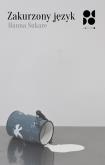
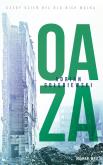
Czy właśnie tak będzie wyglądał idealny świat?Wyobraź sobie miejsce, w którym zakazane jest czytanie książek, oglądanie telewizji czy zdobywanie wiedzy. Miejsce, którego nie można opuścić. Pomyśl o społeczeństwie podzielonym na grupy społeczne, które tworzą prostą hierarchię jest w niej miejsce dla niewolników, ludzi pozornie wolnych oraz kontrolującej każdy ruch władzy. Tak właśnie zorganizowana jest Oaza miasto, które miało być wolnym od grzechu rajem dla nowego pokolenia.Do czego może doprowadzić obsesja władzy? Czy grupie kilku zdeterminowanych ludzi uda się zburzyć ład pozornie idealnego świata, w którym przyszło im żyć? I czy w takiej rzeczywistości jest jeszcze miejsce na miłość?
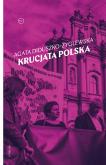
Czemu od kilku lat każda szkoła, szpital, urząd są skrupulatnie ostemplowane krzyżami? Co robi ksiądz w radzie pedagogicznej? Czemu biskup żyjący w celibacie opiniuje edukację seksualną? Dlaczego molestator w sutannie nie trafia do więzienia?
Polska to kraj, w którym Kościół ma szczególną pozycję. Sprawuje rząd dusz nad malejącą częścią społeczeństwa i większością politycznych elit. Jego majątek rośnie. Sprzyja mu dziś populistyczny rząd. Miał swoje zasługi w czasie „Solidarności”, za które do dziś jakby więcej mu wolno. I bez pardonu co rusz wchodzi Polkom i Polakom do domów, do łóżek, do głów. Toczy krucjatę – i tak jak przy poprzednich, nie zważa na ofiary.
Dlatego w Polsce rośnie opór. Toczy się bitwa o świeckie państwo, poszanowanie konstytucji, wolność światopoglądową szkoły, pociągnięcie przestępców w sutannach do odpowiedzialności za molestowanie dzieci. O to, by wiara i religijne przekonania zostały oddelegowane tam, gdzie ich miejsce: do sfery prywatnej, a wyznawcami wiary byli tylko ci, którzy tego chcą, a nie państwo.
Agata Diduszko-Zyglewska od lat walczy o wolną od kościelnego przymusu Polskę. Piórem i czynem. I przekonuje, żebyśmy do niej dołączyli – dla naszego wspólnego dobra.
Oddaję w ręce czytelnika książkę, która jest próbą syntezy moich wieloletnich zainteresowań i działalności badawczej (w tym seminaryjnej, konferencyjnej, publikacyjnej i wdrożeniowej) dotyczącej wzajemnej korelacji i koegzystencji trzech obszarów: społeczeństwa, bezpieczeństwa i edukacji oraz problemów funkcjonujących w ich ramach (każdego obszaru z osobna i na pograniczach pomiędzy nimi). Na rynku wydawniczym w przeciągu zwłaszcza ostatnich dwóch dekad pojawiło się sporo publikacji traktujących o bezpieczeństwie, edukacji na rzecz bezpieczeństwa, różnych formach i typologiach bezpieczeństwa z uwzględnieniem różnych perspektyw psychologicznych, filozoficznych, pedagogicznych, a także wątków społecznych, politologicznych, prawnych czy z zakresu nauk o bezpieczeństwie. Każda z tych publikacji jest na swój sposób interesująca, przedstawia określoną perspektywę jej autora lub zespołu autorów na dany, szerszy lub węższy zakresowo temat.Niniejsza książka jest kolejną z podejmowanych prób czynionych w tym względzie, a w związku z tym kolejną perspektywą. Poruszana w niej problematyka odnosi się bowiem do niezwykle inspirującego, a jednocześnie bardzo złożonego i wielowymiarowego obszaru i skorelowanego z nim zbioru terminów, definicji i kategorii posiadających różne proweniencje i osadzenie w ramach różnych dyscyplin naukowych, a także przypisanych im warsztatów metodologicznych, teoriopoznawczych, czy semantycznych.
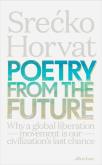
The past is forgotten, and the future is without hope. Dystopia has become a reality. This is the new normal in our apocalyptic politics - but if we accept it, our helplessness is guaranteed. To bring about real change, argues activist and political philosopher Srecko Horvat, we must first transform our mindset.
Ranging through time and space, from the partisan liberation movements of Nazi-occupied Yugoslavia to the contemporary culture, refugee camps and political frontlines of 21st century Europe, Horvat shows that the problems we face today are of an unprecedented nature. To solve them, he argues in this passionate call for a new radical internationalism, we must move beyond existing ways of thinking: beyond borders, national identities and the redundant narratives of the past. Only in this way can we create new models for living and, together, shape a more open and optimistic future.
Polacy są bardzo wrażliwi na wydarzenia mające miejsce w Rosji. Decyduje o tym nie tylko położenie tego państwa jako naszego sąsiada, ale także wielowiekowe doświadczenia związane z tym sąsiedztwem. „Prezentowane w polskich środkach masowego przekazu informacje na temat Rosji oraz komentarze dotyczące tego, co się w tym państwie dzieje, bywają mocno zabarwione emocjonalnie. Dziennikarze często w poszukiwaniu sensacji kreują obraz współczesnej Rosji jako kraju zapóźnionego w rozwoju gospodarczym, społecznym i kulturowym. W konsekwencji Rosja jawi się jako kraj zacofany, ogarnięty wszechwładną korupcją, rządzony przez oligarchów”. Dziennikarze nie szczędzą także słów dezaprobaty dla działań rosyjskich polityków, a przede wszystkim prezydenta (nie-zależnie od tego, kto sprawuje ten urząd).
Książka jest próbą ukazania rosyjskiej prezydentury przez pryzmat procesu komunikacji. Ma ona pomóc w udzieleniu odpowiedzi na pytanie o znaczenie różnych typów wystąpień publicznych w dzisiejszej polityce rosyjskiej. Powyższy cel starano się osiągnąć poprzez analizę rosyjskiego dyskursu prezydenckiego.
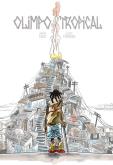
Biuca nie ma przyszłości przed sobą. Biuca żyje w faveli. W faveli rządzą silni, uzbrojeni, a Biuca jest kuternogą. Nienawidzi policji za zabicie brata. Biuca marzy o spluwie!
Masz spluwę jesteś gość! I tak nie masz przyszłości przed sobą, ale ze spluwą chociaż możesz zdobyć odrobinę szacunku, o którym jako kuternoga możesz tylko pomarzyć. Biuca gwiżdże na mądrości pokoleń, ma swoje, życiowe motto:
“Tak naprawdę, żeby zostać prawdziwym mężczyzną, trzeba zrobić trzy rzeczy, co nie mają nic wspólnego z drzewami i książkami. Trzeba zaliczyć pannę, zostać bandytą i zajebać glinę. Tyle.”
André Diniz (Favela w kadrze, Mandioca 2017) i Laudo Ferreira (Yeshua Absoluto, 2016) stworzyli jeden z najsmutniejszych, najbardziej wstrząsających i siłą rzeczy najprawdziwszych obrazów brazylijskich favel.
Laudo by oddać klaustrofobiczny, pozbawiony prywatności, “gęsty” klimat faveli zaserwował nam opowieść zapełnioną 10-12 panelami na stronę, bo w faveli jest za ciasno, zbyt duszno i trudno tam o spokój.
Brazylia jest krajem, w którym dokonuje się ponad 60 000 zabójstw rocznie, większości w favelach. Policja zabija najwięcej ludzi na świecie. W Rio de Janeiro toczy się codziennie wojna.
André Diniz do opowiedzenia o niej znalazł klucz klasyczny: mitologię i Szekspira! To musiało zrobić wrażenie! W Portugalii napisano o tym komiksie: “potężny kop w brzuch”.
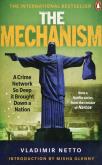
A gripping narrative of power, corruption and greed, The Mechanism is the true story of how a simple investigation into money laundering uncovered the biggest corruption scandal in human history.
When a small team of investigators discovered that a black market currency dealer was operating out of a Brazilian petrol station, they could never have imagined that their work would destroy the government and lead to the impeachment of two presidents. As the trail leads further and further into the centre of power, the search for the truth and pursuit of justice become ever more crucial.
Taut and riveting, with more plot twists than the most compelling political thriller, The Mechanism is an essential work of non-fiction that exposes the rottenness caused when politicians and big businesses believe they are above the law.
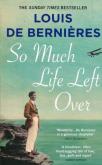
FROM THE MULTI-MILLION COPY BESTSELLING AUTHOR OF CAPTAIN CORELLI'S MANDOLIN
At the dawn of the 1920s, Rosie and Daniel move to Ceylon with their small daughter to start a new life, attempting to put the trauma of the First World War – and its effects on their marriage – behind them.
Back in England, Rosie's sisters are dealing with impossible challenges in their searches for family, purpose and happiness. These are precarious times, and they find themselves taking unconventional means to achieve what they want. Around them the world changes, and events in Germany take a dark and forbidding turn. And soon there is no going back . . .
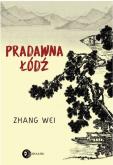
Pradawna łódź (Guchuan) to pierwsza pełnowymiarowa powieść Zhang Weia. Trzy pokolenia rodzin Sui, Zhao oraz Li, których losy nierozerwalnie się ze sobą splatają – czasem z tragicznymi skutkami – doświadczają kolejno skutków reformy rolnej, Wielkiego Skoku, klęski głodu w latach 1959–1961, kampanii przeciw prawicowcom oraz rewolucji kulturalnej (1966–1976), podczas której zginęło według szacunków od dwudziestu do pięćdziesięciu milionów mieszkańców Chin. Tytuł powieści pochodzi od znalezionego na brzegi rzeki kadłuba starożytnej drewnianej łodzi – jest to metafora dziejów Chin, których odzwierciedlenie stanowią zmienne losy mieszkańców miasteczka.
Powieść Zhang Weia to w chińskiej literaturze dzieło przełomowe, które przemawia do czytelników na całym świecie. Od dawna zajmuje miejsce na liście bestsellerów w Chinach i na Tajwanie (ukazało się już w ponad dwudziestu wydaniach, wiele z nich nadal jest w druku) i została uhonorowana kilkoma krajowymi nagrodami literackimi.
ze Wstępu Howarda Goldblatta
ZHANG WEI – pisarz pochodzący z chińskiej prowincji Szantung. Znany jest ze swoich powieści: Pradawna łódź i Baśń wrześniowa. W 2011 r. otrzymał Nagrodę Literacką Mao Duna za epickie 10-tomowe dzieło Na płaskowyżu. Od wielu lat aktywnie działa na rzecz chińskiej literatury w ramach Stowarzyszenia Pisarzy Chińskich (Chinese Writers Association).
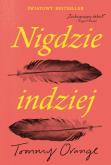
Jedna z najlepszych książek roku według: „The Washington Post”, „NPR”, „Time”, „O, The Oprah Magazine”, „San Francisco Chronicle”, „Entertainment Weekly”, „The Dallas Morning News”, „Buzzfeed”, „BookPage”, „Publishers Weekly”, „Library Journal”, „Kirkus Reviews”.
Nigdzie indziej to wielopokoleniowa opowieść o przemocy i regeneracji, pamięci i tożsamości, jak również pięknie i rozpaczy, które wplecione są w dzieje rdzennych mieszkańców Ameryki
Tommy Orange opowiada historię dwunastu postaci, z których każda ma swoje powody, by wybrać się na wielki zjazd plemienny w Oakland. Jacquie Czerwone Pióro od niedawna znowu nie pije i usiłuje powrócić na łono rodziny, którą niegdyś porzuciła. Dene Oxendene stara się poskładać swe życie na nowo po śmierci wujka i przybywa na zjazd, aby pracować na rzecz indiańskiej społeczności i w ten sposób uczcić jego pamięć. Opal Viola Wiktoria Niedźwiedzia Tarcza przychodzi na stadion, by obejrzeć występ swego siostrzeńca Orvila, który nauczył się tradycyjnego indiańskiego tańca, oglądając materiały wideo na kanale YouTube, a teraz po raz pierwszy chce go wykonać podczas zjazdu przed publicznością. Ten imponujący spektakl odwołujący się do uświęconej tradycji będzie więc okazją do wzruszających pojednań. Stadion w Oakland stanie się również widownią wydarzeń, w których wyniku naród indiański poniesie wielkie ofiary, znów wykaże się heroizmem i dozna niewypowiedzianej straty.
Oto głos, jakiego nigdy wcześniej nie słyszeliśmy, głos nabrzmiały poezją i pełen pasji. W tej kapitalnej powieści, która bierze się za bary ze złożoną i bolesną historią, ze spuścizną piękna i głębokiej duchowości, a także z plagą uzależnień, przemocy oraz nadużyć i samobójstw, Tommy Orange pisze o rdzennym Amerykaninie osiadłym w wielkim mieście. Na przemian pełna niepohamowanej wściekłości i gniewu, zabawna i poruszająca aż do głębi serca, pierwsza powieść Tommy’ego Orange’a jest zdumiewającym i wstrząsającym zarazem portretem takiej Ameryki, jaką bardzo niewielu z nas kiedykolwiek widziało.
„Zachwycający debiut” - Margaret Atwood
„Brawurowa” - Dwight Garner, „The New York Times”
„Czyste urzekające piękno” - Colm Toibin, „The New York Times”
„Mistrzostwo” - Ron Charles, „The Washington Post”
Ten produkt jest zapowiedzią. Realizacja Twojego zamówienia ulegnie przez to wydłużeniu do czasu premiery tej pozycji. Czy chcesz dodać ten produkt do koszyka?