Jeśli interesujesz się polityką, albo studiujesz politologię znajdziesz w tym dziale informacje o współczesnym świecie. Obszerna literatura naukowa, różne publikacje i elementy wiedzy politologicznej, najważniejsze zagadnienia i pojęcia z politologii, kontrowersyjne książki polityczne, powieści polityczne, nauki polityczne. Najlepsze książki społeczno-polityczne, bestsellery polityczne, książki o polityce, które warto przeczytać - zapraszamy po lekturę na Dobreksiazki.pl
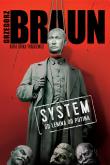
Na czym polega skuteczność rosyjskiej propagandy? Jak to możliwe, że przez ostatnich sto lat, Rosja trzyma w emocjonalnym szachu wielokrotnie silniejszy od niej pod każdym względem Zachód?
O co tak naprawdę chodziło w „konflikcie kubańskim”? Czy faktycznie oś sporu leżała pomiędzy USA i komunistyczną Rosją? Wiele wskazuje na to, że do krawędzi globalnej wojny atomowej doprowadził wewnątrzny konflikt Sowietów, w którym organy bezpieczeństwa walczyły z wojskiem o przejęcie władzy nad Imperium.
Czy Ronald Reagan zaja?ł sie? sprawa? polska? w trosce o wolnos´c´ Europy Wschodniej? A moz˙e jego radykalna polityka wobec Sowieto´w była odpowiedzia? na strategiczny zwrot Kremla, kto´ry porzucił plan ekspansji na Zacho´d, na rzecz budowy struktur daja?cych panowanie nad Azja??
Czy operacja „Trust“ z roku 1921 – polegaja?ca na tworzeniu fikcyjnych organizacji antysowieckich, by spacyfikowac´ rosyjska? „biała?“ emigracje? na Zachodzie - była „matka? wszystkich prowokacji“? Czy stała sie? poligonem dos´wiadczalnym kolejnych transformacji az˙ do czaso´w wspo´łczesnych?
Grzegorz Braun, w pasjonuja?cej rozmowie z Rafałem Otoką-Fra?ckiewiczem, brutalnie niszczy mity nagromadzone woko´ł najwaz˙niejszych wydarzen´ historycznych ostatnich stu lat. Nie pozostawia z˙adnych złudzen´, co do faktu, z˙e transformacja marksizmu nadal trwa w najlepsze a historia świata nie dobiegła jeszcze swojego szcze?s´liwego kon´ca.
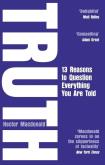
True or false? It’s rarely that simple.
There is always more than one truth in every story. Eating meat is nutritious but it’s also damaging to the environment. The Internet disseminates knowledge but it also spreads hatred. As communicators, we select the truths that are most useful to our agenda.
We can select truths constructively to inspire nations, encourage children, and drive progressive change. Or we can select truths that give a false impression of reality, misleading people without actually lying. Others can do the same, motivating or deceiving us with the truth.
In Truth, communications strategy expert Hector Macdonald explores how truth is used and abused in politics, business, the media and everyday life. Combining great storytelling with practical takeaways and a litany of fascinating, funny and insightful case studies, Truth is a chilling and engaging read about how profoundly our mindsets and actions are influenced by the truths that those around us choose to tell.
For fans of Factfulness, A Field Guide to Lies and Statistics and The Art of Thinking Clearly, a fascinating dive into the many ways in which ‘competing truths’ shape our opinions, behaviours and beliefs.
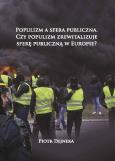
Próba powtórnego przyjrzenia się problematyce kulturowych możliwości integracji europejskiej w kontekście niepewnej przyszłości zjednoczonej Europy, w czasach, kiedy interesy poszczególnych państw tworzących wspólnotę są coraz bardziej odległe od siebie lub wręcz ze sobą sprzeczne. Praca ma duże walory dydaktyczne, pozwalające uwolnić się od potocznego, stereotypowego rozumienia populizmu.
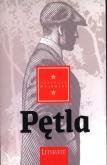
Jesień 1945 roku. W okolicach Przemyśla oddział majora Kosy skutecznie przeciwstawia się sowieckiemu okupantowi. Partyzanci wysadzają budynek UB, odbijają wszystkich więźniów i mordują najwyższych rangą oficerów. Nie wiedzą jednak, że sukces ma swoją cenę, a wokół nich powoli zaciska się pętla.W Warszawie powstaje specjalna grupa mająca za zadanie schwytać Kosę.Dowodzenie nad nią otrzymuje kapitan KBW Adam Nowacki, jeden z najlepszych agentów operacyjnych. Wspierać ma go oddział NKWD pod dowództwem majora Antona Bondarenki. Atmosfera jest napięta, a przymusowi sojusznicy gotowi pod byle pretekstem skoczyć sobie do gardeł.Rozpoczyna się wyścig, kto pierwszy złapie osławionego partyzanta i zdobędzie względy pięknej agentki. Nowicki i Bonadrenko mają swoje plany. Każdy z nich wpadł na inny pomysł wykończenia konkurenta.
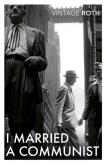
The Pulitzer Prize-winning writer Philip Roth turns his gaze on 30s and 40s America in this magnificent successor to American Pastoral.
Ira Ringold is an American roughneck who transforms himself from a ditch-digger in 1930s New Jersey, to a radio hotshot in the 1940s. In his heyday as a star – and as a bullying supporter of 'progressive' political causes – Ira marries Hollywood's leading lady, Eve Frame. Their glamorous honeymoon is short-lived, however, and it is the publication of Eve's scandalous bestselling exposé that identifies Ira as 'an American taking his orders from Moscow'. In this story of cruelty, betrayal, and revenge friends become deadly enemies, parents and children estranged, lovers blacklisted and the great felled from vertiginous heights.
The American psyche is channelled into the gripping story of one man. This is the Pulitzer Prize-winning writer Philip Roth at his very best.
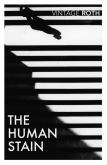
It is 1998, the year America is plunged into a frenzy of prurience by the impeachment of a president. In a small New England town a distinguished professor, Coleman Silk, is forced to retire when his colleagues allege that he is a racist. The charge is unfounded, the persecution needless, but the truth about Silk would astonish even his most virulent accuser. Coleman Silk has a secret that he has kept for fifty years. This is the conclusion to Roth’s brilliant trilogy of post-war America – a story of seismic shifts in American history and a personal search for renewal and regeneration.
'An extraordinary book - bursting with rage, humming with ideas, full of dazzling sleights of hand' Sunday Telegraph
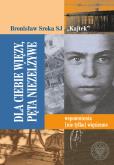
Bronisław Sroka SJ (ur. 1936), aktywny opozycjonista z lat siedemdziesiątych i osiemdziesiątych, był uczniem gdańskiego liceum, gdy rozpoczął działalność w konspiracji antykomunistycznej. Został aresztowany przez UB 2 lutego 1953 r. i skazany na pięć lat więzienia.
Wspomnienia spisał po latach. Już jako jezuita powrócił do bolesnego okresu, by przekazać świadectwo o postawie młodych ludzi w mrocznych czasach stalinowskich. Areszt śledczy w Gdańsku, zakłady karne w Sztumie i Sosnowcu-Radosze, praca przymusowa w KWK „Kościuszko-Nowa” w Jaworznie – to nie są miejsca, które powinien mieć wpisane w życiorysie młody i ambitny człowiek. A jednak… Głód, chłód, ciasne cele, przesłuchania, bicie, karcer, praca w nieludzkich warunkach były jego codziennymi towarzyszami.
Ojciec Bronisław Sroka napisał o tym przejmująco, podkreślając niejednokrotnie, że siłę czerpał z modlitwy.
1956. A celebrated Russian author is writing a book, Doctor Zhivago, which could spark dissent in the Soviet Union. The Soviets, afraid of its subversive power, ban it.
But in the rest of the world it’s fast becoming a sensation.
In Washington DC, the CIA is planning to use the book to tip the Cold War in its favour.
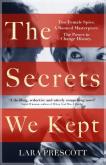
Their agents are not the usual spies, however. Two typists – the charming, experienced Sally and the talented novice Irina – are charged with the mission of a lifetime: to smuggle Doctor Zhivago back into Russia by any means necessary.
It will not be easy. There are people prepared to die for this book – and agents willing to kill for it. But they cannot fail – as this book has the power to change history.
Sold in twenty-five countries and poised to become a global literary sensation, Lara Prescott's dazzling first novel is a sweeping page turner and the most hotly anticipated debut of the year.
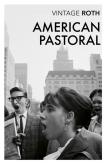
Discover the Pulitzer-prize winning novel that confirmed Philip Roth as one of the greatest American writers.
‘Swede’ Levov is living the American dream. He glides through life cocooned by his devoted family, lucrative business, sporting prowess and good looks. He is the embodiment of thriving, post-war America, land of liberty and hope. Until one sunny day in 1968, when Swede’s daughter, Merry, commits an outlandishly savage act of political terrorism and the Levov family is plunged into mayhem. Extraordinarily nuanced and poignant, American Pastoral is the first in an eloquent trilogy of post-war American novels that still resonates today.
Miała to być pierwsza powieść Gabriela Garci Marqueza. Dzięki swym dziadkom znał od dziecka historię Macondo i dzieje rodziny Buenda, prześladowanej fatum kazirodztwa. Świat, w którym rzeczy nadzwyczajne miały wymiar szarej codzienności, zwyczajność zaś przyjmowana była jak zjawisko nadprzyrodzone; świat bez czasu, gdzie wiele rzeczy nie miało jeszcze nazw, był też jego światem. Potrzebował aż dwudziestu lat, by wreszcie spisać te rodzinne opowieści z całym dobrodziejstwem i przekleństwem odniesień biblijnych, baśniowych, literackich, politycznych; uświadomił nam, że plemiona skazane na sto lat samotności nie mają już drugiej szansy na ziemi.
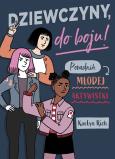
Jeżeli naprawdę denerwuje Cię niesprawiedliwość społeczna, politycy, którzyzmieniają kraj, myśląc jedynie o swoich pieniądzach i interesie partyjnym czypubliczne naznaczanie kolejnych grup społecznych w imię zaspokojenianajgorszych instynktów ludzi czerpiących energię z nienawiści ta książka jestdla Ciebie! Dzięki niej nauczysz się między innymi jak zaplanować demonstrację,zebrać na nią środki, jak podnosić świadomość na temat najróżniejszychproblemów używając mediów społecznościowych i jak być dobrym sojusznikiemwszystkich uciśnionych. Dziewczyny do boju! pomogą ci zmienić swoją złość na to,co dzieje się ze światem, w siłę do walki, czy też w kreatywność, dzięki którejbędziesz mogła zmienić świat wokół Ciebie.
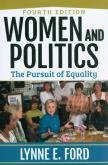
Women and Politics is a comprehensive examination of women's use of politics in pursuit of gender equality. How can demands for gender equality be reconciled with sex differences? Resolving this paradoxical question has proceeded along two paths: the legal equality doctrine, which emphasizes gender neutrality, and the fairness doctrine, which recognizes differences between men and women. The text's clear analysis and presentation of theory and history helps students to think critically about the difficulties faced by women in politics, and about how public policies in education, labor and the economy, and family and fertility, impact gender equality.
The fully-revised fourth edition explores new critical perspectives, recent political events, and current challenges to gender equality, including the 2016 presidential election and Hillary Clinton's candidacy, the fight for equal pay and paid leave, and the debate over reproductive rights and campus sexual assault. It also includes current scholarship on the intersections of race, class, and gender, and expanded coverage of minority women, women in the military, and conservative women. This text, and its two-path framework, is essential to understanding women's pursuit of equality via the political system.
Ciągną się przez blisko półtora tysiąca kilometrów przez terytoria ośmiu państw i zajmują powierzchnię pięciokrotnie większą niż Szwajcaria. Przez wieki dawały przestrzeń do rozwoju kultur i małych centrów świata Bojków, Łemków, Hucułów, Wołosów, Szeklerów czy siedmiogrodzkich Sasów. W swoim upartym bezruchu rzadko zważały na pomysły niedoskonałych kartografów – częściej łączyły niż dzieliły, a dziś pozostają idealnym puntem odniesienia do dyskusji o środkowoeuropejskim dziedzictwie. Karpaty, bo o nich mowa, są tematem najnowszego kwartalnika „Herito”.
W numerze: Maciej Pinkwart dekonstruuje mit „polskich Aten” – Zakopanego i przypomina, kto i gdzie wymyślił prysznic; Andrzej Dybczak wędruje po zdziczałych sadach nad Popradem i szuka śladów po łemkowskich chyżach; Weronika Drohobycka-Grzesiak zagląda do huculskiej chaty z początków XX wieku; Andriej Lubka przypomina mozaikową historię Zakarpacia; Csaba G. Kiss tłumaczy, dlaczego karpackie wzgórza nadal budzą nostalgię Węgrów; Bogumił Luft zabiera nas na Szeklerszczyznę, a Wojciech Stanisławski w góry Siedmiogrodu; Patrice M. Dabrowski opisuje, jak przez lata zmieniał się stosunek polskich władz do Bieszczadów; Radoslav Passia przygląda się orientalizacji Karpat w literaturze polskiej, słowackiej, ukraińskiej czy rumuńskiej.
W numerze znalazł się ponadto esej Bartosza Sadulskiego przypominający postać Ménie Muriel Dowie – dwudziestodwuletniej angielskiej podróżniczki z Liverpoolu, która pod koniec XIX wieku przemierzyła trasę z Kołomyi do Czarnohory. Fragment jej bestsellerowego reportażu w tłumaczeniu Agi Zano zamyka 36. numer „Herito”.
W kwartalniku znalazły się także recenzje książek autorstwa Olgi Drendy, Wojciecha Wilczyka, Aleksandry Wojtaszek, a także zapowiedzi wartych obejrzenia wystaw w Berlinie, Budapeszcie, Bratysławie, Krakowie, Pradze, Warszawie czy Wiedniu.
The Second World War. Poland. Our narrator has no intention of being a hero. He plans to survive this war, whatever it takes.
Meticulously he recounts his experiences: the slow unravelling of national events as well as uncomfortable personal encounters on the street, in the café, at the office, in his love affairs. He is intimate but reserved; conversational but careful; reflective but determined. As he becomes increasingly and chillingly alienated from other people, the reader is drawn into complicit acquiescence. We are forced to consider what it means to be heroic and how we ourselves would behave in the same circumstances.
Written in 1961, this is the masterpiece of one of the great Polish writers of the 20th century.
Przenikliwa analiza najważniejszych kwestii dotyczących naszego życia, świata i kosmosu.
W swojej ostatniej książce słynny astronom, futurolog i pisarz Carl Sagan zabiera nas zarówno w bezmiar kosmosu, jak i w zakamarki ludzkiego umysłu, zadając fascynujące pytania o to, jak powstał wszechświat i jaki będzie jego koniec, a także jak, łącząc naukę ze współczuciem, możemy stawić czoło wyzwaniom nadchodzącego stulecia.
W swojej książce autor odnosi wiedzę z dziedziny biologii, matematyki i astronomii do życia codziennego, a także do arcyważnych kwestii związanych ze środowiskiem i naszą przyszłością. Prezentując szeroki wachlarz tematów, zabiera czytelnika we wspaniałą podróż, od wynalazku szachów po możliwość życia na Marsie, od poniedziałkowego futbolu po relacje między USA a ZSSR, od globalnego ocieplenia po debatę aborcyjną. Jest też bardziej intymny fragment: mamy wyjątkową okazję poznać samego autora, czytając o jego walce o życie, o miłości do rodziny i o osobistych przemyśleniach na temat śmierci i Boga.
Miliardy, miliardy, książka przenikliwa, tchnąca niepohamowaną ciekawością autora, to spuścizna jednego z największych umysłów naszych czasów.
„Sagan wykorzystał reflektor swojej sławy, by oświetlić przepaść, w którą mogą nas zepchnąć głupota, chciwość i żądza władzy. Wszystkie te mechanizmy są sprawnie opisane w Miliardach, miliardach”.
The Washington Post Book World
„Astronom Carl Sagan nie dożył nowego tysiąclecia, ale prawdopodobnie zrobił więcej niż każdy inny popularyzator nauki, by przygotować nas na jego nadejście”.
Atlanta Journal & Constitution
„W historii ludzkości byli uczeni o wielkich umysłach, którzy głosili teorie o wszechświecie i jego pochodzeniu sprzeczne z dogmatami religijnymi. Galileusz potwierdził, że Ziemia obraca się wokół Słońca, a nie Słońce wokół Ziemi. Darwin swoją teorią ewolucji gatunków podważył kreacjonizm. A teraz Sagan rzucił światu najnowsze wyzwanie: Miliardy, miliardy”.
San Antonio Express-News
„Przysypiałeś w liceum na lekcjach z przedmiotów ścisłych? Ta książka pomoże ci wypełnić luki. Słynny naukowiec Carl Sagan łączy logikę i wiedzę z humorem i sprawia, że o potencjalnie nieprzystępnych tematach czyta się z przyjemnością”.
The Dallas Morning News
Opowieść o miłości i problemach rasowych skupiona wokół młodego mężczyzny i młodej kobiety z Nigerii, którzy stają przed trudnymi wyborami i wyzwaniami, jakie stawiają im kraje, w których postanowili zamieszkać.
Ifemelu i Obinze zakochują się w sobie, gdy oboje chodzą do liceum w Lagos. Ich Nigeria jest pod rządami wojskowej dyktatury i każdy, kto może ucieka z kraju. Ifemelu - piękna, pewna siebie - wyjeżdża do Ameryki na studia. Odnosi tam porażki i sukcesy, nawiązuje i zrywa związki, znajduje i traci przyjaciół, a wszystko to pod nieznanym wcześniej w ojczystym kraju ciężarem: przynależności rasowej. Obinze - cichy, zamyślony syn profesorki uniwersyteckiej - ma nadzieję do niej dołączyć, ale nie otrzymuje zgody na wjazd do Ameryki po 11 września, wobec czego rzuca się w niebezpieczne życie nielegalnego imigranta w Londynie.
Po latach Obinze jest bogatym człowiekiem w nowej demokratycznej Nigerii, Ifemelu zaś odnosi w Ameryce sukcesy jako autorka bloga obnażającego prawdę o przynależności rasowej. Kiedy jednak Ifemelu wraca do Nigerii, w niej i Obinze ożywa łącząca ich niegdyś namiętność - do siebie nawzajem i do ojczystego kraju - i oboje stają przed najtrudniejszymi wyborami w życiu.
Odważna, wciągająca, przesycona mrocznym humorem, ale też delikatna, rozgrywająca się na trzech kontynentach z udziałem licznych postaci, Amerykaana to wspaniale opowiedziana historia dziejąca się w dzisiejszym zglobalizowanym świecie: zdumiewająca i jak dotąd najlepsza powieść Chimamandy Ngozi Adichie.
Pierwsza „polityczna” powieść Kurta Vonneguta ukazująca dramat człowieka uwikłanego w grę sił, które go przerastają.
Amerykański pisarz Howard W. Campbell jr, umieszczony podczas II wojny światowej przez amerykański wywiad w samym sercu nazistowskiej machiny propagandowej, po latach staje przed sądem państwa Izrael jako zbrodniarz wojenny. Jego osobą interesuje się również wywiad radziecki... Życie Howarda W. Campbella jr. zmienia się w koszmar, z którego jedynym wyjściem może okazać się śmierć.
W 1996 roku powstała ekranizacja tej powieści, wyreżyserowana przez Keitha Gordona. W głównej roli wystąpił Nick Nolte.
Metafizyczny thriller G.K. Chestertona łączy surrealizm z fantastyką w konwencji utrzymanej w zawrotnym tempie opowieści grozy. W Londynie za czasów króla Edwarda z młodym człowiekiem nazwiskiem Gabriel Syme nawiązuje kontakt agent Scotland Yardu. Szybko zwerbowany przez policję, która dąży do infiltracji i sparaliżowania organizacji anarchistycznych, młody Syme zostaje skierowany w stronę podejrzewanego o anarchistyczne powiązania człowieka, który nazywa się Gregory. Wyrobiony literacko Syme debatuje z tym mężczyzną i zyskuje dostęp do jego szemranej organizacji - rady europejskich anarchistów. Tropy wiodą Syme’a do Francji, gdzie jego nadrzędnym celem staje się ustalenie tożsamościczłonków rady, których pseudonimy pochodzą od nazw dni tygodnia, i zdemaskowanie ich zbrodniczych planów… „Prawdziwymi postaciami tej książki są idee. Zwariowany projekt Chestertona w sumie jest dość prosty: pokazać, że salonowy nihilizm i relatywizm moralny są diabelskie. Byłoby to jednak zupełnie nieciekawe, gdyby autor jednocześnie nie oddał diabłu tego, co mu się należy. Każdą cząstką swojej fantazji i retorycznej weny Chesterton ożywia siły chaosu i anarchii”. Jonathan Lethem, autor Osieroconego Brooklynu Jedna z najsłynniejszych brytyjskich powieści XX wieku.
Małe państwo, wielka polityczna gra.
Były komandos, Ludwik G., otrzymuje od swojego szefa ostatnie zadanie, nim ten ginie razem z prezydentem w podejrzanej katastrofie kolejowej. Podejmuje się wykonania go, chociaż wie, że wiele ryzykuje. W grę wchodzi jednak zapewnienie bezpieczeństwa ukochanym kobietom zmarłego przyjaciela. Ludwikowi G. sekunduje charyzmatyczny biznesmen o cygańskiej przeszłości, który z zadziwiającą sprawnością porusza się po meandrach współczesnego świata biznesu. Misterna intryga, uknuta przez nowego kandydata na głowę państwa, szybko zmienia się w pełną napięcia, polityczną grę. Kto wyjdzie z niej zwycięsko?
„Pierwszy oficjalny komunikat brzmiał lakonicznie, nie dając jeszcze podstaw do snucia najgorszych przypuszczeń.
Na moście granicznym południowych rubieży wykoleił się pociąg specjalny przewożący delegację najwyższe¬go rzędu, na czele z głową państwa, udającą się na uroczystości upamiętnienia kolejnej rocznicy. Trwa energiczna akcja ratunkowa.
Część komunikatu zawierała świadome przekłamania.
Wkrótce po skąpej informacji zeszła lawina coraz bardziej alarmujących newsów. I rozpoczął się lament. A w jego tle wybrzmiały pierwsze pomówienia”.
Na pytanie, skąd przychodzą, autorzy książki odpowiadają: jesteśmy w drodze, ale wiemy, że przychodzimy z pograniczy socjologii, zwłaszcza z antropologią tradycyjną i tą najnowszą; jesteśmy w sytuacji sondowania nastawień i nastrojów badawczych socjologów, by – jako socjologowie i jednocześnie uczestnicy polskich debat o atrybucjach styków nauk społecznych i humanistycznych – móc z pewnością odpowiedzieć, dokąd zmierzmy.
(ze wstępu Joanny Kurczewskiej)
Ten produkt jest zapowiedzią. Realizacja Twojego zamówienia ulegnie przez to wydłużeniu do czasu premiery tej pozycji. Czy chcesz dodać ten produkt do koszyka?