"If laughter actually is the best medicine, fortunate readers of this wonderful novel will surely enjoy perfect health for the rest of their days."--Kirkus Reviews
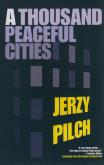
A comic gem, Jerzy Pilch's A Thousand Peaceful Cities takes place in 1963, in the latter days of the Polish post-Stalinist "thaw." The narrator, Jerzyk ("little Jerzy"), is a teenager who is keenly interested in his father, a retired postal administrator, and his father's closest friend, Mr. Traba, a failed Lutheran clergyman, alcoholic, and would-be Polish insurrectionist. One drunken afternoon, Mr. Traba and the narrator's father decide to take charge of their lives and do one final good turn for humanity: travel to distant Warsaw and assassinate the de facto Polish head of state, First Secretary of the Polish United Workers' Party, Wladyslaw Gomulka--assassinating Mao Tse-tung, after all, would be impractical. And they decide to involve Jerzyk in their scheme...
Jerzy Pilch is one of Poland's most important contemporary writers and journalists. In addition to his long-running satirical newspaper column, Pilch has published several novels, and has been nominated for Poland's prestigious NIKE Literary Award four times; he finally won the Award in 2001 for The Mighty Angel. His novels have been translated into numerous languages.
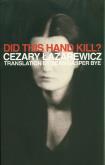
The follow up to Łazarewicz's harrowing Żeby Nie Było Śladów (Leave No Trace) depicting the case of the political murder of Grzegorz Przemyk—which earned Łazarewicz the Nike Literary Award in 2017—Did This Hand Kill? focuses on the case of Rita Gorgonowa, a cause célèbre of the interwar period in Poland.
Gorgonowa, a governess having an affair with her employer, was accused of brutally murdering his daughter, the 17-year-old Lusia on New Year’s Eve in 1931. Despite her claims of innocence, Gorgonowa was declared Poland’s ultimate villain, and eventually convicted.
But questions remain about this case—the most notorious murder trial of the Second Polish Republic—along with questions about what exactly happened to Gorgonowa post-World War II. Łazarewicz revisits the crime with a contemporary lens and recreates the furor and celebrity revolving around this murder.
“Pilch’s prose is masterful, and the bulk of The Mighty Angel evokes the same numb, floating sensation as a bottle of Zloldkowa Gorzka.”
—L Magazine
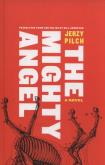
The Mighty Angel concerns the alcoholic misadventures of a writer named Jerzy. Eighteen times he's woken up in rehab. Eighteen times he's been released—a sober and, more or less, healthy man—after treatment at the hands of the stern therapist Moses Alias I Alcohol. And eighteen times he's stopped off at the liquor store on the way home, to pick up the supplies that are necessary to help him face his return to a ruined apartment.
While he's in rehab, Jerzy collects the stories of his fellow alcoholics—Don Juan the Rib, The Most Wanted Terrorist in the World, the Sugar King, the Queen of Kent, the Hero of Socialist Labor—in an effort to tell the universal, and particular, story of the alcoholic, and to discover the motivations and drives that underlie the alcoholic's behavior.
A simultaneously tragic, comic, and touching novel, The Mighty Angel displays Pilch’s caustic humor, ferocious intelligence, and unparalleled mastery of storytelling.
Translated from the Polish by Bill Johnston
Ten produkt jest zapowiedzią. Realizacja Twojego zamówienia ulegnie przez to wydłużeniu do czasu premiery tej pozycji. Czy chcesz dodać ten produkt do koszyka?