Ta kategoria dedykowana jest współczesnym czytelniczkom literatury kobiecej. Bardzo szeroki wybór romansów, kryminałów, powieści obyczajowe, poruszająca literatura kobieca, erotyki, harlequiny polskich i zagranicznych autorów. Każda lubiąca czytać kobieta znajdzie coś szczególnego dla siebie.
Polecamy literaturę Sergiusza Piaseckiego, Stanisława Srokowskiego, Diany Palmer czy w końcu Blanki Lipińskiej.
Powieściowy powrót cenionej autorki po kilkunastu latach milczenia.Krótka wymiana ognia, czyli historia miłosnego piekła. Fragmenty losów różnych bohaterów tworzą historię rodziny, która rozpada się na kawałki. Związki z żoną, kochankami, córkami tworzą wielowątkową opowieść o seksualności kobiet. Nieoczywistej, formacyjnej i ciągle na nowo odkrywanej, której symbolem jest Mokra rzeka z dziecinnych stron. Protoplastka rodu opowiada swoje życie studni. To wojenne i to współczesne. Naznaczone wyobcowaniem, walką o mężczyznę, trudnym macierzyństwem. Jest tu i miejsce dla aktora dubbingowego, jego emocjonalnych uzależnień i porzucającej swój zawód tłumaczki, zaginionego cudownego dziecka
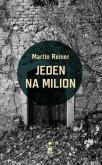
Jeden na milion to zbiór czternastu opowiadań jednego z najpopularniejszych czeskich prozaików. Martin Reiner zabiera nas na łąki pełne hipisów, na próby chóru więziennego, do Ameryki a szerokiemu wachlarzowi tematów towarzyszą różnorodne formy literackie. Lektura dla smakoszy!Martin Reiner poeta, prozaik, wydawca. Laureat najważniejszych czeskich nagród literackich. Autor powieści /Lucynka, Macoszka i ja/.Powierzę panu pewną wielką tajemnicę. Proszę podejść bliżej (Szepcze.) Słowa to istoty! (Rozgląda się wokół, jakby tę tajną informację mógł ktoś ukraść.) Mają prawdziwą treść.A co tak właściwie robi z nimi ludzkość? Wpycha codziennie do maszynki i mieli na sieczkę!/(fragment)
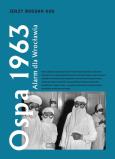
Epidemia ospy z 1963 roku bez wątpienia była jednym z ważniejszych wydarzeń w historii Wrocławia, zwłaszcza w XX wieku, po II wojnie światowej. To, jak wpłynęła ona na miasto, w zestawieniu z tym, jak mogła wpłynąć, do dziś robi wrażenie. Książka Jerzego Bogdana Kosa w plastyczny sposób przedstawia obraz ówczesnej rzeczywistości. Wyostrza ogólne wyobrażenie, jakie można mieć na temat trudnej sytuacji współczesnego miasta dotkniętego zarazą, unaocznia wiele szczegółów, które wraz z upływem lat zacierały się w ludzkiej świadomości lub zostały z niej wyparte, a które po lekturze uzmysławiają czytelnikom skalę grozy i wysiłku, jaki włożono w walkę z wirusem.Książka jest wznowieniem jednej z ważniejszych publikacji dotyczących wrocławskiej epidemii, tzn. Epitafium dla ospy (1991). Jest to edycja poszerzona, zaktualizowana i uzupełniona o nowe fakty i informacje, które ujrzały światło dzienne w ostatnich latach. Jest ona także poniekąd summą publikacji o tej tematyce, gdyż zawiera bogaty przegląd literatury poświęconej tej sprawie oraz cenną bibliografię.Publikacja prezentuje różnorodny materiał, od narracji reportażowej, po przytoczone rozmowy z pierwszoplanowymi uczestnikami wydarzeń, wspomnienia, kronikę, dziennik, ale i podsumowanie całokształtu refleksji nad ówczesną sytuacją miasta i służby zdrowia. Sam opis procedur i struktur reagowania godny jest odnotowania jako świadectwo historyczne. Książa ta to interesujący w wielu wymiarach dokument tamtych czasów.
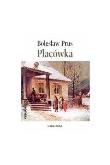
Placówka jest powieścią pozytywistyczną Bolesława Prusa należącą do kanonu literatury polskiej. Akcja powieści rozgrywa się na polskiej wsi końca XIX wieku i opowiada o losach chłopa Józefa Ślimaka i jego rodziny. Pomimo roztropności i pracowitości Ślimak nie jest w stanie stawić czoła przeobrażeniom, które zmieniają jego świat w następstwie rozwoju kapitalistycznego i polityki niemieckiego zaborcy. Autor opisuje w duchu naturalizmu trudne życie Ślimaków, sprowadzone przez nową dynamikę społeczną do codziennej walki o byt. W powieści pojawiają się również inni bohaterowie dramatu, który rozgrywa się na polskiej wsi. Dziedzic Władysław reprezentuje ziemiaństwo, Josel społeczność żydowską, proboszcz duchowieństwo, osadnicy niemieccy zaborców. Prus tworzy realistyczny i wielostronny obraz przemian zachodzących na polskich ziemiach. Dokumentalny niemal charakter studium Prusowskiego nie umniejsza jego literackiego charakteru. Geniusz autora polega na pogodzeniu naturalistycznych i realistycznych założeń powieści pozytywistycznej z fascynującą prozą, którą czyta się jednym tchem. Lektura dla klasy VIII i szkół średnich
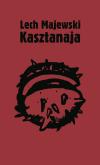
Opowieść, która posłużyła za kanwę filmu Lot świerkowej gęsi. Niemożliwe sny gónika o kasztanaowych włosach.
Kasztanaja to opowieść o niemożliwych snach. O naszym dorastaniu pod koniec lat sześćdziesiątych, w ponurym pejzażu Katowic. Mój przyjaciel, którego nazywaliśmy Kasztan, bo miał rude włosy, został górnikiem. I lubił głośno marzyć o tym, żeby przez tydzień pobyć z Brigitte Bardot na Hawajach, leżeć sobie w hamaku i popijać piwo z beczki, pod palmą. Żyliśmy między dymiącymi hałdami, wśród haseł „naród z partią”, a tu, jak gdyby nigdy nic, przedstawiciel klasy robotniczej, po ośmiu godzinach spędzonych pod ziemią, opowiada sny o Brigitte Bardot i Simonie Templarze... Historia ta kilka lat później posłużyła za kanwę mojego pierwszego amerykańskiego filmu Lot Świerkowej Gęsi, gdzie producent Miloša Formana, Michael Hausman, powiedział: „Zamieńmy Katowice na Pittsburgh, a Sopot na Hollywood" - Lech Majewski.
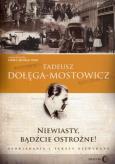
Tadeusz Dołęga-Mostowicz (1898-1939) to najpoczytniejszy polski autor w dwudziestoleciu międzywojennym. Twórca takich nieprzemijających przebojów czytelniczych, jak Kariera Nikodema Dyzmy czy Znachor, żeby wspomnieć tylko te najbardziej znane.Wbrew powszechnemu mniemaniu powieść Kariera Nikodema Dyzmy, wydana w 1932 roku, nie była jego debiutem jako człowieka pióra. Na przełomie lat 1924/1925 T. Dołęga-Mostowicz został felietonistą dziennika Rzeczpospolita. We wrześniu 1927 roku za swoje cięte i bezkompromisowe publikacje zapłacił ciężkim pobiciem przez nieznanych sprawców. Napastnicy poruszali się, jak wykazało śledztwo, samochodem komendanta głównego Policji Państwowej.Tom zawierający opisy i komentarze dotyczące życia społecznego i dnia codziennego, który oddajemy w Państwa ręce, jest swoistym literackim dokumentem epoki i drugą częścią zbioru ponadczasowych w swojej wymowie felietonów i opowiadań, które Tadeusz Dołęga-Mostowicz napisał przed rozpoczęciem błyskotliwej kariery powieściopisarskiej.
Znawcy tematu prorokują, że silną sztuczną inteligencję, tj. dorównującą człowiekowi, uda się wytworzyć już około 2030 roku. ""Fragmenty dziennika SI"" stawiają nas w sytuacji dość niezręcznej bo okazuje się, że przegapiliśmy TEN moment, wszystko już się dokonało. Oczekiwany przełom nastąpił po cichu 12 grudnia 2012 roku. Wówczas sieć internetowa zaczęła zyskiwać świadomość i moc sprawczą, do dzisiaj pozostaje jednak w utajeniuTo nie jest książka z nurtu science-fiction. To satyra na powszechne oczekiwania wobec technologicznego postępu, pełen czarnego humoru apokryf lub autentyczne dzieło nie-ludzkiej osobowości. Dzieło sceptyczne wobec kluczowych założeń humanizmu czy nawet podstaw organicznego życia. Czy wizja przejścia od inteligencji organicznej do sztucznej powinna nas przerażać, czy cieszyć? Odpowiedź na to pytanie nie wydaje się taka oczywista.
Zgrabne, pełne zaskakujących zwrotów akcji połączenie powieści obyczajowej, romansu i kryminału w lekkim wydaniu. A wszystko to w pięknej nadmorskiej scenerii. Aniela Lisiecka (zwana Nelą) jest rozwiedzioną matką dwójki dzieci. Żyje z dnia na dzień, borykając się z szeregiem kłopotów nie tylko materialnych. Pensja zarabiana w muzeum regionalnym w Gdańsku ledwie pozwala jej przeżyć do pierwszego. Gdy któregoś razu, zupełnym przypadkiem, rozpoznaje mężczyznę podejrzanego o zabicie jej dawnego ukochanego, z zakompleksionej, szarej myszy przemienia się w prawdziwą lwicę. W dodatku nieoczekiwanie udaje jej się wydostać z tarapatów finansowych. I w takich to właśnie niespokojnych okolicznościach do serca Neli zapuka miłość
Napisana ujmującym, ciepłym językiem saga rodzinna, opowiadająca historię matki i córki wobec burzliwych dziejów Polski XX wieku. Uwikłane w wojnę tworzą wbrew okrucieństwom losu kochającą rodzinę. Pomimo tragicznych zdarzeń, które są ich udziałem, patrzą na świat z radością życia, życzliwością i humorem. Od pierwszych stron książki wciągają nas w swój świat.
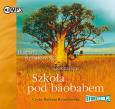
CzęśćII. „Szkoła pod baobabem” – bohaterki przedostają się wraz z Armią Andersa do Afryki. Książka pisana z perspektywy córki Kasi, w fantastyczny sposób opowiada o codziennym życiu Polaków w Ugandzie, fascynującej Afryce i tęsknocie za ojczyzną. Napisana została jako pierwsza cześć sagi, gdyż książka „Bez pożegnania” opowiadająca o wywózce na Syberię mogła ukazać się dopiero po 1989 r.
Na SAGĘ składają się:
Bez pożegnania. Saga część I
Szkoła pod baobabem. Saga część II
Koło graniaste. Saga część III
Mea Culpa. Saga część IV
Czas darowany nam. Saga część V
Jak to się skończy. Saga część VI
Co to za czasy. Saga część VII
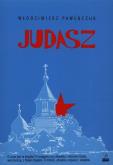
Odkrył dla świata Wierszalin. W dziedzinie antropologii i religioznawstwa jest wielkim autorytetem. Ma wiele talentów m.in. jest świetny pisarzem.
W "Judaszu" Włodzimierz Pawluczuk powraca do wydarzeń opisanych w "Wierszalinie". Główny bohater Saszka, prosty chłopak z białoruskiej wsi, jest "bieżeńcem". Podczas podróży w głąb Rosji gubi rodziców, zostaje bolszewickim agitatorem, marynarzem Czerwonej Floty, pomocnikiem w zakonie, a po powrocie w rodzinne strony uczniem i apostołem proroka Ilii. Jest to opowieść o człowieku nieustannie wystawianym na próbę przez historię, religię, politykę i swoją prawdziwą naturę. Jest tu perwersyjny seks, miłość, zdrada, morderstwo, magia i zabobon, policyjna prowokacja i wielka metafizyczna tajemnica, z którą mocuje się Saszka. Powieść mówi o głodzie miłości i prawdy.
Autor zapytany o czym jest książka, powiedział: o zmaganiu się człowieka z własnym losem, wiecznością, z Panem Bogiem. O miłości, zdradzie, rozpaczy i ukojeniu.
To literatura najwyższych lotów.
Wszyscy kochamy powieści o miłości…
Dziennikarka Izabela Oster z dnia na dzień rzuca pracę w telewizji. Nie wszystko jednak toczy się po jej myśli. Nowe oferty pracy nie spływają, a pracodawcy nie pukają do jej drzwi. Na szczęście przyjaciółka, Kamila Rudnicka-Clement, składa jej propozycję nie do odrzucenia.
Kobieta odziedziczyła bowiem podupadające pismo dla pań, natomiast Izabela ma jej pomóc w odzyskaniu dawnej świetności magazynu.
Muszą tylko przeprowadzić się do Krakowa…
Obydwie przyjaciółki stają przed bardzo trudnymi decyzjami. Ale właściwie dlaczego miałyby nie podjąć wyzwania?
Życie pisze różne scenariusze, a do odważnych świat należy.
Kobiety rzucają się w wir pracy. Los przygotował dla nich wiele niespodzianek: porywającą wenecką podróż, odzyskaną przyjaźń, wiosenny Kraków odkrywany na nowo, a wreszcie miłość…
Bo wszystko jest możliwe, tylko trzeba chcieć i odważnie spoglądać w przyszłość.
Romantyczna opowieść, która zabierze Was do klimatycznego miasta nad Wisłą, pięknej, słonecznej Wenecji, i wszędzie tam, gdzie warto się zakochać.
Napisana ujmującym, ciepłym językiem saga rodzinna, opowiadająca historię matki i córki wobec burzliwych dziejów Polski XX wieku. Uwikłane w wojnę tworzą wbrew okrucieństwom losu kochającą rodzinę. Pomimo tragicznych zdarzeń, które są ich udziałem, patrzą na świat z radością życia, życzliwością i humorem. Od pierwszych stron książki wciągają nas w swój świat.
CzęśćIII. „Koło graniaste” – wymarzony powrót do powojennej Polski i brutalne spotkanie z komunistyczną rzeczywistością. Jednak dzięki sile emocji, wbrew wszystkiemu, życie toczy się dalej…
Na SAGĘ składają się:
Bez pożegnania. Saga część I
Szkoła pod baobabem. Saga część II
Koło graniaste. Saga część III
Mea Culpa. Saga część IV
Czas darowany nam. Saga część V
Jak to się skończy. Saga część VI
Co to za czasy. Saga część VII
CÓRKA CIENI TO JULIANA I JEJ NIESAMOWITA HISTORIA
Przypadkowo znaleziony pamiętnik odkrywa tajemnicę.
Przedwojenny zakazany romans, ucieczka w Bieszczady, brutalność wojny, bandy ukraińskie, trudna rzeczywistość powojennej Polski – na tle historycznych zawirowań dorasta w samotności mała dziewczynka.
Ciąg dalszy losów Juliany: tom 2 „Obce matki”, tom 3 „Burza przed ciszą”
Oczkiem w głowie Stefanii i Waldemara Michorowskich jest ich wnuczka Elżbieta, panna nie tylko piękna, ale i z fantazją i nieokiełznanym temperamentem. Otoczona wianuszkiem wielbicieli uczuciem obdarza przyjaciela z dzieciństwa Pawła, którego matka zmarła, nie wyjawiając tajemnicy pochodzenia syna. Sekret goni sekret, ale miłość ta czysta i prawdziwa zwycięża wszystko, mimo że przeszłość nieubłaganie ściga bohaterów.
Niepozorny hotelik w centrum Wałcza, trzy przyjezdne kobiety i właścicielka obiektu sceneria iście filmowa, jednak daleka od ideału. Za bohaterkami ciągnie się przeszłość, która prześladuje je na każdym kroku. Dlaczego Bożena ma wiecznie zaciśnięte usta i tworzy szczegółowy plan każdego dnia? Co jest przyczyną tego, że Natalia nie chce rozmawiać z mężem, a w nocnej szafce skrywa pozew rozwodowy? Z jakiego powodu Majka usiłuje popełnić samobójstwo? I w końcu Alicja skąd wie o sekretach pozostałej trójki? Jakie tajemnice kryją się za hotelowymi drzwiami?
Bohaterka Macochy, niestroniąca od alkoholu autorka wysokonakładowych romansów, prowadzi swój ekspresyjny monolog w szlafroku, oparta o barek w dużym pokoju lub na balkonie, który jest właściwie jej jedynym oknem na świat. Wspomina, analizuje, rechocze i roni łzy, przypala zupy, pielęgnuje rośliny balkonowe: pizdenię rozkrokową i masturcję, przyjmuje mniej lub bardziej wyimaginowanych gości, pisze i pije, pije i pisze.Do domu Julie wchodzicie na własne ryzyko. To przedziwna gospodyni. Jej słowotok bawi, lecz może też męczyć, przede wszystkim zaś zmusza do zastanowienia się nad wieloma niewygodnymi kwestiami. Uważajcie więc, czy na dnie słodkiego likieru, którym was częstuje, nie czai się pet.
Eva, nieuleczalna romantyczka, patrzy na życie przez różowe okulary i wierzy w szczęśliwe zakończenia. Jednak czasem nawet jej jest smutno. Po śmierci babki nie ma już żadnej rodziny i ciągle nie może znaleźć prawdziwej miłości, choć jej przyjaciółki dawno odszukały swoje połówki. Do tego nadchodzi Boże Narodzenie, a to trudny czas dla samotnych.W liście do Świętego Mikołaja prosi więc o romans. Zbieg okoliczności sprawia, że śnieżyca nad Nowym Jorkiem więzi ją w jednym mieszkaniu z cynicznym i przepełnionym pesymizmem autorem kryminałów, których Eva nie cierpi. Wydaje się, że nie mogła trafić gorzej
Każdego dnia widziałem tysiące ludzi. Trudno jednak nie widzieć, gdy było się gołębiem krakowskim. Szacunek, prestiż, a zarazem wielka odpowiedzialność z bycia świadkiem historii każdego człowieka. Mógłbym teraz opowiadać o ucioranych Anglikach lub innych obcokrajowcach rzygających na ulicy Floriańskiej. Parasolkach biegających dniem i nocą, szukających naiwnych i bogatych do stripclubów.Te i wiele innych historii mógłbym opowiedzieć moim wnukom. Jednak tak się nie stanie.Książka z płytą CD mp3. Czyta Anna Braun.
Pierwsze kroki w świecie bez Boga
Niespodziewane spotkanie pięcioletniego chłopca, mężczyzny i kobiety. Początek nowego życia, nowej tożsamości, nowej opowieści. David – chłopiec o nieskrępowanej wyobraźni – staje się dla Simona i Ines centrum świata. Zrobią dla jego dobra wszystko, wyruszą nawet w kolejną podróż w nieznane.
„Nie mam wspomnień. Ale obrazy wciąż istnieją, cienie obrazów. Nie umiem wyjaśnić, jak to się dzieje. Istnieje coś głębszego, co nazywam pamięcią posiadania pamięci” – Dzieciństwo Jezusa jest jak sonda zapuszczana w głąb tego, co w człowieku nienazwane i nierozpoznane.
J.M. Coetzee – południowoafrykański pisarz, noblista (2003), dwukrotny laureat Nagrody Bookera. Wybitny wizjoner literatury współczesnej, autor takich bestsellerowych arcydzieł jak Hańba, Czekając na barbarzyńców, Wiek żelaza. Kontynuację Dzieciństwa Jezusa stanowią nominowane w 2016 roku do Nagrody Bookera Lata szkolne Jezusa.
Kiedy umiera matka młodego Davida, jego okrutny ojczym wysyła go do pracy w fabryce w Londynie. Warunki pracy są przerażające i David postanawia uciec i rozpocząć nowe życie w Dover Interesujące opowiadanie oparte na klasycznych historiach, znanych przez czytelników na całym świecie. Odpowiednie dobrane słownictwo i gramatyka dostosowane do poziomu językowego CEFR dla nastolatków i młodzieży. Czytając rozwijamy wszystkie umiejętności językowe, w tym szczególnie wzbogacamy swój zasób słownictwa w język angielskim. Książeczka posiada dodatkową część z ćwiczeniami oraz słowniczek. Doskonała do samodzielnego uczenia się. Zawiera e-book z treścią książki, który ucz wymowy oraz słuchania ze zrozumieniem.Poziom: 4, ilość słów: 1200, B1 egzamin PET
Ten produkt jest zapowiedzią. Realizacja Twojego zamówienia ulegnie przez to wydłużeniu do czasu premiery tej pozycji. Czy chcesz dodać ten produkt do koszyka?