Ta kategoria dedykowana jest współczesnym czytelniczkom literatury kobiecej. Bardzo szeroki wybór romansów, kryminałów, powieści obyczajowe, poruszająca literatura kobieca, erotyki, harlequiny polskich i zagranicznych autorów. Każda lubiąca czytać kobieta znajdzie coś szczególnego dla siebie.
Polecamy literaturę Sergiusza Piaseckiego, Stanisława Srokowskiego, Diany Palmer czy w końcu Blanki Lipińskiej.
Napisana ujmującym, ciepłym językiem saga rodzinna, opowiadająca historię matki i córki wobec burzliwych dziejów Polski XX wieku. Wbrew pułapkom losu tworzą kochającą rodzinę, patrzą na świat z radością życia. Od pierwszych stron książki wciągają nas w swój świat.
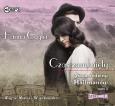
CzęśćV. „Czas darowany nam” –„Życie, jakie by nie było, zawsze jest silniejsze od śmierci” – te słowa Zofii stają się myślą przewodnią dalszych losów Kasi. Czeka ją praca, podróże, wzloty, upadki, wypadki, a także nowe spotkania i uśmiechy losu. Pełen trudnych momentów dla Polski rok 1968 w sferze osobistej daje się bohaterkom we znaki. W lata 70. Kasia wchodzi z nadzieją, ale jak to się skończy dowiemy się z tomu następnego, pod takim właśnie tytułem.
Na SAGĘ składają się:
Bez pożegnania. Saga część I
Szkoła pod baobabem. Saga część II
Koło graniaste. Saga część III
Mea culpa. Saga część IV
Czas darowany nam. Saga część V
Jak to się skończy. Saga część VI
Co to za czasy. Saga część VII
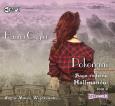
Trudne wybory, przed którymi staje młody Włodek Hallman w realiach Polski tuż po zakończeniu II wojny światowej. Czy uda mu się ułożyć swoje życie w nowych okolicznościach politycznych? Czy młodzieńcza werwa wygra z własnymi słabościami oraz przeciwnościami losu?Autorka Hanna Cygler w niezwykle sugestywny i realistyczny sposób przedstawia słuchaczowi świat, w którym zmuszeni byli żyć nasi przodkowie i w którym nie dość, że narażeni byli na zmaganie się z przykrościami wojennej zawieruchy, to jeszcze wielokrotnie doznawali uczucia zdrady i okrucieństwa tym razem ze strony swoich rodaków, którzy opowiedzieli się po stronie nowego okupanta.
Napisana ujmującym, ciepłym językiem saga rodzinna, opowiadająca historię matki i córki wobec burzliwych dziejów Polski XX wieku. Wbrew pułapkom losu tworzą kochającą rodzinę, patrzą na świat z radością życia. Od pierwszych stron książki wciągają nas w swój świat.CzęśćIV. Mea culpa Polska przełomu lat 50. i 60., pierwsze lata PRL-u wraz z jego absurdami, ingerencja świata polityki w życie zwykłych ludzi, start Kasi w dorosłe życie, podróże głównej bohaterki z zespołem Mazowsze.Na SAGĘ składają się:Bez pożegnania. Saga część ISzkoła pod baobabem. Saga część IIKoło graniaste. Saga część IIIMea culpa. Saga część IVCzas darowany nam. Saga część VJak to się skończy. Saga część VICo to za czasy. Saga część VII
CÓRKA CIENI TO JULIANA I JEJ NIESAMOWITA HISTORIAPrzypadkowo znaleziony pamiętnik z czasów wojny odkrywa tajemnicę wychowanej w lesie dziewczynki.Po stracie rodziców mała Juliana samotnie musi ruszyć w świat. Czy dziewczynka poradzi sobie bez pomocy bliskich? Jak potoczą się jej losy powojnie? Czy obce matki pomogą Julianie przetrwać i dorosnąć?Ciąg dalszy losów Juliany: tom 3 Burza przed ciszą
Początek sagi o polsko-angielskiej rodzinie Hallmanów. W tle wojenna codzienność, tułaczka, miłość i trudne życiowe wybory.Wolne Miasto Gdańsk, 1939 rok. Nastoletni Włodek Hallman musi szybko dojrzeć. Umiera mu ojciec, sytuacja polityczna jest niestabilna, a najbliżsi odpływają do Anglii bez niego. Chłopak zaczyna swoją walkę o przetrwanie.
Mama dwójki dorosłych dzieci wyjeżdża do Ueckermnde, by uporządkować swoje życie. Pomimo wielu obaw podejmuje pracę jako opiekunka starszego małżeństwa. Wkrótce na drodze bohaterki pojawiają się osoby, które zmieniają jej życie. Czy to przeznaczenie? Małe niemieckie miasteczko stopniowo staje się dla Beaty oazą spokoju, jednak ta pozorna równowaga zostaje zakłócona zaskakującymi wiadomościami.Tam, gdzie czekał anioł to pozytywna, pełna nadziei i przebaczenia oraz wiary w drugiego człowieka opowieść zmuszająca Czytelnika do przemyśleń nad swoim życiem.
Panny Ewa Jabłońska i Iga Branicka wychowały się we dworze w Czartorowiczach, od pokoleń należącym do rodziny Jabłońskich. Pomimo że sporo je różni, są ze sobą zaprzyjaźnione. Obie się zakochują. Splot wydarzeń doprowadzi je do konieczności dokonania trudnych wyborów. Co powinny uczynić, by spełniły się panieńskie marzenia?Dwór w Czartorowiczach ukazuje losy mieszkańców od urodzenia aż po grób, towarzysząc im w salonie i w kuchni, w alkowie i w ogrodzie, przy ołtarzu i nad mogiłą.Nostalgiczna, barwna i lekko napisana historia miłosna rozgrywająca się po upadku powstania styczniowego na dalekim Podolu w czasach i miejscach, których nie ma, ale które rzewnie wspominamy.
Kujonka-seksbomba, niepoprawny podrywacz oraz kurs chemii nie dla grzecznych studentek.
Po kazaniu nadopiekuńczego brata na temat zaniedbywania życia towarzyskiego i pracoholizmu dwudziestoczteroletnia Hanna Bergstrom postanawia odrobić zadanie domowe: wyjść do ludzi, nawiązywać znajomości i chodzić na randki. A któż lepiej pomoże jej przemienić się w zmysłową seksbombę, niż niezwykle przystojny przyjaciel brata, Will Sumner, biznesmen inwestujący na giełdzie i niepoprawny podrywacz?
Will żyje z ryzyka, lecz co do Hanny ma wątpliwości... dopóki pewnej szalonej nocy jego niewinna uczennica nie wciągnie go do łóżka i nie udzieli lekcji o byciu z kobietą. Tej lekcji nie da się zapomnieć. Hanna odkrywa moc własnej seksualności, a Will musi udowodnić, że jest jedynym mężczyzną, o jakim ona marzy.
Książki Christiny Lauren prezentują wszystko to, o czym marzy współczesna kobieta. Myślę, że mit księcia na białym koniu został już jakiś czas temu odłożony do lamusa za sprawą Bennetta i Maxa, bohaterów dwóch poprzednich bestsellerowych powieści Christiny Lauren. Teraz dzięki Pięknemu graczowi do tego pełnego testosteronu grona dołącza Will. Drogie panie, ostrzegam! Po lekturze tej powieści wasze nocne fantazje wejdą na wyższy poziom".
Ewa Siwicka
Dziennikarka TVP Poznań
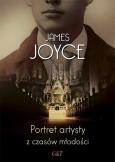
AUTOR „ULISSESA”. NAJSŁAWNIEJSZY CHYBA PISARZ DWUDZIESTEGO WIEKU
Opowieść o rozwoju Stefana Dedalusa - od dzieciństwa do dojrzałości. Tak w skrócie można określić tę, na poły autobiograficzną, historię.
Odkrywając, że świat dorosłych pełen jest omyłek i niesprawiedliwości, Stefan przechodzi burzliwą przemianę z pobożnego i układnego chłopca w tego, który na drodze buntu uwolni się od hipokryzji otaczającej go zewsząd.
James Joyce (1882-1941) to pisarz, który obok Virginii Woolf wirtuozerią języka zadziwił świat. Jeden z klasyków powieści modernistycznej, którego droga do sławy wcale nie była łatwa.
Irlandczyk, urodzony w Dublinie, większość życia spędził na kontynencie europejskim. Jego kolejne dzieła, poczynając od tomu opowiadań „Dublińczycy” (1914), były odrzucane przez wydawców. Nad większością pracował latami. „Portret artysty…” (1916) powstawał dziesięć lat. A najsławniejsze dzieło „Ulisses” (1922) najpierw ukazało się w Ameryce.
Sprzedana w niewolę przez własnego ojca i porzucona przez mężczyznę, którego miała poślubić, młoda Egipcjanka Merit zostaje zmuszona do usługiwania kobiecie czerpiącej przyjemność z poniżania jej. Gdy przerażające plagi zaczynają spadać na Egipt, Merit znajduje się w samym środku wydarzeń. Ukazanie znanych biblijnych historii oczami osoby nienależącej do ludu Izraela, nadaje im zaskakującej świeżości i siły.
Greta jest egocentryczną, rozpieszczoną, mającą wszystko jedynaczką. Dwa miesiące przed osiemnastymi urodzinami, wraz z rodzicami, ulega wypadkowi. Jej idealny świat rozpada się. Ma połamane nogi i poważnie uszkodzoną twarz, a jej rodzice leżą w śpiączce. Po kilkunastu tygodniach wychodzi ze szpitala i zamyka w domu przed otoczeniem i samą sobą. Któregoś dnia pojawia się pewna kobieta. Okazuje się być bliźniaczą siostrą jej mamy. Greta dowiaduje się, że ma rodzinę, o istnieniu której nie miała pojęcia. Wkrótce poznaje też rodzinną tajemnicę.Jednocześnie dostaje propozycję wzięcia udziału w programie, testującym nową terapię. Pojawia się szansa na wyleczenie twarzy. To wszystko sprawia, że przewartościowuje sposób myślenia, uczy się doceniać codzienność oraz odkrywa moc i znaczenie wdzięczności. Zrozumie też, na czym polega dorosłość. Dostaje od losu podwójną szansę by Odzyskać twarz.
Ewa Sasicka po przeprowadzce do Olechowicz wiedzie szczęśliwe życie u boku Marcina. Szybko przejmuje obowiązki żony dziedzica i przyzwyczaja się do warunków oraz zasad panujących we dworze. Nie zapomina o rodzicach i ukochanych Czartorowiczach. Tymczasem jej kuzynka Iga przeżywa osobiste dramaty, których nie jest w stanie przesłonić udany związek z Leonem.
Obie kobiety – jako mężatki i matki – muszą wziąć losy swych rodzin we własne ręce. Dorasta bowiem kolejne pokolenie, krystalizują się jego marzenia i rozczarowania, plany i nadzieje, miłości oraz zdrady.
Życie na dalekim Podolu toczy się swoim rytmem, z dala od miejskiego zgiełku, w oczekiwaniu na wielkie wydarzenia…
Tom opowiadań izraelskiej autorki - przedstawicielki istotnego w literaturze hebrajskiej nurtu pisania o Szoa z perspektywy drugiego pokolenia. Dominującym wątkiem jej utwórów jest trauma Zagłady, która mimo upływu czasu kładzie się cieniem na życiu społeczeństwa Izraela, będąc źródłem lęków, obsesji i udręki ocalonych, a także ich rodzin.Savyon Liebrecht urodziła się w 1948 roku w Monachium jako Sabina Sosnowska, w rodzinie polskich Żydów ocalałych z Holokaustu, którzy w 1950 roku przeprowadzili się do Izraela. Ukończyła Wydział Filozofii na Uniwersytecie Telawiwskim, pracowała jako dziennikarka, a w 1986 roku zadebiutowała zbiorem opowiadań. W 1987 roku otrzymała Nagrodę im. Altermana, zaś w 2002 Nagrodę Literacką im. Amelii Rosselli przyznawaną przez miasto Rzym. W ostatnich latach pisze głównie sztuki teatralne, które wystawiane są również poza Izraelem, m.in. w Stanach Zjednoczonych, Anglii, Niemczech, Szwecji, Finlandii, a nawet w Chinach. Czterokrotnie otrzymała w Izraelu zaszczytny tytuł dramaturga roku. Jej sztuki teatralne i opowiadania przełożono na wiele języków. W 2012 roku nakładem Wydawnictwa Austeria ukazały się jej dramaty Rzecz o banalności i inne sztuki w przekładzie Michała Sobelmana.W naszym domu milczało się o Holokauście. Do dziś nie wiem, ile braci i sióstr mieli moi rodzice. Nie znam ich imion i nie wiem, co stało się z nimi podczas wojny, nie wiem nawet, w których obozach koncentracyjnych przetrzymywano ojca, a było ich kilka. Ludzie, którzy badają dynamikę zachowań ludzi ocalałych z Zagłady, dzielą ich domy na dwa typy. W jednych obsesyjnie mówi się o Holokauście: nawet jeśli tematem rozmowy są sznurówki czy kawałek chleba, przywołują one wspomnienia z getta i obozu koncentracyjnego. W domach drugiego typu panuje kompletna cisza. Sądzę, że najbardziej twórczy artyści wychowali się w domach drugiego rodzaju, ponieważ to cisza w największym stopniu wyzwala kreatywność. Każde dziecko potrzebuje, by tłumaczyć mu otaczający świat, lecz dziecko wychowujące się w takim domu wyczuwa, że pytania nie są mile widziane. Zaczyna zatem wymyślać swoje własne odpowiedzi, ćwicząc w ten sposób wyobraźnię od najmłodszych lat. (Ze wstępu autorki)
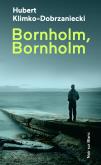
Niemcy, początek drugiej wojny światowej. Horst Bartlik mieszka w niewielkim miasteczku, prowadzi ustabilizowane, pozbawione wstrząsów życie. Dwie okoliczności decydują o jego dalszym losie. Odkrywa, że nie kocha już swojej żony, a następnie zostaje wysłany na wojnę. Skierowany do bazy na Bornholmie odzyskuje dawną pewność siebie, męskość. Okaże się, że wojna przyniesie mu szansę na miłość.
Historia Bartlika przerywana jest inną opowieścią, opowieścią młodego mężczyzny. Jego jedyną słuchaczką jest pogrążona w śpiączce matka: bohaterka jego historii, obiekt synowskiej miłości i nienawiści. Obu narratorów i ich oddalone od siebie czterdziestoletnim odstępem czasu opowieści łączą subtelne elementy pozwalające przejść z jednej płaszczyzny literackiej do drugiej. Fotografie oglądane przez jednego z narratorów zostały kiedyś zrobione przez drugiego; odnaleziony w szopie zabytkowy aparat fotograficzny jest własnością drugiego bohatera. "Bornholm, Bornholm" mówi o braku porozumienia między bliskimi, niemożności nawiązania relacji pełnej ufności i zrozumienia. Bez tego mąż po latach małżeństwa zastanawia się nad sensem przysięgi, a syn nie ma w sobie odwagi, by zaprotestować przeciw nadopiekuńczości matki. Dobrzaniecki opisuje skomplikowane relacje z mieszaniną ironii i powagi; nostalgia łączy się z surowym opisem codzienności, wyobcowania i często bolesnych, przejmujących relacji rodzinnych.
(I wydanie w Znaku w 2011 r.)
Akcja utworu toczy się w roku 1817. Dowiadujemy się, że 10 lat wcześniej, w bitwie pod Pruską Iławą zostaje ranny Hiacynt Chabert, pułkownik armii napoleońskiej. Podczas oczyszczania pola bitwy zostaje uznany za zmarłego i wrzucony do rowu z trupami. Przypadkowo zostaje uratowany przez miejscową kobietę a następnie przetransportowany do Heilsberga celem dalszego leczenia. Po względnym odzyskaniu zdrowia postanawia wyruszyć w podróż do Paryża. Po drodze doznaje wszelkich możliwych upokorzeń, zaś jedyną pomoc otrzymuje od równie biednych byłych towarzyszy broni. Dowiedziawszy się o tym, że jego żona, Róża Chapotel, którą poślubił mimo jej wątpliwej reputacji, wyszła ponownie za mąż za hrabiego de Ferraud i spieniężyła większą część domniemanego spadku po mężu, udaje się do adwokata Derville'a z prośbą o pomoc w odzyskaniu noszonych ongiś tytułów, utraconego majątku, a być może także małżonki (z tego ostatniego szybko rezygnuje). Poruszony historią starca Derville zgadza się podjąć sprawę mimo jej fantastycznego wręcz charakteru. Adwokat, zdając sobie sprawę z zawiłości potencjalnego procesu sądowego, postanawia spróbować załatwić sprawę polubownie. Po rozmowach z hrabiną przygotowuje projekt ugody, w której pułkownik zrzeka się swojej tożsamości w zamian za spełnienie jego roszczeń finansowych. Chabert jednak, będąc o krok od jej podpisania pod wpływem sztucznej uprzejmości hrabiny, unosi się honorem i rezygnuje ze wszystkiego, widząc obłudę swojej żony, którą mimo wszystko nadal kocha. Odmawia przyjmowania dalszej pomocy od Derville'a. Po wielu latach adwokat spotyka go ponownie, jako anonimowego mieszkańca przytułku dla bezdomnych, mającego za sobą pobyt w zakładzie dla chorych psychicznie. Doświadczenie to przepełnia go obrzydzeniem wobec paryskiego wielkiego świata i skłania do usunięcia się ze stolicy.
„Kiedy po latach wróciłam do opowiadań Filipowicza, zadziwiło mnie, jak bardzo współczesnym zdaje się pisarzem, jak wiele mówi o nas”.
Justyna Sobolewska
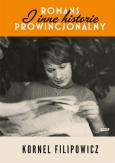
Nowelista, powieściopisarz, scenarzysta, poeta. Jeden z najważniejszych powojennych prozaików. „Realista metafizyczny”, „piewca polskiej prowincji”. Niekwestionowany autorytet. Wieloletni partner Wisławy Szymborskiej.
Kornel Filipowicz to niedościgły mistrz. Jego proza jest klarowna i lakoniczna, a emanuje z niej empatia dla świata i człowieka. Jego pióro odkrywa podskórny sens pozornie banalnych wydarzeń, zapala ich wewnętrzne światło. W Romansie prowincjonalnym i innych historiach bliskość, tęsknota, pomyłki, spotkania i rozstania układają się w wielobarwny, migotliwy pejzaż ludzkich emocji. Autorski wybór Wojciecha Bonowicza, poza opowiadaniami, prezentuje również dwie mikropowieści – osobny gatunek, stworzony przez Filipowicza.
„Filipowicz doprowadził sztukę noweli do przezroczystej, nienarzucającej się doskonałości. Paradoksalnie, krótka, skondensowana forma chwyta życie jako całość”.
Jerzy Jarniewicz, Książki. Magazyn do czytania
O wiele łatwiej jest sprawować kontrolę nad drugim człowiekiem niż nad własnym życiem. Wie o tym Marek, przykładny ojciec rodziny, prezes poważnej firmy, dręczyciel i kat swojej żony.Trudno jest jednak w nieskończoność zachowywać pozory szczęścia, zwłaszcza kiedy ofiara się buntuje i zaczyna dostrzegać, że istnieje świat poza więzieniem, którym okazał się wymarzony dom, że istnieją uczucia inne niż strach, nienawiść i upokorzenie. I że nie każdy mężczyzna jest potworem ukrytym w ludzkiej skórze.""Wkurzona żona"" to studium psychiki ofiary przemocy domowej. Dramatyczna, niezwykle sugestywna, ale i dająca nadzieję historia o tym, że na szczyty najwyższych gór nie kursują żadne windy, lecz trzeba się na nie wspiąć samemu. I że można tego dokonać, nawet jeśli ktoś z impetem uderzył nami o dno bo może właśnie wtedy siłą swojego uderzenia spowodował efekt odbicia. Teraz musimy tylko spojrzeć w górę i nie stracić z oczu rozświetlonego słońcem nieba.
Gdy musisz zapłacić najwyższą cenęCodzienność Marii stała się walką. Zmagała się z siłami, które ją przerastały. W jej ciele czaił się wróg atakujący ją od środka. Coraz skuteczniej. Ciosy padły również z najmniej spodziewanej strony.Mimo wszystko wierzyła, że wygra, choć czas działał na jej niekorzyść. Była pewna, że człowiek jest ważniejszy od pieniędzy. Wydarzenia przybrały jednak dramatyczny obrót. A jednak gdzieś na końcu tliło się zwycięstwo.Ta opowieść oparta jest na faktach.Krystyna Rożnowska dziennikarka z wieloletnim doświadczeniem, autorka cenionych poradników medycznych oraz książek, w tym biografii prof. Juliana Aleksandrowicza Uleczyć świat. W Wydawnictwie WAM opublikowała Można oszaleć opowieść o pacjentach szpitala psychiatrycznego. Napisała setki artykułów o medycynie i dramatach ludzi dotkniętych chorobą.
"Kiedy ojciec proponuje Royowi spędzenie kilku miesięcy na odludnej wyspie Sukkwan, tylko we dwóch, chłopak waha się, zanim postanowi opuścić dom i znaną sobie codzienność. Nic nie potoczy się tak, jak sądzili. Życie zaskakuje i ciągle przypomina, że nie wszystko można przewidzieć, zaplanować i ułożyć po swojemu. Ważne jest, by przetrwać, odnaleźć radość tam, gdzie tylko się da, i wybaczyć innym ich słabości.
Skomplikowane relacje rodzinne, trudne wybory, miłość i namiętności, to wszystko znajdziemy w oszczędnej prozie Davida Vanna, która targa emocjami czytelnika i której nie da się zapomnieć.
Legenda o samobójstwie to książka utkana z pięknych, głęboko wstrząsających opowieści. Uważajcie - to powieść, którą zapamiętacie do końca życia.
- Jakub Żulczyk
Jeśli szukasz książki nieoczywistej, zaskakującej i poruszającej to musisz poznać Legendę o samobójstwie Davida Vanna. Autor stworzył przejmującą opowieść o relacji syna i ojca, dorównującą klasykom światowej literatury. Vann nie boi się literackiego i artystycznego ryzyka, wręcz zaskakując tym, jak łatwo omija rafy sentymentalizmu i kiczu. Proza, z którą trzeba się zmierzyć.
- Wojciech Szot, Kurzojady
Prawdziwie wielki pisarz.
- The Irish Sunday Independent
Pełna mściwości, a jednocześnie żalu i empatii, wiarygodna, a jednocześnie odrealniona, i absolutnie wciągająca.
- Christopher Tayler, The Guardian
Nieustępliwa, rozdzierająca serce doskonałość, która wytrzyma porównanie z Drogą Cormaca McCarthy’ego.
- The Weekend Australian Magazine
Doskonała (…) Proza Vanna ma w sobie siłę Cormaca McCarthy’ego i Hemingwaya, a jednocześnie własną energię i zwinność.
- The Times"
Utwór ma postać dziennika prowadzonego przez nieznanego z imienia młodego człowieka. Z normalnego i zadowolonego z życia mężczyzny bohater przemienia się w człowieka ogarniętego niebezpieczną obsesją: jest przekonany, że tajemnicza, niewidzialna postać – tytułowy Horla (fr. hors – poza, na zewnątrz; la – tutaj), nawiedza go nocami i odbiera mu energię życiową. Dochodzi do serii dziwnych wydarzeń, które potęgują jego przerażenie: ktoś stale wypija wodę i mleko z karafki, z domu giną drobne przedmioty, w ogrodzie zerwany tajemniczą siłą kwiat zawisa w powietrzu, w pokoju same się przewracają stronice książki... Stopniowo bohater dochodzi do przekonania, iż jego osobowość została całkowicie zdominowana przez ponadnaturalną istotę, która wymusza na nim określone postępowanie. Pasmo swych udręk kojarzy z obecnością brazylijskiego statku przepływającego kiedyś Sekwaną w pobliżu jego siedziby. Wreszcie postanawia zabić Horlę podpalając zamknięty dokładnie dom. Obserwując jednak pożar uzmysławia sobie, że nie mógł w ten sposób zniszczyć istoty niewidzialnej i bezcielesnej, po czym dochodzi do wniosku, iż jedynie poprzez samobójstwo może unicestwić władającego nim ducha.
Ten produkt jest zapowiedzią. Realizacja Twojego zamówienia ulegnie przez to wydłużeniu do czasu premiery tej pozycji. Czy chcesz dodać ten produkt do koszyka?