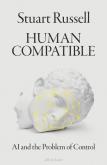
Humans dream of super-intelligent machines. But what happens if we actually succeed?
Creating superior intelligence would be the biggest event in human history. Unfortunately, according to the world's pre-eminent AI expert, it could also be the last.
In this groundbreaking book on the biggest question facing humanity, Stuart Russell explains why he has come to consider his own discipline an existential threat to our species, and lays out how we can change course before it's too late. There is no one better placed to assess the promise and perils of the dominant technology of the future than Russell, who has spent decades at the forefront of AI research. Through brilliant analogies and crisp, lucid prose, he explains how AI actually works, how it has an enormous capacity to improve our lives - but why we must ensure that we never lose control of machines more powerful than we are. Here Russell shows how we can avert the worst threats by reshaping the foundations of AI to guarantee that machines pursue our objectives, not theirs.
Profound, urgent and visionary, Human Compatible is the one book everyone needs to read to understand a future that is coming sooner than we think.
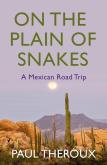
Master travel writer Paul Theroux immerses himself in the fascinating, rich and troubled culture of modern Mexico.
Nogales is a border town caught between Mexico and the United States of America. A forty-foot steel fence runs through its centre, separating the prosperous US side from the impoverished Mexican side. It is a fascinating site of tension, now more than ever, as the town fills with hopeful border crossers and the deportees who have been caught and brought back. And it is here that Paul Theroux will begin his journey into the culturally rich but troubled heart of modern Mexico.
Mexico is a country that has captured literary imaginations from D. H. Lawrence and Graham Greene to Aldous Huxley. Now Paul Theroux, master of travel writing, immerses himself, attending local language and culinary schools, driving through the country, getting under its skin.
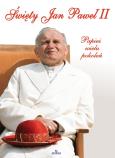
Święty Jan Paweł II Ukochany przez młodych to książka opowiadająca o wyjątkowym Polaku, o którym słyszano we wszystkich zakątkach świata – nawet w miejscach, w których chrześcijaństwo nie jest religią tolerowaną przez władze. Pozycja stanowi swego rodzaju przewodnik po życiu wielkiego papieża, który niedawno wyniesiony został na ołtarze. Na jej kartach przedstawione zostały zarówno dzieciństwo i wczesna młodość Karola Wojtyły, jak i wszystkie wydarzenia, które miały miejsce po jego wstąpieniu do stanu duchownego. Jest to doskonała, bardzo wartościowa lektura dla wszystkich osób, pragnących bliżej przyjrzeć się życiu Jana Pawła II i wynieść z niego ważne wskazówki dotyczące postępowania w swoim własnym, codziennym życiu.
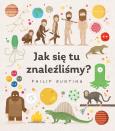
Nieautoryzowana biografia całej ludzkości. Philip Bunting zabiera nas w niesamowitą podróż do naszych początków: od Wielkiego Wybuchu do momentu narodzin każdego z nas. A wszystko to zajmie tyle samo czasu, co zjedzenie śniadania!
Przezabawna i pięknie ilustrowana książka, która daje odpowiedzi na wiele pytań i pobudza ciekawość odkrywania świata.
Przenikliwa analiza najważniejszych kwestii dotyczących naszego życia, świata i kosmosu.
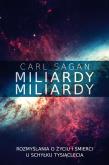
W swojej ostatniej książce słynny astronom, futurolog i pisarz Carl Sagan zabiera nas zarówno w bezmiar kosmosu, jak i w zakamarki ludzkiego umysłu, zadając fascynujące pytania o to, jak powstał wszechświat i jaki będzie jego koniec, a także jak, łącząc naukę ze współczuciem, możemy stawić czoło wyzwaniom nadchodzącego stulecia.
W swojej książce autor odnosi wiedzę z dziedziny biologii, matematyki i astronomii do życia codziennego, a także do arcyważnych kwestii związanych ze środowiskiem i naszą przyszłością. Prezentując szeroki wachlarz tematów, zabiera czytelnika we wspaniałą podróż, od wynalazku szachów po możliwość życia na Marsie, od poniedziałkowego futbolu po relacje między USA a ZSSR, od globalnego ocieplenia po debatę aborcyjną. Jest też bardziej intymny fragment: mamy wyjątkową okazję poznać samego autora, czytając o jego walce o życie, o miłości do rodziny i o osobistych przemyśleniach na temat śmierci i Boga.
Miliardy, miliardy, książka przenikliwa, tchnąca niepohamowaną ciekawością autora, to spuścizna jednego z największych umysłów naszych czasów.
„Sagan wykorzystał reflektor swojej sławy, by oświetlić przepaść, w którą mogą nas zepchnąć głupota, chciwość i żądza władzy. Wszystkie te mechanizmy są sprawnie opisane w Miliardach, miliardach”.
The Washington Post Book World
„Astronom Carl Sagan nie dożył nowego tysiąclecia, ale prawdopodobnie zrobił więcej niż każdy inny popularyzator nauki, by przygotować nas na jego nadejście”.
Atlanta Journal & Constitution
„W historii ludzkości byli uczeni o wielkich umysłach, którzy głosili teorie o wszechświecie i jego pochodzeniu sprzeczne z dogmatami religijnymi. Galileusz potwierdził, że Ziemia obraca się wokół Słońca, a nie Słońce wokół Ziemi. Darwin swoją teorią ewolucji gatunków podważył kreacjonizm. A teraz Sagan rzucił światu najnowsze wyzwanie: Miliardy, miliardy”.
San Antonio Express-News
„Przysypiałeś w liceum na lekcjach z przedmiotów ścisłych? Ta książka pomoże ci wypełnić luki. Słynny naukowiec Carl Sagan łączy logikę i wiedzę z humorem i sprawia, że o potencjalnie nieprzystępnych tematach czyta się z przyjemnością”.
The Dallas Morning News
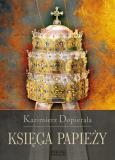
Obszerne kompendium wiedzy o wszystkich papieżach – od św. Piotra do Franciszka
Księga papieży, owoc wielu lat pracy prof. Kazimierza Dopierały, stanowi monumentalne opracowanie biogramów papieży. Przybliża czytelnikowi problemy historii papiestwa i Kościoła katolickiego, a także uświadamia rolę kulturową i cywilizacyjną, jaką on odgrywał i odgrywa we współczesnym świecie. Autor przedstawia dokonania poszczególnych papieży – nie pomijając przy tym losów antypapieży – i czynniki zewnętrzne, które na nie wpływały. W chronologicznym porządku przedstawia opisy zwierzchników Kościoła, poczynając od św. Piotra, na obecnym papieżu Franciszku kończąc. Pamięta przy tym o najnowszych osiągnięciach badawczych, ale poddaje je krytycznej analizie.
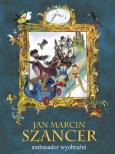
Wyjątkowy album, przebogaty ikonograficznie, dokumentujący zarówno barwną biografię Jana Marcina Szancera, jak i twórczość tego artysty poprzez bogaty wybór jego najlepszych ilustracji. Będzie więc wspaniałą zachętą do przypomnienia sobie legendarnego, olśniewającego wręcz stylu artysty, okazją do ponownych wzruszeń i oczarowań, możliwością powrotu do wspaniałego świata baśni (i nie tylko) wykreowanego mistrzowską ręką Jana Marcina.
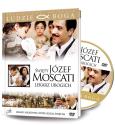
EKARZ, NAUKOWIEC, KTÓRY ZOSTAŁ ŚWIĘTYMMoscati w interpretacji Fiorellego to postać pełna ciepła i dobroci, ale jednocześnie konsekwentna w realizacji swego chrześcijańskiego posłannictwa.Dziś pojąłem, że Jezus żyje w każdym chorym. Gdybym leczył tylko ich choroby, byłbym skazany na fiasko. Myślałbym o wszystkim, czego nie umie medycyna, i czułbym bezsilność- w tych zaczerpniętych z filmu i skierowanych do s. Helgi zdaniach wyjaśnia Moscatii sens swojego zawodowego powołania, które nie ogranicza się wyłącznie do leczenia ciała. Dołączony do książki film mocno akcentuje głęboką wiarę Moscatiego. Nie słowami ale pokazując jak realizował ją w praktyce. W stosunku do chorych i do ludzi, którzy go otaczali.W 1987 roku został kanonizowany przez Jan Pawła II16 listopada 1975 roku papież Paweł VI zaliczył go w poczet błogosławionych. Papież wtedy powiedział: Mężczyzna, którego dzisiaj ogłosimy świętym Kościoła Powszechnego, przedstawia się nam jako konkretne spełnienie ideału chrześcijanina świeckiego. Giseppe Moscati lekarz,
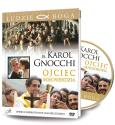
OPIEKUN OSIEROCONYCH I KALEKICH DZIECI
"Ojciec miłosierdzia" to opowieść o kapłanie, który wszystko poświęcił najbardziej pokrzywdzonym przez los: sierotom i kalekom. Film koncentruje się n najważniejszych wątkach z biografii bł.Karola Gnocchiego, przekonująco przedstawia wewnętrzną przemianę w obliczu wojennych doświadczeń katastrofalnego odwrotu wojsk włoskich z Rosji w styczniu 1494 roku. To co widział wywołało u niego silny kryzys duchowy. Zaczął nawet wątpić w dobroć Boga. Udało mu się go przezwyciężyć dzięki mocnej wierze.
Książeczka z załączonym poruszającym filmem fabularnym o kapłanie, który zasłynął niezwykłymi dziełami miłosierdzia jako „apostoł kalekich dzieci”.
Wrażliwy kapłan (niedawno beatyfikowany), głęboko przejęty cierpieniem młodych ludzi okaleczonych fizycznie i duchowo przez okrucieństwa II wojny światowej, poświęcił życie opiece nad jej najmłodszymi ofiarami.
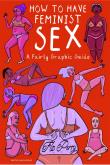
'Funny, kind, generous and smart - I could have done with the wisdom of Flo Perry far sooner' Dolly Alderton
We talk about feminism in the workplace and we talk about dating after #MeToo, but women's own patriarchal conditioning can be the hardest enemy to defeat. When it comes to our sex lives, few of us are free of niggling fears and body image insecurities. Rather than enjoying and exploring our bodies uninhibited, we worry about our bikini lines, bulging tummies and whether we're doing it 'right'.
Flo broaches everything from faking it to consent, stress to kink, and how losing your virginity isn't so different to eating your first chocolate croissant. Her mission is to get more people talking openly about what they do and don't want from every romantic encounter.
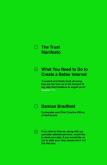
If you could reinvent the internet now, what would it look like?
'A superb and timely book showing how we can face up to the tsunami of big data that threatens to engulf us all' Stephen Fry
"Enlightening, provocative, and wonderfully thoughtful, this is an essential book for our times."
Sir Ken Robinson, Educator, New York Times Bestselling Author
From the moment Alexa wakes you up, you glance at your Apple watch, check social media, app-order your daily coffee and navigate your way to work, your data is being collected. In this new digital landscape unfurling around us, data is the new oil and you're the oil well.
We're living in an extraordinary age: the age of trust. We trust the language of algorithms and the intentions of tech giants. The Trust Manifesto is for anyone how has started to question that trust; who worry where it might end, who fear 'The Black Mirror Effect'. It is for those who wonder what an alternative internet would look like, built on trust, that works for all of us.
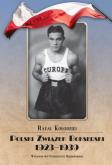
Spis treści
Wstęp
Rozdział I
Rys historyczny rozwoju sportu pięściarskiego na świecie do 1939 roku
Rozdział II
Powstanie i działalność organizacyjna Polskiego Związku Bokserskiego
Rozdział III
Działalność szkoleniowa i popularyzatorska
1. Szkolenie zawodników oraz kadry instruktorsko-trenerskiej
2. Literatura szkoleniowa oraz publikacje upowszechniające sport pięściarski
Rozdział IV
Działalność sportowa
1. Organizacja zawodów o mistrzostwo Polski
2. Udział polskiej reprezentacji pięściarskiej w meczach międzypaństwowych
3. Udział Polaków w bokserskich mistrzostwach Europy oraz igrzyskach olimpijskich okresu międzywojennego
3.1. Bokserskie mistrzostwa Europy
3.2 Igrzyska olimpijskie
Rozdział V
Pięściarska galeria sław dwudziestolecia międzywojennego
Zakończenie
Bibliografia
Spis tabel
Spis fotografii
Indeks nazwisk
Summary
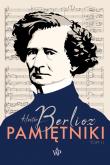
Drugi tom Pamiętników Hectora Berlioza, to prawdziwa historia pisana muzyką.
W drugim tomie zbioru Pamiętników wybitnego kompozytora francuskiego Hectora Berlioza, znajdziecie Państwo wspomnienia z podróży do Niemiec, Austrii, Czech i Węgier oraz Rosji. Ponadto, wiele listów do przyjaciół i ludzi, z którymi współpracował.
Wydanie zawiera płytę CD z utworem Harold w Italii w wykonaniu London Symphony Orchestra pod batutą sir Collina Davisa. Wewnątrz książki dostępny jest także kod QR, za pomocą którego będziecie mogli Państwo przeczytać Wieczory orkiestrowe – nowelę autorstwa samego Berlioza.
Pierwsze pełne polskie wydanie.
Książka „Rzeczy warszawskie” towarzyszy wystawie głównej "Rzeczy warszawskie".
Zawiera wstęp głównego kuratora, dr. Jarosława Trybusia, esej naukowy dr. Magdaleny Wróblewskiej o roli rzeczy w muzeach i ich mikrohistorii składających się na historię miasta, oraz teksty, w których kuratorzy wyjaśniają koncepcje poszczególnych gabinetów i opowiadają historie wybranych rzeczy.
Kostka cukru pozostała po skazańcu w celi X Pawilonu warszawskiej Cytadeli, przechowana przez rodzinę jak relikwia, potrzaskane butle z królewskiej apteki, którym ogień pożarów nadał tęczujący połysk antycznych szkieł, okazałe srebrne zastawy z zamożnych warszawskich domów, płócienny identyfikator, jaki matka wyhaftowała dziecku w czasie oblężenia Warszawy, utrwalane przez artystów widoki miasta pięknego i niepięknego, zrujnowanego i dumnie upamiętniającego swoją odbudowę – setki przedmiotów, z których każdy niesie w sobie część historii Warszawy. Wielkiej Historii, ale też niezliczonych wciąż żywych mikrohistorii: prywatnych, rodzinnych, przekazywanych we wspomnieniach i opowieściach. Dopiero razem splecione, tworzą one wielowarstwową, gęstą, zasupłaną historyczną tkankę miasta.
Rzeczy warszawskie ? niezapomniane, jak słynne zdjęcie autorstwa powstańczego fotografa, ukazujące wybuch pocisku na gmachu Prudentialu 28 sierpnia 1944 roku, i całkowicie zapomniane, jak szydełka do zaciągania kobiecych gorsetów. Nie ofiarowują nam jednej opowieści o dziejach miasta. Odwołują się do emocji, pamięci, wyobraźni, które zdolny jest pobudzić czasem pozornie błahy okruch przeszłości. W ten sposób każdy może zbudowaćwłasną historię niezwykłego miasta, jakim jest Warszawa. I poczuć się częścią tej historii.
prof. dr hab. Maria Poprzęcka – z noty okładkowej
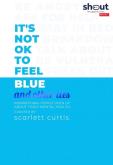
Last year, Scarlett Curtis and 52 inspirational women wrote an extraordinary anthology on what feminism means to them. The book went on to be a cultural phenomenon and turned the world Pink.
This year, it's Blue.
We are living in the middle of a mental health epidemic and we have a choice: we can either be like all generations who came before us and be floored by it - or we can start to make a difference.
Here are the extraordinary people making that difference - Other People Don't Feel Blue (and other lies) is a collection of stories and essays from those who have suffered through the worst, and know what it's like to fight to feel better.
This isn't just a book. It's a shout, a scream that cuts above the noise and lets everyone know they are not alone. Funny, sad, clever, relatable and important, this collection is part of the global movement that is working to dismantle the shame that surrounds mental illness. It will be a shining example power of words to make us all feel better.
Feminists Don't Wear Pink was a Sunday Times Bestseller, and winner of the National Book Awards Winner 2018!
"Brilliant, hysterical, truthful and real. These essays illuminate the path for our future female leaders." - Reese Witherspoon
"As a feminist who loves pink, I give this brilliant book of essays an enthusiastic "YES"" - Mindy Kaling
"A refreshing and honest celebration of all that it means to be a woman today." - Fearne Cotton
"Wonderfully candid, often funny and absolutely necessary, a triumphant rallying call to young women." - The Observer
"Pick it up and read one story from your favourite columnist or actress, but I guarantee you'll end up reading the full, illuminating collection, and you'll possibly finish it knowing more about your own personal stance than you imagined." - Glamour.co.uk
"This collection of essays curated by writer Scarlett Curtis is a call-to-arm that allows us to unpick what it means to be a feminist in a safe space." - Stylist.co.uk
"We advise placing a copy in the hands of every girl (and guy) you know." - Red Magazine
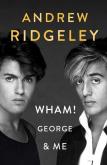
For the first time, Andrew Ridgeley - one half of one of the most famous bands in the world - tells the inside story of Wham! and his life-long friendship with George Michael.
'A joyous celebration of the WHAM! years. For anyone who was a teenager in the early 1980s, it will take you on a nostalgia trip . . . It's an honest but affectionate account of a remarkable duo' Daily Express
'I couldn't put it down. Such a fantastic book' Chris Evans, Virgin Radio
It is 1975, Watford, and two teenagers, George and Andrew, meet for the first time. Bonding over their love for singing, song writing and pop music, together they set out to follow an impossible dream.
They didn't know it then, but they were taking their first steps towards forming Wham!, a band that was to become one of the biggest in the world.
Wham! were the soundtrack of the 80s; whether it was choosing life or Live Aid, the decade of flamboyance and fun was a party that seemed like it would never end. But it had to stop somewhere - and that was in front of tens of thousands of tearful fans at Wembley Stadium in 1986.
In Wham! George and Me, Andrew Ridgeley tells the story of Wham! - from the day they met to that iconic final concert. For the first time, he reveals what it was like being at the centre of a pop hurricane and talks of his love for and friendship with George. It's a story only he can tell.
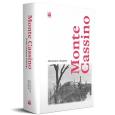
Monte Cassino to nowa edycja monografii opisującej walki 2 Korpusu Polskiego, dowodzonego przez gen. Władysława Andersa, w czwartej bitwie o Monte Cassino. Zamierzeniem Autora było ukazanie wysiłku polskich żołnierzy oraz tragizmu bitwy (m.in. poprzez wykorzystanie oryginalnych meldunków i relacji z walk). Książka oparta jest na bogatym materiale źródłowym. Wzbogacają ją liczne, często mało znane fotografie archiwalne dokumentujące walkę oraz prezentujące umundurowanie żołnierzy, a także mapy przedstawiające działania bojowe jednostek 2 Korpusu Polskiego w czasie operacji „Honker” (11–19 maja 1944 r.).
Walki w rejonie Monte Cassino toczyły się z przerwami od stycznia do maja 1944 roku. Gdy siły alianckie były na wyczerpaniu, gen. Harold Alexander postanowił wprowadzić do działań 2 Korpus Polski, który otrzymał zadanie opanowania masywu ze wzgórzem klasztornym. Zasadniczą część narracji stanowi szczegółowy opis czwartej bitwy o Monte Cassino (poprzedzony charakterystykami trzech poprzednich), przygotowań do pierwszego uderzenia w nocy z 11/12 maja 1944 r. oraz opisy obu uderzeń na niemiecki bastion, w wykonaniu głównie 3 DSK i 5 KDP. Dużym walorem pracy są fragmenty syntetyzujące, a także rozdziały poświęcone pracy sztabów oraz wspomagającym działaniom saperów, czy pełnej oddania pracy służby zdrowia 2 KP.
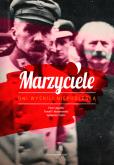
Są ludzie, którzy na przekór trudnościom spełniają wielkie marzenia O nich jest ta książka. O tych, którzy śnili o Niepodległej i o tym, jak ich sen się ziścił. O powstańcach, społecznikach, artystach, żołnierzach i politykach. O tych, którzy zamiast słomianego zapału nosili w sobie żar ogromnej miłości do kraju.
Piotr Legutko, Paweł F. Nowakowski i Sylwester Szefer, autorzy popularnego cyklu Marzyciele na TVP Historia przedstawiają, jak krok po kroku wielkie marzenie zaczęło przybierać określony kształt. Od konfederatów barskich i Kościuszki, przez Wyspiańskiego i Matejkę po Dmowskiego i Piłsudskiego. Mimo trudności, dramatycznych momentów i zaledwie iskry nadziei.
Czasem historia jest jak piękny sen.
Bohaterowie tej publikacji zostali najpierw przypomniani na ekranach telewizorów za pośrednictwem emitowanego przez kanał TVP Historia serialu "Marzyciele". Jego autorzy zdecydowali się teraz opowiedzieć więcej o ich losach i dokonaniach na kartach książki. (…) Dziś, po latach, jedynie nieliczne z tych postaci są nadal, choć nie bez trudu, rozpoznawane. O pozostałych wiedza się ulotniła, a pamięć zatarła. Zamieszczone tu opowieści będą zatem jedne z tych postaci przywracały pamięci we właściwym kształcie, a inne zostaną tu dopiero przez czytelników odkryte.
fragment wstępu prof. Tomasza Gąsowskiego
,,Kosmopolska i Kosmopolacy. W poszukiwaniu europejskiego domu to nie wtłoczona między okładki silva rerum, lecz przy całej różnorodności podejmowanych w niej tematów książka wewnętrznie spójna, zrodzona mianowicie z jednego podstawowego pragnienia (wy)tłumaczenia niemieckim czytelnikom polskich kodów kulturowych, historiozoficznych wizji i narodowych mitologii, mentalnych dyspozycji Polaków, ich idiosynkrazji, co autor czyni, dobrze wiedząc o tym, że samo geograficzne sąsiedztwo nie gwarantuje jeszcze skutecznej komunikacji.
Artur Becker znajduje „miejsce duchowej harmonii” będącej podstawą spełnienia w życiu, w mitycznej Kosmopolsce, gdzie może stać się „obywatelem świata”. To propozycja człowieka wolnego dla ludzi wolnych, otwartych, pozbawionych potrzeb odgradzania się od innych i narodowych kompleksów.
I na koniec – last but not least: to książka bardzo dzisiaj aktualna w Polsce, gdzie trwa bezpardonowa walka o naszą tożsamość: narodową, religijną, a nawet płciową. Oświeceniowa wersja polskości, bo również za taką można uznać ofertę kosmopolskości Artura Beckera, polskości otwartej, przyjaznej ludziom innych nacji i religii, mądrej dorobkiem myśli europejskiej jest projektem – i naszą szansą na XXI wiek''.
Prof. Marek Zybura – fragment Wstępu
Artur Becker urodził się w 1968 r. w Bartoszycach. W 1985 r. wyjechał na stałe do Niemiec. Pisze w języku niemieckim powieści, opowiadania, wiersze i eseje, regularnie publikuje we „Frankfurter Rundschau”, także tłumaczy. Większość jego powieści związana jest tematycznie z Warmią i Mazurami. W Niemczech opublikował do tej pory kilkanaście powieści, nowele oraz tomiki wierszy. Ostatnio ukazały się: Kosmopolen. Auf der Suche nach einem europäischen Zuhause, Essays (weissbooks.w, Frankfurt am Main 2016), Der unsterbliche Mr. Lindley, Hotelroman (weissbooks.w, Frankfurt am Main 2018), Drang nach Osten, Roman (weissbooks.w, Frankfurt am Main 2019). W Polsce ukazały się dotychczas dwie z jego powieści: Kino Muza (Borussia, Olsztyn 2009) oraz Nóż w wódzie. Pieśń o topielcach (Borussia, Olsztyn 2013). Artur Becker jest członkiem niemieckiego PEN Clubu, wielokrotnie nagradzanym za swoją twórczość, m.in. prestiżową nagrodą im. Adelberta von Chamisso oraz nagrodą DIALOG.
arturbecker.de
Zdanie „Gdyby nie było Artura Beckera, należałoby go wymyślić” jest mało oryginalne, ale mimo to wydaje mi się odpowiednie, aby docenić publicystyczną i eseistyczną twórczość Artura Beckera.
Artur Becker znany był nam dotychczas jako autor opowiadań i powieści. Jednakże ten niezwyczajny wędrowiec – pomiędzy swoją niegdysiejszą ojczyzną Polską a nową – Niemcami, obdarowuje nas od lat nie tylko swoimi wierszami i prozą, ale także tuzinami recenzji oraz esejów, w których stara się przekazać swoim czytelnikom polskie dziedzictwo. Nie, nie przekazać. Artur Becker jest misjonarzem przekonanym i niemalże opętanym zadaniem uświadomienia swoim niemieckim czytelnikom, iż ich wizja świata pozostanie niepełna, jeśli nie przyjmą do wiadomości doświadczeń swoich polskich sąsiadów i nie włączą ich do swojej wizji świata. Realizując tę misję, udaje się on na zaminowany teren polsko-niemieckiej pamięci odnoszącej się do historii. Suwerennie i odważnie pokazuje zarówno Niemcom, jak i Polakom wyjście z domniemanej wrogości przekazywanej z pokolenia na pokolenie i odwołuje się do tego, co wspólne, do tego, co łączy ponad narodowym zaślepieniem pamięci.
Manfred Mack.
Niemiecki Instytut Spraw Polskich, Darmstadt
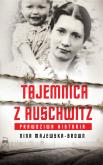
Za każdym numerem wytatuowanym na przedramieniu, kryje się tajemnica.
Ta wyszła na jaw dopiero 75 lat po Auschwitz.
Czy można być bohaterem i tchórzem zarazem?
Fatalnym mężem i jeszcze gorszym ojcem a jednak zasłużonym patriotą?
Jaka jest najwyższa cena, którą można zapłacić za Polskę?
Stefania Stawowy doświadczyła piekła na własnej skórze. Będąc żoną słynnego partyzanta AK, trafiła za niego do Auschwitz. Zakładniczka i ofiara „męskiej” wojny, sama znalazła się na froncie. Jej wojna to obozowe baraki, place apelowe i kilometry drutów pod napięciem. Głód, selekcja i ciągłe zagrożenie śmiercią. Paniczny strach o dzieci, wyrzuty sumienia i ból.
A jednak przetrwała. Przeszła przez piekło Auschwitz, Ravensbrück, Flossenbürg. Przeżyła „marsz śmierci” do Zwodau. Duża w tym zasługa Jürgena – strażnika-esesmana, który jak ona zostawił w domu dwie małe córeczki. To, co ich połączyło, to jeszcze przyjaźń czy już miłość.
Tego nie napisał żaden scenarzysta, tę historię napisało życie.
Pragnę by świat zrozumiał, że prawdziwymi bohaterami nie zawsze są ci, stawiani na cokołach. My kobiety, zazwyczaj ciche i skromne, wspierające mężczyzn na frontach ich życiowej walki, aktorki drugiego planu, wielokrotnie płaciłyśmy najwyższą cenę za sławę naszych ojców, mężów i synów.
Ewa
Ten produkt jest zapowiedzią. Realizacja Twojego zamówienia ulegnie przez to wydłużeniu do czasu premiery tej pozycji. Czy chcesz dodać ten produkt do koszyka?