W tej strefie zapraszamy czytelników tak zwane artystyczne dusze po książki z kategorii Sztuka. Polecamy szereg publikacji o sztuce i jej historii,ciekawostki i portfolia artystów, eseje, albumy, książki o malarstwie, rzeźbiarstwie, architekturze oraz histoii fotografii. Biografie ciekawych artystów, książki i powieści przedstawiające fascynujące losy malarzy i osób uwiecznianych na obrazach. W tym dziale tylko ksiązki ze sztuka w tle.
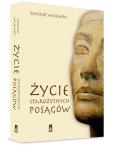
W Życiu starożytnych posągów po raz pierwszy przedstawiono i wyjaśniono pewien fenomen kultur starożytnych - przypisywania posągom przejawów życia podobnych do ludzkich. Posągi były czczone: okadzane, namaszczane, poddawane ablucjom i przyozdabiane biżuterią. Niektóre miały poruszać się, łzawić, a nawet pocić. Wydawały dźwięki, mówiły, słyszały i widziały, czuły dotyk i leczyły. Brały udział zarówno w życiu codziennym, jak i w wydarzeniach nadzwyczajnych, w wojnach, w wyroczniach. Często masowo były niszczone i usuwane przez obcych najeźdźców.
Autor – wybitny znawca historii sztuki - udowadnia, że w żadnej innej epoce rola posągów nie była tak ważna dla ludzi, jak w epoce starożytnej. I nigdy później ich liczba nie była tak znaczna, by można było mówić o tłumach posągów, nie tyle towarzyszących życiu ludzi jako dekoracyjny entourage, ale w nim uczestniczących, niemal na równych zasadach. Już nigdy później dzieła sztuki nie zrobiły takiej kariery.
Książka umożliwia czytelnikowi ujrzenie doświadczenia sztuki współczesnej w horyzontach hermeneutycznego rozumienia. Sztuka współczesna, wykraczająca poza enklawy estetyczności, zostaje w niej ukazana jako doświadczenie hermeneutyczne, którego krytyczne ostrze jest skierowane w kierunku metafizycznych założeń leżących u podstaw zachodniego myślenia. Celem pierwszej części jest ogólna charakterystyka hermeneutyki i współczesnych praktyk artystycznych, a także wydobycie ich wspólnych założeń, opozycyjnych wobec estetyki nowożytnej (zwłaszcza Immanuela Kanta). Kolejne trzy części książki zostają poświęcone rekonstrukcji i porównaniu filozofii sztuki Martina Heideggera, Hansa-Georga Gadamera i Paula Ricoeura. Ich celem jest wskazanie na relacje pomiędzy rozwijanymi w ramach hermeneutyki filozoficznej ontologiami sensu a znaczeniem sztuki w procesie ludzkiego (samo)rozumienia. Ostatnia część stanowi konfrontację filozofii sztuki Heideggera, Gadamera i Ricoeura z wybranymi współczesnymi praktykami artystycznymi. Jest próbą pokazania hermeneutyki w działaniu. Jej celem jest interpretacja wybranych współczesnych realizacji artystycznych z hermeneutycznej perspektywy, a także wskazanie potencjału i ograniczeń hermeneutyki w analizie sztuki współczesnej.
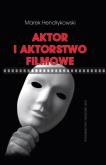
Aktor – to brzmi dumnie. Oni wiedzą i czują, że akceptuję ich takimi, jacy są. Aktorstwo to trudny zawód, niebezpieczny i zwodniczy, niesamowity i wspaniały, gdy komuś idzie, kiedy sprzyja los i ma się swoich „pięć minut”, a czasami kwadrans, albo i magiczną godzinę. Ale także gorzki jak piołun, gdy nie ma propozycji, nikt nie dzwoni, telefon milczy i latami się nie układa. I wreszcie okrutny, kiedy po latach pracy zostają tylko wspomnienia. Z niektórymi aktorami łączy mnie nić porozumienia i długoletnia przyjaźń. Z niej bierze swój początek ta książka, będąca zbiorem przygodnych refleksji nad aktorstwem i aktorem w filmie.
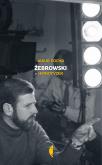
W młodości podróżował po Polsce z Markiem Hłaską, pisał wiersze i bił się na pięści. Potem studiował w łódzkiej szkole filmowej i siedział w więzieniu. Po wyjściu na wolność współtworzył Studio Filmowe „Tor”, gdzie współpracował z Krzysztofem Zanussim, Krzysztofem Kieślowskim, Stanisławem Różewiczem i wieloma innymi. Równocześnie realizował własne filmy i przez wiele lat zmagał się z bolesną chorobą. Gdy ta przeszkodziła mu w dalszej karierze, poświęcił się nauczaniu – wychował kilka pokoleń filmowców. W swoim „Alfabecie filmowym” Kazimierz Kutz napisał o nim: „Edward Żebrowski jest – jak Duch Święty – za potylicą niejednego, gdzie amortyzuje głupotę. Słowem, prawdziwy rebe”. Nazywano go także profesorem. I hipnotyzerem. Edward Żebrowski – wielki samotnik polskiego kina – już za życia stał się legendą, choć nigdy o to nie zabiegał.
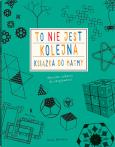
To nie jest zwyczajna książka do matmy!Autorka przebojowego niepodręcznika To nie jest książka do matmy znów zaprasza do zabawy matematyką i sztuką. Oto nowa porcja inspirujących zadań, pomysłów i instrukcji, dzięki którym nauczysz się tworzyć niesamowite mozaiki, rysunki i trójwymiarowe modele.Są tu znikające kwadraty i fraktalne drzewa, smocze krzywe i puzzle z kostek domina, bilardowe wzory i figury tworzone jednym cięciem nożyczek. A wszystko to pomoże ci odkryć, że matematyka i sztuka mają więcej wspólnego, niż myślisz.Sztuka i matematyka to dwa zupełnie różne światy? Tak ci się tylko wydaje!Wystarczy odrobina wyobraźni, by figury i liczby zmieniły się w ozdobne wzory, niesamowite rysunki i trójwymiarowe modele. Licz, rysuj, wycinaj i składaj. Twórz matemagiczne układanki i zwariowane zakrętasy. Buduj gąbczaste fraktale i zaplataj gwiaździste węzły.Nieważne, czy wolisz liczyć, czy rysować czeka cię świetna zabawa!I pamiętaj: to NIE jest kolejna książka do matmy!A może jest?
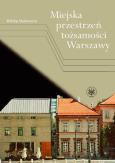
Publikacja przygotowana na Wydziale Geografii i Studiów Regionalnych Uniwersytetu Warszawskiego poświęcona problematyce miejskiej przestrzeni tożsamości na przykładzie Warszawy. Praca zawiera najpełniejsze w literaturze geograficznej rozważania o tożsamości przestrzeni i miejsca, osadzone głęboko w kontekście filozoficznym, prowadzone szeroko w kategoriach ontologicznych, epistemologicznych, a nawet metafizycznych. Dzięki tak wszechstronnemu ujęciu wykraczają one poza geografię i otwierają nowe obszary dyskusji prowadzonej w geografii człowieka na temat tożsamości przestrzeni, tożsamości regionalnej lub lokalnej oraz tożsamości miejsca.
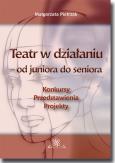
Publikacja Teatr w działaniu – od juniora do seniora, pomyślana jako poradnik metodyczny, przeznaczona jest dla polonistów, animatorów kultury, pedagogów teatru, nauczycieli, bibliotekarzy, opiekunów społecznych, harcerzy, katechetów oraz wszystkich, którzy chcą doświadczyć powstawania wspólnoty teatralnej oraz przeżyć przygodę z żywym słowem i sztuką teatru.
Autorka przybliża rolę żywego słowa, konkursów recytatorskich, festiwali jako ciągle atrakcyjnych i potrzebnych form pracy nie tylko z dziećmi i młodzieżą w każdym środowisku. Teatr jest doskonałym narzędziem do kreowania postawy otwartości i tolerancji a jako medium wyzwala wspomnienia, refleksje związane ze scenicznym debiutem, doświadczeniem teatralnym, przywołuje postaci pierwszych nauczycieli żywego słowa, określa wzorce dla kultury teatralnej, pozwala ocalić od zapomnienia teatralne sukcesy, przygody i przeżyte chwile.
Ważną częścią publikacji jest antologia wybranych klasycznych tekstów literackich wraz z ułożonymi do nich oryginalnymi ćwiczeniami autorskimi, uwagami wykonawczymi i scenicznymi.
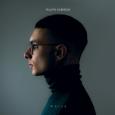
Debiutancki album Ralpha Kaminskiego ukazał się 14 listopada 2016 roku. Od dnia wydania zyskał szerokie grono wiernych fanów oraz pochlebne recenzje dziennikarzy i krytyków muzycznych. Rozbudowane, przemyślane aranżacje ukażą się na nowym nośniku - płycie winylowej - już pod koniec 2017 roku, w rocznicę wydania debiutanckiego m o r z a na CD. Wydawnictwo winylowe wzbogacone jest o kolekcjonerskie przedmioty związane z twórczością artysty, takie jak podpisane zdjęcia z pierwszej sesji zdjęciowej czy rękopisy. Album m o r z e to zapis ważnych momentów, jak i emocji, które im towarzyszyły. Ralph Kaminski w swoim debiutanckim wydawnictwie skupił się na budowaniu spójnej i przemyślanej narracji, dzięki której możemy bliżej poznać artystę. Instrumenty klasyczne, skrzypce, wiolonczela i pianino zostały połączone z gitarą akustyczną, basem, perkusją a nawet moogiem. Bezbłędny wokal, obecne w większości utworów chórki, przemyślana i dopracowana w każdym calu warstwa liryczna, to tylko niektóre z elementów sprawiających, że debiutanckie wydawnictwo artysty było nazwane jednym z najważniejszych debiutów 2016 roku. Na płycie znajduje się 12 utworów, od których nie sposób się oderwać. Po sukcesie albumu m o r z e na CD, przyszedł czas na długo wyczekiwaną płytę winylową.
tracklista:
1. Apple Air
2. Morze
3. Lato bez ciebie
4. Zawsze
5. Podobno
6. Jan
7. Mój hymn o Warszawie
8. Los
9. Grudniowa piosenka
10. I znów
11. Kocham
12. Meybick song
13. Outro
NAGRODA FOLKOWY FONOGRAM ROKU 2014
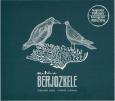
Berjozkele to projekt prezentujący kompozycje w języku jidysz: przedwojenne kołysanki i pieśni „wieczorne", nastrojem i tematyką związane z nocą, ciszą, snem. Wiele z nich było popularnych w Polsce i na Kresach Wschodnich na początku XX wieku i w okresie międzywojennym, należały do repertuaru znanych artystów tamtego okresu; inne z kolei to utwory u nas nieznane lub zapomniane. Bardzo ważną płaszczyzną tych kompozycji są teksty, czasem anonimowe, tradycyjne, często autorstwa poetów jidysz. Są świadectwem talentu przedwojennych twórców i bogactwa kultury jidysz. Wokalistka, pod okiem jidyszystki Anny Rozenfeld, dokonała starań by zabrzmiały one jak najpełniej, z ogromną dbałością o brzmienie języka i interpretację. Ola Bilińska - wokalistka, autorka tekstów i muzyki, multi-instrumentalistka, na codzień liderka mistyczno-folkowego Babadag; wspiera wokalnie Muzykę Końca Lata, współpracuje m.in. z Raphaelem Rogińskim, SzaZaZe, Andrzejem Smolikiem, Danielem Pigonskim. Na swojej ścieżce muzycznej śpiewała już gatunki tak różne jak alternatywny pop, house, techno, jazz, bluegrass, opera i miejski folk; z wykształcenia anglistka i tłumacz poezji.
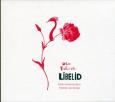
„Libelid” to osiem przedwojennych kompozycji o różnych odcieniach i obliczach miłości. W tych poetyckich utworach wyraźne są wątki z obyczajowości żydowskiej, która silnie wpływała na życie uczuciowe i rodzinne członków społeczności. W tekstach zawartych na płycie przewija się wszystko, co odwieczne w miłości dwojga młodych, co jest niezmienne bez względu na kraj i kulturę. Przywrócone pamięci pieśni miłosne pochodzące ze starych zbiorów żydowskich pieśni zabrzmią ponownie w niezwykłej interpretacji i aranżacji Oli Bilińskiej.
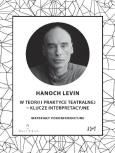
15 grudnia 2016 w Instytucie Teatralnym im. Zbigniewa Raszewskiego odbyła się organizowana przez Agencję Dramatu i Teatru ADiT konferencja „Hanoch Levin w teorii i praktyce teatralnej – klucze interpretacyjne”.
Od czasu premiery wybitnego spektaklu „Krum” w reżyserii Krzysztofa Warlikowskiego w 2005 roku do dzisiaj powstało w Polsce kilkadziesiąt realizacji kilkunastu sztuk izraelskiego autora, który zmarł 17 lat temu.
Ten niezwykły fenomen „życia po życiu” wart jest refleksji badawczej i rozmowy z artystami teatru. Levinowi dedykowane były tegoroczne41. Krakowskie Reminiscencje Teatralne, które odbywały się pod hasłem „Kraina szczęścia”, a towarzyszyła im wystawa plakatów „Levinowskie klimaty”.
Udział w konferencji zapowiedzieli m.in.: Justyna Biernat, dr Barbara Świąder-Puchowska, Anna Schiller, prof. Anna Kuligowska-Korzeniewska, tłumacze i reżyserzy, którzy niejednokrotnie wracali do Levina.
Prowadzące debatę i moderatorki dyskusji: Barbara Świąder-Puchowska i Elżbieta Manthey.
Niniejsza publikacja to zbiór materiałów po tejże konferencji.
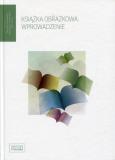
Książka obrazkowa. Wprowadzenie to monograficzny zbiór tekstów, które mają za zadanie wstępne uporządkowanie terminologii służącej do zdefiniowania pojęcia książki obrazkowej i rozpoznania różnych jej odmian, przedstawienie teoretycznych podstaw, na których opierają się poświęcone jej rozważania, oraz wskazanie obszarów badawczych, problemów, zjawisk i tendencji, na jakie powinien zwrócić szczególną uwagę każdy zainteresowany tą formą twórczości. Książka obrazkowa bowiem, choć zazwyczaj przeznaczona dla dzieci, jest pełnowartościowym gatunkiem artystycznym, który przyciąga uwagę zarówno pedagogów, jak i badaczy literatury oraz sztuk plastycznych. Zaprezentowane w tym tomie rozprawy zostały pomyślane jako rodzaj wprowadzenia do kolejnych tomów, w których przedstawimy opis najważniejszych książek obrazkowych (w dorobku światowym i polskim) w układzie chronologicznym, co zapewni możliwość prześledzenia, jak na przestrzeni lat zmieniały się koncepcje dotyczące wyglądu i zawartości tego typu publikacji, kiedy objawiały się talenty kolejnych twórców i jak ich osiągnięcia wpływały na tych, którzy przyszli po nich.
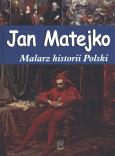
Jan Matejko to jeden z najsłynniejszych polskich malarzy, twórca znanych wszystkim obrazów historycznych, takich jak Bitwa pod Grunwaldem i Konstytucja 3 maja 1791 roku. Książka przedstawia historię życia wybitnego malarza, a także prezentuje jego najważniejsze dzieła. To malarstwo, które każdy powinien znać.
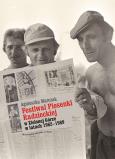
„Praca pani Agnieszki Marczak daje wszechstronny obraz Festiwalu Piosenki Radzieckiej w Zielonej Górze. Pokazuje genezę i rozwój przedsięwzięcia, śledzi perypetie związane z organizacją kolejnych edycji imprezy, wskazuje na wątpliwości towarzyszące organizatorom, obserwatorom i uczestnikom. Zwraca uwagę na gwiazdy polskiej muzyki rozrywkowej, które zaczynały swoją karierę na festiwalu, i na te, które zaszczycały koncerty swoją obecnością. Porusza kwestie amatorstwa/zawodowstwa uczestników oraz rzetelności jury.
Praca oparta jest na bogatej i różnorodnej bazie źródłowej, obejmującej zbiory archiwalne z Zielonej Góry, Wrocławia i Warszawy, prasę centralną i lokalną, a także wywiady. Mimo znacznego rozproszenia i niekompletności wielu materiałów oraz skąpej literatury przedmiotu Autorce udało się stworzyć spójną narrację, a książka wprowadza zielonogórski festiwal do nurtu rozważań naukowych nad PRL-owską rozrywką”.
Z recenzji dr hab. Joanny Wojdon, prof. UWr
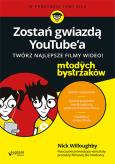
Zostań reżyserem.
Spełnij wszystkie swoje kaprysy podczas montażu filmu.
Opublikuj swoje dzieło.
Sztuka filmowania dla młodzieży!
Czy chcesz zostać gwiazdą serwisu YouTube? Dzięki lekturze tej książki dowiesz się, jak realizować materiały wideo i udostępniać je w internecie. Filmuj swoim telefonem lub kamerą, montuj nagrane fragmenty, dodawaj efekty i zdobądź wielu fanów!
W książce:
Jak kadrować i oświetlać sceny.
Jak nagrywać dźwięk najwyższej jakości.
Praca z programem do montażu wideo.
Jak utworzyć kanał w serwisie YouTube i pokazać swój film szerokiemu gronu odbiorców.
Nick Willoughby prowadzi programy Filmmaking for Kids i Film Future, które przedstawiają różne aspekty pracy nad filmem i są skierowane do dzieci i młodzieży w wieku od 7 do 16 lat. Jest również autorem książki Digital Filmmaking for Kids.
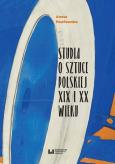
Publikacja dotyczy różnorodnych zjawisk występujących w sztuce polskiej XIX i XX w. Autorka omawia dramatyczne przejście od estetyki realizmu poprzez modernizm, okres wolnej Polski, dwudziestolecia międzywojennego, trudne lata II wojny światowej i PRL aż po dzień dzisiejszy. Zwraca uwagę na napięcie, jakie wytwarza się w odbiorze dzieł sztuki uwikłanych w relacje pomiędzy silnym, patriotycznym etosem walki narodowowyzwoleńczej i apologią narodu polskiego a sentiment del’art.
Książka adresowana jest do osób zainteresowanych historią sztuki polskiej ostatnich dwóch wieków. Dla muzealników oraz osób zajmujących się obrotem dziełami sztuki może stanowić pomoc w zakresie ustalania proweniencji wytworów mniej znanych artystów (takich jak Henryk Weyssenhoff, Henryk Piątkowski, Henryk Kuna, Edward Wittig, Łukaszowcy, Rytmiści).
„Książka jest zbiorem siedmiu esejów na temat sztuki polskiej od schyłku XIX do XX w. Dobór tematów jest bardzo ciekawy i z całą pewnością nieprzypadkowy, pozwalający czytelnikowi na właściwą ocenę i analizę najważniejszych zjawisk w sztuce polskiej od końca XIX aż do pierwszych lat XXI w. Wszystkie eseje cechuje bardzo staranna konstrukcja myślowa, wysoki poziom merytoryczny, a zarazem dbałość o wymagającego czytelnika.
Aneta Pawłowska to bez wątpienia doświadczony historyk sztuki, czołowa reprezentantka średniego pokolenia polskich badaczy, związana z coraz ciekawszym i prężniej działającym środowiskiem łódzkim, autorka wielu bardzo interesujących tekstów, z lektury których można wywnioskować, że jest typem badacza kompletnego, lubiącego chodzić własnymi drogami, a zarazem pisać szczerze i otwarcie o tematach dotąd pomijanych lub ocenianych i analizowanych z jednej tylko perspektywy.
Jestem głęboko przekonany, że książka nie tylko stanie się jedną z najchętniej czytanych pozycji przez liczne grono znawców i miłośników sztuki polskiej XIX i XX w., lecz także pozwoli innym badaczom na szersze spojrzenie na wybrane zjawiska mające miejsce w dziejach naszego malarstwa i rzeźby ostatnich 150 lat”.
Prof. dr hab. Lechosław Lameński
Katolicki Uniwersytet Lubelski Jana Pawła II
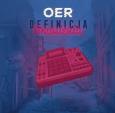
"Definicja Brzmienia" to drugi oficjalny, solowy tak zwany "producencki album" Rafała Skiby aka OERa, etatowego producenta formacji B.O.K. Album ten jest swojego rodzaju posumowaniem prawie dziesięciu lat pracy twórczej Rafała. Najlepszą recenzją i wprowadzeniem w płytę niech będą biografia autora oraz zaproszeni goście.
OER (Rafał Skiba) wielopłaszczyznowy producent muzyczny. Ukończył studia inżynierskie na Uniwersytecie Wolverhampton (UK) na kierunku "Inżynieria Dźwięku". Jest inicjatorem, współzałożycielem i producentem muzycznym Bydgoskiej formacji “B.O.K”, z którą czynnie działa, wydaje płyty oraz koncertuje w całej Polsce a także za granicą. Laureat Złotej Płyty za udział w produkcji albumu Bisz "Wilk Chodnikowy".
Na co dzień, zawodowo prowadzi studio muzyczne "21 Music Studio" przy Akademickiej Przestrzeni Kulturalnej w Bydgoszczy, w którym świadczy usługi w zakresie realizacji nagrań, miksowania oraz masteringu utworów muzycznych.
Jako beat-maker oraz MC brał udział w wielu projektach i współpracował z wieloma artystami z kraju i zagranicy, między innymi: Grubson, Łona, Bisz, O.S.T.R, Tetris, Eldo, Pelson, Pyskaty, Hades, W.E.N.A., 2cztery7, Afu-Ra, Reks, Fya Bryte, Lion D i wielu innych.
Zrealizował autorski, instrumentalny projekt muzyczny "Dźwięki B.D.G". Płyta ta muzycznie opisuje wybrane miejsca w Bydgoszczy. Materiał został zrealizowany dzięki finansowemu wsparciu miasta Bydgoszczy. Jest współproducentem oraz realizatorem dźwięku oficjalnego jubileuszowego hymnu, kultowego festiwalu "Hip Hop Kemp" (2011).
Jest wykładowcą w ramach eksperymentalnego przedmiotu studiów dziennych, policealnych i zaocznych "Wstęp do obróbki dźwięku", stworzonego dla studentów Wyższej Szkoły Gospodarki w Bydgoszczy. Ponad to prowadzi warsztaty dla dzieci i młodzieży, między innymi: Monar Babigoszcz, Obóz Taneczny "Catch the flava", Świetlica "Wodny Kraj", Projekt "Pociąg do marzeń", coroczne warsztaty z produkcji dźwięku w ramach "BFN" (Bydgoski Festiwal Nauki).
Lista utworów:
1. Brdagga
Muzyka: Rafał Skiba
2. Bisz - Bagno
Muzyka: Rafał Skiba slowa: Jarosław Jaruszewski
3. Flojd x Dj Paulo - Sny z podziemia
Muzyka: Rafał Skiba słowa: Wojciech Piwowarczyk
4. Kuba Knap x Głośny - Pot spod spodu
Muzyka: Rafał Skiba słowa: Jakub Knap
5. Bokun - ZOO
Muzyka: Rafał Skiba słowa: Paweł Bokun
6. Wyga - Bipolar
Muzyka: Rafał Skiba słowa: Jan Gajdowicz
7. Green x Dj Cider - Bromden
Muzyka: Rafał Skiba słowa: Adam Ciesielski
Wydana 7 marca 2017 roku płyta „7” zespołu Voo Voo doczekała się edycji winylowej. Na dwóch czarnych płytach usłyszymy 7 kompozycji autorstwa Wojciecha Waglewskiego. Zespół Voo Voo współtworzą Michał Bryndal, basista Karim Martusewicz oraz saksofonista i wokalista Mateusz Pospieszalski. Płyta powstawała w grudniu 2016 i styczniu 2017 roku w Studiu S-4, a także w trójkowym Studiu im. Agnieszki Osieckiej. Za realizację dźwięku odpowiadał Jacek Gładkowski. Piotr „ Emade" Waglewski materiał zmiksował i współpracował przy jego produkcji.
Płyta ‘7’ spotkała się z uznaniem zarówno krytyków jak i publiczności, a piękne dwupłytowe wydanie winylowe z pewnością ucieszy fanów zespołu oraz koneserów czarnych płyt.
Do płyty dołączony jest kod do pobrania utworów w formacie FLAC.
Tracklista:
LP1, strona A
1. Środa
2. Czwartek
LP1, strona B
1. Piątek
2. Sobota
LP2, Strona A
1. Niedziela
2. Poniedziałek
3. Wtorek
"Zmarnowałem dzieciństwo i młodość. Nie słuchałem Stonesów ani Depeche Mode. Moimi rockmanami byli graficy. Do domu architekta, Piotra Wichy, nie mają wstępu kapcie, pufy ani meblościanki. Po podłodze stukają drewniaki, zdobyte cudem odrzuty z eksportu. Plakaty Świerzego, klocki Lego, deska kreślarska ojca i rubryka „Wybraliśmy dla Ciebie” w piśmie „Ty i Ja” to pilnie strzeżone przyczółki w wojnie z peerelowską brzydotą. Potem syn architekta zostaje projektantem. W kraju zmienia się system. Wróg jednak pozostaje ten sam, jest tylko bardziej krzykliwy. „Nasze logoski są za małe!” - denerwują się klienci. W mediach emocje wypierają fakty, a rozmowy o kolorach wciąż przyprawiają grafików o zawał serca... „Zakochaj się w designie” – zachęcają ekrany w warszawskich tramwajach. Starannie zaprojektowane wnętrza dyscyplinują gości skuteczniej niż ochrona przy wejściu. Ktoś kiedyś mówił, że design miał zmieniać świat na lepsze?
Te krótkie, finezyjne teksty są jak obrazki z kalejdoskopu – przegląda się w nich estetyczne oblicze Polski ostatnich czterdziestu lat. Łączą je poczucie humoru, erudycja i literacki talent autora. Marcin Wicha pokazuje, że design nie jest tak niewinny, jak by się mogło zdawać. Ale że choć w projektowaniu zdarzają się groteskowe sytuacje, nie przestaje ono być fantastycznym zajęciem."
"Krzysztof Lenk jest wybitnym polskim grafikiem i wykładowcą specjalizującym się w projektowaniu informacji. Studiował na ASP w Krakowie i Warszawie, pracował w Polsce, Francji i Stanach Zjednoczonych, gdzie do niedawna nauczał w Rhode Island School of Design. W fascynującej rozmowie z Ewą Satalecką, doświadczoną wykładowczynią i kuratorką, opowiada o dzieciństwie w wojennej Polsce, swoich pasjach – teatrze i literaturze, a także o wieloletniej pracy projektanta i wykładowcy. Z książki wyłania się postać człowieka wielu talentów – erudyty, znakomitego gawędziarza, pedagoga z powołania, a przede wszystkim twórcy, dla którego projektowanie jest sposobem patrzenia na świat i rozumienia procesów, jakie w nim zachodzą. Refleksja na temat funkcji i znaczenia designu poparta jest licznymi przykładami i anegdotami – z rozmów dowiemy się m. in., jak Krzysztof Lenk wyrabiał świadomość polityczną u swoich amerykańskich studentów i dlaczego Szekspir przydaje się czasem w nauce projektowania.
Książka zawiera dziesiątki kolorowych ilustracji – archiwalnych zdjęć, diagramów i projektów Krzysztofa Lenka.
"
Ten produkt jest zapowiedzią. Realizacja Twojego zamówienia ulegnie przez to wydłużeniu do czasu premiery tej pozycji. Czy chcesz dodać ten produkt do koszyka?