Polecamy całą serię najlepszych książek psychologicznych. Znajdziecie tu najciekawsze i najbardziej popularne poradniki i podręczniki. Setki tytułów, do których chętnie się wraca. Polecamy szczególnie książkę psychiatry Viktora Frankla, która opisuje jego traumatyczne przeżycia z obozów koncentracyjnych podczas II wojny światowej oraz podstawy jego metody leczenia zaburzeń psychicznych. To jedna z najbardziej wpływowych książek w literaturze psychiatrycznej. Ponadto proponujemy również słynną książkę autorstwa Cialdini Robert B.To znakomita książka z dziedziny psychologii społecznej, prezentująca techniki wywierania wpływ na ludzi.
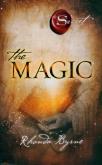
From the best-selling author of The Secret, comes The Magic.
One word changes everything...No matter who you are or where you are, no matter what your current circumstances, The Magic is going to change your entire life!
For more than twenty centuries, words within a sacred text have mystified, confused, and been misunderstood by almost all who read them. Only a very few people through history have realized that the words are a riddle, and that once you solve the riddle—once you uncover the mystery—a new world will appear before your eyes.
In The Magic, Rhonda Byrne reveals this life-changing knowledge to the world. Then, on an incredible 28-day journey, she teaches you how to apply this knowledge in your everyday life.
Step by step, day-by-day, secret teachings, revelations, and scientific law are brought together to form 28 simple practices, that open the reader's eyes to a new world, and leads them to their dream life.
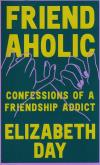
As a society, there is a tendency to elevate romantic love. But what about friendships? Aren't they just as – if not more – important? So why is it hard to find the right words to express what these uniquely complex bonds mean to us? In Friendaholic: Confessions of a Friendship Addict, Elizabeth Day embarks on a journey to answer these questions.
Growing up, Elizabeth wanted to make everyone like her. Lacking friends at school, she grew up to believe that quantity equalled quality. Having lots of friends meant you were loved, popular and safe. She was determined to become a Good Friend. And, in many ways, she did. But in adulthood she slowly realised that it was often to the detriment of her own boundaries and mental health.
Then, when a global pandemic hit in 2020, she was one of many who were forced to reassess what friendship really meant to them – with the crisis came a dawning realisation: her truest friends were not always the ones she had been spending most time with. Why was this? Could she rebalance it? Was there such thing as…too many friends? And was she really the friend she thought she was?
Friendaholic unpacks the significance and evolution of friendship. From exploring her own personal friendships and the distinct importance of each of them in her life, to the unique and powerful insights of others across the globe, Elizabeth asks why there isn’t yet a language that can express its crucial influence on our world.
From ghosting and frenemies to social media and seismic life events, Elizabeth leaves no stone unturned. Friendaholic is the book you buy for the people you love but it's also the book you read to become a better friend to yourself.
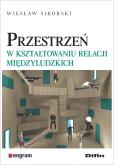
W książce omówiono zagadnienia dotyczące bardziej świadomego korzystania z otaczającej nas przestrzeni do kształtowania naszego życia i codziennych relacji z innymi ludźmi. Przestrzeń wpływa bowiem na nasze emocje, tożsamość, postawy i zachowania, a w konsekwencji na sposoby porozumiewania się. Otoczenie fizyczne, w którym przebywamy, nie zawsze nam sprzyja, jednak po lekturze prezentowanej książki możemy mieć większy wpływ na to, żeby środowisko, w którym żyjemy, było nam bardziej przyjazne. Przestrzeń jest bowiem jak ukryty program sterujący naszym postępowaniem. Jest to program, który niejednokrotnie tworzymy sami, decydując się mieszkać i pracować w konkretnym miejscu, obcować z danymi ludźmi czy aranżować w określony sposób wnętrza naszych domów. Spis treści: Wprowadzenie Rozdział 1. Przestrzeń w codziennym życiu i porozumiewaniu się 1.1. Postrzeganie i organizowanie przestrzeni 1.2. Percepcja czasu 1.3. Imponderabilia środowiskowe Rozdział 2. Przestrzeń miasta i jej modernizacja 2.1. Wysokie budynki 2.2. Skutki zatłoczenia 2.3. Uszlachetnianie i "recykling urbanistyczny" Rozdział 3. Zagospodarowywanie i wykorzystywanie przestrzeni 3.1. Znaczenia ukryte w przestrzeni 3.2. Trzy rodzaje przestrzeni 3.3. Funkcjonalność różnych przestrzeni 3.4. Wybór miejsca i aranżacja przestrzeni 3.5. Psychologia architektury Rozdział 4. Znaczenie komunikacyjne obiektów ruchomych 4.1. Wzbogacone środowisko fizyczne 4.2. Bariery i ułatwienia przestrzenne 4.3. Układ i projekt wnętrza 4.4. Elementy przestrzeni służące wzajemnym kontaktom i wygodzie Rozdział 5. Spotkania przy różnych stołach 5.1. Stół okrągły 5.2. Stół kwadratowy i prostokątny 5.3. Usadowienie przy stołach w miejscach publicznych 5.4. Stoły konferencyjne Rozdział 6. Dystans konwersacyjny - najlepsza odległość w czasie rozmowy 6.1. Przestrzeń interpersonalna 6.2. Pomiar dystansu konwersacyjnego 6.3. Czynniki demograficzne i cechy indywidualne warunkujące zachowania przestrzenne Rozdział 7. Różnice międzykulturowe w zachowaniach przestrzennych 7.1. Kultury kontaktowe i niekontaktowe 7.2. Zwyczaje przestrzenne Amerykanów i Europejczyków 7.3. Korzystanie z przestrzeni przez Azjatów 7.4. Czas w różnych kulturach Zakończenie Bibliografia
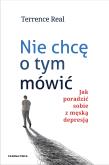
Męska depresja to wciąż mało poznane zjawisko, cicha epidemia. Nasza kultura nie pozwala mężczyznom na okazywanie uczuć, słabości, na mówienie o problemach, w konsekwencji czego skrywają swoje emocje i lęki. Problemy, które uważamy za typowo męskie - trudności z intymnością, pracoholizmem, alkoholizmem, obelżywymi zachowaniami i wściekłością - to naprawdę próby uniknięcia depresji.Terrence Real łamie cywilizacyjne tabu i przerywa milczenie o przekazywanej od pokoleń toksycznej sukcesji - pokazuje, jak dojść do sedna problemu, skutecznie się leczyć, podjąć próby naprawienia relacji i zerwać ze szkodliwym dziedzictwem. Wnikliwą analizę łączy z przekonującymi opowieściami o swoich pacjentach, a także własnych doświadczeniach z depresją."Jak na ironię, te same czynniki, które przyczyniają się do depresji, sprawiają, że jej nie dostrzegamy""Aby zrozumieć męską depresję, musimy rozpoznać warunki, w których się rodzi, odkryć, w jaki sposób, pod hasłem męskości i często w najlepszych intencjach, zdradzamy i deformujemy naszych synów"
Psy i dzieci to książka zarówno dla przyszłych rodziców, jak dla i tych, którzy mają już dzieci. Praktyczny poradnik pomoże przygotować psa do sytuacji, kiedy w domu pojawi się noworodek, ale będzie też przydatny wtedy, gdy w domu są już dzieci. Może się też przydać osobom bez dzieci, które chcą wiedzieć więcej o psach i o tym, jak się przy nich zachowywać. W książce znajdują się wskazówki dotyczące psiej mentalności, psychiki, emocji i przyzwyczajeń oraz praktyczne rady, które pomogą lepiej zrozumieć zachowania psa.
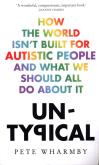
It's time to remake the world - the ground-breaking book on what steps we should all be taking for the autistic people in our lives.
The modern world is built for neurotypicals: needless noise, bright flashing lights, small talk, phone calls, unspoken assumptions and unwritten rules - it can be a nightmarish dystopia for the autistic population. In Untypical, Pete Wharmby lays bare the experience of being 'different', explaining with wit and warmth just how exhausting it is to fit in to a world not designed for you.
But this book is more than an explanation. After a late diagnosis and a lifetime of 'masking', Pete is the perfect interlocutor to explain how our two worlds can meet, and what we can do for the many autistic people in our schools, workplaces and lives. The result: a practical handbook for all of us to make the world a simpler, better place for autistic people to navigate, and a call to arms for anyone who believes in an inclusive society and wants to be part of the solution.
The Nobel Peace prize-winning author's controversial masterpiece
'I am going mad, Pedro. I feel it. I know it. I have plunged into madness as into the sea. And I am about to sink into its depths . . .'
Raphael Lipkin hears voices and talks to ghosts. Spending the summer at the Mountain Clinic, a New York psychiatric hospital, he is not a patient but rather a visiting professional with a secret, highly personal quest.
A Holocaust survivor who has painstakingly rebuilt his life, he has watched, horrified and helpless, as it all started coming apart. He longs for Pedro, the man who rescued him in postwar Poland - who became his mentor, hero, saviour and friend - and taught him truth from falsehood. But Pedro vanished into Stalin's gulags . . .
Desperate to explain his own survival, Raphael now seeks among the delusional patients the answers to the mysteries of good, evil and madness.
Najpopularniejsza na świecie książka o duchowej podróży, która odmieniła życie milionów osób W Peru odnaleziono starożytny manuskrypt. Zawiera on dziewięć wtajemniczeń, które ludzkość ma osiągnąć, wchodząc w erę nowej, duchowej świadomości. Pierwsza prawda mówi, że w życiu każdego z nas pojawiają się tajemnicze zbiegi okoliczności, nagłe, niewytłumaczalne zdarzenia, które – prawidłowo zinterpretowane – mogą wskazać właściwą drogę. James Redfield przekonuje, że warto przeżyć tę przygodę i pozwolić się poprowadzić na poszukiwanie pozostałych wtajemniczeń. Każde z nich odnajdzie się we właściwym czasie i każde wyjaśni, w jaki sposób połączenie ze światem duchowym przemienia ludzkie życie. Niebiańska przepowiednia, którą czyta się jak powieść przygodową, ma równocześnie głębię duchowej przypowieści. Zabiera czytelnika w podróż, która rozjaśni duszę i da wgląd w wizję i doświadczenia, które już zmieniają świat.
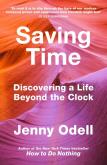
A book about how we can reclaim time from a culture that commodifies and capitalises it from the bestselling author of HOW TO DO NOTHING
A radical argument that we are living on the wrong clock, one that tells us time is money, and that embracing a new concept of time can open us up to bold, hopeful possibilities from the New York Times bestselling author of How to Do Nothing.
Our daily experience, dominated by the corporate clock that so many of us contort ourselves to fit inside, is destroying us. It wasn't built for people, it was built for profit. This is a book that tears open the seams of reality as we know it-the way we experience time itself-and rearranges it, reimagining a world not centered around work, the office clock, or the profit motive. Explaining how we got to the point where time became money, Odell offers us new models to live by--inspired by pre-industrial cultures, ecological, and geological time--that make a more humane, more hopeful way of living seem possible.
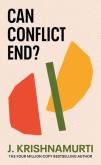
Without the fundamental necessity of peace, we cannot possibly understand the greater things of life.
With his signature insight and wisdom, world renowned thinker J. Krishnamurti offers a timely manifesto on the roots of conflict. In a series of six prescient talks, he reveals how changing our own behaviours to nurture a more peaceful mindset can create positive change for the wider world.
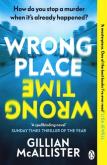
Wrong Place Wrong Time is a masterfully plotted and ingenious psychological thriller told in reverse. Gripping and full of surprises, it's one of the best books I've read this year
Sunday Express
It's absolutely AMAZING. The plot is astonishing - original and ingenious
Marian Keyes
The best book I have read in a very long time. Genius. Simply genius. This is McAllister as the very top of her consistently excellent game. Brilliantly plotted, perfectly paced, characters I was invested in. This is a masterclass of exactly what a novel should be. Taught, tense, not a wasted word. This brilliantly plotted novel had me on the edge of my seat. You have to read this book
Adele Parks
„Jak kochać dziecko” to jedno z najważniejszych dzieł w spuściźnie pedagogicznej Korczaka. Dotyczy najprostszych i najbardziej uniwersalnych wymiarów ludzkiego życia. Korczak pisze tu o porodzie, pielęgnowaniu i wychowaniu dzieci, a także o mądrej miłości do dzieci. Uczy takiego patrzenia na dziecko, by dostrzec i zrozumieć jego potrzeby.
Mimo, że publikacja została napisana już wiele lat temu, zawarte w niej treści są nadal aktualne. Jest to zdecydowanie obowiązkowa lektura dla młodych rodziców, opiekunów i wszystkich, którym dobro dziecka nie jest obojętne.
Korczak był prekursorem walki o prawa dziecka. Zwracał szczególną uwagę na nierównoprawną pozycję dzieci w społeczeństwie, ich zależność od dorosłych. Domagał się, by uznano, że dziecko jest pełnowartościowym człowiekiem od chwili narodzin, na każdym etapie swego istnienia i ma prawo być sobą, takim jakim jest.
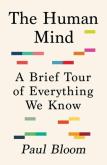
Are you a human? Do you have a mind? Then this book is for you.
Nothing is more familiar and yet less understood than the human mind. It defines the experience of being human, and yet its workings contain some of the deepest mysteries ever encountered. Written by one of the world's greatest teachers of psychology, The Human Mind provides a masterful and riveting guide to all that we have learned since modern science began probing those mysteries.
How does a three-pound lump of grey-ish meat give rise to conscious experience?
What is the function of emotions such as disgust, gratitude and shame?
How do our biases affect us and how can we overcome them?
How does the mind of a child differ from that of an adult?
How does memory work? What causes mental illness?
Are we rational? Are we all a little bit racist?
What makes us kind? What makes us cruel?
What makes us happy?
Many of these questions now have answers; many others don't yet; many widely accepted theories are probably wrong. This book takes us to the very limits of what is known. It shines new light on all that you take most for granted: everything you think and feel, everything you say and do, everything that makes you you.
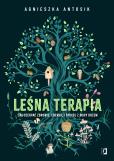
Zanurzenie w las pomoże ci odzyskać zdrowie, spokój i równowagę.Przyroda jest w stanie dać ci o wiele więcej niż tylko zwyczajną rozrywkę oraz ucieczkę od zgiełku miasta i jego zanieczyszczeń. Las to źródło życiodajnego tlenu, ale też magazyn niewyczerpanej energii, która oddziałuje na zmysły, psychikę, pracę mózgu i odporność. Możesz w nim odnaleźć także szczyptę magii i poczuć w kontakcie z drzewami odrobinę transcendencji.Autorka tej książki to dendroterapeutka i praktykująca przewodniczka kąpieli leśnych. Podpowiada, jak dzięki obcowaniu z drzewami odzyskać więź ze swoimi korzeniami oraz zatroszczyć się o zdrowie i dobre samopoczucie. To pierwsza na polskim rynku pozycja poświęcona wielu metodom leśnych terapii oraz korzeniom tych praktyk.Dzięki informacjom zawartym w tej książce:odbędziesz podróż w przeszłość, poznając korzenie szeroko rozumianej terapii drzewami;dowiesz się, czym są kąpiele leśne, a czym dendroterapia, by móc wybrać to, co dla ciebie najkorzystniejsze;zyskasz wiedzę o specyfice pracy leśnych terapeutów w naszym kraju;otrzymasz wskazówki, które poprowadzą cię do możliwości odbywania samodzielnych praktyk różnych leśnych terapii;przygotujesz się do zanurzeń w najróżniejszych typach lasów we wszystkich porach roku;przekonasz się, że zaprzyjaźnienie się z drzewami to początek wspaniałej przygody, którą można przeżywać nie tylko w lesie;odkryjesz, jak fascynujące są tajemnice nie tylko drzew, ale i krzewów;inspirując się zawartymi propozycjami aktywności, zyskasz zdrowie, równowagę psychiczną i poczucie łączności z naturą.
Ten produkt jest zapowiedzią. Realizacja Twojego zamówienia ulegnie przez to wydłużeniu do czasu premiery tej pozycji. Czy chcesz dodać ten produkt do koszyka?