Zapraszamy miłośników powieści przygodowych i fascynujących przygód bo oferta jest naprawdę imponująca. Alfred Szklarski i Maciej Dudziak zapraszają do zapoznania się z literaturą podróżniczo-przygodową dla młodzieży. Jedna z najbardziej kultowych serii książek dla dzieci i młodzieży doczekała się wreszcie kontynuacji. Mowa oczywiście o „Tomek na Alasce”. To propozycja nie tylko dla najmłodszych czytelników. Oczywiście polecamy też bestsellerową serię książek Liz Pichon. Zabawne perypetie szkolne jedenastoletniego i fantastyczny świat chłopca Tomka Łebskiego. Wszystko w jednym miejscu w dobrej cenie.
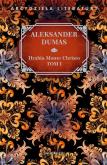
Hrabia Monte Christo to wciąż niedościgniony pierwowzór opowieści o niezwykłej intrydze, sile zemsty, potędze przyjaźni i triumfie człowieka w walce o honor. Dzieje losów oficera marynarki, Edmunda Dantesa, poznajemy w momencie wpłynięcia do Marsylii trójmasztowca Faraon, na którym objął on, po śmierci dowódcy, stanowisko kapitana. Wydaje się, że przed młodym człowiekiem otwiera się teraz pasmo sukcesów, zwłaszcza że czeka też na niego ukochana Mercedes, z którą wkrótce ma wziąć ślub. Niestety, tuż przed swoją śmiercią dowódca poprosił Edmunda, by ten dostarczył do Paryża pewne dokumenty, które podczas rejsu zostały zabrane z wyspy Elby, na której uwięziony został Napoleon Bonaparte
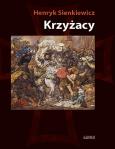
KRZYŻACY, to powieść historyczna Henryka Sienkiewicza publikowana w latach 1897-1900 w "Tygodniku Illustrowanym", wydana w 1900 w Warszawie przez wydawnictwo "Gebethner i Wolff" (wydanie jubileuszowe), rękopis powieści przechowuje Biblioteka Narodowa. Powieść przedstawia dzieje konfliktu polsko-krzyżackiego, a akcja utworu toczy się od 1399 (rok śmierci królowej Jadwigi) do 1410 (bitwa pod Grunwaldem). W okresie publikacji powieść była protestem przeciwko germanizacji prowadzonej przez władze zaboru pruskiego. Henryk Sienkiewicz w swojej książce przywołał Polskę w okresie świetności jej oręża i skupił się na zwycięstwie nad zakonem krzyżackim. Tłem historycznym Krzyżaków jest fragment historii Polski przedstawiający konflikt jagiellońskiej Polski z zakonem krzyżackim. Przy pisaniu powieści autor korzystał z Kroniki Janka z Czarnkowa, Historii Jana Długosza, dzieł takich historyków jak Stanisław Smolka i Karol Szajnocha, niemieckich i francuskich opracowań historycznych, map, odpisów ksiąg itd. Na tle znaczących wydarzeń historycznych autor opisuje dzieje barwnych i wyrazistych postaci. Bohaterami powieści są: Jurand ze Spychowa i jego córka Danusia, a także polski rycerz Maćko i jego bratanek Zbyszko z Bogdańca. Tragiczna miłość Zbyszka i Danusi stanowi wątek melodramatyczny, a walka ze zdradzieckimi Krzyżakami miała podnosić ducha Polaków pod zaborami. Kulminacją powieści jest zwycięska bitwa pod Grunwaldem, przedstawiona jako tryumf oręża polsko-litewskiego. Przebieg bitwy Sienkiewicz odtworzył według Jana Długosza i pod wpływem obrazu Jana Matejki. Powieść opisuje wiele wydarzeń i postaci historycznych, choć nie wszystkie opisane są zgodnie z prawdą. Książkowe wydanie powieści w roku 1900 uwieńczyło jubileusz dwudziestopięciolecia pracy pisarza. Krzyżacy ze względu na antyniemiecką wymowę byli pierwszą książką wydaną w Polsce po zakończeniu II wojny światowej; powieść została wydana w sierpniu 1945 roku. Główni bohaterowie: - Danusia Jurandówna - Jagienka ze Zgorzelic - Jurand ze Spychowa - Maćko z Bogdańca - Zbyszko z Bogdańca Postacie historyczne - król Władysław Jagiełło - królowa Jadwiga Andegaweńska - wielki książę Witold - książę Janusz Mazowiecki - książę Siemowit IV - księżna Anna Danuta - Aleksandra Olgierdówna - Marcin z Wrocimowic - Mikołaj Powała z Taczewa - Zawisza Czarny - Zyndram z Maszkowic - wielki mistrz Ulrich von Jungingen - Kuno von Lichtenstein Postacie drugoplanowe: Anula Sieciechówna - służka Jagienki, zakochał się w niej Hlawa. Cztan z Rogowa - zabiegał wraz z Wilkiem z Brzozowej o względy Jagienki ze Zgorzelic, córki Zycha; bił się o nią ze Zbyszkiem z Bogdańca w gospodzie w Krześni; później walczył w bitwie pod Grunwaldem. Wilk z Brzozowej - zabiegał wraz z Cztanem z Rogowa o względy Jagienki ze Zgorzelic, córki Zycha; bił się o nią ze Zbyszkiem z Bogdańca w gospodzie w Krześni, zginął na Śląsku walcząc pod grodem. Fulko de Lorche - rycerz z Lotaryngii. Był gościem zakonu krzyżackiego, krewnym książąt z Brabancji. Przyjaźnił się ze Zbyszkiem z Bogdańca, który uratował go przed turem. Ożenił się z Jagienką z Długolasu. W bitwie pod Grunwaldem walczył po stronie wojsk polsko-litewskich. W wersji filmowej postać tę zagrał Leon Niemczyk. Hlawa (Głowacz) - pomocnik (giermek) Zbyszka z Bogdańca, z pochodzenia Czech. Sanderus - Niemiec, lubiący nieco fantazjować i użalać się nad sobą oszust sprzedający fałszywe relikwie i odpusty: całkowite, na 500, 300 lub 200 lat - jak również tańsze "aby i ubodzy ludzie mogli je nabywać i tym sposobem czyśćcowe męki sobie skracać".
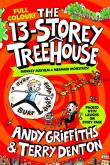
Andy and Terry live in the WORLD'S BEST treehouse! It's got a giant catapult, a secret underground laboratory, a tank of man-eating sharks and a marshmallow machine that follows you around and shoots marshmallows into your mouth whenever you're hungry! Just watch out for the sea monkeys, and the monkeys pretending to be sea monkeys, and the giant mutant mermaid sea monster . . . Oh, and, whatever you do, don't get trapped in a burp-gas-filled bubble . . . !
Well, what are you waiting for? Come on up!
Climb more fun-filled levels by collecting all thirteen books in the seven million-copy-selling series – the perfect chapter books for reluctant readers.
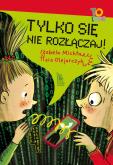
Franek z Julką znajdują na przystanku telefon. Kiedy z niego dzwonią, cudem przenoszą się do osoby, z którą się łączą! Natychmiast zaczynają wydzwaniać w różne miejsca, robiąc po drodze kilka głupstw i przeprowadzając kilka naprawdę świetnych akcji. Z chwili na chwilę dociera do nich, jak wielu dobrych i pożytecznych rzeczy mogą jeszcze dokonać. Czy zdążą, zanim bateria telefonu się wyczerpie?
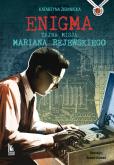
Zdaniem wielu ekspertów złamanie szyfru Enigmy pozwoliło skrócić drugą wojnę światową o około dwa lata. Prace nad deszyfracją rozpoczęto już w latach trzydziestych xx wieku. Złamania szyfru w 1932 roku dokonało trzech Polaków: Marian Rejewski,Jerzy Różycki i Henryk Zygalski. Ich nazwiska ujawniono dopiero ponad czterdzieści lat po tym osiągnięciu. Właśnie dlatego tak niewielu z nas zna nazwiska tych wybitnych kryptologów. Ich praca była bardzo niebezpieczna, okupiona stresem i długoletnią rozłąką z rodzinami. Jeden z nich przypłacił ją życiem. Osiągnięcia trójki Polaków do dziś wykorzystywane są przez agencje rządowe. Dostęp do nich mają nieliczni.
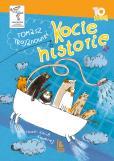
Herman, Zofia i Gieniek to koty mieszkające w domu Dużego, który ma do nich anielską cierpliwość. Jego pupile uwielbiają, gdy coś się dzieje, a kiedy jest nudno, wpadaja na szalone pomysły. Hucznie obchodzą Dzień Kota, a gdy ktoś kradnie im sprzed nosa urodzinowy obiad, potrafią nawet zamienić się w detektywów. Pełna ciepła i humoru książka o kotach, których największym marzeniem jest znaleźć się w świecie, w którym ludzie są dobrzy, a lodówki zawsze otwarte. *** opowieści Tomasza Trojanowskiego o Zofii, Gienku i Hermanie są lekturą na każdą pogodę. Poprawiają humor: i w czasie deszczu, i w czasie tropikalnych upałów – takich jakie nas teraz nękają. Czytałyśmy je już nie jeden raz. Wystarczy, że otworzymy którąkolwiek z tych książek w dowolnym miejscu i zaczniemy czytać, a… wybuchy śmiechu murowane, mimo że doskonale wiemy co będzie następnej stronie. fragment recenzji bloga Poczytajmi.blog (Mały Pokój z Książkami)
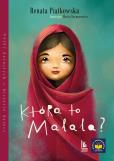
Roześmiana, skora do zabawy i śpiewania hitów Justina Biebera - właśnie taką Malalę poznajemy. Jedyne, co wyróżnia dziewczynę spośród przyjaciółek, to to, że nie zasłania twarzy chustą. Ale czy to wystarczający powód, by strzelić nastolatce w twarz? Szybko okazuje się, że Malala to nie zwykła nastolatka, a blogerka, która - opisując sytuację dziewcząt w pakistańskim szkolnictwie - naraziła się talibom.Wzruszająca opowieść o sile, która drzemie w każdym z nas, o tym, że warto walczyć i pomagać słabszym. Malala udowodniła, że wystarczy jeden odważny człowiek, by zainspirować całe rzesze."Spotykając się z dziećmi podczas różnych okazji, pytam, które z ich praw jest dla nich najważniejsze. Polskie dzieci wskazują prawo do wyrażania swojego zdania. Właśnie to prawo ważne jest też dla Malali Yousafzai, pakistańskiej dziewczyny, która nie tylko z odwagą z niego korzysta, ale także śmiało mówi o kolejnym fundamentalnym prawie: prawie do nauki. W wielu krajach możliwość chodzenia do szkoły jest traktowana jako przykra konieczność. Dla Malali i jej koleżanek nauka była upragnioną, jedyną szansą na lepszą przyszłość".Rzecznik Praw DzieckaMarek Michalak
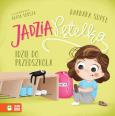
Jest poniedziałek. Wyjątkowy poniedziałek. Jadzia Pętelka idzie do przedszkola! To tutaj razem z tatą odprowadzała Stasia. Ale dziś spędzi dzień w grupie Jagódek. Bardzo się cieszy, że czekają na nią nowi przyjaciele i miła pani oraz dużo ciekawych zajęć. Jednak troszkę też się martwi, czy poradzi sobie bez rodziców. Ciekawe, jak to będzie? "Jadzia Pętelka" to seria dedykowana najmłodszym czytelnikom. W każdej części maluchy oraz ich rodzice mają szansę rozpoznać sytuacje z własnej codzienności. Podążając za tytułową bohaterką, odkryją więc sposoby na wyciszenie przed snem, oswoją temat kąpieli, mycia zębów czy siusiania do nocnika, wspólnie przygotują się do wyjścia na spacer. Dzięki prostemu językowi, krótkim tekstom, elementom aktywizującym oraz czytelnym, zabawnym ilustracjom lektura przyciągnie uwagę dziecka i wesprze je w stawianiu czoła maluszkowym wyzwaniom.Warto również poznać Stasia Pętelkę, starszego brata Jadzi - bohatera serii dedykowanej przedszkolakom!
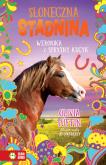
Na obozie jeździeckim Słoneczna Stadnina przygód nie brakuje!Weronika i jej piękny kucyk, kasztanka imieniem Luna, uwielbiają biegać. Razem tworzą doskonały duet wyścigowy i zamierzają udowodnić, że są najszybsze. Lecz gdy Bajka, najlepsza przyjaciółka Luny, znika bez śladu, dziewczynka i klacz rzucają wszystko i ruszają, by odnaleźć staruszkę. Czy uda im się uratować Bajkę i jednocześnie dowieść, jak bardzo są utalentowane?Seria pełna przygód dla wszystkich wielbicieli zwierząt, w szczególności koni i kucyków! Z pewnością pokochasz wszystkie przygody ze Słonecznej Stadniny - koniecznie sięgnij po inne tomy.
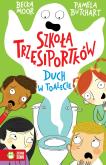
Witajcie w Szkole Trzęsiportków!Tutaj dzieje się tak wiele! Duch zamieszkał w szkolnej toalecie, but przepowiada przyszłość, a w jednej z klas jest przeklęty dywan! Przecież to wszystko jest możliwe, prawda? Co to oznacza dla klasy 2b?MNÓSTWO ZABAWY!UWAGA: Będziesz się śmiać tak mocno, że spadną Ci portki!
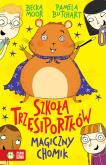
Witajcie w Szkole Trzęsiportków!Tutaj dzieje się tak wiele! Chomik Makaron potrafi czarować. Maks jest robotem. Połknięcie muchy zmieni Ewkę nie do poznania. Ale czy to prawda? Przekonajcie się sięgając po kolejne przygody klasy 2B.Gwarantujemy mnóstwo zabawy!UWAGA: Będziesz się śmiać tak mocno, że spadną Ci portki!
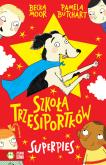
Witajcie w Szkole Trzęsiportków!Tutaj dzieje się tak wiele! Pies superbohater stoi na dachu szkoły. Pure ziemniaczane ze szkolnej stołówki jest jakieś dziwne A Zuzia ma prawdziwe jajo kosmity. Ale czy to prawda? Przekonajcie się, sięgając po kolejne przygody klasy 2b.Gwarantujemy mnóstwo zabawy!UWAGA: Będziesz się śmiać tak mocno, że spadną Ci portki!
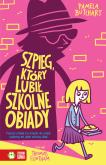
Maja zostaje opiekunką nowej uczennicy Matyldy, która jest Francuzką. Maja nie może się doczekać, kiedy nauczy Matyldę wymigiwać się od zjadania szkolnych obiadów zwanych TRUCIZNĄ. Okazuje się jednak, że Matylda UWIELBIA szkolne obiady i chętnie bierze DOKŁADKI! Klasa zaczyna się wszystkiego domyślać - Matylda jest SZPIEGIEM, który chce wykraść wszystkie szkolne tajemnice. Trzeba ją powstrzymać, zanim będzie ZA PÓŹNO!Seria "Szkolne szaleństwa" to fantastyczna zabawa zarówno dla dzieci, jak i ich opiekunów. Dzieciaki wpadają na szalone pomysły, bez przerwy węszą spiski i wpadają na tajemnicze zjawiska.
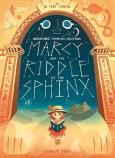
Buried amongst the treasures in Professor Brownstone’s vault, lie his most prized possessions – a humble collection of books. Filled with stories from his ancestors, they contain tales of fearless fighters, unlikely heroes and legends from years gone by.
Many years have passed since the tale of Arthur and the Golden Rope and Arthur is now a world-famous adventurer. If only his daughter Marcy shared his enthusiasm for exploration... Determined to bring out Marcy’s adventurous side, Arthur sets off to Egypt to bring back the legendary Book of Thoth. When Arthur doesn’t return, Marcy must follow in his footsteps. Can she overcome her fears and rescue her father from the clutches of the Great Sphinx?
A Sunday Times Best Book for Children 2023
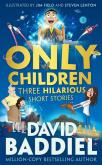
From million-copy bestselling author David Baddiel comes a laugh-out-loud collection of three short stories for readers of 8 and up, brilliantly illustrated by Jim Field and Steven Lenton.
MEET ALFIE… THE BOY WHO COULD DO WHAT HE LIKED!
Previously published for World Book Day 2016
Alfie has a routine. To be honest he has a lot of routines.
But then one day Alfie’s babysitter is unavailable, and Alfie’s parents get Mrs Stokes instead. Mrs Stokes doesn’t do routines. Instead, she just tells Alfie to do what he likes. And that’s when things start to go weird.
Does everything get hilariously out of control? Yes.
Does Alfie learn a valuable lesson? Nah. This isn’t that kind of story…
DISCOVER CHRISSIE… THE GIRL WHO HAD NEVER BEEN ON A TRAIN!
Chrissie loves trains. She has train books, train pictures – and, of course, model trains. But Chrissie has never been on an actual train. In part, because Chrissie doesn't find getting around as easy as other people. Then, Chrissie finally gets on a train, with her Grandpa Henry, to go down to London for an important operation. Her parents and Henry hope the journey will take Chrissie's mind off things.
And they're right: but in a way they couldn't possibly imagine. Because Chrissie's trip from Scotland to London turns out to be quite literally magical – and changes her life forever.
MARVEL AT ARIEL… THE CHILD WHO HAD NEVER BEEN ON HOLIDAY!
Every year, Max, Lily and Jack are taken to Snoring-On-Sea for their holiday – quite possibly the most boring town in the world. There’s nothing to do and nothing to see – even the beach at Snoring-on-Sea is dull and grey.
But this year, something DOES happen. The children meet someone on a tiny island out at sea – a mysterious child called Ariel. Ariel claims to have never left their tiny island, and to Ariel, everything about Max, Lily and Jack’s lives is amazing – fish and chips, fizzy drinks… even the view of the brick wall out of their bedroom window.
And their new friend forces Max, Lily and Jack to see Snoring-On-Sea in a whole new light…
Three hilarious, heart-warming and adventure-filled stories that will have you laughing out loud!
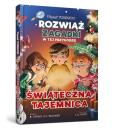
Podczas ferii świątecznych Timmi i przyjaciele znajdują tajemniczą paczkę. Ten, kto ją zostawił, potrzebuje pomocy... i małego świątecznego cudu. Timmi, Lilli i Marvin uwielbiają przygody i rozwiązywanie zagadek. Potrzebują jednak pomocy czytelników. We wszystkich tomach: zagadka obrazkowa w każdym rozdziale, fascynujące fakty z życia wzięte, porady dla poszukiwaczy przygód i detektywów. Dlaczego warto podarować tę książkę dziecku: wciągająca fabuła sympatyczni bohaterowie, z którymi można rozwiązywać zagadki i prowadzić śledztwa część większej serii, którą można czytać bez końca
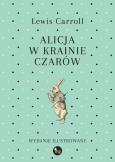
Książka dla wspólnej lektury wszystkich pokoleń każdy znajdzie tu swoje własne odczytanie i swoje własne oczarowanie. Baśniowa opowieść o przygodach Alicji w Krainie Czarów powstała w gorące lipcowe popołudnie 1862 roku, kiedy to podczas przejażdżki łódką po Tamizie Lewis Carroll, wykładowca matematyki w Oxfordzie i autor poważnych książek matematycznych, opowiedział ją małej Alicji i jej dwóm siostrom. I właśnie ta opowieść, a nie prace naukowe, przyniosła pisarzowi światową sławę. Zachęcony ogromnym powodzeniem książki Carroll kilka lat później napisał drugą część opowieści pt. Alicja po drugiej stronie lustra. Alicja w Krainie Czarów jest utworem szczególnym. Nie przedstawia świata takim, jakim go widzimy na co dzień, lecz ukazuje go we śnie bohaterki, a snem, jak dobrze wiecie, rządzą odmienne prawa. Toteż w książce znane fragmenty rzeczywistości układają się w całkiem nowe, często nonsensowne całości, a postaci prawdziwe, przemieszane z fantastycznymi, wyglądają i zachowują się inaczej niż w życiu.I jeszcze jedna uwaga: Alicja w Krainie Czarów należy do tych książek, do których warto wracać. Raz odczytacie ją jako dziwną baśń, pełną niezwykłych, zaskakujących wydarzeń, ale przy kolejnej lekturze ukaże się wam wiele nowych treści. Każdego jednak czytelnika zawsze zdumiewać będzie bogactwo fantazji i pomysłowości autora, każdy też podda się urokowi jego niepowtarzalnego humoru. Humoru cudownie oddanego przez Antoniego Marianowicza, bo to właśnie z jego tłumaczenia zdania z Alicji w Krainie Czarów na zawsze zamieszkały w naszym języku. Niekiedy powtarzamy je, nie pamiętając, gdzie bije źródło tych purnonsensowych żartów.
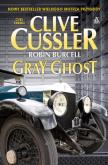
Dramatyczne poszukiwania legendarnego samochodu mogą zagrozić nie tylko karierze małżeństwa poszukiwaczy skarbów, Sama i Remi Fargo – ale i ich życiu – w nowym ekscytującym bestsellerze Wielkiego Mistrza Przygody.
Jakie tajemnice skrywa Gray Ghost, bezcenny zaginiony prototyp roll-royce’a? I czy jest kluczem do rozwiązania zagadki skradzionego gigantycznego skarbu?
Rok 1906
Gray Ghost - przełomowy model rolls-royce’a, znika w niewyjaśnionych okolicznościach. Firmie grozi bankructwo. Panowie Charles Rolls i Henry Royce zlecają słynnemu detektywowi Isaakowi Bellowi odnalezienie samochodu i sprawcy śmierci poprzedniego detektywa.
Sto lat później
Do Sama i Remi Fargo zgłasza się ich daleki krewny Oliver Payton i prosi o pomoc w odzyskaniu Gray Ghosta i dobrego imienia rodziny. O kradzież auta oskarżono bowiem jego stryja, sir Alberta.
Ale stawka w tej grze jest znacznie wyższa. Gray Ghost został ponownie skradziony, a wraz z nim być może olbrzymi skarb. Ludzie, którzy mogą wszystko zyskać albo wiele stracić, obmyślają desperacki plan, by go zdobyć. I nie cofną się przed niczym.
Сашко Сірий живе у великому сучасному будинку, має купу крутезних гаджетів, власну няню та водія. На позір усе пречудово, але бракує найголовнішого — уваги батька-банкіра, який, хоч і забезпечує сина матеріально, проте геть не має часу на спілкування. Аж раптом місто сколихнула новина про зухвале пограбування банку, отож Сашко вирішує самотужки знайти злодіїв і довести татові, що він заслуговує на батьківську любов і повагу. Що з усього цього вийде? І чи не завеликою буде ціна за розкриття справи на мільйон?
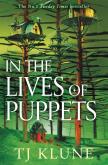
From New York Times bestselling author TJ Klune, In the Lives of Puppets is a queer retelling of the Pinocchio tale, inviting you deep into the heart of a peculiar forest and on the extraordinary journey of a family assembled from spare parts.
New for paperback! This paperback edition includes the poignant short story 'Reduce! Reuse! Recycle!' set in the same extraordinary world.
*A New York Times, Sunday Times and Indie Bestseller*
*Winner of the Goodreads Choice Award for Science Fiction*
In a small home, built into the branches of a tree, live a human named Victor and three robots. These are a pleasantly sadistic nurse machine, a small vacuum desperate for love and attention, and a fatherly inventor-android named Giovanni Lawson. Together they’re a family, hidden and safe.
Then Vic salvages an unfamiliar android labelled ‘HAP’. He learns that Hap and Gio share a dark past, where they hunted humans. And Hap unwittingly gives away Gio’s location. Before they know it, robots from Gio’s former life arrive – to capture and return the android to his old laboratory in the City of Electric Dreams.
The rest of the unconventional family must travel across an unforgiving and otherworldly country to rescue Gio from decommissioning. Or worse, reprogramming. Along the way, Vic must decide if he can handle his feelings for Hap – even if they come with strings attached.
Inspired by Carlo Collodi’s The Adventures of Pinocchio, In the Lives of Puppets is a masterful standalone fantasy adventure from the author who brought you The House in the Cerulean Sea and Under the Whispering Door.
‘A deeply stirring journey through a world of extraordinary robots’ – Chuck Tingle, Hugo-shortlisted author of Camp Damascus
In the Lives of Puppets was a No. 1 Sunday Times HB Bestseller w/c 24/04/2023.
Ten produkt jest zapowiedzią. Realizacja Twojego zamówienia ulegnie przez to wydłużeniu do czasu premiery tej pozycji. Czy chcesz dodać ten produkt do koszyka?