Ta kategoria dedykowana jest współczesnym czytelniczkom literatury kobiecej. Bardzo szeroki wybór romansów, kryminałów, powieści obyczajowe, poruszająca literatura kobieca, erotyki, harlequiny polskich i zagranicznych autorów. Każda lubiąca czytać kobieta znajdzie coś szczególnego dla siebie.
Polecamy literaturę Sergiusza Piaseckiego, Stanisława Srokowskiego, Diany Palmer czy w końcu Blanki Lipińskiej.
Amatorze mocnych wrażeń!
Właśnie spadło Ci w ręce szczęście jeszcze dla Ciebie nie pojęte.
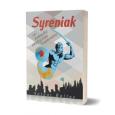
Oto książka do której czytania wcale nie trzeba zachęcać. Kwiat wieloletniego wysiłku wzrosły z notatek nabazgranych tak, że sam nie mogłem ich odczytać. Wychwalam ją jedynie na złość krytykantom, którzy dukają mnie na wyścigi i głoszą, że moje komedie na siłę pobudzają ich do śmiechu a przy tragediach robi im się smutno jedynie dlatego, że są wrażliwi, co potępiają.
To się przekonamy.
Syreniak (środek tak dobry jak okładka) jest to powieść dla ludzi porządnych, dlatego znajdziesz w niej urojenia, których dotychczas nie napisano. W odpowiednich rozdziałach zagadkę kryminalną będziemy ścigać jak motyla, aż na palcach zostanie nam kolorowy pył z jego skrzydeł i śmierć szklista nas przelęknie. Znowuż przy manewrach seksualnych sprawdzimy czy język polski jest zdolny do ten-tego inaczej niż ten-teges. A przy hecach nadsatyrycznych łzy zaleją nam oczy.
Zatem wyśmienity Czytelniku, który to cacko nabyć raczysz, jeśli chcesz wiedzieć na jakim świecie żyjesz, czytaj, póki możesz.
Z wyrazami szacunku do pewnego stopnia Antoni Baltus
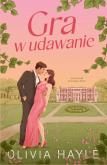
Byłam cierniem w królewskim tyłku mojego ojca.
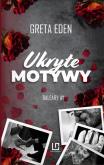
Nicola Cinnante byłaby zwykłą amerykańską nastolatką, gdyby nie fakt, że przyszła na świat w TEJ rodzinie. Z racji urodzenia powinna być mafijną księżniczką, ale zamiast wychowywać się w luksusie i przywilejach, stała się skrzętnie ukrywanym przez lata sekretem. Dziewczyna, której jedynym przyjacielem jest kot znajda, dorastała w przekonaniu, że jest brzydka, głupia i nikomu niepotrzebna. Nagle cały znany jej świat zostaje wywrócony do góry nogami. Kiedy z winy swojego ojca staje się zakładniczką mafii i trafia na Baleary, ukryte motywy w końcu wychodzą na jaw. Czy pojawienie się nowych uczestników gry okaże się dla niej kolejną pułapką, czy wybawieniem?
Kiedy więc potwór przestaje być potworem? Kiedy się w nim zakochasz.
***
Czasem cisza jest krzykiem, a za pozornym spokojem skrywa się ból.
Świat mafii jest przepełniony rodzinnymi sekretami, a co, jeśli jest się jednym z nich?
Historia, która zapewni pełen wachlarz emocji. Od strachu przez złość po wzruszenie.
Polecam
Katarzyna Kasmat-Łyskaniuk
‘Books have traced the lives of great designers before, but few serve to double as a visual history of British popular culture. What this book deftly demonstrates is that Smith has not just been going for 50 years, he’s been interwoven with our national aesthetic for 50 years.’ – Esquire
A timely celebration of British design legend Sir Paul Smith and his one-of-a-kind creativity
This innovative book captures the unique spirit of British fashion icon Sir Paul Smith through 50 objects chosen by Sir Paul himself for the inspiration they have provided him over the years – from a wax plate of spaghetti and a Dieter Rams radio to a Mario Bellini Cab chair and a bicycle seat.
Each object has impacted his worldview, his creative process, and his adherence to a design approach that’s always imbued with distinctly British wit and eccentricity. The book covers subjects as varied as breaking down the formality of wearing a suit, the importance of wit, and the benefits of remaining independent in an increasingly monopolized world, and includes personal contributions – handwritten notes, a sketch, or photograph – from such fashion and design heavyweights as Manolo Blahnik, Inès de la Fressange, Martin Parr, and John Pawson.
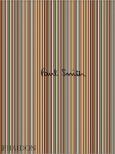
Updated with a fresh new fabric cover featuring the brand’s signature stripe and a brand-new preface written by Sir Paul especially for this edition, Paul Smith provides the ultimate insight into one of the fashion world’s most-loved creators.
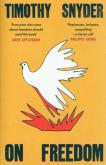
Freedom is not just an absence of evil but a presence of good. The moment you believe freedom is given, it is gone. There is no freedom without solidarity; freedom for you means freedom for me.
‘In these hard times for liberty, On Freedom makes the case that freedom, once explored and understood, is the way forward’ PRESIDENT ZELENSKY
From the acclaimed, bestselling author of On Tyranny comes a brilliant exploration of freedom – what it is, how it’s been misunderstood, and why it’s our only chance for survival.
Freedom is our great commitment, but we have lost sight of what it means – leading us into crisis. Too many of us look at freedom as the absence of state power: we think we’re free if we can do and say as we please. But true freedom isn’t so much freedom from, as freedom to – the freedom to thrive, to take risks for futures we choose by working together. Freedom is the value that makes all other values possible.
Drawing on the work of philosophers and political dissidents, conversations with contemporary thinkers and his own experiences, Snyder identifies the practices and attitudes that will allow us to design a government in which we and future generations can flourish. Intimate yet ambitious, this book forges a new consensus rooted in a politics of abundance, generosity and grace.
On Tyranny inspired millions around the world to fight for freedom; On Freedom helps us see exactly what we’re fighting for. It is a thrilling intellectual journey and a tour de force of political philosophy.
Autora ktoś może skojarzyć z jedną lub drugą książką poetycką – niestety, z czasem nawiedziła go ta uprzykrzona (w pewnym wieku ponoć nagminna) plaga reminiscencji, której stawiał opór, stroniąc od poezji, aby elementy autobiograficzne nie rzuciły się na wiersze. Kiedy impuls sentymentalny poszukał
ujścia w zdaniach przypominających zdania prozy, bylejakość wspomnień i „wspominków” okazała się deprymująca – niektóre z nich próbowały się odnaleźć w pobliżu innych, nieco mniej natrętnych elementów.
Fragment:
„Jeszcze raz się obudzić; wstać po jedenastej, zapalić, wrócić do łóżka za dziesięć dwunasta, trochę drzemać, trochę śnić, słabo słysząc dzwony. Potem relanium. Brandy z wodą, fala: „Wynurzyć się w terenie niewidzialnym”. Długi czerwony mur. Pies. Chyba ścierwo, nie pies. Wejsuny. Dalej spać, jeszcze do szesnastej. Napić się białego wina, ubrać się i wyjść na dwór, gdzieś usiąść. Palić i oddychać. Napić się piwa. Głęboko oddychać. Zrobić zakupy i wrócić. Napić się w domu; koło północy – „Halo, siostro Midnight?” – wejść w stan doskonałego spokoju. Chłodna euforia. Kontynuować.”
Cuda się zdarzają nie tylko w filmach. Takiej historii o świętach jeszcze nie było! Magda Dzika pracuje w słynnej fabryce bombek w Bożych Dołach. Opiekuje się trójką młodszego rodzeństwa i skrycie marzy, by zostać ilustratorką książkowych okładek. Kiedy dzieciaki nieoczekiwanie trafiają do pieczy zastępczej, dziewczyna obiecuje im, że na święta znowu będą razem. Tylko, że do świąt zostało kilka tygodni Rozpędza się śniegowa kula problemów. Dom nie spełnia wymogów technicznych, dzieciaki się buntują, a procedury piętrzą. Magdzie wydaje się, że wpadła w życiową zaspę po uszy, ale od czego jest stado? Wioska pełna ciepłych serc wyciąga do rodziny Dzikich dłonie w wełnianych rękawiczkach. Dzieją się cuda, a mecenas Foch okazuje się nie być takim gburem, jak go malują. Razem na święta to książka ciepła jak kubek naparu z miodem i imbirem. Romantyczna jak wieczór przy kominku. Wzrusza, rozbawia, szuka odpowiedzi na pytanie, czym jest rodzina. Nastraja na święta lepiej niż czekoladki z kalendarza adwentowego.
Jedna wygrana walka nie oznacza zwycięstwa. Nadszedł czas na ostateczną próbę!Turniej odbywający się w Akademii Olimpii odmienił życie Kassandry. Dziewczynie udało się go przetrwać i odkryć w sobie zaskakującą moc. Niespodziewanie zbliżyła się również do Holdena - swojego dawnego wroga, a obecnie najbardziej zaufanego sojusznika. Zakończenie turnieju nie oznacza jednak dla ich dwojga końca walki. Kassandra i Holden zostają zmuszeni do podjęcia się misji uwolnienia z Podziemia Alexandra, syna Zeusa.Wykonanie zadania będzie wymagało od pary półbogów pełnego zaufania sobie nawzajem. Ich wrogowie są blisko, a nieliczni sojusznicy są wystawieni na wielkie niebezpieczeństwo.Aby uwolnić Alexandra, Kassandra i Holden będą musieli nie tylko stawić czoła przerażającym strażnikom Podziemia, ale także zmierzyć się z własnymi i niepewnościami. Z każdym krokiem, jaki podejmują, rodzące się między nimi uczucie zostanie wystawione na coraz cięższą próbę. Czy jej podołają?
Miłość łamie serca.Miłość do nauczyciela przełamuje tabu.Cassidy Boyd to siedemnastolatka uczęszczająca do jednego z najlepszych liceów w Birmingham. Jej sytuacja rodzinna jest trudna - matka zmarła na raka, a wkrótce po tym ojciec popadł w uzależnienie. Dziewczyna zmaga się nie tylko z żałobą, ale również z alkoholizmem rodzica, kruchym budżetem domowym, nauką i niechęcią ze strony rówieśników. Mimo przeciwności losu Cassidy robi wszystko, by po skończeniu szkoły dostać się na wymarzone studia i poprawić swój status.Sytuacja komplikuje się jeszcze bardziej, gdy jej ulubiony korepetytor się wyprowadza, a jej klasę zaczyna uczyć najbardziej znienawidzony nauczyciel. Profesor Benjamin Cole wzbudza jednak w dziewczynie coraz większą fascynację i to uczucie nie jest jednostronne...Cassidy cierpiała w ciszy, dopóki nie poznała go bliżej. Był postrachem uczniów, nie dopuszczał do utraty kontroli, ale dziewczyna wytrąciła mu z rąk wszystkie karty. Kiedy ofiarował jej pomoc w najbardziej bolesnym momencie życia, wszystko się między nimi zmieniło.Ta miłość nie powinna się wydarzyć. Czy zakazany romans ma szansę przetrwać?Historia jest naprawdę SPICY. Sugerowany wiek 18+.
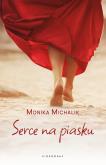
Jagoda i Konrad są zgodnym małżeństwem. Do pełni szczęścia brakuje im dziecka, które rozświetliłoby ich życie najpiękniejszym blaskiem. Pragnienie to szczególnie dotkliwie boli Jagodę, która kilka lat wcześniej została poddana operacji ratującej jej zdrowie, ale niweczącej możliwość zajścia w ciążę.W dziesiątą rocznicę ślubu małżonków odwiedza Ania - kobieta, która twierdzi, że jej sześcioletni syn jest dzieckiem Konrada. Ania wyznaje, że jest ciężko chora i prosi Konrada, by zajął się Piotrusiem, kiedy ona już nie będzie mogła się nim opiekować.Jagoda wyjeżdża do Kołobrzegu. Musi oswoić się z nową sytuacją, spojrzeć na swoje życie z dystansu. Czy morskie fale ukołyszą jej rozedrganą duszę? Czy będzie potrafiła wybaczyć mężowi zdradę? Czy dzięki Piotrusiowi będzie mogła częściowo spełnić swoje największe marzenie zostania mamą? A może szerokie plaże pokażą jej zupełnie inną drogę?"Serce na piasku" ukazuje różne oblicza samotności. Udowadnia, że nawet kiedy pragniemy uciec przed całym światem - nigdy nie chcemy być sami."Serce na piasku" jest powieścią obyczajową o niespełnionym pragnieniu macierzyństwa i miłości, którą potrafi zniszczyć jedna noc z przypadkową kobietą. To ciepła historia o szukaniu nowych dróg i zamykaniu za sobą emocjonalnych drzwi w malowniczych nadmorskich krajobrazach.
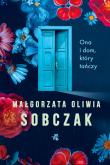
Tajemnicza, nastrojowa, zmysłowa i osobista powieść, która powstała przed mroczną serią kolory zła.Małgorzata oliwia sobczak, jakiej nie znacie!Iwa po latach powraca do rodzinnego domu na Żuławach. Próbuje uporządkować swoje życie i zrozumieć motywy kierujące bliskimi jej kobietami, babką Antoniną i matką Józefiną. W starym domostwie z duszą, pamiętającym jeszcze czasy holenderskich osadników, powoli odkrywa tajemnice swoich najbliższych i składa w logiczną całość wydarzenia z przeszłości. Trzy kobiety, trzy na zawsze połączone historie i niezwykły dom na Żuławach, który ożywa dzięki muzyce.
Książka wydana w serii Wielkie Litery – w specjalnym formacie z dużą czcionką dla seniorów i osób słabowidzących.
„Mam przeklęte polskie serce i nie potrafię go z siebie wyrwać”.
Opowieść o polskiej Niemce, która musiała dokonać ostatecznego wyboru.
Magdalena Pohl jest dziedziczką fortuny łódzkiego fabrykanta niemieckiego pochodzenia, maturzystką 1938 roku. Ma wokół siebie czwórkę przyjaciół: Polkę, Żydówkę oraz ich braci. Młodość to także miłość – Magda kocha Poldka Rosenmana i jednocześnie wzdycha do brata przyjaciółki, Stefana Brychczyńskiego. Wybuch II wojny światowej przerywa beztroskie lata i dziewczyna musi zmierzyć się z ciężarem swojej podwójnej tożsamości. Wkrótce nawiązuje współpracę z niemieckimi władzami okupacyjnymi, a jednocześnie podejmuje służbę w ZWZ, a potem w Armii Krajowej. Jest znakomicie zakonspirowaną agentką polskiego podziemia, o której misji wie niewielu.
Która natura w niej zwycięży? Niemiecka czy polska? Czy Magda zdoła ochronić swoich polskich i żydowskich przyjaciół?
Wojciech Dutka, autor bestsellerowych powieści o tematyce wojennej, takich jak „Czerń i purpura” oraz „Amerykanka”, tym razem podejmuje temat niemieckich obywateli II Rzeczypospolitej – ich dylematów moralnych i bolesnych wyborów. „Niemka” to pełna suspensu wojenna powieść historyczna z elementami obyczajowymi, którą czyta się jak najlepszą sensację. To też próba odpowiedzi na pytanie, czy można mieć dwie tożsamości narodowe, czy można być zarazem Polką i Niemką, Polakiem i Niemcem.
Książka wydana w serii Wielkie Litery – w specjalnym formacie z dużą czcionką dla seniorów i osób słabowidzących.
Klara lubi swoje życie. Pracuje przy organizowaniu imprez kulturalnych i wynajmuje od lat to samo mieszkanie. Niespodziewanie dowiaduje się, że musi się wyprowadzić. Namówiona przez przyjaciółkę, decyduje się przyjąć pracę, o której bardzo mało wie, ale gwarantuje stałe zatrudnienie i dach nad głową. Na miejscu odkrywa, że potencjalne miejsce zatrudnienia to pałac. Poznaje Janka, który zajmuje się posiadłością. Budynek jest zupełnie nowy, wybudowany przez ekscentrycznego właściciela. Po dziwnej rozmowie online zostaje zatrudniona przez siostrzeńca właściciela, Kamila Dworskiego. Praca jest znacznie poniżej jej kwalifikacji, ale gwarantuje stabilizację. Powoli wdraża się w obowiązki, a do ich dwuosobowego zespołu dołącza Iwona. Młoda dziewczyna z problemami, córka partnerki Kamila Dworskiego. Janek od razu czuje do niej antypatię. Iwona jest pracowita i ma wiele atutów, chociaż swoją postawą nie wzbudza zaufania. Bez słowa wymyka się z pałacu i ma swoje sekrety.
Książka wydana w serii Wielkie Litery – w specjalnym formacie z dużą czcionką dla seniorów i osób słabowidzących.
PEŁNA EMOCJI I WZRUSZEŃ POWIEŚĆ SYLWII KUBIK, KTÓRA PO RAZ KOLEJNY ZABIERA NAS DO OBFITUJĄCEGO W TAJEMNICE ŚWIATA DUCHOWNYCH.
Życie za klasztorną furtą nie należy do najłatwiejszych. Matka prowincjalna, zakonnica starej daty, nie nadąża za zmianami zachodzącymi w codzienności świeckich, ale i w murach zakonnych. Spada liczba powołań, rośnie liczba odejść. Rada Generalna próbuje wprowadzić zmiany mające zatrzymać ten proces.
Nie jest to jednak machina, a żywi ludzie, którzy czują, walczą z samotnością, rywalizacją, odtrąceniem i… miłością.
Sprawę komplikują mężczyźni. Młody, przystojny wikary Marcel i proboszcz Robert – obydwaj uwikłani w romanse z zakonnicami, ale każdy z nich inaczej…
Co z tego wyniknie? Która miłość okaże się tą prawdziwą?
When a stressed-out Wolf tells his four-year-old daughter Nina that he can only spend ten more minutes reading her bedtime stories before getting back to work, she wishes that they could have a million minutes together 'on the really good things. Let's go so far away, until we have time,' she says. While Nina is physically disabled, Wolf feels that what really makes her different is her complete freedom of thought, uninhibited by political correctness and unlimited by the restrictions of 'reality'. As Wolf comes to understand the magnitude of his daughter's condition, he starts to reconsider what is most important in life. Despite a huge break-through in a profession he has worked so hard to make his mark on, he decides to step off the career ladder. Colleagues claim he is ruining his life, but Wolf slowly learns that fulfilling Nina's wish is worth much more than professional success. Wolf, his wife Vera, his son Simon and Nina spend a million minutes - two years - travelling through Thailand, Australia, and New Zealand, but the real journey is one of personal discovery. Wolf may have wanted the high-flying, well-paid career before Nina was born, but what does he want now? And what does it really mean to be rich, anyway? Nina's unique, frequently humorous world view teaches Wolf about the deeper meaning of life, and inspires him to question his values. What starts out as a simple experiment will forever change Wolf's family: what happens when people take a million minutes for each other?
Ten produkt jest zapowiedzią. Realizacja Twojego zamówienia ulegnie przez to wydłużeniu do czasu premiery tej pozycji. Czy chcesz dodać ten produkt do koszyka?