Ta kategoria dedykowana jest współczesnym czytelniczkom literatury kobiecej. Bardzo szeroki wybór romansów, kryminałów, powieści obyczajowe, poruszająca literatura kobieca, erotyki, harlequiny polskich i zagranicznych autorów. Każda lubiąca czytać kobieta znajdzie coś szczególnego dla siebie.
Polecamy literaturę Sergiusza Piaseckiego, Stanisława Srokowskiego, Diany Palmer czy w końcu Blanki Lipińskiej.
Książka wydana w serii Wielkie Litery – w specjalnym formacie z dużą czcionką dla seniorów i osób słabowidzących.
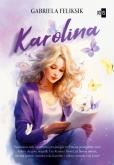
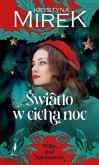
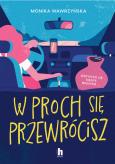
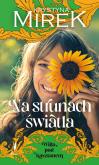
Karina mieszka w małym mieście, ma dobrą pracę, przyjaciół i rodzinę. Jej poukładaną w miarę egzystencję burzy wiadomość o śmierci ukochanej przyjaciółki z dzieciństwa - Karoliny. Dociera do niej, że właśnie straciła jedną z najważniejszych osób w swoim życiu, a najbardziej boli ją to, że przez ostatnie lata nie miały dla siebie czasu. Na cmentarzu spotyka starszego brata przyjaciółki, a zarazem swoją licealną miłość - Pawła, a kilka dni później dostaje tajemniczy list. Ku ogromnemu zdziwieniu odkrywa, że napisała go Karolina. List dostaje również Paweł.
Czy obojgu uda się spełnić ostatnią wolę zmarłej?
Jaką prawdę o zmarłej Karolinie odkryją dzięki wiadomościom z zaświatów?
I czy odważą się zawalczyć o swoje szczęście i wskrzesić dawne uczucie?
Niektóre pożegnania są tylko początkiem.
Wigilia. Karina wraca do pustego mieszkania, dźwigając ciężar niewypowiedzianych słów i straconych lat. Ale tego wieczoru przeszłość nie zamknie przed nią drzwi. Na stole czeka list – od Karoliny. Przyjaciółki, która już nie żyje.
Każda kolejna wiadomość to zagadka, wyzwanie i obietnica, której nie sposób zignorować. Słowa zza światów prowadzą Karinę do mężczyzny, którego nigdy nie przestała kochać, do dziecka, które nie powinno być samo, i do prawdy, której bała się spojrzeć w oczy.
Bo czasem to ci, którzy odeszli, wskazują nam drogę do życia, miłości i siebie samych.
Poruszająca historia o drugich szansach, więziach silniejszych niż śmierć i miłości, która nigdy nie umiera.
Karolina z alenajpierwksiążka
Cudowna historia o niezwykłej przyjaźni, ale również o uczuciu, uśpionym przez długi czas, które budząc się rozkwita jak piękny kwiat. Wspaniała, ciepła, wzruszająca opowieść, gorąco polecam.
Ewa z czytajac_wsrod_kwiatow
Karolina to znakomita, pełna emocji opowieść o życiowych trudnościach, stracie, przyjaźni oraz bezgranicznej miłości. Autorka stworzyła niezwykle szczerą, trudną, ale równie piękną historię o życiu. O nas. O naszych przyjaciołach, sąsiadach, współpracownikach, osobach, z którymi mijamy się na ulicy. Bohaterowie są właśnie tacy, jak my. Prawdziwi, czasem dość mocno złamani przez los, zagubieni, ale nade wszystko pragnący kochać i być kochanymi.
Lena z kruki.czytaja.po.zmroku
"Karolina" to trzymająca w napięciu, chwytająca za serce opowieść o prawdziwej przyjaźni, miłości i sekretach rodzinnych. Dajcie się porwać tej pełnej emocji historii! Polecam serdecznie!
Joanna Sobczyk Blog Zapiski przy Kawie
To historia, która wciąga już od pierwszej strony i daje nadzieję, ponieważ nie wiemy co przyniesie dla nas życie. Czasami jedna najbardziej szalona decyzja sprawia, że jesteśmy naprawdę szczęśliwi, a każdy kolejny dzień może przynieść nie jedną niespodziankę. Gorąco polecam!
Justyna Glinka, www.justynaczyta.pl
Czy śmierć siostry, albo najlepszej przyjaciółki może przynieść coś dobrego? Ta historia pokazuje, że nawet z zaświatów można popchnąć bliskich do działania, ale i można wyznać im skrywaną tajemnicę. Historia, która wyciśnie z Was morze łez, więc zapas chusteczek się przyda Jednak będzie też cudowna kumulacja szczęścia na osłodę. Po prostu musicie przeczytać tę książkę.
Anna Radomska Żyć nie umierać
Książka wydana w serii Wielkie Litery – w specjalnym formacie z dużą czcionką dla seniorów i osób słabowidzących.
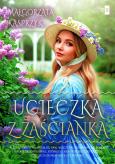
Mazowsze, koniec XIX wieku.
W szlacheckim dworku dorasta panna Marynia – dziewczyna przełomu epok. Z jednej strony jest romantyczką, która marzy o wielkiej miłości, a z drugiej nowoczesną osobą, która interesuje się pozytywizmem i emancypacją kobiet. Fascynuje ją też odległy, zamorski świat, chociaż droga do Ameryki jest daleka…
Wkrótce w życiu Maryni pojawiają się dwaj mężczyźni: przystojny szlachcic i bogaty przemysłowiec. Jak rozwinie się historia tego miłosnego trójkąta? Którego kawalera wybierze dziewczyna? Czy pójdzie za głosem serca, czy rozsądku?
Sto lat później dwójka młodych Amerykanów, Stephen i Diana, dowiaduje się, że w gronie ich przodków była pewna piękna Polka o imieniu Maria. Postanawiają odkryć prawdę o niej i ustalić, w jaki sposób znalazła się za oceanem, lecz to wcale nie jest takie proste…
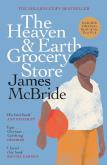
In 1972, when workers in Pottstown, Pennsylvania, were digging the foundations for a new development, the last thing they expected to find was a skeleton at the bottom of a well. Who the skeleton was and how it got there were two of the long-held secrets kept by the residents of Chicken Hill, the dilapidated neighbourhood where Jewish immigrants and African Americans lived side by side through the 1920s and '30s.
In this novel about small-town secrets and the people who keep them, James McBride shows us that even in dark times, it is love and community - heaven and earth - that sustain us.
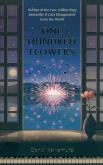
The fragrance of a single stem in a vase.
The shimmering reflection of fireworks in a lake.
The quiet of a bookshop as evening falls.
The feeling of opening a brand-new diary and beginning to write ...
Moments of beauty endure. But what happens when you begin to forget?
Yuriko leads a quiet, orderly life as a piano teacher. It's New Year's Eve and her grown-up son Izumi comes to visit. Yuriko makes him his favourite meal: omelette and hayashi rice. Together, they look like a normal family.
But Yuriko has a secret. Many years earlier, when Izumi was a boy, Yuriko suddenly disappeared for an entire year. She returned, but the lost year was never discussed.
Now as Yuriko begins to lose her memory, Izumi is forced to race against time as he seeks the truth behind this long-buried mystery. Will he learn to understand the woman his mother once was, before it is too late? And is he ready to become a father himself?
One Hundred Flowers is a story about the preciousness of every moment, the beauty and pain of family love, and the healing power of letting go.
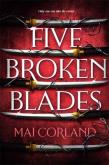
Five ruthless killers. Five deadly motives. One King - who must die.Six of Crows meets Kill Bill in a feast of treason and seduction set against a dazzling fantasy backdrop inspired by Korean myth and legend. INSTANT SUNDAY TIMES BESTELLERINSTANT NEW YORK TIMES AND USA TODAY BESTSELLER'This dazzling fantasy has it all: a richly developed world, a captivating ensemble cast, and a twisty, action-packed quest' KAREN MCMANUS, #1 NYT BESTSELLING AUTHOR OF ONE OF US IS LYING'Thrilling, addictive, and simply incredible. What a stunning debut!' THEA GUANZON, USA TODAY AND NYT BESTSELLING AUTHOR OF THE HURRICANE WARS'A compulsive read ...this adventure had me reading later into the night' RICK RIORDAN, AUTHR OF PERCY JACKSON AND THE LIGHTNING THIEFThe king of Yusan must die. The five most dangerous liars in the land have been mysteriously summoned to work together for a single objective: to kill the God King Joon. He has it coming.Under his merciless immortal hand, the nobles flourish, while the poor and innocent are imprisoned, ruined . . .or sold. And now each of the five blades will come for him. Each has tasted bitterness-from the hired hitman seeking atonement, and the lovely assassin who seeks freedom, to the prince banished for his cruel crimes.None can resist the sweet, icy lure of vengeance. They can agree on murder. They can agree on treachery.But for these five killers - each versed in deception, lies, and betrayal - it's not enough to forge an alliance. To survive, they'll have to find a way to trust each other . .. but only one can take the crown. Let the best liar win.'With vivid worldbuilding and unforgettable characters, Five Broken Blades is a gripping, unputdownable read that will keep you on the edge of your seat until the very last page!' LYNETTE NONI, #1 BESTSELLING AUTHOR OF THE PRISON HEALER TRILOGY 'The heist had me guessing until the very last page ... I absolutely loved this book. I couldn't put it down!' NISHA J TULI, AUTHOR OF THE TRIAL OF THE SUN QUEEN'(This book is) everything you want in a unlikely group of untrustworthy bad people getting together to pull of an impossible heist (or in this case, an assassination) story' REBECCA ROANHORSE, AUTHOR OF BLACK SUNFive Broken Blades was a Sunday Times bestseller May 2024
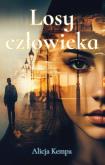
Poznaj losy zwyczajnych ludzi, którzy nagle muszą zmierzyć się ze swoją przeszłością, przezwyciężając przeszkody i własne ograniczenia. W tym zbiorze opowiadań spotkasz bohaterów z krwi i kości, razem z ich wahaniami, troskami i tęsknotami.
Robert czuje się zmęczony swoim dotychczasowym życiem, rozważa więc wejście w nowy związek, skreślając tym samym małżeństwo z kobietą, która miała być tą jedyną. Sara walczy z etykietką „szarego ludzika”, bo ta spędza jej sen z powiek. Darek prowadzi poukładane życie kawalera, jednak po latach nieoczekiwanie spotyka swoją dawną miłość.
W życiu trójki bohaterów nadchodzi punkt przełomowy, który skłania ich do refleksji nad tym, jak potoczyły się ich historie.
Konfrontują się z bolesnymi wspomnieniami, nieprzemijającym poczuciem pustki i skrywaną samotnością.
Co by było, gdyby dokonali innych wyborów? Czy uda im się pokonać trudności i rozpocząć nowy rozdział w życiu?
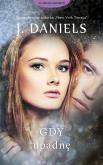
Reed Tennyson już nigdy nie zaangażuje się w związek z żadną kobietą. Jedna kiedyś go zraniła, tak bardzo, że postanowił, iż od tej pory kobiety będą mu służyć jedynie do seksu. Każdą z nich lojalnie o tym uprzedza - z każdą z nich spędza tylko jedną upojną noc, a potem - niemal dosłownie - wyrzuca je z domu.Beth to dziewczyna po przejściach - przez całe życie mieszkała z matką narkomanką, po jej śmierci stała się bezdomna. Cudem udaje jej się odnaleźć siostrę matki, która z radością ją przyjmuje i traktuje jak córkę.Gdy Reed spotyka Beth, musi przewartościować całe swoje życie - dociera do niego, że nadal istnieje na świecie kobieta, dla której może stracić głowę. Ale nie chce do tego dopuścić, nie chce znowu cierpieć, więc wzbrania się przed jakimkolwiek uczuciem. Na domiar złego do miasta wraca jego była dziewczyna
Książka wydana w serii Wielkie Litery – w specjalnym formacie z dużą czcionką dla seniorów i osób słabowidzących.
PORUSZAJĄCA POWIEŚĆ HISTORYCZNA Z WĄTKIEM KRYMINALNYM
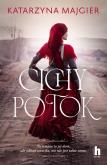
Kraków 1919 roku. Po I wojnie światowej ludzie starają się odnaleźć w nowej rzeczywistości. Leonard Rainer, detektyw z policji kryminalnej, poznaje w pociągu młodą wykształconą chłopkę, Rozalię Gawron. Kobieta po latach spędzonych za granicą wraca do domu, by wyjść za narzeczonego, z którym zaręczyła się jeszcze przed wojną, i zostać gospodynią w rodzinnym Cichym Potoku. Rozalia bardzo szybko przekonuje się, że wiele tam się zmieniło, a jeszcze bardziej zmieniła się ona sama. Cichy Potok skrywa wiele tajemnic.
A kiedy we wsi z rąk nieznanego mordercy zaczynają ginąć młode piękne dziewczyny, Leonard Rainer postanawia poprowadzić sprawę i dowiedzieć się, kto i dlaczego zabija w Cichym Potoku oraz jaką rolę w tym wszystkim odegrała fascynująca Rozalia Gawron.
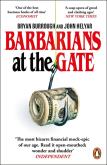
From two award-winning business journalists comes the rollicking tale of one of the largest corporate takeovers in American history
'The most bizarre financial mock-epic of our age. Read it open-mouthed; wonder and shudder' Independent
‘One of the best business books of all time’ Economist
The fight to control food and tobacco giant RJR Nabisco during October and November of 1988 was more than just the largest takeover in Wall Street history. Marked by brazen displays of ego not seen in American business for decades, it became the high point of a new gilded age, and its repercussions are still being felt. The ultimate story of greed and glory, Barbarians at the Gate is the gripping account of these two frenzied months, of deal makers and publicity flaks, of an old-line industrial powerhouse that became the victim of the ruthless and rapacious style of finance in the 1980s.
Written with the bravado of a novel and researched with the diligence of a sweeping cultural history, here is the unforgettable story of the takeover in all its brutality.
‘A soap opera of greed and clashing egos’ New York Times
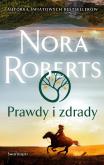
Bestsellerowa autorka Nora Roberts przedstawia porywającą opowieść o rodzinnych tajemnicach i niespodziewanych namiętnościach, osadzoną w świecie wyścigów konnych. Przez całe swoje życie Kelsey Byden sądziła, że jej matka zmarła. Teraz, po wielu latach, odkryła prawdę: Naomi Chadwick żyje, choć spędziła wiele lat w więzieniu za zabójstwo swojego kochanka. Na farmie koni w Wirginii, należącej do Naomi, Kelsey próbuje rozwikłać zagmatwaną sieć kłamstw, które towarzyszyły jej przez całe życie, oraz uporządkować swoje uczucia wobec matki. Więzi miłości potrafią być kruche, czego Kelsey doświadczyła zresztą w zakończonym niedawno małżeństwie. Wkrótce matka i córka spróbują odbudować swoje relacje, a Kelsey, która angażuje się w burzliwy romans, będzie musiała raz na zawsze zdecydować, komu może zaufać, a kto stanowi dla niej śmiertelne zagrożenie.
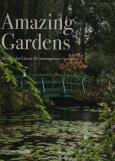
From the gardens of the Palace of Versailles to Beatrix Potter’s garden in the Lake District, from Monet’s garden in France to the Tivoli Gardens in Rome, from the Japanese garden in Portland, Oregon, to city gardens in Tokyo, Amazing Gardens is a wide-ranging celebration of all types of gardens around the globe.
Including formal French gardens and English landscape gardens, famous botanical gardens and little-known curiosities, Iranian and Persian gardens, grand, country house gardens and inner-city gardens, Zen gardens, strolling Japanese gardens and Chinese gardens, medicinal gardens and one poison garden, knot gardens and Roman gardens, the book explores a huge variety of the approaches and uses of gardening around the world over millennia.
In telling the stories of these places, the book touches on the lives of the people who worked in them, designed them and owned them – people such as Prince Charles, Capability Brown, Gertrude Jekyll, Edith Wharton and Agatha Christie.
Illustrated with more than 200 outstanding colour photographs and expert captions, Amazing Gardens not only champions the splendour of the world’s most magnificent gardens but also reveals many fascinating stories about the history of these places and the people who created them.
Ten produkt jest zapowiedzią. Realizacja Twojego zamówienia ulegnie przez to wydłużeniu do czasu premiery tej pozycji. Czy chcesz dodać ten produkt do koszyka?