Ta kategoria dedykowana jest współczesnym czytelniczkom literatury kobiecej. Bardzo szeroki wybór romansów, kryminałów, powieści obyczajowe, poruszająca literatura kobieca, erotyki, harlequiny polskich i zagranicznych autorów. Każda lubiąca czytać kobieta znajdzie coś szczególnego dla siebie.
Polecamy literaturę Sergiusza Piaseckiego, Stanisława Srokowskiego, Diany Palmer czy w końcu Blanki Lipińskiej.
Nadzieja jest jak pierwszy powiew wiosny: serce jeszcze zmrożone, ale w duszy już kiełkuje jasny promień… Mała, samotna dziewczynka, i półdziki chłopiec, odrzucony przez rówieśników: tych dwoje odnajduje się w mrocznym świecie, gdzie dorośli, zamiast kochać – ranią. Dzieci mają tylko siebie, ale los nie jest łaskawy i rozdziela je na długie lata.
Nadzieja to powrót do domu, uśmiech po nocy pełnej łez, wiara w to, że jest gdzieś świat, w którym przyjaźń jest przyjaźnią, a kochanie, kochaniem… Wzgardzona piękność, Liliana i Aleksiej, który z dzikiego dziecka wyrósł na mądrego, szlachetnego mężczyznę, ponownie się spotykają. Uczucia, jakie ich łączą, są silniejsze od przeznaczenia: miłość i nienawiść. Ona potrafi go tylko ranić, on nie umie o niej zapomnieć. Ona, Lilith, jest jak ogień, on – jak ćma. Miłość staje się obsesją, przeznaczenie zmienia się w fatum, a Liliana i Aleksiej nie potrafią, a może nie chcą się temu przeciwstawić. Pozostaje tylko Nadzieja…
Katarzyna Michalak oddaje do naszych rąk poruszającą opowieść o samotności, której doświadcza niejedna z nas, o miłości, która przezwycięża wszystko, i nienawiści, która wszystko potrafi zniszczyć.
Zawsze warto wysłuchać czyjejś historii do końca. W ten sposób można uratować komuś życie.
Kinga straciła już wszystko: dom, rodzinę, dziecko i poczucie godności. Wtedy w jej życiu pojawia się Aśka. Kobieta, która kiedyś zrujnowała jej małżeństwo, teraz wyciąga do Kingi pomocną dłoń. Czy to wyrzut sumienia, ludzki gest , a może jakiś ukryty plan? Aśka nie zna jeszcze historii dawnej rywalki – historii tak bolesnej i wstrząsającej, że aż trudno to sobie wyobrazić.
Nie pogardzaj drugim człowiekiem, nie wiesz, co sprawiło, że uczynił to, co uczynił i znalazł się tu, gdzie się znalazł: na samym dnie.
Czy Aśka zdobędzie zaufanie Bezdomnej? Odkryje, dlaczego Kinga tak sobą gardzi, tak bardzo cierpi? Co zrobi, gdy pozna prawdę? Czy w Aśce zwycięży wścibska dziennikarka, czy wrażliwa, czuła na krzywdę innych kobieta? Niech ta książka uratuje choć jedną kobietę, choć jedno dziecko… „Bezdomna” to książka pełna dramatyzmu, skrajnych emocji, tajemnic, skomplikowanych relacji rodzinnych i niespodziewanych przyjaźni. To historia, która może toczyć się obok ciebie. To opowieść, której musisz wysłuchać do końca.
Najnowsza powieść autora bestsellerowego Lektora.Kobieta, która walczy, i mężczyzna, który marzy.Życie między rzeczywistością, tęsknotą i buntem.Wioska na Pomorzu. Olga jest sierotą, Herbert synem właściciela ziemskiego. Zakochują się w sobie i mimo oporów jego rodziców próbują być razem, nawet gdy ona zostaje nauczycielką w Prusach Wschodnich, a on eksploruje świat. Wkrótce wybucha pierwsza wojna światowa.Olga to rozpięta od końca XIX do początków XXI wieku, od Niemna po Neckar opowieść o silnej, mądrej kobiecie, która jest świadkiem, jak nie tylko jej ukochany, lecz cały naród traci związek z rzeczywistością. Centralnym pytaniem jej życia staje się: Dlaczego Niemcy myślą w zbyt wielkich kategoriach? Zawsze i wciąż?Książka o wielkiej miłości, tak porywająca i przerażająca jak panorama niemieckiej historii. - Angela Wittmann Brigitte, Hamburg.Powieść, która może konkurować z Lektorem i jak tamta odnieść światowy sukces! - Rainer Hartmann SWR1, Stuttgart/Baden-Baden
Wakacje all-inclusive mają kilka wad.
Po pierwsze – cena.
Po drugie – sztuczność i rozlazła nuda pobytu.
Po trzecie – średnio dwa dodatkowe kilo na tydzień.
Po czwarte – wcale nie tak łatwo przestać tam być singielką…
Z tych i paru innych powodów Lucyna i Elwira decydują się na urlop nad Bałtykiem. Los się do nich uśmiecha: wynajęty (tanio!) domek jest uroczy. Na plaży – pustki (bo w kalendarzu czerwiec). Towarzystwo w postaci przyjaciółki – najlepsze pod słońcem. Nawet znana z kaprysów nadmorska pogoda okazuje się dla nich łaskawa. Jedyny problem to nieboszczyk…
Zaskakująca komedia pomyłek z dreszczykiem.
Debiutancką powieść Agata Przybyłek napisała kilka lat temu, by poradzić sobie z zawodem miłosnym. Poznajcie kontynuację tego komediowego hitu, dzięki któremu uśmiechniętą, rudowłosą pisarkę poznały czytelniczki w całej Polsce! Halina, matka Iwonki – bohaterki znanej z „Nie zmienił się tylko blond” – nie może pogodzić się z wyprowadzką córki oraz wnuków z domu. Lekarstwem na złe samopoczucie starszej pani ma okazać się przyjazd jej córki chrzestnej – Martusi. Dziewczyna wraca do Sosenek po kilku latach pobytu w Anglii. Przywozi ze sobą dwójkę dzieci: kilkuletnią Marysię i trzymiesięcznego Krzysia. Kiedy Halina odkrywa, że chłopiec jest czarnoskóry, robi wszystko, by nie dowiedział się o tym żaden mieszkaniec wsi i… żeby chrześnica jak najszybciej wyprowadziła się z jej domu. Starsza pani każe usunąć wszelkie „luksusy”, zarządza cowieczorne wyłączanie prądu, karmi Martusię zdrowym, prostym jedzeniem (czytaj: głodzi). Brzmi tragicznie? Niekoniecznie! „Nieszczęścia chodzą stadami” to najzabawniejsza kobieca powieść! Los uśmiecha się do tego, kto się śmieje. Zwłaszcza jeżeli pomogą przyjaciele, a właściwie ten jeden przyjaciel, który z czasem zaczyna być kimś więcej.
„Nie zmienił się tylko blond” to debiutancka powieść autorki, której dziś już nikomu nie trzeba przedstawiać. To właśnie tę historię kilka lat temu napisała, by poradzić sobie z zawodem miłosnym. Poznajcie prawdziwy komediowy hit Agaty Przybyłek, dzięki któremu uśmiechniętą, rudowłosą pisarkę poznały czytelniczki w całej Polsce!
Iwonka ma męża, czwórkę dzieci i sielankowe życie. Mąż ma sklep z bielizną i biuściastą kochankę Adelę. Iwonka dowiaduje się, że w wieku 37 lat zostanie babcią. Przepis na dramat? Nigdy w życiu!
"Nie zmienił się tylko blond" to pełna humoru powieść o kobiecie, która musi na nowo poukładać sobie życie. Urzeknie czytelniczki w każdym wieku, bez względu na to, czy są blondynkami, czy też nie!
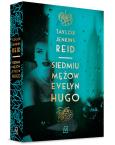
Powieść, którą pokochały setki tysięcy Amerykanek!To spotkanie zmieni życie Monique. Młoda dziennikarka dostaje propozycję przeprowadzenia wywiadu z Evelyn Hugo aktorką, która ma za sobą imponującą karierę w Hollywood. Warunek jest jeden: ta rozmowa nie może zostać opublikowana przed śmiercią artystki. Evelyn opowiada o tym, jak wyrwała się z biedy i trafiła do wymarzonego świata kina. Sława, pieniądze, skandale i blask reflektorów... W Hollywood nikt nie jest bez grzechu.Dlaczego Evelyn ma za sobą aż siedem małżeństw? Kogo kochała naprawdę? Jej życie kryje tajemnice, które nigdy nie powinny trafić na pierwsze strony gazet.Lektura obowiązkowa dla wszystkich fanów Marilyn Monroe i Audrey Hepburn! Gdyby Evelyn Hugo istniała naprawdę, byłaby ich najlepszą przyjaciółką albo... największą konkurentką.Fascynująca powieść o miłości i cenie sławy.
Czy da się być jednocześnie roztargnioną perfekcjonistką i chaotyczną pedantką? Czy można nie cierpieć brudu, ale w radosnym oszołomieniu wdychać zapach kurzu i starych książek? I czy wypada ponad wszystko wielbić ład, a jednocześnie mieć kompletnie zabałaganione życie?Oczywiście że tak! O ile jest się kimś takim, jak Anastazja Niebieska zwariowana bibliotekarka i roztrzepana fanatyczka porządku. Z pozoru świetnie zorganizowana, nie potrafiąca jednak dojść do ładu z samą sobą. Najbezpieczniej czuje się wśród starych książek, za to trochę gorzej wśród ludzi, co z czasem spróbuje zmienić pewien uroczy miłośnik tajemnic i zagadekAnastazja poznaje go po przeprowadzce do starej rodzinnej willi. To, co miało być tymczasowym rozwiązaniem, gmatwa jej życie jeszcze bardziej. Kiedy odkrywa pewien sekret, uświadamia sobie, że nie wszystko w jej życiu działo się przez przypadek
Rewolucja była jak rozwścieczone morze: zmiatała wszystko, co jej stawiało opór. Człowiek nie miał szans w starciu z taką potęgą. Ginął w niej bez śladu, jak ziarnko piasku w oceanie.Doktor Gaston Laval pracuje we francuskim szpitalu polowym. Tam poznaje Polkę, Muriel de Voss, której największym marzeniem jest zostanie lekarką. Tajemnicza kobieta zaskakuje go swoją znajomością anatomii, chirurgii i leków, a historia jej życia porusza go do głębi. Pomiędzy nimi rodzi się uczucie, jednak okrucieństwo wojny ich rozdziela.Nie bacząc na śmiertelne niebezpieczeństwo, lekarz wyrusza za ukochaną przez Pireneje do Hiszpanii. Czy będzie dane im się spotkać? Czy Muriel ma szansę na studiowanie ukochanej medycyny? Czy miłość zatriumfuje w czasach wojennego szaleństwa?Epicka, pełna rozmachu powieść o miłości i podążaniu za własnymi marzeniami, rozgrywająca się w realiach bogato odmalowanej epoki napoleońskiej.
Romeczek Słowacki (nazwisko zobowiązuje!) to niespełniony pisarz, który w oczekiwaniu na światową sławę chałturzy (z czegoś trzeba żyć), tworząc teksty reklamowe o odkurzaczach i pieluszkach. Miłość jego życia, Elena, wpada na kompletnie wariacki pomysł, który pozwoli wydusić z talentu ukochanego nieco więcej pieniędzy. Będzie jednak potrzebować pomocy. Na kogo może liczyć? Na Barbarę, która dopiero co pochowała męża i wbrew wszystkim uważa, że nie był wcale taki beznadziejny. Na Dorotę pałającą chęcią zemsty na swoim byłym, który zostawił ją dla młodszej i to w momencie najgorszym z możliwych. I wreszcie na Martę, której po raz trzeci z rzędu nie udało się dostać na studia aktorskie, czeka więc nadal na swój wielki moment, pracując w call center. Drużyna jedna na milion. Co może pójść nie tak? Niespodzianka goni niespodziankę, na dodatek szczerze ubawiony Amor pudłuje, posyłając swoją strzałę zupełnie nie tam, gdzie powinna trafić. Wrocław. Miasto idealne do tego, by zacząć wszystko od nowa. Miasto, w którym miłość kiełkuje na najmniej oczekiwanym gruncie.
Ta historia pokazuje, że kochać powinno się sercem, a nie oczami!Osiemnastoletnia Wiktoria po śmierci ojca musi całkowicie zmienić swoje życie przeprowadza się do innego miasta, gdzie czekają na nią nowa szkoła i nowi przyjaciele Ale to dopiero początek zmian, jakie zaplanował dla niej los.Na drodze Wiktorii staje dwóch chłopaków, obaj wydają się coś ukrywać. Serce dziewczyny zaczyna wyrywać się do jednego z nich Jak wyrzucić z siebie miłość do kogoś, kto codziennie udowadnia, że marzenia spełniają się zawsze, a motyle potrafią tańczyć nawet podczas zimnego wiatru? Czy można kochać chłopaka, który spadł z gwiazd?
Molly Shakespeare nie miała najłatwiejszego dzieciństwa. Bardzo wcześnie straciła rodziców. Wychowywała ją babcia, która utwierdzała wnuczkę w przekonaniu, że aby wykorzystać swoją szansę i stać się kimś, musi pracować ciężej niż inni. Molly była bystra, inteligentna, rozkochana w wiedzy i wyjątkowo oczytana, jednak bardzo samotna. Większość ludzi widziała w niej tylko brązowowłosą okularnicę, najczęściej milczącą, skrytą, niezbyt modnie ubraną i niemajętną. Dziewczyna podjęła decyzję o wyjeździe z rodzinnej Anglii do Alabamy, by tam ukończyć studia i zrobić doktorat z filozofii, gdyż bardzo chciała daleko zajść.
Molly prędko się przekonuje, że ten wyjazd radykalnie zmieni jej życie. Ludzie w Alabamie kochają futbol, głośną zabawę i mają nieznośny temperament. Jednak największym zaskoczeniem i równocześnie największą rewolucją w poukładanym życiu Molly okazuje się Romeo Prince: gwiazda sportu, potomek rodziny z tradycjami i dziedzic wielkiej fortuny, a przede wszystkim chłopak o boskim ciele, cudownych oczach i zniewalającym uśmiechu. Romeo robi, co chce, i może mieć każdą dziewczynę, której zapragnie. Ale z jakiegoś powodu upodobał sobie Molly...
To pierwsza część przepięknej opowieści o miłości, która rozkwitła między dwojgiem młodych ludzi z zupełnie innych światów. Uczucie to sprawiło, że każde z nich odkryło w ukochanej osobie najpiękniejsze cechy i nie wyobraża sobie bez niej życia. Czy pierwsza, młodzieńcza miłość okaże się na tyle silna, by przezwyciężyć twarde zasady ugruntowane przez pieniądze, tradycję i niepisane umowy?
Niegrzecznym chłopcom najbardziej potrzebne są mądre dziewczyny!
O autorze
Powieści Tillie Cole były wielokrotnie wyróżniane przez Amazon i „USA Today”. Pisarka wychowywała się na rodzinnej farmie w północno-wschodniej Anglii z mamą Angielką, tatą Szkotem, starszą siostrą i całym mnóstwem adoptowanych zwierząt. Po ukończeniu studiów przez dziesięć lat podróżowała po świecie wraz z mężem — zawodowym rugbystą. Obecnie mieszka w Austin w stanie Teksas i oddaje się temu, co lubi najbardziej: pisaniu świetnych powieści. W wolnych chwilach szaleje na parkiecie, ogląda filmy, pije stanowczo zbyt dużo kawy i zajada się czekoladą.
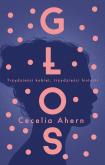
Wyjątkowy, poruszający i działający na wyobraźnię zbiór opowieści o kobietach pióra autorki uwielbianej przez miliony czytelniczek na całym świecie. Prezentując dylematy, przed którymi kobiety stają, oraz ich aspiracje i dążenia, autorka łączy magiczny realizm z typowymi życiowymi sytuacjami, co prowadzi do zaskakujących i często zabawnych sytuacji. Ahern pisze o małżeństwie i wychowywaniu dzieci, o polityce i wielkiej karierze; jej bohaterki muszą stawić czoło zarówno zwykłym, przyziemnym problemom, jak i zagadkowym, których źródła ani przyczyn nie sposób jednoznacznie ustalić. Zmagają się z przeszkodami, pokonują przeciwności losu, szukają szczęścia i radości, nie zważając na to, że ich świat w znaczniej mierze kształtują opinie i oceny innych ludzi. Każda na swój sposób odkrywa drzemiącą w niej siłę.
Zwyciężczyni w plebiscycie na najlepszą książkę 2018 roku największego portalu literackiego na świecie – Goodreads Choice Awards. Uzyskała przy tym bezprecedensową liczbę 45 tysięcy głosów!
Według trzydziestoletniej Stelli świat powinien rządzić się jedynie prawami logiki. Tworzenie algorytmów wydaje jej się zdecydowanie prostsze niż relacje z mężczyznami. Wizja bliskości budzi w niej niechęć, a na myśl o całowaniu robi jej się niedobrze. Trochę pod wpływem matki, trochę dla samej siebie postanawia to zmienić. Na pewno nie pomagają jej chorobliwe trudności z nawiązywaniem relacji. Czy to wina objawów zespołu Aspergera, czy może Stella tak po prostu ma?
Do wprowadzenia zmian w swoim życiu Stella zabiera się nietypowo. Potrzebuje dobrego treningu. Uznaje, że do ćwiczeń najlepiej nada się profesjonalista, czyli wynajęty mężczyzna do towarzystwa. Tak poznaje Michaela. Plan lekcji, który wspólnie realizują, wychodzi znacznie poza całowanie. Ich biznesowy układ szybko zmienia swój charakter. Stella odkrywa, że w życiu najbardziej liczy się to, co wymyka się równaniom matematycznym.
„Więcej niż pocałunek” to brawurowy debiut Helen Hoang, która zainspirowana własnymi doświadczeniami stworzyła historię miłosną z motywami psychologicznymi i dawką subtelnie rozegranych wątków erotycznych.
Powieść o pasji, uporze i pokonywaniu traumy, ale też bluźniercza i niesamowita historia samotności i nieludzkiej wręcz obsesji na punkcie tego, by zostawić po sobie jakiś ślad na tym świecie
Stephen jest wychowanym przez babkę sierotą, który dzięki stypendium sportowemu trafia na któryś z zapomnianych przez Boga wiejskich college’ów w Północnej Dakocie. Oficjalnie uczy się po to, aby uzyskać dyplom licencjata sztuk wyzwolonych, lecz prawdziwym celem jego życia w Oregsburgu jest uprawianie zapasów. Tytuł mistrzowski jest dla chłopaka świętym Graalem, spełnieniem i – być może – kresem lub początkiem wszystkiego.
Florida podporządkowuje więc zawodom całe swoje życie, a każdy trening i każda walka mają stanowić kolejny krok w stronę wielkości.
„Wspaniałe, magnetyczne powieściopisarstwo”. „Guardian”
„Niesamowita, niejednoznaczna książka”. Hanya Yanagihara, autorka Małego życia
„Doskonała”. Lauren Groff, autorka Fatum i furii
„Fascynująca”. „New York Times”
„Oszałamiająca proza”. „Huffington Post”
„Co za diabelnie niezwykła powieść… Potrzeba ogromnej odwagi, żeby napisać coś takiego”. Roxane Gay, autorka Histeryczek
Rodzina Auerbachów przeprowadza się do wielkiego domu, znajdującego się obok nowo powstającego osiedla.
Na tle urokliwego jeziora, w sąsiedztwie ruin historycznego zamku, rozgrywają się skomplikowane losy bohaterów: miłość miesza się z nienawiścią, podziw z zazdrością, zdrada z wiernością…
Kiedy młodziutka Sofia Stefanides zostaje zhańbiona, jej brat Alexis postanawia ją pomścić, jak nakazuje honorowy kodeks obowiązujący w greckiej rodzinie. Na ofiarę wybiera Siennę, siostrę domniemanego sprawcy. Zatrudnia ją jako asystentkę, rozkochuje w sobie i uwodzi. Gdy wychodzi na jaw, że się pomylił, proponuje Siennie małżeństwo. Chce w ten sposób zagłuszyć wyrzuty sumienia. Tymczasem pewnego dnia nieświadoma intrygi i zakochana po uszy Sienna poznaje prawdę…
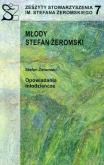
Zeszyt ma tytuł „Młody Stefan Żeromski”. Przedstawia nieznane szerzej fakty dotyczące wczesnej biografii pisarza. Opisuje dzieciństwo spędzone w Ciekotach oraz młodość w Warszawie. Ukazuje atmosferę szlacheckiego dworku, w którym Żeromski wyrósł, jego trudną samodzielność na warszawskim bruku oraz lektury – obfite, różnorodne, czytane z pasją w każdych warunkach. One to – zastępując formalne wykształcenie – utorowały mu pisarską drogę.
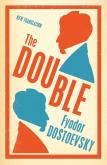
Constantly rebuffed from the social circles he aspires to frequent, the timid clerk Golyadkin is confronted by the sudden appearance of his double, a more brazen, confident and socially successful version of himself, who abuses and victimizes the original. As he is increasingly persecuted, Golyadkin finds his social, romantic and professional life unravelling, in a spiral that leads to a catastrophic denouement.
The Double, Dostoevsky’s second published work of fiction, which foreshadows in its themes many of his mature novels, is the surreal and hallucinatory tale of an unfortunate anti-hero, at once chilling in its depiction of the dark sides of human nature and exuberantly comical.
In a series of nine letters, the narrator tells his friend how he introduced Vera Nikolayevna, a married woman who had been forbidden as a child to read fiction and poetry, to the intellectual pleasures of Goethe’s masterpiece. Opening up in front of Vera’s eyes is not only the realm of imagination, but also a world of unbridled feelings and tempestuous passions, which can only shatter the comfort and safety of her existence and force her to set off on a journey of spiritual awakening.
This lesser-known novella by one of the great masters of Russian literature, now available to English readers in Hugh Aplin’s lucid translation, is presented here with ‘Yakov Pasynkov’, another poignant story exploring the nature of love and human relations.
Ten produkt jest zapowiedzią. Realizacja Twojego zamówienia ulegnie przez to wydłużeniu do czasu premiery tej pozycji. Czy chcesz dodać ten produkt do koszyka?