Szeroki wybór książek, multimediów z zakresu szeroko pojętej kultury: architektura, duchowy wymiar twórczości, szlaki kajakowe, współczesne media, przemoc w mediach, polityka. Odnajdziesz tu również książki i podręczniki idealne dla uczniów oraz studentów. Szeroki wybór beslsellerów i nowości.
A key theme of Gayatri Spivak's work is agency: the ability of the individual to make their own decisions. While Spivak's main aim is to consider ways in which "subalterns" – her term for the indigenous dispossessed in colonial societies – were able to achieve agency, this paper concentrates specifically on describing the ways in which western scholars inadvertently reproduce hegemonic structures in their work.
Spivak is herself a scholar, and she remains acutely aware of the difficulty and dangers of presuming to "speak" for the subalterns she writes about. As such, her work can be seen as predominantly a delicate exercise in the critical thinking skill of interpretation; she looks in detail at issues of meaning, specifically at the real meaning of the available evidence, and her paper is an attempt not only to highlight problems of definition, but to clarify them.
What makes this one of the key works of interpretation in the Macat library is, of course, the underlying significance of this work. Interpretation, in this case, is a matter of the difference between allowing subalterns to speak for themselves, and of imposing a mode of "speaking" on them that – however well-intentioned – can be as damaging in the postcolonial world as the agency-stifling political structures of the colonial world itself. By clearing away the detritus of scholarly attempts at interpretation, Spivak takes a stand against a specifically intellectual form of oppression and marginalization.
In his 1997 work Guns, Germs and Steel, Jared Diamond marshals evidence from five continents and across 13,000 years of human history in an attempt to answer the question of why that history unfolded so differently in various parts of the globe. His results offer new explanations for why the unequal divisions of power and wealth so familiar to us today came into existence – and have persisted.
Balancing materials drawn from a vast range of sources, addressing core problems that have fascinated historians, anthropologists, biologists and geographers alike – and blending his analysis to create a compelling narrative that became an international best-seller and reached a broad general market – required a mastery of the critical thinking skill of reasoning that few other scholars can rival. Diamond’s reasoning skills allow him to persuade his readers of the value of his interdisciplinary approach and produce well-structured arguments that keep them turning pages even as he refocuses his analysis from one disparate example to another.
Diamond adds to that a spectacular ability to grasp the meaning of the available evidence produced by scholars in those widely different disciplines – making Guns, Germs and Steel equally valuable as an exercise in high-level interpretation.
Debt is one of the great subjects of our day, and understanding the way that it not only fuels economic growth, but can also be used as a means of generating profit and exerting control, is central to grasping the way in which our society really works.
David Graeber's contribution to this debate is to apply his anthropologists' training to the understanding of a phenomenon often considered purely from an economic point of view. In this respect, the book can be considered a fine example of the critical thinking skill of problem-solving. Graeber's main aim is to undermine the dominant narrative, which sees debt as the natural – and broadly healthy – outcome of the development of a modern economic system. He marshals evidence that supports alternative possibilities, and suggests that the phenomenon of debt emerged not as a result of the introduction of money, but at precisely the same time.
This in turn allows Graeber to argue against the prevailing notion that economy and state are fundamentally separate entities. Rather, he says, "the two were born together and have always been intertwined" – with debt being a means of enforcing elite and state power. For Graeber, this evaluation of the evidence points to a strong potential solution: there should be more readiness to write off debt, and more public involvement in the debate over debt and its moral implications.
The history of anthropology is, to a large extent, the history of differing modes of interpretation.
As anthropologists have long known, examining, analyzing and recording cultures in the quest to understand humankind as a whole is a vastly complex task, in which nothing can be achieved without careful and incisive interpretative work. Edward Evans-Pritchard’s seminal 1937 Witchcraft, Oracles, and Magic Among the Azande is a model contribution to anthropology’s grand interpretative project, and one whose success is based largely on its author’s thinking skills. A major issue in anthropology at the time was the common assumption that the faiths and customs of other cultures appeared irrational or illogical when compared to the “civilized” and scientific beliefs of the western world.
Evans-Pritchard sought to challenge such definitions by embedding himself within a tribal culture in Africa – that of the Azande – and attempting to understand their beliefs in their proper contexts. By doing so, Evans-Pritchard proved just how vital context is to interpretation. Seen within their context, he was able to show, the beliefs of the Azande were far from irrational – and magic actually formed a coherent system that helped mould a functional community and society for the tribe. Evans-Pritchard’s efforts to clarify meaning in this way have proved hugely influential, and have played a major part in guiding later generations of anthropologists from his day to ours.
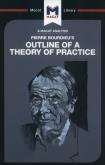
In Outline of a Theory of Practice, Bourdieu questions the preeminent ideas of social anthropologists such as Levi-Strauss who stressed the structural principles governing human action rather than the actions themselves and, Bourdieu asserts, doesn’t account for all observable nuances of behaviour. Drawing on his fieldwork in Algeria, he expresses the need for a theory of practice focusing on the dynamic flow of human actions in the social world. Bourdieu coins the term ‘habitus’- a relational concept linking structures to the practice of agents. Outline is a significant and original contribution, providing an account of many of the issues Bourdieu continued to develop through his career.
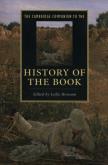
Throughout human history, the world's knowledge and fruits of the creative imagination have been produced, circulated and received through the medium of the material text. This Companion provides a wide-ranging account of the history of the book and its ways of thinking about works from ancient inscription to contemporary e-books, discussing thematic, chronological and methodological aspects of this interdisciplinary field. The first part considers book cultures from local, national and global perspectives. Part two, organized around the dynamic relationship between the material book and the mutable text, develops a loosely chronological narrative from early writing, through manuscript and early printing, to the institution of a mechanized book trade, and on to the globalization of publishing and the introduction of the electronic book. A third part takes a practical turn, discussing methods, sources and approaches: bibliographical, archival and reading experience methodologies, as well as pedagogical strategies.
Engelbert Kaempfer (1651–1716)
Niemiecki lekarz i przyrodnik, urodzony w Lemgo w Westfalii. Po studiach m.in. w Gdańsku, Toruniu, Krakowie i Królewcu wziął udział w wyprawie przez Rosję do Persji, zorganizowanej z polecenia króla Szwecji Karola XI. Następnie jako lekarz i chirurg holenderskiej Kompanii Wschodnioindyjskiej (VOC) trafił do Japonii, gdzie był lekarzem załogi faktorii na sztucznej wyspie Dejima w Nagasaki.
Wraz z holenderską delegacją dwukrotnie odbył podróż do Edo, na dwór szoguna Tsunayoshiego Tokugawy (1691 i 1692 r.). W 1695 powrócił do rodzinnego Lemgo. Autor m.in. tekstu poświęconego florze Azji Wschodniej oraz jednego z pierwszych kompleksowych tekstów o Japonii okresu Edo.
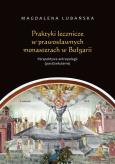
Książka poświęcona jest problematyce rytualnych praktyk, które bułgarscy wierni podejmują w prawosławnych monasterach „dla zdrowia”. Czynności te obejmują m.in. inkubowanie, obmywanie się w leczniczych źródłach, kontakt z przedmiotami sakralnymi, Cyprianowe Modlitwy, sakrament namaszczenia olejami, spożywanie poświęconego pokarmu i składanie ofiar (kurbanów).
Badaczka pokazuje, że moment uzdrowienia wierni utożsamiają z doświadczeniem pozytywnego działania na ich ciała „życiodajnych energii”. Autorka analizuje specyfikę tych praktyk zarówno w wymiarze synchronicznym, jak i diachronicznym, korzystając z wypracowanej w toku badań (post)sekularnej teorii antropologicznej. Z prawosławnej teologii oraz z tekstów bizantynistycznych wydobywa koncepcje ontologiczne, poszerzające możliwości interpretacyjne teorii antropologicznej, która aktualnie poszukuje narzędzi pozwalających na inne niż zachodniocentryczne rozumienie fenomenu „sprawczości” religijnych wizerunków i przedmiotów sakralnych. Jednocześnie analizuje bułgarski habitus religijny w szerokim kontekście, dostrzegając wielorakie wpływy kulturowe, jakim podlegał i aktualnie podlega.
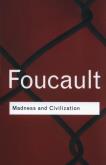
In this classic account of madness, Michel Foucault shows once and for all why he is one of the most distinguished European philosophers since the end of World War II. Madness and Civilization,Foucault's first book and his finest accomplishment, will change the way in which you think about society. Evoking shock, pity and fascination, it might also make you question the way you think about yourself.
Judith Butler's Gender Trouble is a perfect example of creative thinking. The book redefines feminism's struggle against patriarchy as part of a much broader issue: the damaging effects of all our assumptions about gender and identity.
Looking at the factionalism of contemporary (1980s) feminism, Butler saw a movement split by identity politics. Riven by arguments over what it meant to be a women, over sexuality, and over class and race, feminism was falling prey to internal problems of identity, and was failing to move towards broader solidarity with other liberation movements such as LGBT.
Butler turned these issues on their head by questioning the basis that supposedly fundamental and fixed identities such as 'masculine/feminine' or 'straight/gay' actually have. Tracing these binary definitions back to the binary nature of human anatomy ('male/female'), she argues that there is no necessary link between our anatomies and our identities. Subjecting a wide range of evidence from philosophy, cultural theory, anthropology, psychology and anthropology to a renewed search for meaning, Butler shows both that sex (biology) and gender (identity) are separate, and that even biological sex is not simplistically either/or male/female. Separating our biology from identity then allows her to argue that, while categories such as 'masculine/feminine/straight/gay' are real, they are not necessary; rather, they are the product of society's assumptions, and the constant reproduction of those assumptions by everyone around us. That opens up some small hope for change: a hope that – 25 years after Gender Trouble's publication – is having a huge impact on societies and politics across the world.
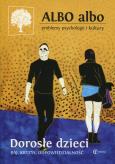
„ALBO albo” jest pismem promującym interdyscyplinarne, humanistyczne spojrzenie na człowieka i kulturę. Nasza oryginalność wyraża się w podejmowaniu aktualnych tematów z dziedziny psychologii, psychoterapii, psychiatrii, filozofii, sztuki, literatury, kultury i religii. Prezentujemy także poezję, opowiadania, ilustracje graficzne polskich autorów oraz cenne myśli (aforyzmy) wybitnych myślicieli wszystkich czasów. Jesteśmy pismem ideowym o szerokich horyzontach – interesuje nas człowiek jako twórca siebie i twórca kultury. Naszą inspiracją jest myśl wybitnego szwajcarskiego psychologa i psychiatry – Karola Gustawa Junga. Nasi Czytelnicy to osoby o otwartym umyśle, wrażliwe na sztukę, wiedzę i żywe zjawiska współczesnej kultury. Wszystkich, którzy wspierają nasze pomysły i szukają z nami bliższego kontaktu zapraszamy do prenumeraty „ALBO albo”. Od 1995 roku organizujemy spotkania z Czytelnikami „ALBO albo” – Forum Inspiracji Jungowskich. W ramach „ALBO albo” działa Rada Naukowa – tworzą ją znani w Polsce badacze, którzy reprezentują takie dziedziny wiedzy, jak filozofia, psychologia, psychiatria, teologia, fizyka, antropologia filozoficzna i prahistoryczna.
Książka Tomasza Z. Majkowskiego należy do ciągle nielicznych polskich opracowań jednego z najważniejszych zjawisk współczesnej kultury popularnej, jakimi są cyfrowe gry wideo. Łączy w sobie zalety kompetentnego przewodnika (przydatnego zarówno dla początkujących, jak i dla zaawansowanych) po tym rozległym kontynencie powszechnej rozrywki, coraz bardziej wyrafinowanej technologii, niezwykle dochodowego kulturowego przemysłu oraz nieprzerwanie rosnącej, wielomilionowej rzeszy entuzjastycznych konsumentów wszystkich pokoleń – z walorami oryginalnej, profesjonalnej kulturowej analizy tego ważnego fenomenu dzisiejszej cyberkultury. Zainteresowania autora skupiają się na centralnej formie czy gatunku tego świata gier cyfrowych, którą autor nazywa gropowieściami. Ich aspekty growe podporządkowane są przebiegom fabularnym, niosącym całościową, złożoną, pełną „różnojęzycznych” napięć ideowych wizję świata, wyłaniającą się w toku przygód poszukującego w nim swego miejsca działającego człowieka. Tomasz Z. Majkowski zarysowuje genealogię owych gropowieści, dostrzegalną już w tradycji kultury ludowej, ewolucyjne przemiany, jakie zaszły w rozwoju tego gatunku w ostatnim ćwierćwieczu, oraz najbardziej charakterystyczne cechy składające się na jego poetykę, którą ciekawie i pomysłowo analizuje na licznych przykładach, odkrywczo inspirując się teorią różnojęzyczności, dialogowości i polifonii Michaiła Bachtina.
Prof. dr hab. Ryszard Nycz
Tomasz Z. Majkowski – groznawca, badacz literatury i kultury popularnej. Adiunkt w Katedrze Antropologii Literatury i Badań Kulturowych Wydziału Polonistyki Uniwersytetu Jagiellońskiego i kierownik funkcjonującego tamże Ośrodka Badań Groznawczych. Członek założyciel stowarzyszeń Central and Eastern European Game Studies oraz Games and Literary Theory. Mieszka i pracuje w Krakowie.
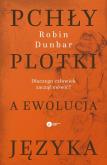
Jak to się stało, że spośród dziesiątków tysięcy gatunków jedynie my opanowaliśmy niebywałą zdolność mówienia?W swojej fascynującej książce światowej sławy antropolog i psycholog ewolucyjny Robin Dunbar rozwija autorską wizję powstania języka tego najpotężniejszego narzędzia komunikacji, jakim dysponują ludzie. To również opowieść o tym, jak zdrady, kłamstwa i oszustwa a także silna presja na to, by to wszystko ograniczyć, uczyniły nas ludźmi.W tej książce nie tylko uważnie przyjrzę się temu, co robimy z językiem, lecz także postaram się znaleźć odpowiedzi na bardziej fundamentalne pytania dlaczego mamy język, skąd on się wziął i jak dawno powstał. Będzie to zaczarowana podróż pełna przeskoków z jednego nieoczekiwanego zakamarka naszej struktury biologicznej do drugiego, od historii do hormonów, od bardzo ostentacyjnych zachowań małp do chwil największej ludzkiej intymności. Opowieść ta poprowadzi nas w przeszłość poprzez różne etapy naszych dziejów aż do czasów, gdy nie byliśmy jeszcze ludźmi, lecz zaledwie nie tak znowu niezwykłymi małpami człekokszałtnymi. Jak brzmiały najwcześniejsze języki? Kto nimi mówił? Dlaczego rozwinęły się w to, czym są dzisiaj? Dlaczego wciąż się zmieniały do tego stopnia, że dziś istnieje około 5000 różnych języków (nie licząc tych, które wymarły na przestrzeni tysiącleci, zanim ktoś zdążył je zapisać)? [fragment wstępu]Robin Dunbar jest brytyjskim antropologiem i profesorem psychologii ewolucyjnej Uniwersytetu w Oxfordzie. Słynie z teorii dotyczącej maksymalnej ilości stabilnych relacji międzyludzkich jeden osoby, czyli tzw. liczby Dunbara. Autor m.in. książek Nowa historia ewolucji człowieka (CCPress 2013), Człowiek. Biografia (CCPress 2015), Anatomia miłości i zdrady (CCPress 2016).
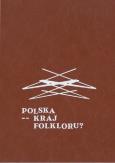
Publikacja towarzysząca wystawie w Zachęcie podejmuje złożony i niejednoznaczny temat zainteresowania sztuką ludową w Polsce tuż po wojnie i w pierwszych dwóch dekadach PRL-u. Ważnym dla niej punktem odniesienia jest historia wystaw, jakie miały miejsce w latach pięćdziesiątych i sześćdziesiątych w CBWA.Autorzy koncentrują się na pokazaniu niezwykłego fenomenu, jakim był mezalians młodopolskiej chłopomanii z socrealizmem. Tematem książki obejmującej różne dziedziny sztuki (architekturę, wzornictwo, muzykę, wystawiennictwo) i kultury popularnej jest wieś oraz jej mieszkańcy widziani oczami miasta: to obraz sprowadzony do ludowego folkloru, ludowości bo w mieście decydowano, co jest ludowe, a co nie a także obserwowane wówczas zjawisko samofolkloryzacji, czyli kreowania eksportowego wizerunku Polski jako kraju folkloru.Jednocześnie książka, podobnie jak wystawa, opisuje fenomen prowadzonych w owych latach na szeroką skalę badań etnograficznych, które stały się impulsem, np. dla środowisk projektantów, jak również temat ludowości jako istotnej kategorii, do której odwoływali się artyści nowocześni.Publikacja pod redakcją Joanny Kordjak zawiera eseje autorstwa Błażeja Brzostka, Davida Crowleya, Piotra Juszkiewicza, Ewy Klekot, Piotra Korduby, Gabrieli Świtek i Moniki Weychert Waluszko.
Zarządzanie w sektorze kultury. Między teorią a praktyką podejmuje kwestie teoretycznych i praktycznych analiz dotyczących zarządzania instytucjami i organizacjami sektora kultury. Celem książki jest zaprezentowanie interdyscyplinarnego podejścia do tego tematu, z naciskiem na uwzględnienie tzw. miękkich problemów i kompetencji w działaniach instytucji kultury. Naszym zdaniem dzięki ujęciu zarządzania w sektorze kultury z różnych perspektyw można ujrzeć badany problem wielostronnie. Pozwala to nie tylko na ich wzajemne uzupełnienie, ale także na wniesienie nowej jakości w nauce. Autorami poszczególnych rozdziałów są zarówno doświadczeni badacze i praktycy działający w sektorze kultury, jak i adepci kierunku zarządzania kulturą, niektórzy od lat pracujący także w instytucjach kulturyPrezentowane w niniejszej monografii artykuły to w przeważającym stopniu materiały przygotowane dla teoretyków i praktyków sektora kultury oraz absolwentów studiów z zakresu zarządzania kulturą. Wyłaniająca się z ich badań i analiz sytuacja sektora kultury w Polsce, postrzegana w zdecydowanej większości przez studia przypadków, to nie tylko żywy obraz stanu i procesów zachodzących w instytucjonalnym i pozainstytucjonalnym wymiarze kultury, ale również wizerunek jej pojmowania przez wykształconych specjalistów tej nadal młodej specjalności naukowej
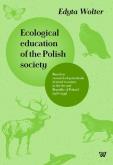
Celem publikacji jest wyjaśnienie, jak przebiegał proces edukacji ekologicznej, rozwijania świadomości ekologicznej społeczeństwa polskiego w latach 1918-1939 (wychowanie pośrednie w przestrzeni edukacyjnej) na łamach trzech wybranych polskich czasopism: tygodnika krajoznawczego „Ziemia” , „Świata Zwierzęcego”/”Świata i Przyjaciela Zwierząt” oraz na łamach „Wiadomości Ligi Ochrony Przyrody w Polsce Bulletin de la Ligue pour la Protection de la Nature en Pologne”.
W monografii zostały zaprezentowane badania dotyczące działań z zakresu marketingu wewnętrznego w bibliotekach województwa łódzkiego. Obszerna część teoretyczna zawiera informacje na temat roli bibliotek we współczesnym społeczeństwie informacyjnym oraz analizę koncepcji marketingu wewnętrznego. Autorki, wykorzystując do realizacji wyznaczonych celów badawczych wszechstronne studia literaturowe, odnoszą się do obowiązujących przepisów prawnych, wskazują na współczesne funkcje, zadania i misje bibliotek, a następnie podejmują próbę wyjaśnienia istoty i znaczenia marketingu wewnętrznego we współczesnej bibliotece. W części badawczej omawiają wyniki badania empirycznego dotyczącego takich zagadnień, jak: stosowane w praktyce elementy marketingu wewnętrznego (np. komunikacja wewnętrzna, system motywacyjny, kultura organizacyjna), ocena funkcjonowania marketingu wewnętrznego przez pracowników, konfrontacja oczekiwań pracowników ze stanem faktycznym. Ważnym dodatkiem do książki jest wyczerpująca bibliografia publikacji na temat marketingu bibliotecznego, począwszy od najwcześniejszej, datowanej na rok 1991. Zaletą monografii jest jej interdyscyplinarny charakter - Czytelnik otrzymuje rzetelne studia naukowe przeprowadzone z punktu widzenia informatologa i bibliologa oraz specjalisty w zakresie marketingu.
Minuskuła karolińska to jedno z najbardziej znaczących pism średniowiecza. Wykształcona we frankijskich skryptoriach w VIII-IX wieku, stała się na długi okres obowiązującym stylem pisania. Czytelna, regularna, o stosunkowo szybkim dukcie zdobywała popularność w kolejnych ośrodkach pisarskich. Jej sukces jest niezaprzeczalny – minuskułą pisze się aż do XII wieku, kiedy zaczyna być wypierana przez pisma gotyckie. Ma kapitalne znaczenie dla rozwoju nowych pism XV wieku stając się rdzeniem tworzącego się pisma humanistycznego. Przetworzone przez najlepszych kaligrafów doby Odrodzenia pismo zwane antykwą zostaje odlane w formie czcionek. Do dziś w wielu fontach odnajdujemy formy liter, które są nawiązaniem do minuskuły karolińskiej.
Książka, którą trzymacie Państwo w ręce jest częścią drugiego tomu podręcznika do kaligrafii Piękna Litera. Drugą częścią tego tomu jest opracowana przez Ewę Landowską Copperplate scripts. W pierwszym tomie natomiast opracowane zostały: Uncjała oraz Italika. Aktualnie autorki pracują nad trzecim tomem, z którego będzie można nauczyć się kolejnych dwóch stylów pisma.
Piękna Litera nie jest w swym założeniu kompendium wiedzy o kaligrafii. W prostej, minimalistycznej formie nawiązuje do klasycznych podręczników kaligrafii. Fani albumowych wydań nie znajdą tu nic dla siebie. Miłośnicy pięknej klasycznej litery mogą liczyć na kilka cennych wskazówek - jak pracować z literą, gdy nie ma się możliwości uczestniczenia w zajęciach, jak unikać błędów, jak nauczyć się je dostrzegać, jak ćwiczyć.
Kursywa angielska, zwana dziś częściej Copperplate script to jeden z najbardziej popularnych stylów pisma. Wykształcił się z pism kaligraficznych na przełomie XVI i XVII w. Do dziś wykorzystywany w praktyce ? w sporządzaniu napisów, czy wypisywaniu dyplomów. To, zdaje się, również najczęściej przekładany styl pisma na rodzinę fontów tzw. “handlettering”. To właśnie na uproszczonej kursywie angielskiej oparta była w szkole przedwojennej nauka pisma. To ona kształciła charakter pisma naszych dziadków, których korespondencję i zapiski podziwiamy do dziś. Kursywy angielskiej Ewa Landowska uczy od 12 lat (od 2006 roku), a niniejszy podręcznik jest autorskim zapisem zgromadzonego na przestrzeni tych lat materiału - głównie podczas warsztatów kaligrafii.
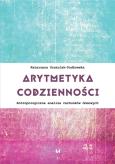
W książce podjęto rozważania z zakresu antropologii ekonomicznej i antropologii codzienności. Na podstawie niepublikowanych materiałów źródłowych prywatnych zeszytów z rachunkami domowymi prowadzonych przez wiele lat przez trzy kobiety o różnej sytuacji zawodowej i rodzinnej, w nieco odmiennych warunkach kulturowych autorka dokonała interesującej antropologicznej analizy aktywności polskich gospodyń w czasach powojennych i w okresie potransformacyjnym, po 1989 roku. W monografii omówiła codzienne praktyki dotyczące prowadzenia gospodarstw domowych, rodzaju najczęściej kupowanych towarów i usług, nawyków żywieniowych i konsumpcyjnych, sposobów zamieszkiwania, zasad dbałości o ciało i higienę, form spędzania czasu wolnego, a także światopoglądu, religijności, stosunku do polskiej tradycji kulturowej.Publikacja jest adresowana do badaczy życia społecznego antropologów, socjologów, ekonomistów i kulturoznawców. Może być również atrakcyjną lekturą dla szerszego grona czytelników, którzy szukają niekonwencjonalnej i drobiazgowej refleksji nad polską codziennością ostatnich sześćdziesięciu lat.
Ten produkt jest zapowiedzią. Realizacja Twojego zamówienia ulegnie przez to wydłużeniu do czasu premiery tej pozycji. Czy chcesz dodać ten produkt do koszyka?