W tej strefie zapraszamy czytelników tak zwane artystyczne dusze po książki z kategorii Sztuka. Polecamy szereg publikacji o sztuce i jej historii,ciekawostki i portfolia artystów, eseje, albumy, książki o malarstwie, rzeźbiarstwie, architekturze oraz histoii fotografii. Biografie ciekawych artystów, książki i powieści przedstawiające fascynujące losy malarzy i osób uwiecznianych na obrazach. W tym dziale tylko ksiązki ze sztuka w tle.
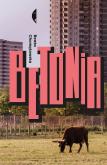
Z fotografiami Krzysztofa Skłodowskiego Zgrabne czteropiętrowce i przytłaczające drapacze chmur. W małych koloniach lub stojące samotnie. Otoczone zielenią lub surowym betonem. Osiedla bloków – choć wydaje nam się, że dobrze je znamy, kryją mnóstwo tajemnic i zaskakujących historii. A są wszędzie – od metropolii po najmniejsze miejscowości. Tak liczne, że trudno je zignorować, lecz zarazem tak dobrze wtopione w krajobraz współczesnych miast, że na co dzień prawie ich nie widać. Pospolite, a jednak prowokujące, często znienawidzone, obrastające mitami. W blokach i na blokowych osiedlach mieszka dziś co najmniej dwanaście milionów Polaków. To doświadczenie uniwersalne, wspólne lokatorom betonowej krainy Krakowa, Radomia, Berlina, Londynu i podparyskich przedmieść – choć każdy ma o nim własną opowieść. Beata Chomątowska przygląda się blokom bez uprzedzeń, z ciekawością reportera i dociekliwością badacza. „Betonia” nie jest jednak sentymentalną podróżą przez polskie, niemieckie i brytyjskie osiedla. To opowieść o idei masowego budownictwa, świetlanych szklanych domach przemienionych to w slumsy, to w luksusowe apartamentowce, a przede wszystkim brawurowa próba ukazania bloków takich, jakie są naprawdę – małych światów, które wywarły ogromny wpływ na historię współczesnej architektury. „Beata Chomątowska wędruje po blokowiskach Europy. Odwiedza słynne budynki i nieznanych ludzi. Po drodze opowiada o wzlotach i upadkach modernistycznej urbanistyki. O ideach, technologiach i procesach społecznych. Ta książka tłumaczy, jak XX wiek zaprojektował przestrzeń, w której wciąż mieszkamy. Betonia to nie miejsce. Betonia to epoka.” Marcin Wicha
Umiesz naszkicować niemal dowolny kształt, ale efekt wciąż nie spełnia twoich oczekiwań, a ty nie wiesz, w czym tkwi problem i jak poprawić rysunek? Chcesz podnieść swoje artystyczne umiejętności i wreszcie z uśmiechem spojrzeć na swoje prace? Z pomocą tego przewodnika zaczniesz na bieżąco korygować wykonywane szkice, a z czasem także unikać pewnych pomyłek.
Przy każdym projekcie przedstawionym w tej książce pokazano bowiem potencjalne błędy, jakie może popełnić początkujący artysta. Dołączono także wskazówki, jak dopracować rysunek. Dzięki tym informacjom nauczysz się omijać niektóre pułapki, a twoje prace zyskają artystyczny wyraz.
Postępy i przyjemność gwarantowane!
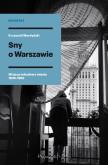
Po wojnie Warszawa nie została odbudowana. Przywrócono ją do życia, ale w odmiennej formie, ukształtowanej przez mieszankę sentymentu, poczucia misji, szaleńczej odwagi, przesadnej pewności siebie i specyficznych powojennych okoliczności. Czasy były ciężkie, sytuacja polityczna co najmniej dwuznaczna, środki ograniczone. A jednak w powstających koncepcjach nowej stolicy możemy znaleźć ogromny ładunek pracy, zaangażowania, przemyśleń i marzeń.Architektura to nie historia cegieł, betonu i stalowych prętów. To historia ludzi, którzy czuli, żałowali, pragnęli, ale też nienawidzili. Do projektowania domów, do kreślenia planów urbanistycznych popychały ich różne motywacje.To jest książka o koncepcjach kształtowania nowej Warszawy, o próbach znalezienia urbanistycznego i architektonicznego przepisu na szczęście. Bo to, co widzimy nad powierzchnią, jest tylko małym fragmentem całości, której większość skrywa się głębiej. Każdy z obiektów składających się na stolicę był emanacją jakiejś idei, ostatecznie zrealizowanej tylko w niewielkiej części. Architekci i urbaniści szukali idealnej formy miasta: jako perfekcyjnie zaprojektowanej maszyny, harmonijnej przestrzeni życia społecznego, jako codziennego doświadczenia piękna. Gdzieś wcześniej zrodziła się myśl i wizja, skutek doświadczeń, efekt lat wytężonej pracy, finalny produkt wielu prób i porażek. W czyjejś głowie tysiąc przesłanek złożyło się w jedną całość, w logiczny system, w koncepcję nowej organizacji miasta po wojennej zagładzie.Krzysztof Mordyński (ur. 1978), historyk, kustosz muzealny, wykładowca, autor. Absolwent Instytutu Historycznego Uniwersytetu Warszawskiego, doktorant Instytutu Sztuki PAN, ukończył Podyplomowe Studium Muzealnicze przy Instytucie Historii Sztuki UW. Kustosz w Muzeum UW, kurator kilkudziesięciu wystaw o profilu historycznym, autor niemal stu artykułów naukowych i popularnonaukowych poświęconych zagadnieniom z historii sztuki. Jego zainteresowania badawcze koncentrują się na dziejach urbanistyki i architektury Warszawy, ze szczególnym uwzględnieniem okresu powojennej przebudowy miasta. Jako wykładowca prowadzi kursy, spacery edukacyjne i wykłady dotyczące historii, estetyki oraz funkcjonalności miasta. Jego wystawy kilkukrotnie zdobywały wyróżnienia w konkursie ""Mazowieckie Zdarzenie Muzealne - WIERZBA"". W 2019 roku otrzymał nagrodę Otwartego Uniwersytetu Warszawskiego, przyznawaną najlepszym wykładowcom.
Jacek Wachowski – teoretyk performansu i widowisk; profesor zwyczajny w Katedrze Teatru i Sztuki Mediów na Wydziale Antropologii i Kulturoznawstwa UAM. Zajmuje się badaniem performansów posttechnologicznych, a także nowych strategii komunikacyjnych w środowiskach transhumanistycznych i posthumanistycznych. W kręgu jego zainteresowań pozostaje również filozofia nauki i metodologia badań transdyscyplinarnych.
Transakty – ekscentryczne prace artystów, tworzone wspólnie z inżynierami i naukowcami – prowokują do pytań podstawowych: Jak są skontruowane? Jakie pełnią funkcje? W jakich relacjach pozostają do sztuki, nauki i technologii? Jak zmieniają nasze przyzwyczajenia poznawcze? Odpowiedzi na te pytania prowadzą do wniosku, że w transaktach nie chodzi wyłącznie o prowokacje. Tworzą one nowy paradygmat, który umożliwia powstawanie praktyk społecznych opierających się na modelu partycypacyjnym, i podważają instytucjonalno-hierarchiczny sposób wytwarzania wiedzy, podtrzymywany przez uniwersytety i korporacyjne laboratoria.
[Z recenzji prof. SWPS dr hab. Mirosława Filiciaka]
Transakty można czytać na wiele sposobów. To błyskotliwy i zwięzły – choć równocześnie gęsty i nasycony – przewodnik teoretyczny, zachęcający do dyskusji i podsuwający nowe koncepcje pozwalające okiełznać zjawiska współczesnej kultury nadmiaru oraz sproblematyzować ograniczoną społeczną refleksyjność związaną z wieloma obszarami uprawiania nauki (…) Równocześnie można tę książkę traktować jako katalog przykładów działań z ostatniego półwiecza, które problematyzowały przemiany kultury i – zgodnie z przekonaniem o performatywnym charakterze nowej wiedzy – wskazywały rozwiązania, czerpiąc z rozwoju paradygmatu art and science. (…) Nawet jeśli tytułowe transakty z perspektywy kulturowego mainstreamu są zjawiskiem marginalnym, a powstające za ich sprawą depozyty są – jak ujmuje to Autor – „bazami wiedzy niepraktycznej, ekscentrycznej, osobliwej”, to jednak kumulują w sobie zmiany i otwarcie na przyszłość. Są laboratoriami, w których wydarza się to, co dla przyszłości kultury być może najważniejsze. Za sprawą Transaktów zyskujemy okazję, by do nich zajrzeć w towarzystwie kompetentnego przewodnika. Nie mam wątpliwości, że ta książka w obecnych i przyszłych dyskusjach o relacjach nauki, kultury i technologii stanowić będzie istotny punkt odniesienia.
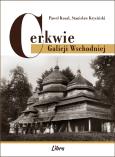
Drewniana architektura cerkiewna Wschodniej Galicji jest zjawiskiem, które nie ma sobie równych w skali Europy. Różnorodność typów i bogactwo form wprawia w zdumienie każdego, kto zapozna się z tym tematem. Szczególnie zachwycają się nim przybysze z krajów, gdzie buduje się z kamienia, a drewno służy głównie jako opał. Zachwycają, a jednocześnie dziwią, że można budować takie cuda, z tak nietrwałego materiału. Rzeczywiście pożary były plagą dziesiątkującą drewnianą architekturę sakralną, ale mimo to, do początku XX w. dotrwały setki przepięknych cerkwi, z których najstarsze sięgały początku XVI w. Później na cerkwie drewniane spadły inne nieszczęścia. Wiele bezcennych budowli rozebrano w związku z budową nowych – murowanych. Obie wojny światowe również zebrały swoje żniwo. Ciężki czas nastał, gdy tereny Galicji znalazły się pod panowaniem sowieckim. Znów najwyższej klasy świątynie rozpadały się pozbawione opieki lub były rozbierane. W albumie zaprezentowano również niemniej fascynujące cerkwie murowane, od tych najstarszych z XIII–XIV w., po budowle dwudziestowieczne. Ten niezwykły świat galicyjskich cerkwi został utrwalony na fotografiach z okresu od ostatniej ćwierci XIX w., po koniec czwartej dekady XX w. Wiele z tych zdjęć przepadło lub znajduje się w nieznanych nam miejscach, jednak sporą ich część zebrał Paweł Kusal, znany kolekcjoner z Leska, który od wielu lat, z wielkim zaangażowaniem gromadzi ten bezcenny zbiór. Dzięki jego pasji możemy przedstawić świat, który w dużej mierze jest już bezpowrotnie utracony – świat drewnianych cerkwi Galicji Wschodniej.
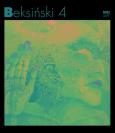
Beksiński 4 to czwarty album prezentujący wyjątkową kolekcję prac Zdzisława Beksińskiego. Znajdą się w nim mniej znane i rzadko publikowane reprodukcje dzieł z zakresu malarstwa i rysunku, pochodzące z Muzeum Historycznego w Sanoku oraz kolekcji prywatnych. Wstęp Wiesław Banach i Bogdan Szymanik.
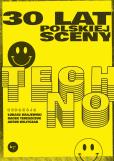
Pierwsza antologia sceny techno i muzyki elektronicznej w Polsce. Unikatowa pozycjadokumentująca trzy dekady rozwoju kultury, która w weekendy zapełnia kluby w całymkraju.Każdy, kto choć raz uległ hipnotyzującej sile rave'u, znajdzie tu coś dla siebie. Towłaśnie rave wziął zresztą za swoje credo PLUR: Peace, Love, Unity, Respect (Pokój,Miłość, Jedność, Szacunek). Choć klimat panujący w Polsce bywał ponury, w klubachuczono się, co w praktyce znaczą wspólnota i ideały równości. I żeby nie przesadzać zdragami. Antologia łączy perspektywę historyczną - daty, miejsca, imiona i biografie - zindywidualnym doświadczeniem zaproszonych na napisania tekstów autorów: DJ-ów,producentów i wielbicieli sceny. Całość okraszona jest niepublikowanymi dotądfotografiami z prywatnych archiwów.,,30 lat polskiej sceny techno"" obejmuje szerokie spektrum gatunków mniej i bardziejtanecznej muzyki elektronicznej - techno, trance, rave, dubstep, hardtek, house,drum'n'bass i tak dalej. Kompleksowo prezentuje narodziny i rozwój sceny w Polsce od1989 roku aż do dzisiaj. Uwzględnia muzykę i clubbing w Warszawie, Gdańsku, Poznaniui Łodzi oraz tylko z pozoru mniejszych ośrodkach, jak Płock czy Szczecin, a takżeimprezy na plażach i w leśnych ostępach.
Sztuka XIX wieku zajmuje w dziejach polskiej kultury i świadomości narodowej wyjątkowe miejsce. Na jej odrębną pozycję wywarła wpływ polityczna sytuacja narodu pozbawionego własnego państwa. W tym czasie na ziemiach dawnej Rzeczypospolitej zachodziły jednak istotne zmiany cywilizacyjne. Rozwinął się przemysł i komunikacja, powstały nowoczesne miasta, gwałtownie przeobraził się krajobraz kulturowy. Kształtująca się kultura masowa sięgała po nowe techniki przekazu wizualnego - jak litografia wielkonakładowa, drzeworyt ilustracyjny, fotografia - dzięki czemu stworzono czasopisma ilustrowane. Założono instytucje życia intelektualnego i artystycznego - szkoły, muzea, galerie, teatry. Broniąc narodowej tożsamości, stworzono sztukę odwołującą się do polskiej kulturowej tradycji, a zarazem związaną z ogólnoeuropejskimi nurtami intelektualnymi i artystycznymi. Od lat czterdziestych XIX wieku Polacy byli obecni w europejskim życiu artystycznym, zwłaszcza, że duże grupy malarzy i przedstawicieli innych dyscyplin przebywały na stałe we Francji, Włoszech czy Bawarii. Sukcesy na paryskich Salonach obrazów Stattlera i Rodakowskiego (Portret matki pędzla Rodakowskiego Delacroix uznał za arcydzieło), na międzynarodowych wystawach sztuki - Matejki, Brandta, Siemiradzkiego czy Czachórskiego wprowadziły sztukę polską do świadomości Europejczyków.Tom VI obejmuje architekturę, ogrody i parki, rzeźbę, malarstwo i rysunek, grafikę, fotografię oraz rzemiosło artystyczne. Dodatkowo został on uzupełniony o sztukę Śląska i Pomorza Zachodniego.
Autorka w sposób barwny i sugestywny opowiada o sztuce wizualnej utrzymując jednocześnie rygory opracowania naukowego. Przedstawia ponadczasowość sztuki identyfikując ją według najnowszych metod analityki instrumentalnej, badań historycznych, przedstawia analizę zmiany postaci dzieł w procesie konserwacji.
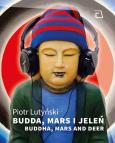
Katalog wystawy Piotra Lutyńskiego, którą można było zobaczyć w Galerii Sztuki Współczesnej Bunkier Sztuki w lutym i marcu 2020 roku, zawiera reprodukcje prac malarskich, obiektów i instalacji oraz dokumentacje fotograficzne akcji performatywnych krakowskiego artysty. Publikacja została uzupełniona zdjęciami z wystawy oraz pracowni."Wszystkie znane mi wystawy Piotra Lutyńskiego wywoływały wrażenie pomieszania porządków. I to nie dlatego, że w galerii rządzi ptactwo, wylęgają się pisklęta, przechadzają gęsi, pływają ryby, a jeleń patrzy w oczy Buddy. Jakby tego było mało, wiadomo, że przestrzeń wystawy to tylko część znacznie większego przedsięwzięcia, że dopiero wprowadzenie w nią muzyków i dźwięku tworzy wykoncypowaną sytuację, która może - ale nie musi - doprowadzić do zaistnienia czegoś, co Lutyński uzna za sztukę" - Maria Hussakowska w tekście poświęconym twórczości Piotra Lutyńskiego.W publikacji znajdują się również teksty Anny Batko, Sebastiana Brejnaka, Marii Hussakowskiej, Adama Rzepeckiego i Jana Trzupka oraz rozmowy z Markiem Chlandą, Ignacym Czwartosem, Ryszardem Krynickim, Piotrem Lutyńskim, Grzegorzem Schmidtem i Krzysztofem Tętnowskim.Piotr Lutyński (ur. 1962) w latach 1983-1990 studiował na Wydziale Pedagogiczno-Plastycznym Filii Uniwersytetu Śląskiego w Cieszynie. Tworzy malarstwo, obiekty, instalacje, performanse muzyczne oraz pokazy multimedialne. W zaskakujący sposób łączy naturalne tworzywa - ptasie jaja, trawy, pióra, kamienie, owady lub wosk - z gotowymi obiektami i malarstwem abstrakcyjnym. W wielu wypowiedziach manifestuje wczucie w naturę. Jego kompozycje geometryczne są - według niego - inspirowane estetycznymi potrzebami zwierząt.
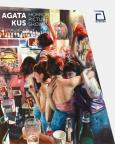
Katalog wystawy Agaty Kus, którą można było zobaczyć w Galerii Sztuki Współczesnej Bunkier Sztuki na przełomie roku 2019 i 2020, zawiera reprodukcje prac malarskich i ceramicznych krakowskiej artystki młodego pokolenia.W publikacji znajduje się również tekst liryczny Darka Foksa poświęcony Kus, tekst Delfiny Jałowik kuratorki wystawy artystki, esej Doroty Masłowskiej opisujący spotkanie z Agatą Kus i obszerny tekst krytyczny Stacha Szabłowskiego.Agata Kus (ur. 1987) uprawia malarstwo i rysunek, tworzy kolaż i wideo. "W swoich pracach odnosi się do różnych dziedzin: literatury, opery, teatru, muzyki, współpracując często z ich twórcami. Dzięki temu jej prace zyskują odbiorców, pojawiają się w nowych, interdyscyplinarnych kontekstach, rozszerzają spojrzenie na wcześniejsze narracje malarskie, a także interpretacyjnie pogłębiają wątki, korespondując równocześnie z obszarem zainteresowań samej artystki" - w katalogu pisze Delfina Jałowik.
Pozycję Lublina na teatralnej mapie kraju, a może nawet Europy, w dużej mierze ukształtowały odbywające się tu festiwale, których wciąż przybywa. Szczególne znaczenie w tym względzie mają Konfrontacje impreza o najdłuższej historii i prezentująca teatry niemal z całego świata.Także (rozwiązany w 2013 roku) Festiwal Teatrów Europy Środkowej Sąsiedzi obiecywał stać się ich ważnym kontrapunktem.Byłam świadkiem rodzenia się tych inicjatyw, poszukiwania formuły, kolejnych edycji i nanoszenia korekt na ich kształt. Swoje wrażenia ujmowałam w formę niewielkich objętościowo sprawozdań publikowanych w kilku czasopismach. Starałam się w nich zaopiniować nie tylko wartość przedstawień, ale także uchwycić atmosferę imprezy i odnieść się do rozwiązań organizacyjnych. Zawsze też uwzględniałam lokalną perspektywę, która kazała mi odwoływać się do wydarzeń z minionych festiwali, jakbym rozmawiała z lubelską publicznością.Mam nadzieję, że to historyczne świadectwo może wzbudzić czyjeś zainteresowanie.- Magdalena Jankowska
W latach dwudziestych XIX wieku Hegel osiada w Berlinie, gdzie wykłada swoją teorię sztuki. Wykłady szybko nabierają rozgłosu, a w dłuższej perspektywie przedstawione w nich idee uczynią z Hegla fundatora nowoczesnej estetyki filozoficznej. Znakomita transkrypcja Friedricha von Kehlera utrwala oryginalny wykład ontologii trzech form sztuki jako całościowych historycznych koncepcji świata – symbolicznej, klasycznej i romantycznej – zwieńczonych sztuką najwyższą, dramatem. Według Hegla, architektura i rzeźba, malarstwo i muzyka osiągają kulminację w poezji i „postaciach w działaniu”.
Rozwiązywanie zagadek związanych z żydowskimi domami modlitwy w Warszawie wymaga wyjątkowego wysiłku z powodu niemal doszczętnego unicestwienia podczas II wojny światowej niemal pięciuset takich obiektów – od okazałych synagog do skromnych pomieszczeń w prywatnych domach. Po większości modlitewni nie pozostało nic poza adresem odnotowanym w zbiorczych zestawieniach. Na gruntach największej przedwojennej dzielnicy żydowskiej wyrosła nowa dzielnica – Muranów, bloki mieszkalne tworzą zupełnie odmienny układ od dawnych kamienic, a wiele ulic zmieniło swój bieg. W innych dzielnicach, szczególnie na Pradze, przetrwało wprawdzie sporo starych budynków, ale opuszczone sale modlitwy zostały przebudowane na inne cele i utraciły wcześniejszy wystrój. Wszystkie te miejsca modlitw były fotografowane niezwykle rzadko, więc poza okazjonalnymi tego rodzaju zapisami badaczom pozostawały do dyspozycji nieliczne dokumenty źródłowe, relacje prasowe oraz literatura wspomnieniowa. Te pola badawcze zostały już niemal do końca wyeksploatowane, co pozwoliło wyjaśnić wiele kwestii, ale jednocześnie ukazało, jak bezradna bywa nauka wobec ogromu Zagłady.
Książka Jarosława Zielińskiego Warszawskie synagogi. Na tropie tajemnic kontynuuje wątki podjęte w dziele Eleonory Bergman, która zbadała wszystkie dostępne przed laty źródła i opracowania, tworząc najpełniejszą w dziejach varsavianistyki panoramę stołecznych modlitewni. Od tego czasu badacze zyskali jednak łatwiejszy dostęp do materiałów wcześniej niemal niewykorzystywanych – fotoplanów, zdjęć lotniczych i szczegółowych opracowań kartograficznych, a także fotografii (przeważnie niemieckich), które nieustannie pojawiają się na aukcjach internetowych. Wszystkie te narzędzia zostały użyte w tej książce, dzięki czemu udało się dokonać znaczącej weryfikacji wiedzy na temat wielu synagog, których wygląd, a nawet dokładniejsza lokalizacja w obrębie danej posesji nie były dotychczas znane. Opracowanie nie jest szczegółowym zestawieniem wszystkich domów modlitwy, lecz – poza wstępnym przeglądem obiektów najważniejszych – prezentuje te, o których można powiedzieć cokolwiek więcej niż dotychczas.
Książka ukazuje, jak zmieniały się przedstawienia związków miłosnych człowieka i maszyny w filmach science fiction, pochodzących z amerykańskiego i zachodnioeuropejskiego kręgu kulturowego, i jakie przekazy kulturowe na temat podmiotowości współczesnego człowieka i innych podmiotów otaczającej go rzeczywistości wpisane są w historie miłosne opowiedziane w analizowanych filmach. W interpretacji autorki omawiane filmy stawiają pytania o to, czy maszyny obdarzone sztuczną inteligencją mogłyby wchodzić w miłosne interakcje z człowiekiem i co miałoby to oznaczać dla obu stron w kontekście ich podmiotowości.Joanna Łapińska ? kulturoznawczyni i filmoznawczyni. Publikowała w licznych monografiach i czasopismach naukowych, m.in. w „Creativity Studies”, „The Polish Journal of Aesthetics”, „Kulturze Popularnej”, „Pracach Kulturoznawczych”. Naukowo zajmuje się przede wszystkim historią kina (nie tylko science fiction) oraz tropieniem posthumanistycznych wątków w kulturze popularnej. Miłośniczka ASMR i komedii romantycznych. Na co dzień mieszka w Poznaniu.
Monografia opery poznańskiej zawiera syntezę jej działalności w czasach międzywojennych, epoce PRL-u i III Rzeczypospolitej. Autorka postawiła sobie zadanie skonstruowania narracji uwzględniającej tło społeczno-polityczne wydarzeń. Dzieje placówki pod Pegazem ukazane są w perspektywie przemian oficjalnych koncepcji funkcjonowania instytucji artystycznych w państwie autorytarnym (1919-1939), totalitarnym (1945-1989) i demokratycznym (od 1989). Zderzenie tych koncepcji z rzeczywistością rynku kultury daje obraz tradycyjnych polskich niemożności, rekompensowanych zaangażowaniem tych, którzy decydowali o repertuarze opery i sposobach jego prezentowania. Analiza polityki programowej i poszczególnych koncepcji w zakresie stylu prezentacji muzyki, reżyserii i inscenizacji dzieł operowych wiedzie do realizacji drugiego, nadrzędnego celu książki, jakim jest rekonstrukcja polskiego dyskursu operologicznego w jego związkach z ideologiami artystycznymi oraz teoriami muzyki i teatru. Owa rekonstrukcja, dokonana po raz pierwszy na gruncie piśmiennictwa polskiego, opiera się na szerokim wyborze źródeł z całego omawianego okresu, wśród których są zarówno publikacje fachowe, jak i liczne materiały krytycznomuzyczne. Bazę źródłową książki uzupełniają cenne materiały archiwalne, wyszukane w Archiwum Artystycznym Teatru Wielkiego im. S. Moniuszki w Poznaniu.
Kolejna publikacja w cyklu o plakacie i formach graficznych przedstawia twórczość Lexa Drewinskiego, związanego z polskim i niemieckim środowiskiem artystyczno-akademickim. Drewinski uzyskał z wyróżnieniem tytuł magistra w pracowni Waldemara Świerzego w poznańskiej Państwowej Wyższej Szkole Sztuk Plastycznych. Przez lata był związany z niemiecką Fachhochschule Potsdam (19922017), obecnie z Akademią Sztuki w Szczecinie. Prace Drewinskiego wystawiano m.in. w Berlinie, Londynie, Sztokholmie, Barcelonie, Meksyku i Quito oraz wielokrotnie nagradzano w kraju i za granicą. Jego plakaty z jednej strony charakteryzują się prostotą formy i oszczędnością koloru, z drugiej zaś zawierają silny przekaz dotyczący aktualnych problemów społecznych. Wstęp i wybór reprodukcji do książki przygotował Zdzisław Schubert.
Ten podręcznik jest skierowany do projektantów mody, krawców oraz wszystkich osób zainteresowanych możliwościami kreatywnego wykorzystania tekstyliów.Książka pomoże w idealnym doborze materiału do sylwetki, wskaże sposoby jego układania się oraz metody poprawienia jego właściwości. W encyklopedii znajdują się praktyczne informacje na temat: tkanin, dzianin, włóknin, skór, futer, laminatów, folii, koronek, siatek, dekoracji pasmanteryjnych oraz taśm spełniających różne funkcje.Opisy poszczególnych materiałów ułożono według roli, jaką odgrywają w tworzeniu różnych form odzieży. Każdemu z haseł towarzyszą fotografie próbek oraz zdjęcia gotowych ubiorów.Tabele na końcu książki podsumowują zawarte w niej wiadomości. Korzystanie z nich pozwoli szybko sprawdzić, jakie właściwości ma dany materiał, z jakich włókien jest wytwarzany, jakie ma zalety, a jakie wady, ile waży oraz do jakich celów można go zastosować.Wydanie 2. zmienione i uaktualnione 2021
Kto to był Erwin Axer? Tytuł książki nawiązuje do tekstu Kto to jest Erwin Axer z 1975 roku autorstwa Jerzego Koeniga. Po latach zasadne okazało się powtórzenie tego pytania, ponieważ życie i twórczość Erwina Axera wymagają dalszych badań i analiz, a niektóre znane wątki jego biografii - nowego spojrzenia.
Pytanie to towarzyszyło nam przez cały rok 2017, gdy z inicjatywy trzech instytucji: Instytutu Teatralnego im. Zbigniewa Raszewskiego, Teatru Narodowego i Teatru Współczesnego odbył się szereg wydarzeń upamiętniających stulecie urodzin artysty: trzy wystawy (Erwin Axer. Stulecie urodzin w Galerii Kordegarda zorganizowana przez Narodowe Centrum Kultury; Oddech. Erwin Axer i Warszawa teatralna 1956-1966 współorganizowana przez Dom Spotkań z Historią; Erwin Axer (1917?2012) - wystawa wirtualna na platformie Google Art & Culture), trzy książki (Notatki z pracy, Polsko-niemieckie ćwiczenia pamięci, Rozmowy z Erwinem Axerem), dwa wieczory publicznego czytania tekstów Axera, lektura fragmentów Ćwiczeń pamięci w wykonaniu Jana Englerta na antenie radiowej Dwójki, dodatek specjalny „Tygodnika Powszechnego”, liczne rozmowy o Axerze w audycjach radiowych i telewizyjnych.Tytułowe pytanie posłużyło również jako punkt wyjścia ogólnopolskiej konferencji naukowej zorganizowanej w dniach 20?21 października 2017 roku przez Wydział Wiedzy o Teatrze Akademii Teatralnej im. Aleksandra Zelwerowicza i Instytut Teatralny im. Zbigniewa Raszewskiego w Warszawie. Przy tej okazji badaczki i badacze z różnych ośrodków stworzyli portret wielokrotny Axera - człowieka i twórcy. W założeniu książka obejmuje z jednej strony wątki z biografii Erwina Axera, uważnego świadka historii XX wieku - z drugiej, koncentruje się na głównych polach jego zawodowej aktywności: reżyserii, kierowaniu teatrem, pisarstwie. Poruszone tematy objęły okres dzieciństwa i wczesnej młodości Axera we Lwowie, studia w Państwowym Instytucie Sztuki Teatralnej w Warszawie, czas drugiej wojny światowej.
Szczególnie uważnie przyglądamy się nie dość znanym pracom zagranicznym Axera - począwszy od wystawienia Wesela w Stanach Zjednoczonych przez realizacje w Związku Radzieckim aż po późne prace w Austrii i RFN. Wreszcie próbowaliśmy przemyśleć sferę jego duchowego rozwoju, świadomości intelektualnej, kształtowania się światopoglądu. Teatru nie tworzy się w pojedynkę - dlatego jeden z bloków tematycznych dotyczy najbliższych współpracowników Axera - Jerzego Kreczmara, Ewy Starowieyskiej, Zofii Mrozowskiej, Tadeusza Łomnickiego.Mamy świadomość, że wątki w biografii Axera skupione na relacjach z innymi osobami (pisarzami, reżyserami, scenografami, aktorami, studentami i krytykami) wymagają dalszych prac. Podobnie jak skomplikowane relacje Axera, członka PZPR, z komunistyczną władzą i partyjnym aparatem. Poruszyliśmy te wątki w książce, ale w świetle odsłaniania kolejnych archiwów - pozostaje jeszcze wiele do zbadania.Tak samo wymaga opracowania wieloletnia praca Axera jako pedagoga na Wydziale Reżyserii Państwowej Wyższej Szkoły Teatralnej w Warszawie.
Również z powyższych powodów zdecydowaliśmy się opublikować wspomnienia studentów i współpracowników Axera oraz efekt benedyktyńskiej pracy Zenona Andrzejewskiego, który opracował biogramy rodziny Axerów - począwszy od dziadka reżysera. Ta książka jest również efektem zdumienia. Długie i bogate życie Erwina Axera nie stało się przedmiotem wielu badań. Na półce możemy postawić tylko biografię Elżbiety Baniewicz i monograficzny zeszyt „Notatnika Teatralnego”. Poza tym w czasopismach i książkach zostały opublikowane nieliczne ważne artykuły, m.in. Marty Fik, Joanny Krakowskiej, Elżbiety Matyni, Elżbiety Wysińskiej czy Jerzego Koeniga. Mamy nadzieję, że książka przybliży do pewnego stopnia życie, osobę i dzieło Erwina Axera. Pytanie „kto to był Erwin Axer?” pozostaje bowiem otwarte.
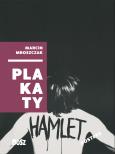
„Marcin Mroszczak. Plakaty” to już dwudziesty piąty minialbum w popularnej serii „Plakaty”, przedstawiający tym razem twórczość Marcina Mroszczaka, syna Józefa Mroszczaka, jednego z założycieli polskiej szkoły plakatu. Marcin Mroszczak studiował na Akademii Sztuk Pięknych w Warszawie, pracował w prestiżowych zagranicznych pracowniach designu, założył agencję reklamową Corporate Profiles. Projektuje plakaty filmowe i teatralne, scenografie teatralne, okładki książkowe – do jego najsłynniejszych realizacji należą m.in. „Hamlet” do sztuki Williama Szekspira, powstały we współpracy z Andrzejem Krauze, „Człowiek z marmuru” i „Człowiek z żelaza” do filmów Andrzeja Wajdy czy też plakat z okazji dwudziestej rocznicy wyborów 4 czerwca, zainspirowany szeryfem z plakatu Tomasza Sarneckiego „W samo południe. 4 czerwca 1989”. Wstęp i wybór reprodukcji do książki przygotowała Dorota Folga-Januszewska.
Ten produkt jest zapowiedzią. Realizacja Twojego zamówienia ulegnie przez to wydłużeniu do czasu premiery tej pozycji. Czy chcesz dodać ten produkt do koszyka?