Rodzina jest dla nas niezmiennie ważna, a nawet najważniejsza. Rodzina jest wyzwaniem. W tej sferze zapraszamy po mnóstwo książek psychologicznych właśnie o rodzinie, roli rodziny w naszym życiu. Proponujemy szereg poradników, podręczników , powieści i opowieści opowiedzianych z dużym wyczuciem i wrażliwością, poruszajacych problemy zdrowia psychicznego dzieci i rodziców. Prezentowane publikacje opisują jak takie problemy, których jest przecież niemało w rodzinie są postrzegane i rozwiązywane. Autorzy proponowanych przez nas publikacji przedstawiają ciekawe pomysły na mierzenie się z problemami typowo małżeńskimi: seks, finanse, wychowywanie dzieci. Polecamy książki dla każdego, kto chce przyglądnąć się swojemu funkcjonowaniu w rodzinie. Polecamy ciekawą lekturę Anny Bimer dla wszystkich kobiet, bo wszystkie jesteśmy córkami : Być córką i nie zwariować.
Publikacja stanowi autorskie opracowanie materiałów i narzędzi ćwiczeniowych przeznaczonych do realizacji programu szkolenia mediatorów rówieśniczych w szkołach podstawowych. Jest to zeszyt przeznaczony dla uczniów, którzy chcieliby się podjąć roli mediatorów. Stanowi uzupełnienie do książki Mediacje rówieśnicze w praktyce szkolnej. Implikacje i rekomendacje.
„Mam nadzieję, że nauka mediowania stanie się przygodą, która pozwoli na odkrywanie talentów, emocji, wartości i bogactwa, płynących z dobrych relacji z drugim człowiekiem”.
Anna K. Duda
Publikacja MASZ PRAWO DO MEDIACJI W SZKOLE. Zarys pracy mediatora szkolnego jest wielowątkowym opracowaniem przedstawiającym zakres działań, powinności i odpowiedzialności nauczyciela, pedagoga oraz rodziców w procesie wprowadzania mediacji do szkół. Wdrożenie odpowiednich działań przyczyni się do rozwoju mediacji jako elementu kultury polubownego rozwiązywania sporów w przestrzeni szkoły. Kluczem do sukcesu jest nauczyciel mający wiedzę i doświadczenie, pozwalające na skuteczną animację współpracy środowiska szkolnego w promowaniu idei mediacji.
Publikacja MASZ PRAWO DO MEDIACJI W SZKOLE. Mediacje rówieśnicze w praktyce szkolnej. Implikacje i rekomendacje To zbiór opracowań teoretycznych i praktycznych, stanowiących bazę programu szkolenia mediatorów rówieśniczych. Jest cennym źródłem informacji o uwarunkowaniach wprowadzania mediacji rówieśniczych do szkół. Autorki pokazują, w jaki sposób warsztaty mediacji dla uczniów mogą rozwijać ich kompetencje kluczowe, podnosząc wartość wychowania i jakość kształcenia.
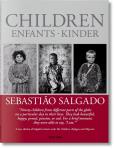
In every crisis situation, children are the greatest victims. Physically weak, they are often the first to succumb to hunger, disease, and dehydration. Innocent to the workings and failings of the world, they are unable to understand why there is danger, why there are people who want to hurt them, or why they must leave, perhaps quite suddenly, and abandon their schools, their friends, and their home.
In this companion series to Exodus, Sebastião Salgado presents 90 portraits of the youngest exiles, migrants, and refugees. His subjects are from different countries, victims to different crises, but they are all on the move, and all under the age of 15. Through his extensive refugee project, what struck Salgado about these boys and girls was not only the implicit innocence in their suffering but also their radiant reserves of energy and enthusiasm, even in the most miserable of circumstances. From roadside refuges in Angola and Burundi to city slums in Brazil and sprawling camps in Lebanon and Iraq, the children remained children: they were quick to laugh as much as to cry, they played soccer, splashed in dirty water, got up to mischief with friends, and were typically ecstatic at the prospect of being photographed.
For Salgado, the exuberance presented a curious paradox. How can a smiling child represent circumstances of deprivation and despair? What he noticed, though, was that when he asked the children to line up, and took their portraits one by one, the group giddiness would fade. Face to face with his camera, each child would become much more serious. They would look at him not as part of a noisy crowd, but as an individual. Their poses would become earnest. They looked into the lens with a sudden intensity, as if abruptly taking stock of themselves and their situation. And in the expression of their eyes, or the nervous fidget of small hands, or the way frayed clothes hung off painfully thin frames, Salgado found he had a refugee portfolio that deserved a forum of its own.
The photographs do not try to make a statement about their subjects’ feelings, or to spell out the particulars of their health, educational, and housing deficits. Rather, the collection allows 90 children to look out at the viewer with all the candor of youth and all the uncertainty of their future. Beautiful, proud, pensive, and sad, they stand before the camera for a moment in their lives, but ask questions that haunt for years to come. Will they remain in exile? Will they always know an enemy? Will they grow up to forgive or seek revenge? Will they grow up at all?
Sebastião Salgado began his career as a professional photographer in Paris in 1973 and subsequently worked with the photo agencies Sygma, Gamma, and Magnum Photos. In 1994 he and his wife Lélia Wanick Salgado created Amazonas Images, which exclusively handles his work. Salgado’s photographic projects have been featured in many exhibitions as well as books, including Sahel, L'Homme en détresse (1986), Other Americas (1986), Workers (1993), Terra (1997), Migrations (2000), The Children (2000), Africa (2007), Genesis (2013), The Scent of a Dream (2015), and Kuwait, A Desert on Fire (2016).
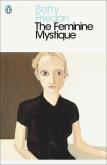
When Betty Friedan produced The Feminine Mystique in 1963, she could not have realized how the discovery and debate of her contemporaries' general malaise would shake up society. Victims of a false belief system, these women were following strict social convention by loyally conforming to the pretty image of the magazines, and found themselves forced to seek meaning in their lives only through a family and a home. Friedan's controversial book about these women - and every woman - would ultimately set Second Wave feminism in motion and begin the battle for equality.
This groundbreaking and life-changing work remains just as powerful, important and true as it was forty-five years ago, and is essential reading both as a historical document and as a study of women living in a man's world.
Początek lat 60. Gloria, absolwentka elitarnej uczelni, po powrocie ze stypendium w Indiach zajmuje się dorywczym pisaniem tekstów do nowojorskich czasopism. Przełomem okazuje się jej reportaż w magazynie „Show” demaskujący pracę „króliczków” w Klubie Playboya – kobiet sprowadzonych do roli obiektów, mających zaspokajać erotyczne fantazje mężczyzn.
Publikowanie kolejnych tekstów o problematyce kobiecej nie spotyka się z przychylnością wydawców i redaktorów prestiżowych gazet. Gloria angażuje się społecznie i szybko zostaje liderką powstającego w USA ruchu emancypacyjnego (tworzy magazyn dla kobiet „Ms.”). W 1970 r. prowadzi pierwszy ogólnokrajowy marsz równości, podczas którego przez ulice Nowego Jorku przechodzi ponad 50 tysięcy uczestniczek. Protesty odbywają się w 90 miastach na terenie całych Stanów Zjednoczonych
i znajdują poparcie w Europie. W 1977 r. Gloria zbiera fundusze (5 milionów dolarów!)
i współorganizuje epokową Krajową Konferencję Kobiet w Houston, która gromadzi dwa tysiące wybranych delegatek i około osiemnastu tysięcy obserwatorek.
Autorka współtworzyła Women's Action Alliance, pionierskie centrum informacyjne specjalizujące się w edukacji dziecięcej, w 2004 roku założyła też Women's Media Center. Była prezeską
i współzałożycielką Voters for Choice, politycznego komitetu pro-choice. Jest prezeską kobiecej fundacji Ms. wspierającej kobiety i dziewczęta.
85-letnia dziś Steinem stała się ikoną ruchu na rzecz równouprawnienia kobiet w czasach, gdy oznaczał on walkę o zniesienie patriarchatu i podstawowe prawa kobiet w życiu publicznym. Za swoją działalność otrzymała z rąk Baracka Obamy w 2013 roku prezydencki Medal of Freedom, najwyższe cywilne odznaczenie w Stanach Zjednoczonych.
W tej porywającej historii o przywództwie, podróżach i aktywizmie Steinem uświadamia nam, że otwarty umysł może zmienić sposób naszego myślenia, działania i życia. Autorka po raz pierwszy opowiada tak szczerze historię swojego życia!
W 2020 roku na ekrany kin wejdzie filmowa biografia Glorii Steinem z nagrodzonymi Oscarami®
Julianne Moore i Alicią Vikander.
„Mam nadzieję, że dzięki tej inspirującej, praktycznej i pięknej książce nauki mojej prababci trafią do domów na całym świecie“ Carolina Montessori
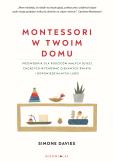
Wyjątkowy poradnik, który pomoże każdemu stać się bardziej skutecznym rodzicem, ale ma też na celu zmienić sposób, w jaki postrzegamy małe dzieci. Jego autorka, doświadczona nauczycielka Montessori, pokazuje jak można przenieść na domowy grunt wartości wynikające z zasad organizacji montessoriańskich placówek edukacyjnych i co dzień cieszyć się byciem z dzieckiem.
Posiłkując się zasadami opracowanymi przez słynną włoską edukatorkę Marię Montessori, Simone Davies opowiada, w jaki sposób zobaczyć w osławionym buncie dwulatka okres zwiększonej ciekawości, kiedy dziecko chłonie wiedzę jak gąbka, uczy się szacunku do świata i odkrywa go z radością. Autorka przedstawia setki praktycznych propozycji i pomysłów na przyjemne i wartościowe życie z maluchem w domu. Pomaga dorosłym:
- Zachować spokój, gdy zabraknie go dziecku oraz wyznaczać granice z miłością i szacunkiem;
- Odpowiednio urządzić dom i zapanować nad chaosem;
- Przygotować montessoriańskie aktywności dla dzieci w wieku 1-3 lat;
- Wychować pełne ciekawości dziecko, które uwielbia badać swoje otoczenie;
- Zacząć patrzeć na świat z perspektywy malucha (i dać się pozytywnie zaskoczyć temu, co zobaczymy).
O wyjątkowości tej książki stanowi również jej estetyka. Rzadko spotyka się poradniki parentingowe o tak wysmakowanej szacie graficzne. Minimalistyczny, świeży design, ubarwiony oszczędnymi ilustracjami i prostymi zdjęciami dobrze oddaje nastrój i zasady panujące w przedszkolach i szkołach Montessori, które dzięki tej książce mogą zapanować także w twoim domu.
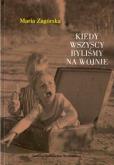
Drogi Czytelniku, przed Tobą niecodzienna podróż w czasie – dwie niezwykłe historie, których scenariusze napisała rzeczywistość wojny. Będzie to zaskakująca wędrówka, bo odbyły ją i opowiedziały o niej dwie małe dziewczynki – Wanda i Maria (Donia), cioteczne siostry z Kresów Wschodnich. Przenieśmy się do świata ich przeżyć i postrzegania wydarzeń, których optyka zmieniała się wraz z dorastaniem bohaterek, ale przede wszystkim była naznaczona dramatem wygnania i rozstaniem z sielankowym obrazem dzieciństwa sprzed wojny.
Ich losy, choć różne, połączone są tą samą nicią traumy, której nie skąpiły im dni pod niebem długo innego koloru niż lazur.
Autorka niezwykle trafnie i subtelnie wnika w umysły dziewczynek i strona po stronie odwzorowuje szczegóły ich życia w piekle wojny, nawet te najbardziej osobiste, a toczące się na dwóch płaszczyznach – tej namacalnej zewnętrznej oraz myśli i emocji dziecka, które dorasta. Z lapidarnych retrospekcji i szczątkowych zapisków w pamięci, tonu głosu w słuchawce telefonu, wyrazu twarzy podczas rozmów (dzisiaj już ze staruszkami) złożone są portrety bohaterek, których losy były dalekie od poukładanego i przewidywalnego życia.
Zapraszam do towarzyszenia Marii Szatroń w podróży po kolejnych stacjach exodusu rodziny od Wileńszczyzny przez stepy Kazachstanu, Iran, Indie, obozy w Afryce, aż do zacumowania w brytyjskim porcie oraz Wandzie Giesmin w tułaczce od miasta do miasta w poszukiwaniu domu, a przede wszystkim do wejścia w świat narratorek. W świat, którego nie widać, ale który jest w sferze ich uczuć i doznań, a do którego wprowadza nas Autorka.
Michał Szewczyk
Porcelanę w domu w Zarzeczu stłukli rosyjscy żołnierze w październiku 1939 roku. Wojna od zachodu przyszła parę tygodni wcześniej, ta druga bliższa dopadła nas z Lidy. Otoczyła dom ze wszystkich stron, wdarła się z wrzaskiem do środka, pluła przekleństwami, strzelała na postrach i na oślep, plądrowała pokoje, niszczyła, groziła. Żądała wódki i jedzenia. Była pijana. Zabrała światu kolory, dokładnie i na długo nauczyła strachu, zniszczyła oczywisty porządek rzeczy i zmieniła go nieodwracalnie. Sprawiła, że nie chciało się niczego pamiętać. Nie przypominać… Może kiedyś, później. A to znaczyło, że może być lżej, tak jakby TO się nie stało. Prawie… Ojciec sam nosił i podawał im wódkę. Żądali więcej i więcej, zbyt pijani, żeby mówić. Słowa zastąpił bełkot i prostackie gesty. Potem był pijacki niebyt, sen, z którego podnosili się chwiejnie, nie mniej źli, żądni… Czego? – Ubijom! Zastrelim!... – tego chcieli.
(Wanda)
Jest cicho. Ludzie śpią. Mama mówi, że są chorzy. Ja jestem zdrowa, ale inne dzieci też chorują i śpią. A potem się nie budzą. I dorośli też. Na postoju otwierają się drzwi i pani, a czasem pan, z opaskami czerwonego krzyża na rękawach pokazują palcem na śpiących. Żołnierze ich zabierają i wynoszą z wagonu. A potem kładą na ziemi. Śpiący leżą nieruchomo w równym rzędzie, są duzi albo mali. Dużo dzieci. I ta śliczna dziewczynka, która siedziała obok swojej mamy i popatrzyła na mnie zanim usnęła. Nie wiem gdzie podziała się jej mama. A w wagonie wszyscy płaczą. Jest mi dziwnie. Chcę do domu i do Mani. Jestem głodna.
(Maria)
Serce nie ma zmarszczek"" jest moim osobistym hołdem, który składam dojrzałym kobietom. Jest szerszym zdefiniowaniem w ujęciu psychoanalitycznym pojęć dojrzała kobiecość, macierzyństwo i dojrzałe relacje, opisuje rozwojowe dylematy i wątpliwości, które pojawiają się wraz z bezlitosnym upływem czasu. W książce jestem dyskretnym medium, które przekazuje ważne treści. Do projektu The Inner Power zaprosiłam znane i cenione kobiety, które opowiedzą o swoich zmaganiach w życiu, poruszą ważne tematy, a także wyjawią, co jest ich siłą i z czego czerpią moc. 50. urodziny to ważny, przełomowy moment w życiu każdej kobiety.Dojrzałość jest piękna, gdy się ją rozumie i akceptuje. Moim pragnieniem jest ukazanie i utrwalenie w świadomości społecznej siły i ogromnej, wewnętrznej mocy, jaką mają w sobie dojrzałe kobiety. Symbolem projektu The Inner Power jest kobieta drzewo aby drzewo miało piękne kwiaty i owoce, musi mieć silne i zdrowe korzenie. Kobiety 50 plus takie właśnie są. Ich sekretną bronią są wewnętrzna równowaga i doświadczenie, które zbierały przez całe życie.Dorota Goldpoint (pseudonim artystyczny) jest absolwentką Uniwersytetu Warszawskiego, ukończyła pięcioletnie szkolenie analityczne w Instytucie Psychoanalizy i Psychoterapii w Warszawie oraz studia podyplomowe na UW z zakresu psychoterapii dzieci.Od pięciu lat prowadzi własną markę modową pod nazwą Dorota Goldpoint, stworzoną z miłości do piękna i pasji do tworzenia.Wielokrotnie nagradzana za osiągnięcia artystyczne, w tym Złotą Pętelką Polskiej Akademii Mody.
Kiedy na świecie pojawia się dziecko, przed rodzicami pojawia się wiele wyzwań. Jednym z nich jest odpowiednie żywienie. Co podawać dziecku, aby dostarczyć mu wszelkich niezbędnych do optymalnego rozwoju składników? Jak wyrobić w maluchu zdrowe nawyki żywieniowe? Co i kiedy wdrażać do diety dziecka, a czego unikać?Baby by Ann to prawdziwe kompendium wiedzy na temat żywienia dzieci.W książce Anny Lewandowskiej rodzice znajdą wszystko, co powinni wiedzieć o żywieniu dziecka, a także przepisy na pyszne i, co najważniejsze, odpowiednio zbilansowane, posiłki dla najmłodszych.
W Trzeciej Rzeszy niemieckie kobiety odgrywały bierną rolę. Początkowo sprowadzała się ona do dwóch rzeczy: prowadzenia domu i wychowywania dzieci. Jednakże po wybuchu wojny w 1939 roku, z powodu niepowetowanych strat zarówno w zasobach ludzkich, jak materialnych, władze musiały zmienić kurs wobec żeńskiej części młodzieży. Od końca 1943 roku aż do upadku i kapitulacji Trzeciej Rzeszy dziewczęta wcielano do wojska. Uczono je obsługi karabinów, broni maszynowej i przeciwpancernej, konstruowania min pułapek. Była to daremna próba zapobieżenia nieuchronnej klęsce.Zamężnym kobietom przeznaczono wyłącznie rolę żon i matek, o tym, aby pracowały zawodowo, nie mogło być mowy. Kobiety bezdzietne uważano za zdrajczynie, natomiast wielodzietnym matkom przyznawano odznaczenia i nagrody pieniężne. Kobietę niemiecką, która urodziła sześcioro dzieci, czekało wyjątkowe wyróżnienie: herbatka z samym Fhrerem. Młode dziewczyny, w wieku 10-18 lat, zachęcano do wstąpienia do organizacji Jungmdelbund i Bund Deutscher Mdel. Powstały po to, żeby objąć dziewczyny i młode kobiety kontrolą państwa, które dzięki temu mogło zrobić z nimi, co chciało, i odpowiednio nimi manipulować.Teraz, wiele lat później, kobiety odsłaniają mało znane fakty dotyczące lat spędzonych w organizacjach, które oprócz maszerowania i witania się okrzykiem `Heil Hitler`, wielogodzinnych treningów i natrętnej propagandy pełne były mroczniejszych momentów.
W świadomości społecznej, ale niekiedy także wśród profesjonalistów istnieje przekonanie, że choroby tarczycy to domena wyłącznie kobiet. Autorzy prezentowanej monografii podjęli próbę przełamania tego stereotypu, wskazując charakterystyczne cechy choroby, które są zależne od płci. Omawiając poszczególne jednostki chorobowe, podkreślają różnice w ich symptomatologii oraz przebiegu i jednocześnie dowodzą, że płeć często bywa niekorzystnym czynnikiem prognostycznym. Książka jest pierwszym profesjonalnym opracowaniem poświęconym schorzeniom tarczycy u mężczyzn. Przygotowano ją z myślą o lekarzach wielu specjalności, którzy w codziennej praktyce klinicznej zajmują się chorobami tarczycy. Mamy nadzieję, że będzie przydatnym źródłem informacji i ułatwi podejmowanie właściwych decyzji diagnostycznych i terapeutycznych.
Książka przedstawia osiem okresów rozwoju człowieka; cztery z nich dotyczą okresu dzieciństwa, jeden - dorastania, a trzy - dorosłości. Każdy z nich przedstawiany jest z dwóch stron, raz od strony najważniejszych zmian i osiągnięć rozwoju, a dwa - od strony zjawisk o charakterze negatywnym, zagrażających realizacji zadań rozwojowych na tym właśnie etapie życia bądź utrudniających, czy nawet uniemożliwiających pomyślne przejście do następnego okresu.
Dla wielu współczesnych dziewczyn dążenie do sukcesu jest napędzane przez brutalną samokrytykę i ostry lęk przed porażką. Chociaż młode kobiety nigdy przedtem nie odnosiły większych sukcesów - osiągając lepsze wyniki w nauce w liceum i na studiach - nigdy też nie zmagały się z tak wieloma trudnościami. Na pierwszy rzut oka dziewczyny mogą wydawać się wyjątkowe, ale w rzeczywistości są niespokojne i przytłoczone, czując, że bez względu na to, jak bardzo się starają, nigdy nie będą wystarczająco dobre, wystarczająco mądre, wystarczająco ładne, wystarczająco szczupłe, wystarczająco popularne ani wystarczająco seksowne.Rachel Simmons prowadziła badania wśród młodych kobiet przez dwie dekady, a wyniki jej badań dowodzą, że kompetencje dziewczyny nie są równe jej poziomowi pewności siebie - nie oznaczają również, że jest szczęśliwa, odporna, ani że ma wysokie poczucie własnej wartości. Opierając się na obrazowych studiach przypadku, R. Simmons ostrzega, że wychowaliśmy pokolenie młodych kobiet, które są tak skoncentrowane na osiągnięciu celu, że unikają podejmowania zdrowego ryzyka, zbyt dużo myślą o niepowodzeniach i cierpią na syndrom oszusta, uważając, że nie są autentyczne. Spędzając coraz więcej czasu na tworzeniu obrazu doskonałej siebie w mediach społecznościowych, dziewczyny te mają tendencję do wycofywania się z tak istotnych bliskich relacji, które oferują ukojenie i wsparcie oraz wzmacniają poczucie własnej wartości.Genialne i pełne pasji wezwanie do działania, które ujawnia, jak dziewczyny i młode kobiety cierpią w naszej toksycznej kulturze nieustającej rywalizacji i porównań. Jest to książka, której potrzebują rodzice, by móc zmienić życie swoich córek i pomóc im stać się zdrowymi, szczęśliwymi i wpływowymi dorosłymi kobietami"".Rosalind Wiseman, autorka Queen Bees and Wannabes
Nasza chmura to książka pełna zadań i pomysłów, jak spędzić czas z dzieckiem. Zadania są proste, zabawne, zaledwie 30-minutowe, ale najważniejsze jest to, że dorosły i dziecko są w nich razem. Z kartki na kartkę książka zapełni się emocjami, myślami, wspomnieniami i stanie się albumem Waszej wspólnej relacji.
Wasza CHMURA zapisze i zapamięta Wasze bycie razem.
Czas z dzieckiem nie musi być tylko pójściem do kina. Namawiam Was do pobycia ze sobą i wypełnienia Waszej CHMURY!
"Mam wrażenie, że moje imię brzmi wyrzut sumienia. Gdy jestem w pracy, żałuję, że nie jestem ze swoimi dziećmi, gdy jestem z nimi, czasem myślę, że zwariuję. Ciągle tylko opracowuję nowy plan pogodzenia wszystkiego."
A jaki jest twój plan pogodzenia wszystkiego? Czy myślisz, że kiedykolwiek wcielisz go w życie? Nie przejmuj się! Wymyślisz jeszcze niejeden, lepszy, bo każdy dzień przyniesie ci nowe zaskakujące doświadczenia.
Ania i Ola to mamy lamy – zupełnie zwykłe, nieidealne, a zarazem najlepsze na świecie mamy dla swoich dzieci. Opowiedzą ci, jak przetrwały i jak każda z nich radzi sobie w życiu z trójką dzieci.
Macierzyństwo – jako jedyne spośród życiowych zjawisk – jest dla nas zawsze szokiem. Niezależnie od liczby przeczytanych poradników, blogów i przestudiowanych badań, wciąż zostajemy z tym naszym macierzyństwem same.
Dlatego Mama lama to książka dla wszystkich mam obecnych i przyszłych, tych, które już wszystko wiedzą i po prostu potrzebują chwili relaksu w towarzystwie innych podobnych mam, jak i tych, które szukają wszelkich możliwych podpowiedzi, jak się to macierzyństwo, bo póki co zupełnie nie wiedzą, czego mają się spodziewać...
Ola i Ania prowadzą na YouTubie kanał MAMA LAMA, który obserwuje już prawie siedemdziesiąt tysięcy osób. Dlaczego? Bo z poczuciem humoru i dystansem do siebie i świata opowiadają o tym, jak radzą sobie z macierzyństwem oraz innymi przypadłościami życiowymi
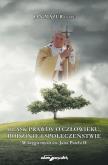
Niniejszy szkic nie jest całościową syntezą nauczania św. Jana Pawła II, lecz jedynie wprowadzeniem i zachętą do lektury jego encyklik, adhortacji i listu apostolskiego, w których poruszane są sprawy społeczne w świetle misji zbawczej Kościoła. Aby właściwie odczytać myśl społeczną Papieża z Polski, nie sposób nie uwzględnić jej wymiaru religijnego, duchowego i nadprzyrodzonego. Cały jego pontyfikat odznaczał się bowiem głębokim zdumieniem wobec wartości i godności człowieka. Z tej przesłanki Papież potrafił wyprowadzić wnioski, które kryją w sobie nie tylko treść religijną, ale także społeczną, polityczną, a nawet ekonomiczną. Jego myśl jaśnieje prawdą o Bogu i człowieku, o Kościele i społeczeństwie, a zwłaszcza o rodzinie jako najbardziej podstawowej wspólnocie życia i miłości.
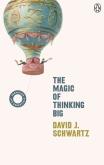
Your go-to guide to a better life, starting with the way you think
Join 6 million readers around the world who have capitalised on the power of now
First published in 1959, David J Schwartz's classic teachings are as powerful today as they were then. Practical, empowering and hugely engaging, this book shows that the key to success is the way you think. Not only will this timeless classic inspire you, it will give you the tools to change your life for the better – starting right now.
Schwartz’s step-by-step approach will show you how to:
- Defeat disbelief and the negative power it creates
- Make your mind produce positive thoughts
- Plan a concrete success-building programme
- Do more and do it better by turning on your creative power
- Capitalise on the power of NOW
Updated for the 21st century, The Magic of Thinking Big will guide you to high achievement in every area of your life.
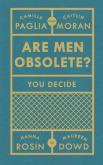
Men are so last century. They seem to have stopped evolving. The Mad Men world is disappearing and the guys are struggling to figure out the altered parameters of manliness.’
Maureen Dowd
‘Do women get anything from men being obsolete? Do we win by triumphing in work, education, the economy, politics and business, while retaining homemaking and child rearing? If that happened then we will be doing everything! Are men obsolete? No! I won’t let you be you f*****s!’
Caitlin Moran
Are Men Obsolete is an essential and entertaining read for anyone interested in what happens next in the great gender discussion. Maureen Dowd, Caitlin Moran, Camille Paglia and Hanna Roisin debate whether modern man is past his sell-by-date, and, if so, what does that mean for women?
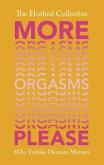
An orgasm will help you sleep and keep you looking younger, it doesn’t cost money and isn’t a scarce resource. So why is it that, like the pay gap, there is an ‘orgasm gap’ between women and men?
The Hotbed Collective began life as a podcast with a mission ‘to make life better one orgasm at a time’. Their debut book, More Orgasms Please is an open, honest and at moments hilarious dive into all aspects of sex for women. It covers feminist porn, body image, menopause and much more.
Like the podcast that inspired it, More Orgasms Please is like the best sort of chat between friends: punchy and playful, normalising and educating. It is an eye-opening read that puts women’s bodies and our right to pleasure firmly on the map.
Ten produkt jest zapowiedzią. Realizacja Twojego zamówienia ulegnie przez to wydłużeniu do czasu premiery tej pozycji. Czy chcesz dodać ten produkt do koszyka?