Polecamy całą serię najlepszych książek psychologicznych. Znajdziecie tu najciekawsze i najbardziej popularne poradniki i podręczniki. Setki tytułów, do których chętnie się wraca. Polecamy szczególnie książkę psychiatry Viktora Frankla, która opisuje jego traumatyczne przeżycia z obozów koncentracyjnych podczas II wojny światowej oraz podstawy jego metody leczenia zaburzeń psychicznych. To jedna z najbardziej wpływowych książek w literaturze psychiatrycznej. Ponadto proponujemy również słynną książkę autorstwa Cialdini Robert B.To znakomita książka z dziedziny psychologii społecznej, prezentująca techniki wywierania wpływ na ludzi.
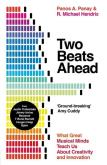
In Two Beats Ahead, Michael Hendrix and Panos Panay demystify the artistic process of some of the greatest creative minds of our time and reveal what they can teach us about creativity.
Drawing from first person interviews, you'll learn the secrets of collaboration from Beyoncé and Pharrell Williams, grasp the value of experimentation with Radiohead and Imogen Heap, learn how to prototype with Jimmy Iovine, hear why Justin Timberlake thinks you should 'dare to suck', understand the power of reinvention from Gloria Estefan, and the art of producing from T Bone Burnett and Hank Shocklee, co-founder of Public Enemy.
A musical mindset is a revolutionary framework for creating and innovating in a dynamic world. Two Beats Ahead shows you how
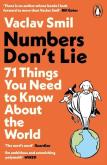
Is flying dangerous? How much do the world's cows weigh? And what makes people happy?
From Earth's nations and inhabitants, through the fuels and foods that energize them, to the transportation and inventions of our modern world - and how all of this affects the planet itself - in Numbers Don't Lie, Professor Vaclav Smil takes us on a fact-finding adventure, using surprising statistics and illuminating graphs to challenge lazy thinking. Smil is on a mission to make facts matter, because after all, numbers may not lie, but which truth do they convey?
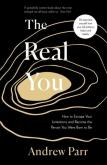
The only thing holding most of us back is ourselves, but you are capable of change and this revolutionary method will show you how to become your best self.
Having practised as a therapist for almost thirty years, Andrew Parr has helped thousands of people to break free of their self-sabotaging thoughts and achieve things they never thought possible: from pay rises to weight loss, and from quitting smoking to overcoming insomnia. His life-changing ESCAPE Method combines the most effective aspects of hypnotherapy, psychotherapy, coaching and CBT, enabling you to identify and resolve problematic mental patterns more easily than with traditional talking therapy.
He explains that throughout our lives we become conditioned to believe things like 'I'm not good enough', 'I don't deserve to be happy', 'I don't belong here' and, left unchecked, these thoughts can leave us feeling incapable, unfulfilled and unhappy. But this book shows us that, no matter what is causing those problematic beliefs, the real, capable and confident you is hidden just beneath the surface and gives us the tools to de-hypnotize ourselves of those beliefs.
Whether you want to break free from your obstructive thoughts, feel confident in your abilities, reclaim aspects of your life, succeed at your goals or simply better understand yourself, with the ESCAPE Method you will feel free, in control and become the person you were born to be.
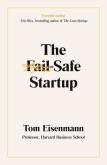
90% of all startups fail. But why?
For the past decade, this is a question that Tom Eisenmann has tried to answer. Focusing his research and his MBA class at Harvard University on the mistakes and missteps of entrepreneurs, for the first time, he reveals his findings, and - most importantly - how you can avoid them.
Eisenmann's fascinating, often counter-intuitive, advice debunks common Silicon Valley mythology including:
The False Promise: How early success, often based on extenuating factors, gives founders the misplaced confidence to expand.
The False Start: That the 'fail fast' mentality of many founders can mean launching before they're ready - wasting time and money.
The Audacity of Goals: Silicon Valley scoffs at moderate ambitions but the more audacious your goals, the more can go wrong.
Drawing on case studies from startups around the world, in all shapes and sizes, The Fail-Safe Startup will show you how to analyse others' failure to ensure your success.
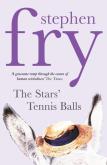
Ned Maddstone has the world at his feet. He is handsome, talented and about to go to Cambridge, after which he is expected to follow his father into politics. But an unfortunate confrontation with a boy in his school results in a prank that goes badly wrong and suddenly he’s incarcerated – without chance of release. So begins a year long process of torment and hopelessness, which will destroy his very identity, until almost nothing remains of him but this unquenchable desire for revenge.
Inspired by the Count of Monte Cristo, Fry’s psychological thriller is written with the pace, wit and shrewd insight that we have come to expect from one of our finest novelists.
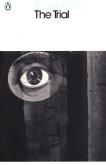
A terrifying psychological trip into the life of one Joseph K., an ordinary man who wakes up one day to find himself accused of a crime he did not commit, a crime whose nature is never revealed to him. Once arrested, he is released, but must report to court on a regular basis--an event that proves maddening, as nothing is ever resolved. As he grows more uncertain of his fate, his personal life--including work at a bank and his relations with his landlady and a young woman who lives next door--becomes increasingly unpredictable. As K. tries to gain control, he succeeds only in accelerating his own excruciating downward spiral.
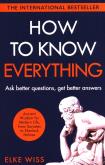
In an increasingly polarized world, asking better questions in our daily and working lives is a radical shortcut to personal and professional success. It can create space for us to rethink our positions, find answers together, and even change our minds for the better.
Drawing on the lessons of Socrates and other great thinkers, practical philosopher Elke Wiss lays out an essential toolkit to help you:
· Transform debates into dialogues
· Embrace your doubts like a true philosopher
· Ditch your ego and become an active listener
· Discover an open and curious Socratic attitude
· Learn Sherlock Holmes's powers of observation
· Open conversations up or dig down deeper with key question types
· Explore thorny issues and avoid classic question pitfalls
· Face your fear of asking and start connecting
The right questions can unlock the answers to anything - and help you know everything, without being a know-it-all.
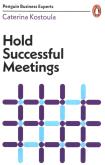
Meetings allow us to bring people together to inspire each other, solve problems and make a difference.
Yet, we all spend too much time in dull, frustrating meetings where little is achieved and even less is followed up on afterwards. In Hold Successful Meetings, executive coach and former Google leader Caterina Kostoula will change all this. Her unique framework will:
- Equip you to hold fewer, more purposeful meetings
- Create a creative and inclusive environment
- Leave participants inspired and ready to take action
Whether virtual or in-person, people will leave your meetings inspired by the value you created together and ready to make an impact.
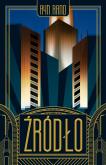
Źródło to historia nieprzeciętnie uzdolnionego architekta, Howarda Roarka. Nie podporządkowuje się on powszechnie panującym poglądom i gustom. Pomimo wiążącej się z tym samotnością i cierpieniem podąża drogą, którą wskazują mu serce i rozum.
Jest to opowieść o ambicji, władzy, pieniądzach i miłości - miłości tak niezłomnej, że niczym masywne kamienne wieże wznoszone przez bohatera zatriumfowała nad oszustwem, rozłąką, zazdrością i okrutnymi atakami tych, którzy pragnęli ją zniszczyć.
Podobnie jak w swojej sławnej krótkiej powieści Hymn, i tu Ayn Rand ostro występuje przeciwko idei równości lansowanej nie tylko przez modny w owym czasie wśród zachodnich intelektualistów - socjalizm, ale i przez chrześcijaństwo. Tu najpełniej dochodzi do głosu filozofia obiektywizmu oraz pochwała indywidualizmu, stanowiącego źródło ludzkiego rozwoju.
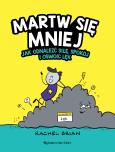
Nowy komiksowy podręcznik Rachel Brian, autorki bestsellerowego Zgadzam się albo i nie! oraz znanego na całym świecie filmiku Tea Consent.Książka została napisana z myślą o tych, którzy się zamartwiają lub trapi ich lęk, czyli właściwie o nas wszystkich. Każde dziecko na co dzień doświadcza różnych uczuć mniej lub bardziej przyjemnych. I każde niejednokrotnie czegoś się obawia. Ale bywa, że nadmierny lęk staje się przeszkodą. Ta książka pomoże rozpoznać własne lęki i zrozumieć, dlaczego obawy są nieodłączną częścią życia, a także wyposaży małych czytelników w narzędzia przydatne, by odzyskać spokój.Rzeczowa treść, która powstała w oparciu o badania naukowe, przedstawiona w formie zabawnych scenek.Bezcenne narzędzie dla rodziców i nauczycieli!
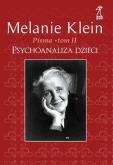
Melanie Klein jest znana jako wybitna psychoanlityczka, twórczyni kierunku w psychoanalizie kładącego nacisk na relację z obiektem. Jej technika pracy z dziećmi, koncepcje nieświadomych fantazji, pozycji paranoidalno-schizoidalnej i depresyjnej przyczyniły się do nowego rozumienia wczesnych faz rozwoju dziecka. Miały również wpływ na rozumienie psychopatologii dorosłych i na analityczną technikę leczenia.
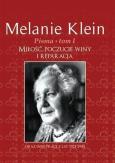
Wiele wczesnych kontrowersji na temat pracy Melanie Klein niemal uległo zapomnieniu. Jej sposób myślenia został w znacznej części zasymilowany do głównego nurtu psychoanalizy. Ci, których znamy jako kleinistów i którzy wprost używają pojęć i techniki Melanie Klein, rozwinęli i nadal rozwijają jej pracę, a zainteresowanie jej koncepcjami rośnie na całym świecie. Żywotność i znaczenie jej dzieła nie budzą żadnych wątpliwości. Hanna Segal Koncepcje Klein w istocie dotykają problemów organizacji całego życia umysłowego. Klein ukazuje, jak rozwijające się prymitywne fantazje powołują inne fantazje, które stają się matrycą dla związków myślowych i procesów intelektualnych. Zatem jej prace wszędzie, gdzie się ukazywały, wzbudzały również duże zainteresowanie filozofów, socjologów, antropologów kulturowych, etnografów, literaturoznawców, krytyków sztuki i twórców. Wojciech Hańbowski Melanie Klein (1882-1660) jest znana jako wybitna psychoanlityczka, twórczyni kierunku w psychoanalizie kładącego nacisk na relację z obiektem. Jej technika pracy z dziećmi, koncepcje nieświadomych fantazji, pozycji paranoidalno-schizoidalnej i depresyjnej przyczyniły się do nowego rozumienia wczesnych faz rozwoju dziecka. Miały również wpływ na rozumienie psychopatologii dorosłych i na analityczną technikę leczenia.
Miłość, poczucie winy i reparacja rozpoczyna publikację Pism Melanie Klein, obejmujących blisko czterdziestoletni okres jej pracy klinicznej i badawczej. Polskie wydanie Pism umożliwia naszemu czytelnikowi bezpośredni kontakt z jej dziełem, a w konsekwencji z olbrzymim obszarem myśli analitycznej, modyfikującej i twórczo rozwijającej teorię Freuda z tzw. brytyjską szkołą relacji z obiektem.
Emocje. Jest ich tak wiele!Trzydzieści opowiadań Mari Menndez-Ponte pomoże dziecku rozpoznać różne emocje i je oswoić.Dzięki przygodom sympatycznych bohaterów okaże się, że to niełatwe zadanie może być wręcz zabawne. Uzupełnieniem opowiadań są zestawy podpowiedzi dla rodziców.
W tradycyjnym podejściu do wychowania na pierwszym miejscu stawiany był autorytet władzy dorosłych, często oparty na strachu przed karą. Takie podejście określa się dziś wychowaniem autorytarnym i w miarę postępu wiedzy zauważono, że pociąga ono za sobą wiele negatywnych skutków.
W opozycji do modelu autorytarnego pojawiło się wychowanie wolne od zakazów, nakazów i kar. Naczelną zasadą nowego wychowania miał być partnerski dialog z dzieckiem. Okazało się jednak, że wychowanie zakładające radykalne ograniczenie władzy wychowawczej w praktyce nie zdaje egzaminu. Oba modele zawierają analogiczny błąd, polegający na zbyt jednostronnym postrzeganiu wychowania. W modelu autorytarnym brakuje właściwego miejsca dla dialogu, a w modelach przeciwnych mu przeoczono rolę władzy wychowawczej.
Paradoks obecnej sytuacji polega na tym, że z jednej strony dostrzega się poważne słabości współczesnego wychowania, a z drugiej – wciąż panuje niezachwiana wiara w słuszność jego założeń. Z tego powodu wielu rodziców i wychowawców, widząc nieskuteczność wychowania partnerskiego, albo całkowicie kapituluje, albo sięga po metody autorytarne. W jednym i w drugim przypadku przeżywają oni z tego powodu frustracje.
Znaleźliśmy się więc w sytuacji patowej, którą można przezwyciężyć tylko przez zmianę dominującego obecnie myślenia o wychowaniu. Ta książka ma nam pomóc wyzwolić się ze współczesnej „poprawności” poglądów na temat wychowania. Czytelnik znajdzie tu zupełnie inny opis tego, na czym polega wychowanie.
Jak się nazywa lęk przed pająkami? Czy można bać się zegarów i upływającego czasu? Co tajemniczego i przerażającego czai się w cyfrach? Skąd wziął się strach przed piątkiem trzynastego? I dlaczego przeraża nas zapadający zmrok i nietoperze? Tego wszystkiego dowiecie się z książki Najdziwniejsze fobie!Naukowcy opisali i zbadali aż siedemset różnych lęków i strachów. Dzięki tej książce poznacie najciekawsze i najdziwniejsze fobie, które mogą pojawić się w życiu każdego człowieka. Dowiecie się skąd wzięły się ich tajemnicze nazwy oraz odkryjecie wielu zaskakujących faktów i ciekawostek związanych z działaniem ludzkiego mózgu.Witajcie w świecie fobii!
Książka otrzymała wyróżnienie w kategorii Autor zagraniczny w konkursie ""Książka dla Trenera 2015"" Każdy z nas od czasu do czasu zmuszony jest przekonać kogoś do czegoś szefa, współpracownika, klienta, partnera, dziecko, sąsiada, a nawet przyjaciela. Sami również nieustannie spotykamy się z próbami wywarcia na nas wpływu przez innych. Co zrobić, aby osiągnąć zamierzony cel? Jak skutecznie przekonywać? Jaka mała, z pozoru nieistotna, zmiana ułatwi nam uzyskanie lepszego efektu?
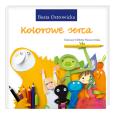
Beata Ostrowicka opowiedziała historię o zamku, w którym pojawił się obcy. Jasiek ulepił Niebieskiego z resztek plasteliny. Niebieski wcześniej był hipopotamem, a jeszcze wcześniej – słoniem, miał nieśmiały uśmiech i chciał się zaprzyjaźnić z mieszkańcami zamku… Elżbieta Wasiuczyńska wycięła z papieru Niebieskiego, a także Białą, Zielonego, Czerwoną i pozostałych Kolorowych Rycerzy zamieszkujących zamek, dzięki czemu ta mądra historia o tolerancji zyskała niezwykłe trójwymiarowe ilustracje. „Kolorowe serca” skłaniają do zastanowienia, czy więcej nas łączy, czy dzieli. Czy nowe miejsce, nowa sytuacja, nowa osoba to powód do niepokoju? Czy to wstyd zmienić zdanie? Beata Ostrowicka – autorka książek dla dzieci i młodzieży. Wydała ponad dwadzieścia książek. Była doceniana licznymi nagrodami i wyróżnieniami (m.in. „Ale ja tak chcę!” zdobyła tytuł Książki Roku 2006 Polskiej Sekcji IBBY; „Świat do góry nogami” otrzymał w 2004 roku wyróżnienie Międzynarodowej Sekcji IBBY i został wpisany na Honorową Listę Andersena). Wiele jej książek poleca Fundacja ABC, prowadząca akcję „Cała Polska czyta dzieciom”. Niektóre książki zostały przetłumaczone na języki obce. Mieszka w Krakowie z mężem i dwoma synami. Elżbieta Wasiuczyńska – zajmuje się malarstwem i grafiką użytkową. Uzyskała dyplom Akademii Sztuk Pięknych w Krakowie na wydziale malarstwa w pracowni prof. Juliusza Joniaka i dyplom (nagrodzony Medalem Rektora) na wydziale grafiki w pracowni książki i typografii prof. Romana Banaszewskiego. Zilustrowała kilkadziesiąt książek. Ma na swoim koncie liczne nagrody i wyróżnienia, m.in. wyróżnienie w konkursie Pro Bolonia 2001 za ilustracje do opowiadań „Pan Kuleczka” Wojciecha Widłaka, wyróżnienie w konkursie Świat przyjazny dziecku za książkę „Bajka o ślimaku Kacperku” Małgorzaty Strzałkowskiej, „Bronze medal” International Calendar Exibition Stuttgart 2006 za ilustracje do „My first calendar Heye”, wyróżnienie w konkursie Książka Roku 2007 PS IBBY za ilustracje do książki „ZOO” Jarosława Mikołajewskiego, a w 2009 roku w tymże konkursie główną nagrodę graficzną za książkę autorską „Mój pierwszy alfabet”. Współpracuje ze „Świerszczykiem” i „Dzieckiem”. Projektowała nadruki na ubranka i billboardy dla marki Endo.
ANALIZA TRANSAKCYJNA - NAJBARDZIEJ PRAKTYCZNA TEORIA.Czy masz świadomość, że codziennie wielokrotnie używasz różnych stanów Ja? W zależności od sytuacji zmieniasz je, dopasowujesz lub wycofujesz. Prawdopodobnie robisz to nieświadomie, przez co tracisz okazje, z których mógłbyś skorzystać.CO CI DA LEKTURA TEJ KSIĄŻKI?Korzystając z propozycji w niej zawartych, możesz szybciej i łatwiej osiągnąć swoje cele w kontaktach z bliskimi oraz w pracy zawodowej. To książka, która zawiera prawdziwe bogactwo narzędzi, ćwiczeń i praktycznych wskazówek, jak skorzystać z rzetelnej wiedzy psychologicznej w praktyce. Analiza transakcyjna dzisiaj uznawana jest za jeden z najlepszych podręczników w tej dziedzinie. To niesamowity początek wielkiej przygody z AT.CZYM JEST ANALIZA TRANSAKCYJNA?To koncepcja człowieka i jego zachowań, która pozwala ludziom skorzystać z profesjonalnej psychologii, zrozumieć siebie oraz innych i bardzo praktycznie wykorzystać tę wiedzę w rodzinie, w biznesie, w edukacji i poradnictwie. W tej książce autorzy ? doświadczeni i certyfikowani analitycy transakcyjni ? zebrali, przefiltrowali i klarownie przedstawili pełną wiedzę wymaganą do uzyskania podstawowego międzynarodowego certyfikatu AT 101. Na całym świecie korzystają z niej profesjonaliści ? trenerzy, coachowie, psychoterapeuci oraz zwykli ludzie, którzy chcą się skuteczniej komunikować i lepiej zrozumieć swoje i innych gry psychologiczne czy skrypty.Trzymaj rękę na pulsie swojego życia, poznaj analizę transakcyjną.
To książka, którą powinien przeczytać każdy wierzący ojciec! Przeczytać i stosować w życiu!Dziś ojcowie stają przed wieloma trudnościami i przeszkodami, które wcześniejszym pokoleniom nie były znane. Jak być dla swoich synów i córek wiarygodnym autorytetem? Jak wychowywać dzieci i kształtować ich życiowe postawy zgodnie z tradycyjnymi wartościami? Jak łączyć rolę ojca z pracą zawodową? Jak być świadkiem wiary dla swoich dzieci? To tylko niektóre z licznych i palących problemów, z którymi zmierzyli się autorzy tej książki.● S. M. Urszula Kłusek SAC pisze o cnocie męstwa w tradycji Kościoła, ale także o jej aktualności w życiu mężczyzny XXI wieku.● Andrzej Lewek, koordynator Ruchu Mężczyzn św. Józefa, pokazuje męża Maryi jako biblijny wzór integralnego i dojrzałego ojcostwa.● Leszek Podolecki, założyciel i prezes Fundacji Instytut św. Brata Alberta, proponuje wiele cennych wskazówek na temat wychowania z punktu widzenia doświadczeń wyniesionych ze spotkań z więźniami i z pracy w zakładach karnych.● Anna Kulbacka OV, Liderka Edukacji Finansowej CROWN, udziela współczesnym zabieganym ojcom wielu konkretnych rad, jak skutecznie łączyć obowiązki rodzinne i zawodowe.● Jacek Pulikowski wyjaśnia, w jakiej mierze bycie dojrzałym i zintegrowanym wewnętrznie mężczyzną przekłada się na odpowiedzialne wypełnianie ojcowskich obowiązków.● S. M. Salwatora Grzesik ABMV pisze o ojcostwie jako służbie.● Br. Tadeusz Ruciński FSC zachęca do poszukiwania wzoru ojcostwa w samym Bogu Ojcu.Ta książka to pełen praktycznych rad przewodnik, który każdemu mężczyźnie pomoże jeszcze lepiej wypełniać misję bycia tatą na wzór Boga Ojca. Dziecko potrzebuje ojca i matki - rodziców, którzy stają razem i tworzą zespół. To nie przypadek, że Pan Bóg stworzył mężczyznę i kobietę. (...) Musimy działać zgodnie z Bożym planem, którego podstawą jest postawa wzajemnej służby. Dzięki niej uzupełniamy i wspieramy się nawzajem, budując naszą jedność w małżeństwie jako komunię, na wzór komunii Osób Boskich w Trójcy Świętej.Andrzej Lewek, Być jak święty Józef (fragment książki) Pójdźmy za myślą Karola Wojtyły zawartą w trudnym dziele ,,Osoba i czyn"". (...) Czyny przemieniają człowieka, jego relacje, jego życie i w efekcie jego szczęście. Do czego namawiam? O co wręcz proszę? Żeby na bazie tego, co tutaj przeczytacie, podjąć jakiś konkretny czyn. Dobry czyn. Proszę o to każdego. Bo ten czyn będzie przemieniał osobę w kierunku dobra. Zacznie przemieniać człowieka i jego relacje z żoną, z mężem czy z dzieckiem...Jacek Pulikowski, Wychowanie po ojcowsku (fragment książki)
Ten produkt jest zapowiedzią. Realizacja Twojego zamówienia ulegnie przez to wydłużeniu do czasu premiery tej pozycji. Czy chcesz dodać ten produkt do koszyka?