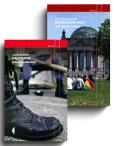
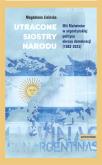
Jeśli interesujesz się polityką, albo studiujesz politologię znajdziesz w tym dziale informacje o współczesnym świecie. Obszerna literatura naukowa, różne publikacje i elementy wiedzy politologicznej, najważniejsze zagadnienia i pojęcia z politologii, kontrowersyjne książki polityczne, powieści polityczne, nauki polityczne. Najlepsze książki społeczno-polityczne, bestsellery polityczne, książki o polityce, które warto przeczytać - zapraszamy po lekturę na Dobreksiazki.pl
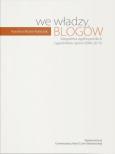
O atrakcyjności książki, poza językiem, (...) decyduje kilka kwestii. Po pierwsze aktualność tematyki. Blogi nie okazały się być jedynie modą, ale stały się produktem medialnym, co Autorka zręcznie pokazuje. Drugą mocną stroną jest rzetelny przegląd literatury przedmiotu. Autorka przywołuje naukową literaturę światową oraz prace polskich badaczy. Taka teoretyczna podstawa służy Autorce do przedstawienia argumentacji budowanej na danych empirycznych (...). Autorka uwzględnia różne stanowiska i punkty widzenia, przy czym, co uważam za cenne, w licznych miejscach wchodzi w dialog z zaprezentowanymi poglądami, przedstawiając własny punkt widzenia. Trzecią kwestią, którą chciałabym podkreślić jest fakt, że dokonana przez Autorkę analiza zagadnień ma znaczenie dla praktyki życia społecznego.
Z recenzji dr hab. Małogarzy Molędy-Zdziech, prof. SGH
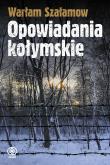
Literacka wersja słynnego Archipelagu Gułag.To, co widziałem, tego człowiek nie powinien widzieć, nie powinien o tym wiedzieć.Rzeczywistości łagrów, przeżywanej przez miliony ludzi, nie można pojąć, a jeśli nie pojąć, to choć trochę zrozumieć, nie przeczytawszy Opowiadań kołymskich w całości. Słynny Archipelag Gułag wniósł wiele w poznanie świata łagrów, zwłaszcza w zakresie materiału faktograficznego. Natomiast w sferze przeżyć, emocji, uczuć, myśli i refleksji nad ludzką nędzą to Szałamow jest tym, który beznamiętnie prowadzi nas przez piekło zgotowane przez człowieka drugiemu człowiekowi w naszych czasach.ze wstępu Juliusza Baczyńskiego
Wyróżniona prestiżową nagrodą dla najlepszej niemieckojęzycznej książki 2017 roku powieść Roberta Menasse Stolica to pasjonujący thriller polityczny, którego akcja toczy się w Brukseli, nieformalnej stolicy Unii Europejskiej. Austriacki autor wpuszcza nas niejako tylnymi drzwiami za kulisy tej skomplikowanej struktury i pozwala nam przyjrzeć się jej funkcjonowaniu. Bohaterami tej wielowątkowej opowieści o tym, co dzieje się w stolicy Belgii, w gabinetach europejskich urzędników i w ich życiu prywatnym, są przybysze z różnych stron Europy, ale także komisarz policji, emerytowany politolog, skądinąd potomek austriackich nazistów, i niedoszła ofiara Holokaustu. Oraz… polski agent, który przybywa do Brukseli z zagadkową misją. W powołanych przez pisarza do życia postaciach zbiegają się i zazębiają przeszłość, teraźniejszość i przyszłość Europy. Autor kreśli jej postnarodową wizję, obarczając nacjonalizm winą za tragedie minionych stuleci.To powieść ważna dla każdego, komu nie jest obojętny kształt Unii Europejskiej i przyszłość naszego kontynentu.
Książka zawiera fragmenty najważniejszych wyroków Trybunału Sprawiedliwości Unii Europejskiej z obszernymi komentarzami. Autorami wyboru orzeczeń i komentarzy są pracownicy naukowi polskich uniwersytetów zaangażowani w praktykę stosowania prawa.
W publikacji przedstawiono, w jaki sposób prawo unijne wpływa na życie gospodarcze i społeczne państw członkowskich.
Wybór zamieszczonych w opracowaniu wyroków daje reprezentatywny obraz stanu orzecznictwa Trybunału Sprawiedliwości dotyczący sześciu kluczowych dziedzin materialnego prawa unijnego:
- obywatelstwa unijnego,
- zamówień publicznych,
- ochrony środowiska,
- pomocy państwa,
- funduszy unijnych,
- prawa autorskiego.
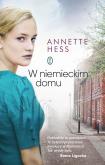
Wina, wstyd, nierozliczone zbrodnie i przeszłość, którą woli się przemilczeć. Kontrowersyjne spojrzenie na wojenną historię, w którym głos ma podzielone niemieckie społeczeństwo, świadectwa więźniów obozu w Auschwitz są podważane, a okrutni oprawcy wybielani. Czy prawda ma szansę wyjść na jaw, a sprawcy mordu ukarani?
Frankfurt, 1963 rok. Ewa, młoda tłumaczka, córka lokalnego restauratora, Bruhnsa, zaraz się zaręczy. Nieoczekiwanie otrzymuje zlecenie: ma przetłumaczyć zeznania świadków podczas rozprawy sądowej. Jej rodzice, podobnie jak przyszły narzeczony, syn bogatego przedsiębiorcy, są temu przeciwni. Jest to pierwszy w mieście proces przeciw zbrodniarzom SS, którzy służyli w Auschwitz. Ewa nigdy nie słyszała o tym miejscu i dziwi się, że w jej domu nigdy nie mówiło się o tym, co działo się w czasie wojny, podąża jednak za swoimi uczuciami i sprzeciwia się rodzinie. Przyjmuje zlecenie nieświadoma, że ten proces nieodwracalnie odmieni nie tylko niemieckie społeczeństwo, ale także jej własne życie.
Emocjonująca i poruszająca opowieść o bezlitosnych trybach historii, przemocy, miłości, zdradzie i trudnych rozliczeniach z historią. Ta opowieść przemówi z wyjątkową mocą nie tylko do czytelników Łaskawych, Tatuażysty z Auschwitz czy Dziewczynki w czerwonym płaszczyku. Nie zrozumiemy siebie nawzajem i naszej współczesności bez konfrontacji z tym, co stało się w XX wieku.
„Dokładnie to pamiętam. To były moje pierwsze miesiące w Niemczech. Tak wtedy było.
Zanurzyłam się w tym świecie całkowicie.
Annette Hess niezwykle prosto i obrazowo wprowadza czytelnika w realia lat sześćdziesiątych w Niemczech.
Losy rodziny Ewy pokazują, z jakimi problemami musi zmierzyć się ten naród. A także to, że nawet najbardziej dramatyczną historię można przyswoić, nie uciekać przed nią, ale się z nią zmierzyć, by odnaleźć w niej swoje godne miejsce.
W niemieckim domu udowadnia, że straszna historia nie oszczędzała nikogo”.
Roma Ligocka
Annette Hess (ur. 1967 r.) – niemiecka pisarka i scenarzystka. Pracowała jako dziennikarka, asystentka produkcji programów telewizyjnych i asystentka reżysera w niemieckiej telewizji ARD. W 2015 r. na podstawie jej scenariusza ZDF wyprodukował serial telewizyjny „Ku’damm 56”, opowiadający o życiu kobiet w latach 50. i ich walce o to, żeby mogły same o sobie decydować. W niemieckim domu, debiutancka powieść Hess, odniosła spektakularny sukces – książka trafiła na listę bestsellerów tygodnika „Der Spiegel”, a prawa wydawnicze zakupiło 21 krajów. Do tej pory w Niemczech sprzedano 55 000 egz.
Ani złego słowa to nagradzana powieść o odmienności, imigracji i brutalności policji, ale także potędze słów i o tym, kto ma prawo mówić otwarcie o sobie i innych ludziach.
Syn nigeryjskich imigrantów, Niru, wiedzie z pozoru idealne życie. Chodzi do kościoła, wierzy w Boga, jest wybitnym sportowcem, a jesienią idzie na Harvard.
Niru nie jest jednak taki, jak wymarzył sobie jego konserwatywny ojciec. Chłopak skrywa tajemnicę, za sprawą której wyruszy w podróż w poszukiwaniu własnej tożsamości: przez szalone imprezy z zakochaną w nim Meredith i pierwsze inicjacje, po mroczne nowojorskie kluby, aż do dramatycznego finału.
A cudze słowa – dobre i złe – zmienią jego życie na zawsze.
***
„Ledwie zaczynasz czytać i zapadasz głęboko w ten świat, odnajdując siebie w kolejnych postaciach, aż w końcu odnosisz wrażenie, jakby autor znał cię na wylot”. Marlon James
„Niezwykle mądra książka, której nie sposób odłożyć”. Gary Shteyngart
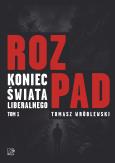
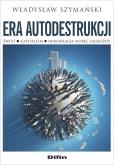
W publikacji przedstawiono wielkie wyzwania i zagrożenia w poszczególnych sferach światowego życia społeczno-gospodarczego, które przyczyniają się do narastającej niewydolności instytucjonalnej, politycznej i świadomościowej, utrudniającą lub uniemożliwiającą rozwiązanie wzrastających problemów. Mamy globalizację, a nie mamy podstaw do działań zgodnie z racjonalnością globalną, w czasie gdy kumulują się różne bariery i wyzwania. Autor nie tylko postrzega różnorodne niesprawności i bolączki, ale próbuje sięgać do generalnych przyczyn systemowych powstawania i narastania problemów.
Miała to być pierwsza powieść Gabriela Garci Marqueza. Dzięki swym dziadkom znał od dziecka historię Macondo i dzieje rodziny Buenda, prześladowanej fatum kazirodztwa. Świat, w którym rzeczy nadzwyczajne miały wymiar szarej codzienności, zwyczajność zaś przyjmowana była jak zjawisko nadprzyrodzone; świat bez czasu, gdzie wiele rzeczy nie miało jeszcze nazw, był też jego światem. Potrzebował aż dwudziestu lat, by wreszcie spisać te rodzinne opowieści z całym dobrodziejstwem i przekleństwem odniesień biblijnych, baśniowych, literackich, politycznych; uświadomił nam, że ""plemiona skazane na sto lat samotności nie mają już drugiej szansy na ziemi"".
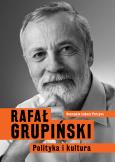
Zaskakująca w nieznanych szczegółach z najnowszej historii i niezwykła w interpretacjach znanych wydarzeń opowieść o Polsce ostatniego półwiecza. Rafał Grupiński - polityk, a zarazem historyk kultury, krytyk literacki i wydawca, w latach 80. współpracownik paryskiej "Kultury" i założyciel podziemnego czasopisma "Czas Kultury" - opowiada o czasach opozycji demokratycznej, stanie wojennym z poznańskiej perspektywy, by chwilę potem odsłaniać kulisy sejmowej i rządowej polityki po 1989 roku. Sekretarz stanu w rządzie premiera Donalda Tuska, doradca polityczny i szef największego klubu parlamentarnego Sejmu VII kadencji, a chwilę wcześniej wydawca takich pisarzy jak Andrzej Stasiuk, Marcin Świetlicki czy Natasza Goerke, łączył zawsze dwa światy, które wydają się przy obecnej brutalizacji polityki nie do pogodzenia: politykę i kulturę. O tym jest także ta książka ważnego świadka epoki, który angażując się w PRL w walkę o niepodległość czy późniejsze przemiany polityczne kraju, nigdy nie porzucił kultury i świata jej nieprzemijających wartości.
Kronika zmieniającego się świataBarcelona 1968. Początkujący dziennikarz Rufo Batalla ma zrelacjonować ślub pozostającego na wygnaniu księcia Liwonii z piękną arystokratką. Książę powierza mu dziwaczną misję, po czym znika.Z czasem duszny klimat frankistowskiej Hiszpanii staje się dla dziennikarza zbyt uciążliwy. Rufo wyrusza do Nowego Jorku z niewielką sumką i mocnym postanowieniem zmiany swojego statycznego życia.Katalończyk będzie świadkiem burzliwych przemian politycznych, kulturalnych i obyczajowych lat 60. i 70. Sam jednak, niczym w pierwszej zasadzie dynamiki, pozostaje bezwładny wobec napierających na siebie sił i fermentu nowych zjawisk.Wkrótce w jego życiu ponownie pojawia się ekscentryczny książęPierwsza część trylogii Zasady Dynamiki to wyjątkowe spojrzenie na Barcelonę i Nowy Jork lat 60. i 70. oraz za żelazną kurtynę do położonego nad Bałtykiem niezwykłego królestwa Liwonii kraju, który polskiemu czytelnikowi wyda się zaskakująco znajomy.Ukochany hiszpański pisarz Polaków stworzył błyskotliwą, osobistą kronikę wydarzeń,które zdefiniowały świat, w jakim żyjemy.Eduardo Mendoza jeden z najważniejszych hiszpańskich pisarzy, związany z Barceloną. Laureat prestiżowej Premio Planeta (2010) za powieść Walka kotów oraz Nagrody Cervantesa (2016) za całokształt twórczości. W latach 70. i 80. mieszkał w Nowym Jorku, gdzie pracował jako tłumacz ONZ, był tłumaczem Ronalda Reagana.
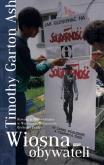
1989 – rok, w którym w Europie Wschodniej umarł komunizm
Kopalnia Dymitrow w Bytomiu, Stocznia Gdańska, lokal wyborczy w Warszawie, pogrzeb Imrego Nagya w Budapeszcie, upadek muru berlińskiego oraz praski teatr Lanterna Magika podczas aksamitnej rewolucji. To miejsca i wydarzenia, w których trzydzieści lat temu Timothy Garton Ash osobiście był i brał w nich udział, aby opisać te przełomowe chwile. Z reporterską swadą, humorem i erudycją opisuje także wydarzenia, które je poprzedzały i po nich nastąpiły, by ostatecznie doprowadzić do powstania Europy, jaką dziś znamy. To znakomita i zwięzła książka dla młodego czytelnika, który sam tych wydarzeń już nie pamięta, a chciałby się dowiedzieć, co doprowadziło do upadku systemu komunistycznego w Polsce i sąsiednich krajach.
Timothy Garton Ash jest profesorem w St. Antony’s College na Uniwersytecie Oksfordzkim i członkiem rzeczywistym Instytutu Hoovera na Uniwersytecie Stanforda. Regularnie pisuje dla „New York Review of Books”. W 2017 r. otrzymał Nagrodę Karola Wielkiego; jest także m.in. laureatem dziennikarskiej Nagrody Orwella.
Powyższy opis pochodzi od wydawcy.
Wojny nowoczesnych plemion. Spór o rzeczywistość w epoce populizmu
Opisując sytuację polityczną w Stanach Zjednoczonych i w Polsce, autor pokazuje źródła wojen kulturowych, których jesteśmy świadkami, oraz logikę, wedle której się one rozwijają. Zastanawia się nad tym, jaki jest status prawdy w życiu publicznym i dlaczego miejsce argumentów zajęły afekty i opinie. Co musiałoby się zmienić, żeby sfera publiczna mogła na powrót stać się wspólna, gdzie szukać modelu dla skutecznej polityki demokratycznej? Kluczem do wyjścia z impasu jest dla Markowskiego sztuka interpretacji, będąca jego zdaniem jedną z najważniejszych umiejętności potrzebnych do funkcjonowania w życiu społecznym. W porywającym eseju nie tylko dowodzi jej użyteczności, ale też pokazuje, jak w praktyce możemy zastosować ją w wielu, głównie politycznych, wymiarach naszego życia.
Wilno – to miasto ducha, miasto halucynacji. Nie można go sobie wyśnić albo wyobrazić – samo jest snem albo tworem wyobraźni. Po Wilnie chodzą duchy litewskich książąt, witają się ze znajomymi, zagadują dziewczyny i ponuro tłoczą się na przystankach trolejbusowych. Unoszą się tutaj i mieszają zapachy z czasów polskich, zapachy pożarów i epidemii oraz najbardziej banalny wyziew zwykłej benzyny. Tu nocami Żelazny Wilk wyje strasznie i woła o pomoc. Tu możesz nieoczekiwanie spotkać zmarłego, zamęczonego niegdyś przez gestapo albo bezpiekę, powtarzającego wciąż imię zdrajcy, którego nikt nie chce słyszeć. W Pradze czy w Lizbonie starożytność unosi się obok dzisiejszej bezduszności. W Wilnie każdy dom, każde skrzyżowanie wąskich uliczek jest miejscem zarazem starożytnego życia, jak i dzisiejszej katalepsji. Wilno to wiele miast ułożonych jedn0 na drugim.
Wileński poker Ricaradas Gavelisa jest książką przełomową w literaturze litewskiej i zarazem w litewskiej kulturze i społeczeństwie, również przełomem jaki dokonał się w latach osiemdziesiątych. Autor odważnie porusza w niej tematy i problemy, o których dotychczas milczano – te zabronione przez władze sowieckie, ale i te uważane za tabu przez Litwinów.
Wilno jest labiryntem skomplikowanym, pozbawionym centrum (sensu), żyjącym własnym życiem i determinującym życia swoich mieszkańców. Labiryntem do potęgi – przenika się w nim nie tylko kilka miast (Wilno sowieckie, litewskie, polskie, żydowskie), ale i epok. Jest to siedziba zła, jednak równocześnie jest także miastem ukochanym – Wileński poker to poruszająca oda do wspaniałego miasta o bogatym duchu, którego Oni zabijają w swej okrutnej dehumanizacji.
Od mechanizmów motywacji odpowiednio wplecionych w system zarządzania i kreowania twórczych emocji ? jak pisze Autor we wstępie do swojej książki zależą nie tylko efekty pracy, ale także zdrowie, szczęście i kreatywność każdej jednostki czy to indywidualnie, czy też wpisanej w określoną społeczność.Tworzenie odpowiednich systemów motywacji obudowanych w mechanizmy aktywizacji i angażowania powinno być priorytetem władz każdego szczebla i rodzaju.Opracowanie planów mechanizmów, które byłyby w stanie poprzez oddziaływanie na jednostkę czy grupy społeczne motywować je do aktywności ukierunkowanej na osiągnięcie pożądanego celu nie jest łatwe. Co właściwie jest niezbędne do zbudowania prawidłowego systemu motywacji? Jakie muszą być ku temu spełnione warunki na różnych płaszczyznach życia jednostki czy społeczeństwa?Odpowiedziom na powyższe pytania i przykładom mechanizmów kształtowania motywacji poświęcona jest właśnie niniejsza książka.
Już dawno w żadnej sensacyjnej powieści Warszawa nie była taka mroczna i taka piękna.Warszawie kończy się zima. Podkomisarz Olga Suszczyńska ściga pedofila. Bandyta jest uzbrojony i niebezpieczny. Wbija się pomiędzy miesięcznicę smoleńską a antypisowską opozycję. W tłumie podnieconym polityką nikt nie dostrzega, kiedy policjantka staje oko w oko ze śmiercią. Nad Zatoką Perską zapada zmierzch. Operatorzy wojsk specjalnych, Luter i Druid, skaczą w otchłań morza. Potem płyną do brzegu, żeby zlikwidować dwa cele, które zagrażają porządkowi świata, ale coś idzie nie tak. Źli ludzie w wielkim mieście przejmują nieruchomości. Jeśli ktoś stanie im na drodze spłonie. Wiele lat wcześniej piękna dziewczyna zakochana do szaleństwa w koledze z uniwersytetu, ogląda ""Dziady"" Dejmka, a potem walczy o życie z milicjantami szturmującymi dziedziniec uczelni.Pewnego dnia Serbia odkryje, że wszystkie te historie splątane są ze sobą na śmierć i życie. A przecież wiosna jest nie po to, żeby umrzeć, ale po to, żeby się zakochać jak nigdy.Powieści z Olgą Suszczyńską zdobyły nominacje do Wielkiego Kalibru i Złotego Pocisku. Autor pracuje nad scenariuszem.
W epoce, w której media społecznościowe wypierają tradycyjne kanały komunikacji i w której obraz zaczyna odgrywać dominującą rolę, umiejętność skutecznego komunikowania się jest ważna jak nigdy. Jest ona kluczowym czynnikiem sukcesu w każdej działalności, od najwyższego do najniższego poziomu, niezbędnym, aby dostać się na szczyty i przekazać innym swoje myśli.Sztuka komunikacji nie jest nauką ścisłą, jako że nie ma ona jakichś regulujących ją zasad, a jeśli są, to ciągle się zmieniają i z tego powodu trudno je ująć np. w podręcznik. Można jednakże próbować poznać je - także z perspektywy kobiet - poprzez obserwację wydarzeń, analizę dawnych i obecnych modeli komunikacji oraz badanie zjawisk związanych z zachowaniami społecznymi.Dzięki różnorodnym doświadczeniom autorów i wykorzystaniu wypowiedzi autorytetów, ta prowokacyjna książka przedstawia najnowsze metody doskonalenia komunikacji interpersonalnej, wzbogacając to wszystko wywiadami, cytatami i elementami tematów kontrowersyjnych, takich jak seks i władza. Ukoronowaniem tego bogatego materiału są rysunki Piergiorgia Mulasa.
„Kroniki Eksplozji” to mitorealistyczna opowieść o wielkim skandalu, jakim jest rozwój współczesnych Chin oraz hipnotyzującej i dewastującej mocy władzy. Eksplozja ? zapadła mieścina rozkwitająca w megalopolis dzięki złodziejstwu, domom publicznym i korupcji ? jest sceną bezlitosnej walki o wpływy i pieniądze; walki, w której nikt nie bierze jeńców, a każdy przejaw dobroduszności zostaje surowo ukarany. Yan Lianke – jeden z najwybitniejszych, a przy tym najbardziej cenzurowanych żyjących pisarzy chińskich ? sięga nie tylko po wyrafinowaną stylizację, ale wręcz całkiem nowy język, by portretując eksplozjan i tworzony przez nich/na nich nowy świat, opowiedzieć mroczną prawdę o owładniętych szaleństwem władzy i bogactwa rodakach.
Czesław Ryszka należy do najpłodniejszych powojennych pisarzy polskich; opublikował ponad 80 książek! Konsekwentnie zajmuje się tematyką katolicką i narodową, także jako publicysta, stając zawsze w obronie wartości chrześcijańskich i patriotycznych. Od pewnego czasu wyraża swój głęboki niepokój wobec tego, dokąd zmierza współczesny świat, w tym Polska – czemu daje wyraz w tej właśnie książce. Wbrew optymistycznym przekazom medialnym Autor dostrzega zagrożenia płynące z ideologii gender, z politycznej dominacji neoliberałów i lewaków, z lekceważenia sprawdzonego przez wieki porządku moralnego. Czyni to na dwa sposoby – bezpośrednio analizując niebezpieczeństwa, lub przedstawiając ludzi będących dla nas przykładem mądrości, wiary i niezłomności, których postępowanie zapobiega ostatecznemu kryzysowi naszej cywilizacji.
Autor zmaga się z takimi zagadnieniami jak m.in. anty-Kościół, neokomunizm, atak na rodzinę, piąta kolumna w Kościele, bluźnierstwo. Za motto jego książki mogą posłużyć słowa słynnej mistyczki Wandy Malczewskiej, która pod koniec XIX wieku ostrzegała, że „Polska może utracić niepodległość już na zawsze, jeśli nie ustrzeże wiary i moralności chrześcijańskiej”. Publikacja Ryszki stoi zarówno na straży wiary, jak i naszej niepodległości. Budzi też nadzieję na pokonanie zła, choć Autor wie, że nie będzie to łatwe,
że nie obejdzie się bez walki.
Znamienny jest tytuł książki; Czesław Ryszka nie lęka się konkretnie wskazać, kto trzyma z Panem Bogiem, a kto paktuje z diabłem. Autor często odwołuje się do przesłania św. Jana Pawła II. Zamieszczone w tym tomie rozważania mają duże walory literackie, dzięki czemu świetnie się je czyta. Bogaty zbiór ilustracji czyni to wydanie nie tylko mądrym, ale i pięknym.
Przestępcy w polskich służbach specjalnych czy vendetta polityków? Gen. Krzysztof Bondaryk, szef ABW, działał na szkodę interesu publicznego? Nadużył władzy? Przekroczył uprawnienia i utrudniał postępowanie karne? Paweł Wojtunik, szef CBA, wcześniej „przykrywkowiec”, podstawiony członek grup przestępczych, w czasie kierowania Centralnym Biurem Antykorupcyjnym sam dopuścił się przestępstwa korupcyjnego? Nie dopełnił obowiązków służbowych? Gen. Janusz Nosek, szef Służby Kontrwywiadu Wojskowego, działał na rzecz rosyjskiego wywiadu? Kim są ludzie, którzy w ostatnich latach kierowali najważniejszymi służbami specjalnymi w Polsce? Czy zarzuty wobec nich to czystka polityczna po zmianie władzy? A może to rosyjscy szpiedzy i przestępcy? O nagonce, złamanych karierach, niszczeniu służb specjalnych przez własne państwo, kulisach swojej pracy i najgłośniejszych sprawach ostatnich lat w szczerej rozmowie z dziennikarzem śledczym Robertem Zielińskim mówią byli szefowie ABW, CBA i SKW. Do dziś z zarzutami, ale bez wyroków. Powyższy opis pochodzi od wydawcy.
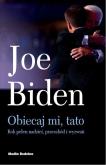
Głęboko poruszająca biograficzna opowieść o roku, który zmienił nie tylko rodzinę Bidenów, ale i Stany Zjednoczone. Joe Biden przez 36 lat reprezentował w senacie stan Delaware, a w latach 2009-2017 był wiceprezydentem przy Baracku Obamie. Prawdopodobnie wystartuje w najbliższych wyborach na urząd prezydenta Stanów Zjednoczonych.
Święto Dziękczynienia w 2014 roku było dla rodziny Bidenów wyjątkowe. Kilkanaście miesięcy wcześniej zdiagnozowano u Beau, starszego syna Joego, glejaka mózgu i nie wiadomo było, co dalej. Beau miał jedną prośbę: „Obiecaj mi, tato. Daj słowo, że z tobą wszystko będzie w porządku”. I Joe dał słowo.
Książka opowiada o następnym roku, tak ważnym i smutnym w życiu Joego Bidena. Miał on wówczas pokonać ponad milion mil jako wiceprezydent, by zajmować się Ukrainą, Ameryką Środkową czy Irakiem. Jednocześnie cały czas musiał dzielić uwagę i obowiązki między kraj i umierającego syna.
Tej książki nie pisał jednak polityk, ale ojciec, dziadek i mąż. „Obiecaj mi, tato” to opowieść o tym, jak bardzo pomagają rodzina i przyjaźń oraz jak nadzieja i cel w życiu potrafią przeprowadzić nawet przez najgorsze doświadczenia do światła i nowego życia.
Ten produkt jest zapowiedzią. Realizacja Twojego zamówienia ulegnie przez to wydłużeniu do czasu premiery tej pozycji. Czy chcesz dodać ten produkt do koszyka?