Jeśli interesujesz się polityką, albo studiujesz politologię znajdziesz w tym dziale informacje o współczesnym świecie. Obszerna literatura naukowa, różne publikacje i elementy wiedzy politologicznej, najważniejsze zagadnienia i pojęcia z politologii, kontrowersyjne książki polityczne, powieści polityczne, nauki polityczne. Najlepsze książki społeczno-polityczne, bestsellery polityczne, książki o polityce, które warto przeczytać - zapraszamy po lekturę na Dobreksiazki.pl
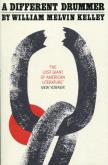
June, 1957. One afternoon, in the backwater town of Sutton, a young black farmer by the name of Tucker Caliban matter-of-factly throws salt on his field, shoots his horse and livestock, sets fire to his house and departs the southern state. And thereafter, the entire African-American population leave with him.
The reaction that follows is told across a dozen chapters, each from the perspective of a different white townsperson. These are boys, girls, men and women; either liberal or conservative, bigoted or sympathetic – yet all of whom are grappling with this spontaneous, collective rejection of subordination.
In 1962, aged just 24, William Melvin Kelley’s debut novel A Different Drummer earned him critical comparisons to James Baldwin and William Faulkner. Fifty-five years later, author and journalist Kathryn Schulz happened upon the novel serendipitously and was inspired to write the New Yorker article ‘The Lost Giant of American Literature’, included as a foreword to this edition.
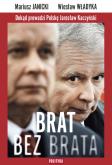
Jak doszło do tego, ze schyłkowa, wydawałoby się, partia, z niedzisiejszym przywódcą, formacja, która sprawiała wrażenie kuriozalnej sekty, stała się mocarnym ugrupowaniem zmieniającym wszystkie reguły państwa?Autorzy szczegółowo analizują w niej myśl i metodę polityczną Jarosława Kaczyńskiego, rozbierają na czynniki pierwsze ideologię i praktykę dobrej zmiany, próbują przewidzieć, jakie są dalsze plany szefa PiS na ewentualną drugą kadencję rządów tej formacji. Obszerna część książki to tekst oryginalny, dotąd niepublikowany całościowy obraz sytuacji po czterech latach rządów dzisiejszej władzy. Pozostałe rozdziały to swoista publicystyczna kronika, pozwalająca zrozumieć, w jakim miejscu i dlaczego znalazła się dzisiaj polska polityka czyli wybór artykułów zamieszczanych w ""Polityce"" w latach 20072019, od czasu wydania poprzedniej pozycji Janickiego i Władyki Cień wielkiego brata.Historia pokazuje, że wolność jest zdobywana w poruszających aktach strzelistych, a tracona po cichu, po trochu, ustawami przeprowadzanymi po nocach. Żadna władza nie ogłasza uroczyście odbierania swobód, ona to po prostu robi i nazywa jeszcze większą wolnością. Wystarczy chwilowa utrata czujności, fatalne zauroczenie, znudzenie polityką to idealne warunki dla podbierania praw. Utrata wolności często przebiega bezboleśnie, ale potem jest już za późno. Trzeba więc stale sobie przypominać, czego mamy bronić i przed czym.- fragment książki
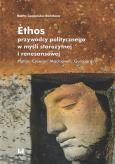
Platon, Cyceron i Machiavelli są uważani za klasyków filozofii polityki. Ich dociekania nieustannie pobudzają wyobraźnię badaczy oraz prowokują do kolejnych wykładni i interpretacji. Mnie szczególnie ciekawe wydało się pokazanie na przykładzie rozważań zogniskowanych na ethosie przywódcy politycznego pewnej ciągłości myśli, jaką można dostrzec w poglądach owych myślicieli, oraz wskazanie różnic także w nich występujących, a wynikających z osobistego charakteru ich spostrzeżeń i indywidualnego rozumienia rzeczywistości państwowej. Mimo żywego zainteresowania dziełami Platona, Cycerona czy Machiavellego oraz nielicznych prac porównujących przemyślenia starożytnych z opiniami pisarzy renesansowych, ciągle brakuje tego rodzaju opracowania. Mój niedosyt wzbudził dodatkowo fakt, iż twórczość Francesca Guicciardiniego, która jest cennym źródłem informacji dotyczących sytuacji społeczno-politycznej renesansowej Florencji, a poprzez konfrontację z opiniami Machiavellego daje pełniejszy obraz tamtej epoki oraz pozwala lepiej zrozumieć ówczesne tendencje, na gruncie literatury polskiej nie znalazła wystarczającego uznania.
Marta Czapińska-Bambara
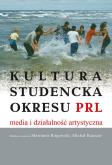
Termin kultura studencka odnosi się do całego szeregu formalnych i nieformalnych praktyk, wartości oraz postaw, które określa się jako charakterystyczne dla życia w trakcie studiów uniwersyteckich. Choć definicyjnie możemy się spierać nad różnymi wyznacznikami tej charakterystyki, to kluczowe jest tutaj coś innego. W zasadzie różne formy kultury studenckiej wykształciły się nieomalże jednocześnie wraz z pierwszymi uniwersytetami i ukształtowaniem się szkolnictwa wyższego. Zasadniczo jednak okres jej właściwego tworzenia się możemy lokować w momencie, kiedy szkolnictwo wyższe staje się szkolnictwem masowym, dostępnym każdemu. Zniesienie ograniczeń w tym względzie powoduje, że kultura ta dotyczy na tyle dużej liczby osób, że zaczynamy postrzegać ją właśnie jako swoistą kulturę czy wręcz subkulturę […].
W sensie ogólnym rozumiemy kulturę studencką jako rozciągniętą pomiędzy dwoma punktami. W zależności od tego, do którego punktu w danym momencie ciągnie, charakteryzuje się naciskiem na inne swoje środki wyrazu. Z jednej strony takiej osi mielibyśmy instytucjonalną kulturę studencką, a z drugiej – spontaniczną kulturę studencką. Ta pierwsza charakteryzowałaby się albo wysokim stopniem związków z władzą, jak miało to miejsce w PRL, albo związkiem z instytucjami życia pozastudenckiego, gdzie kulturę studencką rozumielibyśmy jako przygotowanie do tego życia. Spontaniczna kultura studencka, jak można by to określić, wskazywałaby raczej na te obszary studenckiej kultury, które wymykają się instytucjonalnym ramom. Do takich praktyk należałoby np. uczestnictwo w działaniach politycznych wykraczających poza instytucjonalne formy lub przeniesienie wzorców kontrkulturowych do kultury studenckiej […].
Założeniem naszej publikacji było pokazanie wzajemnych relacji, związków i napięć między tymi dwoma porządkami. Studencka kultura instytucjonalna w PRL z jednej strony pozostawała bardzo często w opozycji do kultury spontanicznej. Z drugiej strony jednak często studenckie instytucje pełniły funkcję parasola ochronnego wobec różnorakiej działalności, która mogła być uznana za związaną z kulturą spontaniczną. O ile nie wręcz z opozycją wobec władzy. W książce nie tylko chcieliśmy ukazać te wspomniane napięcia, ale także próbować scharakteryzować główne obszary studenckiej aktywności.
Ze Wstępu
Published in collaboration with WikiLeaks.
WikiLeaks came to prominence in 2010 with the release of 251,287 top-secret State Department cables, which revealed to the world what the US government really thinks about national leaders, friendly dictators, and supposed allies. It brought to the surface the dark truths of crimes committed in our name: human rights violations, covert operations, and cover-ups.
The WikiLeaks Files exposes the machinations of the United States as it imposes a new form of imperialism on the world, one founded on tactics from torture to military action, to trade deals and “soft power,” in the perpetual pursuit of expanding influence. The book also includes an introduction by Julian Assange examining the ongoing debates about freedom of information, international surveillance, and justice.
An introduction by Julian Assange—writing on the subject for the first time—exposes the ongoing debates about freedom of information, international surveillance, and justice.
With contributions by Dan Beeton, Phyllis Bennis, Michael Busch, Peter Certo, Conn Hallinan, Sarah Harrison, Richard Heydarian, Dahr Jamail, Jake Johnston, Alexander Main, Robert Naiman, Francis Njubi Nesbitt, Linda Pearson, Gareth Porter, Tim Shorrock, Russ Wellen, and Stephen Zunes
As in his novel The Polish Complex, Konwicki’s A Minor Apocalypse stars a narrator and character named Konwicki, who has been asked to set himself on fire that evening in front of the Communist Party headquarters in Warsaw in an act of protest. He accepts the commission, but without any clear idea of whether he will actually go through with the self-immolation. He spends the rest of the day wandering the streets of Warsaw, being tortured by the secret police and falling in love. Both himself and Everyman, the character-author experiences the effects of ideologies and bureaucracies gone insane with, as always in history, the individual struggling for survival rather than offering himself up on the pyre of “the greater good.” Brilliantly translated by Richard Lourie, A Minor Apocalypse is one of the most important novels to emerge from Poland in the last twenty five years.
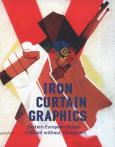
Iron Curtain Graphicspresents a selection of graphic design, illustration, and typography from the Communist era that is startlingly innovative and colorful - and a unique insporation for current cutting-edge work that takes its visual cues from past design ideas, concepts and techniques rather than the latest computer-driven technology.
Quo vadis UE? – Jaka przyszłość Europy? To swoiste motto konferencji i seminariów naukowych, społecznych dyskusji, szeregu monografii, rozdziałów w książkach i artykułów naukowych i popularnonaukowych. Tytułowe pytanie stanowi propozycję i zaproszenie do dyskusji nad stanem integracji europejskiej i jej przyszłością. Poszczególne artykuły są tekstami prezentującymi poglądy ich Autorów. Praca składa się z dwóch zasadniczych części: polityczno- -prawny wymiar integracji europejskiej i społeczno-ekonomiczny wymiar integracji europejskiej. Ponadto zamieszczono artykuł metodologiczny Ewy Freyberg "Przydatność teorii neofunkcjonalnej w analizie procesu integracji europejskiej". W poszczególnych artykułach odwołano się do aktualnych tekstów zarówno prawnych, jak i poglądów różnych autorów: politologów, prawników, socjologów i kulturoznawców. Wiele pytań pozostaje otwartych i może stać się przedmiotem dalej prowadzonych dyskusji i rozważań. Redakcja liczy na życzliwe przyjęcie przedmiotowej publikacji.
Ze Wstępu prof. dr. hab. Konstantego Adama Wojtaszczyka, dr. Pawła Stawarza i prof. UJK dr. hab. Ireneusza Krasia
Niniejsza książka jest znakomitym źródłem informacji i analiz dla decydentów politycznych, nauczycieli akademickich, dziennikarzy i wszystkich tych środowisk, które uczestniczą w szerokim dyskursie na temat przyszłości Europy, w tym kierunków i perspektyw jej rozwoju. Znakomite ujęcia teoretyczno-metodologiczne prezentowanych zagadnień pozwalają na obiektywne analizy postawionych problemów oraz trafną identyfikację rozwiązań i możliwych scenariuszy dla jej ewolucji w przyszłości. Treści zaprezentowane w publikacji nie tylko poszerzają dotychczasową wiedzę w obszarach podjętej przez autorów problematyki, ale także pozwalają na uświadomienie czytelnikowi konsekwencji decyzji podejmowanych przez polityków europejskich oraz znaczenia wprowadzanych dla Europy zmian. Świetny zespół autorów, trafny, ważki i aktualny wybór tematów, jasność i klarowność prezentowanych tekstów sprawiają, że książka jest ważną pozycją naukową w dyskursie nad problemami rozwoju Europy w XXI wieku.
Z Recenzji dr. hab. Tomasza Kownackiego
Czasopismo "Studia Socjologiczno-Polityczne". "Seria Nowa" bezpośrednio nawiązuje do Studiów Socjologiczno-Politycznych założonych w 1957 roku przez Juliana Hochfelda i wydawanych do roku 1968. Jest to tradycyjny półrocznik naukowy otwarty na różne nurty teorii społecznej, wpisujący się w program socjologii i politologii zaangażowanej, odwołujący się do idei wolności, równości, solidarności i sprawiedliwości i łączący diagnozy rzeczywistości społecznej z projektami zmian. W centrum zainteresowania czasopisma znajduje się zjawisko władzy politycznej, która spaja różnego rodzaju wspólnoty, w tym najważniejszą z nich - państwo. Inne wielkie tematy żywo interesujące redakcję to demokracja, kondycja obywatelstwa i społeczeństwa obywatelskiego. Kwestie państwa, demokracji, obywatelstwa, społeczeństwa obywatelskiego rozpatrywane są zarówno w porządku normatywnym, jak i deskryptywnym.
Prymat w czasopiśmie ma problematyka funkcjonowania polskiego systemu politycznego, ale redakcja zabiega też o studia komparatystyczne oraz o teoretyczne analizy procesów globalnych, jak również o równowagę artykułów o charakterze teoretycznym i artykułów referujących badania empiryczne.
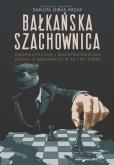
W badaniach geopolitycznych ważną role odgrywają Bałkany, które jako most pomiędzy Europą, Azją i Afryką były od wieków szczególnie konfliktogennym obszarem. Ich specyfika polega na tym, że nie tylko ścierają się tam interesy narodowe państw bałkańskich, ale także region ten stanowi strefę wpływów wielkich mocarstw. Począwszy od starożytności aż po kres burzliwego i obfitującego w wydarzenia XX wieku Bałkany nie schodziły z ust społeczności międzynarodowej oraz polityków. Mając na uwadze złożoność problemów, które ich dotyczą, oddajemy do rąk czytelników książkę pt. ""Bałkańska szachownica. Geopolityczne i geostrategiczne studia o Bałkanach w XX i XXI wieku"" zachęcając do jej lektury i mając nadzieję, że stanie się ona inspiracją do przemyśleń dotyczących problematyki geopolitycznej oraz słuszności podjęcia takich badań w kontekście Bałkanów. Region ten można więc rozpatrywać jako swoistą "" bałkańską szachownicę"", na której od stuleci rozgrywane są pojedynki między aktorami regionalnymi oraz globalnymi, a od wyniku starć, potyczek i wojen w dużym stopniu zależy utrzymanie bezpieczeństwa zarówno na Starym Kontynencie, jak i w skali globalnej.- ze wstępu
W tomie zgromadzono 26 studiów z zakresu socjologii i nauk politycznych, które koncentrują się wokół problematyki władzy, państwa i narodu. Obok tekstów o charakterze eseistycznym w księdze zamieszczono liczne studia empiryczne nad funkcjonowaniem współczesnych systemów politycznych.
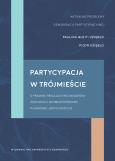
W książce dokonano krytycznej analizy rozwiązań prawnych w obszarze partycypacji mieszkańców. Analiza ta – w ocenie autorów – miała wykazać silne i słabe strony przyjętych rozwiązań prawnych, a także pozwolić na dokonanie oceny ich jakości we wszystkich trzech miastach tworzących Trójmiasto, czyli w Gdańsku, Gdyni i Sopocie. Nie sposób tego dokonać bez – przynajmniej syntetycznego – przedstawienia praktyki stosowania poszczególnych mechanizmów partycypacyjnych. Podstawową tezą przyjętą w pracy jest progresywny charakter rozwiązań stosowanych w Trójmieście, choć nie wolny od niedoskonałości wynikających zarówno z ograniczeń ustawowych, jak i nie zawsze pełnej woli politycznej wzmocnienia realnej władzy mieszkańców, co wiązałoby się z osłabieniem pozycji Prezydentów Miast i Rad Miast.
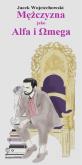
Książkę dedykuję wyjątkowym ludziom, którzy najbardziej przyczynili się do jej powstania. Dziękuję wszystkim Oszustom, Krętaczom i Złodziejom, którzy każdego dnia pomagali mi dostrzec to, czego wolałbym nie widzieć. Wszystkim Szmaciarzom, o których czasem tylko słyszałem. Wszystkim Sukinsynom, Padalcom i Gnidom. Dziękuję tym Duchownym, Kapłanom i Przywódcom religijnym głoszącym słowo Boże, którzy czynnie przeczą ideom, jakie wielu z nas nosi głęboko w sercach. Gorące podziękowania należą się politykom szczególnie tym, którzy udowadniają nam, że tak naprawdę nie byli warci zaufania, jakie w nich pokładano. Ogólnie dedykuję ją wszystkim Złamasom, bez których świat byłby piękniejszy.
Dziękuję, że byliście
Jacek Wojciechowski
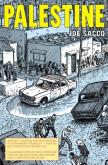
In late l991 and early 1992, at the time of the first Intifada, Joe Sacco spent two months with the Palestinians in the West Bank and Gaza Strip, travelling and taking notes. Upon returning to the United States he started writing and drawing Palestine, which combines the techniques of eyewitness reportage with the medium of comic-book storytelling to explore this complex, emotionally weighty situation. He captures the heart of the Palestinian experience in image after unforgettable image, with great insight and remarkable humour.
The nine-issue comics series won a l996 American Book Award. It is now published for the first time in one volume, befitting its status as one of the great classics of graphic non-fiction.
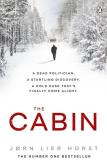
And just one day since politician Bernard Clausen was found dead at his cabin on the Norwegian coast.
When Chief Inspector William Wisting is asked to investigate, he soon discovers he may have found the key to solving Meier's disappearance.
But doing so means he must work with an old adversary to piece together what really happened all those years ago.
It's a puzzle that leads them into a dark underworld on the trail of Clausen's interests and vices. A shady place from which they may never emerge - especially when he finds it leads closer to home than he ever could have imagined.
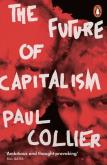
Deep new rifts are tearing apart the fabric of Britain and other Western societies: thriving cities versus the provinces, the highly skilled elite versus the less educated, wealthy versus developing countries. As these divides deepen, we have lost the sense of ethical obligation to others that was crucial to the rise of post-war social democracy. So far these rifts have been answered only by the revivalist ideologies of populism and socialism, leading to the seismic upheavals of Trump, Brexit and the return of the far right in Germany. We have heard many critiques of capitalism but no one has laid out a realistic way to fix it, until now.
In a passionate and polemical book, celebrated economist Paul Collier outlines brilliantly original and ethical ways of healing these rifts - economic, social and cultural - with the cool head of pragmatism, rather than the fervour of ideological revivalism. He reveals how he has personally lived across these three divides, moving from working-class Sheffield to hyper-competitive Oxford, and working between Britain and Africa, and acknowledges some of the failings of his profession.
Drawing on his own solutions as well as ideas from some of the world's most distinguished social scientists, he shows us how to save capitalism from itself - and free ourselves from the intellectual baggage of the 20th century.
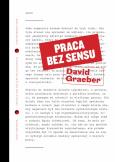
Czy myślisz, że twoja praca ma znaczenie? Jeśli uważasz, że nie, to prawdopodobnie masz rację – i należysz do coraz większego grona osób wykonujących zawody, które nie mają żadnego sensu. Antropolog David Graeber w swojej najnowszej książce zgłębia zjawisko gównowartych prac i zastanawia się, co to mówi nam o dzisiejszym systemie społeczno-gospodarczym. Jeden z najważniejszych i najbardziej prowokujących myślicieli... Cory Doctorow Znakomity, naprawdę oryginalny teoretyk polityki. Rebecca Solnit Książka Roku 2018 „Financial Times” Książka Roku 2018 „The Times”
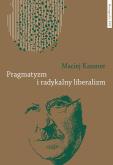
Książka ta jest poświęcona analizie filozofii politycznej Johna Deweya osadzonej w kontekście kryzysu liberalizmu po pierwszej wojnie światowej. Jedną z dróg wyjścia z impasu, w jakim znalazła się myśl liberalna, był radykalny liberalizm reprezentowany przez takich intelektualistów, jak John Dewey, Bertrand Russell, Karl Polanyi i Karl Mannheim. Wymienieni myśliciele upatrywali szans na odrodzenie liberalizmu w odrzuceniu koncepcji wolnorynkowych i dialogu z myślą socjalistyczną. W pracy przedstawiono zręby ideologii radykalnego liberalizmu oraz stosunek lewicowych liberałów do innych ideologii, w szczególności zaś do liberalizmu ekonomicznego i rewolucyjnego marksizmu. Osobny rozdział pracy poświęcony jest refleksji Johna Deweya na temat demokracji, która należy do najoryginalniejszych osiągnięć amerykańskiego filozofa. Przedstawiona interpretacja uwypukla związki myśli Johna Deweya z radykalizmem Nowej Lewicy oraz twórczością takich teoretyków, jak C. W. Mills Axell Honneth czy James Bohman. Drugim ważnym obszarem podejmowanych w pracy rozważań jest rekonstrukcja Deweyowskiej koncepcji myślenia jako rozwiązywania problemów. Pragmatyzm utrzymuje, że możliwe jest znalezienie mniej lub bardziej obiektywnych odpowiedzi na pytanie, co należy robić w danej problematycznej sytuacji. „Pragmatyczne oświecenie”, by posłużyć się terminem Hilarego Putnama, wyrzeka się oświeceniowego uniwersalizmu, ale nie rezygnuje całkowicie z roszczeń do obiektywności w dziedzinie rozstrzygnięć moralnych i politycznych.
Książka w nowej perspektywie stawia zagadnienie płci społeczno-kulturowej, tym razem w obszarze jej przekraczania czy nierealizowania zgodnie z normatywnymi zasadami. Jej najistotniejszą część stanowią przytoczone w całości wywiady z osobami, które dzielą się praktykami subwersji i oporu wobec genderu.
Z kolei przyjęta metodologia queer, często autorefleksyjna i autokrytyczna, uzupełniona osobistymi doświadczeniami, prowadzi do refleksji na temat możliwości i zakresu naginania „naukowości” tekstu.
Oba zjawiska, gender-bending i academia-bending, traktowane jako wyraz niesubordynacji wobec zastanej struktury - systemu przymusu i niesprawiedliwości - niosą potencjał wyzwolenia.Mo Klosow - badała gender-bending, wciąż go uprawia.
Pisała doktorat, zamiast go bronić wydaje książkę. Mieszka w Berlinie i Warszawie. Wyczekuje upadku patriarchatu i kapitalizmu.
Explore the lives and achievements of more than 85 of the world's most inspirational and influential leaders, with this innovative and boldly graphic book.
Comprehensive in its scope and depth, and fully illustrated, Leaders profiles leaders from all walks of life - kings, queens, and political leaders; military leaders; religious icons, revolutionaries, and business leaders.
Combining accessible text with with specially-commissioned illustrated portraits in a range of bold artwork styles, photographs, infographics, and timelines, entries explore the lives and achievements of each individual in a fresh, visual way.
Covering political masterminds and military geniuses such as Alexander the Great or Genghis Khan, great kings, queens, and rulers like Elizabeth I or Cleopatra, icons of religion and rebellion from Muhammad to Mohandas Gandhi to Emmeline Pankhurst, and inspirational captains of industry, Leaders explores and explains the groundbreaking contributions made by these inspirational men and women throughout history, and their legacies.
Ten produkt jest zapowiedzią. Realizacja Twojego zamówienia ulegnie przez to wydłużeniu do czasu premiery tej pozycji. Czy chcesz dodać ten produkt do koszyka?