Do tego działu zapraszamy zwolenników medycyny konwencjonalnej. Jest bardzo wiele chorób, z którymi nie wygralibyśmy bez leków farmakologicznych, czy też radioterapii. Dlatego, aby zgłębić swją wiedzę z zakresu medycyny konwencjonalnej zapraszamy po podręczniki, poradniki, publikacje, altasy, literaturę medyczą dla uczniów, studentów, lekarzy i nie tylko. Chirurgia, terapia laserem, anatomia, piwrwsza pomoc, fizjologia i patofizjologia ambulatoryjna i kliniczna, diagnostyka neurologiczna, otolaryngologiczna, audiologiczna i radiologiczna i wiele innych.
**Selected for Doody’s Core Titles® 2024 with "Essential Purchase" designation in Emergency Medicine**For nearly 40 years, Rosen’s Emergency Medicine has provided emergency physicians, residents, physician assistants, and other emergency medicine practitioners with authoritative, accessible, and comprehensive information in this rapidly evolving field. The fully revised 10th Edition delivers practical, evidence-based knowledge and specific recommendations from clinical experts in a clear, precise format, with focused writing, current references, and extensive use of illustrations to provide definitive guidance for emergency conditions. With coverage ranging from airway management and critical care through diagnosis and treatment of virtually every emergency condition, from highly complex to simple and common, this award-winning, two-volume reference remains your #1 choice for reliable, up-to-date information across the entire spectrum of emergency medicine practice.Offers the most immediately clinically relevant content of any emergency medicine resource, providing diagnostic and treatment recommendations and workflows with clear indications and preferred actionsContains eight entirely new chapters covering coronaviruses/COVID-19, the morbidly obese patient, human trafficking, sexual minority (LGBTQ) patients, social determinants of health, community violence, and humanitarian aid in war and crisisFeatures over 1,700 figures, including more than 350 new anatomy drawings, graphs and charts, algorithms, and photosIncludes new information across the spectrum of emergency care, such as adult and pediatric airway management, shock, pandemic disease, emergency toxicology, sepsis syndrome, resuscitation, medical emergencies of pregnancy, the immunocompromised patient, child abuse, pediatric sedation, pediatric trauma, and moreFeatures revised and refined chapter templates that enhance navigation, making it easy to find key information quicklyProvides access to more than 1,200 questions and answers online to aid in exam preparation, as well as two dozen new video clips showing how to best perform critical emergency procedures in real timeReviewed and verified cover-to-cover by a team of expert clinical pharmacists to ensure accuracy and completeness of all drug information and treatment recommendationsEnhanced eBook version included with purchase. Your enhanced eBook allows you to access all of the text, figures, and references from the book on a variety of devicesPlease note the following important change for printed copies of Rosen’s Emergency Medicine, 10e. On page 1029, in table 74.3, the dosage for Rivaroxaban should be 15mg by mouth. You may contact Elsevier Customer Service to request a sticker (Part no. 9996133834) to make the correction in your printed copy. Corrections have been made to the eBook versions of this title
Compact, hand-carried ultrasound devices are revolutionizing how healthcare providers practice medicine in nearly every specialty. The 2nd Edition of this BMA-award-winning text features all-new chapters, a greatly expanded video library, and new review questions to keep you fully up to date with the latest technology and its applications.Provides comprehensive guidance for any specialty on the latest point-of-care ultrasound applications for physicians and other health care providersHelps you interpret findings with a peer-reviewed, online video library with more than 1,000 ultrasound videos of normal and pathologic findings. These videos are complemented by anatomical illustrations and text descriptions to maximize learningOffers new online resources, including over 120 clinical cases and 350 review questions in every chapterFeatures fully updated content throughout, plus all-new chapters on hemodynamics, transesophageal echocardiography, transcranial Doppler ultrasound, pediatrics, neonatology, and 2nd/3rd trimester pregnancyShares the knowledge and expertise of expert contributors who are internationally recognized faculty from more than 60 institutionsRecipient of British Medical Association’s President's Choice Award and Highly Commended in Internal Medicine at the BMA Medical Book Awards 2015 (first edition)Enhanced eBook version included with purchase gives you access to all the text, figures, videos, cases, review questions, and references while on the go
Distilling all of the most important content from Dr. Donald L. Resnick's highly esteemed, five-volume Diagnosis of Bone and Joint Disorders into a single, concise source, Bone and Joint Imaging, 4th Edition focuses on the specific, state-of-the-art musculoskeletal imaging and interpretation knowledge practitioners need today. This highly anticipated new edition has been fully revised from cover to cover for a remarkably thorough, yet focused and pragmatic, source of clinical guidance. Dr. Resnick’s carefully chosen editorial team, Drs. Jon A. Jacobson, Christine B. Chung, Mini N. Pathria (all former Resnick fellows) and Mark J. Kransdorf (co-author of the previous edition), are well-equipped to expertly address the many recent changes in musculoskeletal radiology since the previous edition. Authoritative, easy-to-read text and more than 3,800 exquisite images demonstrate every principle and capture the characteristic presentation of the wide range of disorders you’re most likely to encounter in everyday practice.Features a newly revised, streamlined organization with easy-to-digest sections on infection; trauma; osteoarticular, nerve, and muscle derangements; arthropathy; systemic diseases (metabolic, endocrine, hematologic, and connective tissue); tumors; interventional radiology; post-operative radiology; and pediatric imagingProvides more than 2,100 outstanding images (1,300 are new) that depict important concepts, techniques, and findings in musculoskeletal imagingDiscusses the full range of diagnostic modalities, including advanced imaging methods and techniques and expanded content on MRI and ultrasoundCovers key introductory material on basic science, diagnostic techniques, imaging, and interventional proceduresA highly efficient review source for residency and radiology board examinations, as well as an indispensable reference for clinical practiceAn eBook version is included with purchase. The eBook allows you to access all of the text, figures and references, with the ability to search, customize your content, make notes and highlights, and have content read aloud
The only review book currently available in this complex field, Neuromuscular and Electrodiagnostic Medicine Board Review is an all-in-one, must-have resource for preparing for the neuromuscular and electrodiagnostic medicine, neurology, clinical neurophysiology and physical medicine and rehabilitation board exams. Focused, high-yield content is provided in a concise, readable manner without exhaustive or unnecessary detail, helping you make the most of your study time and efficiently prepare for exams and clinical practice.Questions and answers are written in board-style formats, including case scenarios, high-yield facts, and questions on waveforms, pathology, and ultrasound imagesContent covers all topics from the board exams, including genetics, clinical trials, and newly FDA-approved medicationsExplanations are provided for both correct and incorrect answers and include numerous supporting tables, diagrams, and images, in addition to specially highlighted content such as high-yield facts, mnemonics, and key pointsAn ideal study resource for the ABPN and ABEM/AANEM neuromuscular electrodiagnostic medicine and clinical neurophysiology boards, as well as for physical medicine and rehabilitation boards and MOC exams, and during neuromuscular/EMG rotation and training
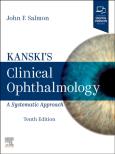
Filled with stunning images and in-depth information on both common and rare ophthalmic diseases and disorders, Kanski's Clinical Ophthalmology: A Systematic Approach, 10th Edition, is both a foundational knowledge source for trainees and a valuable reference for experienced practitioners. Dr. John Salmon, from the University of Oxford, has meticulously revised this classic text, retaining Dr. Kanski’s highly effective format of succinct text and visually dynamic presentation. Extremely well organized and comprehensive in scope, it provides authoritative, focused guidance on diagnosis and management, facilitating quick comprehension to enhance learning, aid exam preparation, and guide clinical practice.Uses targeted text, bulleted lists, tables and visual aids to highlight salient points across all ophthalmology subspecialties.Features more than 2,800 high-quality illustrations, including over 2,000 images depicting both common and rare conditions, with arrows to show the exact pathology.Includes the latest developments in cataract and refractive surgery, glaucoma, diabetes, macular degeneration, retinal vascular disease, pachychoroid disease, posterior uveitis, inflammatory eye disease, multiple sclerosis, thyroid eye disease, tumors, immunotherapy and genetics.Contains new, detailed illustrations of eye anatomy; improved case examples; and expanded sections on headache, seventh nerve palsy, cerebral visual impairment and Parkinson disease.Uses state-of-the-art imaging modalities such as OCT, OCT-A, fundus autofluorescence and ICG angiography to demonstrate subtle choroidal and retinal pathology.Offers detailed coverage of rare conditions: monkey pox infection, COVID conjunctivitis, silent sinus syndrome, torpedo maculopathy, CRB-1 associated retinal dystrophy, sagging eye syndrome and SLE scleritis.An eBook version is included with purchase. The eBook allows you to access all of the text, figures, and references, with the ability to search, customize your content, make notes and highlights, and have content read aloud. Any additional digital ancillary content may publish up to 6 weeks following the publication date.
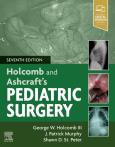
Known for its readability, portability, and global perspectives, Holcomb and Ashcraft’s Pediatric Surgery remains the most comprehensive, up-to-date, single-volume text in its field. As technology and techniques continue to evolve, the 7th Edition provides state-of-the-art coverage―both in print and on video―of the full range of general surgical and urological problems in infants, children, and adolescents, equipping you to achieve optimal outcomes for every patient.Provides authoritative, practical coverage to help you implement today’s best evidence-based open and minimally invasive techniques, with guidance from internationally recognized experts in the fieldFeatures more than 1,000 high-quality images depicting the visual nuances of surgery for the full range of pediatric and urologic conditions you’re likely to seeDelivers comprehensive updates throughout including the latest advances in managing Inguinal Hernias and Hydroceles; Imperforate Anus and Cloacal Malformations; Hirschsprung Disease; Duodenal and Intestinal Atresia and Stenosis; Esophageal Atresia; and moreOffers access to more than 50 videos that help you improve and refine your surgical skills. New videos cover Fetal Endoluminal Tracheal Occlusion (FETO); Laparoscopic Inguinal Hernia Repair; Robotic Extravesical Ureteral Reimplantation; Laparoscopic Management of Ovarian Torsion; and Laparoscopic Sleeve GastrectomyEnhanced eBook version included with purchase, which allows you to access all of the text, figures, and references from the book on a variety of devices
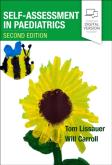
This is an indispensable companion to the ‘Sunflower book’ – the highly acclaimed Illustrated Textbook of Paediatrics (6th Edition). It is essential for those who wish to test or improve their learning, or for exam revision for undergraduate or early postgraduate speciality exams.It includes high quality questions, some including images or diagrams, on important topics covering the paediatrics and child health curriculum. Explanations about both correct and incorrect answers are provided.The authors are highly experienced examiners and question writers, ensuring that the questions are similar to those encountered in exams or help explain difficult topics.Over 250 Single Best Answer questionsOver 200 question stems for Extended Matching questionsExplanations provided not only of the correct but also of incorrect answersClinical photographs included to ask questions about clinical signs
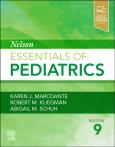
Concise, readable, and up to date, Nelson Essentials of Pediatrics, 9th Edition, provides the must-know information you need in pediatrics from the name you trust. A readable, full-color format; high-yield, targeted chapters; and thorough content updates ensure strong coverage of core knowledge as well as recent advances in the field. This focused resource is ideal for medical students, pediatric residents, PAs, and nurse practitioners in various educational and practice settings, including pediatric residencies, clerkships, and exams.Covers normal childhood growth and development, as well as the diagnosis, management, and prevention of common pediatric diseases and disordersContains new coverage of COVID-19, Multisystem Inflammatory Syndrome in Children (MIS-C), and Vaping-Induced Lung InjuryIncludes Pearls for Practitioners at the end of each section, as well as updated immunization schedules and an expanded discussion of trauma-informed careFeatures well written, high-yield coverage throughout, following COMSEP curriculum guidelines relevant to your pediatric clerkship or rotationUses a full-color format with images and numerous new tables throughout, so you can easily visualize complex informationProvides real-world insights from chapter authors who are also Clerkship Directors, helping you gain the knowledge and skills necessary to succeed both in caring for patients and in preparing for clerkship or in-service examinationsEnhanced eBook version included with purchase. Your enhanced eBook allows you to access all of the text, figures, and references from the book on a variety of devices Evolve Instructor site with an image and test bank is available to instructors through their Elsevier sales rep or via request at https://evolve.elsevier.com.
This new must-have text is a companion to McRae's Orthopaedic Trauma and Emergency Fracture Management, extending this much-loved family of reference guides to cover the entire range of modern orthopaedic trauma and elective practice.McRae’s Elective Orthopaedics is both an examination manual and a text on orthopaedic pathology. It offers a unique combination of subject matter and instructive illustrations in the tradition original author, Ronald McRae, to convey economically and effectively essential information for examination and management of the orthopaedic patient.This book is organised into two parts. The first covers the relevant applied clinical sciences, and the second adopts a regional approach to the description of individual diseases and their non-operative or operative management. It is suitable for junior orthopaedic surgical trainees as well as other health professionals who encounter patients with musculoskeletal illnesses.Internationally respected textbook that provides in-depth knowledge across a breadth of conditionsMore than 140 new illustrations present essential information in a unique ‘picture book’ styleConcise and accessible – perfect for orthopaedic surgical traineesPractical tips, clinical examination pearls and surgical techniques – ideal for use on the wardsLearning enhanced with anatomical illustrations, diagrams, radiographic imaging and clinical photos, accompanied by descriptions of the background to each conditionUpdated to include modern investigation and management
Bridging the gap between medical and surgical specialties in critical care, Textbook of Critical Care, 8th Edition, offers a practical, multidisciplinary approach to the effective management of adult and pediatric patients in the ICU. An outstanding editorial team, led by world-renowned intensivist Dr. Jean-Louis Vincent, assisted by Dr. Frederick A. Moore and new editors Drs. Rinaldo Bellomo and John J. Marini, provides the evidence-based guidance you need to overcome a full range of practice challenges. A full-color art program, relevant basic science and key summary points in every chapter, and expert contributing authors from all over the world make this an indispensable resource for every member of the critical care team.Provides a concise, readable understanding of the pathophysiology of critical illness and new therapeutic approaches to critical careAddresses both medical and surgical aspects in critical care for adult and pediatric patients in one comprehensive, easy-to-use referenceShares the knowledge and expertise of the most recognized and trusted leaders in the field, with more international contributing authors than in previous editionsCovers new information on procedural and diagnostic ultrasound, prone positioning, ECMO, and VADsDiscusses key topics such as organ support, telemedicine, echocardiography, antibiotic stewardship, antiviral agents, coagulation and anti-coagulation, and moreFeatures a wealth of tables, boxes, algorithms, diagnostic images, and key points that clarify important concepts and streamline complex information for quick referenceIncludes companion videos and exclusive chapters online that cover commonly performed proceduresTakes a multidisciplinary approach to critical care, with contributions from experts in anesthesia, surgery, pulmonary medicine, and pediatricsEnhanced eBook version included with purchase. Your enhanced eBook allows you to access all of the text, figures, and references from the book on a variety of devices
This is the Latin Terminology edition of the bestselling Netter Atlas of Human Anatomy. For students and clinical professionals who are learning anatomy, participating in a dissection lab, sharing anatomy knowledge with patients, or refreshing their anatomy knowledge, the Netter Atlas of Human Anatomy illustrates the body, region by region, in clear, brilliant detail from a clinician’s perspective. Unique among anatomy atlases, it contains illustrations that emphasize anatomic relationships that are most important to the clinician in training and practice. Illustrated by clinicians, for clinicians, it contains more than 550 exquisite plates plus dozens of carefully selected radiologic images for common views.Presents world-renowned, superbly clear views of the human body from a clinical perspective, with paintings by Dr. Frank Netter as well as Dr. Carlos A. G. Machado, one of today’s foremost medical illustratorsContent guided by expert anatomists and educators: R. Shane Tubbs, Paul E. Neumann, Jennifer K. Brueckner-Collins, Martha Johnson Gdowski, Virginia T. Lyons, Peter J. Ward, Todd M. Hoagland, Brion Benninger, and an international Advisory BoardOffers region-by-region coverage, including muscle table appendices at the end of each section and quick reference notes on structures with high clinical significance in common clinical scenariosContains new illustrations by Dr. Machado including clinically important or difficult to understand areas such as the Cavitas pelvis, Fossa temporalis and Fossa infratemporalis, Conchae nasi, and moreFeatures new nerve tables devoted to the Nervi craniales, Plexus cervicalis, Plexus brachialis, and Plexus lumbosacralisUses updated terminology based on the international anatomic standard, Terminologia Anatomica, with common clinical eponyms includedEnhanced eBook version included with purchase. Your enhanced eBook allows you to access all of the text, figures, and references from the book on a variety of devicesProvides access to extensive digital content: every plate in the Atlas?and over 100 bonus plates including illustrations from previous editions?is enhanced with an interactive label quiz optionAlso available:Netter Atlas of Human Anatomy: Classic Regional Approach -With US English terminology.Netter Atlas of Human Anatomy: A Systems Approach-With US English terminology. Same content as the classic regional approach, but organized by body system.All options contain the same table material and 550+ illustrated plates painted by clinician artists, Frank H. Netter, MD, and Carlos Machado, MD.
Long regarded as the undisputed leading text of its kind, Miller’s Basics of Anesthesia provides comprehensive yet concise coverage of both basic science and clinical topics in anesthesiology. Under the experienced editorial leadership of Dr. Manuel C. Pardo, Jr., the 8th Edition has been meticulously updated to reflect the latest advances in practice and important aspects of contemporary anesthesia care, including pathophysiology, pharmacology, regional anesthesia, anesthetic management, and special problems and patient groups. It remains the first learning resource of choice for anesthesia providers, including anesthesia residents and fellows, medical students, and student registered nurse anesthetists, and is also a valuable review tool for practitioners undergoing maintenance of certification or recertification.Features a reader-friendly format with color-coded section tabs, easy-to-read chapters, and a concise writing style, along with color patterns in every chapter for quick navigation.Contains new chapters on Clinician Well-Being, Perioperative Point-of-Care Ultrasound, Environmental Impact of Anesthetics, and Perioperative Medicine.Covers key topics such as anesthesia neurotoxicity, palliative care, sleep medicine, trauma, and much more.Includes high-quality images that offer a detailed visual understanding of complex topics, while numerous figures and tables condense material for easier retention and review.Shares the knowledge and experience of renowned anesthesia expert Dr. Manuel C. Pardo, Jr. and a team of more than 80 global contributing authors.Serves both as an initial learning resource and a useful tool for solidifying the essential “must know” information and reviewing core knowledge for maintenance of certification.Enhanced eBook version included with purchase. Your enhanced eBook allows you to access all of the text, figures, and references from the book on a variety of devices.
Readable, well-illustrated, and concise, Robbins and Kumar’s Basic Pathology, 11th Edition, offers today’s busy students a rich understanding of all essential pathology concepts from trusted names in the field. This updated edition thoroughly covers key pathologic processes and the time-honored tools of gross and microscopic analysis, while also retaining a strong emphasis on clinicopathologic correlations and the impact of molecular pathology on the practice of medicine. Outstanding artwork and schematic drawings, as well as a robust eBook experience with extensive additional features, make complex concepts easier to learn and retain.Includes fully updated clinical topics throughoutFeatures high-quality photomicrographs, gross photos, and radiologic images, as well as new artwork and over 150 new schematic diagrams that help summarize key or complex disease mechanismsContains a new Rapid Review section that uses bulleted summary boxes to deliver essential take-home messages and help you focus on the fundamentals.Includes tables of relevant laboratory tests for each chapter that link pathophysiology of disease and diagnostic testingHighlights pathogenesis, morphology, and pathophysiologic content throughout.Features increased representation of diverse populations throughout the text, including clinical photographs of skin lesions in multiple skin types and a new section on the role of socially defined race in health disparitiesAn eBook version is included with purchase. The eBook allows you to access all of the text, figures and references, with the ability to search, customize your content, make notes and highlights, and have content read aloud―as well as access bonus content, including case studies, additional gross and microscopic figures, and more
Written and edited by an international team of renowned authorities, MacSween's Pathology of the Liver, 8th Edition, remains the field’s definitive reference on liver pathology. This must-have text is ideal for surgical pathologists in practice and in training who examine liver specimens on a day-to-day basis. It provides invaluable assistance in recognizing the huge variety of appearances of the liver that result from infections, tumors, and tumor-like lesions, as well as organ damage caused by drugs and toxins. With expert, comprehensive coverage of all malignant and benign hepatobiliary disorders, MacSween’s is a convenient, one-stop resource for use in the reporting room as well as in personal study.Shares the knowledge and experience of a “who’s who” list of experts in the field of hepatobiliary pathology, led by editors Alastair D. Burt, Linda D. Ferrell, and Stefan G. Hübscher.Features more than 1,000 high-quality, full color illustrations, providing a complete visual guide to each tumor or tumor-like lesion.Discusses advances in molecular diagnostic testing, its capabilities, and its limitations, including targeted/personalized medicine.Incorporates the latest TNM staging and WHO classification systems, as well as new diagnostic biomarkers and their utility in differential diagnosis, newly described variants, and new histologic entities.Includes relevant data from ancillary techniques (immunohistochemistry, cytogenetics, and molecular genetics), giving you the necessary tools required to master the latest breakthroughs in diagnostic technology.Provides you with all of the necessary diagnostic tools to make a complete and accurate pathologic report, including clinicopathologic background throughout.Directs you to the most recent and authoritative sources for further reading with a comprehensive reference list that highlights key articles and up-to-date citations.An eBook version is included with purchase. The eBook allows you to access all of the text, figures and references, with the ability to search, customize your content, make notes and highlights, and have content read aloud.
Dr. William Herring’s Learning Radiology: Recognizing the Basics, 5th Edition, remains the leading introductory radiology text for medical students and others who are required to read and interpret common radiologic images. Using an easy-to-follow pattern recognition approach, this clearly written, highly illustrated text teaches how to differentiate normal and abnormal images of all modalities. From the basics of patient safety, dose reduction, and radiation protection to the latest information on ultrasound, MRI, and CT, it provides a complete, up-to-date introduction to radiology needed by today’s students.Uses a clear, conversational writing style―with a touch of humor―to explain what you need to know to effectively interpret medical images of all modalitiesTeaches how to arrive at a diagnosis by following a pattern recognition approach, and logically overcome difficult diagnostic challenges with the aid of decision treesEmploys an easy-to-read, bullet-point format, including bolded key points and icons designating special content: Diagnostic Pitfalls, Really Important Points, Take-Home Points, and WeblinksFeatures more than 850 high-quality illustrations, useful tables, case study questions, and teaching boxes throughoutShares the extensive knowledge and experience of esteemed author Dr. William Herring, a skilled radiology teacher and the host of his own specialty website, www.learningradiology.comOffers quick review and instruction for medical students, residents, and fellows, as well as those in related fields such as nurse practitioners and physician assistantsAn eBook version is included with purchase. The eBook allows you to access all of the text, figures and references, with the ability to search, customize your content, make notes and highlights, and have content read aloud―as well as access bonus content, including new appendices covering the Discovery of X-rays, Diagnostic Radiology Signs, and Artificial Intelligence in Radiology; USMLE-style Q&A; 30 videos; and more
Gain critical insight into the structure-function relationships and the pathological basis of human disease withNetter's Illustrated Human Pathology. With a visually vibrant approach, this atlas provides clear and succinct representations of common human diseases by relating anatomical changes to the functional and clinical manifestations of disease and their underlying causes and mechanisms.Updated throughout, it offers a superb complement to more comprehensive textbooks and presentations of pathology, including course syllabi. It can also be used as an adjunct for study of gross and microscopic pathology specimens in laboratory exercises, and makes a great review resource for students, medical residents, physicians and other healthcare professionals.Grasp and retain key pathologic concepts and conditions. Beginning with a concise summary of the various pathological processes and diseases, each chapter consists of illustrations of pathological processes and diseases accompanied by concise text aimed at clarifying and expanding the information presented in the illustrations.Gain a superb visual understanding through more than 380 classic Netter and new Netter-style images, gross and microscopic photographs and tables. Reference information effortlessly with numerous tables throughout including 452 figures and 255 slides. Take your learning farther with Student Consult access.
This comprehensive textbook is the surgical companion to the international bestseller, Davidson’s Principles and Practice of Medicine. It provides an overview of core surgical topics encountered in an integrated medical curriculum and, later, in the clinical setting. The book takes a succinct and practical approach to the understanding of surgical disease and care of the surgical patient. It offers comprehensive coverage of the key surgical specialties and includes emerging issues around patient safety and the critical importance of clinical human factors in surgical practice. Fully updated to reflect changes in understanding and evidence-based practice, this is a text that keeps the student up to date and that no trainee surgeon should be without.Easy to read, logical to followSummary boxes and evidence boxes throughout to complement the textSuperbly presented with line drawings, high quality radiographic images and colour photographs to help in exams and in the clinical setting.Aligned with undergraduate and postgraduate surgical curriculaNew chapters on professional and ethical responsibilities, global surgery, patient safety and clinical human factorsComprehensive information on global surgical practiceFull online and eBook version available as part of Student Consult
Practical, user-friendly, and to the point, the newly updated Kaplan's Essentials of Cardiac Anesthesia, 2nd edition focuses on the most common topics and clinically applicable information in cardiac anesthesia today. Designed for residents, nurses, and clinicians seeking quick, high-yield answers rather than the encyclopedic information commonly found in larger references-in fact, its concise format makes it easy to complete a section in a single sitting. For an initial introduction to cardiac anesthesia, nothing compares to Kaplan's Essentials! Trusted authorities deliver the key cardiac anesthesia knowledge you need to know.A concise, user-friendly format and key points boxes in each chapter help you quickly locate crucial information. Annotated references guide you to the most practical additional resources. A portable size and clinical emphasis facilitates and enhances bedside patient care.
Up to date and extensively revised to reflect recent advances in the genetics of common diseases, as well as current progress in gene therapy, Medical Genetics, 6th Edition, delivers easy-to-read, highly visual coverage of this rapidly changing field. This accessible, practical text integrates key concepts with clinical practice, highlighted by numerous illustrations, tables, concept summaries, and more – all designed to enhance effective learning and retention of complex material.Discusses current topics including polygenic risk scores and their potential applications for diabetes, cancer, and heart disease, and the latest sequencing technologies and their clinical application in genetic testing and diagnosisOffers a completely updated discussion of genetic testing modalities and applicationsIncludes convenient concept summaries, more than 230 photographs, illustrations, and tables, as well as patient/family vignettes that present valuable perspectives on disease and treatmentFeatures Clinical Commentary boxes that demonstrate how the hard science of genetics has real applications to everyday patient problems, preparing you for problem-based integrated coursesIllustrates key concepts with disease examples to demonstrate relevance to medicineProvides study questions for self-assessment, as well as 200 additional USMLE-style questions onlineEnhanced eBook version included with purchase. Your enhanced eBook allows you to access all of the text, figures, and references from the book on a variety of devices
Focused content, an easy-to-read writing style, and abundant illustrations make Introduction to Vascular Ultrasonography the definitive reference on arterial and venous ultrasound. Trusted by radiologists, interventional radiologists, vascular and interventional fellows, residents, and sonographers through six outstanding editions, the revised 7th Edition covers all aspects of ultrasound vascular diagnosis, including peripheral veins and arteries, carotid and vertebral arteries, abdominal vessels, and transcranial Doppler. Step-by-step explanations, all highly illustrated, walk you through the full spectrum of ultrasound sonography practice, including all that’s new in this quickly evolving field.Organizes sections with quick reference in mind: clinical rationale, anatomy, examination technique, findings, and interpretationIncludes 2,100 clinical ultrasound images and anatomic line drawings, including over 1,000 in full colorFeatures new coverage of noninvasive image-guided procedures, robotic embolization, laser therapy, new Doppler ultrasound and color images, and guidance on promoting patient relationshipsTakes a clear, readable, and practical approach to interventions and underlying rationales for a variety of complex IR principles, such as the physics of Doppler ultrasound and hemodynamics of blood flowContains extensive tables, charts, and graphs that clearly explain examination protocols, normal values, diagnostic parameters, and ultrasound findingsEnhanced eBook version included with purchase. Your enhanced eBook allows you to access all of the text, figures, and references from the book on a variety of devicesFocused content, an easy-to-read writing style, and abundant illustrations make Introduction to Vascular Ultrasonography the definitive reference on arterial and venous ultrasound. Trusted by radiologists, interventional radiologists, vascular and interventional fellows, residents, and sonographers through six outstanding editions, the revised 7th Edition covers all aspects of ultrasound vascular diagnosis, including peripheral veins and arteries, carotid and vertebral arteries, abdominal vessels, and transcranial Doppler. Step-by-step explanations, all highly illustrated, walk you through the full spectrum of ultrasound sonography practice, including all that’s new in this quickly evolving field. Organizes sections with quick reference in mind: clinical rationale, anatomy, examination technique, findings, and interpretationIncludes 2,100 clinical ultrasound images and anatomic line drawings, including over 1,000 in full colorFeatures new coverage of noninvasive image-guided procedures, robotic embolization, laser therapy, new Doppler ultrasound and color images, and guidance on promoting patient relationshipsTakes a clear, readable, and practical approach to interventions and underlying rationales for a variety of complex IR principles, such as the physics of Doppler ultrasound and hemodynamics of blood flowContains extensive tables, charts, and graphs that clearly explain examination protocols, normal values, diagnostic parameters, and ultrasound findingsEnhanced eBook version included with purchase. Your enhanced eBook allows you to access all of the text, figures, and references from the book on a variety of devices
Ten produkt jest zapowiedzią. Realizacja Twojego zamówienia ulegnie przez to wydłużeniu do czasu premiery tej pozycji. Czy chcesz dodać ten produkt do koszyka?