Ta kategoria dedykowana jest współczesnym czytelniczkom literatury kobiecej. Bardzo szeroki wybór romansów, kryminałów, powieści obyczajowe, poruszająca literatura kobieca, erotyki, harlequiny polskich i zagranicznych autorów. Każda lubiąca czytać kobieta znajdzie coś szczególnego dla siebie.
Polecamy literaturę Sergiusza Piaseckiego, Stanisława Srokowskiego, Diany Palmer czy w końcu Blanki Lipińskiej.
Książka wydana w serii Wielkie Litery – w specjalnym formacie z dużą czcionką dla seniorów i osób słabowidzących.
Walentynkowy Kraków to dla wielu zakochanych jedno z najbardziej romantycznych miejsc na ziemi.
Tu właśnie przybywa Angelika, która ma do podpisania najważniejszy kontrakt w karierze. Nie zawaha się przed niczym, byle tylko osiągnąć cel. Dla niej Kraków to miasto, z którego kiedyś uciekła i nie zamierza wracać do niełatwych wspomnień. Jest skoncentrowana na pracy i nie pozwala sobie na żadne sentymenty.
Po drugiej stronie stoi właściciel prężnie rozwijającej się firmy, prywatnie niepoprawny kobieciarz, choć z zasadami. On też chce podpisać ten kontrakt, ale na swoich warunkach. I również nie ma oporów, by korzystać ze wszelkich sposobów, które mogą do tego doprowadzić.
Co się stanie w mroźną walentynkową noc? Kto zwycięży w biznesowych negocjacjach i w jaki sposób zakończy się próba osiągnięcia niemożliwego kompromisu?
Z pozoru niewinny splot wydarzeń sprawi, że życie wielu osób bardzo mocno się zmieni.
Książka wydana w serii Wielkie Litery – w specjalnym formacie z dużą czcionką dla seniorów i osób słabowidzących.
To, czego nie chcesz, może okazać się tym, czego najbardziej potrzebujesz
Dorota czeka na prezent od losu – coś, co pocieszyłoby ją po rozstaniu z chłopakiem i wniosło trochę koloru do szarej codzienności. Życzenia zostaną wysłuchane – dostanie… dziadka, a wraz z nim biologicznego ojca, którego nigdy wcześniej nie widziała.
Ta rodzinna rewolucja to dopiero początek zmian w jej życiu. Dorota wciąż szuka miłości, ale nie dostrzega znaków, które daje jej los. On tymczasem podsuwa jej nie to, czego ona pragnie, lecz to, czego potrzebuje…
Książka wydana w serii Wielkie Litery – w specjalnym formacie z dużą czcionką dla seniorów i osób słabowidzących.
Trzy przyjaciółki – popularna piosenkarka, uwielbiana przez licealistów nauczycielka i spokojna gospodyni domowa – w jednym czasie dowiadują się, że niebawem każdą z nich czeka rozwód. Zdradzone i porzucone przez dotychczasowych partnerów, jednoczą siły i postanawiają dać im popalić. Ich plany skompromitowania eksmężów spalają jednak na panewce, gdy jeden z nich zostaje zamordowany, a do akcji wkracza komisarz Krzysztof Darski.
„Zemsta jest słodka” to kolejna powieść Alka Rogozińskiego, autora znanego z łączenia klasycznych intryg kryminalnych z dużą dawką czarnego humoru.
Książka wydana w serii Wielkie Litery – w specjalnym formacie z dużą czcionką dla seniorów i osób słabowidzących.
Rzut golonką, ucieczka na hulajnodze i prawie udany, choć nieudawany orgazm. Miłosna pomyłka i przestępcze ADHD – najnowsza powieść Marty Obuch to komedia, kryminał i romans w jednym. Czyta się wybornie!
Tosia zostaje zatrudniona jako ogrodniczka i poskramiaczka niesfornego i wyjątkowo paskudnego „zwierza”, a potem zaczyna się seria tajemniczych zamachów, włamań, pomyłek oraz nieszczęśliwych wypadków – jak łatwo się domyślić, to główna bohaterka jest ich wspólnym mianownikiem, co automatycznie czyni z niej osobę podejrzaną. Obrót zdarzeń wcale się Tosi nie podoba. Dziwi ją również i to, że nagle staje się obiektem męskiej rywalizacji i zastanawia się, co jest ważniejsze: satysfakcja czy ekscytacja? Na czym polega chmuring? I czy można schudnąć, jedząc ortodoksyjną owsiankę i myśląc przy tym o swojskiej kiełbasie? Życie Tosi zupełnie się zmienia, zmienia się i ona sama, dochodząc przy tym do wniosku, że nie trzeba się zmieniać, żeby zasłużyć na miłość. Zasługiwać na zbrodnię natomiast nie trzeba wcale – ktoś czai się w mroku i zupełnie nie wiadomo, o co mu chodzi…
Książka wydana w serii Wielkie Litery ? w specjalnym formacie z dużą czcionką dla seniorów i osób słabowidzących. Apolonia Dobkowska miała odziedziczyć wielki majątek ziemski, wyjść za mąż za swojego ukochanego Jerzego i wieść szczęśliwe życie. Niespodziewanie 10 lutego 1940 roku została wraz z całą rodziną wsadzona do towarowego pociągu i wywieziona pięć tysięcy kilometrów od domu. Młoda dziewczyna zmieniła komnaty swojego dworu w Szczepankowie na zmarzniętą ziemię Syberii. Apolonia podejmie nieludzki wysiłek, aby zapewnić przetrwanie swojej rodzinie, a zwłaszcza młodszemu bratu. Gdy pozostawiony w Polsce ukochany nie daje znaku życia, a wizja powrotu do kraju coraz bardziej się oddala, Apolonia zaczyna szukać szczęścia tam, gdzie pozornie nie powinna go odnaleźć ? w ramionach zakochanego w niej Andrieja. Po zakończeniu wojny nadchodzi długo wyczekiwany moment powrotu do kraju. Jednak życie nie napisało dla tej historii szczęśliwego zakończenia. Apolonia zmuszona będzie dokonać wyboru, za który przyjdzie jej odpokutować? To poruszająca opowieść o bólu, cierpieniu i strachu, ale także o wielkiej miłości, poświęceniu i niegasnącej nadziei.
Światowy bestseller o wielomilionowym nakładzie.Sylvia Day, popularna autorka bestsellerowej sagi Crossfire, fenomenu wydawniczego ze szczytu rankingów "New York Timesa", powraca z długo wyczekiwaną, zupełnie nową, namiętną historią miłosną.So Close to pełna zwrotów akcji zmysłowa powieść o skrywanych tajemnicach i granicy między miłością a obsesją.Pogrążony w żałobie Kane Black na jednej z ulic Manhattanu spostrzega kobietę łudząco podobną do zmarłej kilka lat wcześniej żony. Przyjmuje ją do swojego penthouse'u, zapewnia ochronę, spełnia wszystkie życzenia i jest szczęśliwszy niż kiedykolwiek. Jednak otaczające go trzy najbliższe mu osoby: Amy, Aliyah i Lily, zrobią wszystko, by za wszelką cenę osiągnąć swoje cele.Nie można wierzyć wszystkim, ale czy można zaufać komukolwiek?
Powieść autorki światowych bestsellerów "Dom przy ulicy Amlie" oraz "Księga Utraconych Imion".Emily wydaje się, że wszystko straciła do momentu, aż dzięki tajemniczemu obrazowi odnajduje to, czego zawsze pragnęła. Zdążyła przywyknąć do samotności. Jej ojciec porzucił rodzinę, gdy była dzieckiem, matka zmarła, zanim osiągnęła pełnoletność, a niedawno odeszła również jej babcia. Jednak gdy Emily traci także pracę, poddaje się i czuje się zagubiona. Wszystko zmienia się w dniu, gdy otrzymuje pocztą urzekająco piękny portret młodej kobiety na polu trzciny cukrowej na tle purpurowego nieba i rozpoznaje w niej swoją babcię.Do obrazu dołączony jest krótki liścik: "Pani dziadek nigdy nie przestał jej kochać".Spragniona poczucia przynależności, chce poznać losy swoich przodków. Poszukiwania wiodą ją do obozu dla jeńców wojennych na Florydzie, gdzie niemieccy żołnierze pracowali na rzecz amerykańskich farmerów a czasem też zakochiwali się w ich córkach. Tylko jaki ma to związek z tajemniczym obrazem?Książki Kristin Harmel, autorki światowych bestsellerów, zostały uznane za "przełomowe, wspaniałe" (Fiona Davis), "niezwykle wciągające" (Tampa Bay Times) oraz "pochłaniające i sugestywne" (Publishers Weekly).
To opowieść o historyku Grahamie Hendricku, który porzucił żonę Barbarę i związał się z pełną wigoru Anną. W nowym związku jest przeszczęśliwy, dopóki pewnego dnia nie odkrywa, że jego nowa wybranka grała w wątpliwej jakości filmach. Graham zaczyna tropić jej przeszłość, szuka w książek dedykacji od byłych kochanków, chadza do kin, oglądając tanie filmy, w których się pojawiała. Niby nie wini jej za przeszłość, ale historia zawsze była dla niego ważna
Po odzyskaniu pamięci profesor Wilczur wraca do pracy w swojej klinice. Odzyskuje stanowisko i znów cieszy się szacunkiem, ale nie dla wszystkich jest to szczęśliwy rozwój wydarzeń. Zniechęcony podstępnymi intrygami ucieka z powrotem na wieś - tam, gdzie czuje się naprawdę potrzebny.Czy Rafał Wilczur odnajdzie w poleskich Radoliszkach oczekiwany spokój? Czy miłość pięknej młodej kobiety stanie się skutecznym lekiem na jego depresję i pozwoli mu odnaleźć utraconą wiarę w sens życia?Książka jest kontynuacją Znachora.
Beata Liwarowska przyjeżdża do rodzinnego miasta, by uczestniczyć w pogrzebie swojej najlepszej przyjaciółki, Agnieszki Witymskiej. Mimo że ich relacje bywały bardzo trudne, łączyła je głęboka więź i do końca utrzymywały ze sobą bliski kontakt. Po przybyciu na miejsce, Beata stwierdza z przykrością i ogromnym zdziwieniem, że zarówno mąż Agnieszki, jak i ich córka, Weronika, traktują ją jak intruza. Piotr Witymski wyprasza ją nawet ze stypy, wręczając na pożegnanie plik listów swojej żony, adresowanych do Beaty. Początkowo nie rozumie, dlaczego przyjaciółka nigdy ich nie wysłała, ale gdy zagłębia się w lekturze, odkrywa ponure tajemnice Agnieszki i zdezorientowana zaczyna się zastanawiać, co było prawdą, a co fałszem w ich wzajemnych stosunkach. Wyłania się przed nią obraz kobiety zupełnie innej niż do tej pory sądziła. Kiedy dociera do końca korespondencji i dowiaduje się o najmroczniejszym sekrecie Agnieszki Witymskiej, jej świat przewraca się do góry nogami, a problem, który musi rozwiązać, może sprawić, że jej dotychczasowe życie albo legnie w gruzach, albo zamieni się w piękną bajkę.
Olivia trzy lata temu straciła swojego najlepszego przyjaciela w wypadku motocyklowym. Po tej tragedii nie potrafi się otrząsnąć, rzuca wszystko i wyjeżdża do Warszawy. Tam zamieszkuje z Nadią – przyjaciółką, którą poznała na uczelni, oraz podejmuje pracę w butiku.
Nigdy by się nie spodziewała, że przez jeden niefortunny przypadek pozna przystojnego Igora. Jest jedno ale – jego pasją są motory i adrenalina, przez co chłopak jest u niej skreślony. Mimo tego Igor tak łatwo się nie poddaje i dzielnie walczy o względy Olivii, aczkolwiek, żeby zaznać wymarzonego szczęścia, tej dwójce przyjdzie zmierzyć się z przeciwnościami losu, które życie podrzuca im na każdym kroku.
A jak wiadomo, los jest przewrotny i wystawi na próbę uczucie Olivii i Igora. Czy niespodziewana miłość przejdzie ją pomyślnie?
„Są takie książki, które raz przeczytane, zakotwiczają się w naszym sercu jak jacht w porcie, i tak jest w tym przypadku. K.A. Zysk zabiera nas w emocjonalną podróż do świata, gdzie rządzą prędkość, adrenalina i pożądanie, a problemy spadają na bohaterów jak grom z jasnego nieba – jeden za drugim. Gwarantuję łzy wzruszenia, salwy śmiechu i przyśpieszone bicie serca oraz to, że ta historia pochłonie Was bez reszty. Po jej skończeniu będziecie chcieli więcej i więcej!” - Paula, www.girlsbookslovers.blogspot.com
„Wyścig z życiem” to nie zwykły romans z niegrzecznym chłopcem w tle. To nietuzinkowa historia chwytająca za serce. To opowieść o prawdziwym życiu, miłości i wyborach. Przy niej nie będziecie się nudzić. Autorka zapewnia cały pakiet emocji, który będzie towarzyszył Wam od pierwszej aż do ostatniej strony. Trzymajcie się mocno, ten wyścig jest naprawdę pełen wrażeń i niesamowitych przeżyć. Polecam.” - J.B. Grajda, autorka książki „Karuzela życia”
„Wyścig z życiem” nie jest kolejną cukierkową historią, lecz doskonale pokazuje, że nasza rzeczywistość nie zawsze bywa kolorowa. Na centralny plan wysuwają się ból i strata, z którymi główna bohaterka nie umie sobie poradzić. K.A. Zysk pierwszorzędnie żongluje naszymi uczuciami – są tu łzy i śmiech. „Nigdy nie mów nigdy” – to powiedzenie najlepiej opisuje tę książkę, bo nie wiemy, co czeka nas w niedalekiej przyszłości. Los nieraz potrafi spłatać nam figla i postawić na naszej drodze kogoś, kto nigdy nie miał się na niej pojawić. Polecam!” – Ana Rose, autorka
„Wyścig z życiem” to powieść pełna zwrotów akcji. Nasycona ekspresją i dynamizmem, przy których nie sposób się nudzić. Dwoje młodych, szalonych, pełnych pomysłów ludzi, którzy wkraczają w dorosłe życie. Igor – kochający motory i piękno kobiecego ciała. Olivia – wrażliwa, zraniona dusza. Czy los ich połączy, czy może usilnie będzie rzucał im kłody pod nogi? Czy ich miłość przetrwa? Ja już wiem, a Wy przekonajcie się, sięgając po książkę Kasi! Zachęcam i gorąco polecam!” - Alicja Skirgajłło, autorka
„Wyścig z życiem” mnie zauroczył. Jestem ogromną fanką romansów przepełnionych emocjami, problemami i drugimi szansami. Ten wielokrotnie złamał mi serce po to, by K.A. Zysk je zaraz posklejała. Idealna równowaga pomiędzy romansem, smutkiem i nadzieją.” - N.R. Paradise, autorka książki „Krwawe więzy”
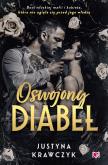
KONTYNUACJA BESTSELLERA! MAFIA I MIŁOŚĆ. DLA IWA I DELII NADCHODZI CZAS OSTATECZNEJ ROZGRYWKI Z PRZEZNACZENIEM.
Delia chciała dać nauczkę Accardiemu. Przeceniła jednak swoje siły, a przede wszystkim nie przewidziała uczuć, które ze zdwojoną mocą uderzyły w jej serce. Znowu wymknęła się Iwowi, ale czy na długo? Czy to będzie koniec ich historii, a nadzieja na życie we dwoje zostanie pogrzebana? O nie, już Iwo na to nie pozwoli.
Tylko co z tajemnicą, którą Delia tak uparcie przed nim ukrywa? Co się wydarzy, gdy Accardi pozna sekret swojej ukochanej? Cóż, świat bezwzględnego i bezkompromisowego bossa Camorry wywróci się do góry nogami. Do tego przeciwności losu nie odpuszczą i brutalnie wkroczą do ich rzeczywistości. A kaprysy, które tym razem przygotowało im przeznaczenie, zaskoczą ich oboje.
Czy mimo wszystko para doczeka się szczęśliwego zakończenia? Czy Delia będzie mogła patrzeć na świat przez różowe okulary, tak jak zawsze marzyła?
Przekonajcie się sami…
Kiedy wszystkie tajemnice wychodzą na jaw, nic już nie będzie takie samo. Niebezpieczny mafioso, który nie wybacza, i kobieta, która zataiła przed nim prawdę. Czy mężczyzna zrobi wyjątek dla ukochanej? Czy okiełzna swoje emocje, by stworzyć związek z Delią, która na pewno nie będzie mu niczego ułatwiać? Ostatni taniec tych dwóch wybuchowych charakterów sprawi, że napięcie sięgnie zenitu, a meandry losu napiszą im nową historię. Romans mafijny na najwyższym poziomie. Ja serdecznie polecam. - AT. Michalak, autorka
Myślałam, że przeczytałam już wszystko, aż wzięłam do ręki książkę K.G. Lewis. W pierwszej części autorka stworzyła dwie niesamowite, silne postaci, które błyskawicznie wciągnęły mnie do swojego świata. Latały talerze, wazony i inne elementy zastawy, nawet kule, a ja wciąż na nowo przeżywałam walkę bohaterów z kapryśnym przeznaczeniem. Jednak dopiero gdy sięgnęłam po tę część, naprawdę zrozumiałam, co znaczy powiedzenie „emocjonalny rollercoaster”. Delia wciąż pozostaje diablicą, a Iwo nieustępliwym bossem Camorry. Tych dwoje ma tak gwałtowne charaktery, że miłość, która ich łączy, jest równie dzika. Tak silne uczucia mogą być podstawą do zbudowania imperium albo spalenia wszystkiego do gołej ziemi. Co zrobią Delia i Iwo? Musicie przekonać się sami, do czego z całego serca Was zachęcam! - Sasha Tirunul, autorka książki „Tone. Ocalenie”
Przyjemna, lekka, spokojna… Nie, tego nie można napisać o tej powieści. Choć kartki same się przewracają podczas czytania, to autorka serwuje taki rollercoaster emocji, że nie sposób oderwać się od treści. Miłość, niebezpieczeństwo, lojalność, kłamstwa, dwa twarde charaktery – to wszystko znajdziecie u K.G. Lewis. - Jolanta Sad, autorka
K. G. Lewis zabrała nas w niesamowicie emocjonującą podróż, w której bohaterowie zacięcie walczą o swoje racje. Obydwoje są temperamentni i nie wahają się zaryzykować, gdy im na czymś zależy. Czy wyjdą z tego cało? Jedno jest pewne: Delia i Iwo to gorący duet, więc szykujcie się na kolejną jazdę bez trzymanki. - P. D. Hutton, autorka
Historii Delii i Iwa ani na chwilę nie da się odłożyć. To świat mafii, który jest wykreowany w sposób nietuzinkowy i oryginalny. Nie zabraknie rollercoastera emocji. Dajcie się porwać zaskakującej opowieści już teraz. Ja jestem zakochana! Polecam całym serduszkiem. - Justyna Dziura, autorka
W skład cyklu „Przeznaczenie” wchodzą:
Kaprysy przeznaczenia. Tom 1
Kaprysy przeznaczenia. Tom 2
Niespodzianki przeznaczenia. Tom 1
Niespodzianki przeznaczenia. Tom 2
Niespodzianki przeznaczenia. Tom 3
Kiedy rodzice dziesięcioletniej Ewy giną w wypadku samochodowym, stałą opiekę nad dziewczynką przejmuje brat jej matki. Wujek Waldek traktuje siostrzenicę jak prawdziwą córkę i oczko w głowie, poza tym jest świetnie prosperującym przedsiębiorcą, ma tylko jedną wadę: nie wierzy w swoje powodzenie u kobiet, więc od lat żyje sam…
Z chwilą gdy Ewa dorasta i zamierza wyfrunąć z domu rodzinnego, dochodzi do wniosku, że to najwyższa pora – i ostatnia szansa! – aby pomóc wujkowi ułożyć życie osobiste. Przygotowuje zatem diabelski plan i z zapałem przystępuje do poszukiwań odpowiedniej kandydatki na swoją ciocię. Nie przewiduje tylko jednego: diabelskie plany lubią w siebie wikłać także swoich autorów… Zaangażowana w sprawy wujka Ewa nawet nie zauważa, kiedy sama się zakochuje, choć tej możliwości zupełnie nie brała pod uwagę! Nie brała, bo choć jest inteligentna i śliczna, ma jedną wadę: najpierw działa, a potem myśli…
Ta pełna wdzięku i ciepła historia – niczym w uroczej komedii omyłek – bawi i wzrusza losami swoich bohaterów. Kolorowe postaci różnią się doświadczeniem życiowym, latami i temperamentem, ale na kartach tej powieści znajdują wspólny język, a ich perypetie doprowadzają do finału, na który czytelnik wyczekuje z bijącym od emocji sercem.
MAŁGORZATA KASPRZYK
Absolwentka filologii angielskiej na Uniwersytecie Warszawskim, pracowała jako lektor, tłumacz i urzędnik państwowy. Lubi muzykę, kino i podróże. Kocha wszystkie zwierzęta, a szczególnie jednego niesfornego kota. Autorka współczesnych powieści obyczajowych („Rodzinne rewolucje”, „Podwójne życie”, „Ostatnia szansa”, „Sekret profesora”, „Pechowe zauroczenie”, „Ryzykowne związki”, „Cyniczna i romantyczna”) oraz dwutomowej sagi z historią w tle („Powrót do źródeł”, „Powrót do tradycji”). Jej opowiadania pojawiły się w kilku antologiach. W przygotowaniu kolejne powieści, które ukażą się nakładem wydawnictwa WasPos.
Prowadzi stronę: https://www.facebook.com/mkautorka/
Adam miał być księdzem, ale w jego życiu pojawiła się ONA. Kobieta, która pokazała mu, jak smakuje zakazany owoc. Jedna przypadkowa i niewinna znajomość sprawiła, że z nieśmiałego chłopca, na którego kobiety nie zwracały uwagi, stał się obiektem pożądania wielu z nich. Serce, które zamienił w kamień, doprowadziło do tego, że budził się u boku pięknych kobiet, których imion zazwyczaj nie pamiętał. Rozkochiwał je w sobie, dając im najcudowniejszą noc swojego życia, a następnie o nich zapominał. Przez lata wszystko szło zgodnie z jego planem, do czasu kiedy pojawiła się Agata. Zwykła kobieta, która miała być tylko przyjemnością na jedną noc, okazała się być tą, która skruszyła jego serce z kamienia. Karma jednak nie zapomniała jego grzechów i gdy najmniej tego się spodziewał, przyszło mu zapłacić za wszystkie swoje winy, których dopuścił się wobec poznanych kobiet.
Zły numer powinien być tylko tym - złym numerem.Usuń. Gotowe.Nie pisz dalej. Nie flirtuj.Zły numer nie powinien być pierwszą osobą, o której myślisz rano, ani ostatnią w nocy... i zdecydowanie nie powinieneś namawiać ich do zakupu małej kózki.Ponieważ to byłoby dziwne.Kiedy Zach Hastings i ja wpadamy w pułapkę złego numeru, nie przestrzegamy zasad. Piszemy SMS-y i flirtujemy, ponieważ jest niesamowicie zabawny, idealnie nerdowaty i cudownie odwraca moją uwagę.Nie szukam miłości, a Zach zdecydowanie miał zły numer.Ale może...Może to właściwy facet.
Na rzeszowiankę Różę spada niespodziewana wiadomość: ciotka zapisała jej dom leżący na drugim końcu Polski. Niezbyt przekonana Róża postanawia na próbę w nim zamieszkać, jednak szybko się okazuje, że coraz bardziej podoba jej się życie na prowincji. Staje się ona ulubienicą sąsiadów. Wnosi w ich życie powiew świeżości, zaraża wszystkich pozytywnym nastawieniem, a jednocześnie rozsmakowuje się w innym życiu - prostym, zwyczajnym, dającym jej ogrom radości. Gdy w miasteczku spotyka Jędrka - wakacyjną miłość sprzed lat - jej życie nabiera jeszcze więcej barw. W obojgu na nowo budzi się uczucie, tym razem dojrzałe. Lecz czy okaże się miłością spełnioną? Książka o pięknych relacjach międzyludzkich, o odnalezieniu zaniedbanej kiedyś miłości, poruszających do łez wspomnieniach z II wojny światowej i bezcennym krzemieniu pasiastym, zwanym kamieniem optymizmu. Polecam! Magdalena Witkiewicz, pisarka Urzekającą powieść, która otula duszę ciepłem. Udowadnia, że nigdy nie jest zbyt późno na nowe znajomości, przyjaźnie oraz miłość. Serdecznie polecam! Edyta Świętek, pisarka
Oto wielka rewolucja i zwyczajna codzienność! Miłość Elżbiety i Jana dojrzewa powoli, karmiąc się wspólnymi doświadczeniami czasów i miejsc, w których znaleźli się nie tylko za sprawą osobistych wyborów. W tle opowieści o ich uczuciu rozgrywa się wielka historia przełomu wieków XIX i XX, naznaczona walką o nowy kształt rzeczywistości, lepszy dla tych wszystkich, dla których do tej pory los nie był łaskawy. W cieniu rewolucji dojrzewa jednak nie tylko miłość. Dojrzewają także bohaterowie, którzy w drodze z warszawskich salonów do dalekiego, egzotycznego i pełnego nieznanych smaków oraz zapachów Astrachania muszą odpowiedzieć sobie na pytanie, kim tak naprawdę są. Czy wystarczy im sił, by na wygnaniu ocalić to, co dla nich najcenniejsze? Maja Jaszewska, inspirując się wspomnieniami swych pradziadków, stworzyła barwną i znakomicie osadzoną w realiach historycznych, topograficznych i kulturowych opowieść o losach rodziny, która uwikłana w historię musiała odnaleźć swoje własne miejsce na ziemi i zawalczyć o szczęście daleko od ojczyzny. Historia Elżbiety, która wbrew wszystkim zostawiła swe dotychczasowe życie i podążyła za swym ukochanym w nieznane, to również przejmująca opowieść o sile kobiecej determinacji, niezależności i mądrości, a także o odwiecznym konflikcie pokoleń, w którym zawsze wygrywa ten, kto kieruje się nie tylko rozumem, ale i sercem. Maja Jaszewska - dziennikarka, pisarka, poetka; autorka wielu artykułów i wywiadów publikowanych w prasie i czasopismach ("Tygodnik Powszechny", "W drodze", "Więź", "Zwierciadło", "Sens", "Twój Styl", "Elle", "Wysokie Obcasy", "Polityka", "Kraina Bugu"); przeprowadziła rozmowy z wybitnymi postaciami kultury dla portalu Styl.pl. Autorka książek W co wierzę?, Nie i tak. Rozmowa z Adamem Ferencym, Gwiazdeczka oraz Słoiczki.
Drugi tom ciepłej i dającej nadzieję sagi "Przystań śpiących wiatrów".
Melania nie może dłużej udawać, że wszystko jest w porządku. Choć tłumaczy narzeczonego na wiele sposobów, staje się jasne, że Mel doświadcza przemocy psychicznej.
Na szczęście nie jest sama. Na pomoc rusza ekipa ratunkowa złożona z sióstr i brata. Przecież rodzeństwo zna siebie nawzajem jak nikt inny i zawsze stoi za sobą murem! W ich misję wtajemniczony zostaje również Wiktor, ekscentryczny właściciel dworku w Kotkowie.
I to on, a właściwie pewien duch z przeszłości, może zrobić dla Meli najwięcej. Tak powstaje plan idealny, którego główne punkty wiodą nie tylko przez urokliwe Kotkowo, ale i czarowne miejsca w Bieszczadach, pełne zadziwiających historii.
Poczuła, że do oczu napływają jej zdradliwe, palące łzy, które ostatnim wysiłkiem woli opanowała. Tylko tego brakowało, żeby rozpłakała się przy Walerii Gdyby teraz zalała się łzami, to żadne "nie" by nie pomogło. A Mela nie czuła się na siłach, żeby tłumaczyć przyjaciółce, iż znalazła się w sytuacji bez wyjścia. Bo wina rzeczywiście leżała po jej stronie, a Jacek w kółko dawał jej kolejne szanse. I jeżeli naprawdę ją kochał, to zostawienie go w takich okolicznościach byłoby z jej strony największą podłością. Bo czy nie o to w końcu chodzi w miłości, żeby trwać przy tej drugiej osobie na dobre i na złe? Żeby nie uciekać, tylko wspólnie stawiać czoło problemom?
(fragment)
Il n'y a pas d'échec amoureux. A. N.
Zoïle est tombé éperdument amoureux de la douce Astrolabe, mais la jeune femme consacre tout son temps à Aliénor, une romancière géniale quoique légèrement attardée. Par dépit, il décide de détourner un avion et de l’envoyer percuter la tour Eiffel. A moins que…
Tout est possible. Et, dans ce possible, on se laisse volontiers guider par une Amélie défoncée qui, jonglant avec ses figurines de lanterne magique, s’envoie joyeusement en l’air… Jean-Paul Enthoven, Le Point.
Le Voyage d’hiver, titre emprunté à Schubert, […] est une fantaisie originale dont l’étrange saveur ne se dissipe pas de sitôt. Delphine Peras, Lire.
Lumineux démiurge, Amélie Nothomb apporte un peu de légèreté dans un monde d’une terrifiante gravité. Son nouveau roman est épatant ! François Busnel, L’Express.
Ten produkt jest zapowiedzią. Realizacja Twojego zamówienia ulegnie przez to wydłużeniu do czasu premiery tej pozycji. Czy chcesz dodać ten produkt do koszyka?