W tym dziale znajdziecie fascynująca literaturę, która przekona was jak fascynująca i ciekawa jest historia i jak wiele możemy się nauczyć. Może zainteresujecie się wojną na Pacyfiku, o której ciekawie pisze Morison Samuel Eliot, albo może zaciekawią was powieści Adama Borowieckiego, które przedstawiają przygody w galaktykach kosmosu Junga i Ing. Zapraszamy równiez po powieści biograficzne, polityczne.
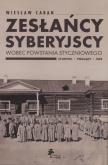
Jednak pojawienie się dawnych spiskowców w środowiskach, z których się wywodzili, ich niezłomna wiara w uzyskanie przez Polaków niepodległości, i to w granicach z 1772 r., mobilizowała młodzież do działań spiskowych. Dla wszystkich Polaków kontakt z zesłańcami syberyjskimi, ich opinie na temat dróg dojścia do niepodległości, były niezwykle ważne. Jest to zrozumiałe, gdyż te opinie wypowiadali ludzie, którzy – jeśli tak można powiedzieć – na miejscu doznali rozmiarów carskiego despotyzmu. Z chwilą, gdy dawni wygnańcy zorientowali się, że ich pomysły spiskowania z lat trzydziestych i czterdziestych stają się na nowo aktualne, postanowili się przyłączyć do nich. (…)Przyłączając się do różnego rodzaju kółek, które w ostateczności scaliły się w Organizacji Narodowej, sybiracy starali się wnieść korektę do pomysłów zrodzonych w Kijowie, Warszawie i Wilnie. Zakres korekty był dość prosty, a mianowicie – nie można zawiązać spisku, tak jak to oni robili w latach trzydziestych i czterdziestych, i marzyć od razu o wybuchu zbrojnego powstania. Przede wszystkim uświadamiali spiskującym, że tajne kółka nie mogą się ograniczać do wąskich grup młodzieży szlacheckiej. Podkreślali, że dla spisku trzeba pozyskać wszystkie warstwy społeczne, a to wymaga czasu. (z Zamiast Zakończenia)
Hrabia Monte Christo to wciąż niedościgniony pierwowzór opowieści o niezwykłej intrydze, sile zemsty, potędze przyjaźni i triumfie człowieka w walce o honor. Dzieje losów oficera marynarki, Edmunda Dantesa, poznajemy w momencie wpłynięcia do Marsylii trójmasztowca Faraon, na którym objął on, po śmierci dowódcy, stanowisko kapitana. Wydaje się, że przed młodym człowiekiem otwiera się teraz pasmo sukcesów, zwłaszcza że czeka też na niego ukochana Mercedes, z którą wkrótce ma wziąć ślub. Niestety, tuż przed swoją śmiercią dowódca poprosił Edmunda, by ten dostarczył do Paryża pewne dokumenty, które podczas rejsu zostały zabrane z wyspy Elby, na której uwięziony został Napoleon Bonaparte...
Perykles, Lew z Aten, powracaAby jedna potęga mogła powstać, inna musi upaśćPerykles, Lew z Aten, wraca z wojny jako ktoś więcej niż bohater: jest niekwestionowanym przywódcą swego miasta, najpotężniejszej polis.Jednak nad Atenami wisi nieustanna groźba ze strony Sparty. Kiedy nagła katastrofa rzuca Spartę na kolana, Perykles dostrzega wyjątkową okazję, aby trwale zmienić układ sił na korzyść swojego miasta. Ale choć Sparta wydaje się osłabiona, daleko jej do utraty potęgi. Niebawem ster władzy przejmuje w niej pewien zuchwały młodzieniec, który przywróci jej wielkość.Albowiem w konfrontacji dwóch mocarstw okazuje się niekiedy, że jedyną drogą zyskania trwałego pokoju jest prowadzenie wojny. Solidnie umocowana historycznie opowieść o bohaterstwie i codziennym znoju, honorze i zdradzie, w której można łatwo stracić życie z powodu dobrze wymierzonej strzały lub w nagłym błysku kopisa. Ekscytująca, świetnie napisana. - "Kirkus Reviews" Wielbiciele starożytnego świata rozsmakują się w tej porywającej powieści historycznej. - "Booklist"
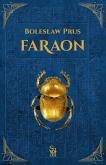
Faraon to wciąż aktualna powieść o mechanizmach władzy, funkcjonowaniu państwa oraz nauce i religii wykorzystywanych w politycznej grze o wpływy. Jeden z najważniejszych polskich prozaików odpowiada na pytania swojej epoki wykorzystując realia starożytności i fascynację współczesnych Egiptem doby faraonów, Prus nadaje uniwersalny charakter opowieści o walce Ramzesa XIII o władzę i rząd dusz.
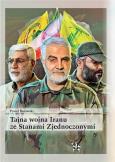
Spis treści:WstępI. Iran w obliczu amerykańskiego ataku na IrakII. Korpus Strażników Rewolucji Islamskiej (Pasdaran) jako element sił zbrojnych IranuIII. Siły Qods (Niru-ye Qods) jako instrument wpływu Korpusu Strażników Rewolucji Islamskiej na Bliskim i Środkowym WschodzieIV. Brygady Hezbollahu w latach 20072011 portret organizacjiV. Brygady Hezbollahu w latach 20112020 ewolucja organizacjiEpilog. Eskalacja konfliktu. Zamach na generała Kassema SolejmaniegoBibliografia O książce:Musicie wiedzieć, iż jesteśmy bardzo blisko was w miejscach, o których wam się nawet nie śniło słowa te wypowiedziane przez dowódcę irańskich Sił Qods generała Kassema Solejmaniego pod adresem prezydenta USA Donalda Trumpa nie były czczą przechwałką. Stworzony przez Iran, regionalny polityczno-wojskowy sojusz złożony głównie z różnoetnicznych szyickich milicji zwany Osią Oporu posiada bowiem realny wymiar w postaci przeszło 200 tysięcy bojowników na ogromnym obszarze rozciągającym się od Azerbejdżanu po Jemen oraz od Libanu i Palestyny po Afganistan. To niewidzialne władztwo jest w istocie kolejną wersją perskiego imperium. Nowe szyicko-perskie imperium nie zna granic państwowych. Sięga ono bowiem wszędzie tam, gdzie docierają irańscy Strażnicy Rewolucji często w charakterze doradców, budowniczych, dyplomatów czy też pielgrzymów. Od wielu lat Oś Oporu spędza sen z powiek szefów tajnych służb Izraela. Elementy tego nieformalnego sojuszu otaczają bowiem niemal ze wszystkich stron położone w Palestynie państwo żydowskie. Można powiedzieć, że generałowi Solejmaniemu udało się zamknąć Izrael w pierścieniu ognia nowoczesnych dronów bojowych oraz rakiet balistycznych.Przedmiotem niniejszej książki jest historia irackich Brygad Hezbollahu, jednego ze zbrojnych ugrupowań wchodzących w skład Osi Oporu. Organizacja ta jest ściśle związana z irańskim Korpusem Strażników Rewolucji Islamskiej, zarówno ideologicznie, jak i organizacyjnie. W pracy niniejszej podjąłem próbę naszkicowania obrazu Brygad Hezbollahu w kontekście rywalizacji Stanów Zjednoczonych oraz Iranu o wpływy na terytorium postsaddamowskiego Iraku.
This gripping book is the story of Ukraine’s Nazi occupation, told by one ordinary, brave child.
'Rightly hailed a masterpiece' Daily Mail
'So here is my invitation: enter into my fate, imagine that you are twelve, that the world is at war and that nobody knows what is going to happen next...'
When the German army rolled into Kyiv in 1941 the young Anatoli was just twelve years old. He began writing down what he saw in his journals.
Within ten days of the invasion, the Nazis had begun their campaign of fear and murder in Ukraine. Babi Yar (Babyn Yar in Ukrainian) was the place where the executions of Jews and many others took place. It was one of the largest massacres in the history of the Holocaust. Anatoli could hear the machine guns from his house.
Anatoli’s clear, compelling voice, honesty and determination guide us through the horrors of that time. Babi Yar has the compulsion and narration of fiction but everything recounted here is true.
'Extraordinary' Orlando Figes, Guardian
'A vivid first-hand account of life under one of the most savage of occupation regimes... A book which must be read and never forgotten' The Times
This is the complete, uncensored version of Babi Yar - its history written into the text. Parts shown in bold are those cut by the Russian censors, parts in brackets show later additions.
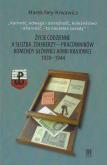
"Dotychczasowa literatura dotycząca Polskiego Państwa Podziemnego i jego armii koncentrowała się przede wszystkim na odtworzeniu struktur organizacyjnych, ich obsady personalnej oraz efektów działań, gubiąc tym samym tych, którzy owe struktury wypełniali. Przedstawiana czytelnikowi monografia wybija natomiast na pierwszy plan właśnie ludzi konspiracji, pokazując ich życie codzienne, a ściślej – wpływ służby w podziemnej armii na ich codzienność. Założeniem niniejszego opracowania jest próba ukazania życia codziennego i służby konspiratora-żołnierza Armii Krajowej służącego w strukturach Komendy Głównej Służby Zwycięstwu Polski – Związku Walki Zbrojnej – Armii Krajowej. Tym samym zakres widzenia problematyki został zawężony przede wszystkim do Warszawy i centralnego aparatu dowodzenia Sił Zbrojnych w Kraju w latach 1939–1944. Wybór Komendy Głównej jako obiektu badań nie jest tu kwestią przypadku. Przede wszystkim w Komendzie Głównej, jak w soczewce, skupiały się wszelkie problemy codziennego życia żołnierza konspiratora Armii Krajowej. Wynikało to z faktu, iż w Komendzie Głównej Armii Krajowej działały wszystkie struktury charakterystyczne dla konspiracji miejskiej. Tu więc były komórki o charakterze typowo analityczno-koncepcyjnym, konspiracyjne drukarnie i centralny kolportaż, jak i pracowały szefostwa wszystkich służb, centrala sieci wywiadowczych i komórki legalizacyjne, wytwórnie materiałów bojowych, a także bojowe oddziały dyspozycyjne itp. Wszystko to spajały sieci łączności wewnętrznej".
(fragment Uwag wstępnych)
Autorka opisuje swoją działalność oświatową. Tekst ma charakter sprawozdawczy – Świacka przedstawia fakty, nie dzieli się jednak żadnymi osobistymi wspomnieniami. Była córką Edwarda Donimirskiego (powstańca 1863 r., ziemianina z zaboru pruskiego) i Heleny z Wolańskich. W domu autorki od dzieciństwa panował duch patriotyczny, a ona sama już w młodości brała udział w tajnej pracy oświatowej (prowadziła tajne komplety nauki religii, języka polskiego i historii, brała udział w organizacji polskich przedstawień). Wyszła za mąż i przeniosła się do majątku Bielica (pow. siennieński, ziemia mohylewska, Białoruś), gdzie zajęła się oświatą ludu polskiego we dworze i zaściankach. Założyła Sieńskie Towarzystwo Oświaty i Dobroczynności, wraz z którym organizowała spektakle w Siennie, Orszy i Witebsku. Jednym ze sposobów pozyskiwania funduszy przez Towarzystwo było sprzedawanie papeterii z nadrukiem „Światło niosę mojemu ludowi”. Autorka pisze o karaniu zsyłką lub więzieniem za prowadzenie szkółek dla polskich dzieci. Wspomina jedną z nauczycielek, Aleksandrę Januszkiewicz, która po uwięzieniu w Orszy chciała odebrać sobie życie.
Dalej Świacka opisuje sierociniec dla trzydzieściorga dzieci, który założyła w Bielicy w 1905 r. Pobieżnie przedstawia zajęcia dzieci, ich plac zabaw i wspomina: „Wyszło z tej nauki kilkadziesiąt młodych chłopców i dziewcząt, zawodowo przygotowanych i utrwalonych w polskości, a parę prawosławnych sierot przeszło na katolicyzm”.
(fragment recenzji z Archiwum Kobiet)
Burzliwa historia Muzeum Książąt Lubomirskich przywodzi na myśl zmienny krajobraz – urozmaicony, pełen nieoczywistych traktów. Dwieście lat istnienia instytucji, od początku będącej częścią Zakładu Narodowego im. Ossolińskich, to okres, który pozwala przyjrzeć się pejzażowi kulturowemu Polski i Europy Środkowo-Wschodniej z wielu punktów widzenia.
Niniejsza książka przybliża losy dwudziestu pięciu obiektów ze zbiorów Muzeum – zarówno znanych i reprezentatywnych, jak i tych niepozornych, które jednak mają dużą wartość historyczną. Zebrane w tomie artykuły pokazują zatem różnorodność zgromadzonych kolekcji (od grafiki, malarstwa i rysunku po ekslibrisy, fotografie, medale, numizmaty), a jednocześnie układają się w narrację o losach Muzeum Lubomirskich: o działalności we Lwowie, kiedy z sukcesami udostępniało swoje zbiory, odgrywając znaczącą rolę w polskim życiu kulturalnym i naukowym, o dramatycznym momencie jego likwidacji, a także o czasach współczesnych, kiedy zostało odtworzone w strukturach wrocławskiego Ossolineum.
Wciągająca historia osadzona w historycznych realiach Polski!Księstwo Piastów władane przez księcia Siemomysła. Arena historyczna, którą czeka niejeden przełom.W osadzie czynione są przygotowania do ślubu jednego z synów władcy - Czcibora. Ów ślub ma poszerzyć wpływy i umocnić władzę Piastów na okolicznych ziemiach.Co z pozostałymi synami? Prokujem, oraz wygnanym Mieszkiem?Śmierć, która zachwieje księstwem i wywróci wszystko do góry nogami. Bunty i wrogowie z każdej strony. Zagrożenie czyha dosłownie wszędzie.Co do piastowskiego tronu ma duński król Harald Sinozęby, jego Dania, oraz Jomsborg?Kogo życie dobiegnie końca, a do kogo uśmiechnie się los?Pełna intryg, bitew i historycznych nawiązań opowieść o władzy, miłości, zdradzie i odkupieniu.
Nikt nie zrozumie, co złego dzieje się we współczesnym świecie zachodnim, a więc i w Polsce, nie znając przyczyn. Tkwią one jeszcze w ideach rewolucji francuskiej, a później w coraz bardziej lewicowej filozofii, zwłaszcza Karola Marksa. Poglądy tego ostatniego miały, jak wiadomo, tyleż wielki, co tragiczny wpływ na życie wielu narodów, choć myśliciel z Trewiru (zmarły w 1883 r.) sam tego nie doczekał. Ale znalazł skutecznych naśladowców, także w politycznej praktyce. Jego wskazówki dotyczące sposobu opanowania społeczeństwa przez komunistyczne elity okazały się nad wyraz skuteczne. Zalecenia Marksa były proste; zawierają się w tytule niniejszej książki wybitnego pisarza i myśliciela naszych czasów, prof. Wojciecha Roszkowskiego: bezbożność, terror i propaganda. Dodajmy, że Marks zalecał nieprzejmowanie się funkcjonującym prawem (skąd my to znamy), bowiem powinno ono całkowicie podlegać decyzjom oraz interpretacjom elity rządzącej. Dopiero prawo ustanowione przez władzę komunistyczną miało być egzekwowane z całą bezwzględnością. Panowanie i władza zawsze były w centrum zainteresowania marksizmu. Najbliższy współpracownik Marksa, Fryderyk Engels, głosił, że "w następstwie przyszłej rewolucji społecznej zniknie państwo". Zamiast tego powstały niezwykle opresyjne komunistyczne państwa na czele ze Związkiem Sowieckim, który zarażał swymi chorymi poglądami wiele krajów na świecie. Rewolucja, zdaniem marksistów, była nieunikniona i wskazana dla rozwoju ludzkości, choćby nie wiadomo ile ofiar za sobą pociągała, ile tragedii prowokowała. Potem miałby nastąpić okres wiekuistej szczęśliwości. Wielu się na to nabierało. Dopiero wtedy, gdy wcielane siłą koncepcje ekonomiczne i gospodarcze zawaliły się w gruzy, wywołując biedę, gdy zniewolenie człowieka przybrało monstrualne rozmiary, narody ciemiężone przez komunistów w imię utopijnych koncepcji Marksa i spółki zerwały się do walki. Gdy z założeń Marksa, Engelsa, Lenina w końcu zrezygnowano i byt zdecydowanie nam się poprawił, koncepcje komunistów zdają się niestety odżywać. Jak choćby w odrzuceniu przywiązania do ojczyzny, co zalecali już pierwsi marksiści, a teraz UE. Albo w wyłączeniu z naszego postępowania sumienia, w odrzuceniu odwiecznych zasad moralnych czy też w zmianie stosunku do rodziny i małżeństwa, które Engels nazwał "nieoficjalną prostytucją". Albo w sposobach opanowywania społeczeństwa przez totalną władzę. Autor tej książki z niebywałą logiką objaśnia fałszywe rozumowanie Marksa i jego epigonów oraz unaocznia tragiczne tego skutki. Prof. Roszkowski i jego najnowsze dzieło skłaniają do refleksji - dokąd prowadzi koncepcja świata bez Boga oraz koncepcja władzy opartej tylko na propagandzie, która posługuje się przymusem, a nawet terrorem (zalecanym od początku przez marksistów). Trudno o lepsze argumenty niż te, które przedstawia autor tej książki, w dyskusji nad kształtem współczesnego świata zachodniego, który wydaje się zmierzać ku upadkowi; Polska niestety różnymi sposobami została w ten proces uwikłana. Czas najwyższy się zatrzymać. Wciągający tekst uzupełniają 124 oryginalne ilustracje, dokumentujące idee, wydarzenia i osoby.
Starcie pod Termopilami pomiędzy nieustraszonymi hoplitami greckimi i hordami przybyszów ze Wschodu pod sztandarami króla perskiego Kserksesa to jedna z najsłynniejszych batalii starożytności i w ogóle w historii świata. Została rozsławiona przez antycznych dziejopisarzy i wyniesiona do rangi przełomowego momentu w dziejach, mitu obrony ojczyzny i symbolu męstwa Greków, zwłaszcza Spartan z ich monarchą Leonidasem na czele. Dzięki komiksowi, a potem popularnemu filmowi „300” w naszych czasach na dobre zadomowiła się również w popkulturze. Co jednak naprawdę wiemy o owej wielkiej bitwie i czy faktycznie była ona tak bardzo istotna dla dalszych losów Hellady czy nawet całej Europy? Na te i inne pytania odpowiada Paweł Kupsik w książce „Termopile 480 p.n.e.”, wydanej w Bellonowskiej serii „Historyczne Bitwy”. Autor kompleksowo nie tylko opisuje przebieg bitwy, lecz także przybliża przyczyny konfliktu Greków z imperium perskim. Konfrontuje zachowane przekazy źródłowe z wynikami współczesnych badań archeologicznych i analiz historycznych. Skrupulatny opis formacji bojowych daje z kolei możliwość poznania i prześledzenia taktyki obu stron. Zagłębiając się w te szczegóły, na nowo odkrywamy bitwę termopilską i dostrzegamy jej niezwykłą, uniwersalną symbolikę.
Ten produkt jest zapowiedzią. Realizacja Twojego zamówienia ulegnie przez to wydłużeniu do czasu premiery tej pozycji. Czy chcesz dodać ten produkt do koszyka?