Zapraszamy do zapoznania się z najbardziej interesującymi bestsellerami z kategorii fantastyka i horror. Oto najciekawsi autorzy, najlepszych bestsellerów z literatury fantastycznej i horroru: Stephen King, Harlan Coben, Herbert George Wells, Brandon Sanderson, Wojciech Siudmak, Siri Pettersen,
J.R.R. Tolkien, Anna Karnicka, Andrzej Sapkowski i wiele innych. Zapraszamy do mrożącej krew w żyłach literatury.
Nadchodzi dzień zakończenia usługi niezwykle popularnej niegdyś gry online, Yggdrasil. Główny bohater – na co dzień samotny pracownik firmy, a w wirtualnej rzeczywistości potężny mag-szkielet, Momonga – loguje się do pełnego wspomnień świata, by spędzić w nim ostatnie chwile. Ale choć wyznaczona godzina zamknięcia gry mija, Momonga nie zostaje wylogowany. Z każdą chwilą ogarnia go coraz silniejsze wrażenie, że trafił do zupełnie innego świata – świata, w którym NPC mają własną wolę…
Tak oto zaczyna się legenda dowodzonej przez Momongę gildii, Ainz Ooal Gown.
Po latach samotnie spędzonych na bezludnej wyspie Niesio spotyka wnuczkę Hayase, która proponuje mu przymierze w walce z kołatnikami. Ale czy mężczyzna powinien zaufać osobie, w której żyłach płynie krew niezrównoważonej morderczyni? Tymczasem plotki o nieśmiertelnym roznoszą się coraz dalej, przysparzając Niesiowi zarówno nowych oddanych wyznawców, jak i zaciekłych wrogów. Oto opowieść o poszukiwaniu przyjaciół.
Niesio zgadza się zostać z Hayase, o ile kobieta pozwoli Tonari i jej przyjaciołom opuścić wyspę. Jednak Tonari powraca w tajemnicy na Janandę i trafia w sam środek nowego
zagrożenia. Kołatnicy przypuszczają ataki z coraz większą determinacją, zagrażając już nie tylko Niesiowi, ale i wszystkim mieszkańcom wyspy. Czy Janandę czeka zagłada? Oto opowieść o walce z losem.
Niesio i Pioran zostają rozdzieleni na wyspie Jananda, stanowiącej miejsce zsyłki dla przestępców z całego świata. Jedyną ich nadzieją na ponowne spotkanie jest zwycięstwo Niesia w wielkim turnieju i objęcie stanowiska lidera żyjącej tam społeczności. Czy nieśmiertelny chłopiec zdoła wyjść zwycięsko z serii niezwykle brutalnych pojedynków i ocalić Pioran? Czy pobyt na Janandzie przysłuży się jego dalszemu rozwojowi? I co planuje tajemnicza zakapturzona postać, której machinacje sprowadziły go na wyspę? Oto pełna zwrotów akcji opowieść o dążeniu do wolności.
Mijają cztery lata, podczas których Niesio – w otoczeniu swojej nowej rodziny – uczy się, jak być człowiekiem. Lecz sielanka ta zostaje brutalnie przerwana, gdy podczas przyjęcia urodzinowego Rean jej posiadłość zostaje zaatakowana przez kołatnika. Czy Niesio i Gugu zdołają zwyciężyć napastnika i ocalić swoich bliskich? Oto opowieść o tym, jak cierpienie przeradza się w siłę.
Po konfrontacji z tajemniczym przeciwnikiem Niesio poznaje Gugu – chłopca w masce, który uważa się za potwora – i powoli przyswaja sobie nowe umiejętności. Jak relacje z istotą pragnącą stać się kimś innym wpłyną na potrafiącego przybierać dowolną formę Niesia? Oto opowieść o poszukiwaniu szczęścia.
Chcąc ukryć przed ludem Ninanna prawdę o Czarcim Niedźwiedziu, wysłannicy Yanome zabierają March, Paronę i Niesia do swojego kraju. Zetknięcie się z tętniącym życiem wielkim miastem wzbudza w wędrowcach zachwyt, który szybko przeradza się w rozgoryczenie, kiedy wszyscy troje zostają uwięzieni. March próbuje odnaleźć się w nietypowej sytuacji, zaś Parona opracowuje plan ucieczki z pilnie strzeżonej fortecy. Czego nauczy się Niesio od dwójki zdeterminowanych dziewczyn?
Oto fascynująca opowieść o poszukiwaniu samego siebie.
Świnia: tradycyjna opowieść o człowieku i jego marzeniach o wielkim mieście oraz o tym, jak jeden zły układ może Cię sprowadzić w sam środek lasu... na plan pornosa, w towarzystwie uzależnionych od dragów dziwek, różnej maści zboków i psychotycznych gangsterów oraz...no tak... świni.
Dom: Trzydzieści lat temu w pewnym lesie wydarzyło się dużo bardzo złych rzeczy. Rzeczy, które już na zawsze naznaczyły ten dom. Teraz Melvin chce zbadać miejsce, w którego nawiedzenie nie wierzy. Ale uwierzyć będzie musiał, kiedy tylko w jego sny wtargną wspomnienia człowieka, którego przeznaczeniem było kręcenie najbardziej odrażających scen seksu, jakie tylko można sobie wyobrazić i doświadczanie ich koszmaru raz za razem, bez końca.
Edward Lee jest autorem kilkudziesięciu książek z gatunku horroru, specjalistą od prozy ekstremalnej, wychodzącym naprzeciw oczekiwaniom czytelników spragnionych kontaktu z literaturą przekraczającą granice wszelkiego tabu.
Yu Hua to jeden z najważniejszych współczesnych pisarzy chińskich - mieszkający w Chinach lecz wciąż niepokorny wobec władz Chińskiej Republiki Ludowej. W swoich dziełach nie boi się podejmować trudnych dla Chińczyków kwestii, wykorzystując do tego najróżniejsze formy literackie i publicystyczne. Opowiadania zawarte w zbiorze ujawniają wielość tematów i bogactwo pisarskiego stylu autora "Chin w dziesięciu słowach". Znajdziemy tu zarówno surowy realizm, jak i elementy surrealizmu czy prozy wuxia (fantasy heroicznego).
W kolejnym epizodzie swej postapokaliptycznej odysei Jeremiah i Kurdy trafiają w sam środek konfliktu dwóch niezbyt sympatycznych sił: spore miasto, do którego zmierzali, nękane jest systematycznym ostrzałem sił ekstrawaganckiego Cezara, który, choć próbuje przywrócić stroje, obyczaje, a nawet język starożytnych Rzymian, posługuje się w walce jak najbardziej nowoczesną bronią. Dwaj wędrowcy od razu zostają wmieszani w cudzy konflikt, na co żaden z nich nie ma ochoty…
Belgijski mistrz komiksu Hermann niezmiennie utrzymuje wysoki poziom graficzny swoich opowieści, z maestrią i rozmachem tworząc sugestywne wizje świata niezbyt wesołej przyszłości.
The third book in the latest series from international bestselling author, Rick Riordan
He was a God once. Until he was cast out his father, Zeus. Now, he's an awkward teenager. Called Lester.
The only way out is a series of scary and dangerous trials, of course.
For his third trial, Apollo must journey through the Labyrinth to free an Oracle who only speaks in puzzles.
Then, defeat the most vicious of three very vicious Roman Emperors.
(All without the use of his godly powers.)
It looks like he will need all the help he can get - from some new and old friends.
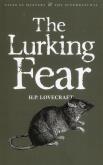
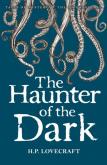
The thing came abruptly and unannounced; a demon, rat-like, scurrying from pits remote and unimaginable, a hellish panting and stifled grunting, and then from that opening beneath the chimney a burst of multitudinous and leprous life - a loathsome night-spawned flood of organic corruption more devastatingly hideous than the blackest conjurations of mortal madness and morbidity.’
Only the expansive imagination of H.P. Lovecraft could conceive the delicious and spine-tingling horrors you will find within the pages of this unique collection. In addition to such classics as 'The Picture in the House', 'The Music of Erich Zann' and 'The Rats in the Walls', this volume contains some fascinating rarities: examples of Lovecraft's earliest weird fiction and material unpublished during his lifetime.
Dante Alighieri (1265-1321) is one of the most important and innovative figures of the European Middle Ages. Writing his Comedy (the epithet 'Divine' was added by later admirers) in exile from his native Florence, he aimed to address a world gone astray both morally and politically. At the same time, he sought to push back the restrictive rules which traditionally governed writing in the Italian vernacular, to produce a radically new and all-encompassing work.
The Comedy tells the story of the journey of a character who is at one and the same time both Dante himself and Everyman. In the Inferno, Dante's protagonist - and his reader - is presented with a graphic vision of the dreadful consequences of sin, and encounters an all-too-human array of noble, grotesque, beguiling, ridiculous and horrific characters.
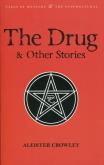
Crowley was a successful critic, editor and author of fiction from 1908 to 1922, and his short stories are long overdue for discovery. Of the forty-nine stories in the present volume, only thirty were published in his lifetime. Most of the rest appear here for the first time.
Like their author, Crowley's stories are fun, smart, witty, thought-provoking and sometimes unsettling. They are set in places he had lived and knew well: Belle Epoque Paris, Edwardian London, pre-revolutionary Russia and America during the first World War. The title story The Drug stands as one of the first accounts–if not the first–of a psychedelic experience. His Black and Silver is a knowing early noir discovery that anticipates an entire genre. Atlantis is a masterpiece of occult fantasy, a dark satire that can stand with Samuel Butler's Erewhon . Frank Harris considered The Testament of Magdalen Blair the most terrifying tale ever written.
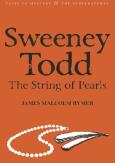
The exploits of Sweeney Todd, ‘The Demon Barber of Fleet Street’, have been recounted many times in plays, films and musicals, but the origins of the character largely were forgotten for many years. The String of Pearls - the original tale of Sweeney Todd, a classic of British horror - was first published as a weekly serial in 1846-7 by Edward Lloyd, the King of the Penny Dreadfuls. One of the earliest detective stories, it became an important source for Bram Stoker's Dracula, but it was after over 150 years of obscurity that it appeared first in book form in the Wordsworth edition published in 2005.
The one great mystery that has surrounded the book is who the author was - or was it possibly the work of more than one man? In his new introduction to this fully revised second edition, Dick Collins, by means of detailed research of contemporary records, has established finally the identity of the creator of this legendary figure.
So here is the original story of the terrifying owner of that famous London barber-shop, and the secret recipe for Mrs Lovett's delicious pies…
Joseph Sheridan Le Fanu (1814-1873) was one of the great masters of Victorian of mystery and horror fiction, and can be regarded as the father of the modern ghost story. In a Glass Darkly (1872), one of his most celebrated volumes, purports to be the casebook of Dr Hesselius, a pioneer psychologist.
These five tales represent some of Le Fanu's most accomplished work, which rises above the staid conventions of the age. Although drawing on Gothic conventions - the book features both ghosts and vampires - Le Fanu redefined the parameters of supernatural fiction. He had little interest in the crude depiction of other worldly phenomena in order to provide the reader with a pleasurable frisson of fear. Le Fanu concern rather lay in the examination of the results of supernatural experience on the psyche of his protagonist, in this he paved the way for the work of Henry James and M. R. James.
Included is 'Carmilla', a classic vampire story, pre-dating (but heavily influencing) 'Dracula' by 26 years and establishing many of the traditional facets of the female vampire.
This volume is an indispensable cornerstone of modern horror and remains one of the finest collections of unsettling fiction in the language.
‘They were removing the stones quietly, one by one, from the centuried wall. And then, as the breach became large enough, they came out into the laboratory in single file; led by a stalking thing with a beautiful head made of wax.’
From the dark, mind-expanding imagination of H P Lovecraft, Wordsworth presents a third volume of tales penned by the greatest horror writer of the 20th Century. Here are some of Lovecraft’s weirdest flesh-creeping masterpieces, including Pickman's Model, The Shunned House, his famous serial Herbert West – Reanimator, and several classic tales from the Cthulhu Mythos, in which mankind is subjected to the unimaginable terrors known only to those who have read from the forbidden Necronomicon.
Also included in this compelling collection are the complete Randolph Carter stories, chronicling his adventures in this world and the realm of his dreams, where he faces perils beyond comprehension.
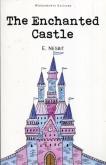
When Jerry, Jimmy and Cathy discover a tunnel that leads to a castle, they pretend that it is enchanted. But when they discover a Sleeping Princess at the centre of a maze, astonishing things begin to happen. Amongst a horde of jewels they discover a ring that grants wishes.
But wishes granted are not always wishes wanted, so the children find themselves grappling with invisibility, dinosaurs, a ghost and the fearsome Ugli-Wuglies before it is all resolved.
This edition of The Enchanted Castle has forty-seven evocative illustrations by H.R. Millar.
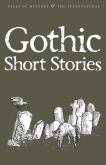
Late in the eighteenth century authors began to write ‘Gothic’ stories as a way of putting literature back in touch with the irrational, the supernatural and the bizarre, which had been neglected in the ‘Age of Reason’.
This superb new collection brings together stories from the earliest decades of Gothic writing with later 19th and early 20th century tales from the period in which Gothic diversified into the familiar forms of the ghost- and-horror-story. Work by writers such as Poe, Dickens, Hawthorne, Gaskell and M. R. James appears alongside that of anonymous writers from the start of the period and many lesser-known authors from Britain and America. Some of these stories, like the haunting ‘The Lame Priest’ are ‘lost masterpieces’ and several have never been anthologised before. Together they cover the spectrum of Gothic story-telling – tales of madness and violence, of shape-shifters and spectres, that express some of the deepest fears of the human mind – insanity, sexuality, death and the often terrible power of the past to catch up with the present.
In a lively, authoritative introduction David Blair provides fresh insights and a detailed commentary on the stories’ place in the complex traditions of Gothic writing in British and American literature.
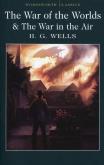
The narrator of The War of the Worlds is quick to discover that what appeared to be a falling star was, in fact, a metallic cylinder landing from Mars. Six million people begin to flee London in panic as tentacled invaders emerge and overpower the city. With their heat-ray, killing machines, black gas, and a taste for fresh human blood, is there anything that can be done to stop the Martians?
In The War in the Air, naive but resourceful Bert Smallways is thrilled by speed and fascinated by the new flying machines. His curiosity sweeps him away by accident into a German plan to conquer America, beginning with the destruction of New York. The ease of movement in aerial warfare means that nothing and nobody is safe as Total War erupts, civilisation crumbles, and Bert's hopes of getting back to London to marry his love seem impossibly distant.
Ten produkt jest zapowiedzią. Realizacja Twojego zamówienia ulegnie przez to wydłużeniu do czasu premiery tej pozycji. Czy chcesz dodać ten produkt do koszyka?