Książki o astronomii i astrofizyce: atlasy nieba, podręczniki, książki fachowe i popularnonaukowe. Astronomia, kosmos, nauki ścisłe- wszystkie książki o tej i podobnej tematyce znajdziesz w naszej księgarni internetowej DobreKsiazki.pl
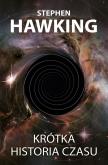
Czy wszechświat miał początek i będzie miał kiedykolwiek koniec? Czy czas może być odwrócony?Krótka historia czasu to już klasyczna pozycja literatury popularnonaukowej. Przedstawione w niej idee prezentują najnowsze odkrycia w dziedzinie badania wszechświata. Autor wykracza poza teorię względności, mechanikę kwantową i wielki wybuch, aby sięgnąć do "tańca geometrii", który doprowadził do powstania wszechświata, krainy zjawiskowych zdarzeń fizyki cząstek elementarnych, w której materia zderza się z antymaterią. Ta fascynująca książka umożliwia poznanie ogromu przestrzeni międzygalaktycznej.
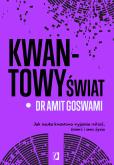
Fizyka kwantowa jest teorią wszystkiego.Podstawowym założeniem doktora Amita Goswamiego jest to, że fizyka kwantowa to nie tylko przyszłość nauki, ale także klucz do zrozumienia świadomości, życia, śmierci, Boga, psychologii i sensu życia. Według niego fizyka kwantowa stanowi najlepsze i najbardziej przejrzyste podejście do zrozumienia naszego wszechświata.W "Kwantowym świecie" doktor Amit Goswami oraz jego współpracownicy opisują, w jaki sposób fizyka kwantowa wpływa na nasze pojmowanie takich kwestii, jak znaczenie snów, myśli, uczucia, intuicja karma, śmierć i reinkarnacja czy wola boska.Ten fascynujący przewodnik po najważniejszych egzystencjalnych pytaniach spodoba się szerokiemu gronu czytelników, od tych zainteresowanych nową fizyką po tych, których urzekają duchowe następstwa najnowszych przełomów naukowych.
Album Cuda Wszechświata jest zaproszeniem do pasjonującej wyprawy po najwspanialszych skarbach, jakie odkrywa przed nami gwiezdny firmament. Wystarczy uruchomić wyobraźnię i dać się ponieść narracji, by poczuć w sobie zew odkrywcy świadomego piękna natury. Żyjąc w coraz bardziej zwariowanym świecie, bez chwili wytchnienia i relaksu, oderwania od wszechobecnego zgiełku i w pogoni za nieuchwytnym, współczesny człowiek rzadko ma okazję zastanowić się nad tym, kim właściwie jest i jakie miejsce przygotowała mu natura w wielkiej kosmicznej układance. Tylko nieliczni dostrzegają, że świat orbitujących ciał niebieskich i ogromnych liczb, które uczą dystansu do codzienności, jest bardzo blisko, wręcz na wyciągnięcie ręki. W dodatku Wszechświat udostępnia swe skarby każdemu człowiekowi za darmo, nie trzeba należeć do elitarnego grona naukowców, a wbrew pozorom nawet nieuzbrojony w teleskop wzrok bez problemu wystarcza, aby rozpocząć wspaniałą przygodę - wędrówkę po rozgwieżdżonym firmamencie. Izaak Newton powiedział kiedyś, że ludzie budują za dużo murów, a za mało mostów. Astronomia, która jest ze wszech miar nauką, której piękno łączy zarówno profesjonalistów z amatorami, ale też ludzi różnych wiar, wyznań i statusów majątkowych, może być, a nawet powinna stać się kolejnym mostem na drodze do pokojowej współpracy. Niniejszy album wychodzi naprzeciw tej idei, przybliżając Czytelnikowi najpiękniejsze skarby naszego nieba!
Poradnik zawiera podstawowe informacje, to jest definicje, określenia zjawisk i wielkości fizycznych oraz praw fizycznych z głównych działów fizyki klasycznej i współczesnej : mechaniki klasycznej i szczegółnej teorii względności, termodynamiki, elektrodynamiki, optyki klasycznej i kwantowej, fizyki atomu, cząsteczki i ciała stałego, fizyki jądra atomowego i cząstek elementarnych, a także podstawowe wzory, stałe fizyczne i układy jednostek.
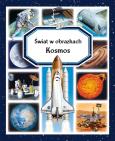
Ta pięknie ilustrowana książeczka pomoże dzieciom zrozumieć, czym jest wszechświat. Dzięki niej młodzi czytelnicy poznają Układ Słoneczny i najważniejsze ciała niebieskie, które się w nim znajdują; dowiedzą się, jak żyją kosmonauci podczas dalekich podróży i poczytają o historii lotów w kosmos. To rozwijająca lektura, idealna dla dzieci zainteresowanych otaczającym je światem.
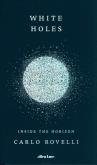
A mesmerizing trip to the strange new world of white holes, from Carlo Rovelli, the bestselling author of Seven Brief Lessons on Physics
Let us journey into the heart of a black hole. Let us slip beyond its boundary, the horizon, and tumble - on and on - down this crack in the universe. As we plunge, we'll see geometry fold, we'll feel the equations draw tight around us. Eventually, we'll pass it: the remains of a star, deep and dense and falling further far. And then - the bottom. Where time and space end, and the white hole is born . . .
With lightness and magic, here Carlo Rovelli traces the ongoing adventure of his own cutting-edge research, of the uncertainty and joy of going where we've not yet been. Guiding us to the edge of theory and experiment, he invites us to go beyond, to experience the fever and the disquiet of science. Here is the extraordinary life of a white hole.
What is time? The Janus Point offers a ground-breaking solution to one of the greatest mysteries in physics.
For over a century, the greatest minds have sought to understand why time seems to flow in one direction, ever forward. In The Janus Point, Julian Barbour offers a radically new answer: it doesn't.
At the heart of this book, Barbour provides a new vision of the Big Bang - the Janus Point - from which time flows in two directions, its currents driven by the expansion of the universe and the growth of order in the galaxies, planets and life itself. What emerges is not just a revolutionary new theory of time, but a hopeful argument about the destiny of our universe.
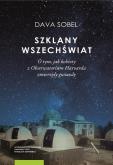
W drugiej połowie XIX wieku Obserwatorium Harvarda zaczęło zatrudniać kobiety na stanowiskach obliczeniowców, tzw. ludzkich komputerów. Ich zadaniem było interpretowanie obserwacji teleskopowych wykonywanych co noc przez męskich pracowników instytucji. Początkowo grupa ta składała się z żon, sióstr i córek astronomów, ale wkrótce jej szeregi zasiliły absolwentki nowych college’ów dla kobiet – Vassar, Wellesley oraz Smith. Kiedy fotografia zmieniła sposób uprawiania astronomii, kobiety przeniosły uwagę z obliczeń na badanie gwiazd utrwalanych każdej nocy na szklanych płytach fotograficznych.
„Szklany wszechświat”, składający się z pół miliona płyt przez dekady gromadzonych przez Uniwersytet Harvarda, umożliwił kobietom dokonanie niesamowitych odkryć, dzięki którym ich nazwiska zajęły honorowe miejsce w dziejach astronomii. Były to: Williamina Fleming, Antonia Maury, Henrietta Swan Leavitt, Annie Jump Cannon oraz Cecilia Payne.
Książka Szklany wszechświat, wzbogacona fragmentami listów, dzienników i pamiętników, to ukryta historia kobiet, których wkład w rozwój astronomii na zawsze zmienił sposób rozumienia gwiazd oraz naszego miejsca we Wszechświecie.
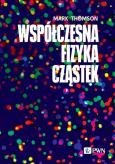
Książka jest wyjątkową pozycją, która zawiera omówienie wszystkich aspektów współczesnej fizyki cząstek elementarnych i łączy teorię z wynikami ostatnich eksperymentów, w tym z odkryciem bozonu Higgsa. Zawiera kompleksowy i samodzielny opis modelu standardowego fizyki cząstek elementarnych, przeznaczony dla studentów kierunków ścisłych studiów licencjackich i magisterskich.Teoria fizyczna została zaprezentowana w prosty sposób, łącznie z matematycznym wyprowadzeniem krok po kroku. W pełni opracowane przykłady umożliwiają studentom powiązanie teorii matematycznej z wynikami współczesnych eksperymentów fizyki cząstek elementarnych. Zadania zamieszczone na końcach rozdziałów posortowane są według stopnia trudności i umożliwiają głębsze zrozumienie tematu.
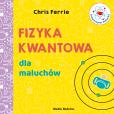
Proste wyjaśnienia trudnych zagadnień dla przyszłego geniusza!"Fizyka kwantowa dla maluchów" to kolorowe i przystępne wyjaśnienie podstawowych praw rządzących fizyką kwantową. Maluchy (i dorośli!) dowiedzą się z niej, że szalony świat atomów nigdy nie zamiera w bezruchu!Chris Ferrie jest nagradzanym fizykiem i ojcem czwórki przyszłych naukowców. Jego zdaniem żadne dziecko nie jest za małe, żeby wprowadzić je w cudowny świat nauki.
Czy oprócz znanych nam z życia codziennego trzech wymiarów istnieją inne? Czy możliwe są podróże w czasie? Czy czarne dziury są wrotami do innych światów? Czy ludzkość przeżyje śmierć Wszechświata? Jeszcze niedawno uczeni odrzucali tego rodzaju pomysły jako dziwaczne spekulacje, dzisiaj znajdują się one wśród najważniejszych tematów podejmowanych przez naukę. Rozpoczynając tam, gdzie kończy się "Krótka historia czasu Stephena Hawkinga", Michio Kaku, profesor fizyki, wykładowca na Uniwersytecie w Nowym Jorku, przystępnie i w porywający sposób popularyzuje wyniki badań nad wielowymiarowymi przestrzeniami, pętlami czasowymi i wszechświatami wielokrotnymi.Michio Kaku - jeden z najwybitniejszych uczonych naszych czasów, współtwórca teorii strun, kieruje katedrą fizyki City University of New York. Jest autorem światowych bestsellerów: "Fizyka rzeczy niemożliwych", "Wizje", "Wszechświaty równoległe", "Kosmos Einsteina", "Przyszłość umysłu" oraz "Przyszłość ludzkości", a także licznych podręczników akademickich i prac naukowych.
Ponad 200 pytań i ciekawostek o Układzie Słonecznym. Moc nauki w nowej formie!Po jednej stronie karty znajdziesz quiz, a po drugiej odpowiedzi.Zaimponuj swoją wiedzą koleżankom i kolegom i świetnie się przy tym baw!
This workbook is the perfect companion to the coursebook. Students are set up for exam success with opportunities to practise their essential science skills, such as data presentation and analysis, consolidate their understanding, and apply their learning to new situations. Exercises are structured into levels of increasing complexity to help students gain confidence. Exam-style questions throughout provide opportunities to test acquired skills. Answers are available via Cambridge Go.
Inspire the scientists and critical thinkers of the future! This accessible print and digital coursebook has been developed in collaboration with IB teachers on the Cambridge Panel, our online research community. Our author team includes syllabus experts, examiners, teachers, and teacher trainers. Students are set up for exam success with activities that develop their essential science skills, thinking skills and life skills. Exam tips support them throughout the resource and numerous exam-style questions thoroughly prepare them for examination. Students are supported every step of the way with clear learning objectives, end-of-chapter checklists and reflection opportunities. ‘Test your understanding’ diagnostic questions help students identify gaps in understanding. Answers and a wealth exam-style questions are available via Cambridge Go.
Odkryj historię ludzkości zapisaną w gwiazdach rozświetlających nocne niebo.Czy wiesz, jakie są fazy Księżyca?Potrafisz odnaleźć na niebie Gwiazdę Polarną?Czy wiesz, skąd wzięły się nazwy gwiezdnych konstelacji?Tekst autorstwa pisarki naukowej NASA Noelii Gonzlez i piękne ilustracje Sary Boccaccini Meadows razem tworzą niezwykłą książkę, która stanowi idealny pierwszy przewodnik po nocnym niebie dla całej rodziny!
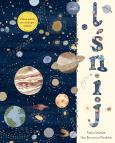
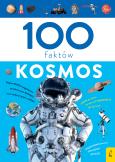
Czy wszechświat się kończy? Jak powstał Układ Słoneczny? Ile jest gwiazd? Co to jest czarna dziura? Odpowiedzi na powyższe pytania znajdziesz w tej książce! Poznasz fakty o planetach, gwiazdach, satelitach. Publikacja zawiera aż sto interesujących ciekawostek opatrzonych wspaniałymi zdjęciami - kosmiczny świat nie będzie miał przed tobą tajemnic!
Seria NOWA Teraz matura to sprawdzona w praktyce seria publikacji maturalnych dostosowana do wymagań egzaminacyjnych CKE, które będą obowiązywać w 2024 roku. Seria zaprojektowana tak, aby zapewnić uczniom angażującą i efektywną naukę, dostosowaną do indywidualnych stylów uczenia się. Tworzy ściśle zintegrowany, wzajemnie się dopełniający system rozwiązań papierowych i cyfrowych.W skład serii wchodzą publikacje takie jak:Vademecum i Zbiory zadań,Arkusze (matematyka i język angielski),Zasoby cyfrowe, do których dostęp dają publikacje papierowe.Seria obejmuje następujące przedmioty maturalne:język polski, matematyka, język angielski, biologia, chemia, geografia, fizyka, historia.Oferta została zaktualizowana o zadania z tegorocznej matury, materiały na ostatnią prostą oraz nowe zasoby cyfrowe.
Seria NOWA Teraz matura to sprawdzona w praktyce seria publikacji maturalnych dostosowana do wymagań egzaminacyjnych CKE, które będą obowiązywać w 2024 roku. Seria zaprojektowana tak, aby zapewnić uczniom angażującą i efektywną naukę, dostosowaną do indywidualnych stylów uczenia się. Tworzy ściśle zintegrowany, wzajemnie się dopełniający system rozwiązań papierowych i cyfrowych.W skład serii wchodzą publikacje takie jak:Vademecum i Zbiory zadań,Arkusze (matematyka i język angielski),Zasoby cyfrowe, do których dostęp dają publikacje papierowe.Seria obejmuje następujące przedmioty maturalne:język polski, matematyka, język angielski, biologia, chemia, geografia, fizyka, historia.Oferta została zaktualizowana o zadania z tegorocznej matury, materiały na ostatnią prostą oraz nowe zasoby cyfrowe.
Ten produkt jest zapowiedzią. Realizacja Twojego zamówienia ulegnie przez to wydłużeniu do czasu premiery tej pozycji. Czy chcesz dodać ten produkt do koszyka?