W tym dziale znajdziecie fascynująca literaturę, która przekona was jak fascynująca i ciekawa jest historia i jak wiele możemy się nauczyć. Może zainteresujecie się wojną na Pacyfiku, o której ciekawie pisze Morison Samuel Eliot, albo może zaciekawią was powieści Adama Borowieckiego, które przedstawiają przygody w galaktykach kosmosu Junga i Ing. Zapraszamy równiez po powieści biograficzne, polityczne.
Czwarty tom bestsellerowego cyklu opowiadającego historię powstawania imperium mongolskiego stworzonego przez Czyngis-chana i jego potomków.Czyngis-chan umarł, ale jego legenda i dziedzictwo są nadal żywe. Syn chana, Ugedej, buduje na stepie białe miasto i czyni je stolicą swojego narodu. Wielkie armie gromadzą się, by wybrać najsilniejszego z synów Czyngisa na nowego chana. W mongolskim imperium od dwudziestu lat panuje pokój, ale ten, kto przetrwa, będzie musiał stanąć do walki z armią potężnego wroga dynastii Song.Znakomity dowódca Subedej zmierza na zachód przez Ruś i Karpaty dociera do Węgier. Ponieważ Zakon Templariuszy został rozwiązany, żadna armia ani król nie powstrzymają go przed dotarciem do Francji. Jednak w momencie największego triumfu Subedeja, gdy jego najdalej wysunięci zwiadowcy docierają do gór w północnych Włoszech, generał musi podjąć decyzję, która na zawsze zmieni bieg historii.
Różni ludzie i ich życiorysy, odmienne spojrzenie na świat i inne marzenia, jednak nadchodzi chwila, gdy ich drogi się krzyżują w jednym z bydlęcych wagonów. Pozbawieni majątku, rozdzieleni z bliskimi, pewnego dnia zostają zmuszeni, by wyruszyć w daleką podróż do miejsca, w którym nic już nie będzie takie samo. Walka o przetrwanie, głód i choroby wystawiają moralność człowieka na ciężką próbę. Postawy i wybory dokonywane w ekstremalnych sytuacjach nie są tak oczywiste, jak mogłoby się z pozoru wydawać. Czy trudy życia i brak perspektyw zmienią tych ludzi na zawsze, czy też zdołają ocalić resztki człowieczeństwa?
Historia o zwykłych ludziach, których życie zmienia się w ciągu kilkunastu minut Początek wojny to dla Kresów Wschodnich czas wywózek w odległe i złowrogie rejony Związku Radzieckiego. Dobrze zapowiadająca się aktorka, żyjąca w szczęśliwym związku z lekarzem społecznikiem, zawadiacki lekkoduch grający na saksofonie, siostry bliźniaczki, których ojciec znika bez śladu, chłopiec opiekujący się niewidomym dziadkiem i młoda mężatka wychowująca córeczkę - tych wszystkich ludzi pewnego dnia połączyło jedno zdarzenie Wywózka w nieznane, do świata, w którym jedynie śmierci jest pod dostatkiem, a życie staje się już tylko walką o przetrwanie. Czy poradzą sobie na tej nieludzkiej ziemi, nie tracąc swojego człowieczeństwa? A może w staraniach, by dotrwać do następnego dnia, wygrają zwierzęce instynkty?
Wojna iracko-irańska była jednym z najdłuższych konfliktów zbrojnych, jakie miały miejsce w XX wieku. Rozpoczęła się jesienią 1980, a zakończyła latem 1988 roku, trwała więc bez mała osiem lat. Pomimo tego jej przebieg jest w zasadzie nieznany czytelnikom w naszym kraju. Oczywiście także w Polsce ukazały się książki na jej temat, przy czym za najbardziej wartościową uznałbym publikację Jerzego Biziewskiego Irak–Iran 1980–1988, dotyczyły one jednak – wyjąwszy cytowaną wyżej pracę – głównie pierwszego okresu konfliktu. Ich autorzy skupiali się na historii obu zwaśnionych krajów, reperkusjach politycznych i gospodarczych wojny, mniej miejsca poświęcając działaniom stricte militarnym. Pisząc niniejsze opracowanie, starałem się nie pominąć żadnego z aspektów tej wojny lecz, podobnie jak w mojej wcześniejszej książce Wojna iracko-irańska 1980–1988, która ukazała się w 2014 roku, szczególną uwagę skupiłem na działaniach na froncie. Nie ukrywam przy tym, że, podobnie jak we wcześniejszej pracy, musiałem przezwyciężać trudności związane nie tylko z brakiem materiałów źródłowych, ale często z brakiem jakichkolwiek materiałów. Zrozumiałem wówczas, dlaczego inni autorzy książek o tej wojnie ograniczyli się głównie do przedstawienia jej aspektów politycznych i gospodarczych. Nawet autorzy z Zachodu, często opisujący poszczególne operacje wojskowe, unikali szczegółów, zadowalając się ogólnikami...
(opis wydawcy)
„…Najpierw ucieczka ze stalingradzkiego batalionu pracy, żeby dotrzeć do armii Andersa, gdzieś w Uzbekistanie — tak, najpierw to: głód, nędza, upokorzenia. I znowu batalion pracy, ale tym ra¬zem dobrowolnie. Żeby przetrwać. To ten batalion w Angrenie pod Taszkientem.
Znowu ucieczka (formalnie dezercja, za którą groziła czapa), dotarcie do armii Andersa, dramatyczna komisja — już wiadomo, że ostatnia — kolejne upokorzenie — ale wreszcie jakiś dokument, świadectwo istnienia, i do tego nieoczekiwany dar niebios: mundur, płaszcz, buty, wspaniałe angielskie buty — całkowita odmiana. A potem już Samarkanda, szkoła pedagogiczna, fabryka. I Ona...”
Tak, trzeba przeczytać, bo jakże inaczej rozumieć te późniejsze strachy, emocje i tę ciszę…
A dzisiaj, zwłaszcza teraz, gdy szukamy odpowiedzi, dlaczego Rosja jest taka, jak jest, warto się przyjrzeć radzieckiej duszy, jej dzikości, imperialnej determinacji i romantyczności.
Jak daleko możemy zapędzić się w naszych marzeniach? W którym momencie powinniśmy się zatrzymać, żeby nasze ambicje i pragnienia nie rozsadziły nas od środka? Czy w czasach, w których ludzie o ciemniejszym kolorze skóry uważani byli za niewiele lepszych od małp, mulat o imieniu Enrico może marzyć o ukończeniu szkoły z wyróżnieniem? O zagranicznych studiach? O poważaniu wśród hiszpańskiej arystokracji? A może granicą marzeń jest zdobycie serca pięknej i delikatnej Lizy de Floridablanka?
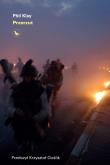
Phil Klay przenosi czytelników na fronty wojen w Iraku i Afganistanie. W sam środek nieopisanego chaosu, któremu żołnierze piechoty próbują nadać sens, opowiadając o tym, w czym uczestniczyli. O bezradności, zwierzęcym strachu i brutalności. O woli przetrwania, głupocie i śmierci. O walce i o tym, co po niej. O żołnierzu, który strzelał do psów, by nie jadły zwłok, a potem od nowa uczył się żyć na amerykańskim przedmieściu. O innym, który desperacko szukał usprawiedliwienia dla popełnionej przez przyjaciela zbrodni. O kapelanie, którego pobożne nauki skonfrontowane zostały z postawą okrutnego oficera. O pechowcu, którego zadanie polegało na zbieraniu szczątków amerykańskich żołnierzy, i o chłopaku, któremu nakazano nauczyć Irakijczyków gry w baseball. Przerzut jest rozdzierający serce, zabawny i smutny zarazem. To najlepsza rzecz, jaką do tej pory napisano o tym, co ta wojna uczyniła z ludzkimi duszami.Dexter Filkins, The New York Times Book ReviewWolna od nonsensów relacja z pola walki.Kirkus ReviewsNajlepsza proza o współczesnych wojnach Ameryki. Książka Klaya demaskuje wszystkie złudzenia powstające, gdy spotykają się żołnierze i ci, w imieniu których rzekomo walczyli.George Packer, The New Yorker
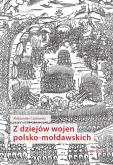
W chwili najgorętszego wiru bojowego z tej strony nie próżnował Tarnowski, lecz cały huf walny i część posiłkowych chorągwi do nowego wypuścił natarcia bramą wschodnią. Z nie mniejszą gwałtownością przyszło i tu do spotkania. Zawrzała zatem walka po obu stronach obozu z chwiejnym na razie szczęściem. Równocześnie Staszkowski nie tracąc czasu wysunął kilka wozów w południowym rzędzie, umieścił w otworze działa i celnymi strzałami nie przestawał razić środka wołoskich hufców. Wsparło go kilkaset piechoty, która wypadłszy tędy, z rusznic gęsty na nie wypuściła ogień.
W ten sposób zawiązał się bój na wszystkich trzech bokach obozu coraz oporczywszy, coraz krwawszy. Hetman śledząc bacznie walczących, słał im jedną rotę za drugą na pomoc. Przez półtora godziny szala zwycięstwa na żadną nie przechylała się stronę, męstwo równoważyło przemoc. Tumany kurzu zakryły walczących, zbitych w olbrzymią, kotłującą się masę i tylko krzyk, trzask kopii, jęki rannych, szczęk mieczów i szabel, przerywane wystrzałami, świadczyły o gorących zapasach. Były chwile, w których zdawało się, że już, już ulegną słabsze polskie hufce, lecz znowu brały górę. (...)
Cała jazda polska poszła w pogoń, jadąc prawie na karkach nieprzyjacielskich. Cięto i kłuto uciekających bez miłosierdzia, jakby w mur żywy, mówi relacja. Pod razami kopii, szabel, berdyszów, cały ów grzbiet obertyńskich wzgórzy, zasłał się trupem obok trupa, wśród mnóstwa porzuconej broni...
(fragment od wydawcy)
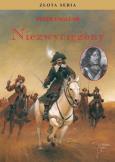
„Przeszłość jest jak przedmiot zanurzony w wodzie: jest tam, ale w pewnym oddaleniu, nieuchwytna. Jej kontury są niewyraźne i płynne. Czy kiedykolwiek uda nam się zrozumieć ludzi, którzy żyli w tamtej epoce? Być może nie. Należy jednak podjąć taką próbę. Bo jakże moglibyśmy mieć inaczej nadzieję, że sami zostaniemy zrozumiani przez tych, którzy przyjdą po nas?"
Peter Englund
PETER ENGLUND - Absolwent filozofii, archeologii i historii, najpoczytniejszy współczesny pisarz szwedzki. W uznaniu jego zasług dla popularyzacji historii, został członkiem Akademii Szwedzkiej, przyznającej Nagrodę Nobla. Specjalizuje się w latach świetności Szwecji – XVII wieku. Na polskim rynku ukazały się do tej pory dwa jego dzieła: „Lata wojen” i „Połtawa”.
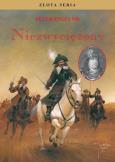
„Niezwyciężony” to pierwsza tak pełna biografia króla Karola X Gustawa. Ale to nie tylko biografia jednego króla, to także próba ukazania obrazu całej epoki we wszelkich przejawach jej życia.
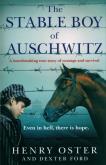
“Hunger gnawed at my insides. I couldn’t last much longer. But just as I was beginning to give up, I found myself in the Auschwitz stables, with rows of stalls filled with horses. Barbarossa was a towering, beautiful stallion. He only responded to commands in German, and as the only German-speaking boy, I was chosen as his caretaker. I felt an ember of hope. If I could make myself useful, helping these horses, maybe I could stay alive.”
Henry Oster was just five years old when Adolf Hitler took power in 1933. One of the 2,011 Jews who were rounded up by the Gestapo and deported from Cologne, he was one of only 23 to emerge alive from the concentration camps after the war.
A heart-wrenching and inspirational true account of a courageous little boy who, against all odds, after losing almost everything a human being can lose, survived to tell his story.
Torn from their home, Henry and his parents were deported to the Lódz Ghettoin Poland, a concentration camp within a city. Then, one terrifying day, after losing his father to starvation, Henry found himself and his mom herded onto a stifling, filth-ridden cattle car, on a ride to a place whose name has come to symbolize the worst of humanity: Auschwitz.
Nazis ripped Henry apart from his mother in the shuffling river of children, women, and men stepping off the train. For the first time in his life, Henry was completely alone.
Assigned to work in the Auschwitz stables, breeding horses, Henry had to tend his mares, Mutti, Olga, and the stallion Barbarossa from dawn into the night. It was back-breaking labour, but Henry clung to the belief that if he made himself hard to replace, he might just stay alive. With crippling hunger pains, Henry fed the horses each day, knowing that if he were caught pocketing a carrot or cramming some grain into his mouth, he would face the hangman.
Through it all-from finding ways to escape being selected for death in the Auschwitz/Birkenau gas chambers, to surviving a machine-gun firing squad, to enduring a brutal death march through the bleak Polish winter-Henry somehow found the strength and the will to keep on going.
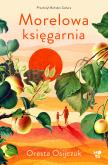
Powieść o dorastaniu w czasach wojen światowych i o dziecięcej wyobraźni, bez której świat pozbawiony jest kolorów i smaków.Maria Faryniak nienawidzi rodziny swego zmarłego męża. Jednak w obliczu szansy na lepsze życie decyduje się na największy koszmar każdej matki - rozłąkę z dzieckiem.Zostaje pokojówką w majątku Kazimierza Czartoryskiego. Praca wymaga od niej przeprowadzki i zostawienie Mychajły rodzinie męża - surowej ciotce Kasi i wujowi Stefanowi, właścicielowi księgarni. Faryniakowie chcą odpokutować swoje winy, dać dziecku dom, zapewnić edukację, wychować go jak własnego syna.Mychajło Faryniak od tej pory dorasta pod skrzydłami obrotnej ciotki i marzycielskiego wujka. Zaprzyjaźnia się z Romkiem i Feciem, a także doświadcza pierwszej miłości. Zostaje nawet właścicielem wilka. Kiedy wybucha I wojna światowa dzieciństwo Mychajły się kończy. II wojna światowa połączy losy dwóch zupełnie nieznanych rodzin na zawsze.Ta powieść historyczna rozgrywa się w Ukrainie, Polsce i Francji, oraz obejmuje ponad sto lat historii. Przetłumaczona brawurowo przez poetę, Bohdana Zadurę, zabiera czytelnika w podróż po krainach rzeczywistych i wyobrażonych, przez okrucieństwa wojen, dziecięcą tęsknotę i świat, którego już nie ma.
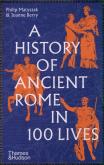
Discover the lives of the ancient Romans, pieced together from inscriptions, discarded letters, biographies and myth over two thousand years of history. The Roman empire witnessed a huge diversity of human experience over its history. At its pinnacle, it exerted its rule across Europe, Africa and the Middle East, from Britannia to the Black Sea. In this collection of 100 lives, Philip Matyszak and Joanne Berry give voice not only to famed rulers and generals whose names and deeds have been enshrined in classical texts but also to the ordinary citizens – centurions, scholars, Christian martyrs and civil servants – who made up the fabric of Roman society. The biographies of these individuals, whose stories range from the happy and uneventful to the tragic and dramatic, are pieced together from ancient art, artefacts and myths. Matyszak and Berry illuminate the sometimes surprising exploits of Rome’s women, such as Amazonia, a sword-swinging gladiator, and Metila, a priestess of the cult of Cymbele. Romans of every class and creed are represented, from Faustulus, a shepherd said to have adopted the infant Romulus and Remus, to the poet Virgil, whose words still echo down the ages. Each of these lives forms part of a larger picture, together making up a rich mosaic that gives us a glimpse of what it meant to be a Roman.
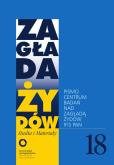
Bieżący numer rocznika „Zagłada Żydów. Studia i Materiały” poświęcony jest szeroko pojętej problematyce ucieczek przed Zagładą. Haniebny atak rządzonej przez Władimira Putina Rosji na Ukrainę i jej mieszkańców uczynił tę kwestę dramatycznie aktualną. Od początku wojny rozpoczętej 24 lutego 2022 r. granice Polski przekraczały setki tysięcy uchodźców z terenów okupowanych i zagrożonych przez bezprecedensowy w XXI w. w Europie terror ze strony agresorów. Byli to prawie wyłącznie cywile, z przewagą kobiet i dzieci. Ogólna ich liczba przekroczyła 8 mln, z czego ponad 6 mln opuściło Polskę. W przeciwieństwie do mieszkańców państw Bliskiego Wschodu i Afryki próbujących, o czym pisaliśmy w zeszłym roku, przedostać się do Europy z Białorusi, którym państwo polskie odmawiało i odmawia nadal wstępu na swoje terytorium, utrudniając nawet niesienie pomocy humanitarnej (symbolem jest niesławne ogrodzenie wybudowane wzdłuż granicy), uchodźcy z Ukrainy byli traktowani inaczej. Ogromna skala pomocy, zwłaszcza w pierwszych najbardziej krytycznych tygodniach, była jednak, co należy podkreślić, zasługą przede wszystkim organizacji pozarządowych, lokalnych samorządów, oddolnych inicjatyw oraz ludzi dobrej woli.
Wybranie ucieczek jako najważniejszej tematyki tomu zostało podyktowane nie bieżącym kontekstem (agresji rosyjskiej nie mogliśmy przewidzieć, projektując ten numer), lecz wagą tego zagadnienia, prowokującego do stawiania rozmaitych pytań badawczych. Dotyczą one na przykład sposobów i możliwości szacowania ogólnej liczby uciekinierów z gett i szans ich przetrwania. Kwestii tej dotyczył w dużej mierze przygotowany przez Centrum Badań nad Zagładą Żydów projekt "Dalej jest noc", będący próbą analizy tego zjawiska w odniesieniu do wybranych przedwojennych powiatów/okupacyjnych niemieckich starostw. Zastosowane metody badawcze i osiągnięte wyniki nie stały się niestety, z różnych powodów, przedmiotem spokojnej, rzeczowej i pogłębionej refleksji zarówno w niewielkim środowisku badaczy Zagłady, jak i naszych krytyków. Mając nadzieję na objęcie badaniami kolejnych obszarów Generalnego Gubernatorstwa i przedwojennych województw wschodnich, podkreślamy, że dotychczasowy ich zakres nie daje wystarczających podstaw do formułowania w odpowiedzialny sposób ogólnych tez w tej materii.
W numerze działy:
Studia
Z warsztatów badawczych
Materiały
Punkty Widzenia
Małe Formy
Sylwetki świadków Zaglady
Upamiętnienia Zagłady
Omówienia, recenzje, przeglądy
A w nich między innymi:
Barbara Engelking o ukrywaniu się w Warszawie
Franziska Bruder o ucieczkach z transportów śmierci na Białostocczyźnie
Anna Bikont o mordzie Żydów przez akowców na bagnach koło wsi Podosie
Michał Trębacz o spotkaniu Jana Karskiego ze Szmulem Zygelbojmem
Dariusz Libionka o eskapadzie i losach Edwarda Rajnfelda
Katarzyna Kwiatkowska-Moskalewicz o problemach z tożsamością członków Gwardii Ludowej
Maria Ferenc o Mordechaju Anielewiczu
Jakub Muchowski o Rafale Lemkinie
Justyna Kowalska-Leder o „Zawołanych po imieniu”
Przeszłość jest jak przedmiot zanurzony w wodzie: jest tam, ale w pewnym oddaleniu, nieuchwytna. Jej kontury są niewyraźne i płynne. Czy kiedykolwiek uda nam się zrozumieć ludzi, którzy żyli w tamtej epoce? Być może nie. Należy jednak podjąć taką próbę. Bo jakże moglibyśmy mieć inaczej nadzieję, że sami zostaniemy zrozumiani przez tych, którzy przyjdą po nas?"Peter Englund PETER ENGLUND - Absolwent filozofii, archeologii i historii, najpoczytniejszy współczesny pisarz szwedzki. W uznaniu jego zasług dla popularyzacji historii, został członkiem Akademii Szwedzkiej, przyznającej Nagrodę Nobla. Specjalizuje się w latach świetności Szwecji XVII wieku. Na polskim rynku ukazały się do tej pory dwa jego dzieła: Lata wojen i Połtawa.Niezwyciężony to pierwsza tak pełna biografia króla Karola X Gustawa. Ale to nie tylko biografia jednego króla, to także próba ukazania obrazu całej epoki we wszelkich przejawach jej życia.
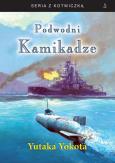
Podwodni kamikadze to fascynująca opowieść o ludziach, którzy zgłosili się na ochotnika do samobójczych jednostek, jako sternicy żywych torped.
Żywe torpedy to jedna z najbardziej strzeżonych tajemnic Japończyków, broń mająca odwrócić losy wojny.
Autor, który sam zgłosił się do samobójczej jednostki, wprowadza nas do tajnego ośrodka, opisuje codzienne życie podwodnych kamikadze, przebieg ich szkolenia i w końcu ataki z użyciem żywych torped. W swojej opowieści sięga często do relacji swoich kolegów, uczestników lub świadków wydarzeń, dzięki czemu opowieść jest niezwykle barwna, pełna emocji i dramatycznych chwil. To także opowieść o tym jak czasami łatwo jest umierać i jak
trudno powrócić do świata żywych…
Yutaka Yokota - Japoński podoficer, który będąc w ośrodku szkolenia pilotów myśliwców zgłosił się do samobójczej jednostki żywych torped. Wziął udział w kilku operacjach, które przeżył z powodu awarii swojej torpedy albo zbyt odległego celu dla jej zasięgu.
Tyłówka Sztuki Wojennej Kozaków Zaporoskich
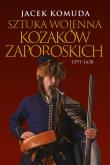
Dzieło życia Jacka Komudy, znanego popularyzatora historii i autora kilkudziesięciu bestsellerów książkowych. Tym razem pisarz wziął na warsztat wojska
I Rzeczypospolitej. Na temat powstań kozackich napisano bardzo wiele prac naukowych, rozwikłano wiele problemów politycznych, gospodarczych i społecznych, nie mamy jednak pełnego obrazu jak wyglądała wojskowość kozacka. Sztuka wojenna Kozaków Zaporoskich w latach 1591 – 1638, jest - o dziwo – pierwszą rozprawą omawiającą kozacką ars militaris.
Piechota zaporoska, jej uzbrojenie i sposób walki
Tabory wojsk kozackich
Sztuka walki jazdy kozaków zaporoskich
Fortyfikacje polowe - wykorzystanie terenu w procesie bezpośredniego prowadzenia operacji militarnych.
Jacek Komuda udowodnia, że wiedza historyczna może być podana w sposób inspirujący młode pokolenie. Autor zgromadził informacje niedostępne dotychczas polskim czytelnikom, skrywane do niedawna w ukraińskich i rosyjskich archiwach a wszystko podlał zawiesistym sosem sarmackiej gawędy. Dzięki temu – po stuleciach – możemy wreszcie zrozumieć przyczyny zwycięstw Rzeczpospolitej nad zbuntowaną kozaczyzną jak i upokarzających klęsk, które wojska zaporoskie zadały wojskom koronnym. To arcyważna pozycja pomagająca zrozumieć fenomen sztuki wojennej
I Rzeczypospolitej.
Ten produkt jest zapowiedzią. Realizacja Twojego zamówienia ulegnie przez to wydłużeniu do czasu premiery tej pozycji. Czy chcesz dodać ten produkt do koszyka?