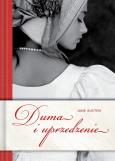
Napisana w 1813 roku w konwencji romansu Duma i uprzedzenie to jedna z najpopularniejszych powieści Jane Austen. Fabuła skupia się na historii córek państwa Bennetów, uwikłanych w sieci ówcześnie obowiązujących konwenansów. Przeszkodą na drodze do szczęścia młodych kobiet są brak majątku oraz status społeczny, a intrygi, niedomówienia i tajemnice piętrzą kolejne trudności na drodze do happy endu. Powieść ukazuje się w nowym przekładzie, którego autorem jest Tomasz Bieroń.
Klasyka brytyjskiej powieści z początku XIX wieku, w której obok losów bohaterek ukazują nam się niezwykle trafne obserwacje ówczesnej obyczajowości i fascynujące portrety psychologiczne, a to wszystko we wspaniałej scenerii parków i dworów spokojnej angielskiej wsi. Po śmierci męża, który niestety nie zabezpieczył dostatecznie swojej rodziny, pani Dashwood i jej trzy córki muszą szukać nowego domu. Mimo że znacznie mniejszy i skromniejszy, szybko staje się on jednak miejscem, gdzie życie toczy się ciepło, a wokół zbiera się liczne grono przyjaciół. Dwie najstarsze córki pani Dashwood, emocjonalna i romantyczna Marianna oraz rozważna i poważna Eleonora, wśród licznego towarzystwa, w którym się obracają, spotykają kawalerów, na których zaczyna im więcej niż zwykle zależeć. Niestety w świecie, w którym przyszło im żyć - gdzie pozycja społeczna i pieniądze są głównymi graczami - przyjdzie im się boleśnie rozczarować i za swą naiwność i ufność wylać wiele łez Do przeczytania koniecznie!
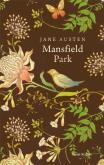
Ekskluzywna edycja limitowana oprawiona w delikatną gładką tkaninę o właściwościach jedwabiu.Klasyczna powieść miłosna utrzymana w atmosferze prowincjonalnej XIX-wiecznej Anglii.Fascynujący obraz stosunków społecznych w świecie ulegającym wpływom nowoczesności i jednocześnie hołdującym dawnym obyczajom, które są dla autorki fundamentem ładu i szczęścia.Dziesięcioletnia Fanny Price, dziewczynka dobra i skromna, przybywa na wychowanie do zamożnych krewnych, którzy mieszkają w pięknym dworze Mansfield Park. Spotyka się z życzliwością wujostwa, choć nie wszyscy pozwalają jej zapomnieć, że jest tylko ubogą krewną. Pewnego lata spokój rodziny przerywa pojawienie się w sąsiedztwie zmanierowanego rodzeństwa z Londynu. W ustabilizowane życie dworu wdziera się wielki świat. W obliczu tragedii, do której doprowadza zderzenie odmiennych wartości, dobrym duchem rodziny okazuje się pełna poświęcenia Fanny.
Klasyczna powieść miłosna utrzymana w atmosferze prowincjonalnej XIX-wiecznej Anglii.Fascynujący obraz stosunków społecznych w świecie ulegającym wpływom nowoczesności i jednocześnie hołdującym dawnym obyczajom, które są dla autorki fundamentem ładu i szczęścia.Dziesięcioletnia Fanny Price, dziewczynka dobra i skromna, przybywa na wychowanie do zamożnych krewnych, którzy mieszkają w pięknym dworze Mansfield Park. Spotyka się z życzliwością wujostwa, choć nie wszyscy pozwalają jej zapomnieć, że jest tylko ubogą krewną. Pewnego lata spokój rodziny przerywa pojawienie się w sąsiedztwie zmanierowanego rodzeństwa z Londynu. W ustabilizowane życie dworu wdziera się wielki świat. W obliczu tragedii, do której doprowadza zderzenie odmiennych wartości, dobrym duchem rodziny okazuje się pełna poświęcenia Fanny.
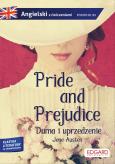
CZYTASZ ADAPTACJĘ WCIĄGAJĄCEJ POWIEŚCI JANE AUSTEN I UCZYSZ SIĘ ANGIELSKIEGO Elizabeth Bennet to młoda dziewczyna, która z zaciekawieniem obserwuje świat i ludzi wokół siebie. Na podstawie rozmowy potrafi szybko zdecydować, czy ktoś wart jest jej dobrej opinii i zainteresowania. Cóż, kiedy pozory czasem mylą? Angielski. Pride and Prejudice to niekonwencjonalna propozycja dla uczących się języka angielskiego, która łączy lekturę wciągającej historii z solidnym treningiem językowym. Podczas czytania powieści w naturalny sposób przyswoisz konstrukcje leksykalno-gramatyczne i wzbogacisz słownictwo. Na końcu książki znajdziesz klucz odpowiedzi i praktyczny słowniczek angielsko-polski.
Czytaj adaptację i: - wciągnij się w pełną ironii i humoru opowieść o poszukiwaniu miłości, - sprawdzaj znaczenie słówek, nie odrywając się od książki dzięki tłumaczeniom na marginesach, - poznaj angielskie słownictwo na poziomie średnio zaawansowanym B1-B2, - ćwicz umiejętność czytania ze zrozumieniem, - rozwiązuj blisko 100 urozmaiconych ćwiczeń leksykalnych i gramatycznych Adaptacja klasyki gatunku ze słowniczkiem i ćwiczeniami!
Inne tytuły w serii: Wuthering Heights/Wichrowe wzgórza The Adventures of Tom Sawyer/Przygody Tomka Sawyera Anne of Green Gables/Ania z Zielonego Wzgórza Hotel Savoy. Joseph Roth The War of the Worlds/ Wojna światów The Dubliners/ Dublińczycy - James Joyce Michaił Bułhakow: Diaboliada. Fatalne jaja Sherlock Holmes: The Hound of the Baskervilles Twelve Years a Slave
Po śmierci męża pani Dashwood wraz z dziećmi opuściła ukochany dom i zamieszkała w posiadłości Barton. Dwie z jej córek - panny na wydaniu - choć różne pod względem charakterów, tak samo szukają szczęścia i miłości. Uczuciowa, impulsywna Marianna marzy o mężczyźnie szarmanckim, wrażliwym, lubiącym te same lektury co ona. Łagodna i rozważna Eleonora odda serce jedynie człowiekowi spokojnemu i odpowiedzialnemu. Niestety świat, którym - zamiast prawdziwych uczuć - rządzi pozycja społeczna i pieniądz, może boleśnie rozczarować te pełne uroku, ufne kobiety Jane Austen (1775-1817) - autorka utworów poświęconych życiu codziennemu angielskiej ziemiańskiej prowincji XIX wieku. Jej najbardziej znane powieści to: Rozważna i romantyczna, Duma i uprzedzenie, Emma oraz Mansfield Park. Celne obserwacje ówczesnego społeczeństwa i wnikliwe portrety psychologiczne kobiet sprawiają, że utwory Austen, chętnie ekranizowane, do dziś cieszą się popularnością.
Ekskluzywna edycja limitowana oprawiona w delikatną gładką tkaninę o właściwościach jedwabiu.Po śmierci męża pani Dashwood wraz z dziećmi opuściła ukochany dom i zamieszkała w posiadłości Barton. Dwie z jej córek - panny na wydaniu - choć różne pod względem charakterów, tak samo szukają szczęścia i miłości. Uczuciowa, impulsywna Marianna marzy o mężczyźnie szarmanckim, wrażliwym, lubiącym te same lektury co ona. Łagodna i rozważna Eleonora odda serce jedynie człowiekowi spokojnemu i odpowiedzialnemu. Niestety świat, którym - zamiast prawdziwych uczuć - rządzi pozycja społeczna i pieniądz, może boleśnie rozczarować te pełne uroku, ufne kobietyJane Austen (1775-1817) - autorka utworów poświęconych życiu codziennemu angielskiej ziemiańskiej prowincji XIX wieku. Jej najbardziej znane powieści to: Rozważna i romantyczna, Duma i uprzedzenie, Emma oraz Mansfield Park. Celne obserwacje ówczesnego społeczeństwa i wnikliwe portrety psychologiczne kobiet sprawiają, że utwory Austen, chętnie ekranizowane, do dziś cieszą się popularnością.W serii Angielski Ogród dotychczas ukazały się: Duma i uprzedzenie, Opactwo Northanger, Rozważna i romantyczna Jane Austen oraz Panie z Cranford, Północ i Południe, Żony i córki Elizabeth Gaskell. Kolejne tytuły już wkrótce.
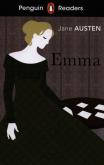
Emma Woodhouse is beautiful, clever and rich, and she has everything she wants. She does not want a husband for herself, but she loves match-making for her friends. But is Emma really as clever as she thinks? And what will she do when things start to go wrong?
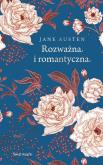
Po śmierci męża pani Dashwood wraz z dziećmi opuściła ukochany dom i zamieszkała w posiadłości Barton. Dwie z jej córek - panny na wydaniu - choć różne pod względem charakterów, tak samo szukają szczęścia i miłości. Uczuciowa, impulsywna Marianna marzy o mężczyźnie szarmanckim, wrażliwym, lubiącym te same lektury co ona. Łagodna i rozważna Eleonora odda serce jedynie człowiekowi spokojnemu i odpowiedzialnemu. Niestety świat, którym - zamiast prawdziwych uczuć - rządzi pozycja społeczna i pieniądz, może boleśnie rozczarować te pełne uroku, ufne kobietyJane Austen (1775-1817) - autorka utworów poświęconych życiu codziennemu angielskiej ziemiańskiej prowincji XIX wieku. Jej najbardziej znane powieści to: Rozważna i romantyczna, Duma i uprzedzenie, Emma oraz Mansfield Park. Celne obserwacje ówczesnego społeczeństwa i wnikliwe portrety psychologiczne kobiet sprawiają, że utwory Austen, chętnie ekranizowane, do dziś cieszą się popularnością.
Błyskotliwa komedia omyłek, której przedmiotem jest gra pozorów i iluzje, jakich dostarcza nam w nadmiarze nasz egoizm i zadufanie. W samym zaś środku intrygi stoi niezwykła bohaterka, pełna życia i wigoru, urocza, nieznośna i apodyktyczna Emma. Emma Woodhouse mieszka z ojcem na angielskiej prowincji. Chociaż sama nie zamierza wyjść za mąż, próbuje swoich sił jako swatka. W sprawach serca jednak nie wszystko da się przewidzieć. Może z konwencjonalnych gestów, grzeczności przewidzianych etykietą, ukradkowych spojrzeń zostaną odczytane prawdziwe intencje? Jak to w komedii omyłek bywa...
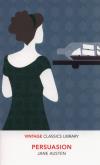
Eight years ago Anne Elliot bowed to pressure from her family and made the decision not to marry the man she loved, Captain Wentworth. Now circumstances have conspired to bring him back into her social circle and Anne finds her old feelings for him reignited. However, when they meet again Wentworth behaves as if they are strangers and seems more interested in her friend Louisa. In this, her final novel, Jane Austen tells the story of a love that endures the tests of time and society with humour, insight and tenderness.
Jedna z najsłynniejszych powieści Jane Austen, Rozważna i romantyczna, ukazuje pełną wdzięku, ale i bezlitosnych norm społecznych, dziewiętnastowieczną angielską prowincję. Przedstawione w tytule kontrastowe cechy stanowią krótką charakterystykę dwóch sióstr. Tak różne pod względem usposobienia, obie szukają szczęścia i miłości, choć wiedzą, że ich sytuacja materialna daje niewielką szansę na wymarzone małżeństwo. Jednak właściwie co znaczy wymarzone? I czy między rozsądkiem a romantycznością rzeczywiście jest daleka droga? Co ciekawe, Jane Austen nigdy nie była mężatką choć była zaręczona. Pisarka zerwała zaręczyny zaledwie po jednym dniu narzeczeństwa.
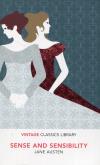
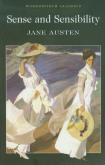
Elinor is as prudent as her sister Marianne is impetuous. Each must learn from the other after they are they are forced by their father's death to leave their home and enter into the contests of polite society. The charms of unsuitable men and the schemes of rival ladies mean that their paths to success are thwart with disappointment but together they attempt to find a way to happiness.
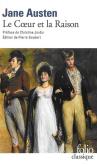
Sense and Sensibility est le premier roman que publia Jane Austen (1811). Le livre procede, si l'on considere le titre, d'une opposition entre deux traits fondamentaux : le bon sens et la sensibilité, qui seraient incarnés par deux sours, Elinor et Marianne. Mais l'une et l'autre sont bien pourvues de ces deux qualités, si Elinor possede plus de jugement, et si Marianne, en adepte du romantisme, a tendance a cultiver les élans de sa sensibilité. Notamment lorsqu'elle tombe aveuglément amoureuse du héros de ses reves, Willoughby, un homme superficiel, tourné vers l'argent, qui va la décevoir profondément. La sage, la raisonnable Elinor, qui l'avait mise en garde, avait-elle donc raison? Et le secret du bonheur serait-il dans l'usage du jugement?
C'est l'etre isolé affrontant la société, qu'analyse Jane Austen. La raison consiste a s'ajuster au monde, et non a le braver, a observer des regles qu'on ne peut changer, plutôt qu'a cultiver des reves et des états d'âme condamnés a rester sans réponse.
Young women who have no economic or political power must attend to the serious business of contriving material security'. Jane Austen's sardonic humour lays bare the stratagems, the hypocrisy and the poignancy inherent in the struggle of two very different sisters to achieve respectability.
Sense and Sensibility is a delightful comedy of manners in which the sisters Elinor and Marianne represent these two qualities. Elinor's character is one of Augustan detachment, while Marianne, a fervent disciple of the Romantic Age, learns to curb her passionate nature in the interests of survival.
This book, the first of Austen’s novels to be published, remains as fresh a cautionary tale today as it ever was.
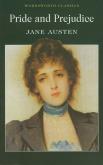
"Pride and Prejudice", which opens with one of the most famous sentences in English Literature, is an ironic novel of manners. In it, the garrulous and empty-headed Mrs Bennet has only one aim - that of finding a good match for each of her five daughters. In this, she is mocked by her cynical and indolent husband. With its wit, its social precision and, above all, its irresistible heroine, "Pride and Prejudice" has proved one of the most enduringly popular novels in the English language.
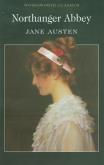
Northanger Abbey tells the story of a young girl, Catherine Morland who leaves her sheltered, rural home to enter the busy, sophisticated world of Bath in the late 1790s. Austen observes with insight and humour the interaction between Catherine and the various characters whom she meets there, and tracks her growing understanding of the world about her.
In this, her first full-length novel, Austen also fixes her sharp, ironic gaze on other kinds of contemporary novel, especially the Gothic school made famous by Ann Radcliffe. Catherine's reading becomes intertwined with her social and romantic adventures, adding to the uncertainties and embarrassments she must undergo before finding happiness.
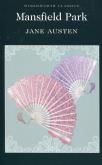
Adultery is not a typical Jane Austen theme, but when it disturbs the relatively peaceful household at Mansfield Park, it has quite unexpected results.
The diffident and much put-upon heroine Fanny Price has to struggle to cope with the results, re-examining her own feelings while enduring the cheerful amorality, old-fashioned indifference and priggish disapproval of those around her.
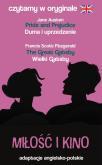
Jane Austen Pride and Prejudice. Duma i uprzedzenie Francis Scott Fitzgerald The Great Gatsby. Wielki Gatsby Miłosne perypetie na tle sztywnej hierarchii społecznej, gdzie status majątkowy i reputacja decydują o szansach na szczęście. Dwie ponadczasowe książki, które doczekały się wspaniałych ekranizacji. Seria wydawnicza „czytamy w oryginale” zawiera adaptacje największych dzieł literatury światowej w wersji dwujęzycznej, przeznaczonej dla uczących się języka angielskiego. Śledząc losy bohaterów, możemy na bieżąco porównywać tekst angielski i polski. Adaptacje zostały przygotowane z myślą o czytelnikach na poziomie średnio zaawansowanym, jednak dzięki obecności polskiego tłumaczenia z książki korzystać mogą również początkujący w nauce języka angielskiego.
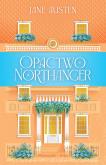
„Opactwo Northanger” to pełna uroku i ironii opowieść o Catherine Morland – naiwnej, ale bystrej dziewczynie, która po raz pierwszy opuszcza dom, by zakosztować życia towarzyskiego w Bath. Catherine, zaczytana w gotyckich powieściach, zaczyna mylić literackie fantazje z rzeczywistością, co prowadzi do zabawnych nieporozumień i rozczarowań. Jane Austen z humorem i inteligencją ukazuje jej dojrzewanie, pierwsze zauroczenia i zderzenie wyobrażeń z prawdziwym światem. To lekka satyra na literackie mody i wnikliwa opowieść o dorastaniu – dowcipna i ponadczasowa. Jane Austen (1775–1817) – angielska pisarka znana z realistycznych i ironicznych powieści obyczajowych przedstawiających życie wyższych warstw społeczeństwa angielskiego na przełomie XVIII i XIX wieku. Urodziła się w Steventon jako jedno z ośmiorga dzieci duchownego. Pisała od młodości, a większość swoich najważniejszych dzieł stworzyła w Chawton. Jej utwory, choć za życia publikowane anonimowo i początkowo niedoceniane, z czasem zyskały ogromne uznanie i są dziś uważane za klasykę literatury światowej. Austen mistrzowsko łączyła satyrę, analizę psychologiczną i krytykę społeczną, skupiając się na roli kobiet, małżeństwie i statusie społecznym. Za życia wydała powieści: „Rozważna i romantyczna” (1811), „Duma i uprzedzenie” (1813), „Mansfield Park” (1814), „Emma” (1816). Po jej śmierci opublikowano: „Opactwo Northanger” (1818), „Perswazje” (1818), „Lady Susan” (1871) oraz utwory niedokończone: „Sanditon”, „Watsonowie”.
Ten produkt jest zapowiedzią. Realizacja Twojego zamówienia ulegnie przez to wydłużeniu do czasu premiery tej pozycji. Czy chcesz dodać ten produkt do koszyka?