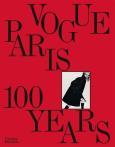
Vogue Paris has always been so much more than a fashion magazine. It has assumed a central and vital role on the international cultural stage, with a history that spans the most inventive decades in fashion and taste, and in the arts and society. It has acted as a cultural bellwether, putting fashion in the context of the larger world in which we live and mirroring its times – the postwar renaissance of Paris and haute couture, the New Wave, the radical seventies, the glamorous eighties. As it enters its second century, it remains at the cutting edge of photography and design.
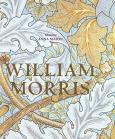
William Morris’s interests were wide-ranging: he was a poet, writer, political and social activist, conservationist and businessman, as well as a brilliant and original designer and manufacturer. This book explores the balance between Morris’s various spheres of activity and influence, places his art in the context of its time and explores his ongoing and far-reaching legacy.
A pioneer of the Arts & Crafts Movement, William Morris (1834–1896) is one of the most influential designers of all time. Morris turned the tide of Victorian England against an increasingly industrialized manufacturing process towards a rediscovered respect for the skill of the maker. Morris’s whole approach still resonates today, and his designs are popular and much admired.
Published to mark the 125th anniversary of Morris’s death, this book includes contributions from a wide range of Morris experts, with chapters on painting, church decoration and stained glass, interior decoration, furniture, tiles and tableware, wallpaper, textiles, calligraphy and publishing. Additional materials include a contextualized chronology of Morris’s life and a list of public collections around the world where examples of Morris’s work may be seen today. This study is a comprehensive, fully illustrated exploration of a great thinker and artist, and essential reading for anyone interested in the history of design.
In a climate that ranges from cold, dark and unforgiving to endless sun and crystalline skies, the homes of the Nordic countries are lifted by ever-changing and dramatic natural light balanced by an intrinsic sense of warmth. Nordic architects today are as much informed by vernacular traditions and natural materials as their forebears, but the most recent generation of practitioners reflects a new appetite for spatial exploration and changing lifestyles.
Divided into four chapters – rural cabins, coastal retreats, town houses and country homes – this survey of over forty of Scandinavia’s finest and most innovative houses features work by a broad spectrum of leading architects, such as Jon Danielsen Aarhus, Tham & Videgård, Snorre Stinessen, Reiulf Ramstad and Todd Saunders. Structured by terrain to reveal the full diversity of the landscape and its architectural challenges, the book is full of fresh thinking about living spaces that are at once universal and distinctively Nordic. From country houses complete with traditional Nordic fireplaces, saunas, window seats and verandas, to remote cabin hideaways and artist’s studios, there are details and grand ideas that can be applied to residential design anywhere. A reference section includes an appendix of architectural plans.
Ferns are back in the bathroom, cacti are sitting on plant stands and you don’t have to look far to see a devil’s ivy hanging from a ceiling. Indoor plants are the ultimate indoor accessory. Softening interiors and readily available, they are also a stylist’s best friend. However, it’s their power to transform a sterile space into an urban sanctuary that makes them more than just an inanimate prop – all you need to know is how to use them.
From the founders of Australian plant-wares label, Ivy Muse, comes this charming guide on how to turn your home into a jungle-like retreat. With design-savvy tips and expert advice, you’ll learn all there is to know about decorating with plants and botanical styling plus the necessities like light requirements and when to water and feed. From bathroom to boudoir to every room in between, create your very own green oasis with Plant Style.
Good homes are places where lives can unfold, families grow up, dogs jump on sofas, friends share your hospitality. They should also be places where you can find some solitude – a quiet corner to read a book, have a Saturday afternoon nap. In short, they need to be able to sustain you, inspire you and tell your story thanks to their architecture, use of materials and contents.
These are the attributes that Monocle has always celebrated when covering residences in its design and architecture pages – whether featuring a city bolthole, a modernist seaside residence or a summer outpost in a forest. Now Monocle is bringing this all together in one book that explores individual homes, housing projects old and new, communities of self-builders, even whole neighbourhoods where a simple philosophy of building well has created quality of life for many. Monocle has also recruited key thinkers, writers and designers to share their perspectives in a series of fascinating essays.
The Monocle Book of Homes is packed with great photography that delivers the bigger picture and also offers a focus on the smallest details. This is a book that could change how you live.
2017 marks the 70th anniversary of the House of Dior. It was in 1947 that Christian Dior presented his first collection and heralded the birth of a new fashion silhouette for women. After the austerity of the war years, the cinched waistlines, full skirts and soft shoulders of the New Look came to embody a revival of Parisian luxury. Paris regained its place as the global capital of fashion and the name of Dior became a synonym for haute couture.
For this book, seventy of the most memorable looks created Christian Dior and his successors – Yves Saint Laurent, Marc Bohan, Gianfranco Ferré, John Galliano, Raf Simons and Maria Grazia Chiuri – have been specially selected and photographed in fascinating detail. These wonderful designs are also featured in sketches, runway shots and fashion shoots by the world’s greatest fashion photographers, including Irving Penn, Richard Avedon, Cecil Beaton, William Klein, Helmut Newton, Patrick Demarchelier, Paolo Roversi, Peter Lindbergh, Mario Testino and Nick Knight.
Recurring themes from the history of Dior are discussed in depth: the concept of line and architecture in fashion; the influence of history and art (the Palace of Versailles, the Empire style, Impressionism, the Belle Époque, the Ballets Russes, Picasso, Dalí, Pollock); the use of colour; the influence of gardens and landscapes as sources of inspiration; and, of course, the brand’s muses and famous clients: the Duchess of Windsor, Marlene Dietrich, Princess Grace of Monaco, Marilyn Monroe, Elizabeth Taylor, Isabelle Adjani, Princess Diana, Marion Cotillard, Charlize Theron, Natalie Portman, Jennifer Lawrence and more.
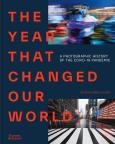
The Year That Changed Our World is a definitive, visual history of the Covid-19 Pandemic. With more than 450 photographs, this ambitious publication traces the arc of the Pandemic from early 2020 through to the vaccine breakthroughs of Spring 2021.
Here, the talented photographers of Agence France Presse document the deep, human stories of the Pandemic. Active in more than 150 countries, these capture all sides of the Covid-19 story as experienced by people throughout the globe. Organized into six chronological parts, and braided together with thematic breakout sections, including topics such as protests, sports, and politics, The Year That Changed Our World is a comprehensive time capsule. These images show the extraordinary efforts to understand, control, and cope with a previously unknown virus alongside the human stories of our lives at home: playing, caring, watching, and sharing, both together and at a distance.
Edited by Marielle Eudes, Director of Photography at Agence France Presse, and featuring, texts, quotes and insights from a range of contributors and public figures, The Year That Changed Our World is a photographic testament to humankind’s resilience in the face of the pandemic. The book’s arresting imagery provides a visual record for us and for future generations to better understand the world during the time of Covid-19.
The first comprehensive presentation of Versace’s womenswear collections from its 1978 debut to today, seen through stunning catwalk photography
Founded in 1978, Gianni Versace’s family-operated fashion house quickly grew into a symbol of high glamour and luxury known the world over. Throughout the 1980s and 1990s Versace’s styles were worn by iconic celebrities such as Madonna and Princess Diana. After Gianni Versace’s tragic death in 1997, his sister Donatella became artistic director of the brand, steering it into the twenty-first century and cementing its legendary status for a new generation of fans.
This magnificent celebration of more than forty years of Versace’s trendsetting creations is organized chronologically and includes both haute-couture and ready-to-wear collections. Each collection is introduced by a short text revealing its influences and is illustrated with catwalk photographs that feature clothes, details, accessories, and beauty looks showcased by models including Kate Moss, Naomi Campbell, Gigi Hadid, and Kaia Gerber. With an extensive reference section, a concise history of the house, and biographical profiles of Gianni Versace and Donatella Versace, this volume provides an unrivaled view of one of the world’s most illustrious fashion houses.
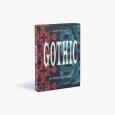
Crumbling ruins, undead fiends, dark alleys and forests teeming with horrors seen and unseen: the tendrils of the Gothic have crept out of the architecture of churches, mosques and grand houses and into suburban malls, overcrowded cities, the deserted corners of the world and beyond, taking the shape of monsters from Beowulf to Gojira, Cthulhu or the wendigo to our own terrifying, warped reflections. Across time, form and media, this book traces the weaving path of the Gothic from the shadows of history to the very heart of popular culture today.
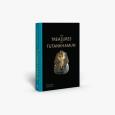
This beautifully illustrated book brings to life the greatest treasures from the tomb of Tutankhamun. Fifty of the most important objects on display today are each accompanied by a short, accessible text giving the reader just enough information to understand their relevance and importance while retaining a sense of wonder at these ancient artefacts.
Each carefully selected object is presented with a full-page colour image and a facing text explaining what the object is, where it was found and why it was buried with the young Pharaoh. There are quotes throughout the text from Howard Carter on his discovery of the tomb in 1922. An introduction by the esteemed Egyptologist Garry Shaw gives a brief overview of the history of ancient Egypt and sets out what we know about the life and times of the young king. He offers a graphic depiction of the dramatic story of the discovery and opening of the tomb by Howard Carter in 1922, and touches on the latest theories and scientific work that has taken place, as well as explaining what is still left to be discovered and the controversial nature of some of the latest interpretations.
This is the perfect pocket-sized companion for anyone visiting the international travelling Tutankhamun exhibition, the New Egyptian Museum in Giza or any of the renowned collections of Egyptology in museums across the world.
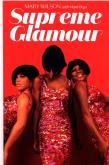
With the assistance of her close friend Mark Bego, founding member Mary Wilson tells the complete story of The Supremes, both on- and off-stage, from their beginnings as The Primettes in June 1959 to their 1964 breakthrough Motown hit, ‘Where Did Our Love Go’, and from the departure of Diana Ross to the group’s comeback in the mid-1970s. Packed with personal ancedotes and reflections from Mary herself, the text is accompanied by rare archive photography and ephemera, much taken from Mary’s personal collection.
The Supremes have always been synonymous with glamorous, elegant co-ordinated costumes. Supreme Glamour complements and extends their inspiring story by interleaving text sections with the cream of Mary Wilson’s unparalleled collection of Supremes outfits, showcasing thirty-five of the most eye-catching ensembles, painstakingly re-assembled and photographed on the Grammy museum stage. Detailed captions accompany each photograph, providing all the key information about the design, the fabric, the embellishments, and the occasion on which each was first worn. Contemporary photos of The Supremes wearing the outfits bring the costumes to life.
This sumptuous volume builds a complete picture of the charm and sophistication of The Supremes. Supreme Glamour is sure to appeal to fashionistas, Supremes enthusiasts, Mary’s numerous fans and visitors to her frequent exhibitions of the Mary Wilson/Supremes Gown Collection.
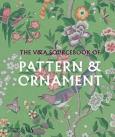
This richly illustrated, easy-to-navigate sourcebook of surface pattern and three-dimensional ornamentation presents more than one thousand historic and contemporary examples from around the world, each one succinctly identified and explained. Arranged thematically, it is unique among pattern books, as it includes examples not only of surface pattern but also three-dimensional ornamentation and embellishment, from Japanese kimono and William Morris fabrics to Chinese porcelain and contemporary furniture.
Creatives working today are as fascinated and inspired by pattern and ornament as they have always been and this expertly compiled selection will appeal to designers, artists, and illustrators from all disciplines as well as anyone interested in visual and material culture.
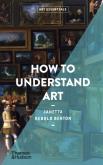
The visual arts are intellectual, emotional and pleasurable, but they may also confound. How to Understand Art seeks to maximize your experience when looking at art by strengthening your ability to comprehend and evaluate art.
With visual examples drawn from around the globe, Janetta Rebold Benton presents a multitude of ideas to enhance seeing, interpreting and enjoying art. Benton explores how artists have used the basic elements of art and experimented with materials and techniques. Why artists work in particular styles and depict certain subjects is explained, as well as the purpose and meaning of those subjects. A section devoted to six influential artists offers fascinating insights into a variety of creative environments and reveals six very different artistic paths.
This indispensable guide to art history encourages questions and discussion, especially in light of current debates. If you want to understand art and only have time to read one book, this should be it.
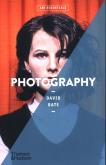
In an innovative approach, this illuminating guide presents photography as wide-ranging, diverse and accessible, drawing on both famous and lesser-known figures in the history of the medium. Photography specialist David Bate guides the reader through the photographs, exhibitions and photobooks that have been pivotal to the history of photography, contributing to vital shifts in the artform’s outlook, values and approach.
In art history, particular works are typically cited as examples of specific styles; here individual photographs are identified as historic examples of key art movements, which often developed precisely because of these works. Among the examples selected are many images that have had a profound impact across the globe, so presenting a thoroughly inclusive and diverse account of the contributions of photographers from the birth of photography to the present day.
Authoritative and engaging, this book also features a reference section with suggestions for further reading and a glossary of photography terms.
The story of graphic design is one of the most exciting and important in modern visual culture. Renowned designer and lecturer Richard Hollis’s pioneering Graphic Design: A Concise History traced the medium’s development in the twentieth century, from its roots in printing, and defined its function as visual communication: to identify, inform and promote. Here, reissued with a new title, preface and updated recommendations for further reading, this authoritative documentary history begins with the poster and goes on to chart the development of graphics in print, advertising, corporate identity and television, concluding with the impact of digital and electronic media on the forms of graphic design.
Preserving the author’s original layout, now regarded as a graphic design classic in its own right, the book features over 800 illustrations fully integrated with the text. An essential reference, this indispensable account is clear, comprehensive and compelling.
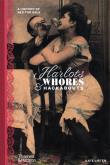
Talked over, talked down or talked for, the history of sex work is one of control, stigma and stereotype in which the lived experience of people selling sex is largely obscured. In this provocative, compelling and witty cultural history, Kate Lister (creator of ‘Whores of Yore’) recovers the stories of those who sold sex for a living. From medieval London back streets to Storyville brothels, and from Chinese flower boats to royal bed chambers, this authoritative and global history of sex work is enhanced by evocative paintings, archival photographs and intriguing curios.
Total War is an illustrated account of the most pivotal historical episode of the 20th century: the Second World War. It was not one single event, but rather the confluence of many simultaneous conflicts across the globe – on land, in the air, across the sea and beneath it. The state of ‘total war’ revealed nations in turmoil, destroying the boundaries between civilians and combatants and unleashing violence, death and destruction on a scale never previously experienced. This authoritative, immersive account of a conflict that forever reshaped the geopolitical landscape is told not only through compelling photographs of wartime events and detailed maps, but also through a series of artefacts that convey the real-life stories of those involved, from Europe, Asia, the United States and beyond.
Published to coincide with the much-anticipated opening of the new Second World War and Holocaust galleries at the Imperial War Museums, London, in 2021, Total War is an essential volume for anyone with an interest in the everyday realities of one of the most brutal and significant wars in modern history. Many unique images from the IWM’s Second World War and Holocaust collection are included, some being published for the first time. From German-Jewish passports and dolls made by Latvian war refugees, to Molotov cocktails and US bomber squadron flying gear, the book delves into the significance behind the deeply moving objects reproduced. With precision, sensitivity and a truly global approach, Total War offers a strikingly original visual perspective on an emotive and often controversial subject.
With 390 illustrations
For almost 60 years the Rolling Stones have helped shape popular culture around the globe. Unzipped captures the compelling character and dynamic spectacle of the band through distinctive photography and interviews with the Stones themselves, tracing their impact and influence on rock music, art, design, fashion, photography and filmmaking.
Evocative archive photos, artworks, outtakes and memorabilia, together with dazzling images of the band’s instruments and outfits, plunge you into the ever-changing world of the Stones. Many of the instruments and outfits are paired with pertinent archive photos, so you can examine the detail and see the objects in use. Peppered throughout with engrossing and insightful new commentary by Mick Jagger, Keith Richards, Charlie Watts and Ronnie Wood, the book also features a compelling introduction by Anthony DeCurtis, which chronicles their career, and perceptive articles by some of their most important creative collaborators, including Buddy Guy, Don Was, Anna Sui, John Varvatos, Martin Scorsese, Shepherd Fairey, Patrick Woodroffe and Willie Williams.
Bold, glamorous and captivating – and beautifully bound and finished – Unzipped is the perfect showcase for ‘the greatest rock ’n’ roll band in the world’.
Artists' Film is the first alternative history of the moving image, chronicling artists’ ever-evolving fascination with filmmaking from the early twentieth century to now.
From early pioneers to key artists of the present, leading authority and film expert David Curtis offers a vivid account of the numerous individuals who have been inspired by the cinematic medium and felt compelled to interpret and respond to it in their own way. In doing so, he discusses artists’ widely differing achievements, aspirations, theories and approaches.
Featuring over 400 international moving-image makers and drawing on examples from across the arts, including experimental film, video, installation and multimedia, this generously illustrated account offers an incomparable introduction to this increasingly popular and continually evolving art-form.
Ten produkt jest zapowiedzią. Realizacja Twojego zamówienia ulegnie przez to wydłużeniu do czasu premiery tej pozycji. Czy chcesz dodać ten produkt do koszyka?